Recognizing Earwigs and Their Impact
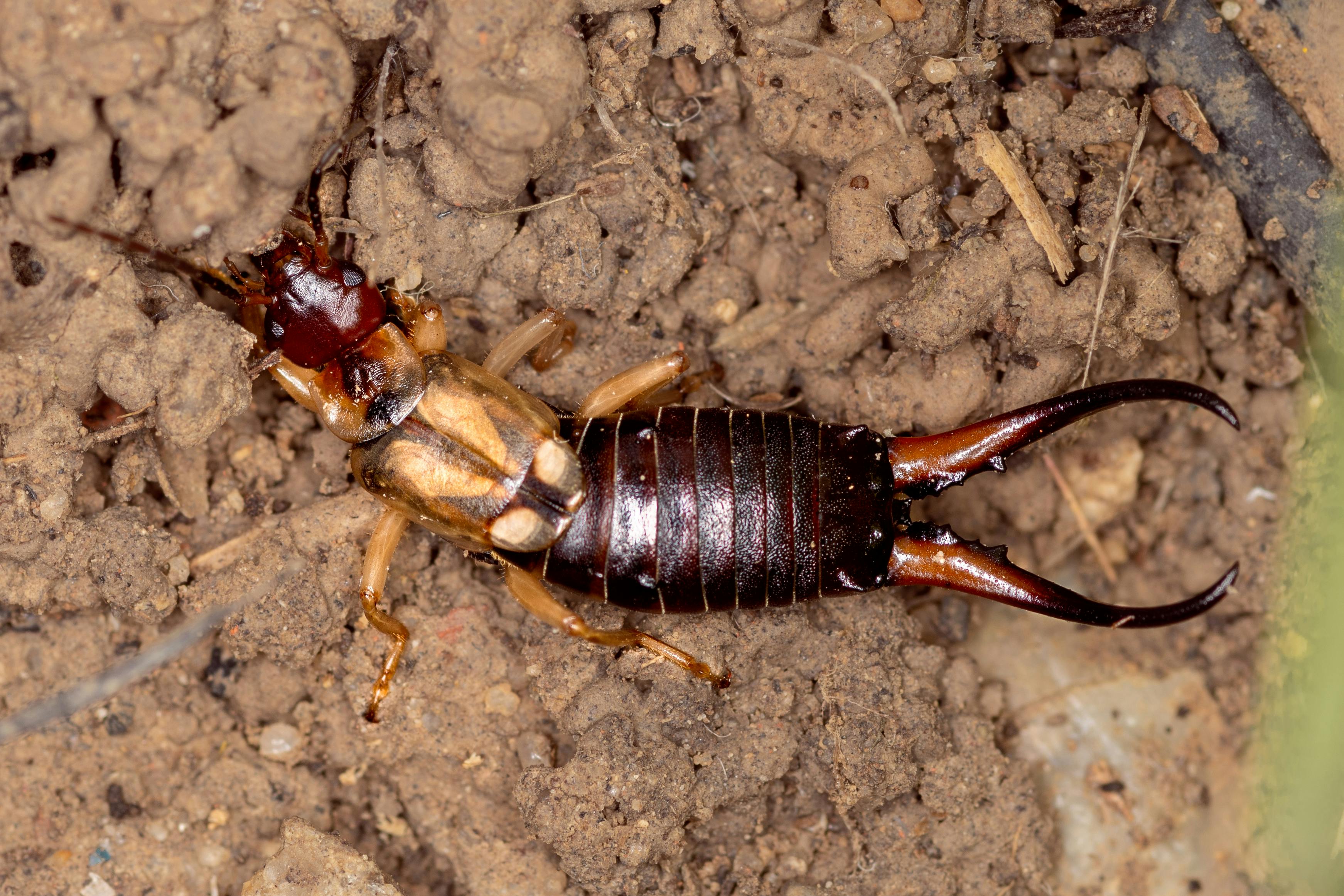
Earwigs are often the unseen guests that show up when you least expect them. When homeowners begin searching for a reliable earwig exterminator Decatur residents can trust, it’s usually because these nocturnal, omnivorous insects have made an unwelcome appearance. They are most recognizable by the pair of forceps-like pincers (cerci) protruding from the end of their elongated bodies. While they’re not the most glamorous critters, understanding their biology helps you spot them before they become a nuisance.
Key Identification Features
- Size: Typically 5‑12 mm long—about the width of a pencil eraser.
- Body shape: Flattened, elongated, and slightly curved, allowing them to slip into tight cracks.
- Cerci: The hallmark “pincers” are used for defense and mating; they’re most visible when the insect feels threatened.
- Coloration: Ranges from light brown to dark reddish‑brown, often with a glossy sheen.
Where Earwigs Like to Hang Out
Moisture is a magnet for earwigs. In the garden, you’ll find them under leaf litter, in mulch, or burrowed in damp soil. Around the house, they favor cracks in foundations, under siding, and any indoor area that stays damp—think basements, bathrooms, or kitchens with leaky pipes.
Signs That Earwigs Are Around
Even if you haven’t seen a live earwig, there are tell‑tale clues:
- Small, dark exoskeletons left behind after they molt.
- Irregular chewed edges on seedlings, soft plant stems, or ornamental foliage.
- Occasional sightings near indoor lights at night, especially in damp corners.
Why They Can Become a Nuisance
Earwigs are opportunistic feeders. In gardens, they may strip tender seedlings, damage ornamental plants, and chew on flowers—reducing the aesthetic appeal of your landscape. While bites on humans are rare, they can happen if the insects feel trapped; the pinch feels like a mild pinch rather than a painful sting. More concerning is their role as secondary pests: they can carry bacteria from decaying organic matter to fresh produce or garden plants, potentially spreading disease.
Quick Tip: Simple DIY Trap
To confirm whether earwigs are the culprits, set up a low‑tech trap. Roll a piece of damp cardboard into a loose tube, place it in a shady, damp spot (like a garden bed or basement corner), and leave it overnight. In the morning, check for earwigs clinging to the cardboard—if you find several, you likely have an active population that needs professional attention.
When Earwigs Are Most Active – A Seasonal Overview
Earwig Life Cycle and What Drives It
Earwigs move through three stages—egg, nymph, and adult—each tightly linked to temperature and moisture. For homeowners consulting an earwig exterminator Decatur residents trust, understanding this life cycle explains why infestations spike during warmer months. Eggs are laid in protected soil or mulch in late summer; they hatch when soil temperatures rise above 55°F (13°C). Nymphs molt several times, becoming more mobile as they warm up. Adults emerge in late spring, seeking food and shelter, and they remain active until the first hard freeze.
Seasonal Activity Chart
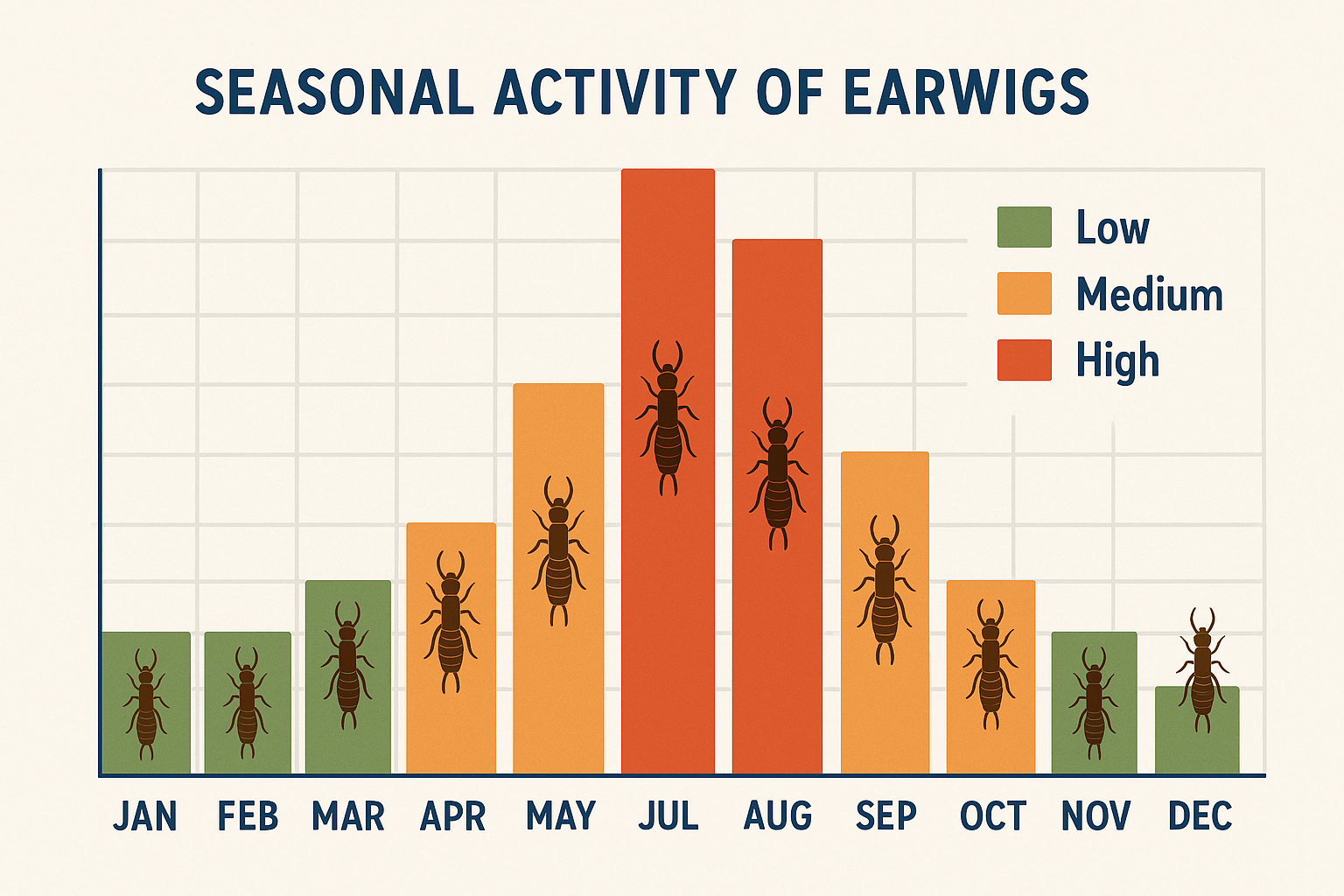
The bar chart uses a simple color code: red indicates high activity, orange moderate, and green minimal. As the chart shows, activity climbs sharply in March, peaks from May through September, and drops to green‑level levels from November through February.
Peak Months and Why They Matter
Late spring through early fall (May‑September) is the window when earwigs are most likely to wander into homes, crawl under foundation cracks, or hide in garden mulch. Warm nights and abundant moisture create ideal foraging conditions, so you’ll see the highest numbers of adult earwigs during these months.
Winter Lull and Indoor Micro‑habitats
Earwigs are cold‑intolerant; once soil temperatures dip below 45°F (7°C), their metabolism slows and they seek shelter in deeper soil or leaf litter. However, indoor heating can unintentionally create micro‑habitats—warm, damp basements or crawl spaces—where a few survivors may linger, especially near leaky pipes or poorly ventilated areas.
Seasonal Monitoring Checklist
- March: Inspect mulch, garden beds, and foundation cracks for early nymph activity.
- May: Deploy sticky traps or rolled‑up newspaper traps around entry points.
- June‑August: Conduct a professional inspection before the summer peak to identify hidden colonies.
- October: Reduce outdoor moisture by fixing irrigation leaks and clearing leaf debris.
For a broader view of best practices, refer to the EPA’s seasonal pest management guidance. Following this timeline helps you stay ahead of earwig invasions and keeps your home comfortable year‑round.
Effective Earwig Control Methods for Homeowners
Earwigs may seem harmless, but a large population can damage plants, contaminate food, and create an unsettling presence inside your home. The good news is that a mix of smart prevention, targeted DIY tactics, and professional services can keep these nocturnal insects at bay.
Preventive Measures That Stop Earwigs Before They Enter
- Eliminate excess moisture: Fix leaky pipes, clean gutters, and use a dehumidifier in damp basements. Earwigs thrive in humid environments.
- Keep mulch away from foundations: A two‑foot gap between mulch and your house reduces shelter opportunities.
- Seal cracks and gaps: Use caulk or expanding foam around windows, doors, and utility penetrations.
- Reduce outdoor lighting: Switch to yellow‑tinted bulbs or install motion sensors; bright lights attract many insects that earwigs later hunt.
DIY Options You Can Try Right Now
- Diatomaceous earth dust: Sprinkle a thin layer around entry points; the microscopic shards puncture earwig exoskeletons.
- Boric acid baits: Mix boric acid with a sweet attractant and place in shallow dishes. Earwigs carry the toxin back to the colony.
- Neem oil spray: Dilute according to label instructions and apply to garden beds and siding; neem disrupts feeding and reproduction.
- Homemade traps: Roll up newspaper tubes, dampen them, and tuck them under decks or in garden corners. Earwigs hide inside, and you can dispose of the tubes each morning. Sticky boards work similarly, capturing wandering insects on a tacky surface.
When DIY Falls Short
While DIY tools are inexpensive, they often leave coverage gaps, especially around hidden cracks or deep soil. Re‑infestation is common if the source isn’t fully eliminated, and some products—like boric acid—pose safety concerns for pets and children if not applied correctly.
Professional Treatments: What the Pros Do Differently
- Perimeter sprays: Licensed technicians apply residual insecticide around the home’s exterior, creating a long‑lasting barrier.
- Targeted indoor fogging: Low‑volume foggers reach cracks, voids, and wall voids where earwigs hide.
- Bait stations: Professionally formulated baits are placed in strategic indoor and outdoor locations, ensuring consistent consumption by the colony.
- Structural barriers: In high‑risk homes, we install physical barriers—such as fine mesh screens—over vents and crawl‑space openings.
What to Expect From a Professional Service Plan
A reputable provider like Anthem Pest Control begins with a thorough inspection to identify entry points and infestation hotspots. Homeowners working with a professional earwig exterminator Decatur residents trust benefit from a customized treatment schedule, typically involving an initial intensive application followed by quarterly follow-ups. Each visit includes a progress review, and most plans come with a warranty guaranteeing earwig-free results for a set period.

Comparing Earwig Extermination Pricing Tiers
At Anthem Pest Control we believe you shouldn’t have to guess what a service will cost. That’s why we offer a straightforward three‑tier pricing model—Basic, Standard, and Premium—so you can see exactly what you’re paying for and choose the level that matches your earwig situation and budget.

Tier Breakdown
| Tier | Price | What’s Included |
|---|---|---|
| Basic | $79 |
|
| Standard | $129 |
|
| Premium | $179 |
|
Choosing the Right Tier for Your Infestation
Occasional sightings—If you only spot earwigs near doorways or in garden beds, the Basic tier provides a quick exterior barrier that keeps them out without extra cost.
Recurring indoor activity—When earwigs start appearing inside cabinets, basements, or bathrooms, the Standard tier adds interior spot treatment and a follow‑up visit, giving you a longer warranty and peace of mind.
Heavy garden or structural concerns—Large properties, extensive landscaping, or signs of earwig damage to wooden siding benefit from the Premium tier. Full‑home coverage, quarterly inspections, and a year‑long warranty ensure the problem stays solved.
Seasonal Discounts & Bundled Services
We run a 10 % discount on all tiers during the spring surge when earwig activity peaks. If you also need ant control, we bundle the two services for an additional $20 off the combined price—perfect for homeowners tackling multiple pests at once.
Payment Options & Satisfaction Guarantee
All tiers can be paid by credit card, debit, or ACH, and we offer a convenient “pay‑as‑you‑go” plan for the Premium package, spreading the cost over four monthly installments. Our 100 % satisfaction guarantee means if you still see earwigs after the warranty period, we’ll return at no extra charge to re‑treat your home.
Protect Your Home with Anthem Pest Control
Earwigs may seem harmless, but a growing population can damage garden plants, invade kitchens, and create unsightly crumbs in your home. Knowing how to spot them, when they’re most active, and which treatment fits your budget is the first line of defense.
- Identify earwigs: elongated bodies, pincers at the tail, nocturnal activity.
- Seasonal peaks: late summer through early fall when moisture is high.
- Control methods: DIY traps, perimeter sprays, or professional EPA‑approved treatments.
- Pricing options: one‑time service, seasonal plans, or bundled pest packages.
When you choose a professional service, you gain more than just a product. Anthem Pest Control’s technicians are trained to confirm the pest species, apply safe EPA‑approved chemicals, and treat every entry point for comprehensive coverage. Ongoing monitoring ensures that any new activity is caught early, reducing the chance of a re‑infestation and protecting both your family and your property value.
- Expert identification and tailored treatment plans.
- Safe, EPA‑approved products that protect children and pets.
- Full‑home coverage, including interior and exterior zones.
- Continuous monitoring and follow‑up visits.
Ready for peace of mind? Schedule a free, no‑obligation inspection today. Booking is simple—just visit Anthem Pest Control online or call us at 877‑371‑8196. Our transparent pricing means you’ll never encounter hidden fees, and our friendly team will walk you through every step. Our technicians arrive on schedule, fully equipped, and ready to answer any questions you may have.
Protecting your family and property doesn’t have to be stressful. Let the trusted local experts at Anthem Pest Control, a professional earwig exterminator Decatur homeowners rely on, handle the earwig challenge so you can enjoy a comfortable, pest-free home. A quick call today can stop earwigs before they become a nuisance.