Earwig Identification and Why They Matter
What Is an Earwig?
Earwigs belong to the order Dermaptera, a group of insects that has been around for more than 300 million years. In the United States, the most common household species are the European earwig (Forficula auricularia) and the American earwig (Labidura riparia). Though they’re often dismissed as harmless, their presence can signal moisture problems and lead to garden damage, which is why many homeowners contact an earwig exterminator Suwanee for a professional evaluation.
Key Physical Traits
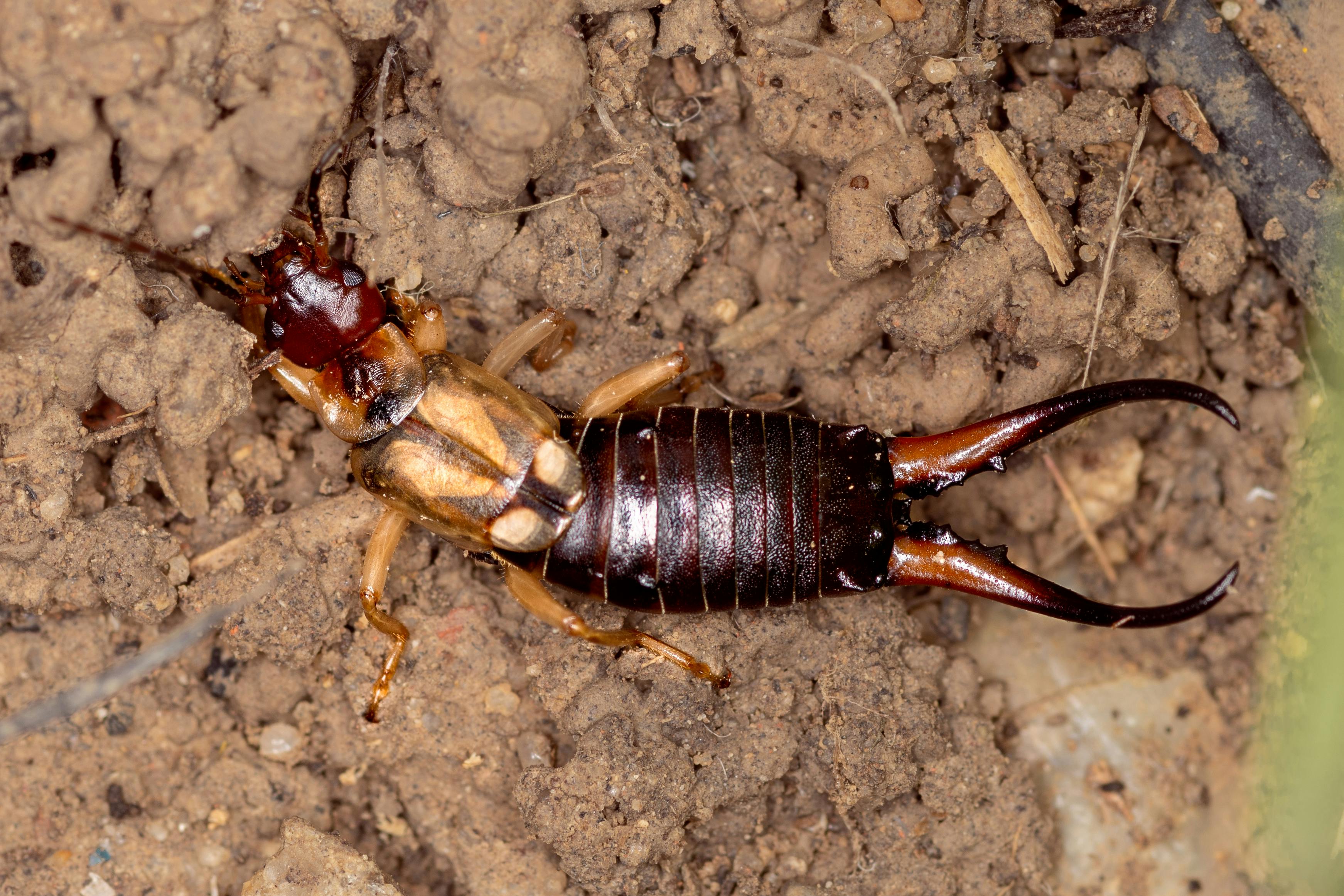
An earwig’s body is elongated and somewhat flattened, typically ranging from ½ inch to 1 inch in length. The most recognizable feature is the pair of forceps‑like pincers at the rear of the abdomen, which they use for defense, mating, and navigating tight spaces. Their antennae are long and thread‑like, and their wings, when present, lie flat over the back in a short‑lived, leathery covering. Earwigs are nocturnal, so you’ll most often see them after dusk, scuttling across walls or out of damp basements.
Where You’ll Find Them
These insects thrive in moist environments. Outdoors, they hide in leaf litter, under mulch, in compost piles, and around decaying wood. Indoors, they gravitate toward damp zones such as bathrooms, kitchens, basements, and laundry rooms. Cracks around foundations, clogged gutters, or over‑watered garden beds create the perfect micro‑habitat for earwig colonies.
Why Homeowners Should Care
Earwigs are primarily plant feeders. In a garden, they can chew on seedlings, tender leaves, and even fruit, leaving ragged edges that invite disease. Inside the home, they rarely cause structural damage, but they may forage for food scraps, pollen, or dead insects, creating an unsettling “creepy‑crawl” experience for occupants. The psychological impact—seeing a small, pincered insect at night—can be enough to prompt a professional inspection.
Spotting the Difference
Earwigs are often confused with beetles or crickets. Unlike beetles, earwigs lack hard, shiny elytra covering the entire back; their wings, if present, are short and folded flat. Crickets have long hind legs for jumping and produce chirping sounds, while earwigs move with a slow, deliberate crawl and have the signature cerci (pincers) at the tail end. The combination of nocturnal activity, moist habitat preference, and the distinctive forceps is a reliable identifier.
Quick Visual‑Cue Checklist
- Length: ½ – 1 inch, slender, slightly flattened body.
- Rear pincers (cerci) clearly visible and symmetrical.
- Long, thread‑like antennae extending from the head.
- Found in damp areas—both outdoors (mulch, leaf litter) and indoors (basements, bathrooms).
- Active at night; often seen scurrying on walls or floors after lights are on.
- No loud chirping or strong jumping ability.
By using this checklist, homeowners can confidently determine whether the tiny, nocturnal visitor is an earwig or another harmless insect. If you confirm an earwig presence and notice repeated sightings, moisture control and targeted treatment are the next steps—services Anthem Pest Control provides with safe, effective solutions tailored to Suwanee homes.
Spotting Entry Points and Home Inspection Basics

Why earwigs find their way inside
Earwigs are drawn to the same things that make a house comfortable for us: moisture, shelter, and easy access. A leaky pipe, a damp basement wall, or a pile of mulch that stays wet after a rainstorm creates a perfect hideout. When those conditions line up with a tiny crack or gap, earwigs slip inside, looking for food such as decaying plant matter and a safe place to lay their eggs, often prompting homeowners to call an earwig exterminator Suwanee.
Common entry points you can’t ignore
- Foundation cracks – Even hairline splits let tiny insects crawl in.
- Door sweeps – Worn or missing sweeps leave a gap at the bottom of exterior doors.
- Window screens – Torn or loosely fitted screens act like open doors.
- Vent openings – Dryer, attic, and bathroom vents often lack proper mesh.
- Gaps around utility lines – Pipes, cables, and conduit penetrations are frequent shortcuts.
Step‑by‑step home inspection guide
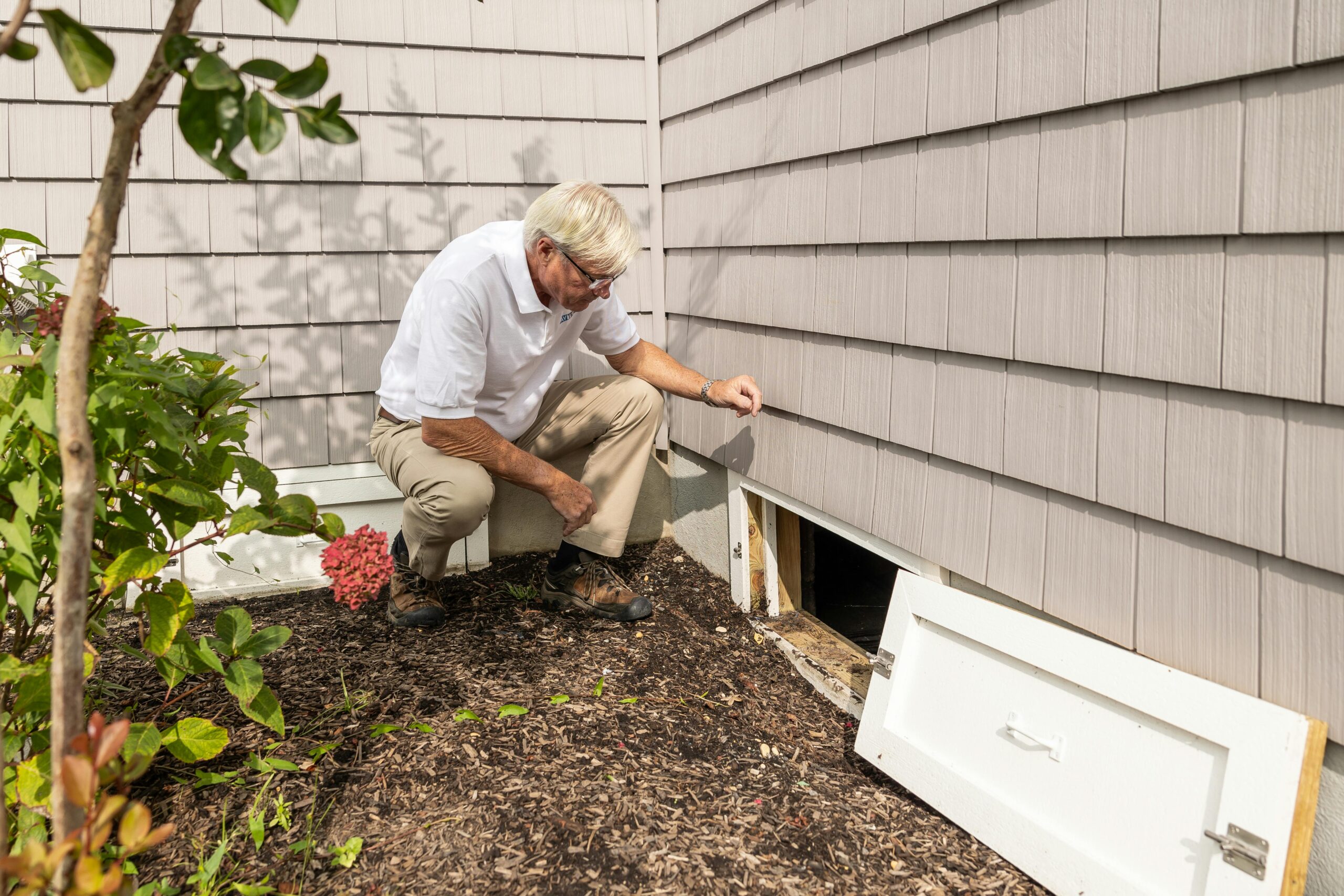
- Walk the perimeter at night with a bright flashlight. Earwigs are nocturnal; you’ll see them congregating near lights or in dark crevices.
- Check under decks, patios, and mulch beds. Lift a corner of the mulch or peek under the deck boards for clusters of earwigs or their shed skins.
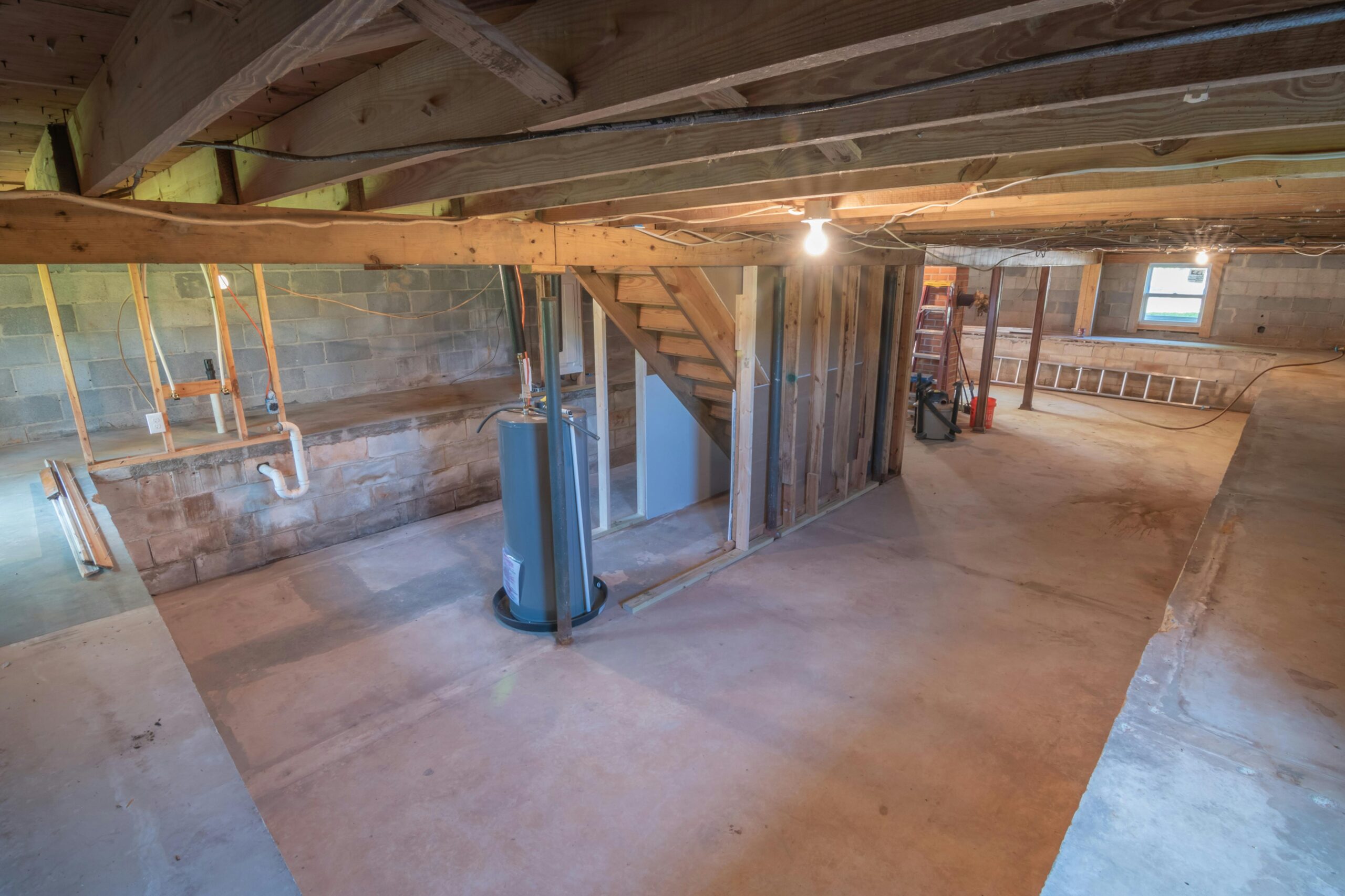
- Inspect interior damp areas such as basements, bathrooms, and kitchens. Look for tiny silvery‑gray insects, egg cases, or a faint, musty odor that signals moisture buildup.
Tools and supplies you’ll need for a thorough sweep
- Flashlight – a high‑lumens LED makes hidden cracks visible.
- Magnifying glass – helps spot the tiny, delicate bodies and shed exoskeletons.
- Notebook or phone notes – record the location of each finding for future reference.
- Disposable gloves – keep your hands clean when handling damp surfaces.
Simple DIY sealing methods that work
- Caulk – Apply silicone or acrylic caulk to seal foundation cracks and gaps around windows.
- Weather‑stripping – Replace worn door sweeps and add adhesive-backed strips to block gaps.
- Screen repair – Patch torn window screens with fiberglass mesh and a spline roller.
When to call a professional for a thorough inspection
If you discover earwigs in multiple rooms, notice a persistent moisture problem, or feel uncomfortable tackling vent and utility line gaps, it’s time to bring in a licensed pest‑control team. Professionals have infrared cameras to locate hidden moisture, commercial‑grade sealants that last years, and the expertise to identify secondary entry routes you might miss. A comprehensive inspection from Anthem Pest Control can give you a clear action plan, prevent future infestations, and protect your home’s structural integrity.
Treatment Options and Effective Control Methods
Earwigs may seem harmless, but a large indoor population can damage plants, contaminate food, and create an unsettling presence. Choosing the right control strategy hinges on how quickly you need relief, your budget, and how much you value a low-impact approach. Below is a practical roadmap that blends chemistry, common-sense home fixes, and professional expertise, helping you select a plan that fits your lifestyle and the unique conditions of your Suwanee home with guidance from an experienced earwig exterminator Suwanee.
Integrated Pest Management (IPM) Overview
IPM is a layered, science‑backed framework that prioritizes prevention, monitors activity, and applies treatments only when necessary. For earwigs, IPM begins with a thorough inspection to locate breeding sites, entry points, and moisture hotspots. Once the problem is mapped, you combine cultural changes (like fixing leaks) with targeted interventions—chemical or non‑chemical—while continuously evaluating results. This method reduces reliance on pesticides, lowers long‑term costs, and aligns with EPA guidelines for indoor air quality.
Chemical Treatments
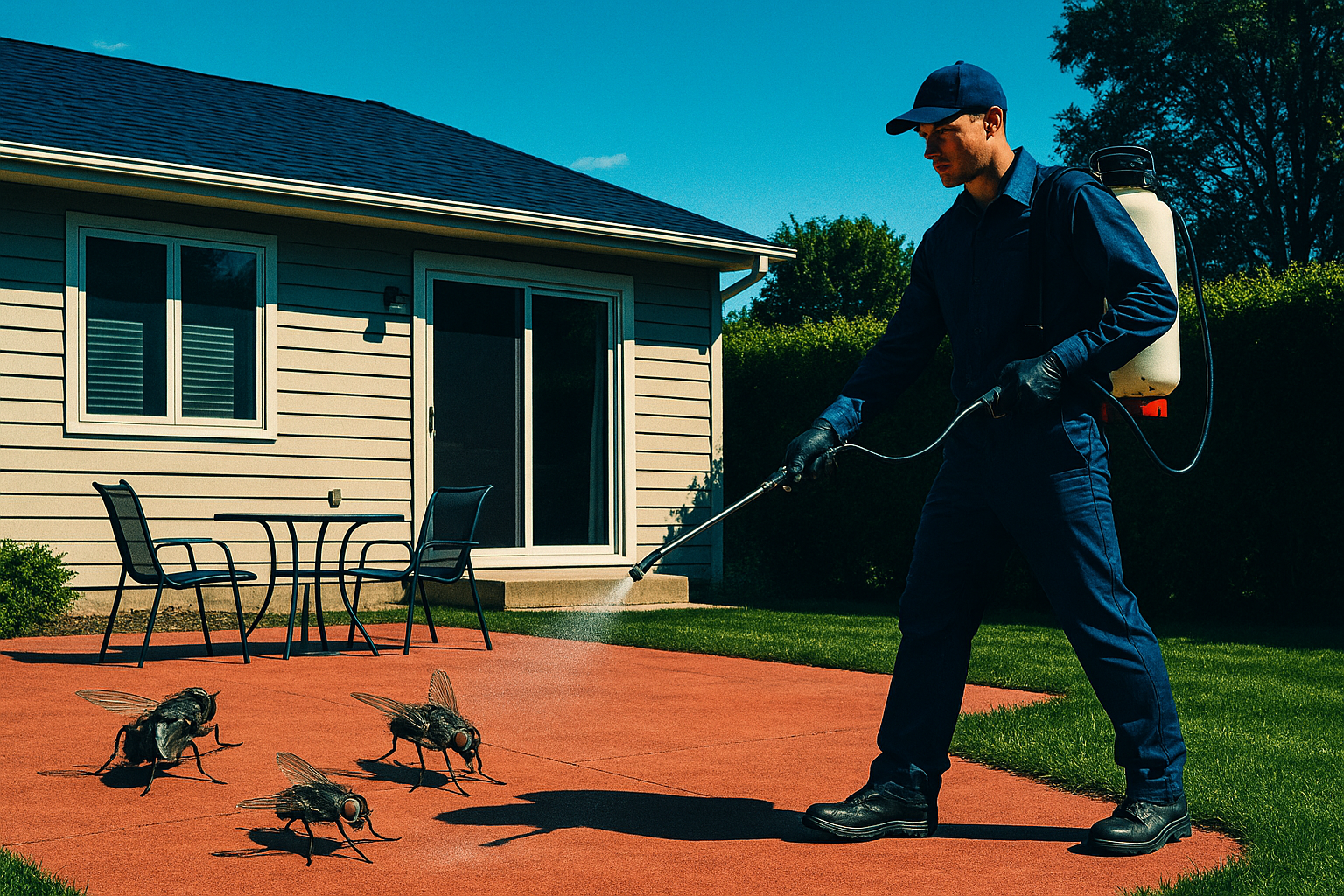
- Contact sprays (pyrethroids): Fast‑acting aerosols that knock down earwigs on contact. Ideal for immediate relief around doorways, windows, and outdoor perimeters.
- Baits and residual granules: Placed along foundation walls and garden beds, these products attract earwigs and deliver a slow‑acting toxin that spreads through the colony.
- Safety considerations: Always follow label directions, wear protective gloves, and keep children and pets away until the area dries. EPA regulations require that indoor applications meet strict toxicity standards; you can review the official guidance here.
While chemical options provide rapid knock‑down, they should be used judiciously. Over‑application can lead to resistance, and residual chemicals may linger in crawl spaces or basements if not applied correctly.
Non‑chemical Options
- Moisture reduction: Earwigs thrive in damp environments. Repair leaky pipes, improve yard drainage, and use dehumidifiers in basements to make your home less inviting.
- Physical barriers: Install metal flashing around foundation cracks and fit fine‑mesh screens on vents and utility openings. These barriers block the slender bodies of earwigs without affecting airflow.
- Traps: Roll up newspaper, dampen it slightly, and place it near suspected entry points. Earwigs will hide inside; you can then dispose of the roll in a sealed bag. Sticky traps positioned under siding or behind appliances also provide a low‑cost monitoring tool.
Non‑chemical tactics are especially effective for homeowners who prefer an eco‑friendly approach or have pets that are sensitive to pesticides. They also lay the groundwork for long‑term prevention when paired with regular home maintenance.
Professional Services
- One‑time exterior spray program: A licensed technician applies a perimeter treatment that creates a protective barrier for up to 30 days, ideal for acute infestations.
- Ongoing maintenance plans: Quarterly visits that combine perimeter sprays, interior spot treatments, and IPM monitoring. This schedule keeps earwig populations below nuisance levels year‑round.
Anthem Pest Control’s technicians are EPA‑certified and use low‑odor, fast‑drying formulations that minimize disruption to your daily routine. The maintenance plan spreads costs over the year, often proving more economical than repeated emergency calls.
Pros, Cons, and Cost‑Effectiveness
| Method | Pros | Cons | Typical Cost (per treatment) | Environmental Impact |
|---|---|---|---|---|
| Contact sprays (pyrethroids) | Immediate knock‑down, easy DIY | Short residual life, potential resistance | $30‑$70 | Moderate – synthetic chemicals |
| Baits & residual granules | Targets hidden colonies, long‑term control | Requires correct placement, slower action | $40‑$90 | Low‑moderate – reduced surface exposure |
| Moisture reduction & barriers | Zero chemicals, improves home health | Initial labor, may need professional repair | $0‑$200 (depends on repairs) | Very low |
| Traps (newspaper, sticky) | Inexpensive, simple monitoring | Only reduces numbers, not source | $5‑$20 | Negligible |
| Professional exterior spray | Broad coverage, licensed expertise | Higher upfront cost | $120‑$250 | Low‑moderate – EPA‑approved products |
| Quarterly maintenance plan | Consistent protection, IPM integration | Ongoing expense | $350‑$500 annually | Low – emphasis on prevention |
Homeowner Maintenance Tips After Treatment
- Inspect and seal cracks around windows, doors, and foundation every spring.
- Keep gutters clear and direct downspouts away from the house to prevent standing water.
- Remove leaf litter, wood piles, and other debris within 18 inches of the foundation.
- Use a dehumidifier in basements and crawl spaces, aiming for humidity below 50%.
- Schedule an annual check‑up with Anthem Pest Control to refresh IPM recommendations and catch any new activity early.
Comparing Earwig Extermination Pricing Plans
When it comes to pest control, clear pricing builds trust and lets you budget with confidence. At Anthem Pest Control we lay out every cost up front, so you know exactly what you’re paying for and why.
Transparent pricing lets you compare options side‑by‑side and avoid surprise charges later. At Anthem Pest Control we break down every service into clear components so you can see exactly where your dollars go. Whether you need a quick exterior fix or a full‑home safeguard, the tiered layout makes budgeting painless.
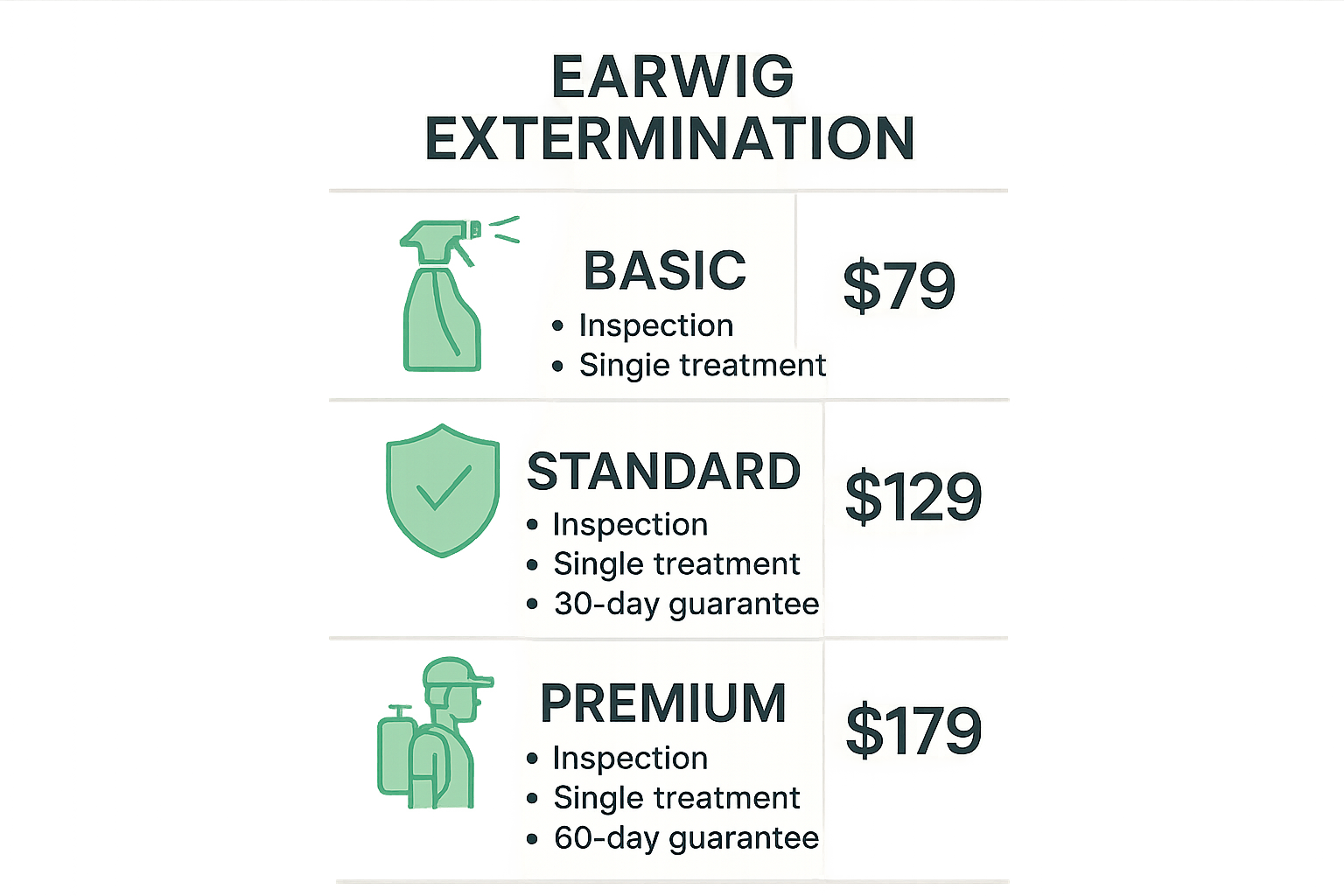
| Tier | Price | What’s Included |
|---|---|---|
| Basic | $79 | 🧴 Single‑visit exterior spray 📞 Follow‑up call |
| Standard | $129 | 🧴 Exterior spray 🛡️ Interior perimeter treatment 📞 One follow‑up visit |
| Premium | $179 | 🧴 Full‑home exterior & interior treatment 🛡️ Two follow‑up visits 👨🔧 Warranty protection |
What each tier includes
- Spray bottle (🧴) – Professional‑grade insecticide applied to the areas where earwigs hide.
- Shield (🛡️) – Added perimeter or whole‑home coverage that blocks re‑infestation.
- Technician (👨🔧) – Trained staff who assess the problem, apply treatment, and follow up.
How to choose the right tier for your home
Start by looking at the size of your property and the severity of the infestation. A small patio or a single‑story home with a light earwig presence often fits the Basic plan. If you notice earwigs inside doors, windows, or along interior walls, the Standard tier adds the crucial interior perimeter treatment and a second visit to ensure they’re gone.
Choosing the right tier isn’t just about price—it’s about matching treatment to your home’s unique risk profile. Larger yards, dense landscaping, or previous earwig activity often call for the added interior work found in the Standard or Premium plans. Homeowners with pets or children may also prefer the Premium option because the warranty includes a safety review of the chemicals used.
We never add hidden fees—the price you see is the price you pay. All tiers include a satisfaction guarantee; if earwigs return, we’ll re‑treat at no extra cost.
Seasonal Activity Patterns and Timing Your Treatment
Earwigs move through three distinct stages: egg, nymph, and adult, each with its own timing and vulnerability. Females deposit eggs in moist soil or hidden crevices during the cooler months, and the eggs hatch into pale nymphs that resemble miniature adults but lack fully developed wings. Nymphs molt several times before reaching the mature, dark-brown adult that can reproduce and wander indoors in search of food and moisture, a lifecycle stage that often leads homeowners to contact an earwig exterminator Suwanee.
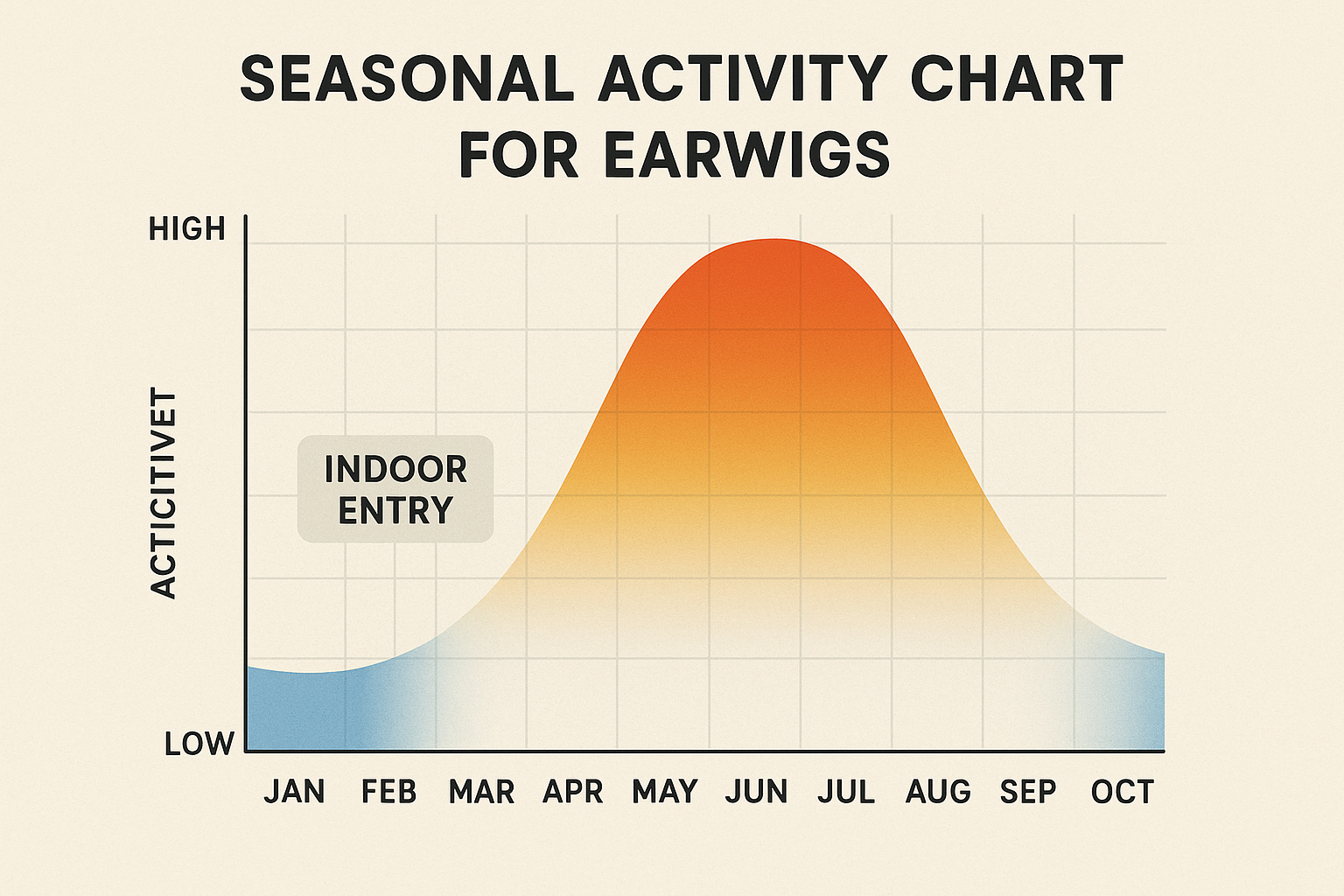
Reading the seasonal activity chart
The chart makes two trends crystal clear. First, earwig activity spikes when temperatures rise above 65 °F (18 °C); second, indoor foraging surges in late summer and early fall as insects seek shelter from dropping humidity. In Suwanee, GA, the warmest window runs from late May through September, so you’ll see the highest outdoor numbers then.
Monthly treatment guide
- Jan – Mar: Outdoor movement is minimal. Focus on eliminating excess moisture inside the home—repair leaky pipes, use dehumidifiers, and seal cracks around foundations.
- Apr – Jun: Earwigs emerge from their winter hideouts. Apply a perimeter spray or granule treatment around the house’s exterior to stop them before they cross the threshold.
- Jul – Sep: This is the peak period. Schedule a second exterior treatment midway through the season and set up sticky traps in kitchens, bathrooms, and crawl spaces to catch any that slip through.
- Oct – Dec: Outdoor populations decline, but indoor sightings often rise as the insects look for a warm refuge. Conduct a final interior inspection, reinforce caulking, and consider a low‑dose residual spray in high‑traffic rooms.
Climate‑zone considerations
In warmer southern zones, earwig activity can start as early as March, while cooler northern areas may not see a noticeable rise until May. Adjust the above schedule by a month forward or backward based on your local average temperatures. The key is to align treatment with the first sign of outdoor activity and then maintain pressure through the peak months.
By matching inspections and applications to this seasonal rhythm, you reduce the chance of a surprise indoor infestation and keep your home comfortable year‑round.
Secure Your Home with Professional Earwig Control
By now you know how to spot earwigs, what signs they leave behind, and the best times of year to act before they multiply. We walked through a thorough home inspection, compared DIY sprays, bait stations, and professional treatments, and broke down the three pricing tiers—basic, standard, and premium—so you can match your budget with the level of protection you need. Because earwigs thrive in damp, warm months, treating in late spring through early fall stops them before they seek shelter inside your walls.
Choosing a licensed professional isn’t just about convenience; it guarantees safe, effective, and lasting results. Trained technicians apply EPA‑compliant products with precise placement, reducing the risk of over‑use or accidental exposure to children and pets. Our technicians also provide a written guarantee, so you know the job is done right the first time. They also follow a proven follow‑up schedule that keeps earwigs away long after the initial visit.
Why Anthem Pest Control Is Your Best Choice
- Nationwide coverage: Whether you own a single‑family home in Suwanee or a vacation property elsewhere, our network of experts can protect you.
- Transparent, affordable pricing: Our three‑tier plans let you see exactly what you’re paying for—no hidden fees. You’ll know exactly which services are included, from initial inspection to follow‑up treatments.
- EPA‑approved products & trained technicians: We use solutions that meet strict safety standards while delivering powerful earwig control.
- Family‑friendly commitment: Our methods prioritize the health of your household and the environment.
If you’re ready to protect your home from earwigs and enjoy a pest‑free environment, contact Anthem Pest Control for a free, no‑obligation quote. Call us today at 877‑371‑8196 and let our specialists design a customized plan that fits your schedule and budget. Our team can schedule an appointment within 48 hours, giving you rapid relief from those nocturnal nuisances.
Visit Anthem Pest Control for more information and to connect with a trusted earwig exterminator Suwanee.