Fruit Fly Invasion in Brookhaven Kitchens
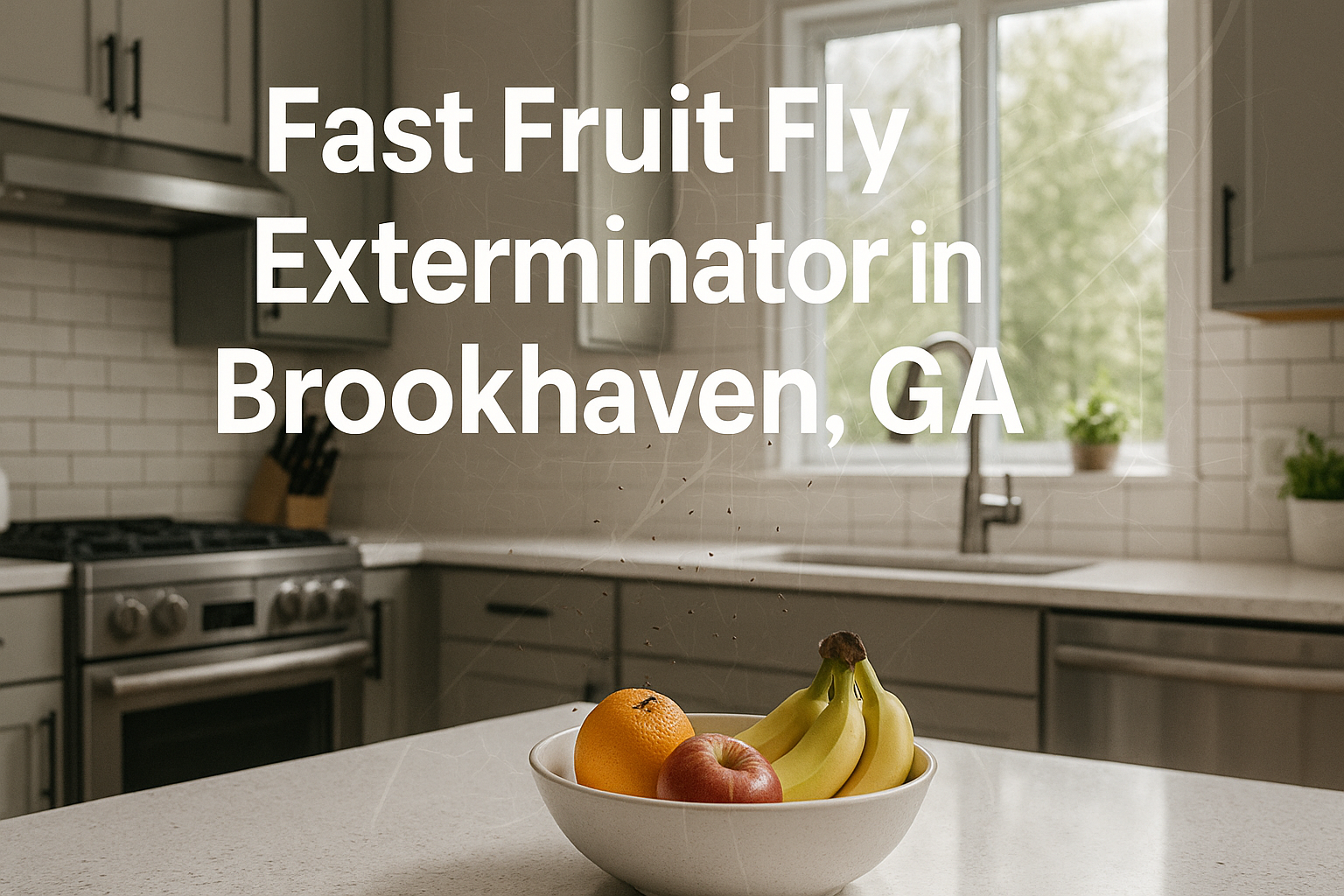
Picture this: a sweltering July evening in Brookhaven, the kitchen light humming, and a tiny cloud of fruit flies buzzing over a bowl of ripe peaches on the counter. Their erratic dance turns the once‑inviting space into a buzzing nuisance, and within minutes the flies multiply, slipping into open jars, trash cans, and even the cracks around your sink.
For a homeowner, that sudden swarm isn’t just an annoyance—it’s a signal that a breeding ground is already forming. Fruit flies reproduce in days, so what starts as a few insects can become a full‑blown infestation by the weekend. Left unchecked, they contaminate food, spread yeast‑based odors, and can make guests question the cleanliness of your home.
That’s why this guide is built around three core goals: first, to give you fast, proven extermination methods that stop the flies in hours; second, to share DIY prevention tips that seal the entry points and eliminate breeding sites before they take hold; and third, to lay out transparent cost expectations so you know exactly what a professional treatment will cost in Brookhaven.
When speed matters, you need a neighbor who knows the local climate and can be on‑call any time of day. Anthem Pest Control has been serving Brookhaven homes for years, and our 24‑hour hotline—877‑371‑8196—is staffed by trained technicians ready to dispatch a treatment crew within the hour. We combine EPA‑approved products with a safety‑first approach, so you get relief without compromising family health.
In the sections that follow you’ll discover:
- the biology of fruit flies and why they love kitchens
- the health and property risks of an unchecked infestation
- how summer heat drives seasonal spikes in Brookhaven
- step‑by‑step DIY measures you can start tonight
- what professional services look like, from inspection to follow‑up
- tips for choosing the right exterminator and understanding pricing
- answers to the most common FAQs
Understanding the Fruit Fly Threat in Brookhaven

Lifecycle and Breeding Habits
Fruit flies belong to the Drosophila genus, and their life cycle can be completed in as little as seven days under optimal conditions. An adult female can lay up to 400 eggs on the surface of fermenting fruit, vegetables, or even damp organic debris. Those eggs hatch within 24 hours, and the larvae (maggots) feed voraciously before pupating. Within a week, the next generation of adults emerges, ready to mate and continue the cycle.
Georgia’s Humid Summer Boosts Reproduction
Brookhaven’s summer climate—characterized by humidity levels often exceeding 70 % and average daytime temperatures hovering around 85 °F—creates the perfect incubator for fruit flies. Warm, moist environments accelerate metabolic rates, shortening the egg‑to‑adult development time and allowing multiple generations to overlap. In practical terms, a single infestation can swell from a handful of flies to a full‑blown swarm in just a few weeks if left unchecked.
Local Data Shows a Rising Trend
The EPA indoor pest report documents a 12 % rise in indoor fruit‑fly complaints across the Southeast during 2023‑2024. While the report covers a broad region, the spike aligns closely with anecdotal reports from Brookhaven homeowners who notice more frequent sightings during the peak humidity months. This data‑driven insight underscores that fruit flies are no longer a rare nuisance—they’re an emerging household problem.
Neighborhood Hotspots
Within Brookhaven, three areas consistently report higher fruit‑fly activity:
- Brookhaven Village – dense housing clusters with shared gardens provide abundant breeding sites.
- Medlock – older homes often feature cracked window screens and moisture‑prone basements, ideal for larvae.
- Historic Brookhaven near Peachtree Road – mature fruit‑bearing trees and ornamental plants attract adult flies, while historic structures retain pockets of damp wood.
These neighborhoods share common factors: close‑quarter living, plentiful garden fruit, and aging building envelopes that allow moisture infiltration. Together, they create micro‑environments where fruit flies can thrive unnoticed until populations explode.
Spotting Fruit Flies and Health Risks
Fruit flies are tiny nuisances, typically measuring about 1/8 inch (3 mm) in length. Their bodies are a muted tan, their eyes a striking red, and their wings display a faint, mottled pattern that sets them apart from other household flies. These details make it easy to differentiate them from the larger housefly or fungus gnats.
Where They Love to Breed
Understanding where fruit flies set up shop helps you catch them early. The most common breeding hotspots in a Brookhaven home include:
- Overripe or rotting fruit left on countertops or in trash bags
- Garbage disposals and sink drains that retain organic residue
- Damp mop heads or cleaning rags that stay moist for days
- Compost bins and outdoor trash cans that are not sealed tightly
Health Risks Backed by Science
The Centers for Disease Control and Prevention (CDC) reports that fruit flies can carry **over 30 different types of bacteria**, including strains that cause food‑borne illnesses. When a fly lands on a contaminated surface—say, a dirty drain—and then hops onto a slice of fruit or a kitchen utensil, it can transfer those microbes directly to your food.
Real‑World Impact
Take the Medlock family from nearby Decatur. Over a single week, they experienced mild gastrointestinal upset—nausea, cramping, and loose stools. A quick inspection revealed a sudden surge of fruit flies around their kitchen sink and fruit bowl. Once the infestation was treated and the breeding sites were cleaned, the symptoms subsided, confirming the link between the flies and the brief illness.
How Flies Move Bacteria
Fruit flies pick up bacteria on their legs, mouthparts, and bodies as they crawl through waste, drains, and decaying matter. Each time they land on a clean surface, they act like a microscopic shuttle, depositing pathogens that can multiply on food, countertops, or even kitchen tools. This simple transfer mechanism is why a small fly problem can quickly become a health concern, especially for families with young children or anyone with a weakened immune system.
When Fruit Flies Strike in Brookhaven
When fruit flies first appear in early May, many Brookhaven homeowners think they’re just a summer nuisance. In reality, that period marks the opening of a six‑month window where populations can explode. Peak activity stretches from May through September, and a secondary surge often follows the heavy October rains that push moisture into garden beds and crawl spaces.
The reason the season feels relentless is the local climate. NOAA’s National Weather Service recorded an average summer relative humidity of roughly 70 % for Brookhaven during the 2023‑2024 cycle (see NOAA climate data). High humidity fuels the short‑lived fruit fly life cycle, allowing eggs to hatch in as little as 24 hours.
Homeowners can narrow the fight to a few common hotspots. Typically, fruit flies thrive where:
- Gardens are left untrimmed, allowing rotting fruit and organic debris to accumulate.
- Fruit‑bearing trees sit right next to porches or open doors, providing a constant food source.
- Older homes feature cracked or missing window screens, giving insects easy entry.
Quick tip: Keep an eye on the local humidity and rain forecasts. A sudden rise above 65 % coupled with a forecasted rain event is a reliable predictor of a fly spike. Set a reminder on your phone to check the forecast every few days during the summer months, and schedule a preventive treatment before the humidity peaks.
Timing your intervention is as important as the treatment itself. Aim to apply a barrier spray or install bait stations a week before the forecasted humidity surge. This pre‑emptive step creates a hostile environment that disrupts breeding before the flies can establish a foothold.
DIY Prevention Strategies for Fruit Flies
1. Store Fresh Fruit Properly
Fruit flies are attracted to the sugars in ripe produce, so the simplest barrier is airtight storage. Transfer all fresh fruit to sealed containers—glass jars with tight‑fitting lids or heavy‑duty zip‑lock bags work well. Keep a small bowl of fruit on the counter only if you plan to eat it within a day, and discard any overripe or bruised pieces before they become a breeding hotspot. This habit cuts the primary food source and reduces the chance of an infestation taking hold.
2. Clean Drains Weekly
Kitchen and bathroom drains are hidden reservoirs of organic matter where fruit fly larvae love to develop. Mix equal parts white vinegar and baking soda (1 cup each) and pour the solution down the drain. Let it fizz for 5‑10 minutes, then flush with a kettle of boiling water. Repeating this routine once a week removes the slime film and eliminates the microscopic food particles that attract adult flies.
3. Homemade Apple‑Cider‑Vinegar Traps
For a low‑cost, passive monitor, combine ½ cup apple‑cider vinegar, a splash of dish soap, and a teaspoon of sugar in a small glass jar. The vinegar’s scent lures the flies, while the soap breaks the surface tension so they can’t escape. Place the trap near fruit bowls, garbage cans, and especially around drains where you’ve cleaned. Replace the solution every 3‑4 days for continuous capture, and you’ll see the population drop dramatically.
4. Seal Entry Points
Fruit flies can slip through the tiniest cracks. Inspect window screens for tears, reinforce door sweeps, and caulk gaps around baseboards, vent openings, and pipe penetrations. A quick weekend of sealing not only blocks flies but also helps keep out other pests. Use a silicone-based caulk for durability, and test doors with a candle or incense stick—any draft indicates a spot that still needs attention.
- DIY trap materials: $5‑$15 for vinegar, soap, and containers.
- Cleaning supplies: $3‑$8 per month for vinegar, baking soda, and occasional hot‑water flushes.
These steps follow the best‑practice recommendations outlined in the NPMA 2024 Fruit Fly Pest Guide. By integrating simple storage habits, regular drain maintenance, inexpensive traps, and thorough sealing, homeowners can keep fruit flies at bay without waiting for a professional call. If the problem persists despite diligent DIY effort, a licensed technician can provide targeted treatment while still respecting your budget and safety concerns.
Professional Treatment Options from Anthem Pest
When fruit flies invade a Brookhaven kitchen, speed and safety matter. Anthem Pest’s professional treatment suite combines EPA‑approved chemistry with a homeowner‑friendly approach, delivering rapid knock‑down while protecting the people and pets you love.
Why choose Anthem? Their local technicians know the seasonal patterns of fruit flies in the Atlanta metro area, allowing them to time applications for maximum impact. The combination of chemical and mechanical controls means you won’t have to resort to DIY traps that only catch a fraction of the problem.
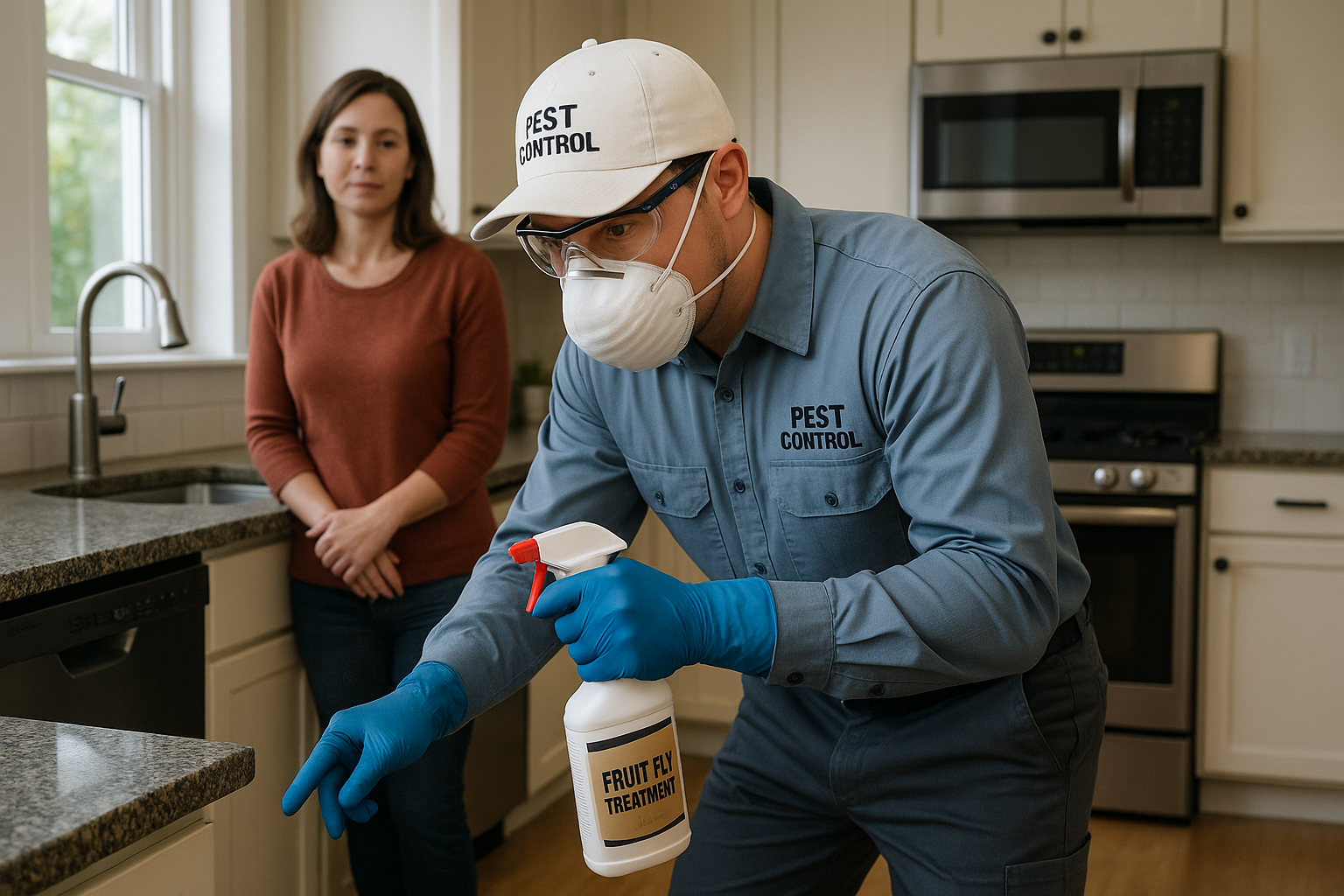
Targeted Residual Spray
Anthem’s low‑odor residual spray is EPA‑registered and formulated to cling to cracks, cabinet edges, and trash receptacles where adult fruit flies rest. The micro‑encapsulated droplets release a steady dose of insecticide for up to four weeks, keeping the population suppressed long after the technician leaves.
Bait Stations
Strategically placed bait stations sit in high‑traffic kitchen zones and near garbage areas. Each station houses a sugar‑based attractant laced with a low‑toxicity adulticide that fruit flies ingest but that is harmless to children and pets when used as directed.
Integrated Pest Management Follow‑up
Anthem’s IPM protocol doesn’t stop after the first spray. Within seven to ten days a certified technician returns to inspect trap counts, adjust bait placement, and apply a secondary spot‑treatment if needed. This proactive monitoring prevents re‑infestations and fine‑tunes the control plan to your home’s unique layout.
Safety First
All chemicals used are EPA‑approved for residential use and meet strict child‑ and pet‑safety standards. Technicians wear disposable gloves, goggles, and respirators, and they seal off treated areas until the low‑odor formula dries—usually under ten minutes. Homeowners receive a clear safety data sheet and verbal instructions before any product contacts a surface.
In addition to the EPA‑approved actives, Anthem uses a proprietary low‑odor carrier that reduces lingering smells, making the treatment virtually invisible to family members. After the spray dries, surfaces can be safely wiped or food can be returned to cabinets within minutes.
Transparent Pricing
Anthem offers a straightforward residential package for Brookhaven homes ranging from 1,200 to 2,500 sq ft. In 2024 the cost falls between $120 and $250, depending on square footage and infestation severity. There are no hidden fees—what you see in the quote is what you pay, and the estimate includes the initial spray, bait stations, and the first IPM follow‑up.
What to Expect: Timeline
On treatment day the technician arrives, walks through the kitchen, and applies the residual spray while positioning bait stations. Within 24 hours you should notice a sharp decline in adult flies. A follow‑up visit is scheduled for day 7‑10 to verify results, replace any depleted bait, and make final adjustments. Most homeowners report full control within two weeks.
Choosing the Right Exterminator in Brookhaven
When fruit flies turn your kitchen into a buzzing mess, the speed and precision of the pest‑control response can make all the difference. In Brookhaven, many national chains operate on a “ticket‑to‑schedule” model that often leaves homeowners waiting 24‑48 hours before a technician arrives. Anthem Pest Control flips that script by guaranteeing a dispatch within 2 hours of your call, getting a trained professional to your door while the infestation is still fresh.
Local knowledge that national franchises lack
Brookhaven’s building codes, HOA restrictions, and typical home layouts—such as split‑level designs and older brick foundations—present unique challenges for pest management. Anthem’s technicians live and work in the area, so they know which chemicals are approved by the city, how to navigate HOA‑approved treatment windows, and the most effective entry points to target fruit‑fly breeding sites. That insider insight translates into fewer re‑treatments and a smoother experience for you.
Because Anthem’s crews are based in Brookhaven, they can access hard‑to‑reach areas like attic vents or basement crawl spaces without the paperwork delays that larger firms encounter. This local presence also means you’ll get a technician who speaks the community’s language and respects neighborhood aesthetics.
Tailored Integrated Pest Management (IPM) versus one‑size‑fits‑all contracts
National chains often push a generic “annual pest‑control plan” that treats every home the same, regardless of the specific pest pressure you face. Anthem designs a customized IPM plan that combines monitoring, sanitation guidance, and targeted treatments specifically for fruit flies. The plan evolves with the season, adjusting dosage and timing to keep your kitchen fly‑free without unnecessary chemical applications.
“The team arrived within 2 hours and eliminated the flies in one visit!” – Brookhaven homeowner
Ready for a fast, locally backed solution? Call 877‑371‑8196 or book online now to schedule your emergency fruit‑fly extermination.
Frequently Asked Questions About Fruit Fly Control
How quickly will flies disappear after treatment?
Most homeowners notice a 70‑80 % reduction in fruit fly activity within the first 24 hours. Full control is usually achieved in three to five days, especially when we follow up with a second visit to target any hidden breeding sites. These timelines follow EPA‑approved guidelines for indoor insecticide efficacy. The CDC also notes that fruit flies can spread bacteria from decaying matter, so rapid reduction helps protect food safety.
Are the chemicals safe for pets?
Anthem uses EPA‑registered products that are formulated specifically for indoor use. We apply them as a low‑volume, dry‑film spray that dries instantly. When you keep the treated area ventilated for about 30 minutes, the residues are safe for cats, dogs, and other household pets. The EPA safety data sheet confirms that short‑term exposure after proper ventilation poses no risk to pets. According to CDC’s pet safety guidelines, indoor sprays that dry within minutes are considered low‑risk when pets are kept out of the area during application.
Can I prevent future infestations on my own?
Absolutely. Pair the DIY prevention steps outlined in Part 5—such as eliminating overripe fruit, sealing trash containers, and fixing drainage issues—with periodic professional inspections. A quarterly check‑up from Anthem helps catch early signs before a full‑blown outbreak, giving you peace of mind year‑round. Following CDC recommendations for sanitation, such as regular garbage removal and cleaning drains, further reduces the chance of re‑infestation.
Take Action with Anthem Pest Today
Fruit flies breed faster than you can swat them—one female can lay hundreds of eggs in just a few days. If you wait, the buzzing becomes a constant nuisance and the risk of contaminating food surfaces grows, threatening the health of your family.
Remember the two routes we covered: DIY prevention (see Part 5) for everyday hygiene, and professional treatment (see Part 6) when the infestation is already out of control.
Anthem Pest stands ready with a 24‑hour hotline, same‑day inspections, and transparent pricing that ranges from $120 to $250. Our technicians use child‑ and pet‑safe products, so you can protect your home without compromising safety. We serve Brookhaven and the surrounding neighborhoods, so you’ll get a technician who knows the local pest patterns.
Ready for fast, affordable relief? Call us now for a free, no‑obligation quote at 877‑371‑8196 or schedule your service online. Our same‑day service means you’ll see results within hours, not days. Our team will be on the job before the flies have a chance to multiply again.