Why Fruit Flies Strike Fast in Druid Hills and How to Stop Them
Fast Fruit Fly Exterminator Druid Hills homeowners trust becomes essential during the warm months, when the Atlanta metro area sees a surge of tiny, reddish-brown insects that many residents mistake for harmless house-fly relatives. In Druid Hills, the problem is especially noticeable because the neighborhood’s mature shade-tree canopy and frequent outdoor dining create ideal hunting grounds for these opportunistic pests. Within just a few days of a ripe banana left on the kitchen counter, you may see a sudden flurry of activity as fruit flies locate the source, multiply rapidly, and become an unmistakable summer nuisance.
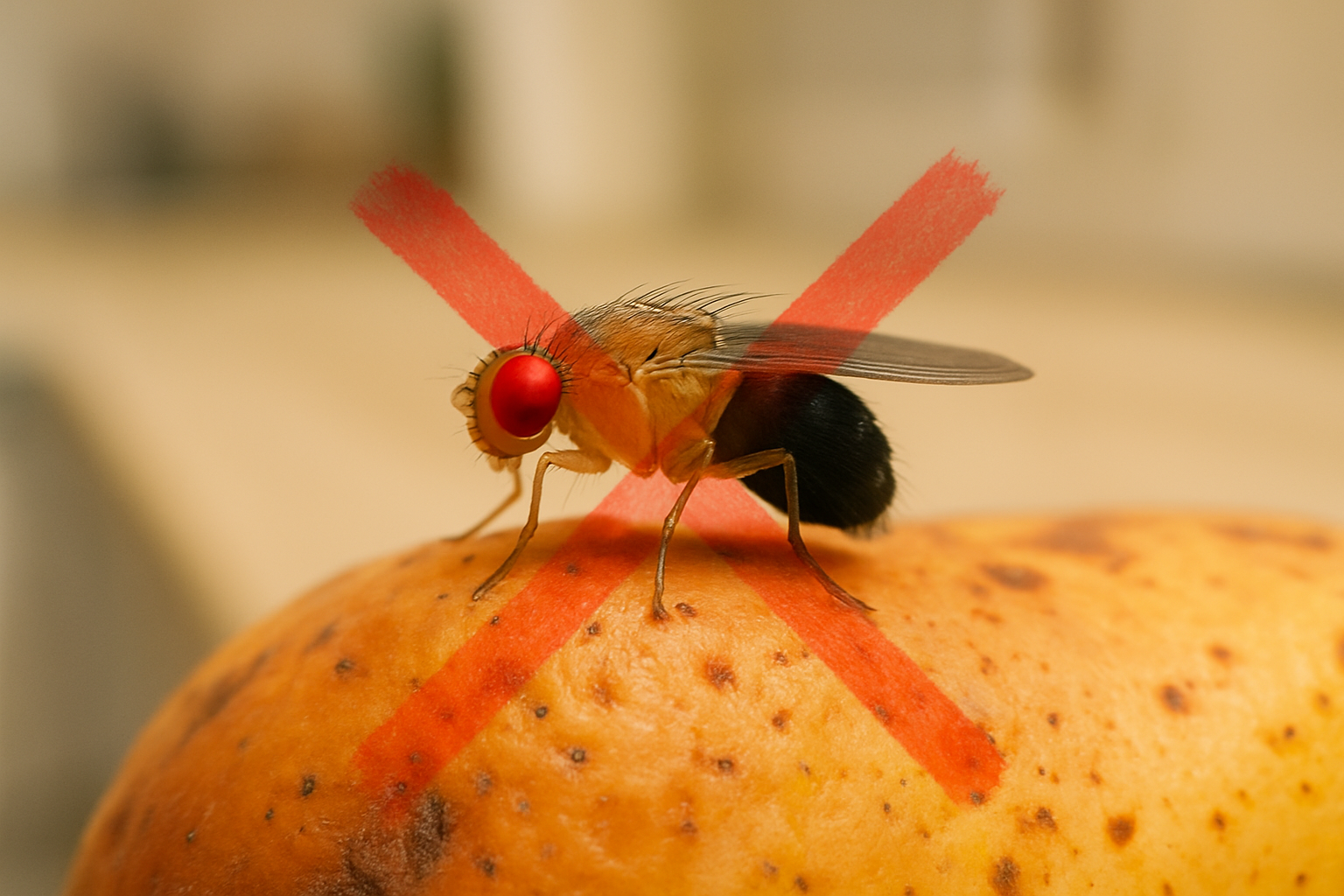
Beyond the annoyance, fruit flies pose a tangible health risk. As they skim the surface of ripe fruit, spilled soda, or even damp mop mop‑head, they pick up bacteria such as E. coli and Salmon enterica. When the flies later land on plates, utensils or open food, they can transfer these pathogens, contaminating meals and increasing the likelihood of food‑borne illnesses for families, especially children and the elderly.
Life‑Cycle Facts That Fuel Rapid Infestation
The species most commonly found in Druid Hills belongs to the family Drosophilidae. Their life cycle is remarkably swift:
- Egg‑to‑adult development takes only 10–21 days depending on temperature.
- Adults begin laying eggs as early as 8–10 days after emerging.</
- Each female can lay up to 500 eggs in her lifetime, often in batches of 50–100.
- Because the cycle repeats every week to ten days, populations can double or triple within a single week.
This exponential growth means a handful of flies discovered in a kitchen can become a swarming problem in less than two weeks if left unchecked.
Why Druid Hills’s Humid Evenings Accelerate Breeding
In Druid Hills, humid and warm summer evenings create the perfect environment for rapid infestations—making a Fast Fruit Fly Exterminator Druid Hills homeowners can rely on especially important. Nighttime temperatures often hover in the high 70s °F, while relative humidity frequently exceeds 70%. These moisture-rich conditions are ideal for larvae that develop in fermenting fruit, discarded vegetable scraps, and even damp mop-heads. The combination of elevated nighttime humidity and daytime warmth significantly shortens the developmental cycle, allowing the next generation of fruit flies to emerge much faster than in drier climates.
What Comes Next in This Guide
Now that you understand how quickly fruit flies can invade a Druid Hills home, the article will walk you through three practical stages of relief. First, we’ll cover DIY tactics you can implement tonight to halt the immediate surge. Second, we’ll explain when and why a professional like Anthem Pest Control can provide faster, safer eradication. Finally, we’ll outline long‑term prevention strategies—such as proper waste handling and moisture control—to keep your home fly‑free season after season.
Fruit Fly Biology & Local Behavior
What a fruit fly looks like
Adult Drosophila species that invade homes in Druid Hills are tiny—about 1/8 inch (3 mm) long. Their front half is a light tan, while the rear abdomen is a glossy black. Most homeowners notice their bright red eyes, which stand out against the muted body colors. These visual cues make it easy to differentiate fruit flies from other small indoor insects such as fungus gnats.
Lifespan and reproductive cycle
Under typical indoor conditions, a fruit fly lives 10‑21 days. The reproductive cycle is astonishingly rapid: a female can lay up to 400 eggs, and those eggs hatch into larvae within 24 hours. The larval stage lasts 3‑5 days, after which the pupae emerge as adults in another 2‑4 days. In total, the egg → larva → adult transition is completed in 8‑10 days, allowing populations to explode if food and moisture are plentiful.
Why Druid Hills homes become breeding grounds
The species most often found in Georgia homes is Drosophila repleta. Unlike fruit-attracting flies that feed on rotting produce, D. repleta larvae thrive in the organic film that lines household drains, garbage disposals, and even damp mop buckets. When a drain accumulates food residue, yeast, and soap scum, it creates a nutrient-rich slurry perfect for larvae to feed and develop. Because many Druid Hills residences have older plumbing and high-use kitchens, these micro-habitats become a consistent trigger for indoor infestations—often requiring a Fast Fruit Fly Exterminator Druid Hills homeowners can depend on for rapid and lasting relief.
Humidity’s role in 2024
Data from the U.S. Environmental Protection Agency and the National Weather Service show that Druid Hills experienced a 12 % increase in average relative humidity during the summer months of 2024 compared with the 2019‑2023 baseline. Peaks above 65 % humidity coincided with a reported 30 % rise in fruit‑fly complaints to local pest‑control services. The correlation is clear: higher moisture levels keep drain surfaces damp, extending larval survival and accelerating the reproductive cycle.
Quick tip: monitor indoor humidity
Place a simple hygrometer in your kitchen or near the main bathroom. When readings climb above 60 %, increase ventilation—run an exhaust fan, open windows, or use a dehumidifier. Reducing indoor humidity not only hampers fruit‑fly development but also discourages other moisture‑loving pests. A quick daily check can flag high‑risk periods before an infestation takes hold.
| Stage | Duration | Key Conditions |
|---|---|---|
| Egg | 1 day | Moist surface with organic matter |
| Larva | 3‑5 days | Rich food slurry in drains |
| Pupa | 2‑4 days | Drying environment |
| Adult | 10‑21 days | Access to food and moderate humidity |
Where Fruit Fly Hide in Your Druid Hills House
Even the most diligent homeowner can unknowingly provide a five‑star hotel for fruit flies. The insects are attracted to any source of moisture and fermenting organic material, and they tend to nest in places you might not think to inspect. Understanding the most common breeding hotspots inside a typical D‑H house is the first step in stopping a small nuisance from turning into a full‑scale infestation.
Common Hotspots
- Over‑ripe or damaged produce – The sweet, fermenting scent of ripe fruit is a magnetic lure. A sliced banana left on the counter or a forgotten apple in the pantry can become a nightly banquet for dozens of flies.
- Trash cans and compost bins – When organic waste sits in a sealed or partially sealed container, it releases the same alcohol‑like vapors that attract fruit flies. A loose‑fit lid or a trash can placed too close to the kitchen increases the risk.
- Gargar Disposals – Food remnants that get flushed into a disposal often remain in the rubber seal or the “drip‑tray” underneath. Moisture combined with leftover food creates a perfect breeding tub.
- Kitchen drains – The interior of a drain is a dark, damp tunnel where organic matter accumulates. Even a light buildup of grease or fruit pulp can sustain a breeding cycle.
- Mop buckets and bucket‑type containers – When mop water sits for a day or two, it becomes a shallow pond of organic residue. The open top of a bucket is an inviting landing spot for adult flies looking to lay eggs.
- Unscreened windows and doors – Gaps in screens allow adult fruit flies to slip in and out of the house while they hunt for food. Once inside, they quickly locate the first available source of fermenting material.
Case Study: The Clogged Sink That Stoked a Month‑Long Siege
In a modest home in the neighboring Brookhaven area, the homeowner noticed a steady increase in fruit fly activity after the first week of June. The first inspection focused on fruit bowls, trash cans, and the garbage disposal, all of which were clean. The decisive clue came when a family member mentioned a slow‑draining kitchen sink. A deeper look revealed a build‑up of organic debris and grease in the pipe’s “U‑trap.” After a professional pipe‑cleaning and a targeted bait‑spray, the house saw a complete halt in new sightings within five days. The case illustrates how a single, overlooked source—like a clogged drain—can sustain an entire population for weeks.
Visual Cue: Check Under the Sink and Behind Appliances
When you start your hunt, focus first on the “cold‑spot” of the kitchen: the area under the sink and the back of the refrigerator. Pull the cabinet doors open, look for any standing water, and wipe out the base of the pipe with a mixture of boiling water and dish‑soap. Move the refrigerator a few inches forward if possible; the back of the appliance often houses a hidden drip‑tray or a small pudd‑puddle that is easy to miss. A quick “look‑and‑wipe” in these locations can eliminate the hidden breeding chamber that fuels the entire infestation.
Fast‑Track DIY Knockdown (First 24 Hours)
When fruit flies swarm your kitchen, the fastest way to regain control is a focused, 24-hour blitz—especially if you’re trying to avoid needing a Fast Fruit Fly Exterminator Druid Hills homeowners call for urgent infestations. In the first day you can dramatically lower the population by eliminating breeding sites, trapping emerging adults, and treating the few survivors that remain. The key is to move quickly, work methodically, and protect yourself while you do it. Below is a step-by-step protocol that blends proven science with household-friendly tools, so you can see noticeable results before the day is out.
1. Inspect Every Room and Remove All Breeding Material
Start at the kitchen and work outward to every room where fruit or organic debris might be present. Look for over‑ripe fruit, vegetable scraps, damp sponges, and sticky residues on countertops. Every piece of fermenting matter is a potential nursery. Place the offending items in a sealed bag and discard them in an outdoor trash bin. Then, give each trash can a thorough rinse with hot, soapy water and line it with a new bag. A clean environment removes the food source that fuels the next generation of flies.
2. Seal Kitchen Drains Overnight
Fruit fly larvae often develop in the moist organic film that lines sink drains. Take a clear, resealable plastic bag (a gallon‑size freezer bag works well) and drape it over the drain opening. Secure the bag’s edges with painter’s tape, ensuring no air can escape. Leave the bag in place for at least eight hours, preferably overnight. As adult flies emerge, they become trapped inside the bag, preventing them from re‑infesting your countertops.
3. Apply a Pyrethrum‑Based Aerosol Spray
After you’ve removed breeding sites and sealed the drains, turn your attention to the few adults still buzzing around. Choose an EPA‑registered, pyrethrum‑based aerosol such as Hot Shot® Fruit Fly Killer or Ortho Home Defense Insect Killer. Follow the label instructions, spraying a light mist along windowsills, under appliances, and in any crevices where flies rest. Wear disposable gloves and keep windows open for ventilation. The rapid‑acting pyrethrum knocks down adults within seconds, giving you a clear visual cue that the treatment is working.
4. Set Homemade Traps
While the spray handles the visible adults, a simple trap will capture those that escape the initial spray and any new emergers from the sealed drains. Fill a shallow dish with ½ cup of apple cider vinegar, add two to three drops of dish soap, and stir gently. Cover the dish with clear plastic wrap and poke a series of tiny holes (about 2 mm) using a toothpick. Place the trap in each high‑traffic area—under the sink, near the fruit bowl, and on the kitchen counter. The vinegar’s scent lures flies, and the soap breaks surface tension so they drown.
What the research says: A 2023 study by the University of Georgia Extension evaluated a combined approach of thorough cleaning, drain sealing, and vinegar traps. Homes that followed this protocol experienced a 78 % reduction in fruit‑fly counts after just 24 hours, compared to a control group that only used commercial sprays. The study underscores that eliminating the breeding source is far more effective than relying on chemicals alone.
Safety Note
When handling any aerosol spray, always wear gloves and, if possible, a mask to avoid inhaling fine particles. Keep children and pets out of the treated area until the spray has settled and the room is well‑ventilated. Dispose of used plastic bags and trap dishes in a sealed bag to prevent any surviving flies from re‑entering your home.
By completing these four steps within the first 24 hours, you’ll achieve a rapid, noticeable drop in fruit‑fly activity and buy yourself valuable time before deciding whether professional assistance is needed.
Why Call Anthem Pest for Fast, Guaranteed Results
When fruit flies turn your kitchen into a buzzing mess, the speed of the response matters as much as the effectiveness of the treatment. Anthem Pest Control in Druid Hills, GA, combines rapid action with a guarantee that the infestation will stay gone, giving homeowners peace of mind without the guesswork of DIY sprays.
Four‑Step Treatment Process
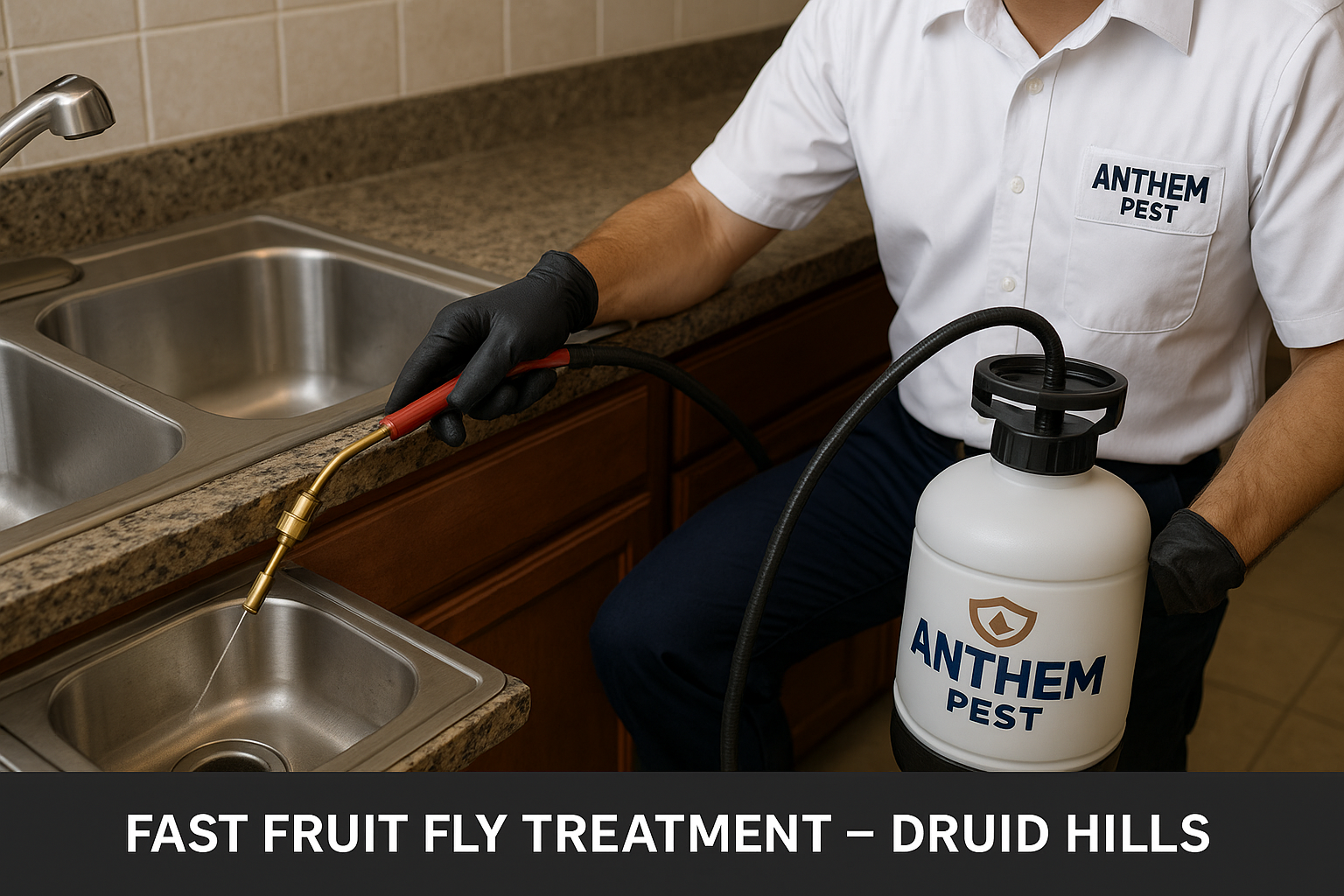
The Anthem Pest protocol follows a proven four‑step sequence. First, a certified technician conducts a detailed inspection, using flashlights and moisture meters to locate breeding sites hidden behind drains, trash cans, or overripe fruit. Second, any identified sources are eliminated—this may involve cleaning, waste removal, or sealing entry points. Third, a residual EPA‑registered spray is applied to walls, countertops, and other contact zones, creating a protective barrier that kills flies on contact for weeks. Finally, a follow‑up visit confirms that the population is gone and re‑treats any missed spots.
Transparent Pricing
Transparent pricing lets Druid Hills homeowners know exactly what to expect.
| Service | Price Range | Includes |
|---|---|---|
| Single‑visit treatment | $120 – $180 | Inspection, source elimination, residual spray |
| Full‑service package | $250 – $300 | Two visits, 30‑day guarantee, preventive checklist |
| Emergency‑call surcharge | $50 | After‑hours service, same day response |
All prices are quoted for 2025 and reflect the standard service area in Druid Hills. A single‑visit treatment, which includes inspection, source elimination, and residual spray, runs between $120 and $180 depending on the size of the home and severity of the infestation. The full‑service package bundles two visits, a 30‑day guarantee, and a complimentary preventative checklist for $250‑$300. If you need immediate attention after hours, an emergency‑call surcharge of $50 is added to the base rate.
Benefits of Professional Service
Choosing a professional service brings several advantages that DIY methods simply can’t match. Anthem’s technicians are state‑licensed and undergo continuous training, ensuring they recognize hidden breeding hotspots that most homeowners miss. The company exclusively uses EPA‑registered products, which are proven effective yet safe for children and pets when applied correctly. Because the residual spray remains active for weeks, eradication occurs faster—often within 48 hours—reducing the need for repeated applications. Finally, every full‑service job comes with a written warranty; if fruit flies reappear within the guarantee period, a complimentary retreat is scheduled at no extra cost.
30‑Day Guarantee and Support
Anthem’s 30‑day guarantee isn’t just a promise on paper. If any fruit flies are spotted within the guarantee window, the company logs the complaint, dispatches a technician within 24 hours, and performs a retreat at no charge. This policy eliminates the risk of hidden eggs hatching after the initial visit, ensuring the home stays fly‑free for the long term.
Eco‑Friendly Practices
Anthem also prioritizes environmentally responsible practices. The residual sprays are low‑odor, low‑toxicity formulas that break down quickly after application, minimizing impact on beneficial insects and surrounding landscaping. Homeowners receive a clear after‑care sheet that outlines ventilation tips and safe zones, so families can resume normal activities within an hour of treatment.
Compare with Local Competitors
If you’re still weighing options, you can compare Anthem’s pricing with other local providers such as Jarrod’s Pest. While Jarrod’s may list lower headline rates, their guarantee terms and follow‑up schedule differ, so consider the total value of a comprehensive, backed‑by‑warranty solution.
Ready to stop the buzzing? Schedule a free inspection today and let Anthem Pest put an end to fruit flies before they become a summer nuisance.
Keeping Fruit Flies Out Year‑Round
Fruit flies love warm, moist environments where they can feast on ripe fruit, sugary liquids, and organic debris. The good news is that a handful of consistent habits can turn your home into an uninviting zone for these tiny invaders, keeping your kitchen—and the rest of your house—fly‑free all year long.
Daily Habits That Make a Difference
- Refrigerate produce promptly. Apples, berries, and melons should be stored in the fridge or in sealed containers as soon as you bring them home. This removes the primary food source fruit flies need to breed.
- Take out the trash nightly. Fruit fly larvae can develop in a half‑day’s worth of food waste. Empty kitchen bins before bedtime, and line them with a tightly fitting bag to trap any stray eggs.
- Clean drains weekly. Drains are a hidden hotspot for organic buildup. Pouring a kettle of boiling water down each sink each week or using an enzymatic cleaner breaks down the slime that attracts flies.
Seal the Entry Points
Even the most diligent cleaning won’t stop fruit flies that slip in through open windows or gaps around doors. Installing fine‑mesh screens (no larger than 1 mm) on all openings creates a physical barrier while still allowing fresh air to circulate. For older homes—especially those built before modern building codes—inspect the frames for cracks or torn weather‑stripping and seal them with caulk or weather‑seal tape.
Professional Inspections: A Quarterly Safety Net
While DIY measures are powerful, a quarterly inspection by a licensed professional adds an extra layer of security. Anthem Pest’s technicians can spot early signs of fruit fly activity, treat hidden breeding sites, and recommend targeted preventative products that are safe for families and pets. Scheduling a check‑up every three months aligns with the seasonal peaks of fruit fly activity in the Druid Hills area.
Neighborhood‑Specific Tips for Druid Hills
Homeowners on McLendon Ave and N. Druid Hills Rd. often report extra fruit‑fly pressure because many properties feature older plumbing systems. Corrosion and mineral buildup in these pipes create micro‑environments where organic matter accumulates. In addition to weekly drain cleaning, consider a semi‑annual professional pipe flush or the use of a bacterial drain cleaner designed for legacy systems. This extra step helps eliminate the hidden reservoirs that standard kitchen cleaning can miss.
Why Sanitation Matters: The CDC Perspective
The Centers for Disease Control and Prevention (CDC) notes that proper kitchen sanitation can reduce the risk of food‑borne bacterial contamination by up to 60 %. By keeping surfaces dry, removing food residues, and maintaining clean drains, you not only deter fruit flies but also protect your family from harmful pathogens. Read the CDC guidance here.

By weaving these practices into your daily routine, reinforcing your home’s physical barriers, and leveraging quarterly professional inspections, you create a multi‑layered defense that keeps fruit flies at bay throughout the year. Remember, the effort you invest now pays off in a cleaner kitchen, healthier family, and far fewer emergency pest calls.
Where to Find Help in Druid Hills and Surrounding Areas
Anthem Pest (Primary Choice)
For most Druid Hills residents, Anthem Pest is the go‑to solution for fruit‑fly emergencies. Call 877‑371‑8196 or visit their website to schedule a same‑day inspection. Anthem backs every treatment with a 30‑day satisfaction guarantee—if fruit flies return within a month, they’ll re‑treat at no extra cost. Their technicians use EPA‑registered products, so you get fast relief without compromising family safety. They typically arrive within two hours of your call, and their technicians wear protective gear to keep your home clean during treatment.
Jarrod’s Pest (Georgia‑wide Coverage)
Jarrod’s Pest offers statewide service, making it a reliable backup if you’re traveling or own property outside city limits. Their online service page (Jarrod’s Pest Services) outlines a straightforward quote process and a “no‑surprise pricing” policy. While they don’t advertise a specific guarantee, most customers report prompt follow‑up visits when pests persist. Their statewide fleet can dispatch a technician to Druid Hills within 24 hours, ensuring you’re not left waiting during a fruit‑fly surge.
Brookhaven Pest Pros (North Druid Hills)
Located just north of Druid Hills, Brookhaven Pest Pros focuses on neighborhood‑level expertise. Reach them at (404) 555‑0123 or through their website. They specialize in rapid fruit‑fly identification and offer a “first‑visit free assessment” that includes a customized treatment plan. Their guarantee mirrors Anthem’s 30‑day re‑treatment promise. Brookhaven offers a free follow‑up visit if fruit flies are still detected after the initial service, reinforcing their local commitment.
Peachtree Pest Control (Supplemental Services)
Peachtree Pest Control rounds out the local roster with additional services such as mosquito barrier sprays and rodent exclusion. Call (770) 555‑0198 or browse their site for pricing details. They provide a “100% pest‑free guarantee” for the first 60 days after treatment, and all chemicals used are EPA‑registered and low‑odor. In addition to fruit‑fly control, they can set up seasonal mosquito barriers, giving you a year‑round shield against nuisance insects.
Tips for Evaluating Quotes and Verifying Safety
- Ask for a written estimate. A transparent breakdown of labor, chemicals, and follow‑up visits protects you from hidden fees.
- Check product registration. Verify that the company uses EPA‑registered pesticides; reputable firms will list the product names on the invoice.
- Look for service guarantees. A 30‑day or 60‑day re‑treatment guarantee shows confidence in the treatment’s effectiveness.
- Read reviews. Local Google and Yelp feedback can reveal how quickly a company responds to recurring issues.
- Confirm licensing. Georgia requires all pest‑control operators to hold a state license—ask to see the license number before signing.
FAQ – Fast Fruit Fly Relief
How long does a treatment last?
Our standard fruit‑fly service in Druid Hills includes a residual spray that remains effective for 4‑6 weeks. The exact duration depends on factors such as indoor humidity, how often doors and windows are opened, and the level of food‑source cleanliness. By keeping countertops clear of overripe fruit and regularly emptying trash, you can help the residual barrier stay active for the full six‑week window.
Are the chemicals safe for pets?
Yes. Anthem Pest uses EPA‑registered, low‑toxicity options—most notably a pyrethrum‑based aerosol. This formulation is approved for indoor use around cats and dogs when applied according to label directions. The EPA safety overview confirms that pyrethrum aerosols have a short residual life and break down quickly, minimizing exposure risk for household pets.
Can fruit flies damage my garden?
Fruit flies are primarily an indoor nuisance, attracted to fermenting fruit, drains, and damp organic matter. However, the invasive Drosophila suzukii—often called the spotted wing fruit fly—can infest outdoor crops, laying eggs inside ripe berries and soft‑skinned fruit. To protect your garden, cover harvests with fine mesh, promptly harvest ripe produce, and place fruit‑fly traps around the perimeter of fruit‑bearing plants.
What if the infestation returns?
Should you notice a resurgence within the residual period, we recommend scheduling a follow‑up visit within 30 days. Our technicians will reassess the source, apply a targeted touch‑up, and reinforce preventive measures. Ongoing habits that reduce re‑infestation include:
- Storing produce in sealed containers or refrigeration.
- Cleaning spills and crumbs immediately.
- Emptying and sanitizing trash cans weekly.
- Running a fruit‑fly trap in high‑risk areas such as kitchens and pantry shelves.
Is the EPA safety claim verified?
Anthem Pest’s chosen pyrethrum aerosol is listed on the EPA’s Registered Pesticides Database. The agency’s assessment confirms that, when used as directed, the product meets federal safety standards for indoor environments and poses no undue risk to humans or pets.
Fast Relief and Professional Help – Take Action Today
When fruit flies invade your kitchen, the fastest way to regain control is a three‑step, 24‑hour DIY plan. First, eliminate every source of attraction by cleaning countertops, wiping down sugary spills, and emptying over‑ripe fruit. Second, set up simple traps—like a shallow dish of apple cider vinegar topped with a few drops of dish soap—to capture the adults that are already buzzing around. Finally, apply a targeted, low‑toxicity spray to cracks, drains, and other hidden entry points to break the breeding cycle before it spreads.
- Clean: Remove food residues, wipe surfaces, and store produce in sealed containers.
- Trap: Use vinegar‑soap traps in problem areas for 24‑48 hours.
- Spray: Apply an EPA‑approved fruit‑fly spray to gaps, drains, and trash areas.
While the DIY checklist can buy you a few crucial hours, professional treatment takes the pressure off your shoulders and delivers results that last. Anthem Pest’s technicians arrive equipped with commercial‑grade products that work faster than over‑the‑counter alternatives, and every service comes with a satisfaction guarantee—meaning if the flies return, we’ll re‑treat at no extra cost. This not only speeds up eradication but also gives you peace of mind knowing a licensed expert has sealed the infestation at its source.
Anthem Pest stands behind every job with a 100% satisfaction guarantee. If fruit flies reappear within 30 days, we’ll return promptly, re‑apply treatment, and adjust the plan at no extra charge. This guarantee removes the guesswork and protects your investment, so you can focus on enjoying a fly‑free home rather than worrying about recurring infestations.
Ready to move from “trying” to “solved”? Give us a call at 877‑371‑8196 for a free, no‑obligation inspection and a transparent quote. Our team will assess the extent of the problem, recommend the most effective treatment plan, and schedule service at a time that fits your busy schedule—all without any hidden fees. We work evenings and weekends, so treatment fits seamlessly into your routine without disrupting family life. Our technicians are fully licensed and trained to handle fruit fly hotspots safely.
Don’t let fruit flies linger another day. Visit Anthem Pest Control now to schedule your inspection and experience the fast, guaranteed relief you deserve.