Recognizing House Flies and Early Warning Signs
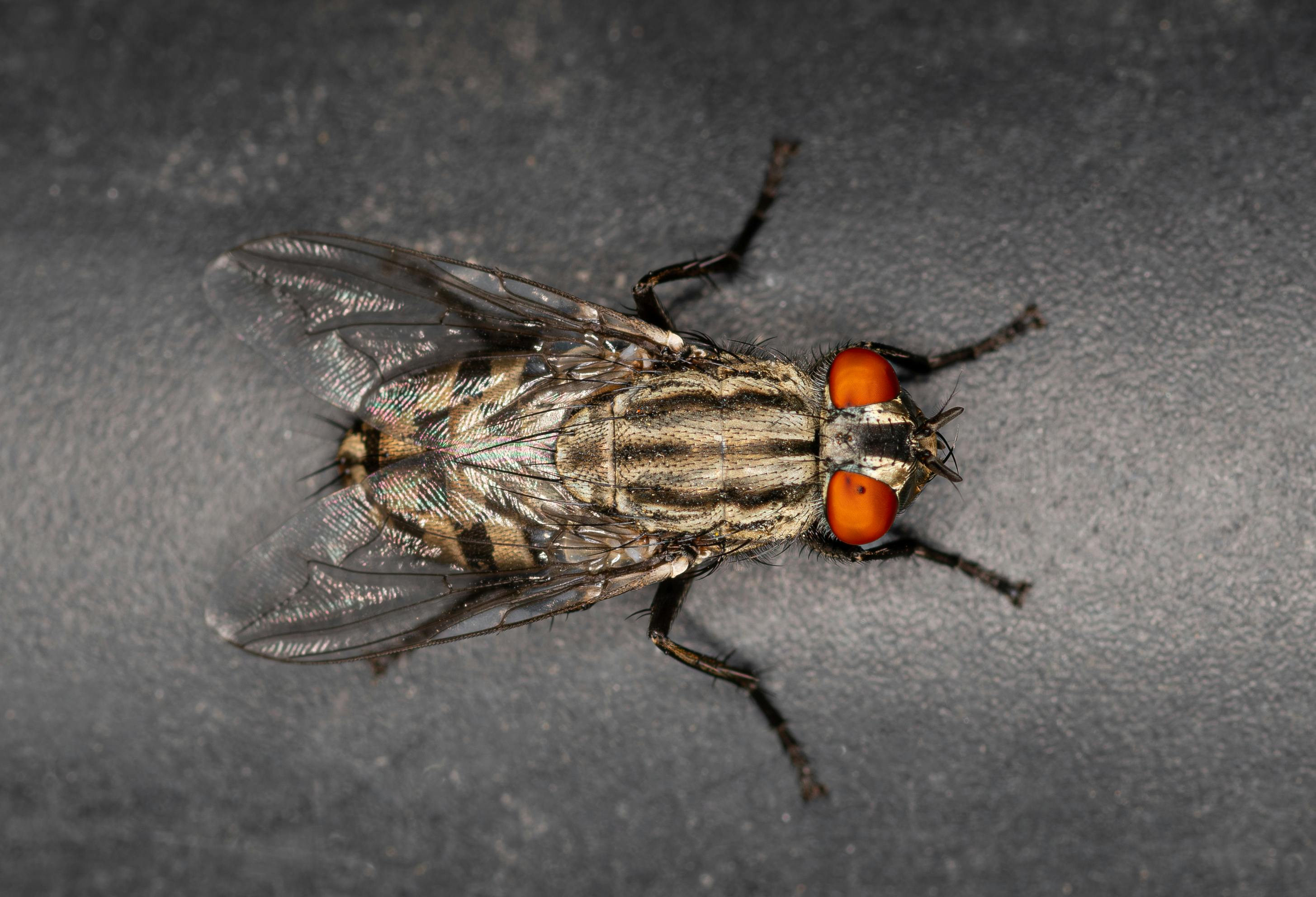
House flies (Musca domestica) are the most familiar flying pests in Suwanee, GA—and a common reason homeowners call a house fly exterminator Suwanee residents trust. They measure about ¼ inch (6–7 mm) in length, boast a gray-blue thorax with four dark longitudinal stripes, and sport bright red eyes that catch the light. Their wings lie flat over the abdomen when at rest, giving them a sleek, streamlined look.
Where They Like to Hang Out
Inside your home, flies gravitate toward warm, moist areas where food or waste is present. Expect to see them buzzing around kitchen counters, trash cans, pet feeding stations, and even damp basements. Outdoors, they favor sunny spots near garbage dumpsters, compost piles, and decaying organic matter—places that provide both shelter and a steady food source.
Health Risks You Can’t Ignore
Beyond the annoyance, house flies are vectors for a host of bacteria and pathogens, including E. coli, Salmonella, and Staphylococcus. As they hop from waste to food, they can contaminate meals, surfaces, and even your hands, leading to food‑borne illnesses. Some individuals also experience allergic reactions to fly saliva or body parts, resulting in itchy skin or respiratory irritation.
Early Warning Signs of an Infestation
- Sudden increase in visible adult flies, especially near doors, windows, and light fixtures.
- Presence of tiny, white maggot‑like larvae in garbage bags, compost, or pet waste.
- Unusual fly activity during cooler evenings, when they’re drawn to indoor lights.
- Sticky fly trails on walls or ceilings, indicating frequent landing spots.
Spotting these clues early lets you act before the population explodes and spreads disease throughout your household.
How to Tell a House Fly Apart from Other Nuisance Bugs
House flies differ from fruit flies, gnats, and mosquitoes in several key ways. Fruit flies are much smaller (about ¼ the size) and have a tan‑brown body with a distinct red eye pattern. Gnats are slender, dark, and often found near plants or standing water. Mosquitoes have long, delicate legs, a proboscis for biting, and a characteristic whine. In contrast, house flies have a robust, rounded body, prominent red eyes, and a characteristic “buzz” that’s deeper and louder.
What to Do When You Spot the Signs
Once you’ve identified the tell‑tale signs, the next step is swift action. Begin by eliminating breeding sites: keep trash sealed, clean up food spills immediately, and ensure pet waste is disposed of regularly. Seal cracks around doors and windows, and install fine‑mesh screens to block entry points.
For a thorough, long‑lasting solution, consider a professional assessment. Anthem Pest Control offers targeted house‑fly extermination that combines safe insecticides with preventive measures tailored to Suwanee’s climate. Learn more about their approach and why it works at the Anthem Pest Control house fly extermination page.
Seasonal Fly Activity Patterns in Suwanee
Suwanee’s humid subtropical climate creates a perfect playground for house flies (Musca domestica). Warm, moist summers accelerate the insect’s life cycle, while cooler, drier winters slow it to a crawl. Understanding how temperature, humidity, and rainfall interact with fly breeding lets you predict when populations will surge and, more importantly, when a professional treatment will be most effective.
How Suwanee’s climate drives fly breeding cycles
House flies lay eggs in organic matter that stays damp for 24–48 hours—think kitchen scraps, pet waste, or rotting garden debris. In Suwanee, average high temperatures climb above 85 °F (29 °C) from June through August, and nightly lows rarely dip below 65 °F (18 °C). Those conditions shave the egg‑to‑adult timeline from the typical 10‑day span to as little as 5‑7 days, allowing multiple generations to overlap. By contrast, December and January see average highs near 50 °F (10 °C); the developmental clock stalls, and adult flies seek shelter indoors, where temperatures remain more stable.
Monthly activity levels
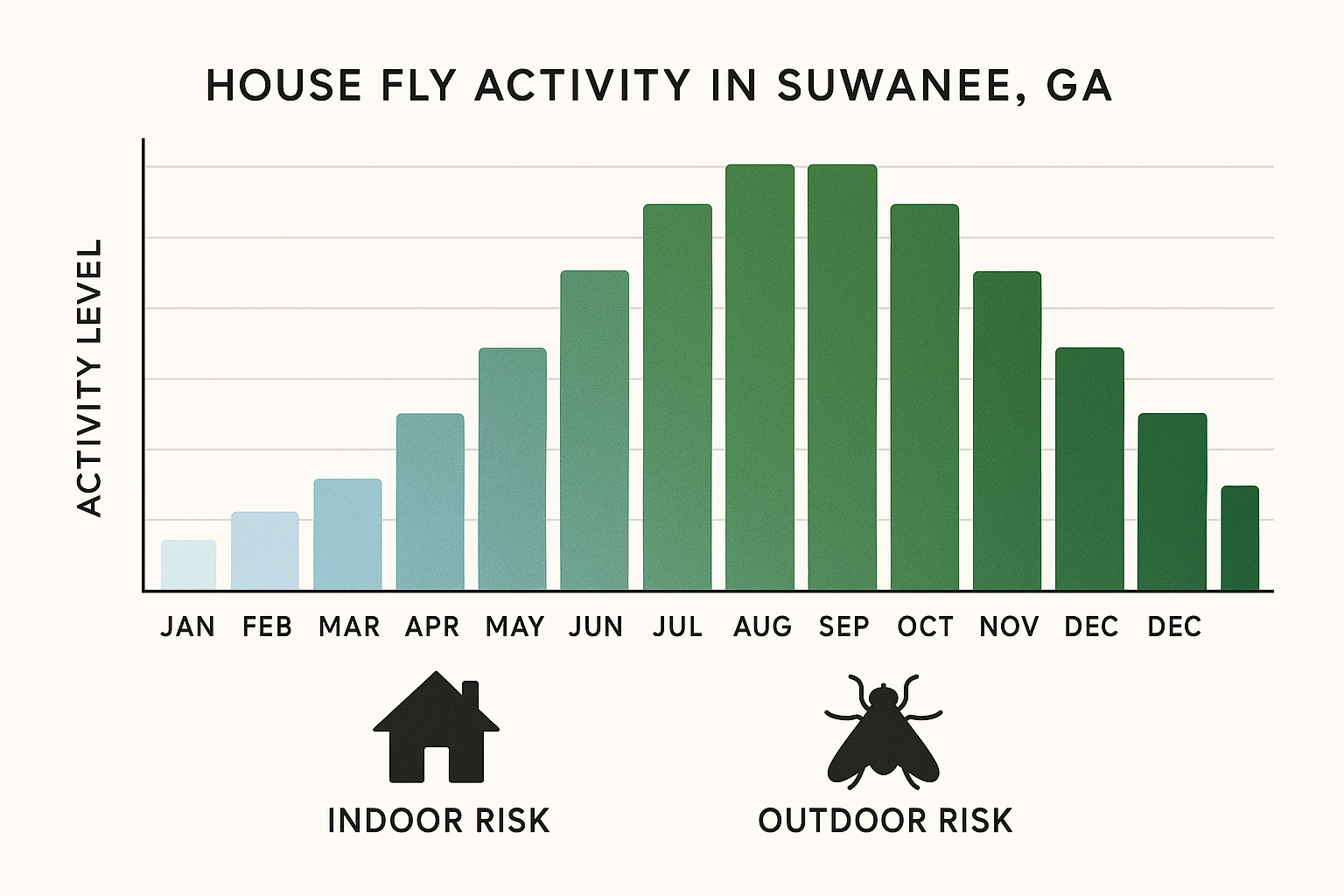
The graph above visualizes typical fly activity throughout the year. For a quick reference, the table below translates the visual data into a numeric scale (1 = very low, 5 = very high).
| Month | Activity Level (1‑5) |
|---|---|
| January | 1 |
| February | 1 |
| March | 2 |
| April | 3 |
| May | 4 |
| June | 5 |
| July | 5 |
| August | 5 |
| September | 4 |
| October | 3 |
| November | 2 |
| December | 1 |
Indoor vs. outdoor risk peaks
Outdoor fly numbers explode during the summer months when breeding sites are abundant and the heat speeds development. Inside the home, however, flies can persist year‑round because indoor environments buffer temperature swings. Kitchens, garbage areas, and pet zones provide continuous food sources, allowing a small “resident” population to survive even when outdoor activity drops to a lull. This is why you may still see a few flies buzzing around your pantry in February, despite the outdoor count being at its lowest.
Weather events that trigger sudden spikes
Rainfall is a double‑edged sword. A heavy downpour creates moist breeding media, leading to a surge in eggs that hatch within days once the ground dries. Conversely, a rapid heat wave after a rainy period can accelerate larval development, turning a modest increase into a full‑blown infestation in under a week. In Suwanee, the late‑summer thunderstorm season (July‑August) often coincides with the highest recorded fly counts, so homeowners should stay vigilant during those weeks.
When to schedule your inspection
Based on the seasonal chart, the most strategic windows for scheduling a house fly exterminator Suwanee homeowners rely on for a professional fly-control inspection are:
- Late April to early May – early intervention before the summer boom.
- Mid‑July – a mid‑season check to address any spikes caused by thunderstorms.
- Early October – a post‑summer sweep that catches lingering outdoor flies before they retreat indoors.
If you notice an unexpected increase after a rainstorm or heat wave, call Anthem Pest Control immediately. Prompt treatment not only reduces the immediate nuisance but also breaks the breeding cycle, keeping your home fly‑free through the next season.
Effective Treatment Methods for House Fly Extermination

Integrated Pest Management (IPM) for Flies
IPM is a science‑based framework that blends monitoring, prevention, and targeted control to keep house flies at bay. Instead of relying on a single spray, IPM evaluates the source of infestations, the fly life cycle, and the home’s layout. By combining sanitation, exclusion, and judicious use of chemicals, the approach minimizes risks to people, pets, and the environment while delivering lasting results.
Chemical Treatments: Residual Sprays and Baits
When flies become a persistent nuisance, licensed technicians turn to EPA‑approved products that offer both immediate knock‑down and long‑lasting protection.
- Residual sprays: Applied to interior wall voids, ceiling corners, and exterior perimeters, these formulations cling to surfaces for weeks, killing flies that land on treated areas.
- Fly baits: Gel or granule baits placed in hidden crevices attract adult flies, delivering a lethal dose when ingested. Proper placement—away from children, food prep zones, and pet bowls—prevents accidental exposure.
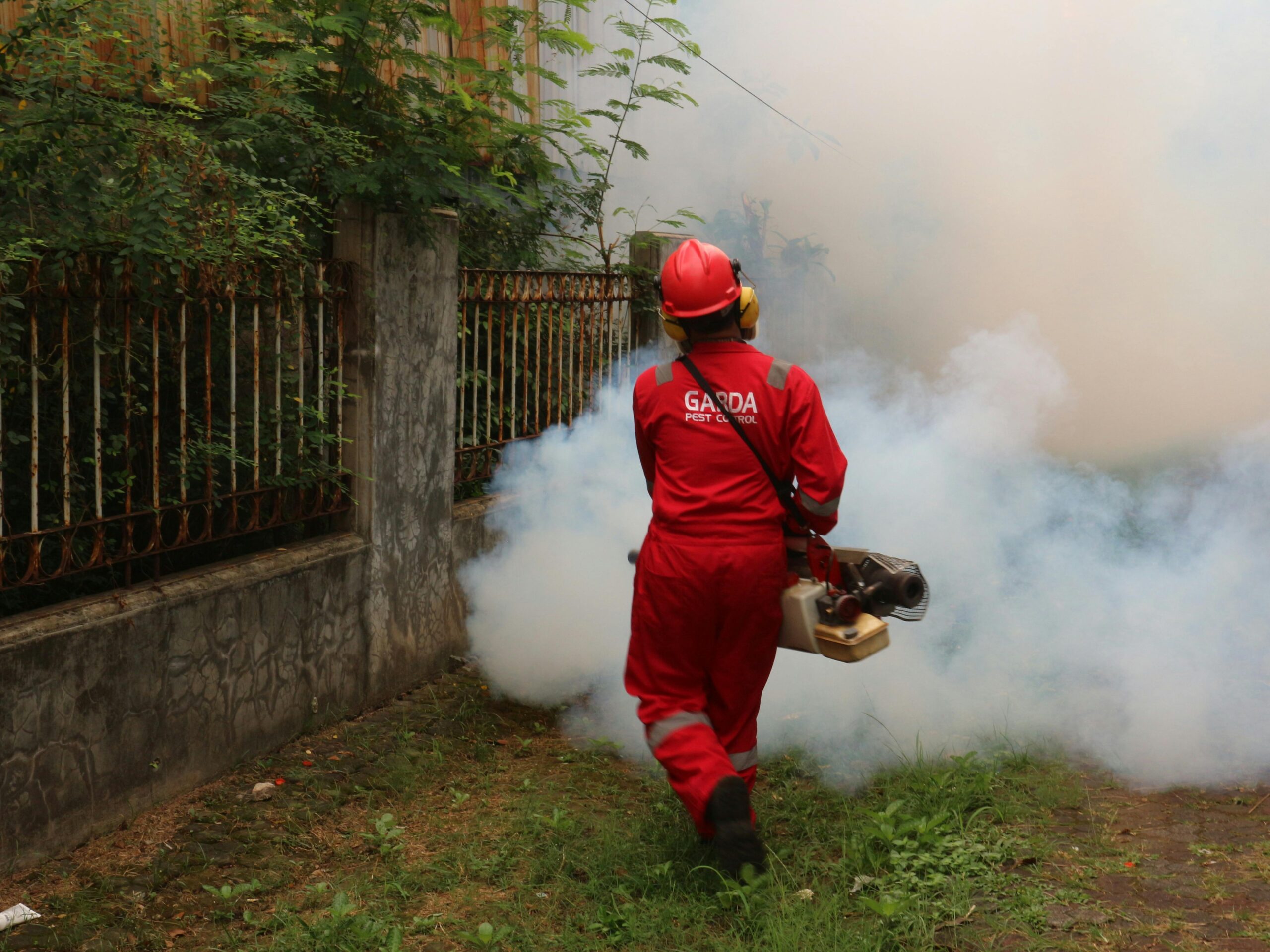
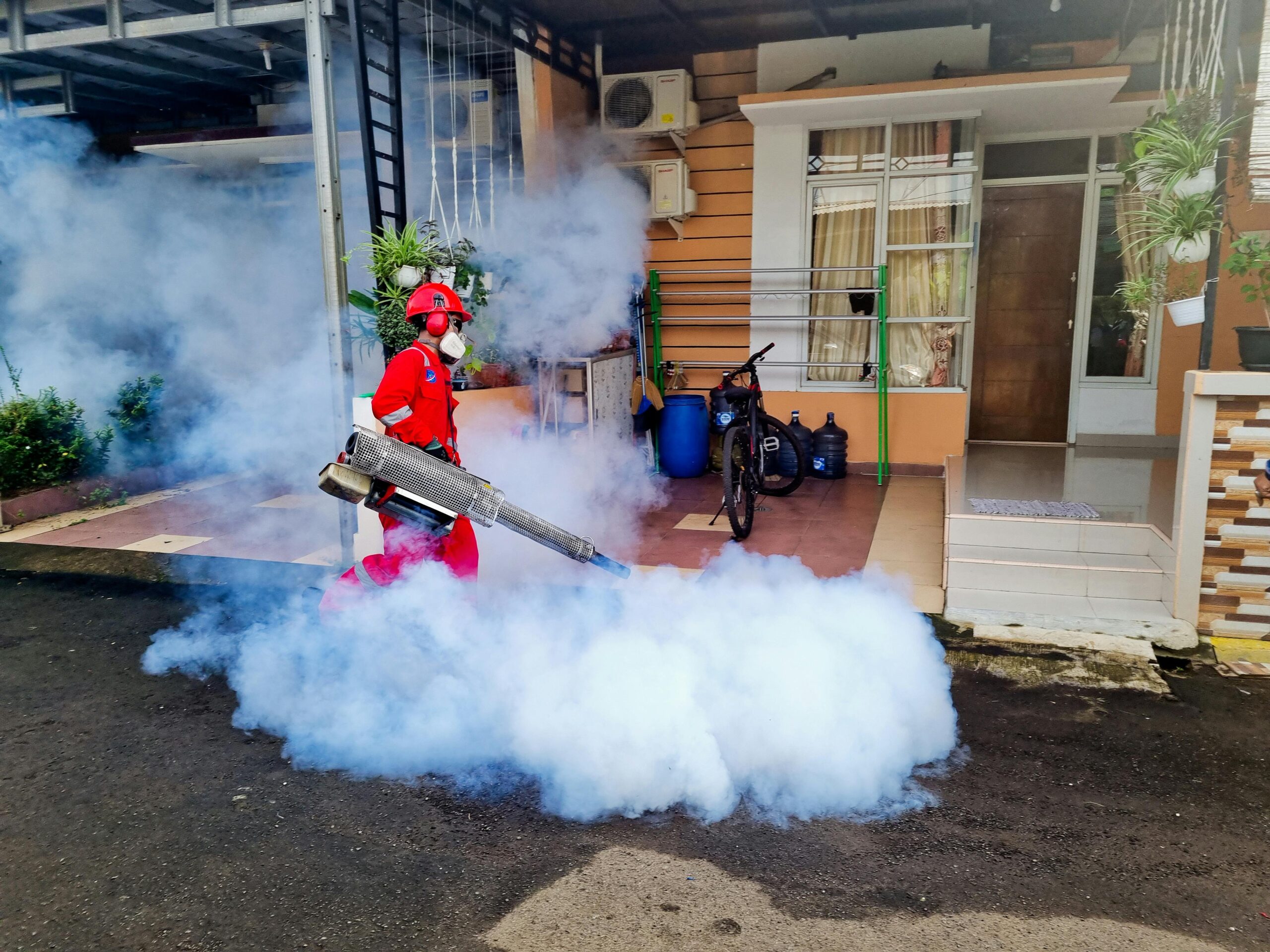
- Targeted fogging: In severe outbreaks, a low‑volume fogger can disperse micro‑droplets throughout the kitchen and dining spaces, reaching flies hidden behind appliances.
Non‑Chemical Options: Smoke, Traps, and Exclusion
Many homeowners prefer solutions that avoid synthetic chemicals. Professionals incorporate several proven non‑chemical tactics:
- Smoke treatments: A controlled release of botanical smoke (often derived from pyrethrum or neem) penetrates cracks and crevices, suffocating flies without leaving residues.
- Mechanical traps: UV‑light or baited fly ribbons capture adults on a sticky surface. Strategically positioning traps near doors, windows, and garbage areas maximizes capture rates.
- Exclusion techniques: Sealing entry points—window screens, vent louvers, and door sweeps—prevents new flies from entering. Installing self‑closing doors on garbage rooms and ensuring proper waste containment are key steps.
Typical Technician Visit: Step‑by‑Step
- Inspection: The technician conducts a thorough walk‑through, identifying breeding sites, waste buildup, and structural gaps that invite flies.
- Assessment & Planning: Based on findings, a customized IPM plan is drafted, balancing chemical and non‑chemical tactics to suit the home’s layout and the family’s preferences.
- Treatment Application: Residual sprays are applied to interior voids, baits are placed in discreet locations, and smoke devices are activated where needed. All products are logged for transparency.
- Immediate Feedback: The technician shows homeowners the treated zones, explains product safety, and provides quick‑kill results you can see within minutes.
- Follow‑Up: A post‑treatment check is scheduled—typically 7‑10 days later—to evaluate effectiveness, re‑apply spot treatments, and reinforce exclusion measures.
Safety Considerations for Families, Pets, and the Environment
Anthem Pest Control follows strict safety protocols. All chemicals are applied at the lowest effective concentration, and technicians wear personal protective equipment (PPE) to avoid cross‑contamination. Products are approved for indoor use around children and pets, and any residual spray is placed out of reach of high‑traffic zones. Additionally, non‑chemical options like smoke and traps produce no toxic runoff, preserving indoor air quality and protecting local wildlife.
Why Hire a Licensed Professional Over DIY?
DIY fly sprays often provide a quick fix but lack the strategic depth of IPM. A licensed professional brings:
- Expert identification: Correctly locating breeding hotspots that homeowners commonly overlook.
- Regulated products: Access to EPA‑registered formulations that are both more potent and safer when applied correctly.
- Warranty protection: Many services include a guarantee—if flies return, the company returns at no extra charge.
- Time and peace of mind: A single, thorough visit eliminates the guesswork of multiple over‑the‑counter treatments.
Choosing Anthem Pest Control means you receive a science‑backed, environmentally conscious solution that safeguards your home while delivering fast, reliable relief from house flies.
Comparing House Fly Extermination Pricing in Suwanee
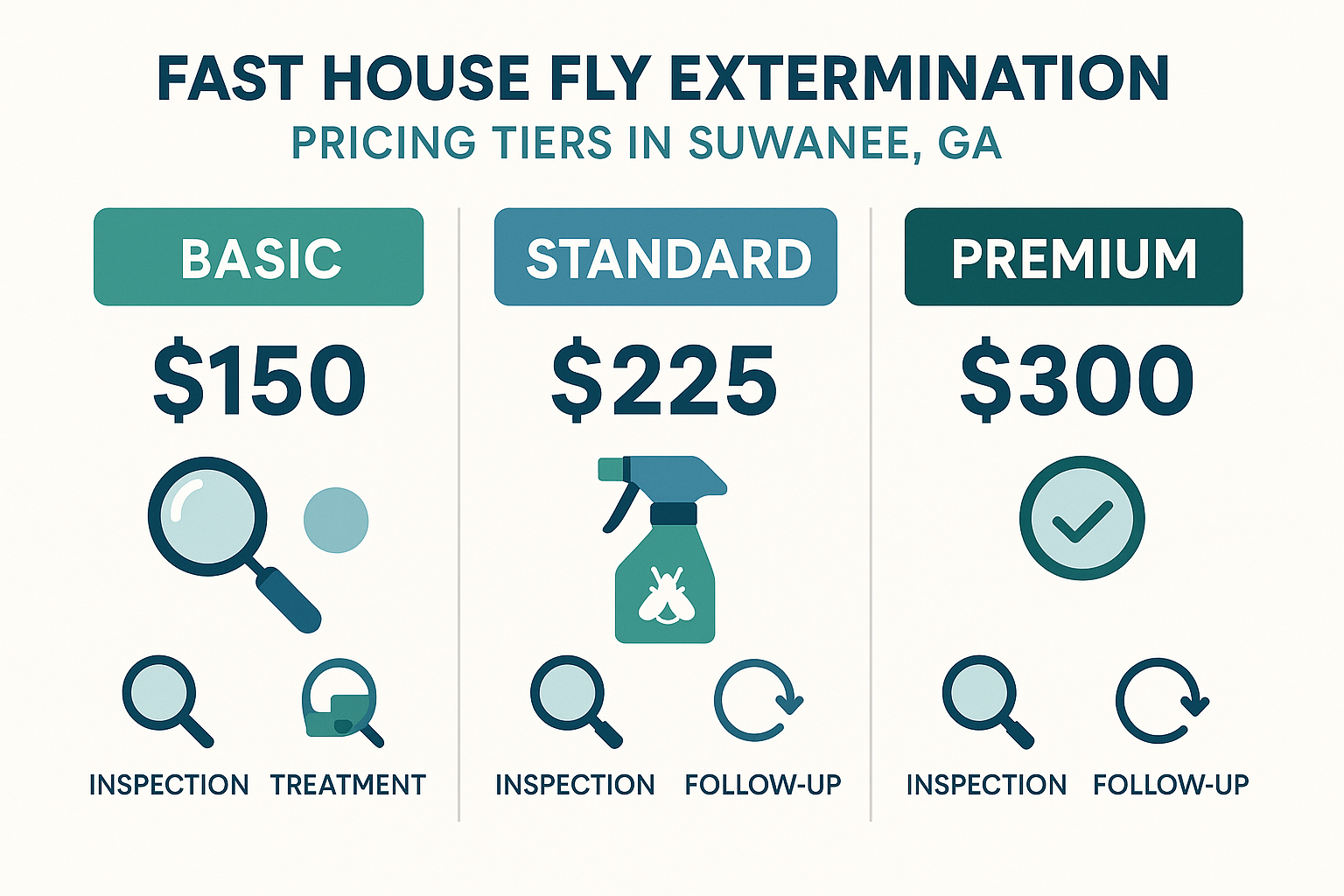
When it comes to tackling a house fly invasion, knowing exactly what you’re paying for can make the decision a lot easier. At Anthem Pest Control we’ve distilled our services into three clear‑cut packages—Basic, Standard, and Premium—so you can match the level of treatment to the severity of the problem and your budget.
What’s Inside Each Service Package?
All three tiers start with a thorough on‑site inspection. Our certified technicians identify fly hotspots, assess entry points, and note any underlying conditions that could be feeding the infestation. From there, the treatment methods and follow‑up plans diverge.
- Basic ($150): Ideal for a light‑weight fly presence. Includes a single interior spray using a fast‑acting residual insecticide, plus one follow‑up visit within two weeks to ensure the flies are gone.
- Standard ($225): Designed for moderate infestations. Combines interior spray with targeted outdoor perimeter treatment, two follow‑up visits (at two‑week and four‑week intervals), and a six‑month limited warranty on fly control.
- Premium ($300): The comprehensive solution for heavy or recurring fly problems. Features interior and exterior treatments, a pre‑emptive exclusion service (door sweeps, window screens, and trash‑area sealing), three follow‑up visits over eight weeks, and a full twelve‑month warranty covering any re‑infestation.
Value Comparison Chart
| Feature | Basic | Standard | Premium |
|---|---|---|---|
| Initial Inspection | ✔︎ | ✔︎ | ✔︎ |
| Treatment Type | Interior spray only | Interior + perimeter spray | Interior + perimeter + exclusion |
| Follow‑up Visits | 1 (2 weeks) | 2 (2 & 4 weeks) | 3 (2, 4 & 8 weeks) |
| Warranty Length | None | 6 months | 12 months |
| Price | $150 | $225 | $300 |
How to Choose the Right Tier
Assess the infestation severity. If you’ve only spotted a few flies near a single window, the Basic package usually does the trick. For households noticing flies buzzing around multiple rooms, especially near outdoor trash cans or pet areas, the Standard tier adds that crucial perimeter barrier.
Consider your budget and peace of mind. The Premium package costs $75 more than Standard, but it bundles exclusion work that prevents future entries—essential if you have a large yard, open porches, or previous fly flare‑ups. The extended 12‑month warranty also means you won’t be surprised by a repeat visit fee.
Think long‑term prevention. Even after flies disappear, the conditions that attracted them (unsealed entry points, standing water, or improper waste storage) often remain. Premium’s exclusion service tackles those root causes, turning a one‑time fix into lasting protection.
Transparent Pricing—No Hidden Fees
All prices listed above are all-inclusive, so when you choose a house fly exterminator Suwanee homeowners can rely on, you won’t see surprise service charges for travel, equipment, or extra chemicals. If a particularly stubborn infestation requires additional treatment, we’ll discuss the need and cost with you before any work begins. Our goal is to give you a clear, upfront estimate so you can make an informed decision without any guesswork.
Choosing the right package is simply a matter of matching your current fly situation to the level of service you feel comfortable investing in. Whether you need a quick fix or a comprehensive shield, Anthem Pest Control has a transparent, affordable option ready to bring fast relief to your Suwanee home.
Prevention Strategies to Keep Your Home Fly‑Free
Sanitation Practices That Make a Difference
Flies are attracted to anything that smells like a buffet. The simplest way to deny them a meal is to keep your kitchen and dining areas spotless. Empty trash cans daily and line them with tight‑fitting lids; a loose lid is an open invitation. Wipe down countertops, stovetops, and appliance exteriors after each use, and mop the floor at least once a week to remove crumbs and spills. If you have a compost bin inside, transfer its contents to an outdoor, sealed container every few days. These low‑cost habits cut down the scent trail that flies follow into your home.
Structural Fixes That Seal the Deal
Even the cleanest house can become a fly highway if there are gaps in its envelope. Inspect window screens for tears or holes and repair them with a patch kit or replace the screen entirely. Install door sweeps on all exterior doors; a brush that brushes the threshold blocks flies from slipping under the door. Seal cracks around baseboards, utility openings, and vent pipes with caulk or expanding foam. These quick fixes create a physical barrier that forces flies to stay outside where they belong.
Outdoor Maintenance to Reduce Attraction
Flies breed outdoors, so a tidy yard is the first line of defense. Eliminate standing water in birdbaths, pet dishes, or clogged gutters—stagnant water is a perfect larval nursery. Keep compost piles at least three feet away from the house and cover them with a breathable tarp to limit odor. Trim back dense vegetation and prune trees that shade the foundation; sunlight and airflow discourage flies from lingering near entry points. By removing these outdoor hotspots, you reduce the number of flies that ever make it to your doorstep.
Seasonal Maintenance Checklist
| Season | Key Prevention Tasks |
|---|---|
| Spring |
|
| Summer |
|
| Fall |
|
| Winter |
|
Monitoring for Re‑Infestations
Even after a professional treatment, vigilance is essential. Place inexpensive sticky fly traps near doors, windows, and garbage areas; a sudden increase in catches signals a potential resurgence. Conduct a quick visual sweep each week—look for adult flies resting on walls, windowsills, or light fixtures. If you notice more than a handful of flies within 48 hours of treatment, or if traps fill up faster than expected, it’s time to reach out for a follow‑up.
When to Call a Professional
Homeowners can handle most preventive steps, but certain situations merit expert intervention. Persistent fly activity despite diligent sanitation usually means hidden breeding sites—like clogged drains or concealed organic debris—that require specialized equipment. If flies are entering through multiple entry points despite repaired screens and door sweeps, a structural assessment may uncover larger gaps. Contact Anthem Pest Control at 877‑371‑8196 for a thorough inspection, targeted treatment, and a customized prevention plan that extends the life of every service you’ve already paid for.
Remember, the best defense against flies isn’t a one‑time spray; it’s an ongoing routine that blends clean habits, sealed structures, and seasonal upkeep. By staying proactive, you keep your home comfortable, your family safe, and your investment in professional extermination working longer.
Secure a Fly‑Free Home with Anthem Pest Control
You’ve learned how to spot house flies, why they surge in the warm months, which treatment options work best, and how to keep them out without breaking the bank. Now it’s time to turn that knowledge into action by partnering with a team that knows the Suwanee area inside and out.
Quick recap of what matters most
- Identification: Look for buzzing adults near doors, windows, and food sources.
- Seasonal timing: Early summer is the sweet spot for preventative treatments.
- Treatment options: Targeted sprays, residual barriers, and environmentally‑safe baits.
- Pricing transparency: Flat‑rate packages start as low as $79 for a full‑home inspection and treatment.
- Prevention tips: Seal entry points, manage waste, and keep outdoor lighting in check.
Anthem Pest Control brings more than a checklist. Our technicians are licensed professionals who have serviced thousands of homes throughout Suwanee, GA, and we draw on a nationwide network of experts to stay ahead of emerging pest trends. That local‑plus‑national expertise means you get the most up‑to‑date methods, backed by a company that can dispatch a specialist anywhere in the United States if the situation ever escalates.
What sets Anthem apart is our commitment to safety, efficacy, and affordability. All products we apply are EPA‑approved and tested for minimal impact on children, pets, and the environment. Our treatment plans are customized to your home’s layout, so you never pay for unnecessary applications. Plus, with our clear, upfront pricing, there are no surprise fees—just a straightforward quote that outlines every step from inspection to follow‑up.
Ready to take the next step? Schedule a free inspection today and receive a detailed, no‑obligation quote. Our friendly team will walk you through the findings, recommend the most effective solution, and answer any questions you have about long‑term fly control.
Contact Anthem Pest Control now at 877-371-8196 or visit Anthem Pest Control to lock in your free quote from a trusted house fly exterminator Suwanee homeowners rely on—and enjoy a fly-free home this season.