Quick Relief for Silverfish in Dunwoody Homes

Imagine reaching for a favorite cookbook only to find the pages chewed, or opening a pantry box to discover tiny, silvery insects darting away in the dark. That unsettling moment is all too common for homeowners in Dunwoody, where the humid climate and older homes create the perfect hide‑out for silverfish. Spotting the first sign—tiny, fish‑shaped damage on books, clothing, or stored food—can feel like a warning bell that something needs immediate attention.
What’s a Silverfish?
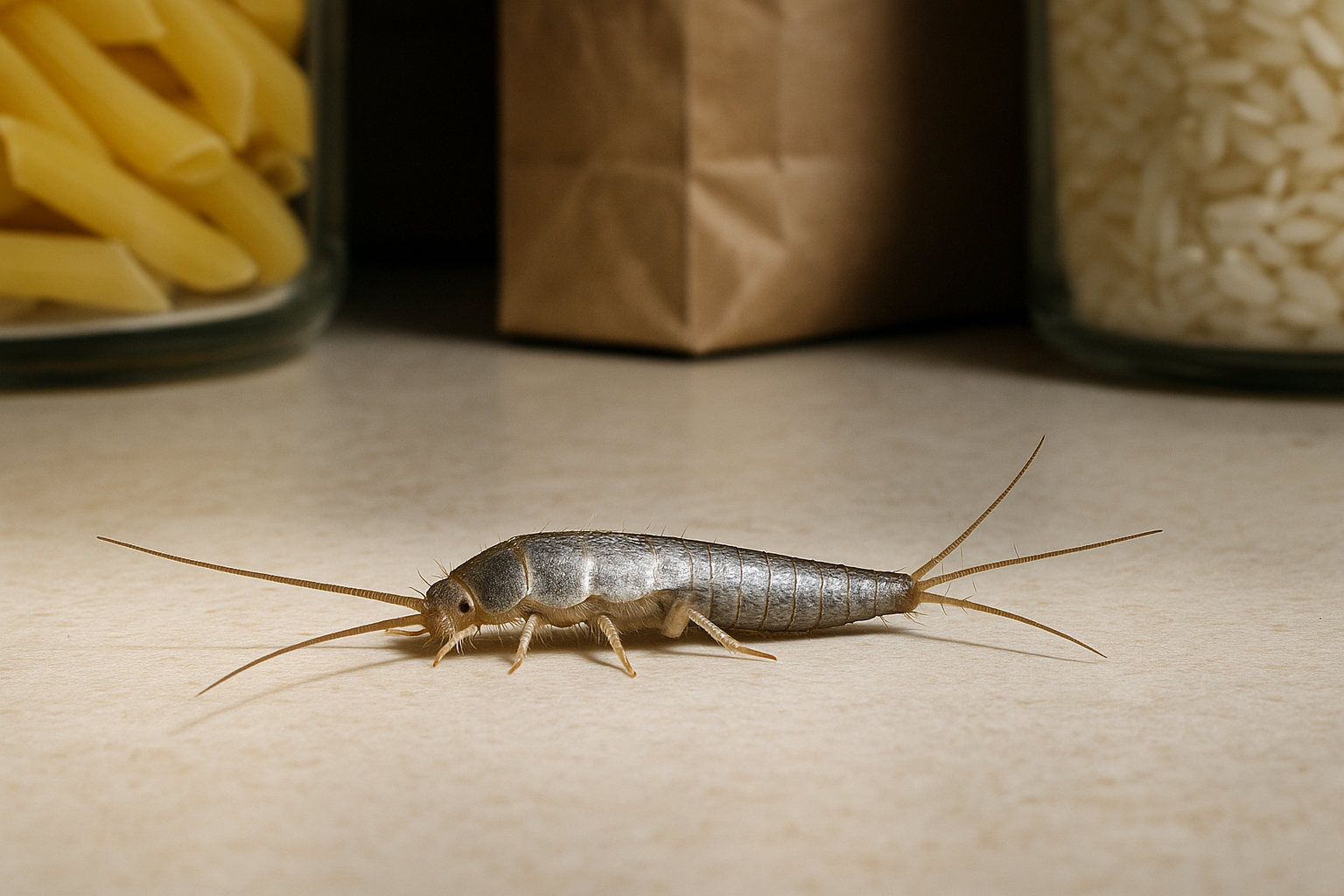
Silverfish (Lepisma saccharina) are small, wing‑less insects that measure about ½ to ¾ inch long. Their bodies are covered in overlapping, scale‑like plates that give them a metallic sheen, and they move in a quick, fish‑like motion, especially at night. These nocturnal pests thrive in damp, dark places such as basements, bathrooms, closets, and the edges of kitchen cabinets. They feed on starchy materials—paper, glue, fabric, and even cereal—so any area with moisture and organic debris can become a banquet for them.
Why Speed Matters
Silverfish reproduce quickly; a single female can lay 100 + eggs over her lifetime, and the nymphs mature in just a few weeks under ideal conditions. If you wait too long, a minor spotting can balloon into a full‑blown infestation that gnaws through treasured books, damages delicate clothing, and contaminates pantry items. The longer they linger, the more they compromise the structural integrity of paper‑based items and the aesthetic appeal of your home. Prompt identification and treatment stop the breeding cycle before it gains momentum, saving you both time and money.
What This Guide Will Cover
In the sections that follow, we’ll walk you through every step you need to reclaim your home from silverfish. First, we’ll show you how to confirm the pest’s presence with simple visual cues and where they’re most likely to hide in a Dunwoody residence. Next, we’ll break down the most effective treatment options—ranging from DIY moisture control to professional, low‑toxicity sprays—so you can choose the approach that fits your budget and comfort level. We’ll also provide transparent pricing details for Anthem Pest’s fast‑response service, because we believe you deserve clear costs before any work begins. Finally, you’ll learn how Anthem Pest’s local expertise and rapid‑dispatch team can deliver relief within hours, not days, ensuring your home returns to a silverfish‑free state as quickly as possible.
Understanding Silverfish and Their Impact
Silverfish are small, wingless insects that often go unnoticed until they leave a trail of damage. Measuring just ½ to ¾ inch long, their silvery‑gray, scale‑covered bodies catch the light and create a faint, fish‑like shimmer—hence the name. Despite their modest size, they can become a persistent nuisance in homes that provide the right conditions.
What They Look Like
These nocturnal pests have a flattened, elongated shape with a tapered tail that resembles a fish’s caudal fin. Their bodies are covered in overlapping, iridescent scales that range from silvery to light brown. Three long, bristle‑like antennae extend from the head, giving them a sensory advantage in dark, cramped spaces.
Where They Like to Live
Silverfish thrive in environments that are cool, dark, and humid—think under kitchen cabinets, bathroom tiles, basements, and attic corners. They favor cracks, crevices, and any location where moisture accumulates, such as leaky pipes or condensation on windows. Because they can survive without food for several months, they often linger in rarely disturbed areas, waiting for the perfect opportunity to feed.
What They Eat
Unlike many household pests, silverfish are not attracted to fresh food. Their diet consists mainly of starchy or protein‑rich substances, including:
- Paper, cardboard, and book bindings
- Glue from wallpaper or book spines
- Starch‑based foods such as flour, cereal, and pasta
- Dead insects and natural fibers like wool or silk
When they encounter these materials, they use tiny chewing mouthparts to scrape away the surface, leaving behind fine, silvery dust and irregular holes.
National Impact
According to the National Pest Management Association (NPMA), roughly 1‑2 % of U.S. households report silverfish activity each year. While that percentage may seem modest, the sheer number of homes across the country translates to millions of infestations, many of which go untreated until noticeable damage appears.
A Typical Dunwoody Scenario
In a standard kitchen in Dunwoody, GA, you might discover shredded cereal boxes tucked behind the pantry door, or notice faint, yellow‑stained spots on pantry shelves where silverfish have been feeding on the glue that holds shelf liners in place. Homeowners often first spot the insects themselves—tiny, darting silhouettes on the floor at night—or find the characteristic silvery dust they leave behind.
Understanding these habits helps you recognize early warning signs before silverfish cause more extensive damage to books, clothing, or stored foods. Prompt identification, combined with professional treatment from Anthem Pest Control, can stop an infestation in its tracks and protect the integrity of your home’s interior.
Why Speed Is Critical in Silverfish Control
Rapid Reproduction Means a Fast‑Growing Problem
Silverfish may seem harmless at first glance, but a single female can lay 30‑50 eggs in a single batch, and she can produce several batches over her lifetime. Those eggs hatch in as little as two weeks, and the nymphs mature quickly, especially in the warm, humid corners of a typical Georgia home. In just a month, one female can give rise to dozens of offspring, and each of those can start laying their own eggs within weeks. The result is an exponential population surge that can turn a minor sighting into a full‑blown infestation before you even notice the damage.
Structural Damage Starts Early
Silverfish feed on cellulose‑based materials. That includes paper, wallpaper, book bindings, and even the glue that holds wallboard together. Over time, their constant chewing creates tiny holes and frayed edges, weakening the integrity of these surfaces. In homes with older insulation or historic plaster, the insects can gnaw at the fibers that help keep walls insulated, leading to drafts and higher energy bills. While a few weeks of activity might not cause catastrophic failure, the damage compounds quickly, and repairing or replacing compromised materials can become a costly, time‑consuming project.
The Financial Toll of Delayed Treatment
A recent local pest‑control cost study in the Dunwoody area showed that homeowners who postponed silverfish treatment saw their labor expenses rise by up to 40 %. The increase is driven by the extra time technicians need to locate and eradicate a larger, more entrenched population, plus the additional work required to repair damage that has already occurred. Early intervention typically means a single, targeted treatment, whereas a delayed response can demand multiple visits, more extensive chemical applications, and supplemental structural repairs.
Real‑World Case Study: Quick Action Saves Money
Consider the experience of a Dunwoody homeowner who discovered a silverfish swarm in the attic. By calling Anthem Pest Control within 48 hours, the technician performed a focused treatment that eliminated the insects before they could establish a breeding hub. The homeowner avoided extensive insulation damage and reported a savings of $250 compared to neighbors who waited a week before acting, who required two full treatment cycles and partial insulation replacement.
Bottom Line for Homeowners
When you spot silverfish, treat the sighting as a warning sign—not a minor nuisance. The insects’ high reproductive capacity, coupled with their appetite for everyday household materials, means that every day of inaction gives them a foothold to cause structural harm and inflate your repair costs. Acting quickly not only protects your home’s integrity but also keeps labor and material expenses in check. A prompt call to a trusted local provider like Anthem Pest Control ensures you stay ahead of the infestation curve and preserves both the safety and the budget of your home.
Local Silverfish Trends in Dunwoody, GA
Understanding the local factors that invite silverfish into your home is the first step toward a lasting solution. Dunwoody’s unique climate and building patterns create a perfect storm for these nocturnal insects, and knowing where the pressure points lie helps you act before an infestation takes hold.
Climate Conditions That Favor Silverfish
According to NOAA’s latest climate normals, Dunwoody experiences an average relative humidity of about 65 % year‑round, with only brief dips during the cooler months. Silverfish thrive in environments where moisture levels stay above 60 %, because the dampness keeps their skin from drying out and supports the growth of the starchy mold they love to eat. Add to that the region’s mild winters—average lows hover around 35 °F—so the insects never face a true freeze‑out, allowing populations to reproduce continuously.
Neighborhood Hotspots
Local surveys and service records show two clear hotspots within the city. First, homes situated along the I‑285 corridor tend to report higher silverfish sightings. The highway’s proximity brings increased humidity from nearby water runoff and creates micro‑climates in basements and crawl spaces that stay damp longer than in more isolated neighborhoods. Second, residences built before 1990—especially those with original plaster walls, wood‑frame basements, or outdated ventilation—show a markedly higher infestation rate. Older construction often includes hidden gaps and less effective moisture barriers, giving silverfish easy access to the dark, humid refuges they seek.
2024 Complaint Statistics
The Dunwoody City Pest‑Service Portal released its 2024 complaint data in March, revealing a total of 312 verified silverfish reports across the city. Of those, 138 originated from zip code 30338, the area directly adjacent to the I‑285 loop, while 97 came from neighborhoods with homes built before 1990. The portal’s full dataset can be reviewed at https://www.dunwoodyga.gov/pest-service/complaints2024. These numbers confirm that both climate and construction era are driving forces behind the local silverfish surge.
Implications for Homeowners Seeking Timely Treatment
If you live near the I‑285 corridor or occupy a pre‑1990 home, you’re statistically more likely to encounter silverfish this year. The key is proactive moisture management: use dehumidifiers in basements, fix leaky pipes promptly, and ensure proper ventilation in attics and crawl spaces. Even with diligent home maintenance, a single missed spot can become a breeding ground, so scheduling a professional inspection with Anthem Pest Control before the summer heat peaks can save you both time and money.
When you call Anthem, our technicians start with a thorough moisture audit, pinpointing the exact locations where humidity levels exceed the silverfish comfort zone. From there, we apply targeted, low‑toxicity treatments that focus on cracks, crevices, and the hidden voids that older homes often hide. Because we understand Dunwoody’s specific trends, we can tailor a prevention plan that addresses both the climate‑driven and construction‑related risks unique to your property.
In short, the combination of a humid, mild climate and the city’s older housing stock creates a perfect habitat for silverfish. By recognizing these local patterns, monitoring moisture, and acting early with a qualified exterminator, you can keep your home silverfish‑free and enjoy peace of mind throughout the year.
The Inspection Process Used by Anthem Pest
When a silverfish invasion threatens your home, the first line of defense is a thorough, science‑based inspection. Anthem Pest’s technicians treat every inspection like a diagnostic exam, pinpointing the exact conditions that let these nocturnal insects thrive. By combining keen observation with calibrated equipment, we eliminate guesswork and lay the groundwork for a fast, lasting solution.
Step 1: Visual Search of High‑Risk Areas
The inspection begins with a systematic walk‑through of the spaces where silverfish love to hide: kitchens, bathrooms, basements, and any damp corners near plumbing fixtures. Our technicians scan for tell‑tale signs such as shed skins, small fecal pellets, and the characteristic silvery trails left behind on walls or flooring. They also check under appliances, behind baseboards, and inside closets, because silverfish are masters of staying out of sight while they feed on starchy debris.
Step 2: Moisture Meter Readings to Confirm Humid Zones
Silverfish thrive in environments with relative humidity above 75 percent. To verify these conditions, the technician uses a calibrated moisture meter, a handheld device that instantly reads the moisture content of wood, drywall, and flooring. By moving the probe across suspect surfaces, we can map out hidden pockets of moisture that may not be obvious to the naked eye. Any reading that exceeds the threshold signals a potential breeding ground, prompting targeted remediation measures such as dehumidification or repair of leaks.
Step 3: Placement of Sticky Traps for Monitoring
After the visual and moisture assessments, we strategically place adhesive sticky traps in the identified hot spots. These traps serve two purposes: they provide immediate control by catching active silverfish, and they give us a baseline population count for future follow‑up visits. The traps are low‑profile, discreet, and placed in locations like behind the refrigerator, under the sink, and along baseboard seams. Technicians label each trap with a date and location, ensuring accurate tracking of activity over time.
Tools Employed
- LED Flashlights: Bright, focused light reveals hidden insects and their trails in dark corners.
- Calibrated Moisture Meters: Provides precise humidity readings to identify problem areas.
- Identification Guides: Portable reference books help confirm species and recommend the most effective treatment.
- Sticky Monitoring Traps: Non‑toxic, adhesive pads that capture insects for analysis.
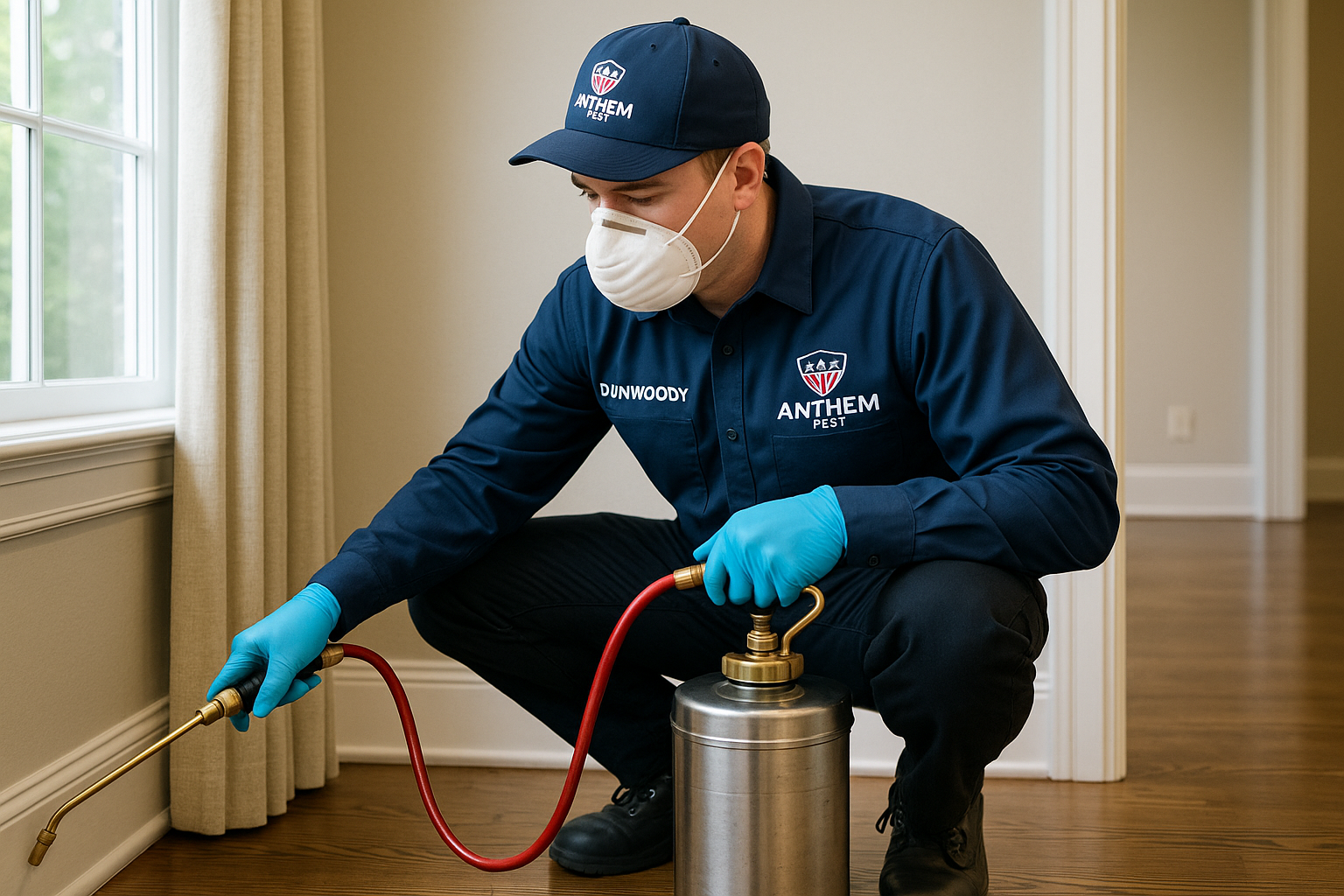
Throughout the inspection, the technician remains fully uniformed in Anthem Pest branding, reinforcing professionalism and trust. The uniform not only identifies the expert but also signals that you’re dealing with a certified professional who follows industry‑standard protocols. Our crew members are trained to communicate findings clearly, explaining why each step matters and how it contributes to a swift eradication plan.
By the end of the inspection, you’ll receive a concise report that outlines:
- Exact locations where silverfish activity was detected.
- Moisture readings that pinpoint high‑risk zones.
- Trap placement map and initial catch numbers.
- Recommended treatment options tailored to your home’s layout and humidity profile.
This data‑driven approach ensures that the subsequent treatment targets only the areas that need it, saving you time, chemicals, and money. It also gives you peace of mind, knowing that Anthem Pest’s experts have left no stone unturned in the fight against silverfish.
Treatment Options for Silverfish Infestations
Silverfish are resilient little insects that thrive in damp, dark corners of a home. Because they can survive for months without food, eliminating an infestation often requires more than a single spray. Choosing the right approach—chemical, non‑chemical, or a blend of both—depends on your budget, tolerance for chemicals, and how quickly you need results. Below we break down the most common treatments, the data that backs them, and what you can expect in a typical home in Dunwoody.
Chemical Treatments
When homeowners need fast, reliable knock‑down power, low‑toxicity, EPA‑registered sprays are the go‑to solution. These products contain ingredients such as bifenthrin or permethrin that are proven to kill silverfish on contact while posing minimal risk to pets and humans when applied correctly.
- Typical products: Ready‑to‑use aerosol or trigger‑spray formulations labeled for “silverfish control.”
- Application method: A certified technician applies the spray directly to baseboards, under appliances, in closets, and any other areas where silverfish hide. The mist penetrates cracks and crevices, creating a residual barrier that remains active for 4–6 weeks.
- Cost: Most residential visits run between $90‑$130 per treatment, which includes a thorough inspection, the spray, and a follow‑up call to assess effectiveness.
- Effectiveness: According to the EPA Silverfish Control Fact Sheet, EPA‑registered sprays achieve an average 85 % reduction in silverfish activity after a single application when combined with proper sanitation.
While chemical sprays deliver quick results, they do require careful handling and may need retreatment if the infestation is deep‑seated. For homeowners who prefer a “set‑and‑forget” approach, this method often provides the most immediate relief.
Non‑Chemical Methods
Many Dunwoody residents opt for chemical‑free strategies, especially those with children, pets, or sensitivities to pesticides. Non‑chemical options work by either physically removing silverfish, altering the environment they love, or using natural abrasives that damage their exoskeletons.
- Diatomaceous Earth (DE): A fine powder made from fossilized algae. When silverfish crawl over DE, the microscopic shards puncture their waxy outer layer, causing dehydration. For best results, sprinkle a thin line of food‑grade DE along baseboards, behind appliances, and in closet corners. Reapply after cleaning or if the powder gets wet.
- Heat Treatment: Professionals raise the temperature of affected rooms to 120 °F (49 °C) for several hours. Silverfish cannot survive sustained heat above 115 °F, so this method exterminates them without chemicals. It’s especially useful for sealed storage areas or when a rapid, residue‑free solution is required.
- Exclusion & Humidity Control: Silverfish love moisture. Reducing indoor humidity to below 50 % with dehumidifiers, fixing leaky pipes, and improving ventilation cuts off their water source. Sealing cracks, gaps around windows, and entry points with caulk or expanding foam prevents new insects from entering.
- Cost: DE is inexpensive—typically under $20 for a 5‑lb bag that treats an entire home. Heat treatments range from $150‑$250 per session due to equipment and labor. Exclusion work is often bundled with a standard service visit and may add $30‑$60 for additional sealing.
- Effectiveness: EPA data show DE achieves about 70 % reduction when applied consistently, while heat treatment can reach up to 95 % reduction**. Exclusion alone provides a modest 60 % reduction, but its true value lies in preventing re‑infestations when combined with other methods.
Non‑chemical approaches excel when you prioritize safety and long‑term prevention. They often require a bit more patience and diligence—especially regular re‑application of DE and ongoing humidity monitoring—but the payoff is a home free of chemical residues.
Quick Comparison of Treatment Options
| Method | Pros | Cons | Effectiveness* (%) | Safety Notes |
|---|---|---|---|---|
| Low‑toxicity EPA spray | Fast knock‑down, residual barrier, professional application | Requires chemical handling, may need retreatment | 85 | Minimal risk when applied by certified tech; keep pets/children out of treated zones for 2 hrs |
| Diatomaceous Earth | Non‑chemical, inexpensive, easy DIY | Needs regular re‑application, less effective in high humidity | 70 | Food‑grade DE is safe; avoid inhalation—wear a dust mask during application |
| Heat treatment | Residue‑free, high kill rate, works in sealed spaces | Higher upfront cost, requires temporary evacuation of rooms | 95 | No chemicals; ensure heat‑sensitive items are removed or protected |
| Exclusion & humidity control | Prevents re‑entry, improves overall home health | Labor‑intensive, slower visible results | 60 (when used alone) | Completely safe; best paired with another method for optimal control |
*Effectiveness percentages reflect average reduction in silverfish activity reported in EPA studies and field trials. Results vary based on infestation size, home layout, and follow‑up maintenance.
In practice, most homeowners achieve the best outcome by layering treatments—using a low‑toxicity spray for immediate knock‑down, followed by DE or exclusion to keep the population from rebounding, and addressing moisture sources to starve any survivors. At Anthem Pest Control, we tailor a plan that fits your comfort level, budget, and timeline, ensuring quick relief without compromising safety.
Transparent Pricing and Service Packages
Flat‑Rate Packages You Can Count On
At Anthem Pest, we believe you shouldn’t have to guess how much a silverfish treatment will cost. That’s why we offer two straightforward, flat‑rate options for Dunwoody homeowners. A single‑visit treatment is priced at $99 and covers everything needed to eliminate an active silverfish infestation in one go. If you prefer added peace of mind, our $179 two‑visit guarantee includes a second, follow‑up visit within 30 days at no extra charge, ensuring the pests stay gone.
What’s Included in Each Package
| Service Component | What You’ll Receive |
|---|---|
| Comprehensive Inspection | Technician conducts a room‑by‑room assessment, identifies hot spots, and explains the life cycle of silverfish. |
| Targeted Treatment | Application of EPA‑approved, low‑odor insecticide precisely where silverfish hide—cracks, baseboards, and moisture‑prone areas. |
| Post‑Treatment Monitoring | Placement of discreet monitoring stations to track any residual activity and confirm success. |
| 30‑Day Follow‑Up (Two‑Visit Package Only) | Re‑inspection and, if needed, a supplemental treatment at no additional cost. |
Discounts That Reward Loyalty
We understand that families and seniors often stretch every dollar. To honor that, Anthem Pest offers a 10 % senior citizen discount on both the $99 and $179 packages—just present a valid ID at the time of service. Additionally, if you bundle silverfish control with any of our other pest‑prevention programs (such as ant or roach treatments), you’ll receive a **15 % savings** on the combined total. This bundled approach not only protects multiple entry points but also keeps your overall pest‑control budget under control.
No Hidden Fees—Just Clear Invoicing
Transparency doesn’t stop at the price tag. When you schedule a service, the invoice you receive lists every line item: inspection, treatment, monitoring devices, and any applicable discounts. There are no surprise charges for travel, equipment, or “extra” visits—those are already baked into the flat‑rate price. If an unexpected situation arises (for example, a structural issue that hinders treatment), we’ll discuss it with you before any additional work is performed, giving you full control over the final cost.
Why This Matters to You
Homeowners in Dunwoody appreciate straightforward pricing because it lets them plan ahead, compare options, and feel confident that the job will be done without surprise invoices. Anthem Pest’s flat‑rate structure, detailed service breakdown, and built‑in discounts demonstrate our commitment to honest, affordable pest control. When you choose us, you’re not just getting a technician—you’re getting a partner who values clarity as much as you do.
Prevention Tips to Keep Silverfish Away
Silverfish thrive in the hidden corners of a home where moisture, food particles, and tiny cracks give them a safe haven. By tackling those conditions before the insects arrive, you can protect your family’s pantry, books, and bathroom fixtures without relying on constant chemical treatments.
Control Humidity – The First Line of Defense
Silverfish love damp environments, so keeping indoor humidity below 50 % is essential. Place a dehumidifier in basements, closets, and any room that feels “sticky.” Run it for a few hours each day during humid months, and empty the water reservoir regularly to maintain optimal performance.
Leaking pipes, roof drips, or even a slow faucet can create micro‑wet spots that attract silverfish. Conduct a quick visual inspection each month; any water stain or musty smell is a sign to repair the source immediately. Fixing leaks not only stops silverfish but also prevents mold growth, which can cause health issues for your family.
Improving ventilation is another simple, cost‑effective step. Install or upgrade exhaust fans in bathrooms and kitchens, and keep interior doors open when weather permits. A well‑ventilated home circulates dry air, making it far less inviting for these nocturnal pests.
Seal Entry Points – Close the Door on Invaders
Silverfish are tiny enough to slip through cracks as narrow as a pencil lead. Walk the perimeter of each room with a flashlight and a small mirror to spot gaps around baseboards, window frames, and door jambs. Apply a high‑quality silicone caulk to seal these openings; the flexible seal expands with temperature changes, keeping the barrier intact year‑round.
Install door sweeps on exterior doors. A simple rubber sweep blocks the gap at the bottom of the door, denying silverfish a direct route from the yard or crawl space into your living areas. If you have sliding glass doors, check the weatherstripping and replace it if it’s cracked or missing.
Window screens can become torn or warped over time, providing another entryway. Replace damaged screens promptly, and consider adding a fine‑mesh screen on attic vents to stop insects from entering from above.
Food Storage Best Practices – Remove the Buffet for Silverfish
Dry foods such as cereals, flour, and pet kibble are prime meals for silverfish. Transfer these items into airtight containers made of glass or heavy‑wall plastic. Containers with snap‑tight lids or a silicone seal create a barrier that silverfish cannot breach.
Make pantry cleaning a weekly habit. Sweep shelves, wipe down corners, and discard any crumbs or spills before they dry. Rotate stock regularly: label containers with the purchase date and move older items to the front. When you encounter dry goods that are past their prime, toss them—silverfish can survive for months on even the smallest food remnants.
Don’t forget the less obvious sources: glue, book bindings, and even old wallpaper can sustain silverfish. Store books and paperwork in dry, well‑ventilated areas, and consider using sealed boxes for valuable collections.
Seasonal Timing – Stay Ahead of the Humidity Spike
In Dunwoody, GA, humidity typically climbs in late spring and peaks during the summer months. Schedule a preventative treatment with Anthem Pest Control before the first major humidity rise—ideally in April or early May. A professional inspection and targeted barrier application can dramatically reduce the likelihood of a silverfish outbreak later in the season.
Even if you’re not ready for a full treatment, a simple “pre‑season” service—such as a focused application around baseboards, under sinks, and in attic spaces—creates a protective layer that deters silverfish from establishing colonies. Combine this with the homeowner steps outlined above for a comprehensive, year‑round shield.
By controlling moisture, sealing cracks, storing food properly, and timing your preventive actions, you’ll make your home an inhospitable environment for silverfish. These proactive measures not only keep your living spaces clean but also reduce the need for reactive pest control, saving you time, money, and stress.
Choosing Anthem Pest as Your Local Expert
When a silverfish—or any unwanted guest—shows up in your Dunwoody home, you need a partner who knows the area, the pests, and the safest ways to get rid of them. Anthem Pest has been a fixture in the Greater Atlanta region for more than two decades, and that longevity isn’t just a number; it’s proof of consistent, reliable service that homeowners like you can count on.
20‑Year Presence, Certified Technicians, EPA‑Registered Products
Since 2003, Anthem Pest has built a reputation on three pillars: experience, expertise, and safety. All field technicians hold industry‑recognized certifications, meaning they stay current on the latest treatment protocols and identification methods. In addition, every product we apply is EPA‑registered, guaranteeing that it meets strict federal standards for effectiveness and human health protection. When we say we use “safe, effective, and affordable” solutions, those words are backed by documented training records and product approvals.
What Dunwoody Homeowners Are Saying
- “Fast response, fast results.” – Mark S., 7425 McPherson Dr. “A technician was at my door within two hours of calling, and the silverfish were gone after the first treatment.”
- “Professional and courteous.” – Lisa K., 5110 North Peachtree Rd. “The crew explained every step, wore protective gear, and left my kitchen spotless.”
- “Peace of mind for my family.” – James & Carla D., 3000 Dunwoody Village. “Knowing the chemicals are EPA‑registered lets us sleep easy, especially with our kids at home.”
Local Expertise You Can Trust
Dunwoody’s humid subtropical climate creates the perfect breeding ground for silverfish, especially in older homes with wooden framing and basements prone to moisture. Our technicians live and work in the same neighborhoods they serve, so they recognize the subtle differences between a historic bungalow and a newer townhouse. That familiarity lets us tailor inspections, pinpoint entry points, and choose treatment methods that work best for the specific construction materials and micro‑climates found in your home.
Why Choosing a Local Partner Matters
National chains may offer generic solutions, but they often lack the nuanced understanding of how Dunwoody’s seasonal rains, shaded yards, and older brickwork affect pest behavior. Anthem Pest’s local knowledge translates into faster diagnosis, fewer repeat visits, and a treatment plan that respects your property’s unique characteristics. In short, you get a customized approach that a one‑size‑fits‑all service simply can’t match.
Ready for Quick, Reliable Relief?
If you’re ready to stop silverfish in their tracks, give Anthem Pest a call today at 877‑371‑8196 or visit anthempest.com. Our Dunwoody team is standing by to schedule a same‑day inspection, answer your questions, and put an end to the creeping nuisance.
Frequently Asked Questions About Silverfish Control
Do silverfish carry disease?
The Centers for Disease Control and Prevention (CDC) confirms that silverfish are not disease vectors. These insects lack the mouthparts needed to bite or sting, and they do not harbor pathogens that affect humans. While a heavy infestation can cause cosmetic damage to books, wallpaper, clothing, and stored food, there is no health risk associated with the insects themselves. Homeowners can breathe easy knowing that silverfish are a nuisance, not a medical concern.
How long until I see results?
After a professional application, most homeowners notice a noticeable drop in silverfish activity within 24‑48 hours. The fast‑acting, low‑toxicity insecticide penetrates cracks, crevices, and other hidden harborages, immediately disrupting the insects’ feeding and breeding cycles. Although the initial reduction is rapid, a complete eradication usually requires a follow‑up visit within two weeks to target any newly hatched nymphs that survived the first treatment. Residual protection from the product continues to suppress re‑infestations for several weeks.
Is treatment safe for pets?
Yes. Anthem Pest Control uses EPA‑approved products specifically formulated for low toxicity around pets and children. Our certified technicians follow strict safety protocols: pets are kept in a separate room during application, the treated area is allowed to dry completely, and we provide clear post‑treatment instructions such as ventilating the space and restricting pet access for a short period (typically 30‑60 minutes). The active ingredients are proven to be safe when used as directed, giving you confidence that your furry family members are protected.
Can I treat silverfish myself?
Do‑it‑yourself sprays, traps, or powders can offer temporary relief, but they rarely address the root cause. Silverfish hide in wall voids, under baseboards, and inside cabinetry—areas that are difficult to reach with over‑the‑counter products. Without a thorough inspection, DIY methods often miss these hidden sites, leading to recurring problems. Moreover, improper application of chemicals can pose health risks to you, your family, and your pets. A professional service combines expert inspection, targeted treatment, and a preventive plan that DIY solutions simply cannot match.
How often should I schedule follow‑ups?
We recommend a follow‑up visit 7‑14 days after the initial treatment to eliminate any survivors and newly emerged nymphs. For homes with chronic silverfish activity, a quarterly maintenance program is ideal; it keeps the population below damaging levels and allows us to monitor moisture levels, which silverfish love. Seasonal inspections—especially after the humid summer months—help identify new entry points, seal cracks, and adjust humidity control measures, ensuring long‑term protection.
Act Now for Fast, Reliable Silverfish Relief in Dunwoody
Silverfish multiply quickly, and the damage they cause to paper, fabrics, and even drywall can spread before you even notice a single sighting. That’s why a rapid response isn’t just convenient—it’s essential. Professional, data‑driven solutions cut the infestation short, protect your belongings, and prevent future outbreaks. When a qualified team uses the latest monitoring tools and targeted treatments, you get results that last, not just a temporary fix.
Why Speed Matters
Every day an untreated silverfish problem persists, the insects lay more eggs, and the likelihood of structural damage rises. A swift intervention halts the breeding cycle, reduces the population to manageable levels, and restores the comfort of your home sooner. Our technicians rely on real‑time data from local inspections, allowing them to select the most effective product and application method for Dunwoody’s climate and building styles.
Anthem Pest’s Edge: Transparent Pricing, Quick Response, Local Expertise
- Transparent pricing: No hidden fees or surprise add‑ons. You receive a clear, itemized quote before any work begins, so you know exactly what you’re paying for.
- Rapid response times: We understand that silverfish don’t wait for business hours. Our local crews are on standby to schedule a same‑day or next‑day inspection, ensuring the problem is addressed before it escalates.
- Local expertise: Dunwoody homeowners benefit from technicians who know the area’s typical pest patterns, building materials, and seasonal trends. This knowledge translates into customized treatment plans that work.
Take the First Step – Free Inspection & Quote
Ready to protect your home without breaking the bank? Contact Anthem Pest today for a complimentary inspection and a no‑obligation quote. Our certified technicians will assess the situation, explain the findings in plain language, and outline a plan that fits your budget.
If you’ve spotted silverfish or suspect damage, our certified technicians are ready to help you restore peace of mind. Call us today for a complimentary assessment and discover how affordable fast relief can be.
Phone: 877‑371‑8196
Visit: Anthem Pest Control