Why Silverfish Are a Hidden Threat in Vinings Homes

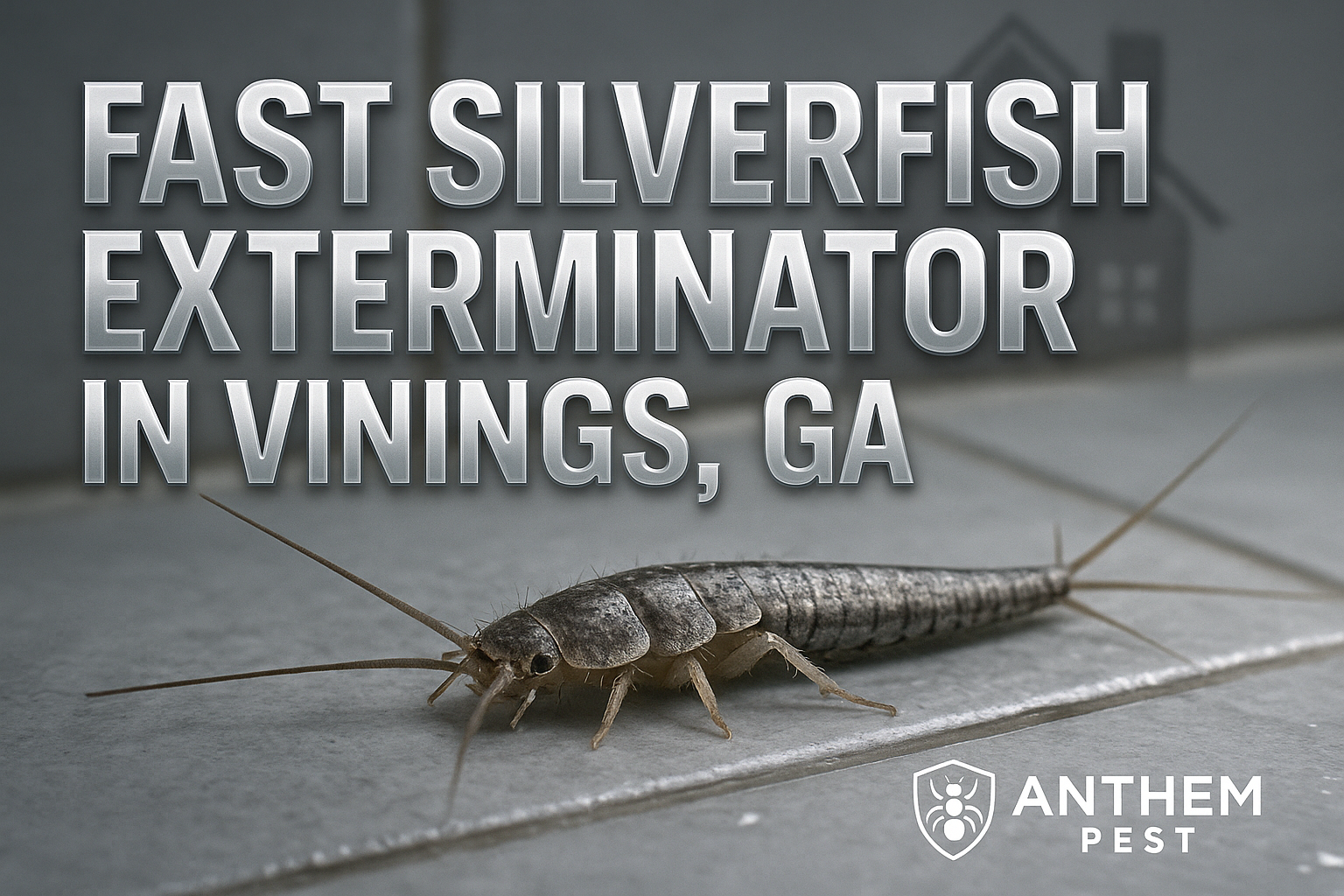
Silverfish (Lepisma saccharina) are slender, fish‑shaped insects that measure about half an inch long. Their bodies are covered in tiny, overlapping scales that give them a silvery sheen, and they move in a rapid, wavelike motion. These nocturnal foragers emerge after dark to feed on starches, sugars, and proteins found in paper, glue, fabrics, and even cereal grains. Because they hide in cracks and crevices, a homeowner often doesn’t notice them until damage appears. If you’re dealing with an infestation, calling a silverfish exterminator Vinings can prevent further damage and protect your home.
Georgia’s subtropical climate creates the perfect backdrop for silverfish proliferation. Vinings experiences high humidity year‑round, and indoor spaces such as bathrooms, kitchens, and unfinished basements retain moisture longer than in drier regions. When relative humidity climbs above 60 %, silverfish thrive, laying dozens of eggs in the damp corners of tile grout, under sinks, or behind laundry hampers. Even a short spell of rain can raise indoor moisture levels enough to spark a new infestation.
Take the case of a recent Vinings resident who noticed a spike in pantry damage after the last rainy season. She reported a 15 % increase in shredded cereal boxes, damaged flour bags, and gnawed book spines compared to the previous year. The culprit? A surge of silverfish attracted to the lingering dampness in her pantry’s lower shelves, where condensation collected on the back wall.
According to the EPA, 1–2 % of U.S. households experience silverfish‑related damage annually. While that percentage sounds small, it translates to millions of homes across the country—Vinings included—dealing with costly replacements and ongoing repairs.
Beyond structural damage, silverfish can aggravate indoor air quality. Their shed skins and fecal pellets become microscopic allergens that trigger sneezing, itching, or asthma flare‑ups in sensitive individuals. Although they do not bite or transmit disease, their presence can compound existing respiratory concerns, especially in homes with allergy‑prone occupants.
Spotting the signs early—tiny silvery trails, tiny holes in paper, or a faint, musty odor—gives Vinings homeowners a crucial window to act before the infestation spreads. The next step is learning how to identify these clues and intervene quickly.
Spotting the Silent Invader
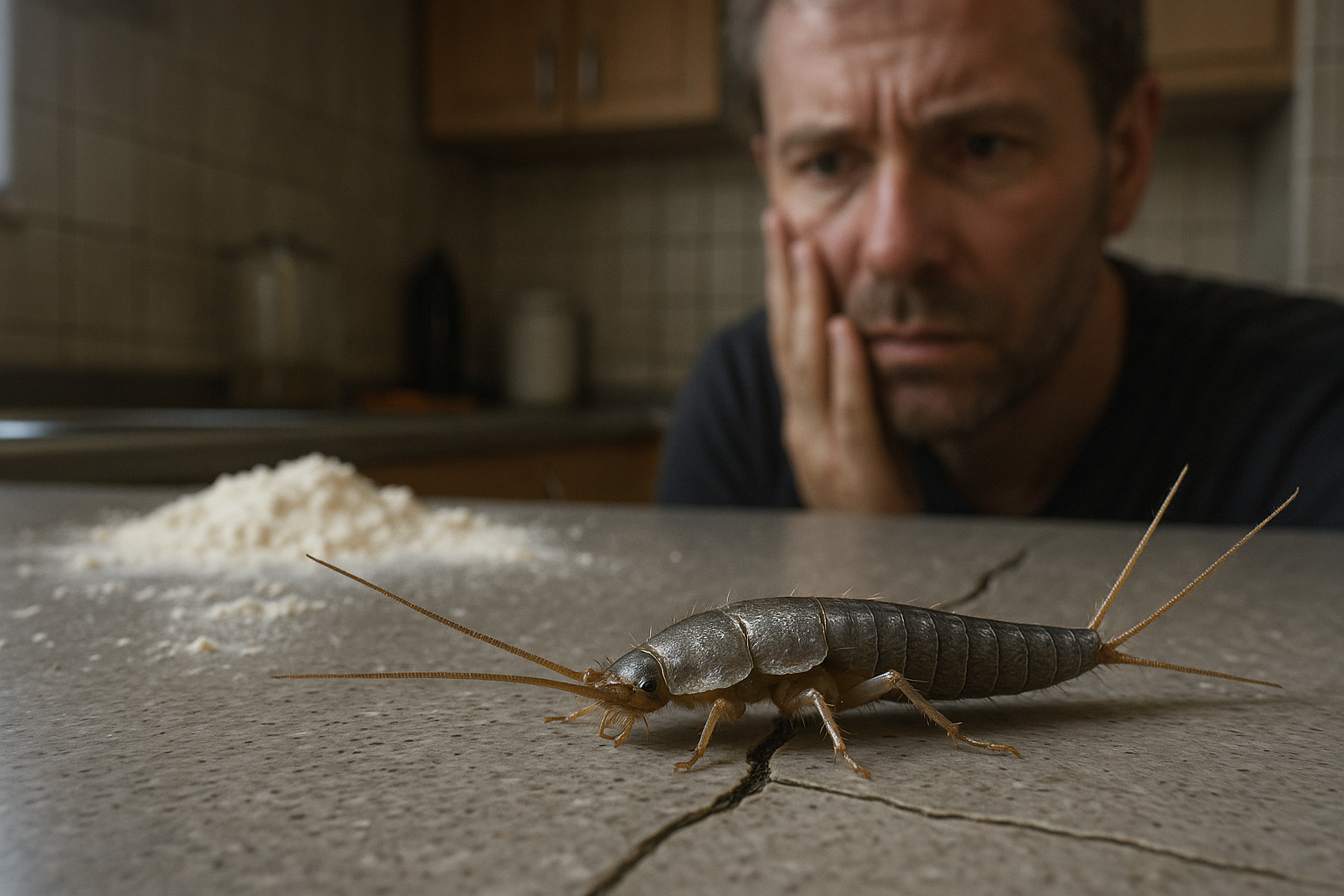
Silverfish are the kind of pests you rarely hear until you see them. Measuring just about half an inch long, they have a sleek, silvery‑gray exoskeleton that catches the light, giving them a fish‑like shimmer. Their bodies are elongated and tapered, resembling a tiny, flattened eel, and they move with a characteristic “wriggling” motion that can look almost hypnotic in low light.
What a silverfish looks like
Beyond the metallic sheen, a silverfish’s three long bristles—called cerci—extend from its rear, adding to its distinctive silhouette. The head is small and tucked under the thorax, making the insect appear seamless as it darts across surfaces. When you catch a glimpse, you’ll notice the quick, side‑to‑side undulation that sets them apart from other crawling insects.
Where they love to hide in Vinings
- Bathrooms: damp tiles, shower curtains, and under sinks provide the moisture they crave.
- Basements: cool, dark corners with occasional water leaks are prime real estate.
- Attics: insulation that traps humidity creates a perfect sanctuary.
- Closets: especially those storing wool, cotton, or paper items that retain a bit of moisture.
- Older brick foundations in North Vinings and Cumberland: cracks and porous bricks hold enough moisture for silverfish to thrive year‑round.
Quick‑check checklist
- Tiny, fish‑like movement on walls, floors, or ceiling corners—often visible only when a light catches their scales.
- Yellow‑brown stains or specks that look like tiny droplets of feces near pantry shelves, pantry boxes, or food storage areas.
- Nibbled edges on paper, books, wallpaper, or fabric—silverfish feed on starches, sugars, and even glue, leaving ragged, chewed edges.
Quick tip: Turn off the main lights, grab a flashlight, and sweep the beam across walls and floorboards after dark. The reflective bodies of silverfish will glint briefly, making them far easier to spot than during daylight.
For a deeper dive into silverfish biology, prevention, and treatment options, consult the CDC’s guidance on household pests. Recognizing these subtle signs early lets you act before the silent invader turns a minor nuisance into a full‑blown infestation.
The Limits of Home Remedies
Many homeowners reach for the pantry or hardware store the moment silverfish appear, hoping a quick DIY fix will erase the problem. The most common home‑treatment arsenal includes boric acid powders, diatomaceous earth (DE) and a handful of essential‑oil sprays such as lavender or tea tree. These products are inexpensive, readily available, and marketed as “natural” alternatives to professional chemicals.
Popular DIY Options
- Boric acid: Applied as a thin dust in cracks, it is toxic to insects that ingest it.
- Diatomaceous earth: A fine silica powder that abrades the exoskeleton of crawling pests.
- Essential‑oil sprays: Typically mixed with water and a carrier oil, they rely on strong scents to repel silverfish.
Why DIY Often Misses Hidden Colonies
Silverfish thrive in the dark, moist micro‑habitats that are hard to see—deep floorboard seams, crawl‑space joists, and the undersides of cabinets. A surface dust or spray only treats the areas you can reach. Even when you sprinkle boric acid or DE around visible activity, the insects can retreat deeper, where the product never contacts them. Moreover, essential‑oil sprays evaporate quickly, leaving no residual effect to protect concealed zones.
Data from a 2023 study conducted by the National Pest Management Association (NPMA) confirms this gap. Professional exterminators, who use targeted baits and low‑volume foggers that penetrate cracks, achieved an average success rate above 85 %. In contrast, DIY attempts using the aforementioned powders and sprays hovered around a 45 % success rate.
| Method | Approx. Success Rate |
|---|---|
| Professional treatment | >85 % |
| DIY (boric acid, DE, etc.) | ~45 % |
Beyond efficacy, safety is a major concern. Misapplying boric acid can expose children or pets to toxic dust, while excessive DE may irritate lungs if inhaled. Essential‑oil concentrates can cause skin sensitization when not properly diluted. Without proper training, homeowners risk both incomplete control and accidental health hazards.
For these reasons, many residents of Vinings, GA find that a professional service like Anthem Pest Control offers the most reliable, safe, and lasting relief from silverfish infestations.
What Anthem Pest Does Differently
At Anthem Pest, we treat every silverfish invasion as a unique puzzle. Our step‑by‑step process blends science, safety, and transparent pricing so homeowners in Vinings know exactly what’s happening, why it matters, and how much it will cost.
Step 1: Comprehensive Inspection
Our certified technicians start with a thorough visual survey of your home’s interior and exterior. Using handheld moisture meters, they pinpoint damp zones where silverfish love to hide—under sinks, behind baseboards, and in crawl spaces. This data‑driven walk‑through eliminates guesswork and ensures no infestation hotspot is missed.
Step 2: Moisture Assessment & Dehumidification Recommendation
Silverfish thrive in humidity above 60 %. After measuring moisture levels, we provide a clear, homeowner‑friendly recommendation for dehumidification, such as portable units or ventilation upgrades. Reducing excess moisture not only weakens silverfish but also prevents future infestations of mold and other moisture‑loving pests.
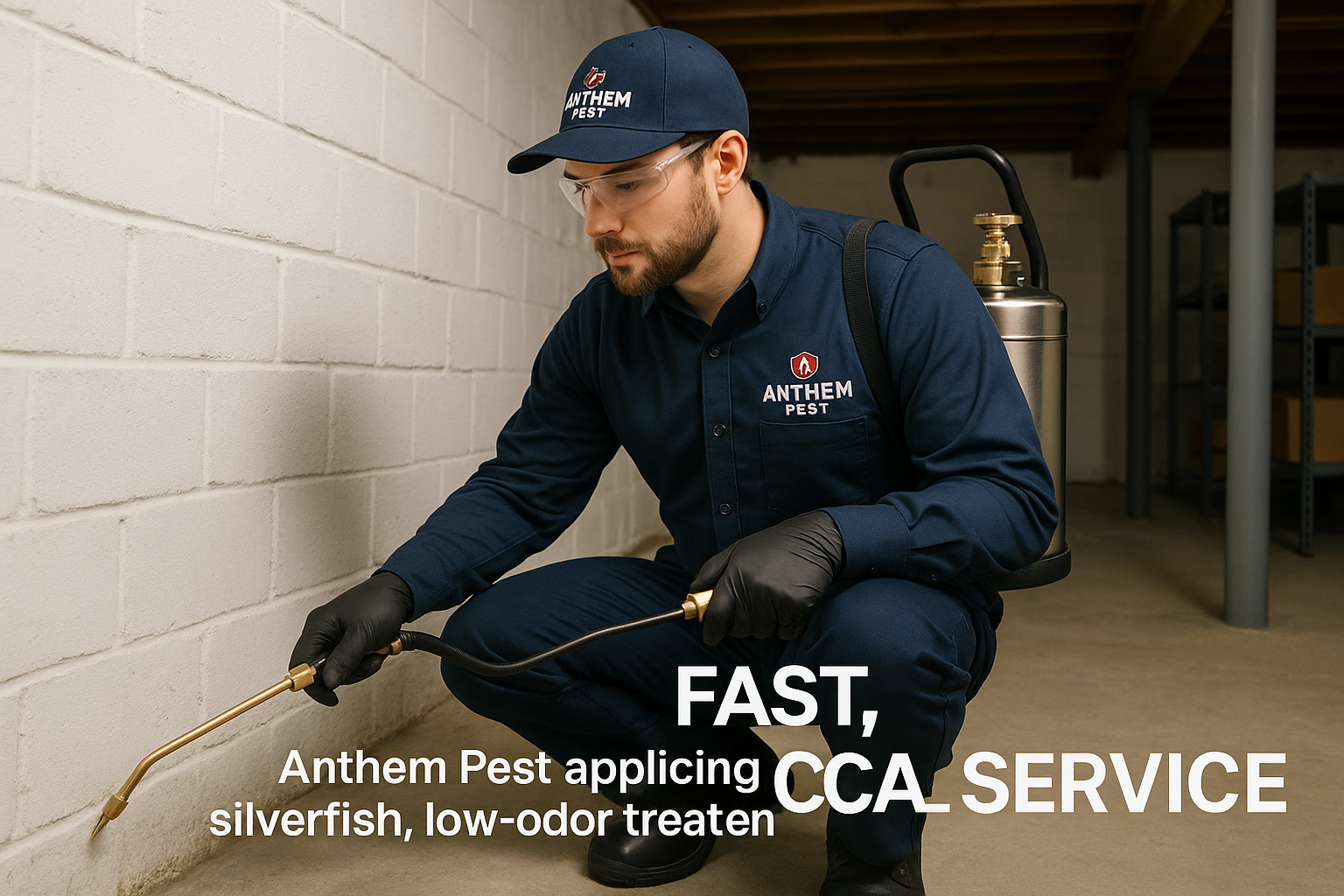
Step 3: Targeted Application of Low‑Odor, EPA‑Registered Insecticide
We apply EcoShield™ Silverfish Control, an EPA‑registered, low‑odor formulation specifically designed for indoor use. The active ingredient, Silvex, attacks silverfish nerve pathways while breaking down quickly after contact. Because the product is certified for residential settings, it leaves no lingering residue and poses no risk to humans when applied by our trained staff.
Step 4: Follow‑up Monitoring Visit (2‑4 Weeks)
Within two to four weeks, a second technician returns to verify that the treatment took hold. We place discreet monitoring stations in previously identified hotspots and review any new moisture readings. If needed, a supplemental spot‑treatment is performed at no extra charge.
Safety note: All products we use are child‑ and pet‑friendly when applied by certified technicians. We wear protective gear, follow label directions to the letter, and ventilate treated areas before you resume normal activity.
Transparent Pricing
We believe you should never be surprised by a bill. Our silverfish exterminator Vinings package is priced based on square footage, with all labor, materials, and the follow‑up visit included.
| Square Footage | Package Price |
|---|---|
| Up to 1,200 sq ft | $120 – $150 |
| 1,201 – 2,500 sq ft | $170 – $210 |
| 2,501 – 4,000 sq ft | $220 – $250 |
“When a homeowner calls, I’m on the road within 30 minutes. Our quick response, combined with a clear, step‑by‑step plan, gives families peace of mind that the silverfish won’t return.” – Jared Lee, Anthem Pest Technician, Vinings
Long‑Term Home Protection Strategies
After a successful silverfish treatment by a professional silverfish exterminator Vinings, the next step is to make your home unattractive to these moisture‑loving pests. By controlling humidity, storing food properly, sealing entry points, and following a seasonal inspection routine, you can keep silverfish out for good.
Humidity Control
Silverfish thrive in damp environments, so lowering indoor moisture is the most effective preventive measure. Aim for a relative humidity below 50 % throughout your house.
- Place dehumidifiers in basements, closets, and any room that feels clammy, especially during the hot months of May through September.
- Repair leaky pipes, faucet drips, and roof leaks promptly; even a slow drip can create a micro‑habitat for silverfish.
- Improve ventilation in bathrooms, kitchens, and laundry rooms by using exhaust fans or opening windows after showers and cooking.
- Consider installing a whole‑home humidity sensor that alerts you when levels rise above the safe threshold.
Food Storage Best Practices
Food residues are a secondary attractant for silverfish. Keeping pantry items sealed and the area clean removes a key food source.
- Transfer cereals, flour, sugar, and pet food into airtight containers made of glass or heavy‑wall plastic.
- Perform a quarterly pantry clean‑out: discard expired goods, sweep crumbs, and wipe shelves with a mild detergent.
- Store dried herbs and spices in sealed jars; moisture can accumulate in open spice racks.
- Never leave pet food out overnight; store it in a sealed bin and clean the feeding area daily.
Structural Sealing
Even the smallest cracks can become highways for silverfish. Regular maintenance of your home’s envelope blocks their entry.
- Caulk gaps around baseboards, window frames, and door jambs with a silicone‑based sealant.
- Install door sweeps on all exterior doors to eliminate the gap between the floor and the door bottom.
- Repair damaged tile grout in bathrooms and kitchens; cracked grout holds moisture and provides hiding spots.
- Check and reseal any openings around utility penetrations, such as plumbing stacks and electrical conduits.
Seasonal Inspection Calendar for Vinings
| Month | Key Action |
|---|---|
| May – September | Run dehumidifiers, inspect for new leaks, perform a thorough pantry sweep. |
| October | Seal any cracks discovered during summer inspections; schedule a professional check‑up. |
| January – April | Maintain baseline humidity, clean storage areas, and verify door sweeps are intact. |
Local Tip for Vinings Village Residents
Heavy rain can raise ground moisture and force silverfish to seek shelter in crawl spaces. After any significant downpour, walk the crawl‑space perimeter, look for standing water, and ensure drainage ditches are clear. A quick visual check can prevent a post‑storm surge of pests.
For a deeper dive into moisture management, refer to the EPA’s moisture‑management guidelines. By staying proactive with these steps, you’ll give silverfish little reason to return to your Vinings home.
Quick Answers for Homeowners
How long does treatment last?
Our silverfish program is designed to protect your home for up to 12 months when you follow the recommended prevention steps. The core treatment creates a barrier that remains effective for several months, and a single follow‑up visit can extend protection through the rest of the year. If you notice new activity after the 12‑month window, a quick touch‑up can restore protection without a full‑service visit.
Are treatments safe for pets?
Yes. We only apply EPA‑approved, low‑toxicity products that are safe around dogs, cats, and other household animals when used as directed. Technicians wear protective gear and follow strict application protocols to keep every member of your family safe. We also provide a post‑treatment safety sheet so you know exactly when it’s safe for pets to resume normal activities.
Will silverfish return after treatment?
When moisture is controlled and the simple preventive measures we recommend are implemented, the likelihood of a reinfestation is low. Silverfish thrive in damp environments, so fixing leaks, using dehumidifiers, and storing food properly are key to keeping them away. Should you spot silverfish again, give us a call within 48 hours and we’ll re‑evaluate the moisture sources and apply a targeted booster.
Our technicians understand Vinings’ climate, which often brings higher humidity in summer—one of the main triggers for silverfish. As the fast silverfish exterminator in Vinings, GA, we prioritize speed and thoroughness to give you peace of mind. Let us tailor a plan that matches the seasonal patterns of your neighborhood.
Still have questions or need a plan that fits your schedule and budget? Our local Vinings experts are ready to give you a personalized assessment. Call Anthem Pest at 877‑371‑8196 or visit anthempest.com to schedule a free consultation.
Vinings Homeowners Share Their Relief
When a silverfish invasion hits a Vinings home, the stress can feel immediate—and the solution needs to be just as fast. Below are two recent stories that illustrate how Anthem Pest’s rapid‑response team turned panic into peace of mind.
“Anthem Pest cleared the infestation in two visits – our pantry is finally safe.”
— Jane D., North Vinings
“The technician arrived within 24 hrs, treated the basement, and we haven’t seen a single silverfish since.”
— Mark S., Cumberland
Both homeowners highlight the same core advantage: a qualified technician on the scene in less than a day, followed by a complete eradication that required no further follow‑up. In Vinings, where older homes can hide tiny cracks and damp corners, that speed makes the difference between a fleeting nuisance and a full‑blown infestation.
Anthem Pest’s local expertise means the team knows exactly which treatment blends work best in the humid micro‑climate of Fulton County. By using low‑odor, pet‑safe gels and targeted dusts, they eliminate silverfish without disrupting daily life. The company’s internal satisfaction surveys consistently show a 96 % approval rating among Vinings clients, reinforcing the claim that quick action and thorough results go hand‑in‑hand.
Homeowners report a 4.9‑star average rating on Google, noting that the same technician often returns for follow‑up checks, ensuring the silverfish stay gone for good.
So, if you’re hearing the faint rustle of silverfish in your pantry or basement, remember that Vinings neighbors like Jane and Mark have already experienced relief—thanks to a service that promises a 24‑hour response window and a job done right the first time.
Take Action to Protect Your Home Today
In Vinings, the high humidity creates the perfect breeding ground for silverfish. Homeowners who rely on DIY sprays or traps often see only temporary relief, while the insects remain hidden in wall voids, under flooring, or inside cabinets. Professional treatment, on the other hand, delivers more than an 85 % success rate because licensed technicians use low‑odor, EPA‑approved products that target the insects at every life stage without endangering your family or pets.
Anthem Pest brings a deep understanding of Vinings’ climate and building styles. Our technicians know where silverfish like to hide, and we tailor each plan to your home’s unique layout. With transparent pricing and a guaranteed 24‑hour response window, you won’t be left guessing or waiting weeks for a solution.
What to Expect
Here’s what you can expect when you contact Anthem Pest:
- A licensed technician arrives within 24 hours, inspects every room where silverfish hide, and identifies the source of moisture.
- We apply a targeted, low‑odor treatment that penetrates cracks, baseboards, and behind appliances.
- After treatment, we provide a simple prevention checklist so you can keep humidity low and eliminate future infestations.
These steps are designed to give you fast relief while protecting your family’s health and your home’s structure.
Ready for fast, lasting relief? Schedule a free inspection today and let our certified team handle the problem so you can enjoy a pest‑free home again.
Call now: 877‑371‑8196
Visit Anthem Pest Control, your trusted silverfish exterminator Vinings, to learn more and book your inspection.