Why Suwanee Homeowners Need a Spider‑Control Strategy
Living in Suwanee, GA means enjoying mild winters, warm summers, and a generous amount of humidity—conditions a spider exterminator Suwanee homeowners trust often points to as ideal for house spiders. Those same conditions create an ideal habitat for spiders that love to spin webs in quiet corners of our homes. When temperature and moisture stay within a comfortable range for most of the year, spider populations can thrive year-round, turning a harmless backyard visitor into a persistent indoor guest.
Local pest‑control reports from Gwinnett County show a steady rise in spider sightings over the past five years. According to the county’s 2023 pest‑activity summary, there were 12,842 documented spider encounters in residential neighborhoods, and 27 confirmed bites that required medical attention. While most bites are harmless, the numbers illustrate that spider activity is not just an occasional inconvenience—it’s a measurable community concern.
How to Spot a Growing Spider Problem
- Silky webs accumulating in ceiling corners, behind baseboards, or inside closets.
- Frequent indoor sightings, especially during evenings when spiders hunt for insects.
- Visible egg sacs—small, round, and often tucked in dark, undisturbed spots.
- Increased numbers of small insects (like flies) that attract more spiders.
Ignoring these warning signs can lead to three major issues for homeowners:
- Property damage: Spider webs collect dust, pollen, and debris, leaving unsightly stains on walls, furniture, and lighting fixtures.
- Health concerns: While most house spiders are harmless, a few species (such as the brown recluse) carry venom that can cause serious reactions, especially for children, seniors, or anyone with compromised immunity.
- Reduced comfort: A home overrun with webs feels uninviting. The psychological discomfort of seeing spiders crawl across countertops or beds can affect sleep quality and overall peace of mind.
Fortunately, Suwanee offers several resources for spider management. The Gwinnett County Extension Service provides seasonal pest‑watch newsletters, and local hardware stores sell DIY traps and insecticides. However, a professional approach remains the most reliable solution. Trained technicians from Anthem Pest Control know which species are present, can locate hidden nests, and apply EPA‑approved treatments that target spiders without jeopardizing family safety.

By recognizing the climate factors, statistics, and early warning signs, Suwanee homeowners can move from reactive panic to proactive protection. A tailored spider‑control strategy not only safeguards health and property but also restores the comfort that every homeowner expects from their sanctuary.
Identifying the Most Common Spiders in Suwanee
Southern House Spider
The Southern House Spider (Kukulcania hibernalis) is a brown‑gray creature with a slightly hairy abdomen and a faint, mottled pattern that blends into walls and ceilings. Homeowners typically find them in dark corners of basements, closets, or behind furniture. Although they may look intimidating, bites are exceedingly rare and usually result in only mild irritation.
Black Widow
Black Widows are instantly recognizable by the glossy, jet‑black body and the striking red hourglass shape on the underside of the abdomen. These spiders favor sheltered, undisturbed spots such as woodpiles, garages, and crawl spaces. Their venom is neurotoxic and can cause severe muscle cramps, nausea, and, in rare cases, hospitalization. Prompt medical attention is advised if you suspect a bite.
Brown Recluse
The Brown Recluse sports a uniformly light‑brown to tan body with a characteristic dark violin‑shaped marking on its cephalothorax. It prefers hidden habitats—think under shoes, in boxes, or tucked away in attic insulation. A bite can lead to necrotic skin lesions and systemic symptoms, making early professional evaluation essential.
| Spider | Size (inches) | Venom Risk | Typical Habitat |
|---|---|---|---|
| Southern House Spider | 0.5 – 0.8 | Low (bites rare) | Indoor corners, basements, closets |
| Black Widow | 0.5 – 1.5 | High (potent neurotoxin) | Outdoor woodpiles, garages, crawl spaces |
| Brown Recluse | 0.3 – 0.6 | High (necrotic venom) | Hidden indoor spaces, attics, stored items |
DIY Identification vs. Professional Help
If you spot a small, non-shiny spider in a well-lit area and it matches the Southern House description, a simple cleaning routine and sealing cracks will usually keep it at bay. However, when you encounter the unmistakable hourglass of a Black Widow or the violin marking of a Brown Recluse, it’s time to call a professional. These species carry medical risks that exceed what a homeowner can safely manage, and a spider exterminator Suwanee residents rely on can apply targeted treatments while advising on long-term prevention.
Seasonal Spider Activity Trends in Georgia
In Georgia’s climate, temperature and humidity act like a metronome for spiders, dictating when they hatch, hunt, and seek shelter. Warm, moist springs accelerate egg‑sac development, while the hot, dry midsummer pushes many species to seek cool indoor hideaways. As humidity climbs in the fall, web‑builders spin more extensive networks to trap the last seasonal insects. Understanding these patterns lets homeowners schedule inspections before spiders become a nuisance.
Peak Activity by Species
Black Widow – Numbers surge in late July through September when daytime temperatures hover around 85‑90°F and humidity rises. Females lay egg sacs in protected cracks, and juveniles emerge in early fall.
Brown Recluse – Activity peaks in late spring (April‑May) as new adults wander in search of mates. They tend to hide in dry, undisturbed spaces like closets and attics.
Orb Weavers – These web architects are most visible from May to October, especially after rainy periods that boost insect prey.
Seasonal Homeowner Checklist
- Spring (March–May): Conduct a thorough “spring cleaning” – vacuum corners, move stored boxes, and seal gaps around windows and doors.
- Summer (June–August): Reduce indoor humidity with dehumidifiers; trim vegetation away from the foundation to limit outdoor spider habitats.
- Fall (September–November): Inspect attic insulation, seal cracks, and store seasonal items in sealed containers to deny spiders hiding spots.
- Winter (December–February): Perform a final sweep of basements and crawl spaces; consider a professional pre‑emptive treatment if spider sightings were high the previous year.
Monthly Risk Levels
| Month | Risk Level | Key Species |
|---|---|---|
| January | Low | None (overwintering indoors) |
| February | Low | None |
| March | Medium | Brown Recluse (emergence) |
| April | Medium | Brown Recluse, Orb Weavers |
| May | High | Orb Weavers, early Black Widow |
| June | High | Orb Weavers, Black Widow |
| July | High | Black Widow peak |
| August | High | Black Widow, Orb Weavers |
| September | Medium | Black Widow juveniles |
| October | Medium | Orb Weavers (late season) |
| November | Low | None |
| December | Low | None |
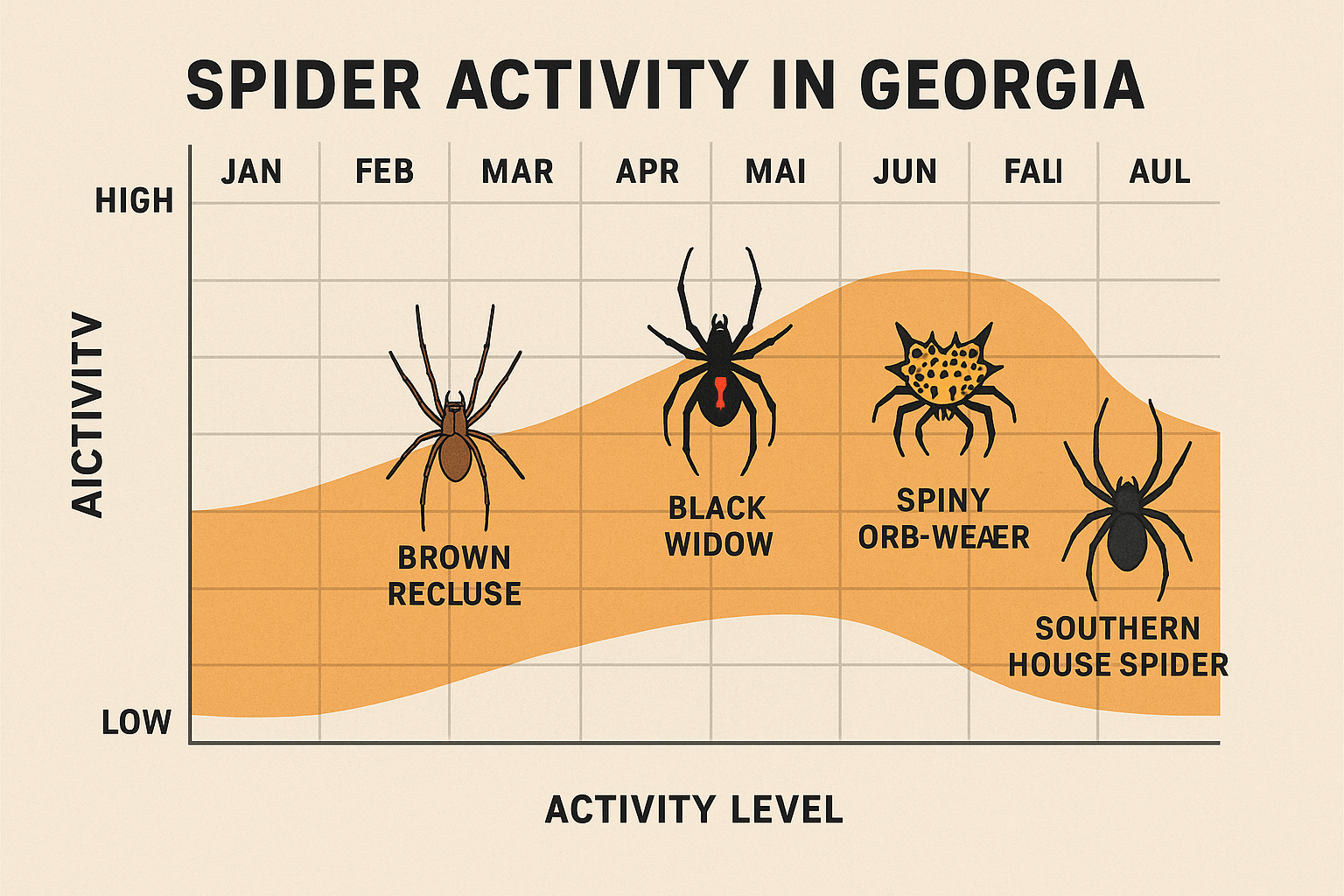
Local pest‑control experts echo these timelines. Got‑Bugs recommends a comprehensive spider inspection in early spring and a follow‑up treatment before the late‑summer surge. Active Pest Control advises homeowners in Suwanee to schedule a preventative service in early fall, when spiders are seeking warm indoor refuges. Aligning your home‑care routine with these seasonal cues keeps spider populations low and protects your family from unwanted eight‑legged guests.
Treatment Options, Pricing, and What to Expect
Common Treatment Methods
Most homeowners in Suwanee see the best results from a mix of perimeter sprays, indoor fogging, and strategically placed bait stations. Perimeter sprays create a protective barrier around the home’s foundation, while indoor fogging reaches cracks, ceilings, and dark corners where spiders hide. Bait stations attract wandering spiders and reduce future infestations without flooding the interior with chemicals. For environmentally‑conscious families, eco‑friendly options such as botanical sprays and low‑toxicity dusts provide comparable control with minimal impact on pets and children.
What a Professional Visit Looks Like
1. Inspection – A licensed technician walks the property, identifies spider hotspots, and notes any structural vulnerabilities that could invite pests.
2. Customized Plan – Based on the inspection, a spider exterminator Suwanee homeowners trust outlines a treatment strategy, selecting the most effective products for your home’s size and infestation level.
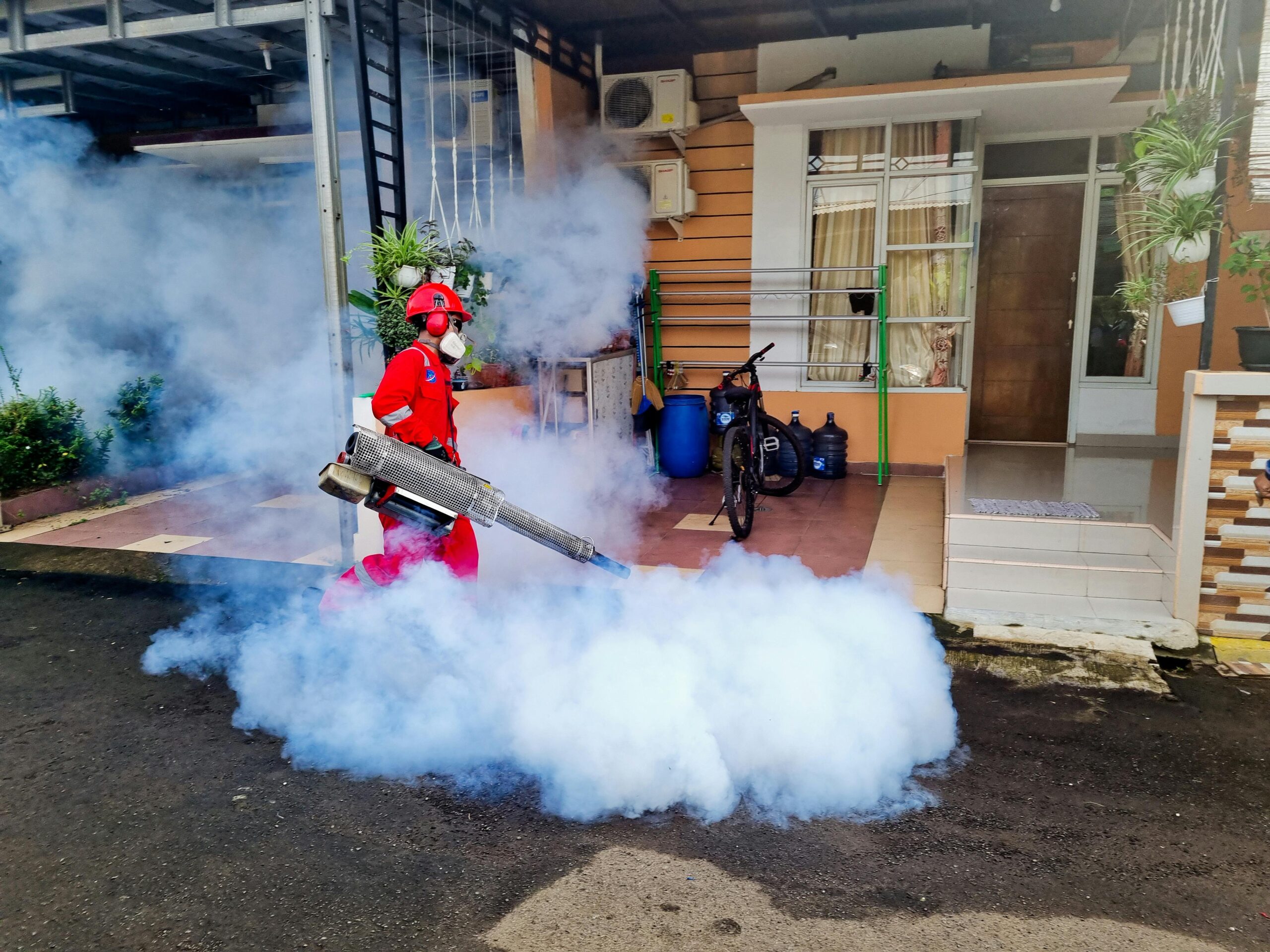
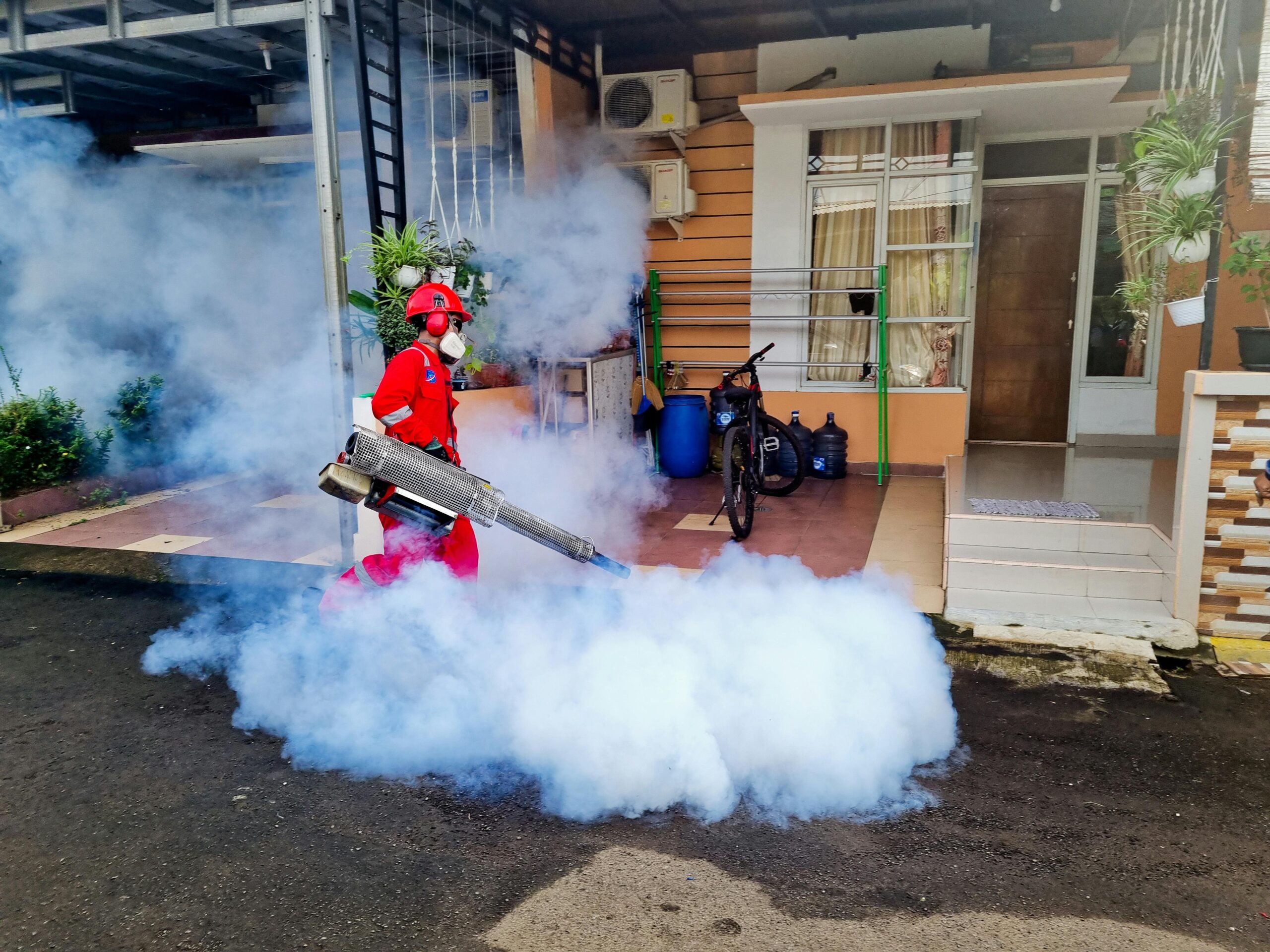
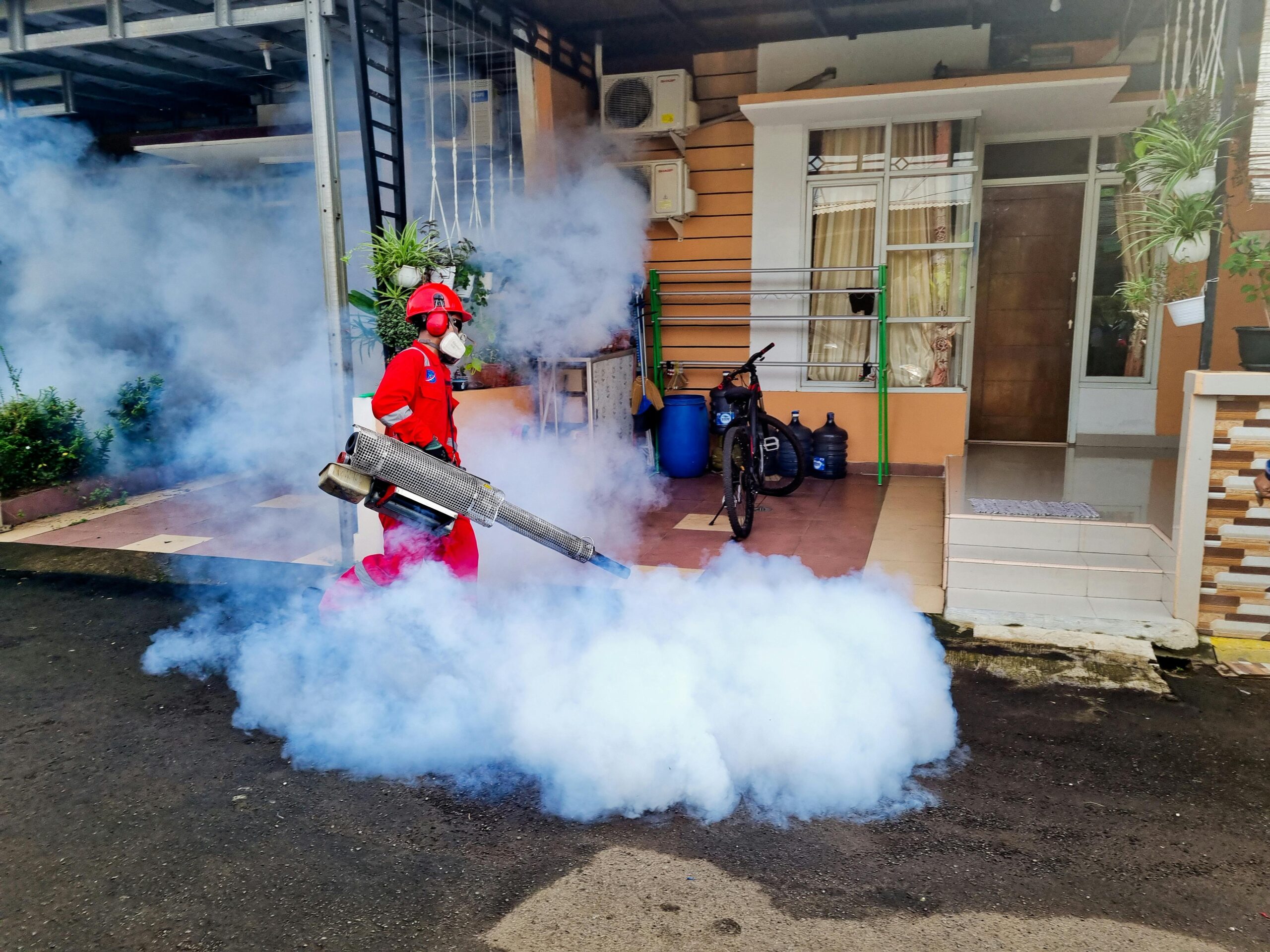
3. Application – Trained staff apply perimeter sprays, fog the interior, and install bait stations, all while wearing protective gear and following safety protocols.
4. Follow‑up – Most packages include a post‑treatment check within 7‑14 days to ensure the spider activity is suppressed and to address any lingering concerns.
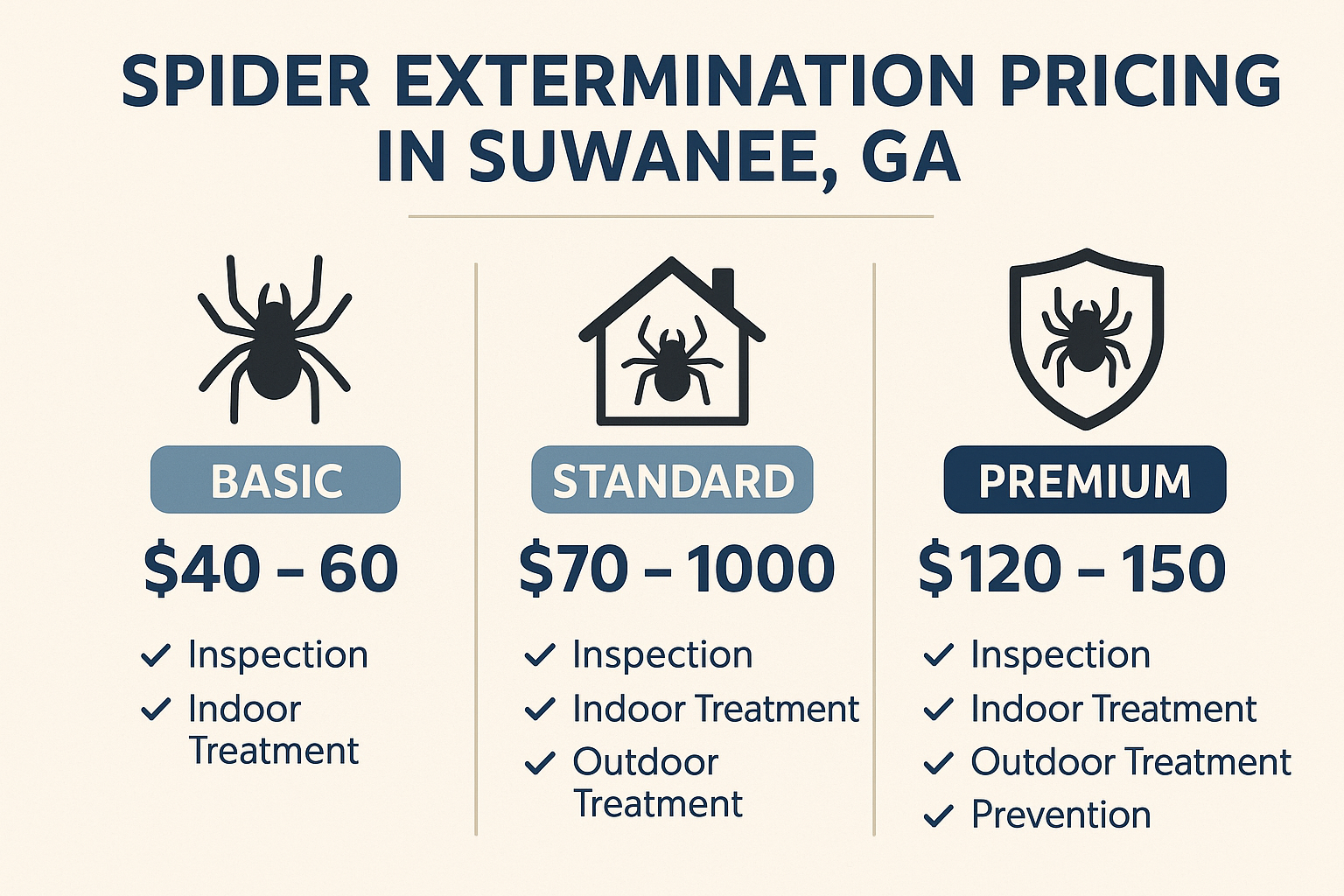
Pricing Packages
| Package | Visits Included | Guarantee Period | Additional Pest Coverage | Starting Price |
|---|---|---|---|---|
| Basic | 1 | 30 days | None | $149 |
| Standard | 2 | 60 days | Ants & roaches | $269 |
| Premium | 3 | 90 days | Ants, roaches, & stinging insects | $399 |
Factors That Influence Cost
Home size is a primary driver—larger square footage requires more product and longer application times, something a spider exterminator Suwanee homeowners work with will factor into pricing. The severity of the infestation also matters; a light, seasonal presence may need only a single visit, while a heavy, year-round problem could call for the Premium package. Seasonal discounts are common in early spring and late fall, when spider activity dips and providers can schedule bulk treatments.
Why Choose Anthem Pest Control
Anthem’s technicians are fully licensed and undergo regular training on the latest spider‑control techniques. All products meet EPA safety standards, ensuring they’re effective yet gentle on families and pets. Transparent pricing means you’ll never encounter hidden fees—what you see in the package description is what you pay. Plus, the company offers a 100% satisfaction guarantee, so you can trust the treatment will hold up for the promised guarantee period.
Ready to see how a professional spider‑extermination plan fits your Suwanee home? Explore local service details at Ecoshield Pest and call Anthem Pest Control at 877‑371‑8196 for a free, no‑obligation quote.
Protect Your Home Today with Anthem Pest Control

Living in Suwanee means sharing space with a variety of spiders that become most active in spring and early fall. Knowing where they hide, recognizing the signs of an infestation, and treating them at the right time prevents a small problem from turning into a full‑blown nuisance. Timely, targeted treatment protects your family’s comfort and preserves the structural integrity of your home.
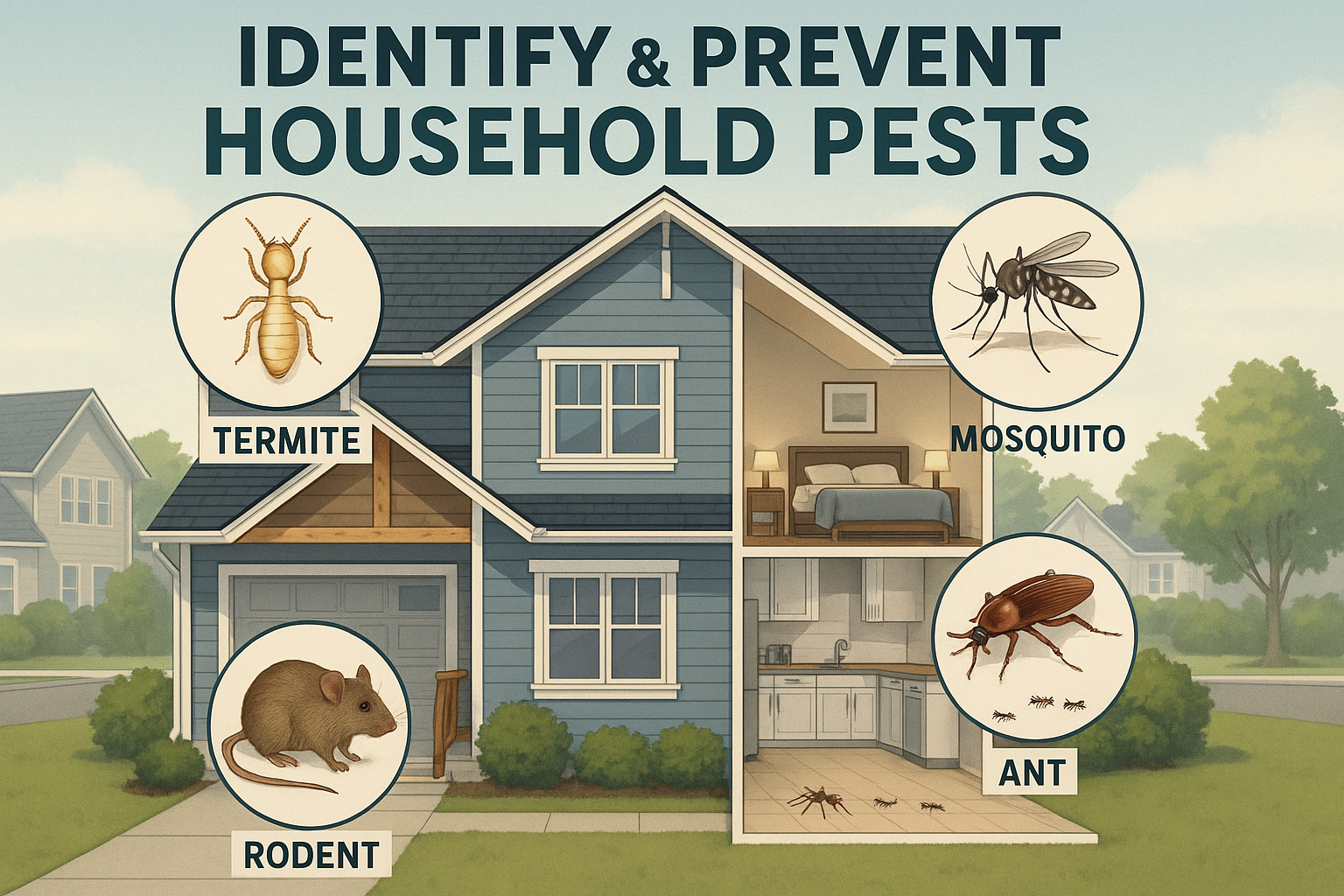
Anthem Pest Control brings years of local experience to every spider‑control job. Our certified technicians know the species that thrive in Georgia’s climate and the most effective, low‑impact products to eliminate them. Beyond spiders, we handle termites, mosquitoes, rodents, cockroaches, ants, bed bugs, and more, giving you a single, trusted partner for all household pest challenges.
What sets Anthem apart is our commitment to safety, efficacy, and affordability. All treatments are EPA‑approved and applied with precision to protect children, pets, and the environment. Our pricing is transparent—no hidden fees, just a clear estimate that lets you budget confidently. When you choose Anthem, you get reliable results without breaking the bank.
Our transparent pricing model means you’ll receive a detailed quote before any work begins, outlining each step of the spider‑control process—from initial inspection to follow‑up treatments. This clarity helps you make informed decisions and ensures no surprises on your bill.
Ready to take back your home from unwanted eight-legged guests? Call Anthem Pest Control at 877-371-8196 for a free, no-obligation quote and a thorough home inspection from a spider exterminator Suwanee homeowners trust. Our friendly team will design a customized spider-control plan that fits your schedule and your budget. Don’t wait—spiders multiply quickly, and early action saves you time, stress, and extra costs. Visit Anthem Pest Control today.