Understanding Ticks and Their Health Risks
Ticks are not insects; they belong to the arachnid family, the same group that includes spiders and scorpions. These tiny, eight‑legged parasites attach themselves to warm‑blooded hosts to feed on blood, and in doing so they can transmit a suite of serious illnesses. In the United States, the most common culprits are the deer tick (Ixodes scapularis), known for spreading Lyme disease, and the castor bean tick (Ixodes ricinus), which also carries Lyme‑like pathogens in certain regions.
Other species that homeowners frequently encounter include the American dog tick (Dermacentor variabilis) and the rocky‑mountain wood tick (Dermacentor andersoni). While each tick prefers slightly different habitats—some favor wooded edges, others thrive in grassy lawns—their ability to latch onto humans and pets makes them a universal threat across suburban and rural neighborhoods alike.
Tick‑borne diseases you need to know
The Centers for Disease Control and Prevention (CDC) tracks more than a dozen illnesses linked to ticks. Three of the most prevalent are:
- Lyme disease – transmitted primarily by the deer tick; early symptoms include a bull’s‑eye rash, fever, and joint pain.
- Rocky Mountain spotted fever – spread by the American dog tick and the Rocky Mountain wood tick; it can cause high fever, severe headache, and a characteristic rash that starts on the wrists and ankles.
- Ehrlichiosis – carried by the lone star tick (Amblyomma americanum); symptoms often mimic flu, with fever, muscle aches, and sometimes a rash.
According to CDC data, over 30,000 cases of Lyme disease are reported annually in the United States, and the total number of tick‑borne disease cases exceeds 50,000 each year. These figures rise sharply during the warmer months, when tick activity peaks.
Seasonal spikes and national statistics
Ticks are most active from early spring through late fall. A CDC surveillance report shows that tick encounters surge in May and June in the Southeast, while the Northeast experiences its highest counts in July and August. In Peachtree City, GA, the combination of humid summers and abundant woodland creates an ideal environment for the lone star tick, which is responsible for the majority of local tick‑related incidents.
Nationwide, the CDC’s tick surveillance map highlights a clear north‑south gradient: the Upper Midwest and New England report the greatest density of deer ticks, whereas the Southeast sees the highest prevalence of lone star ticks. Understanding these patterns helps homeowners anticipate when to be most vigilant.
Why early identification matters
Detecting a tick within the first 24‑48 hours of attachment dramatically reduces the chance of disease transmission. For Lyme disease, the pathogen typically requires at least 36 hours of feeding before it can enter the bloodstream. Prompt removal not only protects your health but also limits the need for costly medical treatment and potential long‑term complications.
From a property standpoint, a single unnoticed tick can indicate a larger infestation in your yard. Early identification allows you to address the habitat—trimming grass, clearing leaf litter, and treating problem areas—before the tick population explodes and spreads to neighbors.
Quick visual cue: spotting a tick on skin or clothing
Ticks are often mistaken for small freckles or specks of dirt. The easiest way to spot them is to look for a tiny, oval-shaped bump that may be dark brown or reddish. On skin, a tick appears as a raised, firm nodule, sometimes with a visible head or mouthparts. On clothing, especially in seams or cuffs, they may appear as a tiny, dark speck that moves when brushed.
When you suspect a tick, use a fine‑toothed comb or a magnifying glass to examine the area closely. If you find one, grasp it with tweezers as close to the skin as possible and pull upward with steady pressure—avoid twisting, which can leave mouthparts behind.

Spotting Ticks in and Around Your Home
Ticks are stealthy travelers. While most people picture them waiting on tall grass, they can also find shelter inside your house. Detecting them early—whether on a wall crack or under a pet’s pillow—can stop an infestation before it spreads.
Typical Indoor Hiding Spots
Inside a home, ticks gravitate toward quiet, undisturbed areas where they can wait for a host. Common indoor hide‑aways include:
- Cracks and crevices around baseboards, window frames, and door thresholds.
- Pet bedding, especially if your dog or cat spends time outdoors.
- Laundry piles or closets where clothing has brushed against tall grass.
- Under furniture, especially low‑lying sofas and chairs near entryways.
Outdoor Hotspots to Inspect
Even if you keep the interior spotless, ticks thrive in several outdoor micro‑habitats. Walk the perimeter of your property and check these zones:
- Tall, uncut grass—especially along fence lines.
- Leaf litter and mulch beds that stay damp.
- Shaded garden borders where sunlight rarely reaches the soil.
- Areas frequented by deer, such as the edge of a wooded lot or a nearby trail.
Checklist of Visual Signs
Knowing what to look for can turn a vague worry into a concrete action plan. Keep an eye out for these tell‑tale signs:
- Small, painless bite marks that often appear in clusters.
- A “bull’s‑eye” rash—red ring surrounding a clear center—usually emerging 3‑7 days after a bite.
- Tick‑sized specks on pets, especially after a walk in wooded areas.
- Live or engorged ticks found on clothing, shoes, or in laundry.
How to Safely Collect a Tick for Identification
If you spot a tick, handle it carefully to avoid crushing it and to preserve its features for identification. Follow these steps:
- Grasp the tick as close to the skin as possible with fine‑pointed tweezers.
- Pull upward with steady, even pressure—don’t twist or jerk.
- Place the removed tick in a sealed plastic bag or a small vial with a damp cotton ball.
- Label the container with the date, location, and the host (human or pet) for future reference.
When to Call a Professional vs. DIY Removal
Most single‑tick encounters can be managed at home, but certain situations warrant professional help:
- Multiple ticks are found inside the house or in a concentrated outdoor area.
- Ticks are attached for more than 24 hours, increasing the risk of disease transmission.
- You notice symptoms such as fever, severe headache, or a spreading rash after a bite.
- Pets show signs of lethargy, loss of appetite, or unexplained joint pain.
When any of these red flags appear, contact Anthem Pest Control at 877‑371‑8196. Our trained technicians can assess the infestation, apply EPA‑registered treatments, and advise on long‑term prevention.
Reference Guidance
For a comprehensive overview of tick‑borne disease prevention, consult the U.S. Environmental Protection Agency’s resources: EPA – Tick‑Borne Diseases. Following these guidelines, combined with regular home inspections, gives you the best chance to keep ticks at bay.
Safe and Effective Tick Treatment Methods

Understanding the Treatment Landscape
When it comes to tick control, professionals categorize their tools into four main buckets: chemical sprays, foggers, granular applications, and bait stations. Sprays and foggers are fast‑acting liquids that coat surfaces and hard‑to‑reach cracks. Granular products work like a slow‑release carpet, spreading across lawns or indoor carpet fibers. Bait stations, though more common for ants and rodents, can be paired with tick‑specific attractants for targeted indoor zones.
Why Low‑Toxicity, Pet‑Safe Products Matter
Anthem Pest Control prioritizes EPA‑approved formulations that carry low toxicity ratings for humans and animals. These products retain the potency needed to knock out ticks while breaking down quickly in the environment, reducing lingering residues. Homeowners can breathe easier knowing that a pet‑friendly label isn’t just marketing fluff—it means the active ingredients have been rigorously tested for safety around cats, dogs, and even small wildlife.
Step‑by‑Step Indoor Treatment by a Licensed Technician
1. Pre‑treatment preparation: The technician walks through each room, asking you to clear personal items, cover food, and tuck away children’s toys. This minimizes accidental contact with the spray and ensures full coverage of baseboards, under‑furniture, and HVAC vents.
2. Protective gear: Our staff dons nitrile gloves, disposable coveralls, and a respirator mask. This protects both the technician and your family from any brief exposure during application.
3. Targeted spraying: Using a calibrated handheld sprayer, the professional applies a fine mist to cracks, crevices, and high‑traffic zones where ticks hide. The low‑odor formula settles within minutes, creating an invisible barrier that kills ticks on contact and prevents new ones from establishing.
4. Immediate walkthrough: After spraying, the technician reviews the treated areas with you, pointing out any spots that may need additional attention during future visits.
Outdoor Perimeter Treatment: From Barriers to Habitat Tweaks
Ticks thrive in the shade of leaf litter and tall grass, so a multi‑layered outdoor approach is essential. First, a perimeter spray—applied along foundation walls, decks, and fence lines—creates a chemical shield that intercepts ticks before they enter your home. Next, yard granules are scattered across lawns and garden beds, releasing the active ingredient slowly as rain or irrigation activates it.
Beyond chemicals, Anthem advises simple habitat modifications: keep grass trimmed to 3‑4 inches, regularly rake and dispose of leaf piles, and create a dry, sunny buffer zone around the house. These steps reduce humidity, a key factor in tick survival, and make your yard less inviting to wildlife that can carry ticks.
Post‑Treatment Verification and Follow‑Up Visits
Within 24‑48 hours, a technician returns for a verification walk‑through. Using a handheld UV light or sticky traps, they assess residual activity and confirm that the treatment has reached every intended surface. If any hotspots are detected, a spot‑treatment is applied on the spot. Most homeowners schedule a follow‑up in 4‑6 weeks, aligning with the tick life cycle to catch any newly hatched nymphs before they become a problem.
Anthem Pest Control’s Commitment to Safety Standards
Every Anthem technician is EPA‑certified and follows the Integrated Pest Management (IPM) framework, which emphasizes the least hazardous methods first. We keep detailed logs of product batch numbers, application rates, and safety data sheets for each job. Our internal audits ensure that we never exceed label‑recommended concentrations, and we provide you with a clear post‑treatment report so you know exactly what was applied, where, and why.
By combining low‑toxicity products, meticulous application techniques, and proactive outdoor maintenance, Anthem delivers a comprehensive tick control program that protects your family, pets, and home without compromising safety.
Choosing the Right Service Tier and Pricing
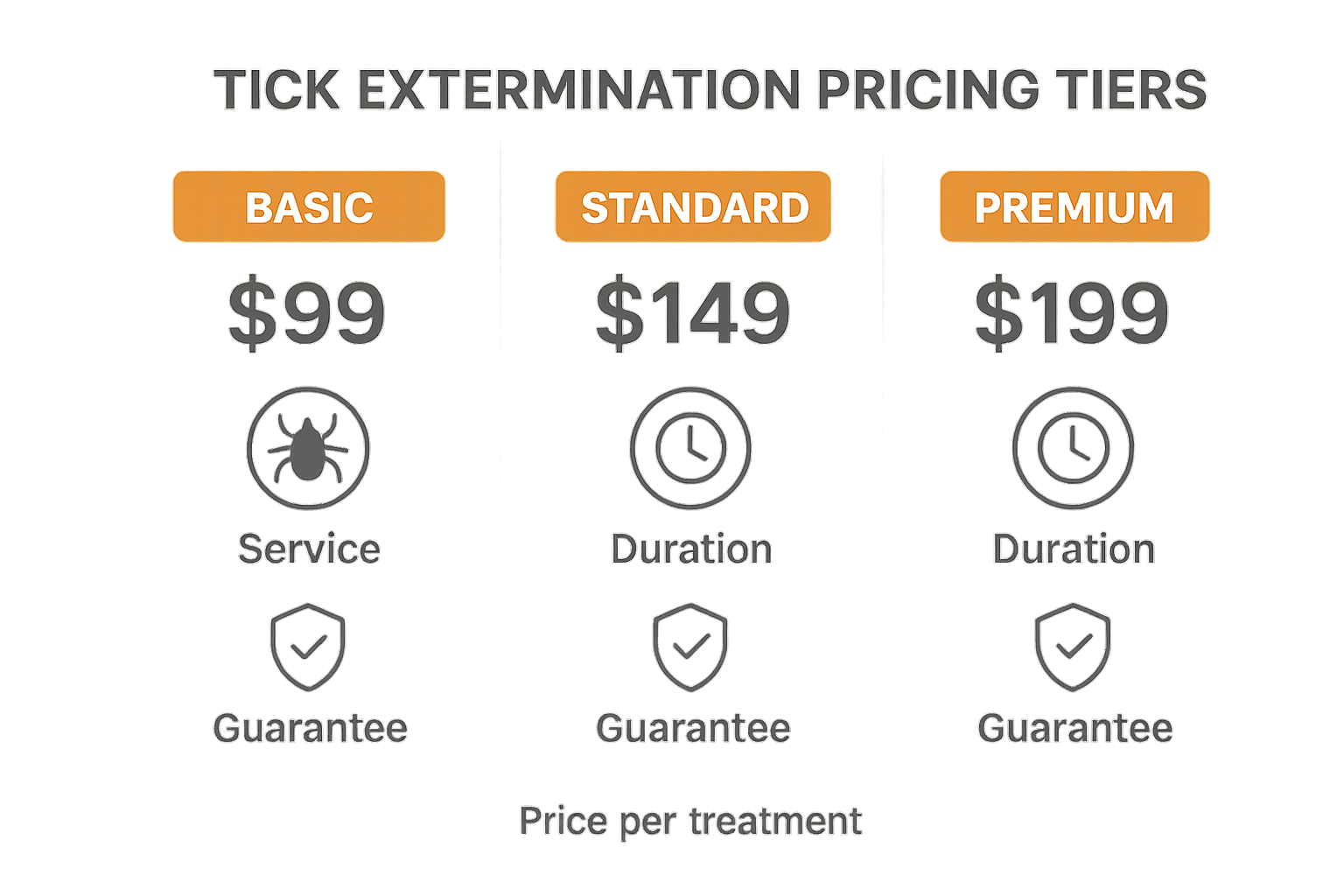
Anthem Pest Control offers three clear‑cut service tiers so you can match protection to your home’s needs and your budget. Whether you’re dealing with a single tick hotspot or want year‑round peace of mind, the tiers—Basic, Standard, and Premium—are designed to scale with the size of your property and the severity of the infestation.
Basic Tier – Essential Coverage
The Basic package is perfect for smaller homes (under 1,500 sq ft) or homeowners who have spotted a few ticks but haven’t yet seen a full‑blown outbreak. It includes two exterior visits per year, a standard tick‑specific spray that targets the most common species in Peachtree City, and a 30‑day guarantee on the treated zones. At $99, it delivers a cost‑effective entry point for seasonal protection.
Standard Tier – Balanced Protection
For medium‑sized properties (1,500‑2,500 sq ft) or households that have experienced recurring tick activity, the Standard tier steps up the game. You receive four visits annually, a combination of tick spray and barrier treatments that address both ground‑level and shrub‑level habitats, and an extended 60‑day guarantee. Priced at $149, it balances frequency and coverage without breaking the bank.
Premium Tier – All‑In‑One Defense
The Premium package is built for larger homes (over 2,500 sq ft), high‑traffic yards, or anyone who wants the utmost confidence that ticks won’t return. It features six visits per year, a comprehensive suite of tick spray, perimeter barriers, and spot‑on larvicide applications, plus a 90‑day guarantee on all treated areas. At $199, it consolidates what would otherwise be multiple ad‑hoc treatments into a single, predictable expense.
Value of Bundled Services vs. Ad‑Hoc Treatments
Choosing a tier eliminates surprise costs that often arise with one‑off treatments. For example, a homeowner who opts for the Premium tier saves roughly 30 % compared to scheduling six separate $50 visits throughout the year. The bundled approach also ensures consistent protection, reducing the chance that ticks re‑establish between visits.
How to Pick the Right Tier for Your Home
Start by measuring your property’s square footage and noting any high‑risk zones—dense landscaping, pet areas, or shaded borders where ticks love to linger. Next, assess infestation severity: a few isolated ticks suggest Basic, while multiple sightings across the yard point toward Standard or Premium. Finally, weigh your budget against the long‑term savings of bundled visits; the modest premium often pays for itself by avoiding costly emergency treatments later.
Use the quick‑reference chart below to compare features at a glance and decide which tier aligns with your situation.
| Tier | Price | Visits per Year | Treatment Types | Guarantee Period |
|---|---|---|---|---|
| Basic | $99 | 2 | Tick‑specific spray | 30 days |
| Standard | $149 | 4 | Tick spray + barrier | 60 days |
| Premium | $199 | 6 | Spray, barrier, larvicide | 90 days |
Timing Your Treatment with Seasonal Tick Activity
Understanding the tick life cycle
Ticks move through four stages—egg, larva, nymph, and adult—each requiring a blood meal before advancing. In most U.S. climates, the questing phase (when ticks climb vegetation and wait for a host) spikes when temperatures rise above 50 °F (10 °C) and humidity stays above 70 %. This creates a perfect window in late spring through early summer for rapid population growth, especially for the disease‑carrying nymph stage.
What the seasonal activity chart tells you
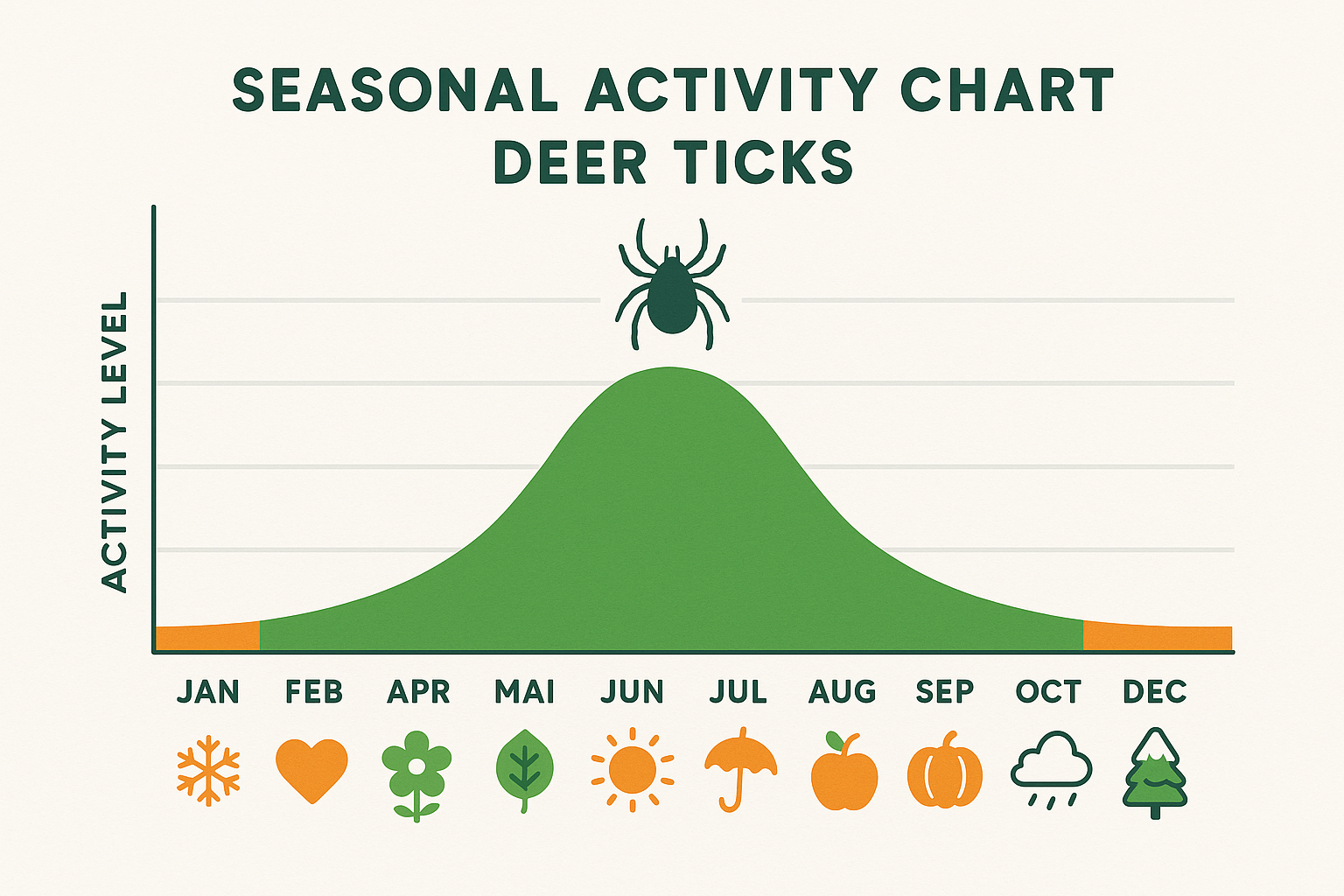
The line chart illustrates a classic bell‑shaped curve: activity climbs steadily from March, peaks sharply between May and July, then tapers off through September. Winter months hover near the baseline, reflecting the ticks’ reduced questing behavior when cold and dry conditions dominate. Reading this graph helps homeowners pinpoint when their yard is most vulnerable.
Optimal treatment windows
Based on the chart and tick biology, we recommend three key spray periods:
- Early spring (mid‑March to early April) – Apply a pre‑emptive barrier before ticks emerge. This reduces the initial host‑seeking population.
- Mid‑summer (late June to early July) – A follow‑up treatment targets the peak nymph surge, the stage most likely to transmit Lyme disease.
- Fall maintenance (late September to early October) – A final application knocks down any late‑season adults preparing to overwinter, lowering next year’s starting numbers.
Weather’s role in tick behavior
Temperature and humidity are the twin drivers of tick activity. Warm days above 70 °F (21 °C) accelerate metabolism, prompting ticks to quest more aggressively. Conversely, a dry spell drops relative humidity below 50 %, forcing ticks to retreat to the leaf litter where they desiccate slower. Scheduling sprays on a forecast of mild, humid days maximizes product uptake and ensures the chemicals reach active ticks.
Adapting the schedule to your region
While the May–July peak holds true for much of the Southeast, northern states often see a delayed surge (June–August) due to later warming. In the Southwest, low humidity can suppress activity, shifting the optimal window to early summer after monsoon rains. Homeowners should cross‑reference local climate data with the national pattern—our technicians do this for every service call, tailoring applications to your specific micro‑climate.
For a deeper dive into tick seasonality, visit the CDC’s seasonal guidance page. Aligning your treatment plan with these seasonal cues not only boosts effectiveness but also protects your family and pets from tick‑borne illnesses year after year.
Protect Your Home with Professional Tick Control
Ticks may be tiny, but their bite can deliver serious health risks—Lyme disease, Rocky Mountain spotted fever, and even paralysis in pets. Because these pests hide in grass, leaf litter, and shaded corners, early detection is essential. Spotting a lone tick or noticing increased activity around your yard should trigger immediate action; waiting only gives the insects more time to embed themselves and spread disease.
When it comes to treatment, homeowners have safe, proven options: targeted spot‑treatments for isolated infestations, full‑yard barrier sprays that protect for weeks, and integrated pest‑management plans that combine monitoring, habitat modification, and chemical control. Choosing the right service tier—whether a one‑time knock‑down or a seasonal maintenance program—ensures you get the coverage you need without paying for unnecessary work.
Anthem Pest Control brings local expertise and a transparent, pet‑safe approach to every job. Our technicians are trained to identify the exact tick species present, allowing us to select the most effective product while minimizing exposure to children and animals. We provide clear, upfront pricing so you know exactly what you’re paying for, and we back every treatment with a satisfaction guarantee. Because we understand that your pets are family, all our solutions meet stringent safety standards, so you can relax knowing your furry companions are protected.
- Fast, reliable response: We arrive on schedule and complete treatments efficiently.
- Transparent pricing: No hidden fees—just a clear quote before we start.
- Pet‑safe formulations: Proven products that safeguard both people and animals.
- Ongoing support: Seasonal check‑ins keep your yard tick‑free year after year.
Ready for a tick‑free home? Contact us for a free, no‑obligation quote today. Call us at 877‑371‑8196 or visit Anthem Pest Control to schedule your service. Let our professionals give you peace of mind and protect your family from hidden threats.