Identifying Carpet Beetles and Their Signs
Common Carpet Beetle Species in U.S. Homes
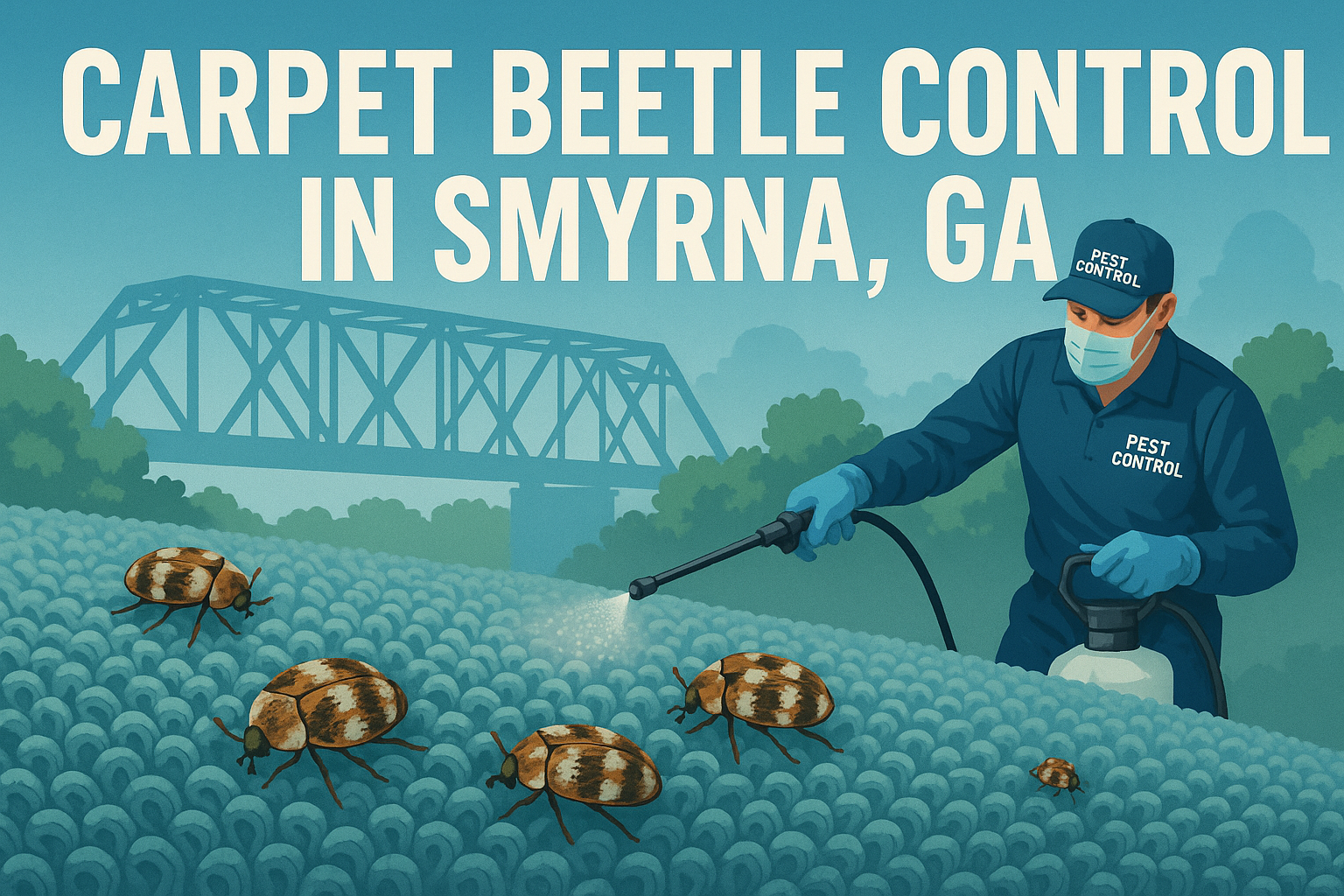
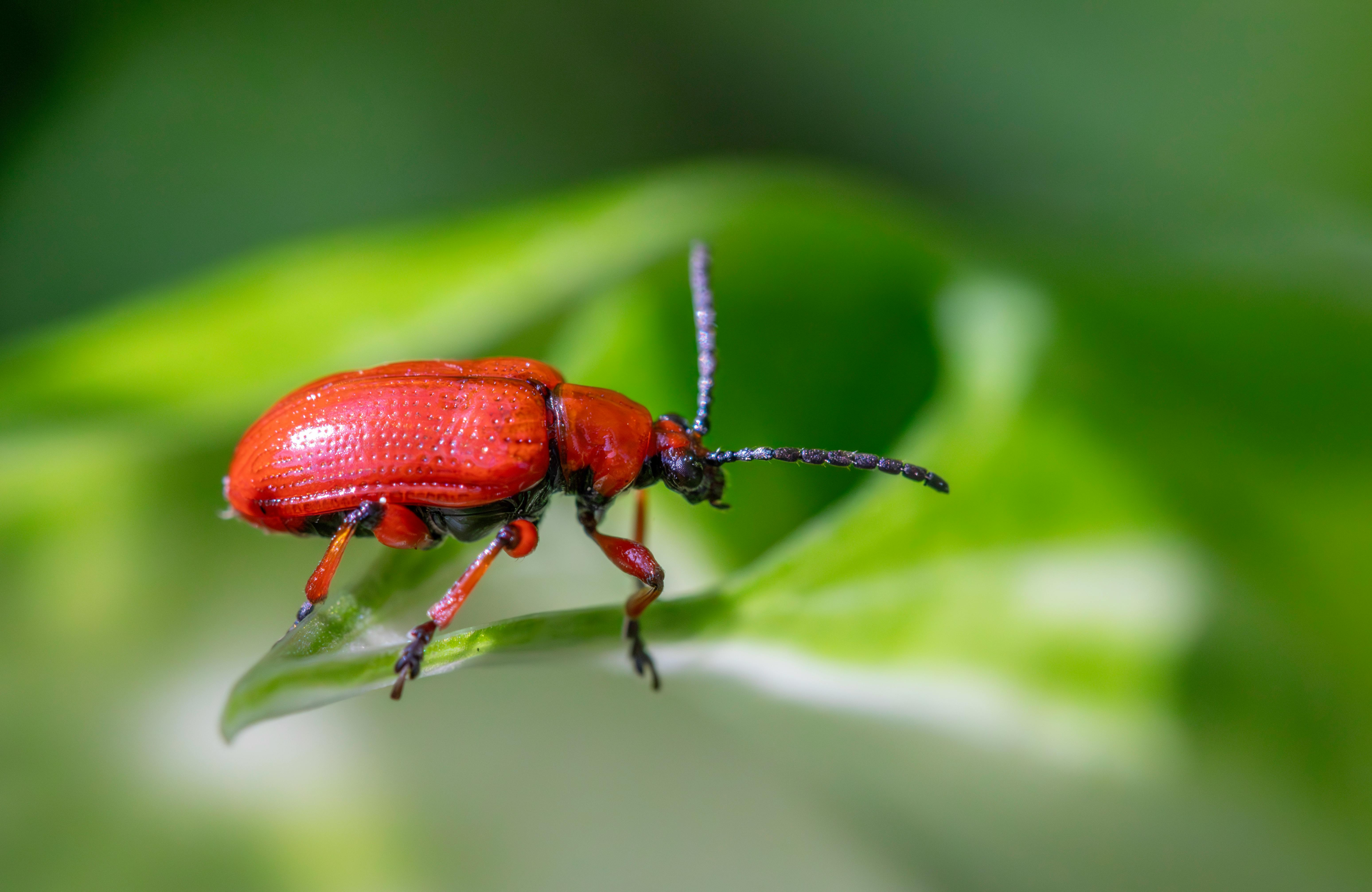
Homeowners in Decatur most often encounter three carpet beetle varieties: the Varied Carpet Beetle (Anthrenus verbasci), the Black Carpet Beetle (Attagenus unicolor), and the Furniture Beetle (Anthrenus flavipes). While each species has slight color differences, they share a love for the same indoor habitats and can cause similar damage to fabrics and furnishings.
What They Look Like
Adult carpet beetles are small—typically 2 to 5 mm long—about the size of a grain of rice. Their bodies are covered in tiny, overlapping scales that form distinctive patterns:
- Varied Carpet Beetle: mottled brown, black, and white spots that create a “confetti” appearance.
- Black Carpet Beetle: uniformly dark, almost glossy, making it harder to spot on dark carpets.
- Furniture Beetle: lighter tan or yellowish tones with subtle brown markings.
These scales can easily rub off, leaving a faint powdery residue on surfaces—another clue that the beetles have been around.
Where They Hide Inside Your House
Carpet beetles are opportunistic indoor pests. They gravitate toward:
- Carpets and area rugs, especially those with wool or synthetic blends.
- Upholstered furniture, cushions, and drapes.
- Stored fabrics such as blankets, sweaters, and heirloom quilts.
- Animal‑based products—wool, fur, feathers, and even dried pet food.
Because the larvae are the primary feeders, they often remain hidden in the seams, under furniture legs, or tucked inside closets where they can munch undisturbed.
Early Warning Signs You Shouldn’t Ignore
Spotting a problem early can save you from costly repairs. Keep an eye out for these tell‑tale indicators:
- Shed skins (exuviae): Tiny, translucent shells left behind as larvae grow.
- Fecal specks: Fine, dark dots that look like pepper on fabric or carpet fibers.
- Small holes: Irregular perforations in wool sweaters, blankets, or carpet backing, often only a millimeter or two in diameter.
- Musty odor: A faint, stale smell can develop when a large larval population is feeding on organic material.
Carpet Beetles vs. Other Household Pests
Understanding the difference between carpet beetles and look‑alike pests helps you choose the right treatment:
| Pest | Typical Damage | Visible Signs | Preferred Food |
|---|---|---|---|
| Carpet Beetles | Irregular holes, powdery residue | Shed skins, fecal specks | Wool, fur, feathers, dried food |
| Clothes Moths | Clean, round holes; webbing | Silk cocoons, adult moths | Natural fibers (wool, silk) |
| Silverfish | Linear scratches, yellowish stains | Fast, fish‑shaped insects | Starches, paper, glue |
While moths also target wool, they leave behind silky cocoons and tend to create perfectly round holes. Silverfish, on the other hand, prefer starchy materials and produce a distinct, fish‑like movement.
Trusted Reference
For a deeper dive into identification and lifecycle details, consult the Orkin carpet beetle guide. Their expert overview aligns with the signs we’ve highlighted and can help you confirm what you’re dealing with before calling a professional.
How Carpet Beetles Damage Home Furnishings
Carpet beetles may seem harmless when you first spot an adult, but the real trouble starts once their larvae hatch. These tiny, raven‑black insects can turn a pristine living room into a patchwork of holes and frayed edges before you even notice the problem. Understanding exactly how they work helps you catch an infestation early and avoid costly replacements.

Life Cycle Overview
The carpet beetle’s life cycle is a four‑stage loop: egg → larva → pupa → adult. Adults live only long enough to mate and lay anywhere from 30 to 70 eggs on a suitable food source. Within a week, those eggs hatch into larvae, the stage that does the actual chewing. Larvae feed for several weeks to months, then spin a cocoon to become pupae, emerging as winged adults that repeat the cycle.
What the Larvae Eat
Larvae are opportunistic scavengers of protein‑rich natural fibers. Their menu includes wool, silk, fur, feathers, leather, and even the occasional crumb of dried food or pet food left uncovered. Because they can digest keratin—a protein found in hair, feathers, and animal skins—nothing that contains animal‑derived material is safe from their tiny mandibles.
Typical Damage Patterns
When carpet beetle larvae gnaw, they leave a distinctive trail of irregular holes and “chewed” edges. In carpets, the damage appears as frayed tufts and a ragged border around the affected area. Upholstery may develop small, circular pits that expand into larger, misshapen gaps. Clothing and blankets often show thin, punched‑out spots that are especially noticeable on dark fabrics.
Case Study: A Homeowner’s Loss
Jane Miller, a Decatur resident, discovered a carpet beetle problem after noticing several 2‑inch holes in her family room rug. A professional inspection revealed an infestation hidden in the baseboard and beneath the sofa cushions. Replacing the rug, two wool blankets, and a leather armchair cost her approximately $2,850. The expense could have been avoided with early detection and a targeted treatment plan.
How Damage Progresses if Left Untreated
- Weeks 1‑2: Adult beetles lay eggs; early signs may include a few tiny specks of frass (insect droppings).
- Weeks 3‑6: Larvae emerge and begin feeding; you’ll notice the first irregular holes in fabrics and carpet fibers.
- Weeks 7‑12: Feeding accelerates; damage becomes more visible, with larger holes and noticeable fraying.
- Months 3‑6: Larvae mature, pupate, and new adults emerge, spreading the infestation to adjacent rooms or closets.
- Beyond 6 months: Without intervention, the infestation can expand to multiple items, leading to replacement costs that run into the thousands.
Tips for Inspecting Vulnerable Items
Regular visual checks can catch an infestation before it spreads. Focus on these high‑risk areas:
- Clothing: Examine wool sweaters, coats, and stored garments for tiny holes or a powdery residue.
- Blankets & Throws: Pull them apart and feel for uneven edges or a faint, silky webbing.
- Pet Bedding: Look under and behind cushions where larvae love to hide.
- Upholstery: Run a hand along seams and stitching; any “fuzzy” patches may indicate larval tunnels.
- Stored Food: Check pantry boxes and pet food containers for larvae or webbing.
By understanding the life cycle, recognizing the damage patterns, and performing routine inspections, Decatur homeowners can protect their furnishings from the silent, costly work of carpet beetle larvae. If you spot any of these signs, contact a qualified exterminator—like Anthem Pest Control—to halt the infestation before it escalates.
Preventing Carpet Beetle Infestations
Carpet beetles are tiny, but their larvae can cause big damage to fabrics, carpets, and even insulation. The good news is that most problems can be stopped before the first adult ever lands inside your home. Below are the everyday actions you can take to keep these pests out of your living spaces.
Establish a regular cleaning routine
- Vacuum often. Run a high‑efficiency vacuum over carpets, area rugs, and upholstery at least once a week. Pay special attention to baseboards, under furniture, and the seams of couch cushions where larvae love to hide.
- Don’t forget the cracks. Use the narrow nozzle attachment to pull dust and debris out of floorboard gaps, window sills, and door frames.
- Wash or dry‑clean fabrics. Curtains, slipcovers, and throw blankets should be laundered on a hot cycle (or sent to a dry cleaner) every few months. Heat kills any eggs or larvae that may be clinging to the fibers.
Store seasonal clothing and blankets correctly
When you pull sweaters, blankets, or holiday décor out of the attic, give them a protective home. Place items in airtight plastic containers or vacuum‑seal bags, and store those containers in a cool, low‑humidity area. Moisture attracts mold, and mold attracts carpet beetles, so keeping the storage environment dry is essential.
Reduce attractants around the house
- Pet hair removal. Brush pets daily and vacuum pet‑friendly zones to eliminate the protein‑rich hair that beetle larvae love.
- Eliminate dead insects. Beetles feed on other dead insects, so a quick sweep of windowsills and light fixtures can remove a hidden food source.
- Control outdoor lighting. Adult beetles are drawn to bright lights at night. Switch to yellow or sodium‑vapor bulbs on exterior fixtures, or install motion‑sensor lights that stay off until needed.
Home maintenance tips that block entry
- Seal cracks and gaps around baseboards, utility penetrations, and where pipes enter the home with caulk or expanding foam.
- Install door sweeps on all exterior doors to stop beetles from crawling in on foot traffic.
- Repair or replace torn window screens, and consider adding fine‑mesh screening to vents that lead to attics or crawl spaces.
Natural deterrents you can apply yourself
- Cedar. Cedar blocks, chips, or sachets release aromatic oils that repel beetles. Place them in closets, drawers, and storage bins.
- Lavender sachets. Dried lavender or lavender essential oil works similarly; a few sachets tucked into garment bags keep adults at bay.
- Diatomaceous earth (DE). Lightly dust DE along baseboard seams, under appliances, and in attic corners. The microscopic sharp edges puncture the larvae’s exoskeleton, drying them out without chemicals.
When DIY measures aren’t enough
If you notice any of the following, it’s time to call a professional like Anthem Pest Control:
- Small, round beetles (2‑4 mm) appearing on windowsills, near lights, or in pantry corners.
- Increasing numbers of shed skins or “cocoons” in carpet fibers.
- Visible damage to wool, silk, or felt items despite regular cleaning.
- Infestations that persist after several weeks of vacuuming, DE applications, and storage upgrades.
Our technicians identify the species, locate breeding sites, and apply safe, targeted treatments. A professional inspection often saves you time, money, and the heartache of losing cherished fabrics.
Treatment Options and Pricing for Carpet Beetle Control
Professional Treatment Methods
When carpet beetles infiltrate a home, most homeowners turn to professional exterminators for quick, reliable relief. The most common approaches used by licensed technicians include targeted spot‑sprays, whole‑home fogging, heat treatment, and an Integrated Pest Management (IPM) program that blends chemical and non‑chemical tactics.
Pros and Cons of Each Method
- Targeted Spot‑Sprays – Ideal for isolated infestations. Pros: Low chemical load, fast results, minimal disruption. Cons: May miss hidden larvae, requires precise application.
- Whole‑Home Fogging – Disperses insecticide throughout every room. Pros: Broad coverage, effective against adult beetles in hard‑to‑reach areas. Cons: Higher chemical exposure, occupants must vacate for several hours.
- Heat Treatment – Raises interior temperatures to 130‑140°F, killing all life stages. Pros: No chemicals, excellent for severe infestations, safe for pets and children. Cons: Requires professional equipment, may be costly, and some items (electronics, delicate fabrics) need protection.
- Integrated Pest Management (IPM) – Combines monitoring, sanitation, exclusion, and selective pesticide use. Pros: Long‑term prevention, reduced chemical reliance, adaptable to any home size. Cons: Requires homeowner cooperation, results build over several visits.
Pricing Structures
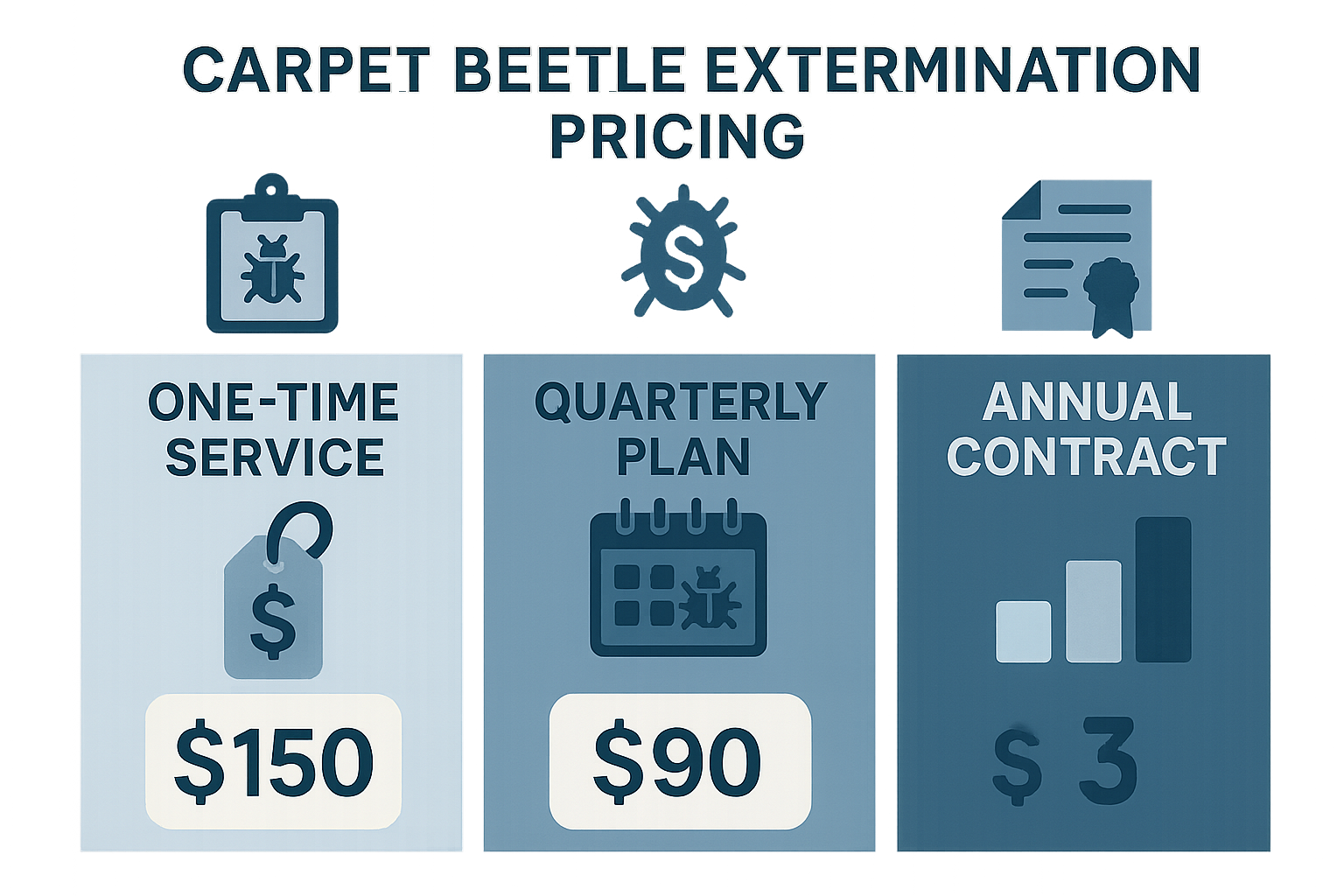
Extermination companies typically offer three pricing models, allowing homeowners to match service intensity with budget and infestation severity.
| Plan | What’s Included | Average Cost |
|---|---|---|
| One‑time Service | Spot‑spray or whole‑home fogging | $150‑$300 |
| Quarterly Maintenance | Four visits, IPM monitoring, re‑treatment as needed | $400‑$600 per year |
| Annual Contract | Unlimited visits, heat‑treatment option, guaranteed eradication | $750‑$1,100 per year |
Factors Influencing Cost
While the table provides a baseline, actual quotes can shift based on several variables. Larger homes demand more product and longer labor hours, so square footage directly impacts the bottom line. The severity of the infestation—whether it’s a few isolated patches or a full‑scale outbreak—also dictates how many treatments are necessary. Finally, geographic location matters; service rates in Decatur, GA may differ from neighboring counties due to local market demand and regulatory considerations.
Anthem Pest Control: Transparent Pricing & Guarantees
Anthem Pest Control stands out by presenting every cost component up front. Homeowners receive a detailed estimate that breaks down labor, materials, and any optional add‑ons before any work begins. All treatments are backed by a 100 % satisfaction guarantee: if carpet beetles reappear within 90 days, Anthem will return at no extra charge and re‑apply the chosen method.
For those who prefer ongoing protection, Anthem’s quarterly maintenance plan bundles IPM monitoring, seasonal spot‑sprays, and a complimentary heat‑treatment upgrade if the infestation escalates. This bundled approach not only smooths out monthly expenses but also delivers a higher level of assurance that the beetles stay out for good.
Seasonal Activity Trends and Next Steps
Carpet beetles follow a predictable seasonal rhythm that aligns with the climate in Decatur. In early spring, adult beetles emerge from overwintering sites, take flight, and begin searching for food sources inside homes. By late spring and early summer, females lay clusters of tiny, white eggs in hidden corners—often near natural fibers, stored wool, or pet bedding. Those eggs hatch within a week, and the larvae, the real culprits behind fabric damage, start feeding and growing throughout the warm months. As temperatures dip in late fall, larval development slows, but the insects remain active under insulation and in heated rooms, persisting through winter until the next spring cycle begins.
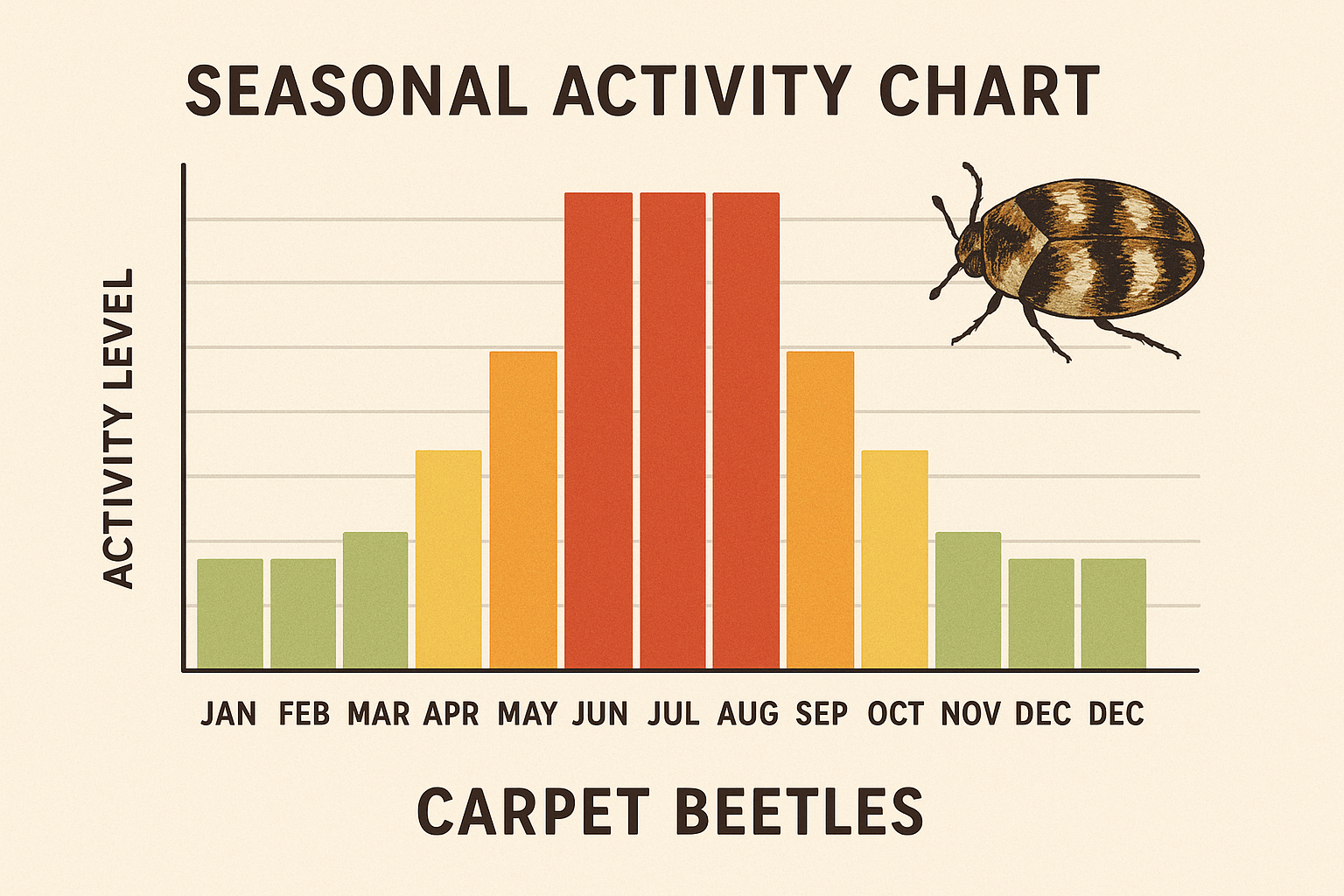
The following chart translates that biology into calendar months, highlighting when the risk of infestation spikes in Decatur.
| Month | Life‑Stage Predominant | Risk Level |
|---|---|---|
| January – February | Overwintering adults & dormant larvae | Low |
| March – April | Adult emergence | Moderate |
| May – June | Egg laying begins | High |
| July – September | Active larval feeding | Very High |
| October – November | Late‑season larvae, reduced activity | Moderate |
| December | Overwintering adults | Low |
Timing Your Inspection and Treatment
Based on the chart, the smartest time to schedule a professional inspection is between late April and early June, before females begin laying eggs. If you spot adult beetles or notice the tell‑tale shed skins, request treatment immediately. For homes with existing damage, a targeted larval treatment in July or August works best because the larvae are actively feeding and more vulnerable to insecticides. A follow‑up service in October can mop up any late‑season survivors before they settle into winter hideouts.
Why Early Intervention Pays Off
Intervening before larvae mature prevents the irreversible damage they cause to carpets, upholstery, and stored fabrics. Early treatment also reduces the total amount of pesticide needed, which translates to lower costs and a safer environment for children and pets. Homeowners who act during the high‑risk May‑September window typically see a 70 % drop in repeat infestations compared with those who wait until winter, when larvae are dormant and harder to locate.
Key Takeaways
- Identification: Look for adult beetles, tiny larvae, and shed skins near natural fibers.
- Prevention: Regular vacuuming, proper storage of woolens, and sealing cracks keep beetles out.
- Treatment: Schedule inspections in late spring; apply larval control in midsummer; follow up in fall.
- Pricing: Anthem Pest Control offers transparent, affordable packages that include inspection, treatment, and a guarantee.
Take Action Today
Don’t let carpet beetles turn your home into a textile graveyard. Schedule a free, no‑obligation inspection with Anthem Pest Control now. Our certified technicians use safe, EPA‑approved solutions that eradicate adults and larvae while protecting your family and pets. Call us at 877‑371‑8196 or click the link below to book online. Experience the peace of mind that comes from a thorough, affordable, and locally trusted service.