
Find a Carpet Beetle Exterminator Near You in Druid Hills, GA – Local Guide
Our mission is simple: to help Druid Hills homeowners quickly locate a qualified carpet beetle exterminator who knows the neighborhood, the homes, and the pests that love them. Whether you’ve just spotted a lone beetle or you’ve uncovered a growing family hidden in your carpets, this guide will point you to the right professional—right here, right now.
Enter Anthem Pest Control. With a solid local presence in the Atlanta metro area, Anthem combines decades of experience with a deep understanding of the historic homes that line Ponce de Leon Avenue. Their technicians are trained to identify the specific species of carpet beetle you’re dealing with, assess the extent of the infestation, and apply safe, EPA‑approved treatments that protect both your family and your antiques.
What comes next in this guide? We’ll walk you through:
- The life cycle of carpet beetles and why they’re attracted to natural fibers.
- Key warning signs that go beyond a few stray insects.
- When DIY methods fall short and why professional intervention matters.
- Step‑by‑step what to expect during an Anthem Pest inspection and treatment.
- Tips for preventing future invasions, tailored to Druid Hills’ climate and housing styles.
As you read on, keep an eye out for the contact information that appears later in the article—your fast‑track line to a free consultation with Anthem Pest Control, the trusted partner ready to protect your home from carpet beetles.
What Are Carpet Beetles and Why They Matter
Carpet beetles are tiny, oval‑shaped insects that thrive in homes where natural fibers are present. The most common species that homeowners encounter are the black carpet beetle (Attagenus unicolor) and the varied carpet beetle (Anthrenus verbasci). Both species feed on wool, silk, feathers, and even dried plant material, making them a silent threat to clothing, upholstery, and treasured heirlooms.
- Black carpet beetle – dark, glossy adults, larvae are hairy and brown.
- Varied carpet beetle – mottled adult pattern, larvae are also hairy but lighter in color.
Both species are attracted to dark, undisturbed areas where lint and pet hair accumulate, giving them easy access to their food sources.
The life cycle of a carpet beetle consists of four stages: egg, larva, pupa, and adult. A female can lay up to 100 eggs in hidden cracks, carpet seams, or near pet bedding. Eggs hatch in 10‑14 days, releasing larvae that feed voraciously for 2‑5 months, depending on temperature and food availability. Once the larva is fully grown, it pupates in a protected cocoon for 1‑2 weeks before emerging as a reproductive adult. Under optimal indoor conditions, the entire cycle can be completed in as little as six weeks, allowing populations to explode quickly.
The economic impact is significant. According to a 2024 EPA estimate, carpet beetles cause between $30‑$40 million in annual fabric damage across the United States. That figure includes replacement costs for ruined clothing, upholstery, and specialty textiles.
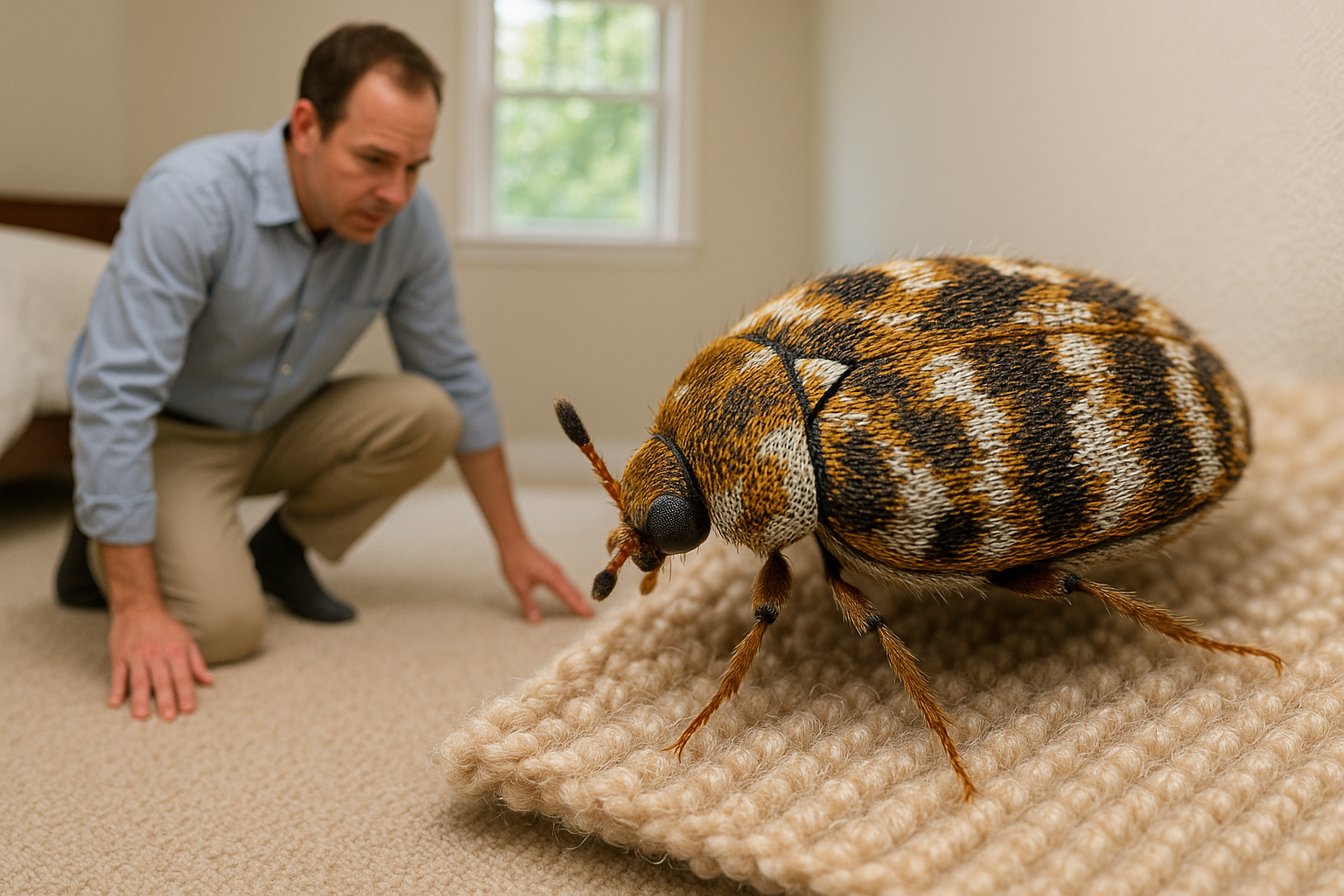
In North Druid Hills, a family discovered extensive holes in a set of heirloom wool blankets after a summer of mild, humid weather. The damage was traced to a hidden carpet beetle infestation in the attic, where the larvae had spent months feeding on the blankets stored in a plastic bin. The homeowners faced a replacement cost of over $1,200 for the blankets alone, not to mention the sentimental loss of a family‑passed‑down item.
Homeowners should care because carpet beetle damage is not just an aesthetic nuisance—it translates directly into out‑of‑pocket expenses and the possible loss of irreplaceable fabrics. Early detection, regular cleaning of stored textiles, and professional treatment from a trusted exterminator like Anthem Pest Control can prevent these costly surprises.
How to Spot Carpet Beetles in Your Home
Carpet beetles are tiny, but their damage can be noticeable fast. In Druid Hills, where historic homes and modern condos sit side‑by‑side, catching the early signs can save you from costly repairs and preserve cherished fabrics.
Visual clues you can’t ignore
- Shed skins: Look for translucent, oval shells about 2‑3 mm long scattered on baseboards or near windows.
- Fecal pellets: Small, dark specks that resemble pepper grains often appear in carpet seams or upholstery crevices.
- Irregular holes: Tiny, round openings in cushions, drapes, or wool blankets are a hallmark of larval feeding.
- Damaged wool or silk: Notice frayed edges, thinning patches, or a “chewed” appearance on sweaters, blankets, and stored garments.
Printable inspection checklist
| Area | Specific hotspots | What to look for | Check (✓) |
|---|---|---|---|
| Historic District homes | Attic beams, original wool rugs, built‑in closets | Shed skins, holes in antique textiles | |
| Emory University vicinity | Student apartments, laundry rooms, under‑furnace trays | Fecal pellets, damage to stored coats | |
| Nearby condos | Balcony storage boxes, carpet edges, pet bedding | Irregular holes, frayed silk curtains |
Print this table, walk through each location, and tick the boxes as you confirm or rule out signs. A systematic sweep reduces the chance of overlooking a hidden colony.
Where to look first
Start under furniture where dust accumulates—sofas, armchairs, and the legs of wooden tables are prime real estate for larvae. Next, open closets and pull out stored items; carpet beetles love undisturbed wool sweaters and silk scarves. Finally, inspect attic beams and ceiling joists; the warm, dry environment mimics their natural outdoor habitat.
Follow CDC monitoring guidelines
The CDC indoor pest monitoring guidelines recommend a weekly visual inspection during peak seasons (late spring through early fall). Use a flashlight to expose shadowed corners, and keep a log of any new findings. Consistent monitoring aligns with professional best practices and helps Anthem Pest tailor a treatment plan that fits your home’s unique layout.
If you spot any of the above signs, don’t wait. Early detection makes eradication faster, safer, and more affordable. Anthem Pest Control’s Druid Hills team is ready to conduct a thorough assessment and recommend a targeted, low‑impact solution.
The Cost of DIY vs. Professional Treatment
Price snapshot
| Method | Typical cost per treatment |
|---|---|
| DIY aerosol spray | $15 – $25 |
| Professional Integrated Pest Management | $180 – $250 |
At first glance the DIY option looks like a bargain, but the low price often hides hidden expenses. An aerosol can may not reach deep carpet seams, wall voids, or stored‑item infestations, meaning you’ll likely need multiple cans or repeat applications. Each additional purchase pushes the total well beyond the initial $25, eroding any perceived savings.
More concerning than cost is safety. Over‑the‑counter sprays contain chemicals that can become airborne, settle on furniture, and linger on surfaces where children play or pets nap. Improper application—such as spraying near food prep areas or without proper ventilation—raises the risk of respiratory irritation, skin reactions, and long‑term health effects. Homeowners without training may also miss critical hotspots, leaving beetles to reproduce unnoticed.
Many over‑the‑counter sprays rely on pyrethroid or organophosphate compounds. While effective against insects, these agents can irritate eyes, trigger asthma attacks, and, in extreme cases, affect the nervous system of small children and dogs. Without proper protective gear, even a brief exposure can linger on carpets for weeks.
Anthem Pest mitigates those risks by using only EPA‑registered products that have undergone rigorous testing for efficacy and human safety. Every technician is certified, meaning they understand label instructions, proper dilution, and targeted placement. This expertise ensures the pesticide is applied where it counts while minimizing exposure to family members and pets.
When you factor in the long‑term picture, professional treatment often pays for itself. A single, correctly executed integrated pest management cycle can prevent repeat infestations, protect upholstery, and avoid costly fabric replacement. In contrast, repeated DIY attempts can add up to several hundred dollars plus the hidden price of potential health concerns. Investing in a certified professional today saves money and peace of mind tomorrow. That proactive approach also safeguards your home’s resale value by keeping fabrics and woodwork intact.
What to Look for in a Druid Hills Carpet Beetle Exterminator
Key criteria for a trustworthy service
- Proper licensing and insurance. Ask to see the current license number and proof of insurance.
- Local experience. Druid Hills firms know the area’s housing styles, climate and the carpet beetle species that thrive here.
- Transparent pricing. A detailed quote should itemize inspection, treatment and any optional services—no hidden fees.
- Service guarantees. Look for a written promise of a free re‑treatment or refund if beetles return within the guarantee period.
- Positive customer reviews. Check Google, Yelp, and the Better Business Bureau for recent feedback from Druid Hills homeowners. Consistently high ratings indicate reliability.
Case study: Saving money with Anthem Pest
When a homeowner in Druid Hills Village called for help, Anthem Pest arrived for a thorough inspection at no charge. The technician identified a hidden infestation behind a closet wall and presented a written estimate that outlined a single‑application treatment and a 30‑day follow‑up. By opting for Anthem’s recommended plan, the homeowner avoided an unnecessary second visit and saved $120 compared with a competitor’s quoted price. The homeowner praised the clear paperwork and the technician’s willingness to answer every question.
Why a written estimate and post‑treatment follow‑up matter
A written estimate protects you from surprise costs and serves as a reference if you need to dispute any part of the service. Equally important is a post‑treatment follow‑up; the best exterminators schedule a check‑in to confirm that the beetles are gone and to address any lingering damage to fabrics or carpets. A follow‑up visit usually occurs within 2‑4 weeks, giving technicians time to verify that all life stages have been eradicated.
Ready to protect your home?
Give Anthem Pest a call today at 877‑371‑8196 or visit anthempest.com to request your free inspection and a written estimate. With licensed experts, local knowledge, and a money‑back guarantee, Anthem Pest gives Druid Hills homeowners the confidence that carpet beetles won’t return.
Effective Treatment Methods and Expected Costs
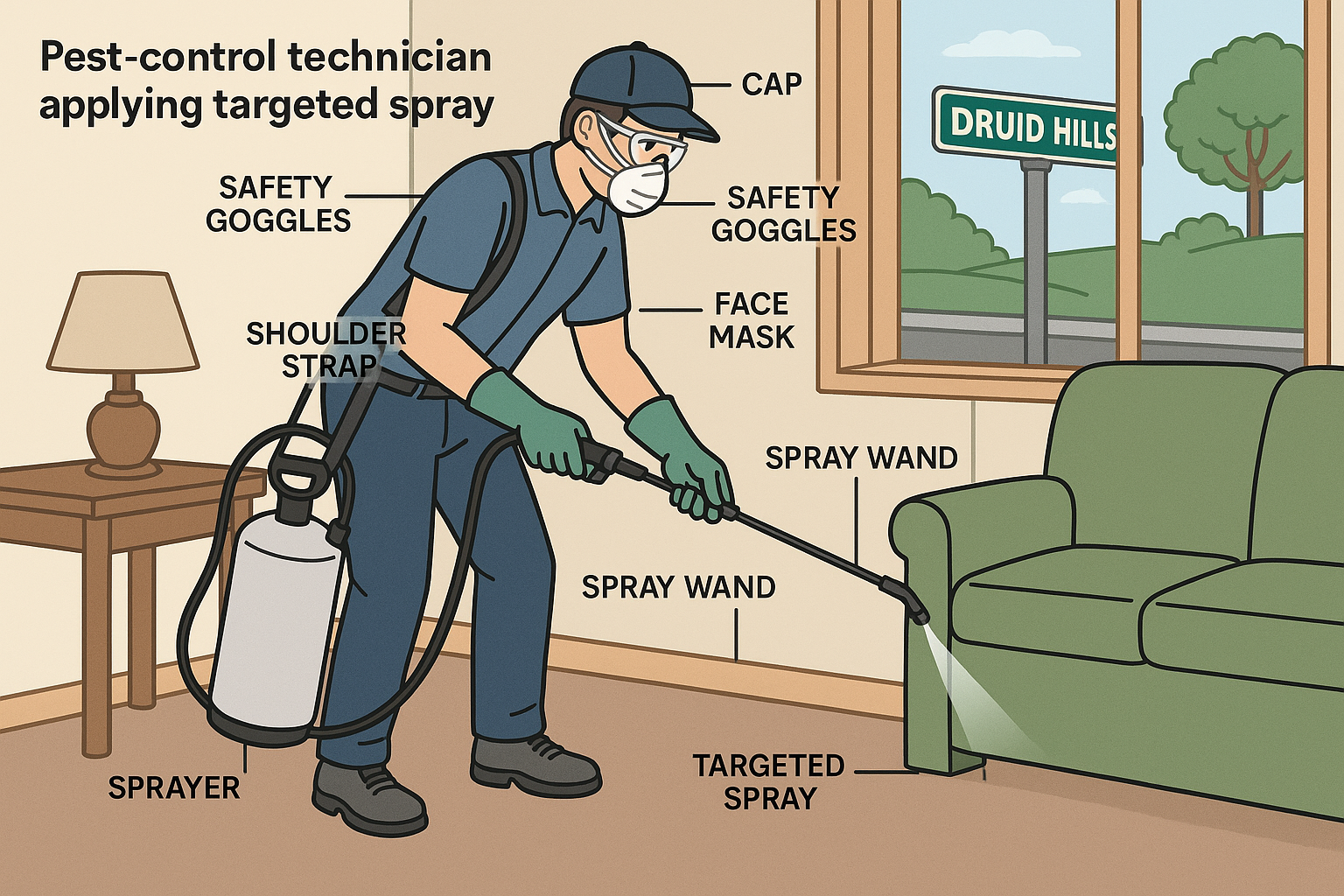
Targeted Spot‑Treatment Sprays
Spot‑treatment sprays are ideal for localized infestations, such as a moth‑eaten rug or a cluster of larvae in a closet. Technicians apply a calibrated mist directly onto affected fabrics, baseboards, and hidden crevices, creating a residual barrier that kills adults and prevents eggs from hatching.
Pricing for this precise service typically falls between $120 and $150, depending on square footage and the number of hotspots addressed. Because the application is confined, cleanup is minimal and the treatment can be completed in under an hour.
Whole‑Home Fogging
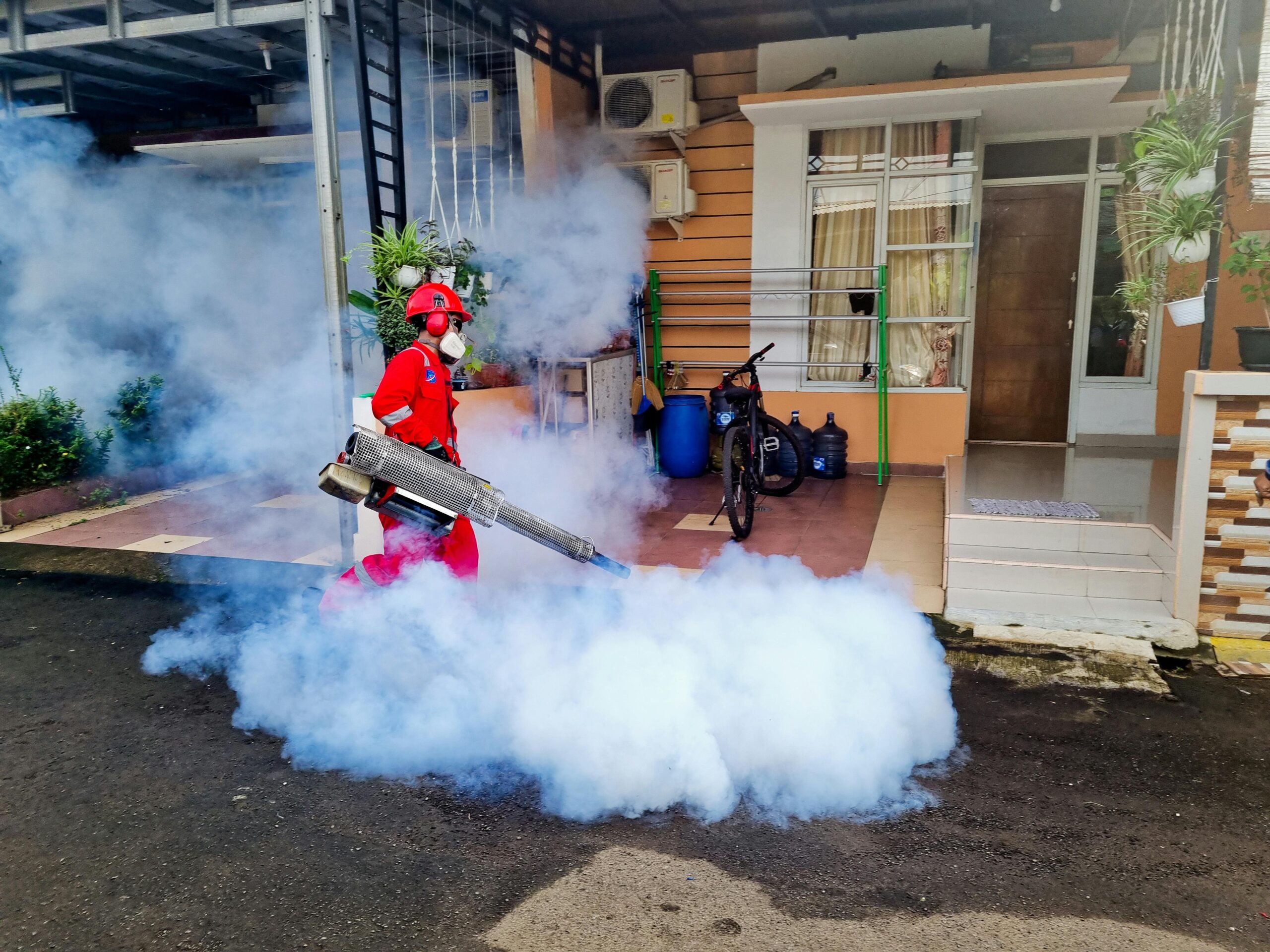
Whole‑home fogging delivers a fine aerosol that penetrates walls, ducts, and upholstered furniture, reaching beetles that hide beyond sight. The fogger releases an EPA‑registered insecticide that remains active for several weeks, offering comprehensive protection throughout the residence.
Homeowners can expect a cost range of $180 to $250. The fee includes a pre‑treatment inspection, full‑coverage fogging, and a post‑service safety walkthrough to ensure all areas are properly ventilated before re‑occupancy.
Heat‑Treatment for Severe Infestations
Heat‑treatment is the most aggressive option, reserved for severe or repeat infestations where chemicals alone have proven insufficient. Technicians raise indoor temperatures to 130‑140 °F (54‑60 °C) for several hours, a range that instantly kills larvae, pupae, and adult beetles without leaving any residue.
Because of the specialized equipment and extended labor time, heat‑treatment is priced between $350 and $450. The process is chemical‑free, making it an excellent choice for homes with small children, pets, or occupants with sensitivities.
Anthem Pest Control rewards Druid Hills homeowners with seasonal discounts—typically 10 % off spot‑treatment sprays in spring and 15 % off whole‑home fogging during the fall. These promotions align with the beetles’ life cycle, encouraging early intervention before populations explode.
Regardless of the method you choose, Anthem adheres to strict safety protocols: technicians wear protective gear, isolate treated zones, and provide detailed after‑care instructions. All products used are EPA‑registered, guaranteeing that the treatment is both effective against carpet beetles and safe for your household.
How to Keep Carpet Beetles Out of Your Druid Hills Home
Carpet beetles are tiny, but they can do big damage to natural fibers. The good news is that most infestations can be stopped before they start with a few disciplined habits. Below are the prevention steps that work best for Druid Hills homes, followed by a printable monthly calendar to keep you on track.
1. Vacuum – Your First Line of Defense
Vacuuming isn’t just for dust; it removes beetle eggs, larvae, and shed skins that hide in carpet piles, rug fringes, and upholstery seams. Aim for a slow, overlapping pass along edges and under furniture at least once a week. When you finish, empty the canister or bag into a sealed trash bag and discard it outside the home.
2. Store Natural Fibers Properly
Wool sweaters, silk scarves, and fur throws are prime beetle meals. Place these items in airtight containers—plastic bins with gasket seals work best. If you prefer cloth bags, add a zip‑lock liner for extra protection. Label each container so you can rotate seasonal pieces without opening every box.
3. Natural Repellents That Won’t Harm Your Family
Cedar blocks, lavender sachets, and rosemary sprigs release scents that beetles avoid. Position a cedar block in each closet and replace lavender sachets every two months to maintain potency. These options are safe around children and pets, making them ideal for a family home.
4. Seal Entry Points
Carpet beetles can slip through the tiniest cracks around windows, doors, and the foundation. Inspect the perimeter of your home each spring and apply a silicone‑based caulk to any gaps you find. Weather‑stripping doors and installing screen doors also reduces the chance of outdoor beetles hitching a ride inside.
5. Follow EPA‑Backed Integrated Pest Management
The EPA recommends a layered approach—combining sanitation, exclusion, and monitoring—to keep carpet beetles at bay. You can read the full guidance here. By integrating these steps, you minimize reliance on chemical treatments.
Monthly Maintenance Calendar
Print the table below, hang it on your fridge, and tick off each task as you complete it. Consistency is the key to staying beetle‑free.
| Month | Vacuum (Carpets & Upholstery) | Inspect & Seal Cracks | Refresh Natural Repellents | Check Stored Fibers |
|---|---|---|---|---|
| January | ✔ | ✔ | ✔ | ✔ |
| February | ✔ | ✔ | ✔ | ✔ |
| March | ✔ | ✔ | ✔ | ✔ |
| April | ✔ | ✔ | ✔ | ✔ |
| May | ✔ | ✔ | ✔ | ✔ |
| June | ✔ | ✔ | ✔ | ✔ |
| July | ✔ | ✔ | ✔ | ✔ |
| August | ✔ | ✔ | ✔ | ✔ |
| September | ✔ | ✔ | ✔ | ✔ |
| October | ✔ | ✔ | ✔ | ✔ |
| November | ✔ | ✔ | ✔ | ✔ |
| December | ✔ | ✔ | ✔ | ✔ |
Download a ready‑to‑print PDF version of this calendar here. Keeping the schedule visible helps you stay proactive, and a quick glance each month reminds you of the simple steps that protect your home.
When Carpet Beetles Are Most Active in Georgia
In Georgia, adult carpet beetles typically take flight in late spring and early summer, roughly from mid‑May through early July. The females lay eggs in hidden corners of closets, under furniture, or inside natural‑fiber rugs. Those eggs hatch within a week or two, and the larvae—the real culprits that chew on wool, silk, and feathers—spend the remainder of the warm months feeding and growing. By the time autumn arrives, most larvae have entered a dormant stage, ready to resume activity when temperatures rise again.
The reason this cycle moves so quickly here is the combination of high humidity and consistently warm temperatures that characterize Georgia’s climate. Moisture keeps the larvae hydrated and speeds up digestion, while daytime highs often linger above 80 °F (27 °C) from May through September. Those conditions compress the beetle’s development timeline, allowing several generations to complete within a single year—something you’re less likely to see in cooler, drier regions.
For homeowners, the practical takeaway is to schedule professional inspections at the two points when the beetles are most vulnerable. A March visit gives technicians a chance to treat the property before adults emerge, disrupting the upcoming breeding wave. An October inspection, after the larvae have entered dormancy, allows for a thorough clean‑out of any remaining infestations before they overwinter in your walls or insulation.
- Book your pre‑season inspection in early March.
- Plan a post‑season follow‑up in mid‑October.
- Ask the technician to reference the Georgia Department of Agriculture pest‑season calendar for the most up‑to‑date timing recommendations.
By aligning your pest‑control schedule with the beetles’ natural peaks, you reduce the chance of a surprise infestation and give Anthem Pest Control the best possible window to protect your home.
Timing your treatments around these windows also minimizes chemical use, keeping your family and pets safer while staying cost‑effective.
Frequently Asked Questions about Carpet Beetles
How can I tell if the insects are carpet beetles or something else?
Carpet beetles are small (2‑5 mm), oval‑shaped and usually tan or mottled with black spots. Unlike moths, they have no wings visible when at rest, and their larvae are soft, hairy, and curl into a C‑shape. Look for tell‑tale damage to natural fibers such as wool, silk, or leather rather than the fine webbing left by clothes moths.
Do carpet beetles pose health risks?
While they don’t bite, the shed skins and feces of carpet‑beetle larvae can become airborne allergens. “Carpet beetles can trigger allergic reactions in sensitive individuals,” notes the National Pest Management Association. Those with asthma or eczema may experience sneezing, itching, or skin irritation.
How often should treatment be applied?
We recommend an annual inspection in Druid Hills, especially after a severe infestation. If you notice new larvae or damage, a follow‑up treatment within 4‑6 weeks helps break the life cycle. Seasonal peaks in late spring and early fall may warrant extra attention.
Are pets affected by the pesticides used?
Anthem Pest uses EPA‑registered products that are low‑toxicity and pet‑friendly when applied according to label directions. Technicians keep pets out of treated rooms until the spray dries—typically 30 minutes—ensuring a safe environment for dogs, cats, and other household animals.
What warranty does Anthem Pest offer?
We stand behind our work with a 100 % satisfaction guarantee. If beetles reappear within 30 days, we’ll retreat at no extra charge and provide a complimentary follow‑up inspection to ensure the problem is fully resolved.
Secure Your Home with Professional Carpet Beetle Control Today
Detecting carpet beetles early can mean the difference between a quick fix and a costly infestation. Homeowners who spot the tiny larvae, adult beetles, or tell‑tale damage to fabrics and carpets can act fast, but DIY methods often miss hidden nests and resistant species. Professional treatment not only eradicates the current population but also blocks future generations from taking hold.
Anthem Pest brings that expertise right to Druid Hills. Our technicians know the local climate, common entry points, and the species that thrive here. We use only EPA‑registered products that are proven safe for families and pets, and every job is backed by a 100 % satisfaction guarantee, so you never pay for a service that doesn’t work.
Whether you’ve just spotted a few beetles or want to prevent a future outbreak, our certified technicians are ready to protect your Druid Hills home. We’ll inspect every room, treat vulnerable zones, and give you a clear maintenance plan so you can enjoy peace of mind year‑round.