Identifying Fruit Flies and Understanding Their Life Cycle
Common Species in the Kitchen
Most homeowners in Suwanee encounter the small vinegar fly known scientifically as Drosophila melanogaster. This species thrives on the sugars and yeasts that accumulate in everyday kitchen waste, making it the primary culprit behind those sudden swarms around fruit bowls—and a common reason residents search for a fruit fly exterminator Suwanee GA.
What They Look Like
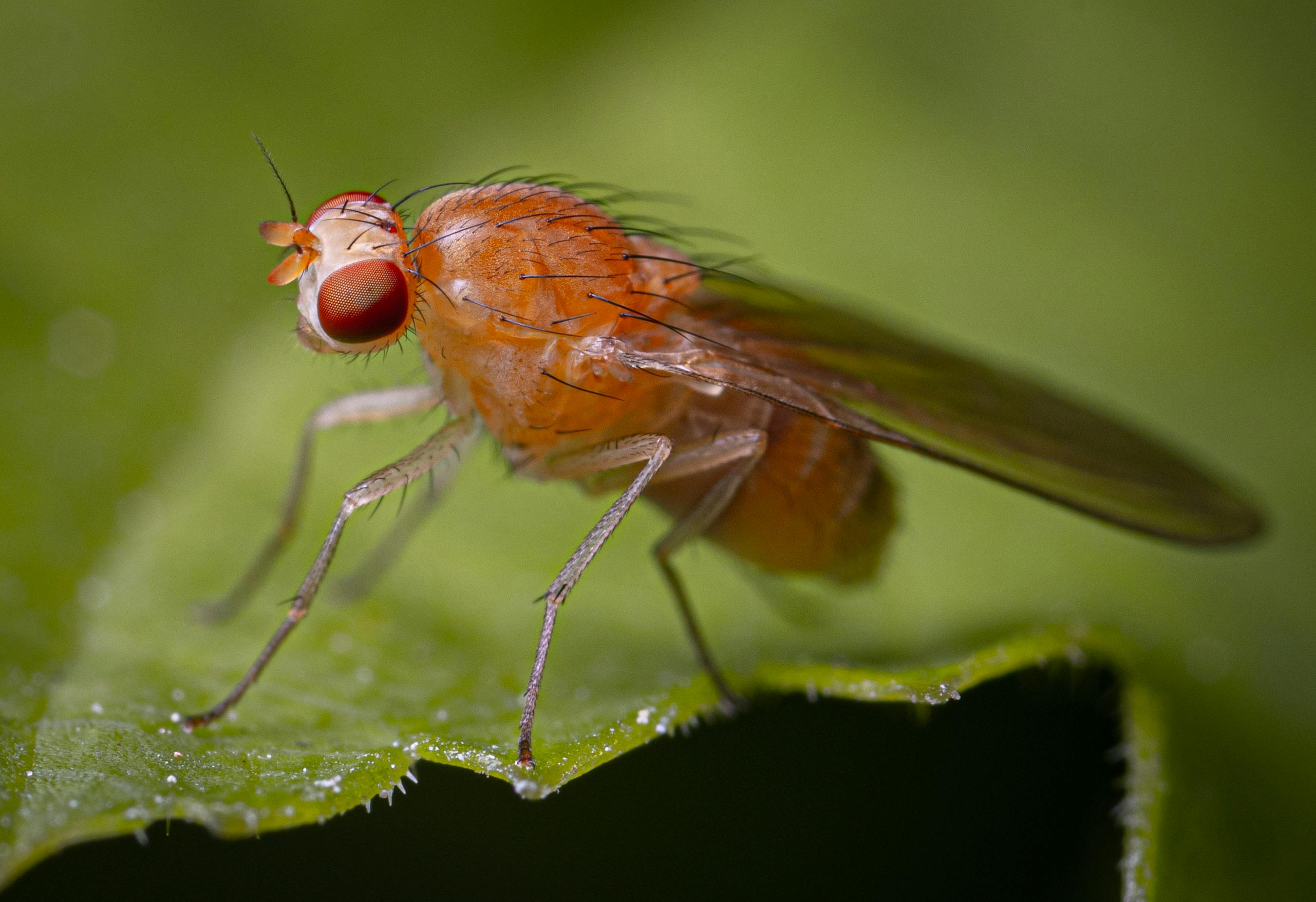
The adult fruit fly measures roughly 1/8 inch (about 3 mm) in length—just a fingertip’s width. Its body is a tan‑brown shade, highlighted by bright red compound eyes that give it a distinctive sparkle. The wings are transparent with a faint vein pattern, and the fly’s legs are slender, allowing it to dart quickly across surfaces.
Typical Entry Points
Fruit flies are opportunistic hitchhikers. Overripe or bruised fruit left on countertops provides an instant breeding ground. Likewise, food scraps in garbage disposals, moist organic matter in kitchen drains, and even the damp soil of houseplants can serve as hidden portals. Once inside, a single female can lay dozens of eggs in these micro‑habitats, setting the stage for a rapid infestation.
Life‑Cycle Stages
The development of D. melanogaster follows a four‑stage cycle: egg, larva (maggot), puparium, and adult. Under warm indoor conditions (around 75 °F or 24 °C), the timeline compresses dramatically.
- Egg: A female deposits 1–2 mm long, oval‑shaped eggs on the surface of fermenting material. Eggs hatch in 12–24 hours.
- Larva: The emerging maggots feed voraciously on the same substrate for 3–5 days, growing through three instar stages.
- Puparium: The larva then forms a protective casing, the puparium, where it undergoes metamorphosis. This pupal stage lasts about 4 days.
- Adult: Fully formed flies emerge, ready to reproduce within 24 hours, completing the cycle in roughly 8–10 days.
Monitoring Early Signs
A quick visual scan can reveal the problem before it spreads. Look for tiny specks of larvae near sink traps, a faint musty odor from fermenting debris, or a cluster of adult flies hovering over fruit bowls. Noting these clues early gives you a head start on treatment.
Why the Rapid Cycle Fuels Exponential Growth
Because each adult female can lay up to 100 eggs during her brief two‑week lifespan, a single unnoticed pair can generate thousands of descendants in just a few weeks. In a kitchen where food residues are continuously replenished, the population can double every few days, turning a modest sighting into a full‑blown nuisance.
Understanding this speed is crucial for homeowners. Early detection—spotting the tiny tan‑brown flies near fruit bowls or noticing larvae in drain covers—allows for prompt intervention before the numbers spiral out of control.
Trusted Guidance from the EPA
The U.S. Environmental Protection Agency emphasizes that effective indoor pest management starts with accurate identification and knowledge of pest biology. Their guidance on indoor pest biology outlines best practices for sanitation, exclusion, and, when necessary, safe pesticide use. Read the EPA’s recommendations here to ensure you’re following science‑backed steps that protect both your family and the environment.
Health Risks and Food Contamination
Most homeowners think of fruit flies as a minor annoyance—tiny insects buzzing around ripe bananas. In reality, they can turn a clean kitchen into a breeding ground for disease and food waste. Understanding the health risks they pose helps you see why swift, professional control is worth the investment.
Pathogens fruit flies can carry
Fruit flies thrive on fermenting fruit, garbage, and any decaying organic matter. While feeding, they pick up bacteria and viruses that linger on their bodies and in their digestive tracts. The most common culprits include Escherichia coli, Salmonella, Shigella, and even Staphylococcus aureus. These microbes are not harmless; they can cause gastrointestinal distress, fever, and, in severe cases, hospitalization.
CDC findings on fruit‑fly related food‑borne illness
The Centers for Disease Control and Prevention (CDC) has documented several outbreaks linked directly to fruit‑fly activity. Their investigations reveal that a single infestation in a commercial kitchen or home pantry can contaminate multiple food items, leading to widespread illness. For a detailed overview, visit the CDC’s report on fruit‑fly outbreaks here.
Impact on food safety
Fruit flies are opportunistic travelers. When they land on countertops, cutting boards, or utensils, they deposit bacteria that can transfer to anything you later handle—raw meat, fresh produce, or even your coffee mug. Because they are small enough to slip into pantry cracks and storage containers, they can contaminate bulk items like flour, rice, or canned goods without you ever seeing a single fly.
Signs of contaminated food
Not every off‑taste means a fly is to blame, but certain cues suggest bacterial growth triggered by insect activity:
- Unusual odors: A sour, yeasty, or rotten smell that wasn’t there before.
- Visible slime or fuzz: A sticky film on the surface of fruit, vegetables, or packaged foods.
- Color changes: Darkening or bruising beyond normal ripening.
- Unexpected bubbling: Gas formation in sealed containers, indicating fermentation.
If any of these signs appear, it’s safest to discard the affected items. Even if the food looks okay, a hidden bacterial load can still pose a risk.
Hidden costs of a fruit‑fly problem
Beyond the immediate health threat, fruit flies can drain your wallet in two ways. First, contaminated groceries must be thrown out, turning a routine shopping trip into a costly loss. Second, if an outbreak leads to illness, medical bills, missed work, and potential legal liabilities (especially for home‑based businesses) can quickly add up. By investing in a professional extermination plan now, you protect both your family’s health and your budget.
Prevention Tips for a Fruit‑Fly‑Free Kitchen
Fruit flies love a warm, moist kitchen where food residues linger. The good news is that most infestations can be stopped before they start by tightening up everyday habits. Below are the most effective, homeowner‑focused steps you can adopt right now to keep those tiny pests out of your pantry and countertops.
Sanitation Checklist
Consistent cleanliness is the single most powerful weapon against fruit flies. Follow this quick daily routine:
- Discard overripe produce – Throw away any fruit or vegetables that are soft, bruised, or beginning to ferment. Place them in a sealed bag before they hit the trash.
- Wipe spills immediately – Sticky juices on countertops, stovetops, or the floor provide a perfect breeding medium. A damp cloth with a mild detergent removes the residue in seconds.
- Empty trash and compost – Fruit‑fly larvae thrive in organic waste. Take out kitchen trash and compost bins daily, and keep lids tightly closed.
- Clean the dishwasher filter – Food particles can accumulate here, creating a hidden haven for flies.
Drain Maintenance
Kitchen drains are a covert hotspot for fruit‑fly eggs and larvae. Keep them dry and clean with these three actions:
- Boil water weekly – Pour a pot of boiling water down each drain to kill any larvae that may be hiding.
- Use enzymatic cleaners – Enzyme‑based products break down organic buildup without harming your pipes, eliminating the food source fruit flies need.
- Cover sink openings – When the sink isn’t in use, place a mesh screen or a silicone stopper over the drain to block adult flies from laying eggs.
Proper Food Storage
Even a tidy kitchen can become a fly magnet if food isn’t sealed correctly. Adopt these storage habits:
- Airtight containers – Transfer cut fruit, berries, and vegetables into glass or BPA‑free plastic containers with tight‑locking lids.
- Store dry goods high – Keep cereal, flour, and snacks on upper shelves away from floor‑level moisture.
- Refrigerate ripening fruit – If you buy a bunch of bananas or peaches, move them to the fridge once they’re past the very early stage of ripeness.
Plant Care Inside the Home
Houseplants add beauty, but over‑watering creates a damp soil surface that fruit flies love.
- Avoid soggy soil – Water only when the top inch feels dry to the touch.
- Add a sand layer – Spread a thin (¼‑inch) layer of clean sand over the soil surface. The sand dries quickly and makes it difficult for flies to lay eggs.
- Remove fallen leaves – Clean up any debris that drops into the pot, as it can become a miniature breeding ground.
Seasonal Intensification (May – September)
Warm months accelerate fruit-fly life cycles, turning a minor nuisance into a rapid infestation. From late spring through early fall, double the frequency of the sanitation checklist and drain maintenance steps. Consider a quick inspection of pantry doors and window screens for gaps, and seal any openings with weather-stripping or caulk—steps that can delay, but not always replace, the need for a fruit fly exterminator Suwanee GA homeowners trust during peak season.
Further Reading
For a comprehensive, science‑backed approach to household pest prevention, consult the NPMA best‑practice guide. The guide outlines proven methods that complement the steps above and can help you stay ahead of not just fruit flies, but a wide range of common kitchen pests.
Treatment Options – DIY vs. Professional Services
When fruit flies turn your kitchen into a buzzing mess, the first instinct is often to grab a jar, a bottle of vinegar, or a store‑bought fly strip. Those do‑it‑yourself (DIY) tricks can buy you a few hours of relief, but they rarely eradicate the hidden breeding sites that keep the infestation alive. Understanding the strengths and limits of DIY remedies versus a licensed pest‑control professional helps you choose a solution that protects your family, pets, and peace of mind.
DIY Methods Most Homeowners Try
- Apple‑cider vinegar traps: A shallow dish of apple‑cider vinegar covered with plastic wrap (punctured with tiny holes) lures flies and traps them.
- Commercial fly strips: Sticky ribbons hang from ceilings or cabinets, catching flies that land on them.
- Homemade enzyme cleaners: A mixture of water, baking soda, and a few drops of dish soap is used to scrub countertops, hoping to dissolve the organic residue fruit flies love.
These methods are inexpensive, easy to set up, and can reduce the visible number of flies in the short term. For many homeowners, they feel like a quick win while they search for a longer‑term fix.
Why DIY Often Falls Short
DIY tools target adult flies but ignore the root cause—breeding sites hidden in drains, over‑ripe fruit, or damp organic matter. Because the traps are passive, they provide only short‑term control. Moreover, some commercial fly strips contain adhesive chemicals that can pose a hazard to children and pets if touched. Homemade enzyme solutions, while non‑toxic, may not break down the biofilm inside sink drains where larvae develop. The result is a cycle of re‑infestation that can frustrate even the most diligent homeowner.
What a Professional Service Brings
A licensed pest‑control technician begins with a thorough inspection. Using flashlights and moisture meters, they locate hidden breeding hotspots—often under the sink, behind appliances, or in compost bins. Once identified, the professional applies targeted residual sprays that remain active for weeks, disrupting the life cycle at the larval stage. Bait stations placed in strategic locations release a controlled amount of attractant and insecticide, ensuring flies are killed before they can reproduce. Finally, a series of follow‑up visits guarantees that any newly emerging flies are caught, delivering a lasting solution rather than a temporary reprieve.
Safety First: EPA‑Registered Products and Protective Gear
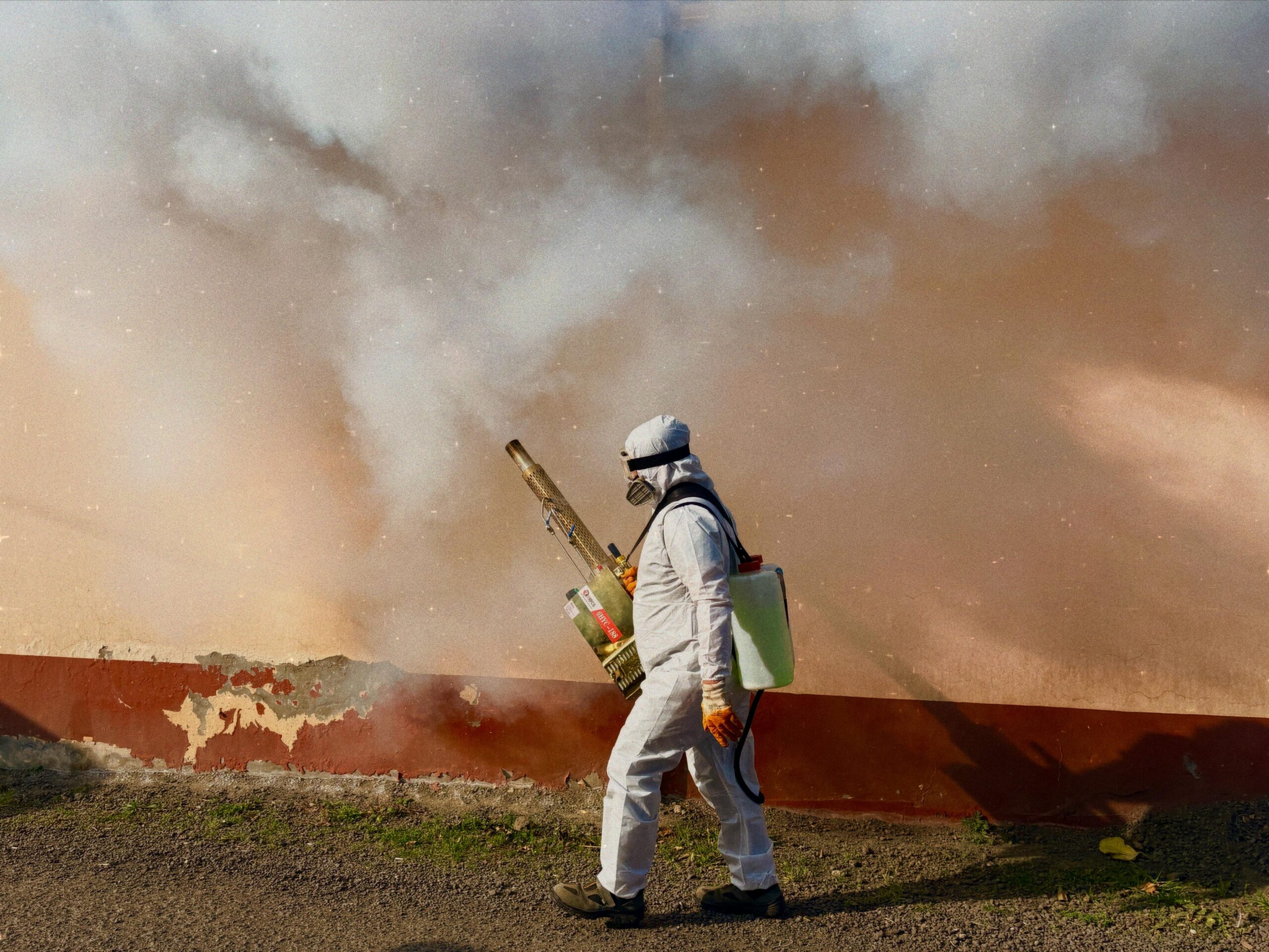
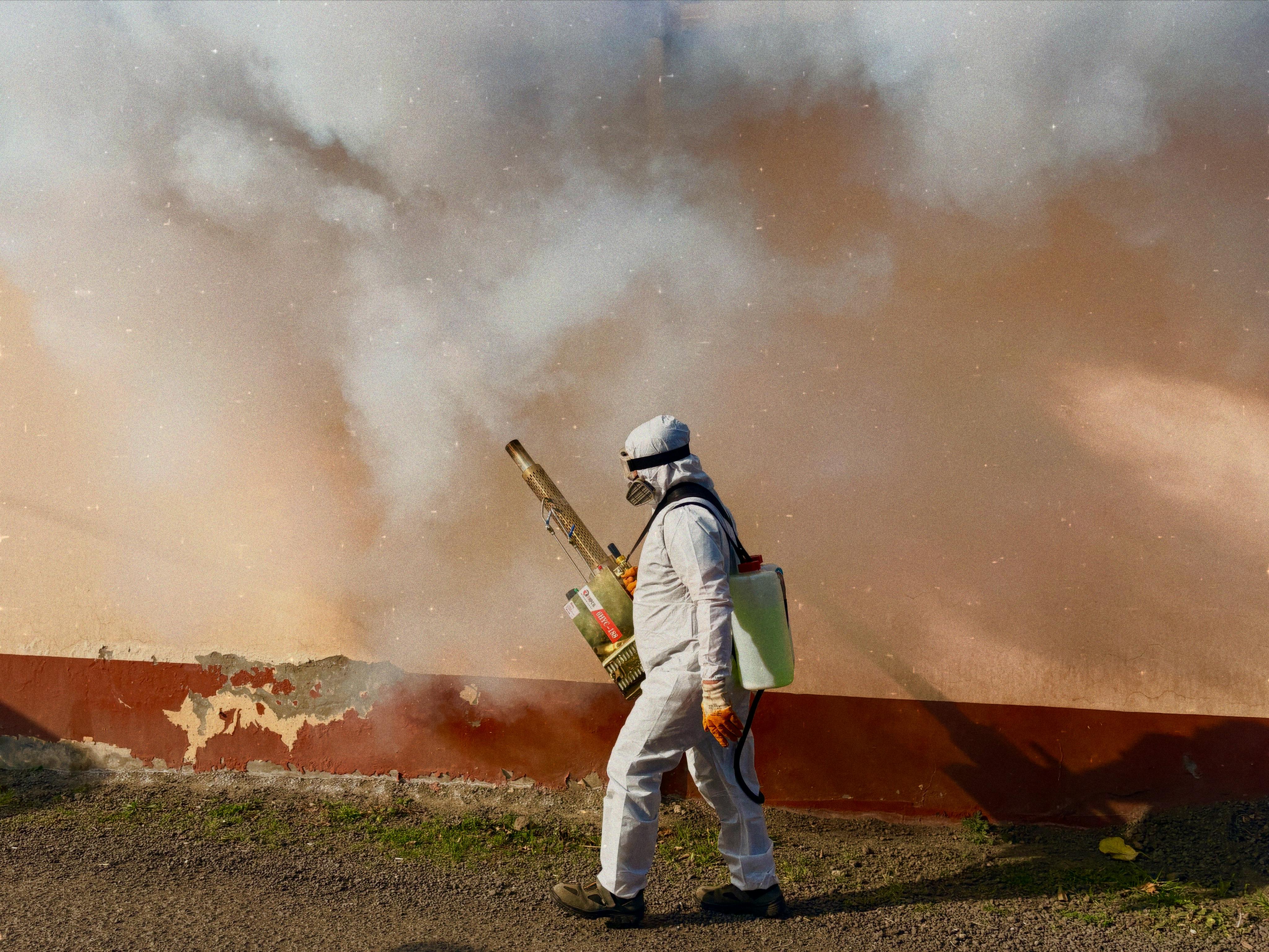
Professional technicians are trained to select EPA‑registered products that meet strict safety standards. They wear protective equipment—gloves, goggles, and respirators—when applying chemicals, minimizing exposure for themselves and occupants. Many of the formulations used are child‑ and pet‑friendly, focusing on low‑toxicity active ingredients that still deliver high efficacy. In contrast, DIY products often lack clear safety data, leaving homeowners to guess about proper dosage and ventilation.
Anthem Pest Control’s Integrated Pest‑Management (IPM) Approach
Anthem Pest Control doesn’t rely solely on chemicals. Our technicians employ an Integrated Pest‑Management (IPM) strategy that blends inspection, sanitation advice, and the judicious use of low‑impact treatments. By recommending simple changes—such as tightening fruit storage, cleaning drain traps, and removing over‑ripe produce—we reduce the need for repeated chemical applications. The IPM model aligns with our commitment to protect your family while keeping fruit‑fly populations under control.
Case Study: From DIY Frustration to Professional Success
Emily, a homeowner in Suwanee, tried every DIY trick she could find: vinegar traps, sticky ribbons, and nightly scrubs of her kitchen counters. After three weeks she still saw clusters of flies near her sink and in the pantry. The infestation persisted because the larvae were thriving in a clogged garbage‑disposal filter she hadn’t noticed.
Emily called Anthem Pest Control. Our technician inspected the entire kitchen, identified the hidden breeding site in the disposal, and applied a residual spray approved for indoor use. We also placed two bait stations on the countertop and provided Emily with a simple cleaning schedule to keep organic residues at bay. Within ten days, the adult flies vanished, and a follow‑up visit confirmed that no new larvae were emerging. Emily’s DIY attempts had bought her time, but only a professional, IPM‑driven treatment delivered a permanent solution.
For a deeper dive into the steps Anthem takes to eliminate fruit flies, visit our Fruit Fly Control page.
Pricing Comparison for Fruit‑Fly Treatments
Understanding how much fruit-fly control costs compared to other kitchen pests can make budgeting a breeze. Below is an easy-to-read infographic that breaks down the average monthly price you’ll encounter for four common services: fruit-fly treatment, cockroach control, ant management, and pantry-pest programs—pricing details a fruit fly exterminator Suwanee GA homeowners consult when planning professional service.
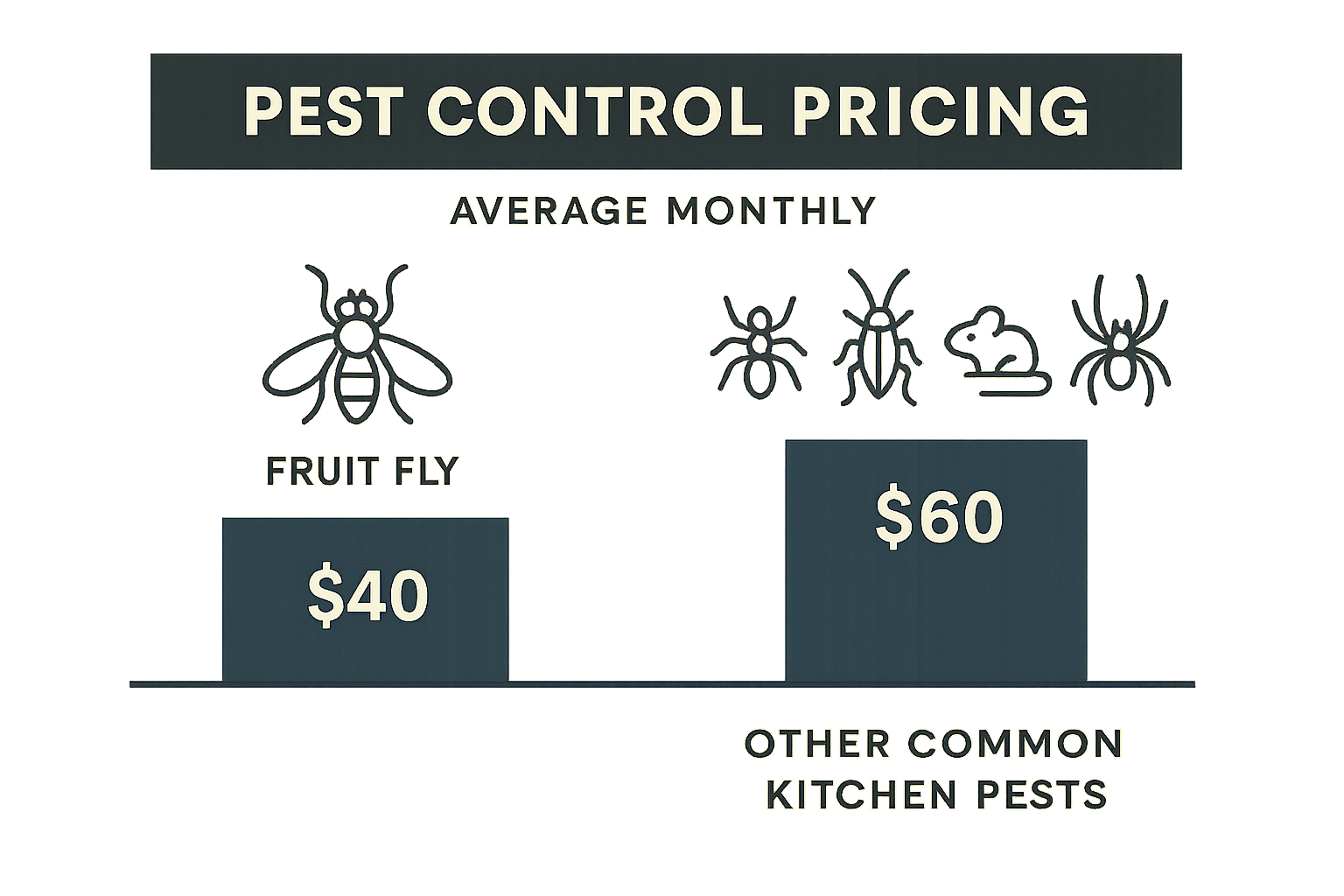
What Drives the Price?
Several key factors influence the final quote you’ll receive:
- Infestation severity: A light, isolated sighting usually requires a single treatment, while a heavy, multi‑room outbreak may need several visits.
- Treatment type: One‑time “zap‑and‑go” services are cheaper up front, but ongoing maintenance plans—often billed monthly—provide lasting protection and can be more cost‑effective over time.
- Geographic location: Service fees can vary by region due to travel distances, local regulations, and seasonal demand spikes.
Anthem Pest Control’s Transparent Pricing Model
At Anthem Pest Control we believe you should know exactly what you’re paying for. Our standard fruit‑fly package typically falls between $120 and $180 for a one‑time treatment, which includes a thorough inspection, EPA‑approved chemicals, and a follow‑up visit to ensure the problem is fully eradicated. If you opt for a quarterly maintenance plan, the cost averages $45‑$60 per month, spreading the expense while keeping your kitchen fly‑free year‑round.
Quick Tip for Homeowners
Always request a written estimate before any work begins. Verify that the estimate lists every component of the service—initial inspection, chemicals, labor, and any follow‑up appointments. Having this documentation protects you from surprise fees and helps you compare offers on a like‑for‑like basis.
Choosing Value Over the Lowest Price
It’s tempting to chase the cheapest quote, but expertise and safety should weigh heavier in your decision. A lower price may mean less thorough treatment, outdated products, or insufficient follow‑up, which can lead to recurring infestations and higher long‑term costs. Use the pricing data as a baseline, then evaluate each provider’s credentials, customer reviews, and commitment to safe, effective pest management.
Seasonal Activity of Fruit Flies in Suwanee, GA
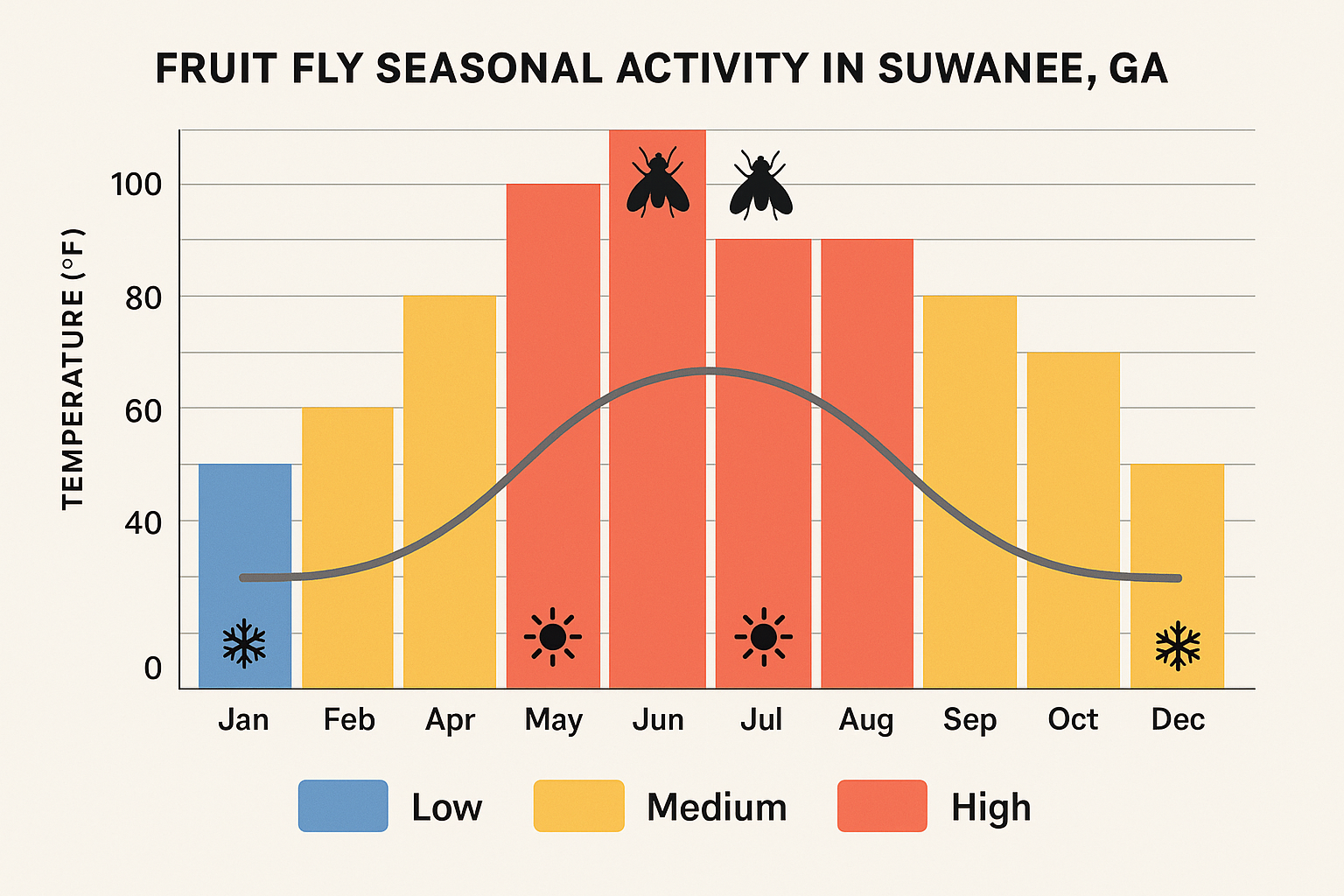
Fruit flies thrive when temperature and humidity create a perfect breeding cocktail. In Suwanee, the climate shifts enough throughout the year to produce distinct activity windows. Understanding these windows lets you plan cleaning, trapping, and professional treatments before a tiny invasion turns into a full‑blown nuisance.
Seasonal Activity Overview
| Month | Activity Level | Avg. Temp (°F) | Avg. Humidity (%) |
|---|---|---|---|
| January | Low | 40 | 60 |
| February | Low | 45 | 60 |
| March | Low | 55 | 62 |
| April | Medium | 65 | 65 |
| May | Medium | 73 | 68 |
| June | High | 80 | 72 |
| July | High | 84 | 74 |
| August | High | 83 | 73 |
| September | Medium | 78 | 70 |
| October | Medium | 70 | 68 |
| November | Low | 60 | 65 |
| December | Low | 48 | 62 |
The table makes a clear pattern: high activity coincides with the warm, humid months of June through August. When daytime highs climb above 80°F and humidity stays above 70%, fruit flies reproduce every 8‑10 days. Spring and early fall still support moderate growth because temperatures remain in the 65‑78°F range, but the slower pace gives you a wider window for preventive actions.
Seasonal Action Steps for Homeowners
- Spring (April‑May): Conduct an intensive kitchen deep‑clean. Dispose of overripe fruit, scrub sink drains, and wipe down countertops with a vinegar solution to eliminate hidden breeding sites.
- Summer (June‑August): Deploy fruit‑fly traps near garbage disposals, compost bins, and indoor plants. Replace bait every two weeks and keep doors and windows screened.
- Fall (September‑October): Focus on drain maintenance. Pour a mixture of boiling water and baking soda down kitchen and bathroom drains to dislodge organic buildup where larvae love to hide.
- Winter (November‑March): Maintain minimal monitoring. Keep fruit stored in the refrigerator, seal trash cans, and check for any stray fruit flies that may have survived in a warm indoor nook.
Even during the low‑activity months, a single overlooked breeding site—like a forgotten fruit bowl or a clogged dishwasher filter—can spark an outbreak once temperatures rise again. That’s why a proactive mindset matters year‑round.
When to Call a Professional
Schedule a professional inspection with Anthem Pest Control at the beginning of June, right as the high‑activity period ramps up. Our technicians will assess hidden hotspots, apply targeted treatments, and set up ongoing monitoring to keep fruit flies from establishing a foothold in your home.
Protect Your Home Today with Anthem Pest Control
Quick Recap: Spotting and Stopping Fruit Flies
Fruit flies love the sweet, damp corners of your kitchen—think over‑ripe fruit, uncovered trash, or a perpetually wet sink. Catching them early means checking for tiny, reddish‑brown insects hovering near fruit bowls, drains, or compost bins, and wiping down surfaces before their numbers explode. By tightening kitchen hygiene now—regularly emptying garbage, sealing produce, and cleaning drains—you stay one step ahead of the seasonal surge that typically peaks in late summer. Remember, fruit flies can lay up to 150 eggs in a single batch, so a small sighting can quickly become a full‑blown problem.
Why Professional Treatment Still Matters
Even the most diligent homeowner can miss hidden breeding sites. Anthem’s certified technicians perform a thorough inspection, locating larvae in hard‑to‑see places like under appliances or within vent shafts. We then apply EPA‑approved products that target fruit flies at every life stage while respecting your family’s health and the environment. Our service doesn’t stop at a single spray; we set up ongoing monitoring to ensure the infestation never rebounds. Additionally, our technicians provide a customized prevention plan, recommending simple changes that keep future infestations at bay.
Take the Next Step—No Pressure, Just Peace of Mind
If you suspect fruit flies or simply want the confidence of a pest‑free kitchen, our friendly team is ready to help you reclaim a clean, comfortable home. We’ll walk you through the process, answer any questions, and tailor a plan that fits your budget. You’ll receive a detailed report after treatment, so you know exactly what was done and why.
Contact Anthem Pest Control
Call us today at 877‑371‑8196 for a free, no‑obligation quote. Our representatives are available to schedule an on‑site assessment at a time that works for you.
Ready to act? Visit Anthem Pest Control and let a trusted fruit fly exterminator Suwanee GA protect your home before the fruit-fly season gets out of hand.