Why House Flies Matter in Roswell, GA

In Roswell’s neighborhoods, the common house fly (Musca domestica) is more than a fleeting annoyance. These insects thrive in the warm, humid climate of north‑central Georgia and quickly become a household concern when they move from the yard into kitchens, dining rooms, and even bedrooms.
Health risks you can’t ignore
House flies are mechanical vectors, meaning they pick up pathogens on their bodies and transfer them to surfaces you touch or food you eat. A single fly can carry bacteria such as Salmonella, E. coli, and Shigella, as well as viruses that cause gastroenteritis. When a fly lands on a countertop, then on a sandwich, it can contaminate the meal within seconds. Beyond disease, flies leave behind unsightly filth—regurgitated droplets and fecal spots—that degrade the appearance of homes and outdoor dining areas.
Local statistics highlight the problem
According to the 2023 Roswell Pest‑Control Report released by the Fulton County Health Department, fly‑related service calls rose by 27 % compared with the previous year. The report recorded an average of 12 complaints per 1,000 households during the peak summer months of June through August. These numbers reflect a growing awareness among residents that flies are not just a nuisance, but a public‑health issue that demands professional attention.
Roswell’s climate creates a perfect breeding ground
The city’s long, warm summers and occasional humidity spikes provide ideal conditions for fly reproduction. Outdoor patios, grill stations, and community events generate abundant food residues, while the abundant vegetation offers shade and moisture for larvae to develop in organic waste. Even a modest temperature of 78 °F (25 °C) can accelerate a fly’s life cycle from egg to adult in just seven to ten days, leading to rapid population spikes if left unchecked.
Why a targeted approach matters
General “spray‑and‑forget” solutions often miss the hidden breeding sites that sustain fly populations. Anthem Pest Control’s local expertise means technicians know the specific hotspots in Roswell—such as municipal park trash bins, homeowner association landscaping, and seasonal outdoor dining setups. By combining thorough inspections with environmentally responsible treatments, Anthem can break the life cycle at the source, reducing both immediate annoyance and long‑term health risks.
What’s next for homeowners?
Understanding why house flies matter is the first step toward effective control. In the following sections we’ll explore how to identify fly activity, recognize seasonal trends, and choose the right prevention plan for your Roswell home. With the right knowledge and a trusted partner like Anthem Pest Control, you can keep your indoor and outdoor spaces fly‑free all year round.
Identifying House Flies and Understanding Their Life Cycle
Adult House Fly: What You’ll See
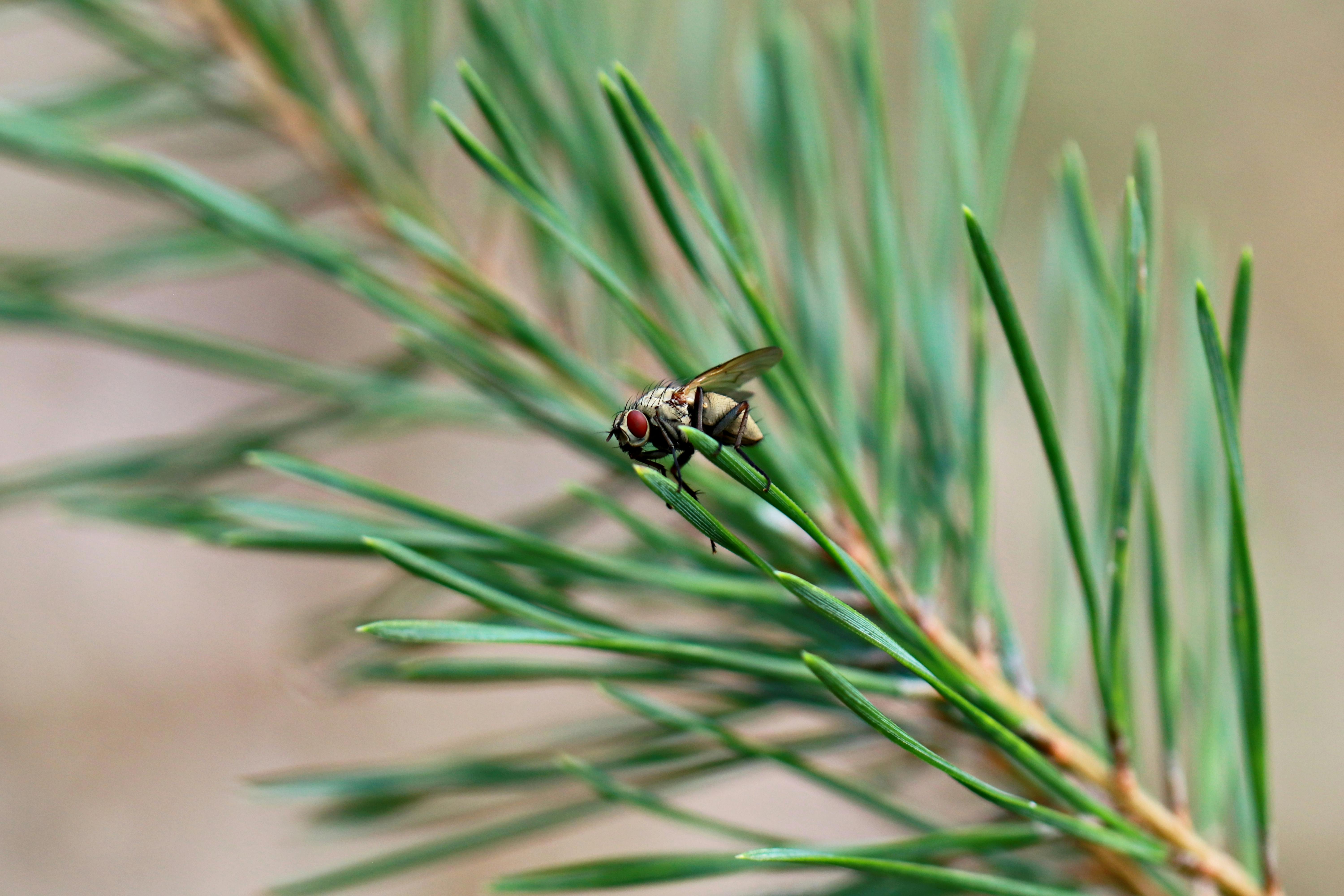
The adult house fly (Musca domestica) is unmistakable once you know what to look for. It measures roughly 6‑7 mm in length, with a gray‑black thorax covered in fine, iridescent hairs that catch the light. Its eyes are large, bright red or brown, and its wings are transparent with a faint smoky tint. Behaviorally, adults are active during daylight, buzzing around food, waste, and any moist surface where they can land and feed. They’re fast flyers, but they tend to rest on walls, windowsills, or countertops when not in motion.
The Four‑Stage Life Cycle
House flies undergo a complete metamorphosis that can be completed in as little as seven days under optimal conditions, though most infestations follow a 7‑14 day timeline. The stages are:
- Egg: A female can lay 75‑150 eggs in a single batch, often on a moist substrate like garbage or animal waste.
- Larva (Maggot): Within 24 hours, the eggs hatch into creamy‑white maggots that feed on the organic material surrounding them.
- Pupa: After 3‑5 days, maggots form a protective puparium, a hardened shell where they transform into adults.
- Adult: Emerging from the puparium, the adult is ready to mate within 24 hours, starting the cycle anew.
Where They Breed: Preferred Sites
House flies are opportunistic breeders. The most common hotspots in a typical Roswell home include:
- Uncovered garbage cans or bins that are not emptied regularly.
- Pet litter boxes, especially if they contain damp waste.
- Compost piles, rotting fruit, or vegetable scraps left on countertops.
- Animal waste in yards—dog or cat droppings that remain moist for days.
- Decaying organic matter such as moldy bread, overripe produce, or spilled liquids that stay damp.
Visual Cues to Spot an Infestation Early
Detecting a fly problem before it explodes saves you time and money. Look for these signs:
- Egg clusters: Tiny, white, gelatinous spots on the surface of moist waste.
- Maggots: Small, whitish worms that wiggle when disturbed, often found within garbage or under pet waste.
- Pupal cases: Light‑brown, silky shells attached to the sides of bins or near organic debris.
- Adult activity: Persistent buzzing around doors, windows, and food prep areas, especially in the early morning or late afternoon.
Key Intervention Points
The fastest way to curb a fly surge is to interrupt the cycle at its weakest links. Removing or sanitizing breeding sites eliminates egg‑laying opportunities, while prompt disposal of maggot‑infested material stops larvae from reaching pupation. Sealing trash cans, keeping pet areas clean, and using fly‑proof screens on windows are simple, cost‑effective steps homeowners can take right away.
For a deeper dive into the biology of house flies and additional control tips, visit the detailed life‑cycle info from Orkin. Understanding each stage empowers you to choose the right treatment timing—whether you’re tackling a small indoor nuisance or calling in a professional service like Anthem Pest Control for a comprehensive solution.
Seasonal Activity of House Flies in Roswell
House flies don’t stick to a single calendar date—they follow the weather. In Roswell, you’ll notice a clear rhythm: a pronounced peak in the hot summer months, moderate numbers in spring and fall, and a dramatic slowdown once winter sets in. Understanding this cycle helps you time prevention and treatment for maximum impact.
What Drives the Fly Calendar?
Two environmental factors dominate fly behavior:
- Temperature: Flies become active when daily highs consistently rise above 70°F (21°C). The hotter it gets, the faster they breed.
- Humidity: Moist air shortens the development time of eggs and larvae, turning a mild day into a fly‑friendly hotspot.
Beyond weather, community events—like outdoor concerts, farmers’ markets, and neighborhood barbecues—create clusters of food and waste that act as temporary breeding grounds, briefly boosting local populations.
Seasonal Spikes Meet Everyday Life
When summer rolls around, Roswell homeowners often open windows, set up patio dining areas, and fire up grills. These habits unintentionally invite flies inside, especially if trash cans sit uncovered or pet food is left out. In spring and fall, milder temperatures still support activity, but the lower heat means flies are less aggressive, giving you a window to reinforce barriers before the summer surge.
Practical, Time‑Based Prevention Tips
- Spring (March–May): Conduct a thorough inspection of screens, door sweeps, and window seals. Repair any tears before flies start looking for entry points.
- Early Summer (June–July): Secure all trash containers with tight‑fitting lids and place them away from doors. Use fly traps near outdoor dining zones to intercept adults before they find their way inside.
- Late Summer (August–September): Reduce standing water around the home—bird baths, clogged gutters, and pet water dishes can become breeding sites.
- Fall (October–November): Perform a deep clean of outdoor grills and patio furniture, removing any residue that might attract flies as temperatures dip.
- Winter (December–February): Although activity is low, keep screens intact and store seasonal outdoor furniture indoors to prevent any late‑season invaders.
By aligning these tasks with the natural fly cycle, you create a proactive defense that limits infestations before they become a nuisance.
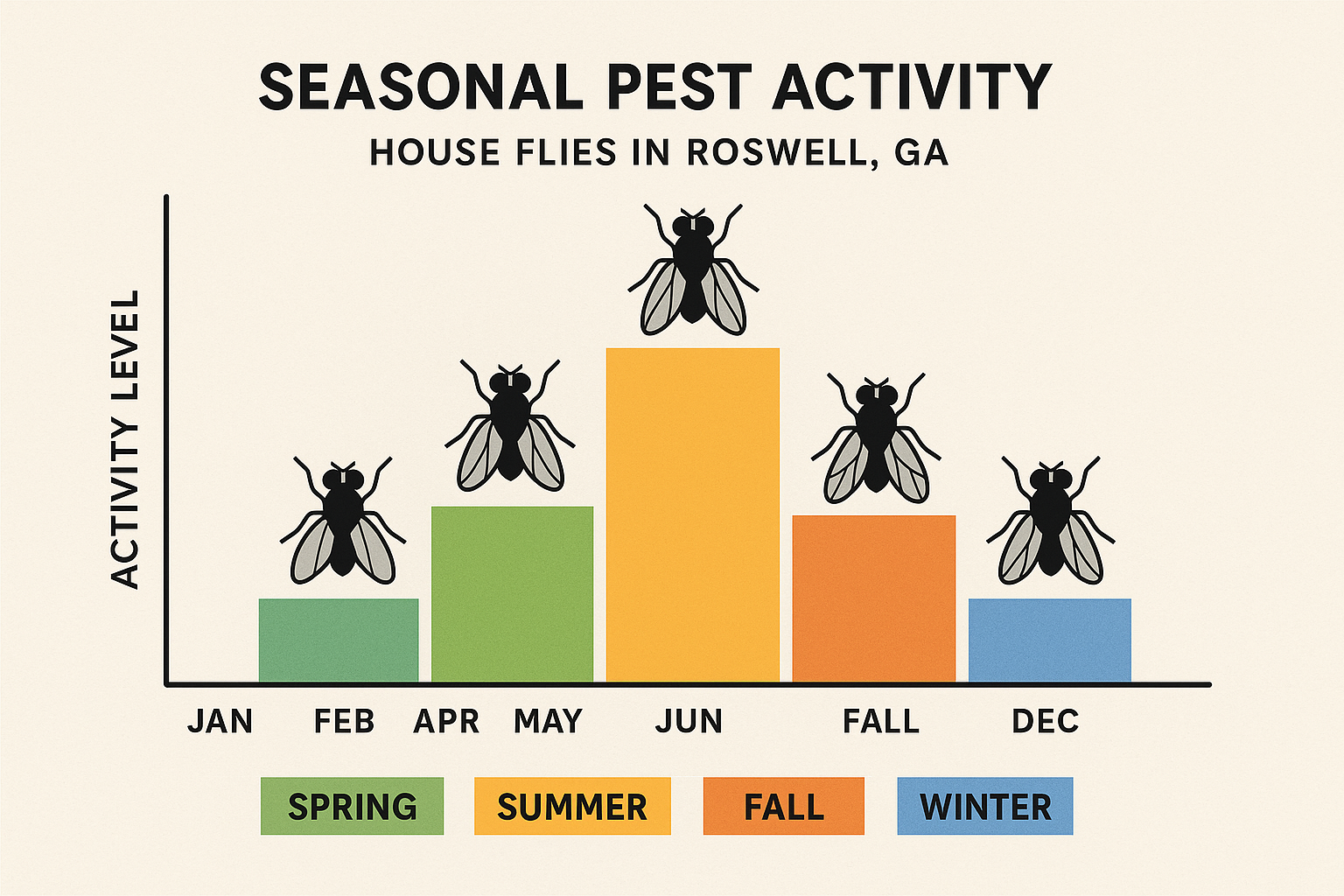
The chart above visualizes monthly fly counts, highlighting the summer peak and the sharp winter dip. Use it as a quick reference when planning your next inspection or treatment appointment with Anthem Pest Control. When the numbers start climbing, it’s a signal to act—whether that means tightening up sanitation, installing additional screens, or calling a professional for targeted treatment.
Treatment Options, Pricing, and Choosing the Right Service
DIY Methods: Traps, Baits, and Sanitation
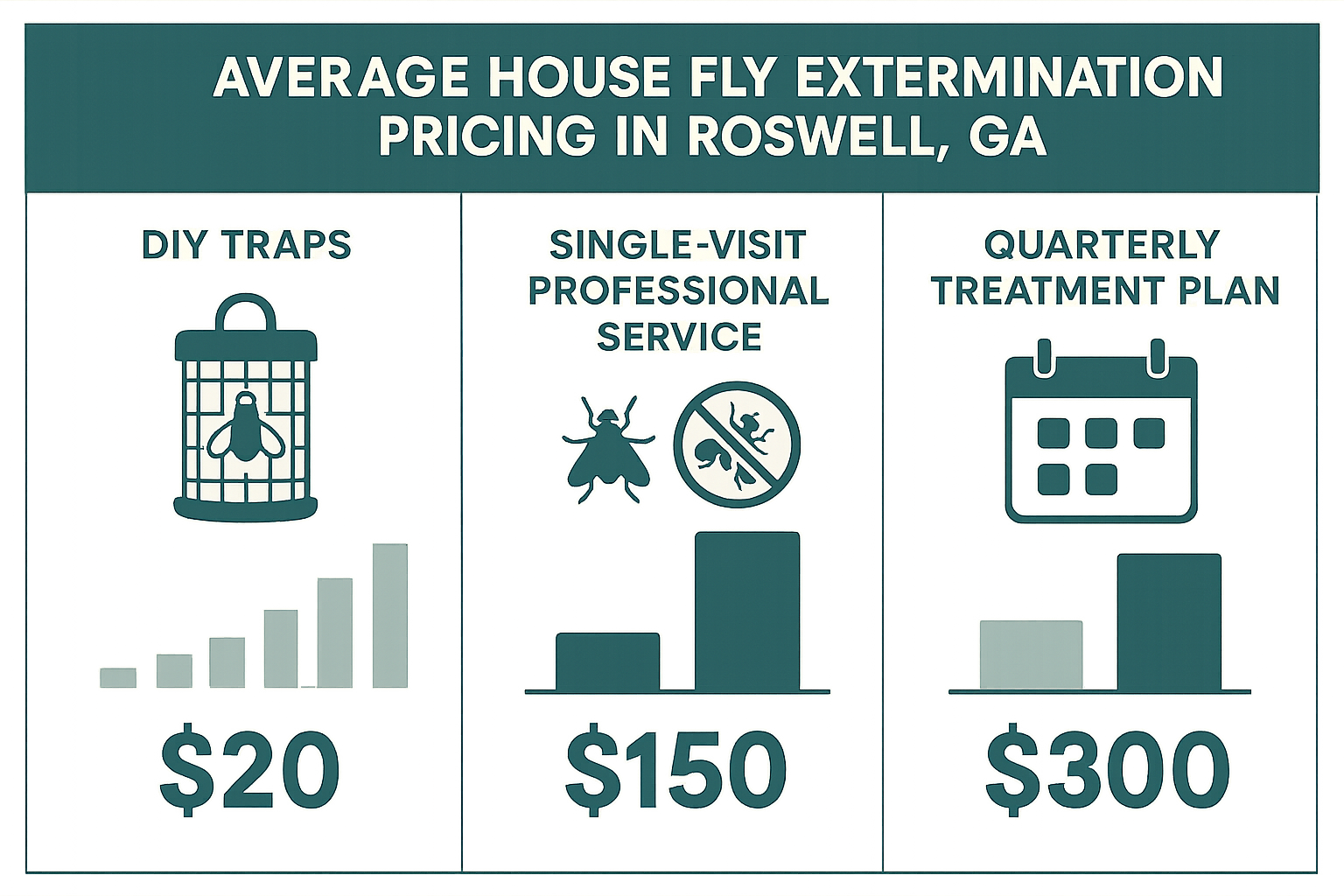
Many Roswell homeowners start with a do‑it‑yourself approach. Sticky fly traps and sugar‑based baits are inexpensive and easy to place around kitchens, garbage areas, and outdoor patios. Pairing these tools with rigorous sanitation—tight‑lidded trash cans, regular waste removal, and prompt clean‑up of food spills—can reduce a minor fly nuisance.
- Pros: Low upfront cost, immediate control, no contractor schedule.
- Cons: Limited residual effect, requires constant monitoring, and may not address hidden breeding sites such as pet waste or clogged drains.
Professional Single‑Visit Treatment
A one‑time professional visit typically includes a thorough inspection, targeted spray applications, and a residual insecticide that continues to work for weeks. Technicians focus on entry points, breeding hotspots, and outdoor fly attractants. For most Roswell properties, the cost falls between $120 and $180 per visit.
What you get:
- Licensed technician with a detailed fly‑activity report.
- EPA‑approved spray that kills adult flies on contact.
- Residual barrier that suppresses new hatches for up to 30 days.
Quarterly Treatment Plans: Long‑Term Benefits
Seasonal fly populations in Georgia can bounce back quickly. A quarterly plan spreads four visits over the year, each reinforcing the residual barrier and addressing any new breeding sites that appear. While the per‑visit price drops to roughly $90‑$110, the annual investment averages $360‑$440—often less than two separate single‑visit treatments.
Benefits of a recurring schedule include:
- Consistent protection during peak summer months.
- Early detection of secondary pest issues (e.g., ants, cockroaches).
- Reduced overall chemical usage thanks to targeted re‑applications.
Key Factors When Selecting a Provider
Choosing the right pest‑control partner goes beyond price. Keep these criteria in mind:
- Licensing & Certification: Verify that technicians hold Georgia’s pesticide applicator license.
- Safety Protocols: Look for companies that use low‑toxicity, child‑ and pet‑safe products.
- Guarantees & Follow‑Up: A solid service agreement should cover re‑treatment if flies persist after the initial visit.
- Local Knowledge: Providers familiar with Roswell’s climate and typical fly hotspots can tailor treatments more effectively.
Why Anthem Pest Control Stands Out
Anthem Pest Control blends transparent pricing with a commitment to safety. Homeowners receive a clear, itemized quote—no hidden fees—whether they opt for a single visit or a quarterly plan. All products meet EPA standards and are formulated to protect families and pets while delivering rapid fly knockdown.
Because Anthem’s technicians are trained specifically for the Georgia market, they know where flies love to breed in Roswell neighborhoods—from humid basements to outdoor grills. This local expertise translates into faster problem identification and a treatment strategy that targets the root cause, not just the symptoms.
In short, DIY methods can buy you time, but for lasting peace of mind and a predictable budget, a professional service like Anthem offers the most reliable, cost‑effective solution.
Protect Your Home Today with Anthem Pest Control
House flies may seem harmless, but in Roswell they quickly become a health and comfort nightmare. They spread bacteria from garbage, pet waste, and decaying matter onto kitchen surfaces, turning a family dinner into a potential illness risk. Their constant buzzing also disrupts sleep, outdoor gatherings, and the peace of mind every homeowner deserves.
Seasonal Peaks & Treatment Windows
In our Georgia climate, fly activity spikes during the warm months of May through September, with a noticeable surge after heavy rains. These periods are the perfect window for proactive treatment—acting before the infestation peaks saves you time, money, and the stress of a full‑blown invasion. A timely spray or bait program applied early in the season can keep the population below nuisance levels throughout the summer.
Why Choose Anthem Pest Control?
- Licensed Technicians: Every Anthem professional holds state‑approved certifications, ensuring you receive knowledgeable and compliant service.
- Safe, Effective Products: We use EPA‑registered solutions that target flies while protecting children, pets, and the environment.
- Affordable Plans: Transparent pricing and flexible service packages let you choose a solution that fits your budget without hidden fees.
- Local Expertise: Our teams understand Roswell’s unique pest pressures, so we tailor treatments to the neighborhoods and properties we serve.
Take the Next Step—No Obligation, Free Quote
Don’t let house flies dictate the comfort of your home. Scheduling a professional inspection with Anthem gives you a clear picture of any current activity and a customized action plan. The consultation is completely free, and there’s no pressure to commit.
Ready to protect your family and reclaim your indoor and outdoor spaces? Visit Anthem Pest Control for your free quote today, or call us directly at 877‑371‑8196. Our friendly staff will arrange a convenient inspection time and answer any questions you have about fly control, prevention, or any other pest concerns.