Why Mosquitoes Are a Growing Concern for Homeowners

Common Mosquito Species in U.S. Neighborhoods
Most homeowners in Peachtree City will encounter three primary culprits: the Aedes (known for aggressive daytime bites), the Culex (the classic night‑time biter that thrives in standing water), and the Anopheles (less common but historically linked to malaria). These species have adapted to suburban environments, exploiting everything from rain barrels to clogged gutters as breeding grounds. Understanding which mosquito is most active in your yard helps you target control measures more effectively.
Health Threats: More Than Just Itchy Bites
Beyond the annoyance, mosquitoes are vectors for serious illnesses. West Nile virus remains the leading mosquito‑borne disease in the United States, with most cases reported during the summer months. Zika and dengue—while historically tropical—have shown up in isolated U.S. outbreaks, especially after travel-related introductions. Even for those who never contract a virus, repeated bites can trigger severe allergic reactions, leading to swelling, hives, and, in rare cases, anaphylaxis. The health stakes make proactive control a necessity, not a luxury.
Economic Impact on Home Life
When mosquitoes dominate your yard, outdoor activities become a distant memory. Families skip barbecues, children miss out on evening play, and the simple pleasure of a summer breeze turns into a constant battle with fans and air‑conditioners. Those extra kilowatt hours translate into higher utility bills. Moreover, persistent mosquito problems can affect curb appeal and, consequently, property value—potential buyers often view a mosquito‑infested yard as a maintenance red flag.
Climate Change and Urban Landscaping: A Perfect Storm
Rising temperatures extend the mosquito breeding season by several weeks, while erratic rainfall patterns create more temporary pools—ideal hatching sites. At the same time, modern landscaping trends favor ornamental water features, rain gardens, and low‑maintenance turf that retains moisture. Each of these elements, while aesthetically pleasing, inadvertently provides the perfect habitat for mosquito larvae. The convergence of climate shifts and suburban design means homeowners are facing a higher baseline risk than just a few years ago.
The Need for a Systematic Control Plan
Because mosquitoes exploit multiple habitats and reproduce quickly, piecemeal solutions rarely succeed. A systematic control plan—starting with a professional inspection, followed by targeted larvicide applications, adulticide treatments, and ongoing source‑reduction education—offers the most reliable defense. Anthem Pest Control’s approach combines safe, EPA‑approved products with a customized schedule that fits your property’s unique layout. By addressing the problem at its source and maintaining vigilance throughout the season, you protect health, preserve outdoor enjoyment, and keep utility costs in check.
Recognizing Mosquito Activity and Warning Signs Around Your Property

Mosquitoes are more than an annoyance—they’re a health risk that can turn a peaceful backyard into a nightly battleground. The good news is that most infestations give clear clues before they become unmanageable. By learning to spot those clues early, you can intervene with simple DIY steps or know exactly when it’s time to call a professional like Anthem Pest Control.
Typical Breeding Habitats Right on Your Property
Female mosquitoes lay their eggs in any container that holds still water for more than 24 hours. The most common hotspots in a suburban yard include:
- Birdbaths and pet water dishes: Even a shallow bowl can become a nursery if it’s not refreshed daily.
- Gutters and downspouts: Leaves and debris create mini‑pools that are perfect for larvae.
- Clogged drains and rain barrels: Water that pools behind a blockage stays stagnant for weeks.
- Outdoor planters and saucers: Water that drips from pots often collects unnoticed.
- Old tires, tarps, and pool covers: Anything that can hold rainwater becomes a potential breeding site.
Visual and Auditory Cues That Signal a Mosquito Presence
When mosquitoes are active, they leave a trail of tell‑tale signs you can’t afford to ignore:
- Swarms at dusk: A sudden cloud of tiny insects hovering near lights or foliage is a red flag.
- Increased bite reports: If family members or neighbors start mentioning more bites, the population is likely rising.
- The “mosquito whine”: That high‑pitched whine you hear when you’re standing still is the male’s mating call—listen for it on warm evenings.
Seasonal Patterns Across U.S. Regions
| Region | Peak Months | Key Species |
|---|---|---|
| South‑East (e.g., Georgia, Florida) | April – October | Aedes albopictus, Culex quinquefasciatus |
| Mid‑Atlantic (e.g., Virginia, Maryland) | May – September | Aedes aegypti, Culex pipiens |
| Mid‑West (e.g., Ohio, Illinois) | June – August | Aedes vexans, Culex tarsalis |
| Pacific Northwest (e.g., Washington, Oregon) | July – September | Culex tarsalis, Aedes sierrensis |
Understanding these patterns helps you schedule inspections and treatments when they’re most effective. In Peachtree City, GA, the window from late April through early October is when you’ll see the highest activity.
DIY Inspection Checklist – A Step‑by‑Step Walk‑through
- Exterior perimeter scan: Walk the property edge with a flashlight after sunset. Look for standing water in the spots listed above and note any dark, oily films—signs of larvae.
- Gutter and downspout check: Remove leaves, ensure water flows freely, and flush with a hose. Repair any sagging sections that trap water.
- Patio and deck review: Empty and scrub birdbaths, clean pet dishes daily, and store tarps or pool covers when not in use.
- Indoor inspection: Open windows and examine screens for tears. Check basements and crawl spaces for moisture accumulation.
- Record observations: Use a notebook or phone app to log locations, dates, and any bite reports. This record becomes invaluable if you need a professional assessment.
- Immediate action: Drain, scrub, or cover any water sources you find. Use a fine‑mesh net over larger containers if you can’t remove the water right away.
When to Call a Professional Mosquito Exterminator
Even the most diligent homeowner can miss hidden breeding sites or encounter resistant mosquito populations. Consider scheduling a professional evaluation if you notice any of the following:
- Persistent swarms despite eliminating obvious water sources.
- Frequent bites in multiple areas of the home, especially at night.
- Standing water that cannot be easily drained (e.g., underground drainage issues).
- Evidence of mosquito‑borne illnesses in your neighborhood.
- Previous treatments that have not reduced activity after two weeks.
Anthem Pest Control offers targeted larvicide applications, barrier sprays, and ongoing monitoring plans that are safe for families and pets. A quick call to 877‑371‑8196 or a visit to our website can get you a customized quote and peace of mind for the rest of the season.
Effective Mosquito Control Methods for Homeowners
Source Reduction – The First Line of Defense
Before you reach for any spray, start by eliminating the places where mosquitoes breed. Every puddle, birdbath, or clogged gutter is a potential nursery, so empty, scrub, and store containers that collect rainwater. Proper landscaping—like grading the yard to slope away from the house and installing French drains—helps water move quickly instead of lingering.
Even small items such as old tires, plant saucers, or pet water dishes can become hotspots if forgotten. Rotate them regularly, or better yet, replace them with self‑draining alternatives. By cutting off the water source, you remove the mosquito life cycle’s first step and dramatically reduce the number of adults that ever show up on your porch.
Chemical Barriers – Residual Adulticides and Larvicides
When source reduction isn’t enough, a targeted chemical barrier can provide lasting protection. Residual adulticides are formulated to cling to grass, shrubs, and hardscapes, killing adult mosquitoes on contact for up to several weeks. Look for products labeled for “outdoor use” and follow the label’s application rate—over‑application offers no extra benefit and can increase risk.
For water features you can’t drain, consider a larvicide such as Bacillus thuringiensis israelensis (Bti). Bti is a naturally occurring bacterium that attacks mosquito larvae but is harmless to fish, pets, and humans. Apply it according to the manufacturer’s directions, usually once every 7‑10 days during peak season.
Safety is paramount: wear gloves, eye protection, and a mask when handling any pesticide. Keep children and pets away from treated areas until the product has dried, typically 30 minutes to an hour.
Biological Controls – Nature’s Own Mosquito Predators
Introducing predators can keep mosquito populations in check without a single chemical drop. If you have a pond or large water garden, stocking it with mosquito‑eating fish such as goldfish, guppies, or Gambusia affinis (“mosquito fish”) is an effective, low‑maintenance option. Dragonfly nymphs also thrive in shallow water and devour larvae before they become flying adults.
For those who prefer a non‑living solution, bacterial treatments like Bti (mentioned above) fall under the biological umbrella. They work by disrupting the gut of mosquito larvae, causing them to die within days. Because they break down quickly in the environment, they’re an excellent choice for homeowners concerned about long‑term chemical residues.
Physical Barriers – Keeping Mosquitoes Out of Your Home
Even with a pristine yard, mosquitoes can slip inside through gaps. Install tight‑fitting window screens and repair any tears promptly; a well‑sealed screen blocks up to 95 % of insects. Door sweeps on exterior doors eliminate the tiny openings that allow tiny flyers to sneak in.
Outdoor fans are an under‑appreciated ally. Mosquitoes are weak fliers, and a steady breeze of 3‑4 mph can disperse them from patios, decks, and screened porches. Position a fan to blow across seating areas, and you’ll notice fewer bites without a single chemical.
Professional Fogging and Misting – What Sets Them Apart
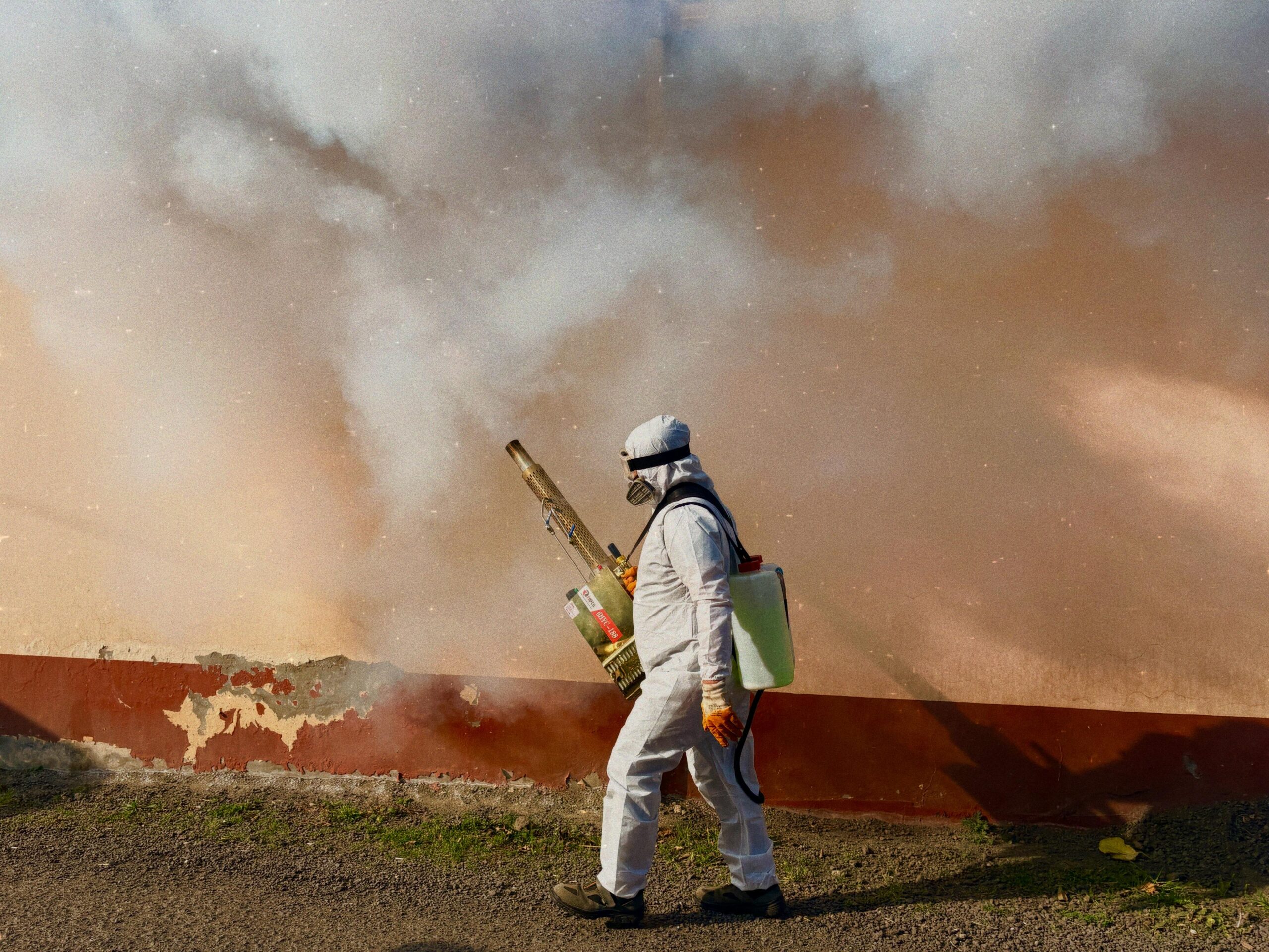
Over‑the‑counter sprays work for spot treatment, but fogging and misting systems deliver a uniform layer of insecticide over larger areas. Foggers release a fine aerosol that settles quickly on vegetation and hard surfaces, creating a temporary “kill zone” that lasts 1‑2 weeks. Misting systems, often installed by pest‑control pros, use a low‑volume pump to disperse a continuous mist of larvicide or adulticide, providing ongoing protection throughout the season.
The key differences are coverage and duration. Fogging is a one‑time event, ideal for emergency knock‑down before a backyard gathering. Misting requires equipment installation but can be calibrated to treat your entire property every 7‑14 days, maintaining a consistent barrier.
Re‑treatment intervals depend on the product’s residual life and local mosquito pressure. Most professionals recommend a follow‑up fog or mist session 2 weeks after the initial application, then monthly during peak summer months.
Safety Tips for DIY Chemical Use
- Read the label. The label is the law—ignore it at your own risk.
- Wear protective gear. Gloves, long sleeves, goggles, and a mask reduce skin and inhalation exposure.
- Apply in calm weather. Wind can carry spray onto non‑target plants, pets, or neighboring homes.
- Store products securely. Keep all pesticides out of reach of children and pets, preferably in a locked cabinet.
- Dispose properly. Follow local regulations for empty containers and leftover chemicals.
When to Call a Professional
If you’re dealing with a large property, persistent hotspots, or simply want peace of mind, a licensed exterminator can tailor a program that blends all of the methods above. Anthem Pest’s mosquito‑control services combine source‑reduction consulting, professional‑grade adulticides, Bti larvicides, and optional misting systems—all backed by a safety‑first approach.
Learn more about their detailed service options by visiting Anthem Pest’s website. Their experts can assess your yard, recommend the right mix of treatments, and schedule re‑applications at the optimal intervals for your neighborhood’s mosquito activity.
Comparing Mosquito Control Pricing Options
Per‑treatment pricing
When you need a one‑off fix—perhaps after a weekend BBQ that attracted a swarm—most companies quote a flat fee per treatment. In Peachtree City, the typical cost ranges from $80 to $150 for a standard residential yard (up to 5,000 sq ft). This price usually includes:
- Application of an EPA‑approved larvicide or adulticide.
- Pre‑treatment inspection to locate breeding hotspots.
- Safety briefing for pets and children.
Per‑treatment plans work best for homeowners who only need occasional relief, have a small property, or want to test a service before committing to a longer contract.
Monthly maintenance plans
Monthly plans spread the cost over the mosquito season—typically April through October. Most providers schedule one visit every 30‑45 days, totaling 5‑7 visits per season. The cumulative price usually lands between $250 and $400, which translates to a 10‑20 % discount compared with paying per visit.
Beyond the obvious savings, monthly plans often bundle extra benefits:
- Quarterly property inspections to catch new breeding sites before they explode.
- Free or discounted add‑ons, such as standing‑water treatments or perimeter barrier upgrades.
- Priority scheduling for emergency re‑treatments after heavy rains.
Homeowners with medium‑to‑large yards (5,000‑10,000 sq ft) or those who host frequent outdoor gatherings typically find monthly plans the most convenient.
Seasonal packages
Seasonal packages lock in a single upfront payment for the entire high‑risk period. Prices generally start at $350 for a standard yard and can stretch to $600 for larger properties. The advantages are clear:
- Price breaks: Up to 30 % off the cumulative cost of individual visits.
- Convenience: No need to remember monthly billing; the service is scheduled automatically.
- Comprehensive coverage: Includes all standard treatments plus at least one supplemental “rain‑reset” application.
This option suits busy homeowners who prefer a hands‑off approach and want the peace of mind that their yard stays protected from the first mosquito‑hatching day to the last frost.
Key factors that influence price
| Factor | Impact on Pricing | Typical Adjustment |
|---|---|---|
| Property size | Larger square footage requires more product and labor. | + $30‑$60 per additional 2,500 sq ft |
| Infestation level | Heavy breeding sites (stagnant water, dense vegetation) demand extra treatments. | + $50‑$100 for intensive prep |
| Geographic location | Neighborhoods closer to wetlands or lakes see higher baseline mosquito activity. | Regional surcharge of 5‑10 % |
Anthem Pest’s commitment to transparent pricing
At Anthem Pest, we believe you should never wonder where your money goes. Our quotes break down every component—product cost, labor, travel time, and any optional add‑ons—so you see the exact value of each service. We also guarantee no hidden fees: the price you approve is the price you pay, whether you choose a single treatment, a monthly plan, or a seasonal package.
Before any work begins, our certified technicians walk you through the estimate, answer questions, and adjust the plan to fit your budget without compromising effectiveness.
Use the infographic to compare local quotes
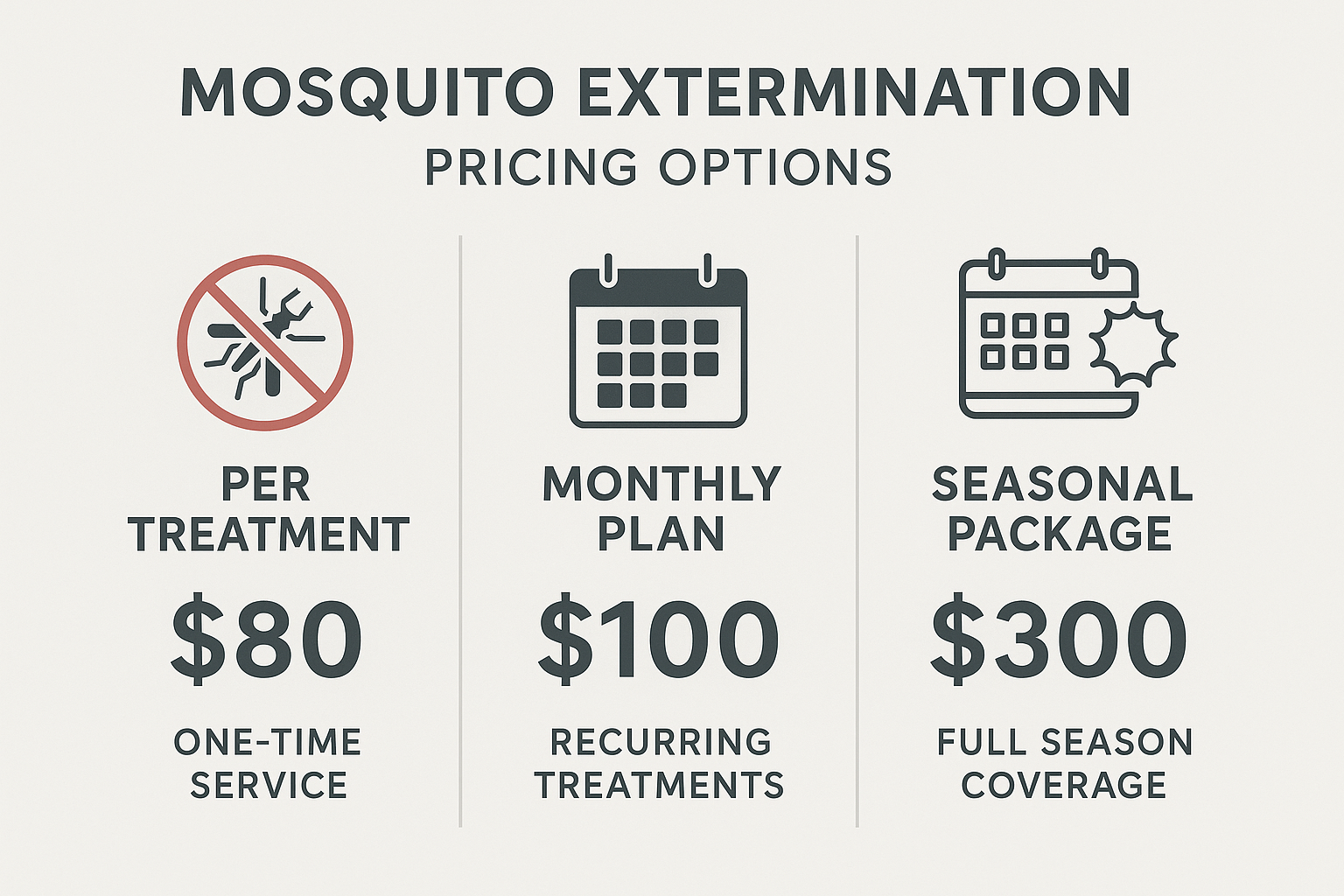
Take a moment to line up the numbers from the chart with the quotes you receive from nearby providers. Look for clear line items, reasonable travel fees, and any discounts for bundling services. When the numbers line up and the service details match Anthem Pest’s transparent approach, you’ll know you’ve found a pricing option that fits both your budget and your peace of mind.
Seasonal Timing: When to Schedule Mosquito Treatments
Mosquitoes are not just a summer nuisance; their life cycle is tightly linked to temperature, humidity, and daylight hours. Understanding each stage—egg, larva, pupa, and adult—lets you pinpoint the moments when a treatment will hit the hardest. In Peachtree City, the warm months accelerate development, while cooler periods slow it down, creating distinct windows for intervention.
Life Cycle and Temperature
Female mosquitoes lay eggs on the surface of standing water. When temperatures hover above 68°F (20°C), eggs hatch within 24‑48 hours, releasing larvae that feed and grow in the water. As the water warms to 80°F (27°C), the larval stage can compress to just five days, followed by a pupal phase lasting 1‑2 days before the adult emerges. Below 60°F, development stalls, and eggs may remain dormant through winter, waiting for the next warm spell.
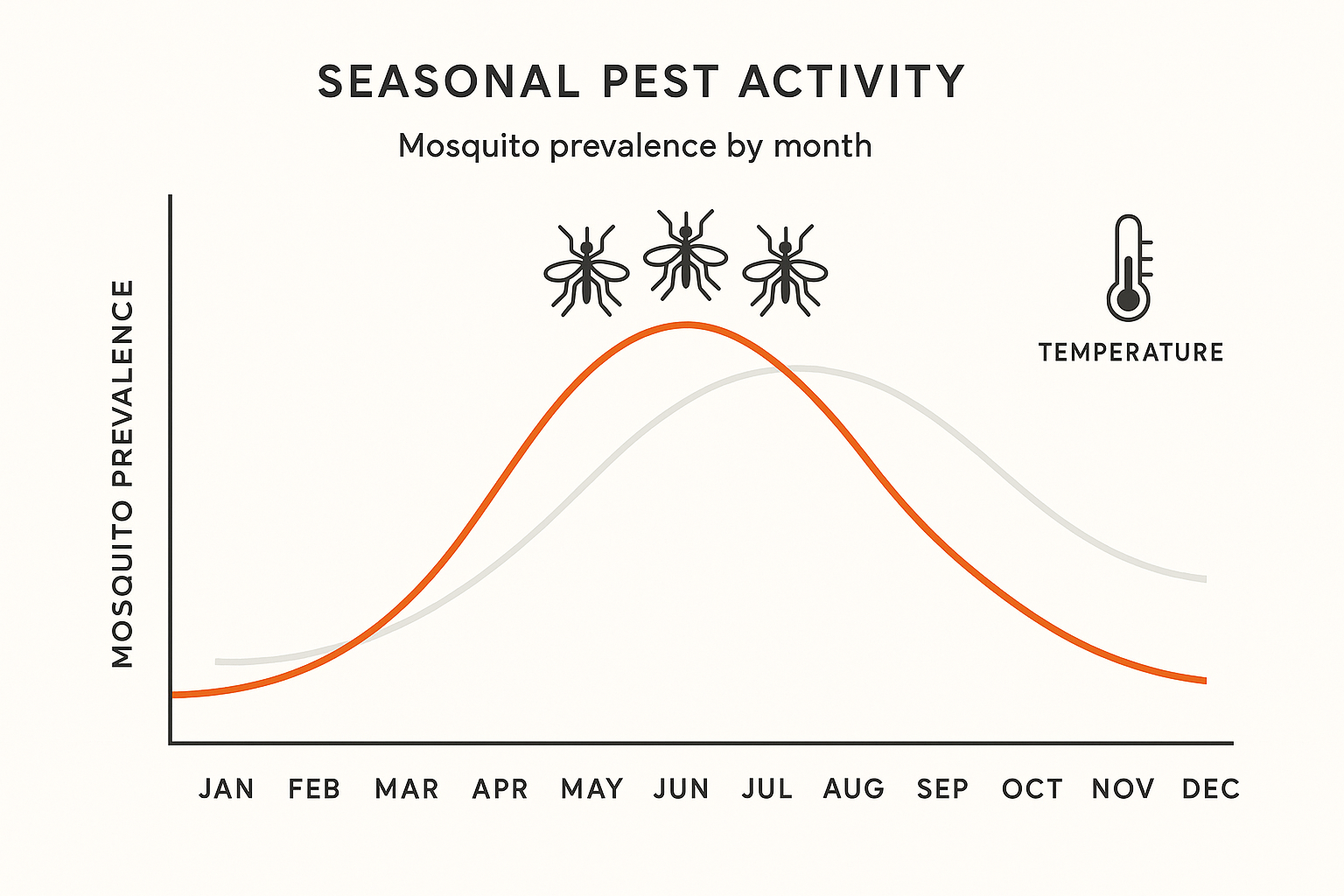
Reading the Seasonal Activity Chart
The chart below overlays average monthly temperatures with mosquito activity levels for the Peachtree City area. Peak activity spikes in July and August when average highs exceed 90°F (32°C). Early spring (March‑April) shows a modest rise as the first eggs hatch, while late fall (October‑November) sees a gradual decline as temperatures dip below the 70°F threshold.
Recommended Treatment Calendar
- Pre‑season (early spring, late March‑early April): Apply a larvicide to any standing water and treat perimeter vegetation. This stops the first wave of larvae before they become flying adults.
- Mid‑season (mid‑summer, July‑August): Conduct a full‑coverage adulticide spray when the population peaks. Pair this with targeted larvicide boosters after heavy rains.
- Post‑season (late fall, late October‑early November): Perform a final perimeter treatment and clear out any remaining water sources. This prevents overwintering eggs from hatching early next spring.
Why Timing Matters
Aligning treatments with the activity chart maximizes efficacy because chemicals hit the mosquito at its most vulnerable stage—either as larvae in water or as newly emerged adults seeking a blood meal. Precise timing also reduces the total amount of pesticide needed, translating into lower costs for homeowners and a smaller environmental footprint. By treating early, you avoid the exponential population boom that occurs when a single batch of eggs goes unchecked.
How Anthem Pest Tailors Your Schedule
Anthem Pest doesn’t rely on a one‑size‑fits‑all calendar. Our technicians analyze local climate data, property size, and specific breeding hotspots—such as backyard ponds, rain barrels, or shaded gutters—to craft a customized plan. For a suburban lot with a large ornamental pond, we might add an extra larvicide application in June, whereas a smaller urban yard may only need the three core visits outlined above. This bespoke approach ensures you receive the right treatment at the right time, keeping your yard comfortable all season while protecting your family from mosquito‑borne diseases.
Choose Professional Help and Get a Free Quote Today
Why Mosquito Control Matters
Every summer in Peachtree City, the buzz of mosquitoes can turn a backyard barbecue into a night of endless swatting. Beyond the annoyance, these insects carry diseases such as West Nile virus and Zika, putting your family’s health at risk. While DIY sprays and home remedies may offer a temporary reprieve, they often miss hidden breeding sites, provide uneven coverage, and can even create resistance over time. Skipping professional treatment means you’re gambling with both comfort and safety.
Pricing Models and Seasonal Timing – A Quick Reminder
Anthem Pest Control offers three transparent pricing options to fit any budget:
- One‑time treatment: Ideal for homeowners who need immediate relief before a special event.
- Seasonal package: Covers the entire mosquito season (typically May through October), ensuring consistent protection as populations rise.
- Annual subscription: Guarantees year‑round monitoring, early‑season interventions, and priority scheduling.
Timing is crucial. Treat early—when larvae are still in the water—and you prevent the next wave of adult mosquitoes from emerging. A late‑summer application may still help, but it won’t be as cost‑effective as an early, comprehensive approach.
Anthem Pest Control Credentials You Can Trust
When you choose Anthem, you’re partnering with a nationwide leader that adheres to the highest industry standards:
- All technicians are fully licensed and undergo regular training on the latest control methods.
- We operate across the United States, bringing a depth of experience that local-only companies often lack.
- Our treatments use EPA‑approved products that are both effective against mosquitoes and safe for children, pets, and the environment.
- Pricing is transparent from the start—no hidden fees, no surprise add‑ons.
These credentials translate into peace of mind. You can relax on your patio knowing that a qualified professional has identified every potential breeding site, applied the right dosage, and documented the work for future reference.
Ready for a Mosquito‑Free Yard?
If you’re ready to reclaim your outdoor space, Anthem Pest Control offers a complimentary inspection and a free, no‑obligation quote. Our team will assess your property, discuss the best pricing model for your needs, and schedule treatment at the optimal time for maximum impact.
Call us today at 877‑371‑8196 or visit our website to request your free quote. Let us handle the buzz so you can enjoy a peaceful, bite‑free summer.