Georgia Mosquito Threats Overview
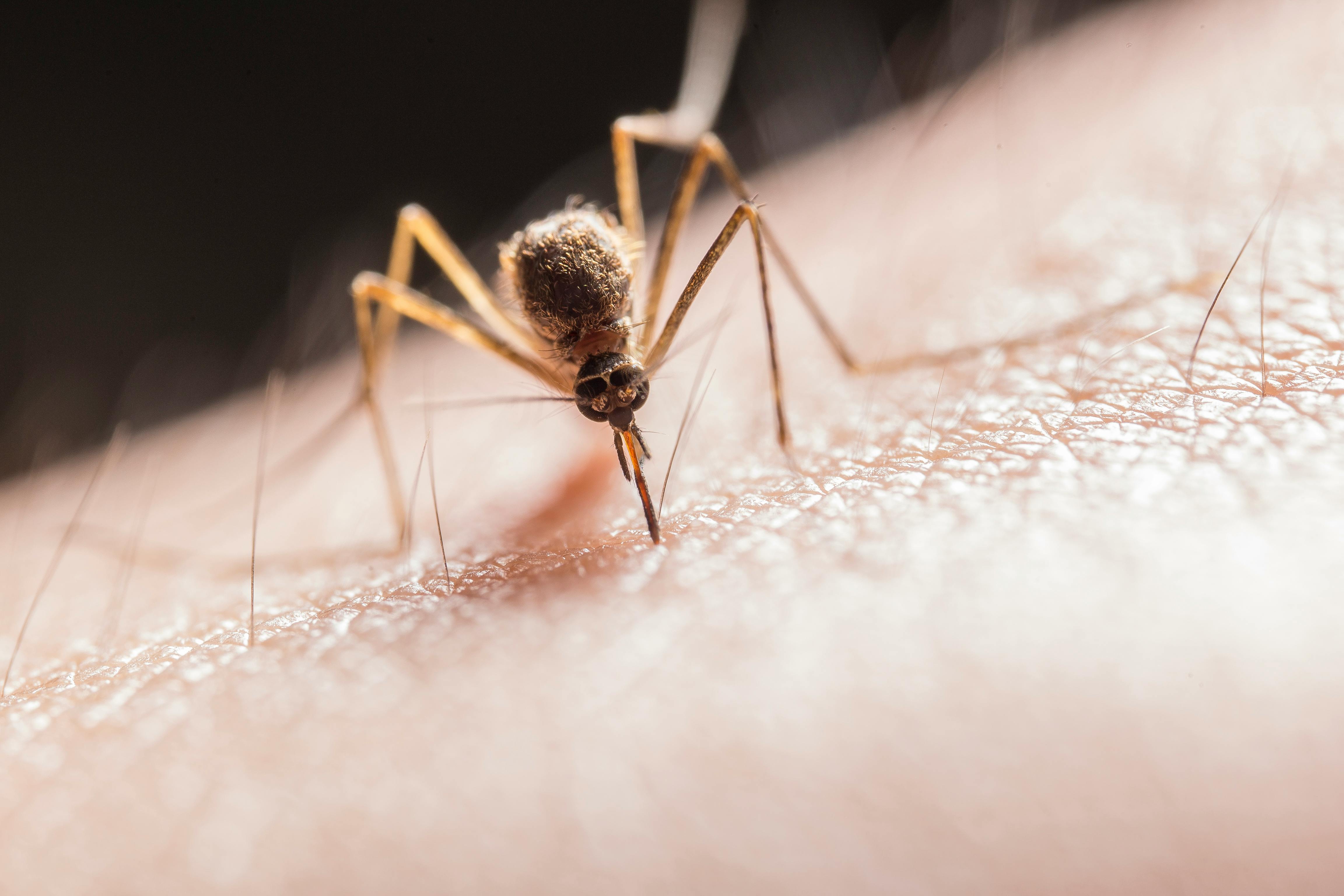
Georgia’s climate is a perfect recipe for mosquito proliferation, which is why working with a mosquito exterminator Suwanee homeowners trust is often necessary. Hot summers, mild winters, and abundant rainfall create countless pockets of standing water—ideal breeding grounds for these tiny pests. Even a small puddle left after a summer thunderstorm can hatch hundreds of larvae within a week, turning backyards, decks, and even rain gutters into mosquito nurseries.
Common Mosquito Species in Georgia
Homeowners should know the three primary culprits that thrive in the Peach State:
- Aedes (e.g., Aedes albopictus – Asian tiger mosquito): Aggressive daytime biters that love to hover around shaded, damp areas. They are capable vectors of Dengue, Zika, and Chikungunya viruses.
- Culex (e.g., Culex quinquefasciatus – Southern house mosquito): Most active at dusk and dawn. These species are the main carriers of West Nile virus and can also transmit Saint Louis encephalitis.
- Anopheles (e.g., Anopheles quadrimaculatus): Primarily night feeders that prefer cleaner, sun‑lit water bodies. They are the historic vectors of malaria, though local transmission is rare, the species still poses a health concern.
Visible Signs of Mosquito Activity
Spotting a problem early can save you from itchy bites and potential disease exposure. Keep an eye out for:
- Unexplained, itchy welts appearing after evenings spent outdoors.
- Swarming activity near standing water, especially in shaded areas.
- Visible larvae or pupae in water containers, birdbaths, or clogged gutters.
- Increased mosquito presence around dusk, indicating a mature breeding cycle.
Why Early Detection Matters
Mosquito populations expand exponentially. A single female can lay up to 200 eggs in a single breeding cycle; within a month, that can translate to thousands of biting insects. Early detection allows you to eliminate standing water and intervene with targeted treatments before the population explodes. Proactive control not only reduces nuisance bites but also minimizes the risk of disease transmission to you, your family, and your pets.
EPA Guidance on Mosquito Management
The U.S. Environmental Protection Agency emphasizes an integrated approach: source reduction, larval control, and adult suppression. According to the EPA’s Mosquito Control Guidance, homeowners should regularly inspect and empty containers that hold water for more than five days, maintain proper drainage, and consider EPA‑registered larvicides for persistent breeding sites. Pairing these steps with professional mosquito management ensures a comprehensive, environmentally responsible solution.
By understanding Georgia’s climate, the species that thrive here, and the early warning signs of infestation, you’re equipped to act before mosquitoes become a health hazard. Anthem Pest Control offers a science‑backed, locally tuned mosquito management program that aligns with EPA recommendations—keeping your yard comfortable and safe all season long.
Seasonal Mosquito Activity in Georgia
How to read the seasonal activity chart
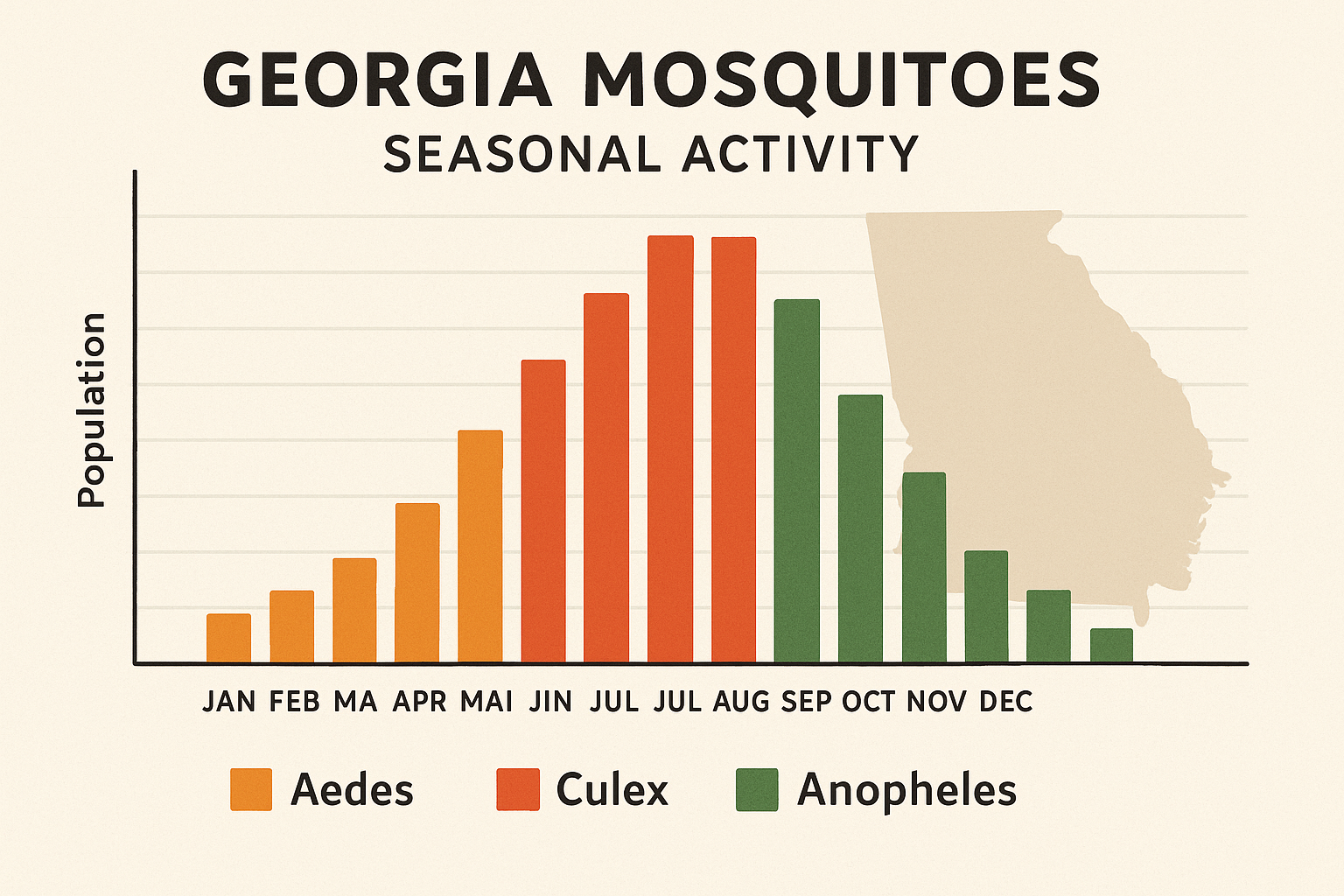
The chart tracks the average adult mosquito count for three common Georgia species across the 12 months. The horizontal axis shows each month, while the vertical axis represents relative abundance (low = 1, high = 10). Colored lines correspond to Aedes (green), Culex (blue), and Anopheles (red). Hovering over a point in the interactive version reveals the exact count for that month, making it easy to spot when each species spikes.
Peak months by species
- Aedes (spring): Numbers climb in March, peak in May, then taper off as temperatures rise above 85 °F. This species thrives in warm, sunny days following early‑season rain.
- Culex (summer‑early fall): The Culex curve surges in June, reaches its apex in August, and remains elevated through September. These mosquitoes love stagnant water that forms after summer thunderstorms.
- Anopheles (late summer): Anopheles appears later, with a modest rise in July and a sharp peak in late August to early September. They prefer cooler, shaded pools that develop after the hottest weeks.
Weather patterns that shift the peaks
Rainfall and temperature are the two biggest drivers of mosquito timing. A wet spring—think March‑April showers—can push Aedes activity two weeks earlier, while a dry summer may suppress Culex numbers despite high heat. Conversely, an unseasonably warm September can extend Culex and Anopheles activity well into October. Monitoring local forecasts helps you anticipate these shifts and adjust treatment schedules accordingly.
Homeowner actions during high‑risk periods
- Eliminate standing water weekly: Empty bird baths, pet dishes, and plant saucers at least every 48 hours during peak months.
- Maintain proper drainage: Ensure gutters, downspouts, and yard grading direct water away from foundations.
- Trim vegetation: Cut back dense grass and shrubs that create cool, humid micro‑climates favored by Anopheles.
- Use larvicides strategically: Apply EPA‑approved larvicides to ponds, rain barrels, or any water feature that cannot be emptied.
- Schedule professional treatments: Align your service window with the chart’s peaks—early May for Aedes, mid‑July for Culex, and late August for Anopheles—to maximize impact.
For a comprehensive, science‑backed approach, refer to the EPA Seasonal Mosquito Control Guide. Following these recommendations alongside Anthem Pest Control’s expertise ensures you stay one step ahead of Georgia’s most persistent buzzers.
Effective Mosquito Treatment Methods

Barrier Sprays, Larvicides, and Misting Systems – The Core Options
When it comes to keeping mosquitoes at bay, a mosquito exterminator Suwanee homeowners rely on typically recommends three professional-grade solutions: outdoor barrier sprays, larvicides, and automated misting systems. Barrier sprays create a thin, invisible shield on vegetation, decks, and other resting sites, typically lasting three to four weeks. Larvicides target the immature stages of mosquitoes in standing water, disrupting the life cycle before adults ever emerge. Misting systems continuously disperse a fine mist of EPA-approved insecticide, providing round-the-clock protection for larger properties or commercial spaces.
How Professionals Apply Outdoor Barrier Treatments
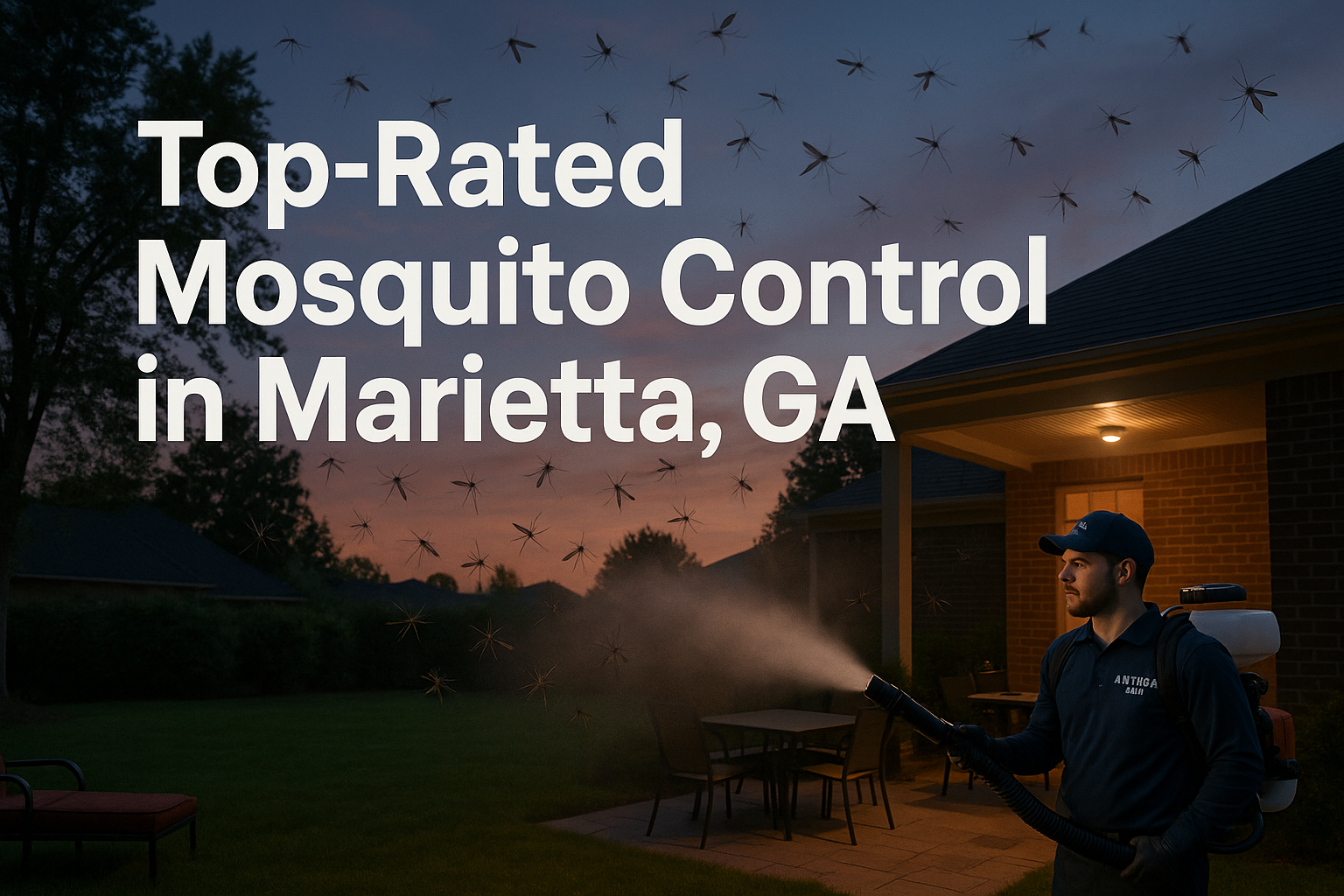
Our certified technicians follow a precise protocol to maximize safety and efficacy. First, they don protective gear—gloves, goggles, and respirators—to safeguard themselves and your family. Next, they conduct a thorough site assessment, noting wind direction, sun exposure, and potential drift zones. The spray is then applied with calibrated equipment, ensuring even coverage on all foliage, shrubs, and hardscape surfaces. Timing matters: most experts treat in the early evening when mosquitoes are most active but before the wind picks up, allowing the product to settle where it’s needed most.
Homeowner‑Friendly Options and Their Limits
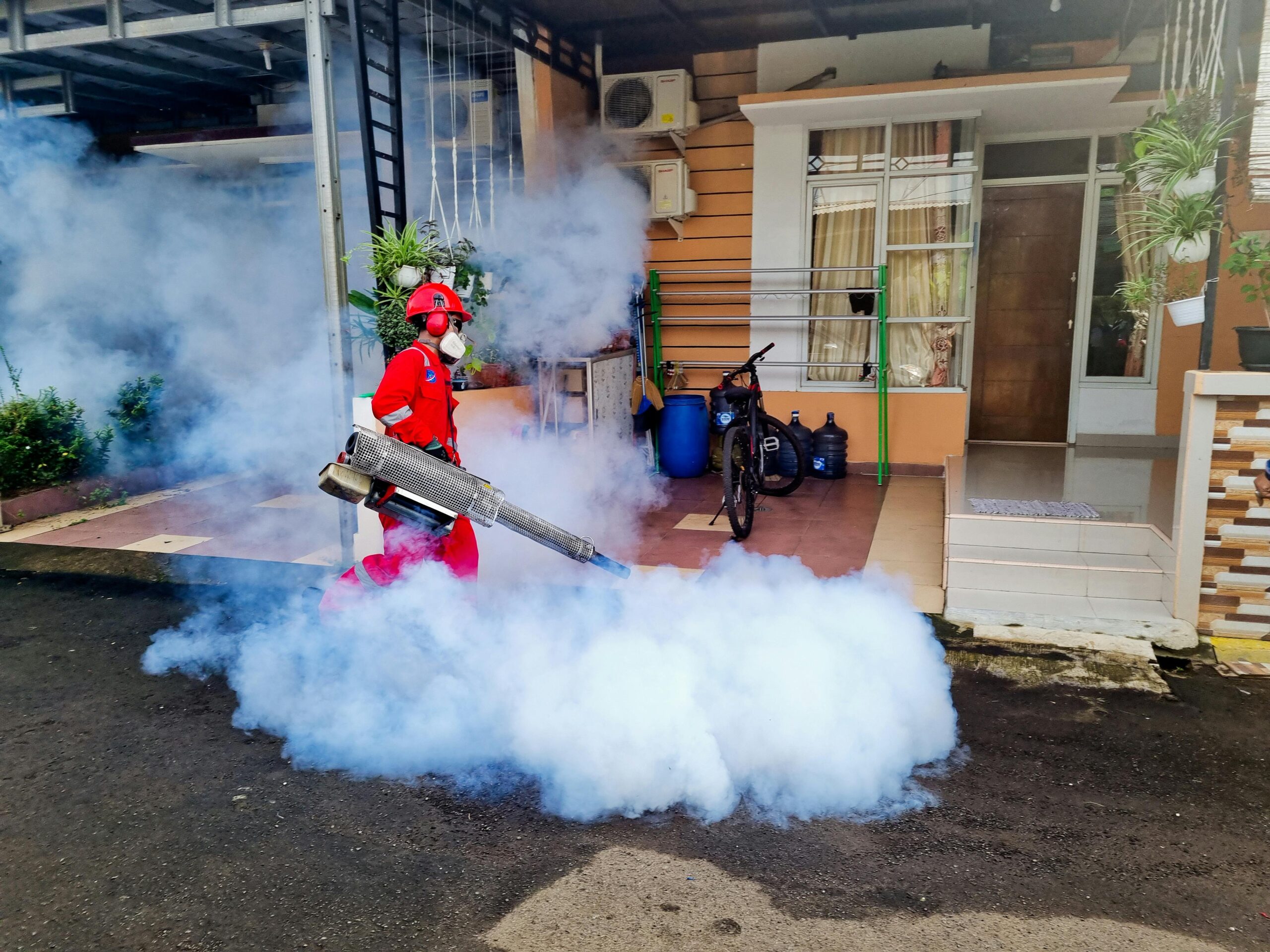
DIY foggers and source‑reduction techniques are popular for budget‑conscious homeowners. Foggers can deliver a quick knock‑down effect, but the residual protection fades within a few days, and improper use may expose residents to unnecessary chemicals. Source reduction—eliminating standing water, trimming overgrown vegetation, and installing screens—greatly reduces breeding sites, yet it rarely eliminates an established infestation on its own. Pairing these DIY steps with a professional barrier spray often yields the most reliable results.
EPA‑Approved Products and Eco‑Conscious Practices
All treatments we recommend are listed on the U.S. Environmental Protection Agency’s (EPA) approved pesticide registry. This guarantees that the active ingredients have been rigorously evaluated for human health and environmental impact. We also prioritize formulations with low toxicity to beneficial insects, such as bees and ladybugs, and employ application techniques that minimize runoff. When possible, we integrate integrated pest management (IPM) principles—using the least invasive method first and escalating only if needed.
Quick Comparison of Common Mosquito Treatments
| Treatment Type | Duration of Protection | Typical Coverage Area | Approximate Cost Range |
|---|---|---|---|
| Barrier Spray (Professional) | 3–4 weeks | 0.25–0.5 acre | $100–$200 per visit |
| Larvicide (Professional) | 7–14 days | Targeted water bodies | $50–$150 per treatment |
| Misting System (Installed) | Continuous (system‑based) | 1–5 acres (depends on nozzle layout) | $500–$1,200 installation + $30–$60 refill |
| DIY Fogger | 1–3 days | Up to 0.1 acre (limited by canister size) | $20–$60 per can |
Choosing the right method hinges on your property size, budget, and how quickly you need relief. For most Suwanee homeowners, a professionally applied barrier spray combined with simple source‑reduction steps offers the best balance of safety, cost, and lasting protection. If you have a larger yard or a community setting, a misting system can provide seamless, year‑round control—though the upfront investment is higher.
At Anthem Pest Control, we tailor each plan to your specific needs, ensuring that every product we use meets EPA standards and that our application respects your family’s health and the local ecosystem. Ready to discuss which solution fits your home? Give us a call at 877‑371‑8196 or visit our website for a free assessment.
Mosquito Control Pricing Options
When it comes to keeping your yard bite‑free, Anthem Pest Control offers three straightforward plans that let you match service level with budget and property size. Whether you need a single “quick fix” before a backyard BBQ or a year‑long shield against seasonal swarms, you’ll see the cost, coverage and expected results side‑by‑side.
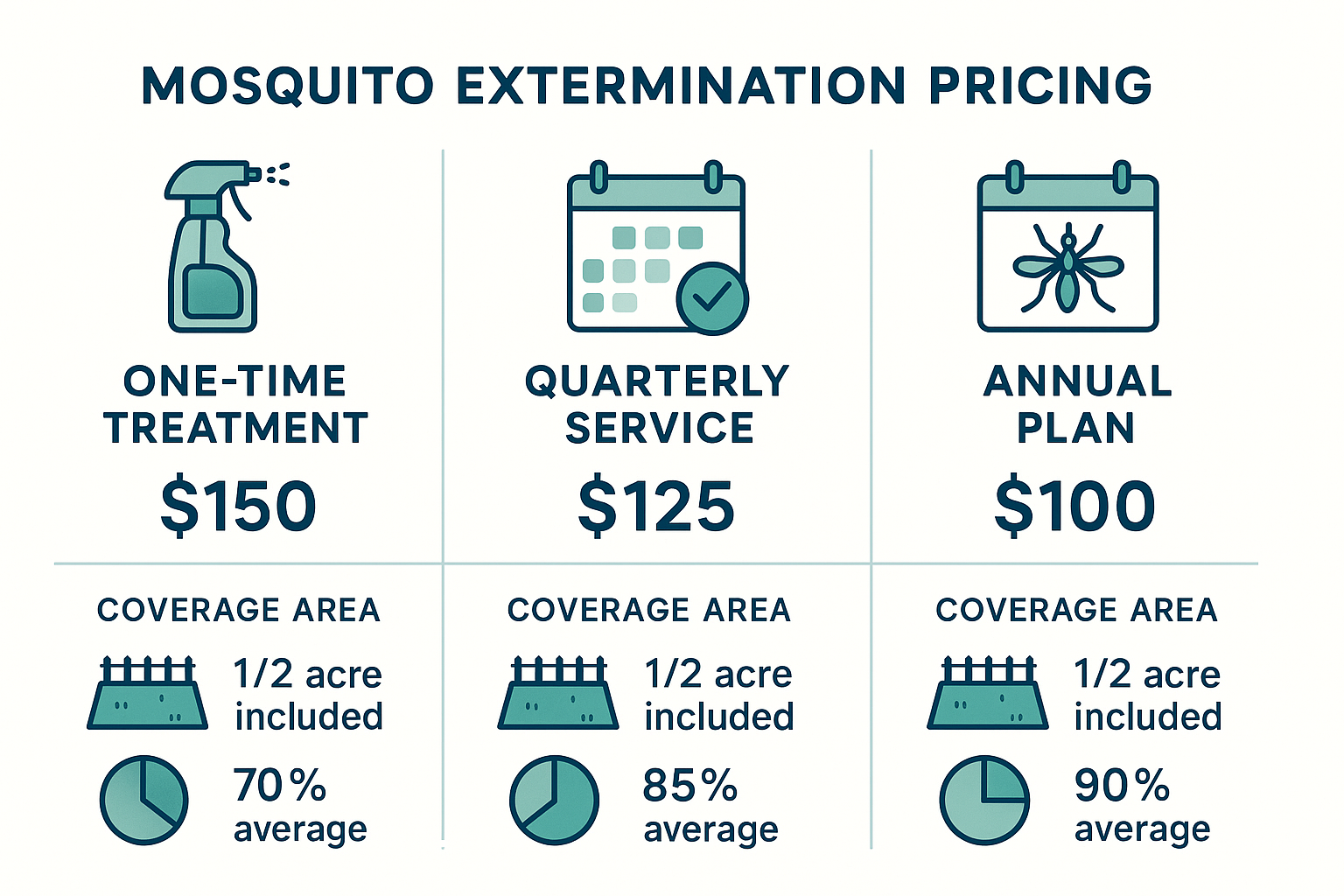
| Plan | Cost per Treatment | Coverage Area | Average Effectiveness |
|---|---|---|---|
| One‑Time Treatment | $99 | Up to 5,000 sq ft | 70‑80 % |
| Quarterly Service | $279 / year (4 visits) | Up to 8,000 sq ft | 85‑90 % |
| Annual Plan | $499 / year (12 visits) | Up to 12,000 sq ft | 95‑98 % |
One‑Time Treatment
This entry-level option is perfect for homeowners who need immediate relief for a specific event or a small yard. A mosquito exterminator Suwanee residents rely on provides a thorough inspection, a single application of EPA-approved larvicides and adulticides, and a 30-day re-treatment guarantee if mosquitoes return.
Quarterly Service
Four visits spread across the peak mosquito season (typically May through September) keep the breeding cycle broken. Each visit features a detailed inspection, perimeter barrier treatment, and a follow‑up check. The plan also covers a complimentary re‑treatment if the effectiveness drops below the promised 85 %.
Annual Plan
Designed for larger properties or high‑risk neighborhoods, the annual plan delivers a monthly visit that combines barrier sprays, larval control in standing water, and ongoing monitoring. Homeowners receive a comprehensive inspection report, unlimited re‑treatments, and a dedicated service manager to answer any questions.
Evaluating ROI starts with assessing your seasonal risk—areas near wetlands, lakes, or dense foliage tend to see higher mosquito activity. Next, calculate the square footage you need covered; larger yards benefit more from the quarterly or annual plans, which spread the cost over multiple treatments and reduce the likelihood of repeat infestations. Multiply the annual cost by the expected reduction in mosquito density (as shown in the table) to gauge how many “bites saved” you’ll gain per dollar spent.
Anthem Pest Control’s transparent pricing philosophy means there are no hidden fees, no surprise mark‑ups, and a clear breakdown of what each visit includes. By matching the plan to your property’s size and the local mosquito pressure, you can protect your family while keeping the expense predictable and fair.
Protect Your Home with Anthem Pest Control
Understanding the mosquito species that frequent Suwanee, recognizing their seasonal peaks, and knowing the most effective treatment options are the three pillars of a truly mosquito‑free yard. Different species bite at different times and require tailored approaches—some thrive in early summer, while others surge after a rainstorm. By identifying these patterns, you can time interventions for maximum impact and avoid costly, reactive sprays.
EPA‑Approved, Technician‑Driven Solutions
Anthem’s certified technicians bring more than a spray can to the job. Every professional is trained to apply EPA‑approved products that target adult mosquitoes and their larvae without jeopardizing your family, pets, or the surrounding environment. They conduct a thorough site assessment, map breeding hotspots, and choose the right formulation—whether it’s a residual barrier, larvicide, or fogger—ensuring the treatment aligns with local regulations and your specific yard layout.
Flexible Plans and Transparent Pricing
Homeowners appreciate clear, upfront costs, and Anthem delivers just that. Their service plans are built around flexibility: choose a one‑time treatment, a seasonal package, or an annual protection plan that fits your budget and lifestyle. There are no hidden fees; every quote breaks down labor, product, and follow‑up visits, so you know exactly what you’re paying for. The convenience of scheduled visits means you won’t have to remember to call back when the next peak arrives.
Take the First Step Toward a Mosquito‑Free Summer
Ready to protect your family’s outdoor enjoyment? A mosquito exterminator Suwanee homeowners trust—Anthem Pest Control—offers a free, no-obligation quote that outlines the best strategy for your property. Simply call 877-371-8196 or visit Anthem Pest Control to schedule your assessment. A quick conversation with a local expert can put you on the path to a bite-free backyard, giving you peace of mind and more time to relax outdoors.