Why Tick Control Matters in Dunwoody
Ticks are more than a nuisance in Dunwoody; they are vectors for serious illnesses that can affect anyone who spends time outdoors, which is why many homeowners turn to a professional tick exterminator Dunwoody residents trust. In North Georgia the two most common tick-borne threats are Lyme disease, caused by the bacterium Borrelia burgdorferi, and Rocky Mountain spotted fever, transmitted by the American dog tick. Both can produce flu-like symptoms, joint pain, and, if left untreated, long-term health complications.
The risk is not theoretical. The CDC estimates that roughly 30,000 cases of Lyme disease are reported each year across the United States, and Georgia consistently ranks among the higher‑risk states for tick exposure. CDC Tick Prevention highlights the growing geographic spread of infected ticks, underscoring why local vigilance is essential.
Dunwoody’s climate and landscape create an ideal breeding ground for these pests. Warm, humid summers accelerate tick life cycles, while the city’s tree‑lined streets, mature oak and pine stands, and nearby parks provide the leaf litter and wildlife hosts—especially white‑tailed deer and rodents—that ticks need to survive and multiply. This combination means that even a well‑maintained yard can harbor hidden tick hotspots.
That’s where Anthem Pest steps in. Our mission is simple: protect families in Dunwoody with safe, affordable tick solutions that work before the season peaks. We use EPA‑approved products applied by certified technicians who understand the local ecology, so you get a treatment plan that targets both adult ticks and the hidden larvae in your yard’s micro‑habitats. Transparent pricing and a satisfaction guarantee give you peace of mind, knowing a trusted neighbor handles the problem.
Understanding why ticks are such a persistent threat helps you see the value of a control program. In the sections that follow we’ll walk you through the signs of infestation, the steps Anthem Pest takes during an inspection, and the seasonal timing that maximizes effectiveness. Armed with this knowledge, you’ll be ready to keep your family and pets safe while enjoying Dunwoody’s outdoors.
Common Tick Species and Their Life Cycle

North Georgia’s humid summers create a perfect environment for ticks, and most homeowners in Dunwoody, Brookhaven, and Peachtree Corners will encounter two species more often than any others. Knowing which tick you’re dealing with and how it develops helps you time prevention measures before the bugs become a real threat.
Key Species in the Area
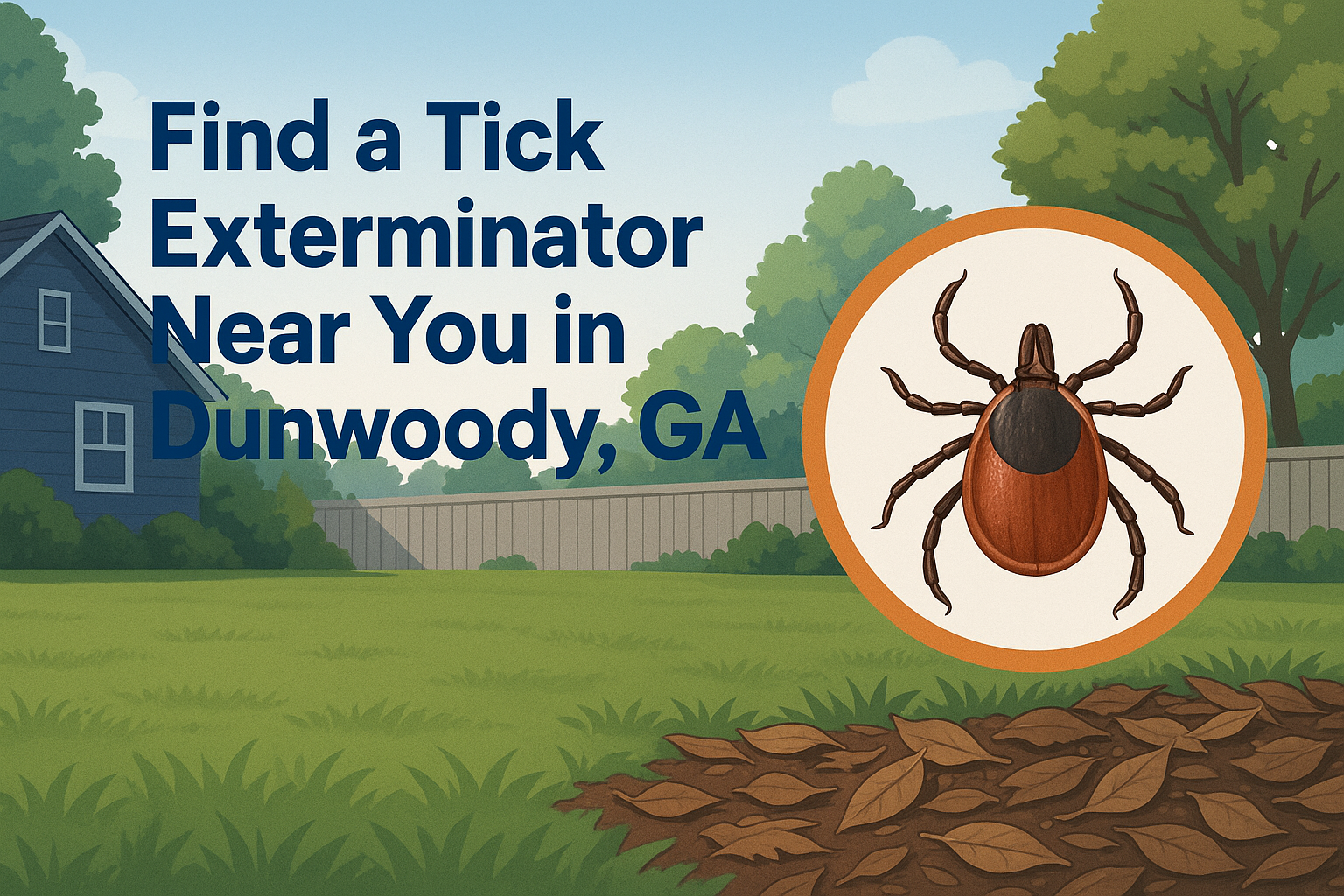
Black‑legged (deer) tick (Ixodes scapularis)—often called the deer tick—has a reddish‑brown body and a distinct dark patch on the back of its adult female. The legs are noticeably darker than the body, giving the name “black‑legged.” This species is the primary vector for Lyme disease in the Southeast.
Lone‑star tick (Amblyomma americanum) is larger, with a tan‑brown shell and a characteristic white spot on the back of adult females—hence the “lone‑star” nickname. Nymphs lack the spot, making identification a bit trickier, but their size and aggressive questing behavior set them apart.
Two‑Year Life Cycle
Both ticks follow a four‑stage, two‑year cycle: egg → larva → nymph → adult. After a female lays thousands of eggs in the spring, larvae hatch and wait on leaf litter for a tiny host—usually a mouse or chipmunk. Within weeks they molt into nymphs, which are more mobile and can climb onto larger hosts, including humans. By late summer or early fall, nymphs mature into adults, seek larger mammals (often deer), mate, and the females drop off to lay a new batch of eggs.
Peak activity occurs from May through September, when temperatures consistently sit between 70 °F and 85 °F. During this window, the likelihood of encountering an active nymph or adult spikes dramatically.
According to the EPA, 1 in 5 outdoor workers in the Southeast reports a tick bite each summer.
Why Our Neighborhoods Invite Ticks
The micro‑climate of Dunwoody’s wooded subdivisions amplifies tick risk. Key factors include:
- Warm, humid summers that keep leaf litter moist.
- Abundant leaf litter and organic debris, which protect larvae and nymphs from desiccation.
- Proximity to wooded corridors and parks where deer and small mammals thrive.
- Backyards with dense shrubbery or shaded areas that mimic natural forest understory.
Communities like Brookhaven and Peachtree Corners feature exactly these conditions—lots of mature trees, a carpet of fallen leaves, and frequent wildlife movement. Recognizing the visual cue of thick leaf litter in your yard is the first step toward targeted tick control. By reducing that habitat and scheduling professional treatments during the early spring, you can break the life cycle before nymphs become a summer nuisance.
Spotting the Hotspots Around Your Property
Ticks thrive in tiny, damp corners of a yard where moisture, shade, and access to hosts come together. In Dunwoody, common hotspots include overgrown lawns, leaf piles, wood stacks, and dense shrubs that trap humidity and create ideal hiding places. Areas along fence lines, stone walls, and the edges where your lawn meets wooded sections are especially prone to tick activity, as wildlife like deer and rodents frequently pass through these zones and carry ticks with them.
What You Can Do Yourself to Reduce Tick Populations
Landscaping Tips
Ticks thrive in cool, moist places that are hidden from sunlight. Simple yard work can dramatically cut their numbers:
- Trim the grass. Mow your lawn to a height of 3 inches or less. Short grass dries faster, making it less inviting for questing ticks.
- Install hard‑surface barriers. Create a 3‑foot wide strip of gravel, wood chips, or mulch around the perimeter of play areas, decks, and the house foundation. Ticks have difficulty crossing dry, abrasive surfaces.
- Clear leaf litter. Remove piles of leaves, pine needles, and other organic debris at least once a week. These layers retain moisture and shelter immature ticks.
- Thin shrubbery. Prune back shrubs and low‑lying branches so that foliage is at least 6 inches off the ground. Open, sun‑exposed areas discourage tick activity.
Personal Protection
Even a perfectly manicured yard can’t guarantee a tick‑free day, so protect yourself and your pets when you’re outdoors:
- Wear protective clothing: Long-sleeved shirts, long pants tucked into socks, and light-colored clothing make it easier to spot ticks.
- Use EPA-approved repellents: Apply insect repellents containing DEET, picaridin, or permethrin on skin and clothing to deter ticks.
- Check frequently: Perform full-body tick checks on yourself, children, and pets after spending time outside. Don’t forget hidden areas like behind ears, under collars, and in hair.
- Protect pets: Use veterinarian-recommended tick prevention products such as collars, topical treatments, or oral medications.
- Create barriers: Keep play areas and patios away from tall grass, leaf piles, and shrub edges where ticks thrive.
Shower after outdoor activities: Showering within two hours of coming indoors helps remove ticks before they attach.
Red Flags That DIY Isn’t Cutting It
When you’re battling ticks on your own, it’s easy to think a quick spray or a few tick tubes will do the trick. But certain signs scream that a do‑it‑yourself approach is simply not enough, and calling a licensed exterminator becomes the safest, most effective move.
1. Swarms in a single sweep or constant bites
If you find dozens of ticks clinging to a single cloth sweep, or if family members are reporting bites night after night, the infestation has reached a density that home‑grown methods can’t eradicate. High tick counts mean the insects have established a breeding hub, and missed spots will quickly repopulate.
2. Wildlife hosts roaming your yard
Deer, raccoons, mice, and even ground‑hogs are natural tick carriers. When you notice tracks, droppings, or actual sightings of these animals, they are continuously re‑introducing ticks no matter how often you treat the grass. A professional program targets both the ticks and the wildlife corridors that feed them.
3. Large or complex property layout
Properties larger than half an acre, or those with steep slopes, dense shrubbery, and hard‑to‑reach corners, create hidden refuges where ticks thrive. DIY sprayers rarely reach the underside of decks, fence lines, or deep leaf litter, leaving untreated pockets that become the next outbreak source.
4. Need for specialized equipment and EPA‑registered products
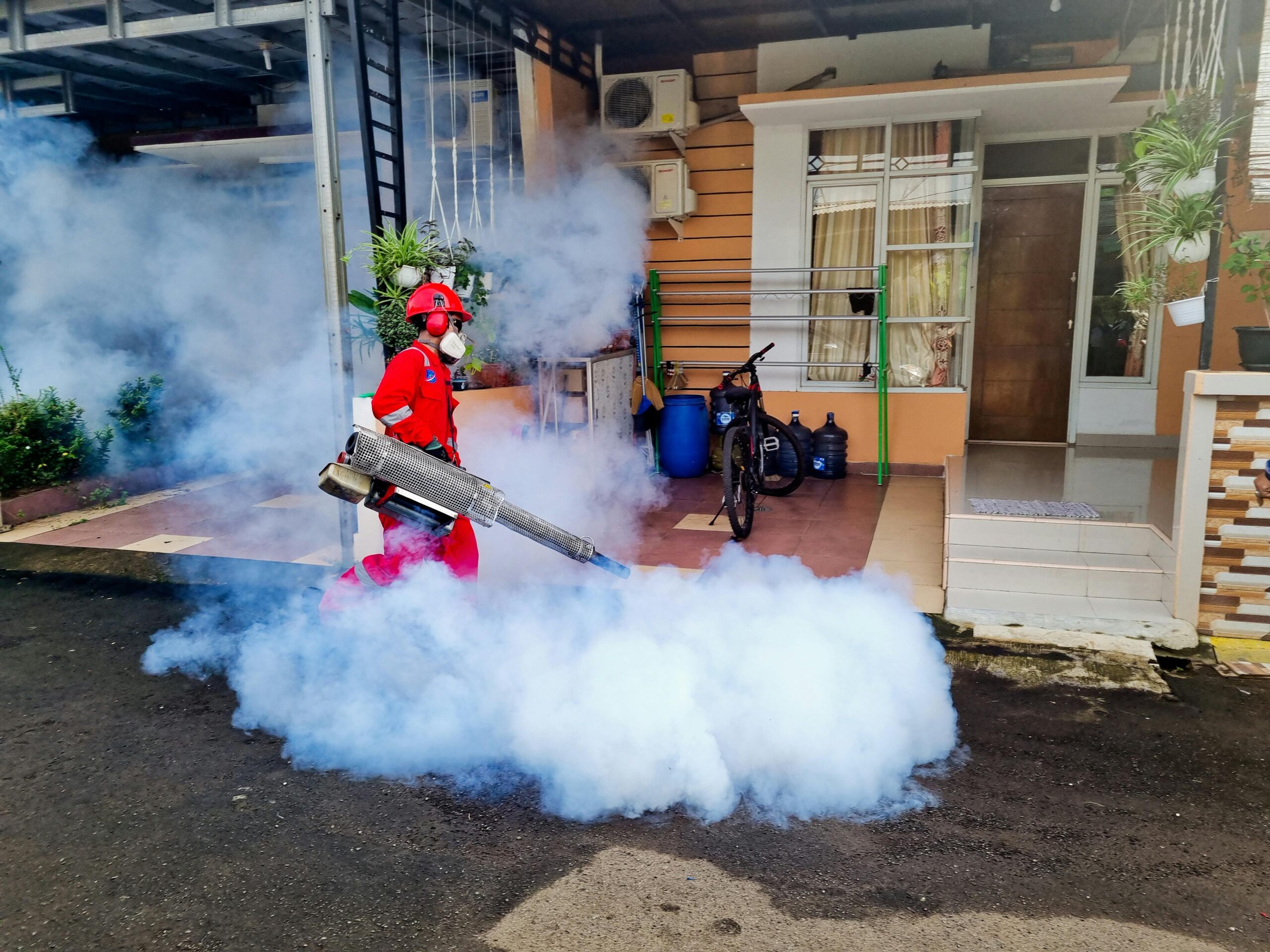
Licensed technicians bring backpack sprayers that deliver a uniform, calibrated mist into low‑lying vegetation and soil cracks—areas a garden hose can’t penetrate. They also install tick tubes strategically, ensuring the natural host (white‑footed mice) picks up the permethrin‑treated fibers. Most importantly, professionals are trained to apply only EPA‑registered formulations at the correct rates, protecting your family, pets, and the environment while guaranteeing efficacy.
Seeing any of these red flags should prompt a call to Anthem Pest Control. Our Dunwoody experts can design a comprehensive tick‑management plan that eliminates the problem at its source.
What to Look for in a Dunwoody Tick Specialist
When you’re hunting for a tick exterminator Dunwoody, the cheapest quote isn’t always the smartest choice. A qualified specialist should meet a handful of non‑negotiable standards that protect your family, pets, and property while ensuring long-term tick control. Look for licensed professionals who use safe, EPA-approved treatments, provide clear service plans, and can identify the hotspots around your yard where ticks are most likely to thrive.
Essential criteria
- Georgia state licensing. The company must hold a valid pest control license issued by the Georgia Department of Agriculture. This proves they’ve passed state‑mandated training and background checks.
- Certified applicator status. Look for technicians who carry a Certified Pesticide Applicator (CPA) credential. Certified applicators know the correct product selection, dosage, and safety protocols for tick treatments.
- Strong online reputation. Consistently high ratings on Google and Yelp (4 stars or above) indicate reliable service and satisfied customers. Read recent reviews for mentions of punctuality, thoroughness, and follow‑up.
- Local knowledge of Dunwoody neighborhoods. Tick hotspots differ from one subdivision to the next. A specialist familiar with the city’s parks, wooded lots, and typical landscaping will target the right habitats and reduce re‑infestation.
Why Anthem Pest stands out
Anthem Pest checks every box on the list and adds a few extra comforts for Dunwoody homeowners. Our 24‑hour response line means you’re never left waiting for a seasonal surge, and our free initial inspection lets us map the exact tick‑prone zones on your property before any chemicals are applied.
Because we’ve serviced Dunwoody for years, we know the common tick habitats—leaf‑laden borders, shaded mulch beds, and the edges of community parks. That local insight lets us choose the most effective treatment plan while minimizing impact on beneficial insects and your family.
Ready to protect your yard?
Give Anthem Pest a call at 877‑371‑8196 or visit Anthem Pest Control to schedule your free inspection today. A tick‑free summer starts with a trusted specialist who meets every professional standard.
When to Treat and How Often to Re‑Treat
Timing is the single most effective weapon against ticks in Dunwoody. By aligning your treatments with the pest’s life cycle, you cut the population before it can establish a foothold around your home and yard.
Early Spring – First Line of Defense (April)
Schedule your initial spray in early April, just before nymphs begin their quest for hosts, and have a trusted tick exterminator Dunwoody handle the application. At this stage, the ticks are still low in number, so a single, thorough treatment can prevent the emerging cohort from spreading and help maintain a safer, tick-free yard throughout the season.
Late Fall – Closing the Gap (October)
Plan a follow‑up treatment in late October, after adult ticks have finished feeding and are seeking shelter. This “clean‑up” spray removes any survivors that slipped through the spring barrier and reduces the overwintering pool.
Quarterly Inspections for High‑Risk Years
In years marked by heavy rain, unusually warm temperatures, or a surge in reported tick activity, add visual inspections every three months. A quick walk‑around of your perimeter, decks, and shaded vegetation helps you spot hotspots before they become full‑blown infestations. During these checks, technicians look for damp leaf litter, deer trails, and low‑lying grass—prime habitats where ticks hide.
Tick‑Tube Maintenance Between Sprays
Tick‑tubes are biodegradable bait stations that release a low‑dose acaricide into the surrounding soil. Deploying them in late spring and again in midsummer provides continuous, low‑level control between your major spray events. They are especially useful around pet pathways and garden beds. Place each tube at the base of a fence post or near a garden trellis, keeping it at least 3 feet from children’s play areas.
Putting It All Together
Think of your schedule as a simple calendar: April – first spray, July – tick‑tube placement, October – second spray, and quarterly checks as needed. This visual cue makes it easy for busy homeowners to stay on track without guessing.
When you partner with Anthem Pest Control, our certified technicians will handle each step—pre‑treatment inspection, precise application, and post‑treatment follow‑up—so you can enjoy a tick‑free yard all year long. Our transparent pricing ensures you know exactly what’s covered in each visit, with no hidden fees.
Protect Your Home and Family Today
When it comes to ticks in Dunwoody, the battle starts with knowing where they love to hide. Typical hotspots include the edges of lawns, shaded garden beds, wood piles, and any area where wildlife frequently passes. Pairing simple DIY steps—like regular mowing, leaf removal, and keeping grass trimmed—with a professional treatment plan creates a double‑layered defense that keeps ticks from setting up camp. The final piece of the puzzle is selecting a licensed, locally‑based provider who understands the specific micro‑climate of Dunwoody.
Anthem Pest delivers exactly that peace of mind. Our technicians use EPA‑approved products that target ticks while protecting pets and children, and we offer clear, upfront pricing so you never face surprise fees. Because we treat each yard as a unique ecosystem, our solutions are both affordable and effective, giving you confidence that your outdoor space stays safe all season long.
Early intervention not only reduces the risk of tick‑borne illnesses but also saves you time and money in the long run. By addressing the problem now, you prevent a small infestation from becoming a full‑scale emergency that could disrupt family gatherings and outdoor fun.
Ready for a tick‑free yard? Contact a professional tick exterminator Dunwoody at Anthem Pest for a free, no‑obligation inspection. Call us today at 877‑371‑8196 or visit our website to schedule your appointment and protect your family and pets from tick-borne illnesses.