Why Ant Problems Start at Home

Ants are opportunistic foragers that thrive on the tiny resources most homes unknowingly provide—food crumbs, moisture, and shelter. Unlike solitary insects, many ant species operate as organized colonies, sending workers out to scout for food and a safe place to nest. When a foraging trail leads to a residential property, the colony can quickly expand, turning a minor nuisance into a full‑blown infestation.
Typical entry points
Most ants gain access through the smallest cracks and gaps. Foundations with settling cracks, gaps around utility lines, and poorly sealed windows or doors act as highways straight into the living space. Even the tiniest opening—sometimes less than a millimeter wide—can be enough for an ant scout to slip through and lay down a pheromone trail that invites the rest of the colony.
How landscaping contributes
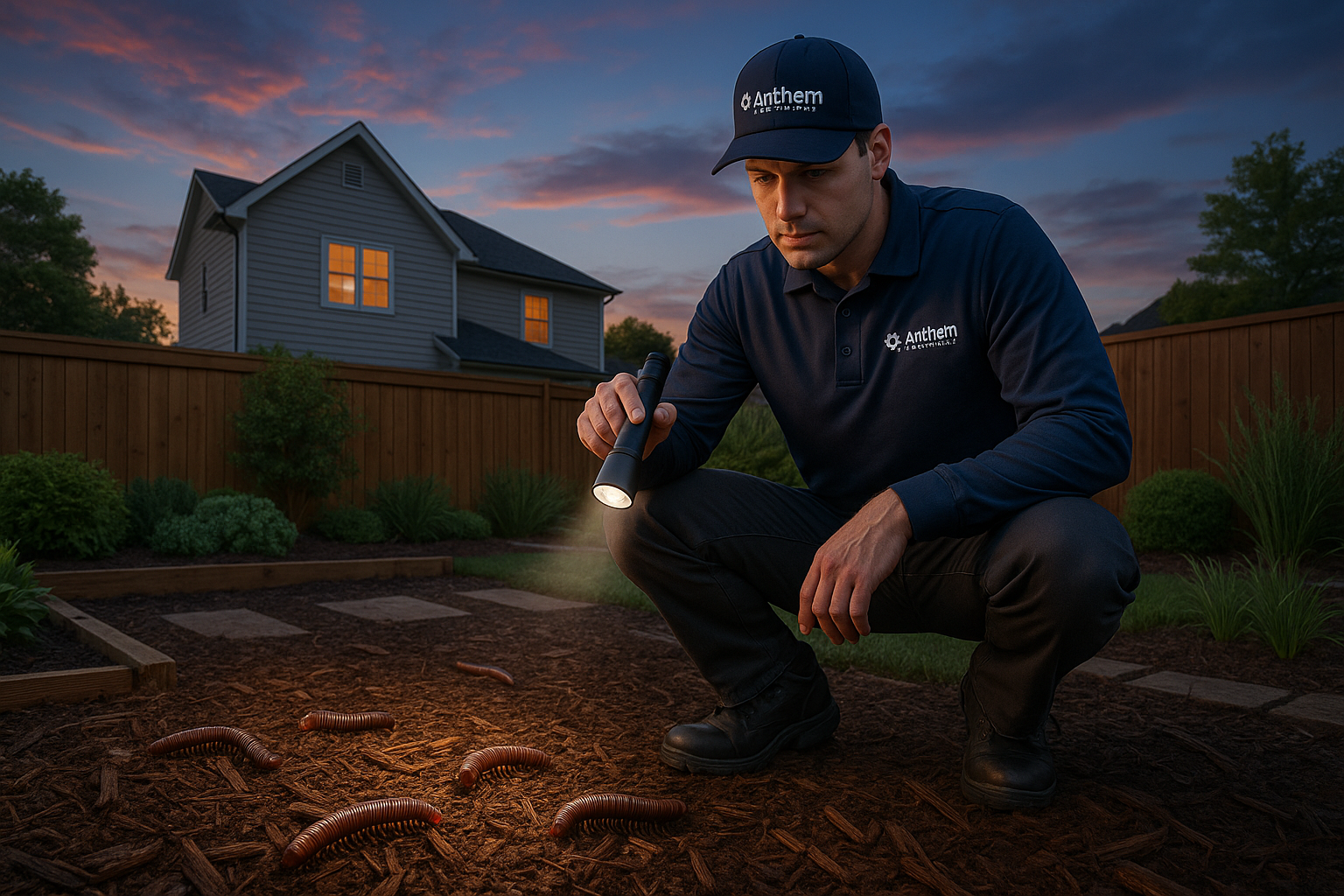
Outdoor features that look attractive to homeowners can also be magnets for ants. Mulch, leaf litter, and dense shrubbery retain moisture and provide a perfect bridge between the soil and your house. Over‑watering flower beds or having a compost pile too close to the foundation creates a constant food source, encouraging ants to set up satellite nests just outside your doors.
Early warning signs
Spotting a few ants is often the first clue that a colony is establishing itself. Look for:
- Thin, winding trails along baseboards, countertops, or window sills.
- Small, shallow nests in wall voids, under appliances, or in garden soil near the house.
- Increased foraging activity during warm, humid evenings, especially near entry points.
These signs usually appear before the colony reaches a size that can cause structural damage or significant food contamination.
Why early detection matters
Ant colonies grow exponentially. A colony that starts with a few dozen workers can swell to thousands within weeks if left unchecked. Early detection allows homeowners to intervene before the ants establish multiple satellite nests, which are far harder and more costly to eradicate. Prompt action also reduces the chance of ants attracting other pests, such as spiders or cockroaches, that feed on their waste and corpses.
For Peachtree City residents, the fastest route to a lasting solution is partnering with a local expert who understands the region’s ant species and seasonal patterns. Anthem Pest Control offers tailored inspections, safe treatment options, and preventative measures that keep ant invasions at bay year after year.
Identifying the Ant Species Found in Peachtree City
Seeing a line of tiny insects marching across your kitchen counter can be alarming, but knowing exactly which ant you’re dealing with makes the fight far easier. In Peachtree City, three culprits dominate most homeowner reports: the Argentine ant, the Pharaoh ant, and the Carpenter ant. Below, we break down their most telling visual cues and behaviors so you can pinpoint the invader in minutes.
Argentine Ant (Linepithema humile)
Argentine ants are the “party crashers” of the South‑Eastern United States. They are medium‑sized, about 2–4 mm long, and sport a uniform, light‑to‑medium brown coloration that can appear almost gray in bright light. Their most distinctive habit is forming continuous indoor trails that can stretch from a kitchen sink to a bathroom faucet, especially when food or water sources are nearby.
These ants are notorious for rapid colony expansion. A single nest can spawn satellite colonies within a few weeks, making it seem like the problem appeared out of nowhere. If you notice a steady increase in ant traffic without a clear entry point, the Argentine ant is likely the cause.
Pharaoh Ant (Monomorium pharaonis)
Pharaoh ants are the true “tiny troublemakers.” Measuring just 1.5–2 mm, they are the smallest of the common household ants. Their color ranges from pale yellow‑brown to almost translucent, which can make them hard to spot against light‑colored surfaces.
These ants thrive in moist indoor environments—think under sinks, behind appliances, or in HVAC ducts. They are adept at nesting in wall voids and electrical outlets, where they can go unnoticed for months. Eradication is challenging because a single colony can split into multiple “satellite” colonies when disturbed, so a thorough, professional approach is usually required.
Carpenter Ant (Camponotus spp.)
Carpenter ants are the giants of the trio, ranging from 6–12 mm in length. Their bodies are typically black or a striking red‑black combination, with a glossy sheen on the thorax. Unlike true termites, they don’t eat wood for nutrition; instead, they excavate it to build their nests, which can lead to structural damage over time.
Look for these ants in damp, decaying wood—often near foundations, window frames, or roof eaves. If you discover small, clean‑cut galleries in wood, or notice a faint, sweet odor near the damage, you’re likely dealing with carpenter ants. Early detection is key, as the damage can become costly if left unchecked.
Using the Close‑Up Image for Visual Confirmation
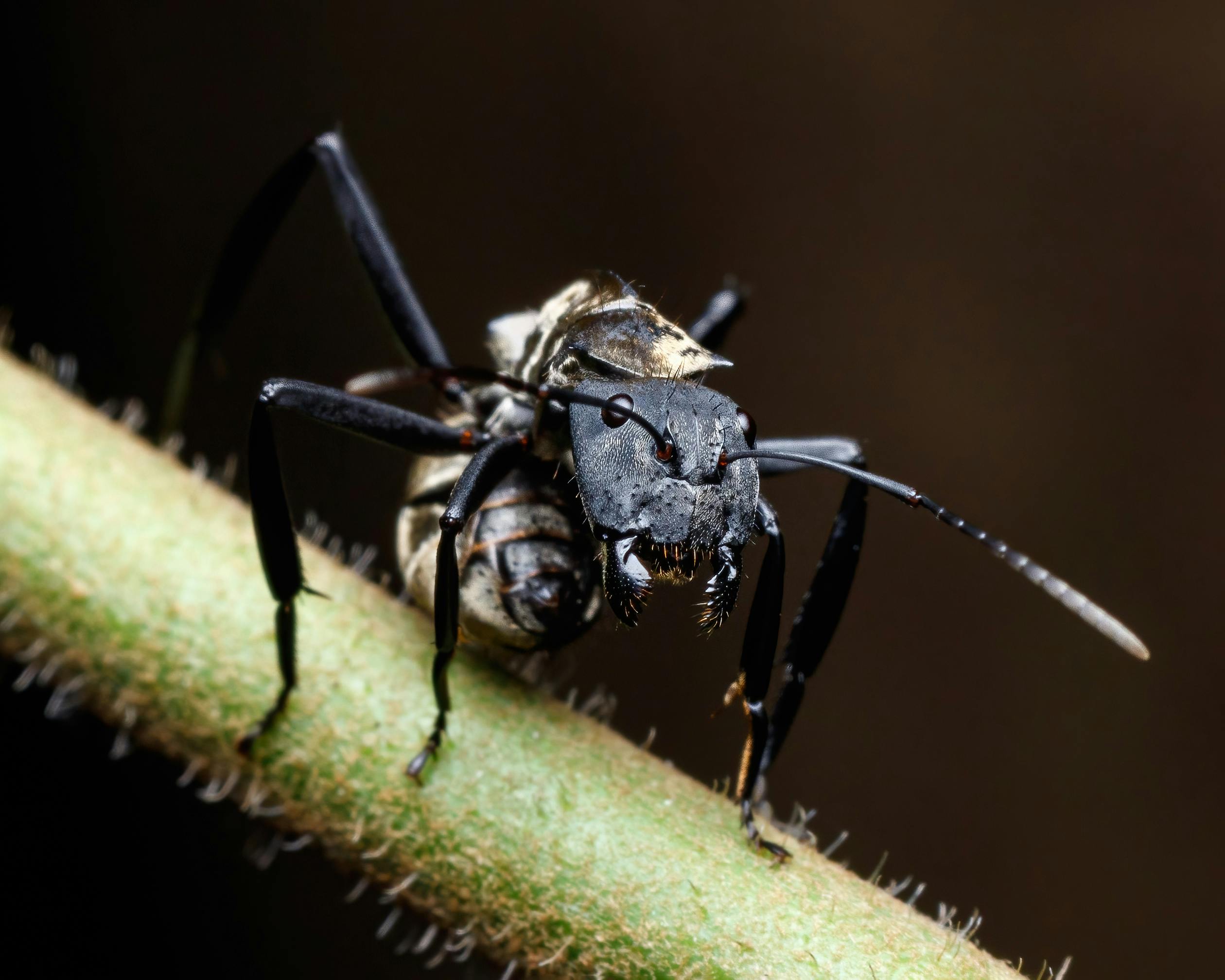
The photo above offers a detailed look at an ant’s body segments, antennae, and leg placement. When you compare a live specimen to this image, focus on three aspects:
- Size: Estimate length by comparing the ant to a known object, like a grain of rice (≈5 mm).
- Color pattern: Note overall hue and any contrasting markings on the thorax or abdomen.
- Behavioral trail: Observe whether the ant moves in a single line (Argentine), clusters in moist spots (Pharaoh), or appears solitary and larger (Carpenter).
Quick Checklist for Homeowners
- Size: Small (1.5–2 mm) → Pharaoh; Medium (2–4 mm) → Argentine; Large (6–12 mm) → Carpenter.
- Color: Light brown/gray → Argentine; Yellow‑brown or translucent → Pharaoh; Black or red‑black → Carpenter.
- Location: Moist indoor areas (kitchens, bathrooms) → Pharaoh; Continuous indoor trails near food/water → Argentine; Wood structures, damp foundations → Carpenter.
- Trail pattern: Long, unbroken lines → Argentine; Scattered, short runs near moisture → Pharaoh; Sporadic sightings near wood damage → Carpenter.
- Potential damage: Structural wood damage → Carpenter; None (mostly nuisance) → Argentine & Pharaoh.
By matching your observations with this checklist, you’ll have a solid identification within minutes. Once you’ve confirmed the species, you can choose the most effective treatment—whether it’s a targeted bait program for Argentine and Pharaoh ants, or a structural repair combined with professional extermination for carpenter ants. If you’re uncertain or the infestation persists, give Anthem Pest Control a call at 877‑371‑8196 for a local expert to assess and eliminate the problem safely.
Seasonal Ant Activity Patterns in Peachtree City
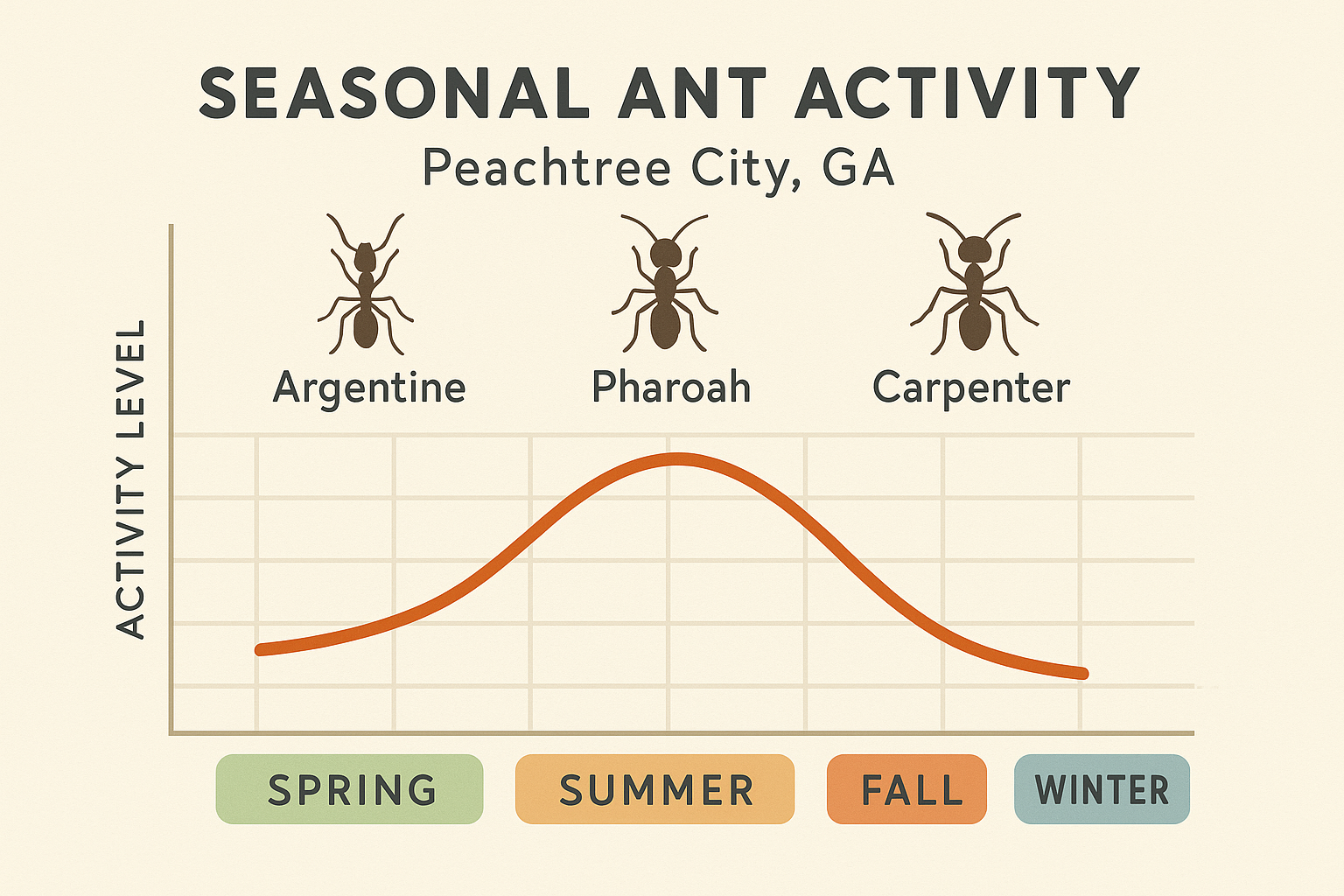
Ant colonies are highly attuned to temperature and food availability, so their activity shifts noticeably from month to month. Understanding these cycles lets homeowners schedule inspections and treatments when they’ll be most effective, saving time, money, and the frustration of recurring invasions.
Spring Surge
As temperatures climb above 60°F, worker ants emerge from overwintering sites to hunt for food and expand the nest. Colonies use this period to raise new brood, which means a rapid increase in foraging traffic along sidewalks, garden beds, and the foundation of your home. Catching an infestation early—ideally in March or early April—allows a targeted treatment that stops the colony before it reaches its summer peak. Early intervention also reduces the likelihood of ants seeking shelter indoors when the heat intensifies.
Summer Peak
Summer brings the highest levels of ant activity in Peachtree City. Warm days (70‑90°F) accelerate metabolism, and the abundance of outdoor food sources fuels relentless foraging. However, the heat also drives many species to establish satellite nests inside cool, shaded areas of the house—kitchens, crawl spaces, and wall voids become attractive real estate. During July and August, focus inspections on interior entry points, moisture‑prone zones, and any existing cracks that could serve as hidden portals. A professional treatment that targets both exterior foraging trails and interior nesting sites is essential at this stage.
Fall Slowdown
When daytime highs dip below 70°F, ant colonies begin to wind down. Workers reduce foraging trips, and the queen shifts energy toward producing overwintering larvae rather than expanding the nest. This natural slowdown is an ideal window for a final, comprehensive inspection before the cold sets in. Identifying lingering nests, sealing entry gaps, and applying a preventative barrier in September or October can thwart the few remaining ants that might otherwise seek refuge inside your home for the winter months.
Winter Dormancy
During the coldest months, most ant species retreat to protected locations—deep underground, within insulated wall cavities, or inside heated structures. Visible activity outside the home is minimal, but colonies can remain active indoors where temperatures stay stable. Homeowners should monitor for occasional indoor sightings, especially near food storage areas or warm appliances. A low‑impact, indoor‑safe treatment applied in late December or early January can eliminate these hidden survivors before they emerge again in spring.
| Species | Spring | Summer | Fall | Winter |
|---|---|---|---|---|
| Carpenter Ant | Moderate – colony expansion | High – indoor nesting | Low – preparation for dormancy | Very Low – hidden inside walls |
| Pavement Ant | High – surface foraging | Peak – outdoor trails | Medium – reduced foraging | Low – seeks heated structures |
| Pharaoh Ant | Low – indoor colonies start | High – indoor infestations | Medium – persists indoors | Low – remains indoors |
By aligning inspections and treatments with these seasonal patterns, Peachtree City homeowners can stay one step ahead of ant invasions. Anthem Pest Control’s local expertise means we know exactly when to act, ensuring your home remains ant‑free year round.
Ant Extermination Pricing and Treatment Options
Service Tiers at a Glance
Anthem Pest Control offers three clearly defined packages so homeowners can choose the level of protection that matches their budget and infestation severity.
- Basic – Includes a thorough initial inspection, a single application of liquid spray or bait, and one follow‑up visit within 30 days.
- Standard – Adds a second baiting session, quarterly monitoring, and a complimentary seal‑up of obvious entry points.
- Premium – Provides unlimited bait stations, monthly inspections, eco‑friendly treatment options, and a yearly “peace‑of‑mind” guarantee that covers re‑infestation.
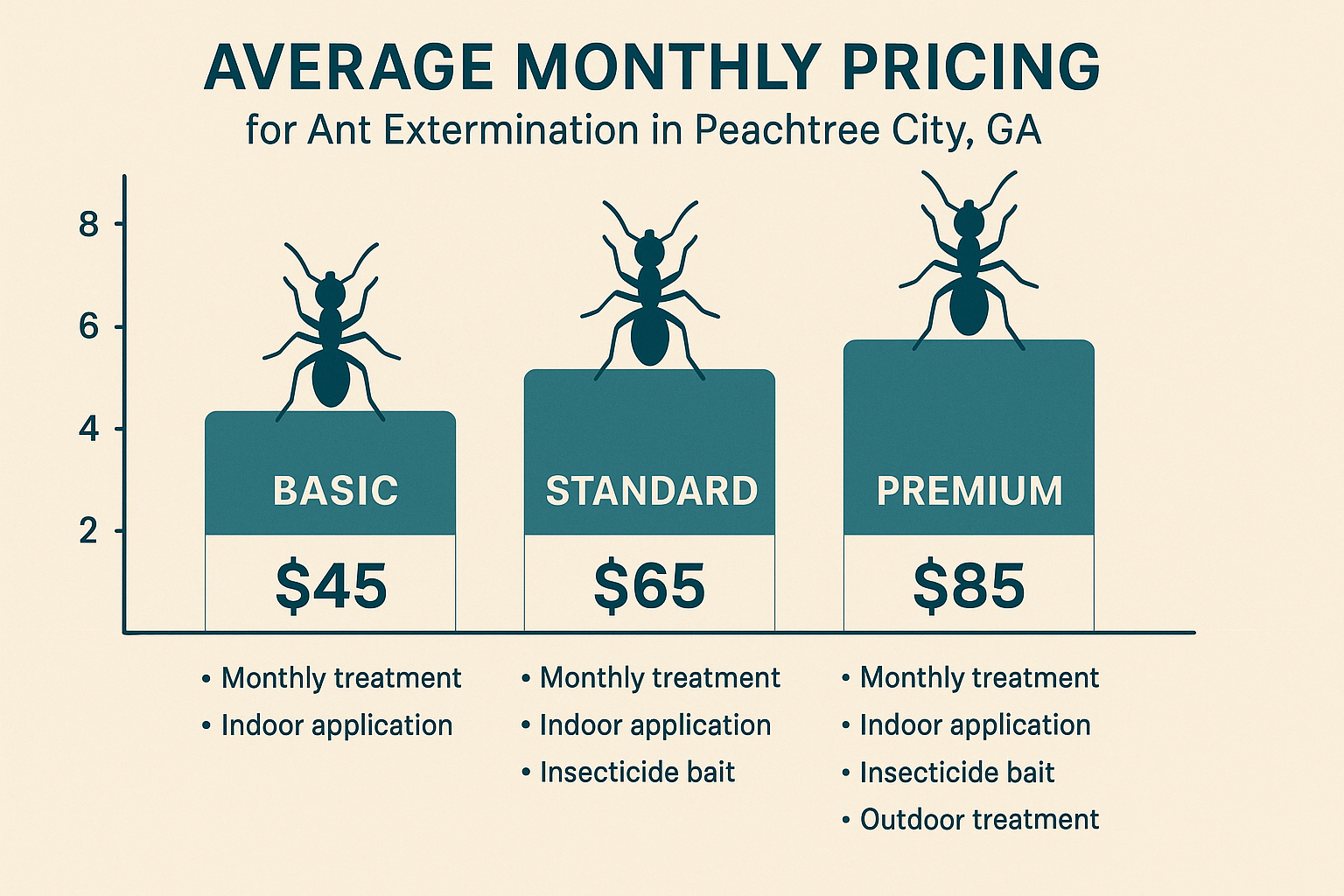
| Tier | Monthly Cost | Included Services | Ideal For |
|---|---|---|---|
| Basic | $29 | Inspection, one spray or bait, 1 follow‑up | Light, occasional ant activity |
| Standard | $49 | Inspection, two baitings, quarterly monitoring, entry‑point seal | Moderate colonies or multiple species |
| Premium | $79 | Unlimited bait stations, monthly inspections, eco‑friendly options, annual guarantee | Severe infestations or high‑risk homes |
Treatment Methods Explained
Liquid sprays are the fastest way to knock down visible foragers. Technicians apply a residual insecticide around baseboards, doorways, and known trails, creating a barrier that kills ants on contact for weeks.
Bait stations work from the inside out. Ants carry a slow‑acting poison back to the colony, eliminating the queen and future generations. Baits are discreet, low‑odor, and can be placed indoors or in the yard.
Eco‑friendly options—such as botanical sprays, diatomaceous earth, and sugar‑based baits—are perfect for families with children, pets, or a strong preference for reduced chemical exposure. These methods may take a bit longer to see results, but they align with Anthem’s commitment to safety.
What Drives the Price?
Two primary factors influence the final bill: infestation severity and ant species. A small line of pavement ants usually requires a single bait placement, keeping costs low. In contrast, carpenter ants or fire ants establish larger, deeper colonies that demand multiple treatments, more bait stations, and sometimes structural repairs, pushing the price toward the Standard or Premium tier.
Seasonal timing also matters. Treating early in spring, before colonies expand, often reduces the number of visits required, allowing homeowners to stay in the Basic or Standard range. Late‑summer spikes, especially with invasive species, can necessitate the Premium package to guarantee lasting control.
Tips to Maximize Value
- Schedule regular maintenance. A quarterly check keeps colonies from rebuilding and lets technicians spot new entry points before they become problems.
- Seal cracks and gaps. Simple caulking around windows, doors, and utility penetrations cuts off the most common ant highways, extending the life of any treatment.
- Maintain a tidy perimeter. Remove food debris, store firewood away from the house, and keep landscaping trimmed to eliminate outdoor foraging zones.
- Combine tiers wisely. If you start with a Basic plan but notice recurring activity, upgrade to Standard mid‑year rather than waiting for a full re‑infestation.
- Ask about guarantees. Anthem’s Premium tier includes a yearly re‑treatment guarantee, which can save you money if ants return after the initial service.
Protect Your Home with Professional Ant Control
By now you should be able to spot the common culprits—carpenter ants marching along wood frames, tiny odorous house ants trailing across countertops, or fire ants building their unmistakable mounds in your yard. You also know that spring and early summer are the peak months when colonies expand, and that a clear, upfront price quote helps you avoid surprise fees later. Keeping these three pieces of knowledge together makes it easier to decide when and how to act.
Why choose Anthem Pest Control? As a locally‑focused service in Peachtree City, we’ve treated dozens of homes just like yours. Our technicians complete a thorough inspection, identify the exact species, and map out the colony’s entry points before any chemicals are applied. This scientific approach means we target the problem at its source, rather than spraying indiscriminately and risking unnecessary exposure.
Our treatment plans are built around three core promises: safety, effectiveness, and affordability. We use EPA‑approved products that are safe for children and pets, applying them in a way that eliminates the current infestation while creating a barrier that deters future invasions. Because we know budgeting matters, every quote is transparent—no hidden labor charges, no “plus tax” surprises. You’ll receive a written estimate that breaks down inspection fees, treatment costs, and any optional follow‑up visits, so you can compare options with confidence.
Ready to take the next step? Requesting a free, no‑obligation quote takes just a few minutes. Our friendly team will schedule an on‑site inspection at a time that fits your busy schedule, then walk you through the recommended plan and exact pricing. Call us today at 877‑371‑8196 or click the link below to start the process online.
Get your free quote from Anthem Pest Control. Our local technicians are just a phone call away, and we guarantee results that protect your home for the season ahead.