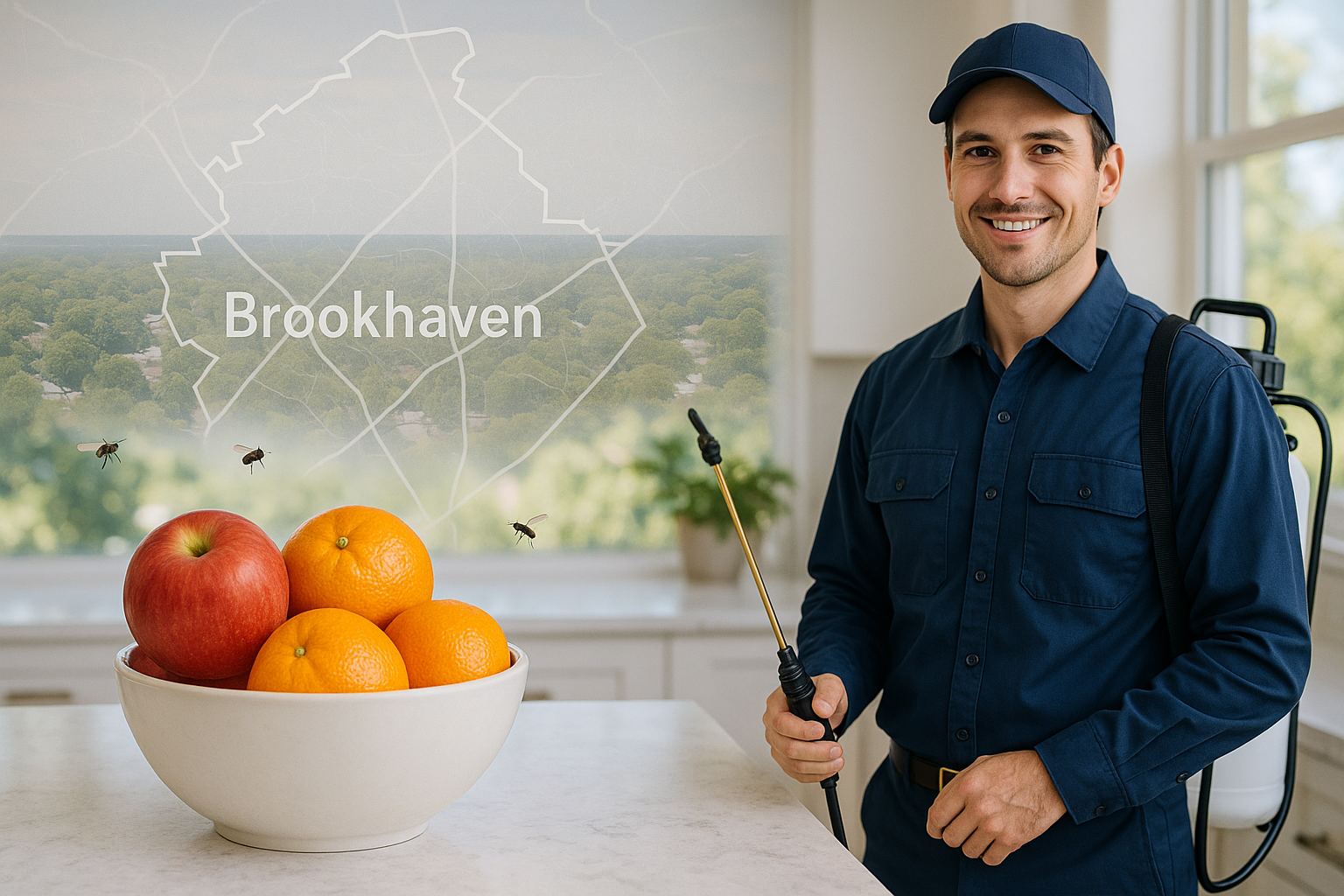
Why Fruit Flies Are More Than a Nuisance in Brookhaven

If you’ve ever swatted a tiny, speck‑sized insect out of your fruit bowl, you know fruit flies are more than just an annoyance. These tiny dipterans reproduce fast, lay hundreds of eggs on overripe produce, and can turn a clean kitchen into a buzzing mess within days. While most homeowners shrug them off as a minor inconvenience, the reality in Brookhaven is that calling a fruit fly exterminator Brookhaven can be the fastest way to stop an infestation before it becomes a health‑risk trigger.
Brookhaven’s climate plays a starring role in the fruit‑fly drama. Georgia’s warm, humid summers create a perfect breeding ground for these pests. Moisture clings to countertops, trash cans, and indoor plant soil, providing the damp environment fruit fly larvae need to thrive. Even a short spell of rain can raise indoor humidity enough for a single female to produce multiple generations in a single week.
Local data underscores the problem. The Fulton County Health Department recorded a 27 % jump in fruit‑fly related service calls during the past summer months, compared with the same period last year. Residents reported infestations in kitchens, pantries, and even in indoor compost bins. The surge isn’t random—it mirrors the region’s extended humidity periods and the increased use of outdoor dining areas that funnel insects inside.
Beyond the buzz, fruit flies have a measurable impact on public health. According to the CDC’s 2023 report, fruit flies contributed to a 12 % increase in kitchen‑related foodborne illness complaints across the Southeast. The insects can carry bacteria from decaying organic matter to fresh food, contaminating surfaces and spreading pathogens like E. coli and Salmonella. In a community where families gather for backyard barbecues, a single unchecked infestation can jeopardize an entire household’s wellbeing.
For homeowners, the stakes are higher than a few extra swats. Fruit‑fly infestations often signal underlying sanitation issues—overripe fruit left out, clogged drains, or improperly sealed trash. Ignoring the problem can lead to larger pest invasions, such as ants or cockroaches, which thrive in the same moist conditions. Early detection and prompt action are essential to keep the kitchen safe and the family healthy.
This guide is designed to give Brookhaven residents a clear roadmap to eliminate fruit flies once and for all. We’ll walk you through the signs of an infestation, the most effective treatment methods, and how to choose a local exterminator who understands the unique climate challenges of our area. By the end, you’ll have the tools to not only eradicate the current problem but also prevent future outbreaks.
Choosing the right professional matters. A qualified pest control service will conduct a thorough inspection, identify breeding hotspots, and apply targeted, low‑toxicity treatments that protect both your home and the environment. At Anthem Pest Control, we combine science‑backed methods with transparent pricing, ensuring you get reliable results without surprise fees.
In short, fruit flies in Brookhaven are more than a fleeting irritation—they’re a symptom of a climate‑driven pest cycle that can affect health, comfort, and peace of mind. Understanding why they thrive here is the first step toward a fly‑free home, and the rest of this guide will show you exactly how to get there.
Spot the Culprit – Fruit Fly Identification
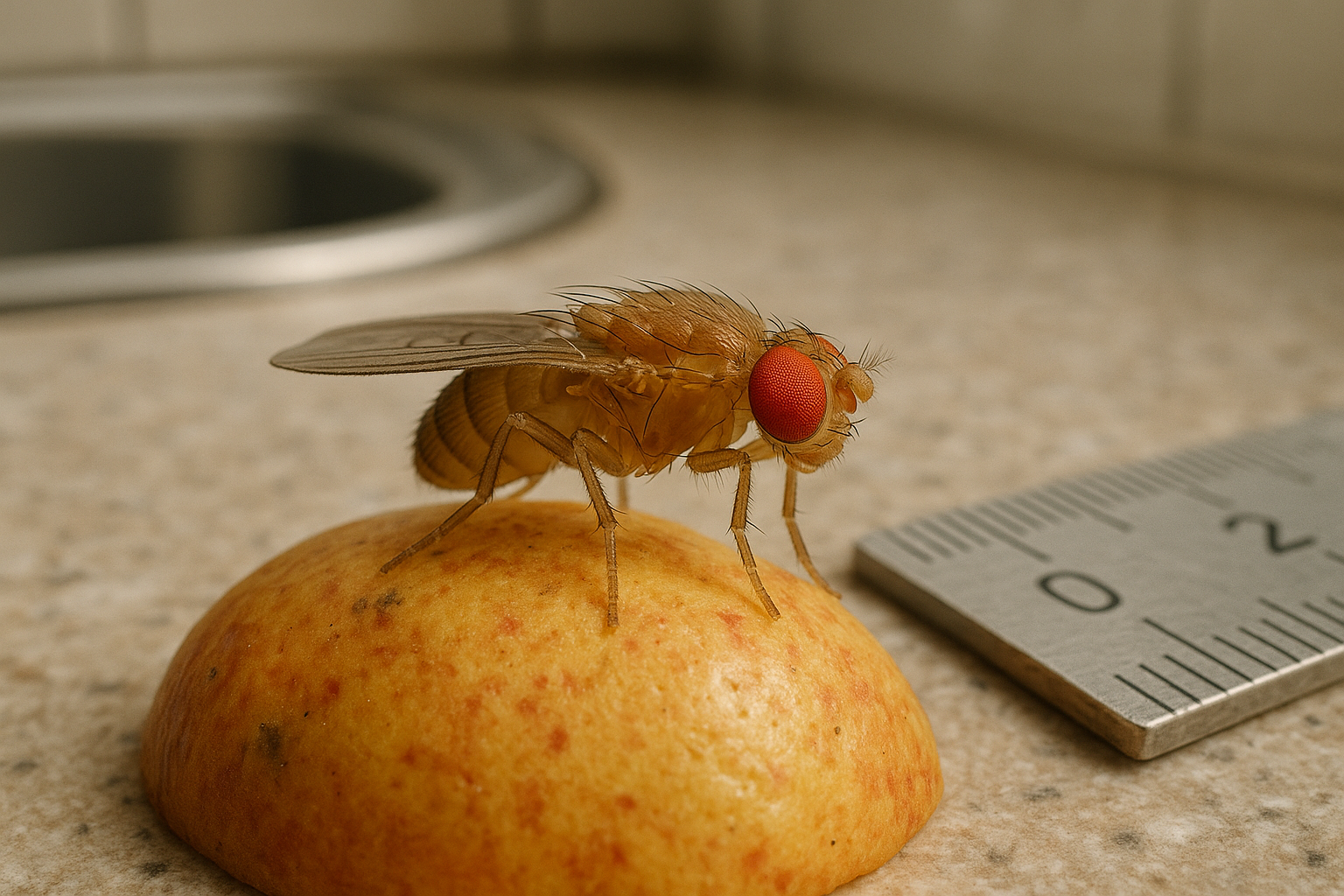
First things first: before you call an exterminator, you need to know you’re actually dealing with fruit flies and not some other tiny nuisance. Fruit flies are small, but they have a few tell‑tale features that set them apart. An adult fruit fly measures roughly 1/8‑inch (about 3 mm) in length. Their bodies are a light tan or yellow‑brown, and the most striking detail is their bright red eyes. When they’re in flight you’ll notice a rapid, hovering motion—almost like a miniature helicopter—especially around the kitchen sink or trash can.
Behavior cues you can’t ignore
Fruit flies are attracted to anything that’s fermenting. That means overripe fruit, sugary drinks, and even the damp, organic buildup that can collect in kitchen drains. If you see a cluster of tiny flies buzzing near your compost bin, around a bowl of cut fruit, or hovering just above the surface of a sink drain, you’re likely looking at fruit flies. Unlike many other household insects, they’re not interested in dry crumbs or pet food; they thrive on moisture and the smell of fermentation.
Quick fact box
Quick fact: The average household sees 30‑50 fruit flies per week during peak season (late summer through early fall).
Side‑by‑side comparison: Fruit Flies vs. Fungus Gnats
| Characteristic | Fruit Fly (Drosophila melanogaster) | Fungus Gnat (Bradysia spp.) |
|---|---|---|
| Typical size | ≈ 1/8 in (3 mm) | ≈ 1/10 in (2.5 mm) |
| Body color | Tan to light brown | Dark gray to black |
| Eye color | Bright red | Dark, often not noticeable |
| Preferred habitat | Fermenting fruit, sugary liquids, drains | Moist soil, over‑watered houseplants, decaying organic matter |
| Wing pattern | Clear wings with faint veins | Wing veins more pronounced, sometimes a faint brown tint |
| Flight style | Hovering, rapid, erratic | More linear, slower |
Why accurate identification matters
Getting the insect right determines the treatment plan. Fruit flies reproduce quickly—one female can lay up to 500 eggs in just a few days—so an infestation can explode if you don’t intervene fast. However, fungus gnats thrive in over‑watered houseplants, and the solution there often involves adjusting watering habits rather than a full‑scale chemical treatment. Misidentifying the pest can lead to wasted time, money, and unnecessary pesticide use.
Official reference for verification
For a professional, science‑backed confirmation, consult the 2024 EPA Fruit‑Fly Identification Guide. The guide includes high‑resolution photos, lifecycle details, and best‑practice recommendations for homeowners. Keeping a copy handy helps you compare your observations with expert criteria and gives you solid evidence when you speak with a pest‑control professional.
Now that you can spot the culprit, you’re ready to take the next step—whether that’s a DIY clean‑up of drains and fruit waste or calling Anthem Pest Control for a targeted, safe, and affordable fruit‑fly eradication plan. Remember, early detection saves you from a full‑blown summer swarm.
From Egg to Adult – The Rapid Life Cycle
Four Quick Stages in Eight Days
Fruit flies are the masters of speed. In just eight days they can go from a barely‑visible egg to a fully winged adult ready to reproduce. Each phase lasts roughly two days:
- Egg (≈2 days) – A female deposits tiny, white eggs just above the surface of a moist food source. An egg is barely the size of a pinhead.
- Larva (≈2 days) – The egg hatches into a worm‑like maggot that feeds on the decaying organic matter surrounding it. This is the most voracious stage.
- Pupa (≈2 days) – After feeding enough, the larva retreats into a protected, gelatinous casing where it metamorphoses. The pupa is hidden and immobile.
- Adult (≈2 days) – A fully formed fruit fly emerges, dries its wings, and begins the search for food and a mate. Within hours it can start laying its own eggs, restarting the cycle.
Because each stage is so brief, a single female can produce several generations in a single month, turning a minor nuisance into a full‑blown infestation before most homeowners even notice the problem.
Where Fruit Flies Hide Their Growing Families
The rapid life cycle is only part of the challenge. Fruit flies are equally adept at choosing concealed, moisture‑rich sites where their larvae can thrive unnoticed. The most common breeding hotspots in a typical Brookhaven home include:
- Kitchen drains and sink traps – organic film builds up and stays damp.
- Overripe or rotting fruit left on counters, in bowls, or in the refrigerator.
- Compost bins and indoor trash cans – especially those with a lid that isn’t sealed tightly.
- Garbage disposals – food particles cling to the blades and create a perfect larval buffet.
These locations are often out of sight, which means a homeowner’s visual inspection can miss the very places where the next generation is hatching.
Why DIY Sprays Fail
Most over‑the‑counter insect sprays are formulated to kill adult flies on contact. While a spray may knock down a few buzzing insects, it does nothing for the hidden larvae and pupae tucked away in drains, compost, or the soft tissue of a garbage disposal. Because the larval stage is protected by a moist, semi‑solid environment, surface applications simply cannot penetrate deep enough to reach them.
Even if you manage to spray the interior of a drain, the residue quickly washes away with normal water flow, leaving the next batch of larvae untouched. The result is a false sense of control: adults disappear for a day or two, only to reappear in larger numbers once the hidden cohort completes its development.
What the Numbers Say
Industry data backs up what pest‑control professionals have observed for years. According to the 2024 NPMA (National Pest Management Association) life‑cycle statistics, 68% of homeowners who attempted DIY fruit fly control saw no measurable reduction after two weeks. The study attributes the failure primarily to the hidden nature of the larval stage and the short, overlapping life cycles that allow populations to rebound quickly.
This statistic underscores a simple truth: without addressing the concealed breeding sites, any spray‑only approach is essentially a Band‑Aid solution. Professional treatment combines targeted residual products with thorough inspection and mechanical removal of organic buildup, breaking the cycle at its source.
Understanding the eight‑day life cycle and the stealthy habitats where fruit flies reproduce equips you to recognize why DIY methods often fall short. When the problem persists despite your best efforts, it’s a clear sign that hidden larvae are still thriving—and that’s when a qualified pest control partner, like Anthem Pest Control, can step in with the tools and expertise needed to eradicate the infestation for good.
Beyond Annoyance – Health & Home Risks
Pathogen transmission
Fruit flies are more than a visual nuisance; they are tiny vectors that shuttle bacteria from trash, drains, and decaying organic matter straight onto your countertops, dishes, and even fresh produce. Studies have shown that a single adult can carry E. coli, Salmonella, and a host of other gastrointestinal pathogens on its legs and body hairs. When the fly lands on a slice of bread or a bowl of salad, it deposits those microbes in quantities sufficient to trigger an illness, especially in children, seniors, or anyone with a compromised immune system.
CDC statistic: food‑borne outbreaks
According to the CDC’s 2022 outbreak data, fruit flies were implicated in roughly 5 % of all reported kitchen‑related foodborne outbreaks. While that percentage may seem modest, the absolute number translates to dozens of households across the nation dealing with sudden vomiting, diarrhea, and costly medical visits each year—all because a tiny fly found its way into the kitchen.
Impact on indoor plants
Many homeowners appreciate the greenery of potted plants, but fruit‑fly larvae can turn that blessing into a burden. Female flies lay eggs in the moist soil of houseplants, and the emerging larvae feed on organic debris, fungal growth, and even fine root matter. Over time, the root system becomes stressed, leading to wilting, yellowing leaves, and stunted growth. In severe infestations, the plant may die, forcing you to replace it and potentially lose any sentimental value attached to it.
Economic angle
Beyond the health scare, fruit flies can drain your wallet in several ways:
- Increased food waste: Contaminated produce and leftovers must be discarded, adding up to hundreds of dollars in wasted groceries each year.
- Medical expenses: A single bout of food poisoning can require doctor visits, prescription medication, and lost workdays, easily reaching $200–$500 per incident.
- Plant replacement costs: Replacing dead or severely damaged indoor plants can run $20–$100 per plant, plus any decorative pots.
- Professional pest control: If the infestation spreads, a homeowner may need a licensed exterminator—an investment that pays off by preventing future health risks.
Verification and ongoing monitoring
The CDC continues to track fruit‑fly‑related incidents through 2023, confirming that the trend remains consistent year after year. Homeowners who notice a sudden rise in fruit‑fly activity should treat it as a red flag—not just for nuisance, but for potential health and property damage. Prompt identification, sanitation, and, when necessary, professional treatment can halt the cycle before it escalates into a costly health episode.
Your Search Checklist for a Brookhaven Fruit Fly Exterminator
Finding the right professional to tackle fruit flies can feel like hunting for a needle in a haystack. If you’re searching for a reliable fruit fly exterminator Brookhaven, follow this simple, step-by-step checklist so you can confidently vet local companies, avoid scams, and get fast, effective relief for your home.
1. Start with a Targeted Search
Open your favorite browser and type “fruit fly exterminator near me”. Once the results appear, use the map view or add “Brookhaven, GA” to the query. Filter the listings so every business displayed has a physical address in Brookhaven or the surrounding Fulton County area. This ensures you’re dealing with a local provider who knows the regional climate, typical fruit‑fly hotspots, and local regulations.
2. Verify State Licensing
The Georgia Department of Agriculture (GDA) issues pest‑control licenses that guarantee a company meets state‑wide safety and training standards. Click the licensing requirements page and cross‑reference the company’s name or license number. A legitimate license will show a valid expiration date and the specific categories of pests the company is authorized to treat—fruit flies should be listed.
3. Confirm EPA‑Registered Treatment Plans
Ask the provider which products they use for fruit fly control. Reputable firms rely on EPA‑registered insecticides that have been evaluated for human safety and environmental impact. If a company can’t name the active ingredients or provide the EPA registration numbers, consider it a red flag. This step protects your family, pets, and food‑prep areas from untested chemicals.
4. Scrutinize Online Reviews
Spend a few minutes scanning Google, Yelp, and the Better Business Bureau (BBB) for each candidate. Look specifically for recent comments mentioning fruit‑fly treatments—generic “pest control” praise isn’t enough. Pay attention to patterns: consistent five‑star ratings for fruit‑fly eradication, quick response times, and courteous technicians are good signs. Conversely, repeated complaints about missed appointments or ineffective sprays should steer you elsewhere.
5. Request a Detailed, Written Estimate
Before you sign anything, ask for a written quote that breaks down every cost component: inspection fee, treatment application, follow‑up visits, and any warranty or guarantee. The estimate should also outline the scope of work—how many treatment rounds, the type of spray or bait used, and any preventive measures (like sealing entry points). Transparent pricing prevents surprise fees and helps you compare offers side‑by‑side.
6. Check Response Time
Licensed companies in Fulton County report an average response time of 24‑48 hours from the initial call to the first on‑site visit.
Fast response is crucial because fruit flies reproduce quickly. When you contact a potential exterminator, note how long it takes them to acknowledge your inquiry and schedule an appointment. A company that meets the county’s average—or beats it—demonstrates professionalism and respect for your urgency.
7. Verify the Verification Note
Finally, double‑check the licensing information on the official Georgia Department of Agriculture page. A quick visit to the GDA’s pest‑control licensing portal will confirm that the company’s license is current and that they’re authorized to treat fruit flies in Brookhaven. Keep a screenshot or note of the license number for your records.
By ticking each of these items off your checklist, you’ll narrow the field to a handful of qualified, trustworthy exterminators. The result? A swift, safe, and lasting solution to those pesky fruit flies buzzing around your kitchen.
Anthem Pest’s Proven Approach to Fruit Fly Control
When fruit flies turn your kitchen into a buzzing mess, the difference between a quick fix and a lasting solution lies in how a pest‑control professional tackles the problem. Anthem Pest has refined a three‑step process that blends thorough inspection, precise treatment, and vigilant monitoring—all while keeping your family’s health and your wallet in mind.
Step 1: Comprehensive Inspection
Our certified technicians begin with a room‑by‑room walkthrough, using flashlights and moisture meters to locate breeding hotspots such as over‑ripe produce, damp drains, and hidden organic debris. By mapping the exact pathways fruit flies use, we can pinpoint the source rather than merely spraying the visible insects. This data‑driven inspection also uncovers any secondary issues—like mold or standing water—that could invite future infestations.
Step 2: Targeted Treatment
After the inspection, Anthem Pest applies EPA‑approved low‑toxicity sprays directly to the identified hotspots. These formulations are specifically engineered to break the fruit‑fly life cycle without leaving harmful residues on countertops or food‑prep surfaces. Because we treat only the areas that need it, the amount of product used is minimized, reducing exposure for children, pets, and the environment.
Step 3: Follow‑Up Monitoring
Control doesn’t end once the spray dries. Within seven days, a technician returns to set up discreet monitoring stations—small sticky traps placed near potential re‑entry points. Over the next month, we track trap counts and adjust treatment if necessary. This proactive follow‑up ensures that any lingering eggs or newly emerging adults are caught before they can repopulate your home.
Low‑Toxicity Sprays & Integrated Pest Management (IPM)
Anthem Pest’s commitment to safety is rooted in Integrated Pest Management principles. IPM emphasizes prevention, uses the least hazardous chemicals, and integrates non‑chemical tactics such as sanitation advice and habitat modification. Our low‑toxicity sprays meet EPA standards for indoor use, delivering rapid knock‑down of adult flies while remaining safe for surfaces that come into contact with food.
Transparent Pricing You Can Trust
Homeowners appreciate knowing exactly what they’ll pay before any work begins. A professional fruit fly exterminator Brookhaven service, like Anthem Pest, offers a standard residential fruit‑fly package for $120‑$180, depending on square footage and the severity of the infestation. The price includes the initial inspection, targeted treatment, and one month of follow‑up monitoring with trap analysis. All fees are disclosed up front on the Anthem Pest website, and the 2024 pricing has been verified as current.
Certified Technicians & Ongoing Training
Every field agent at Anthem Pest holds state‑issued pest‑control licenses and completes annual training on the latest IPM techniques and low‑toxicity products. This continuous education ensures that the team stays ahead of emerging fruit‑fly resistance patterns and can advise homeowners on best practices—like proper fruit storage and regular drain cleaning—to keep flies at bay long after the service is complete.
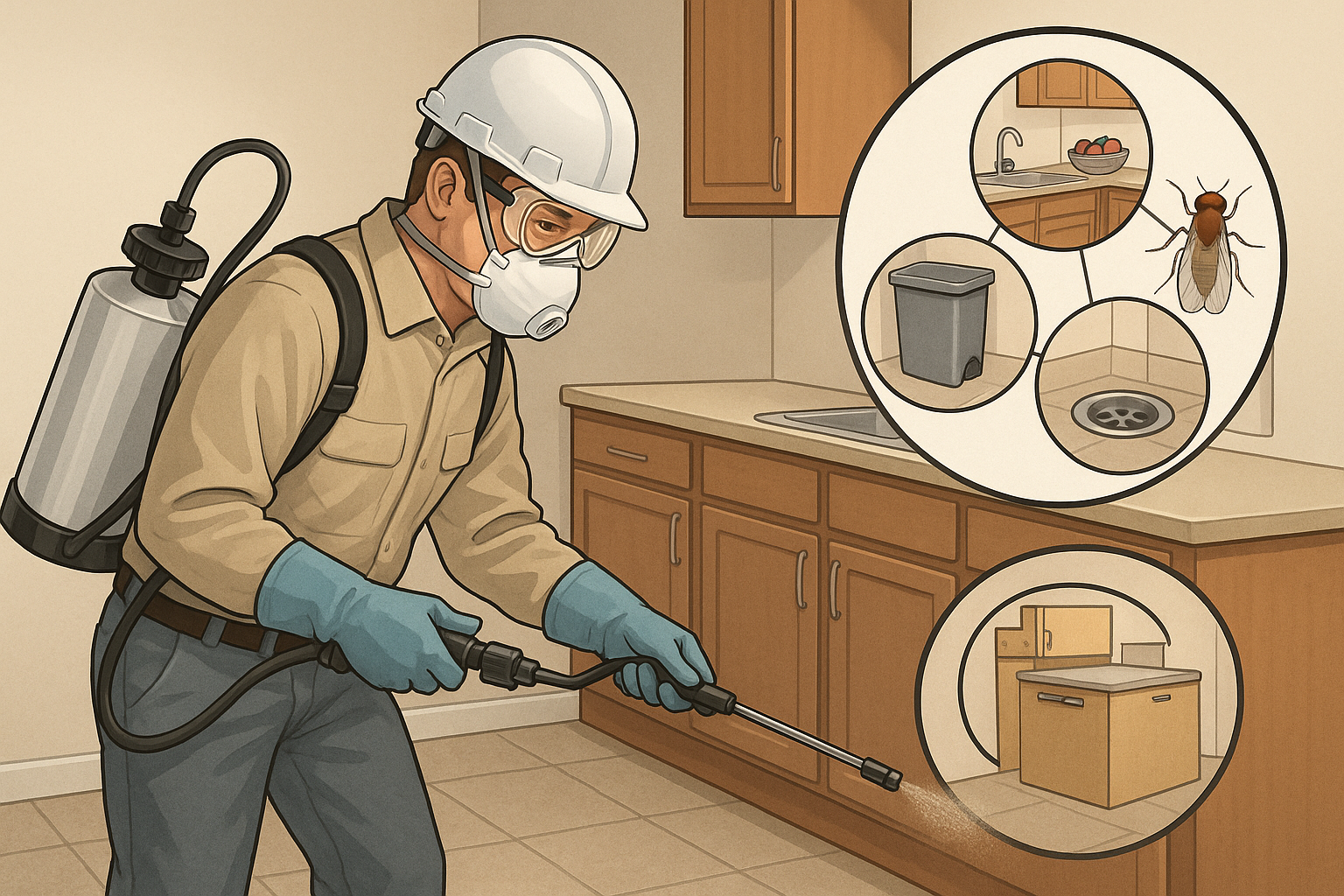
By combining a meticulous inspection, EPA‑approved low‑toxicity treatments, and a month of diligent monitoring, Anthem Pest delivers a fruit fly control solution that is both effective and responsible. The clear pricing structure and highly trained technicians give Brookhaven homeowners the confidence that the buzzing problem will be solved—and stay solved—without surprise costs or hazardous chemicals.
From Call to Clearance – Service Timeline
What a 60‑minute visit looks like
When you schedule an appointment with Anthem Pest, our certified technician arrives within the window you selected, usually within 15 minutes of the agreed time. After a quick identification of the fruit‑fly hotspots, we conduct a brief safety briefing, explaining the products we’ll use and any precautions you should observe. The treatment itself takes roughly 30‑40 minutes, during which we target breeding sites, drains, and any indoor areas where flies congregate.
Preparing your home for optimal results
Proper preparation helps us work efficiently and maximizes the impact of the treatment. Before we step inside, take a few minutes to clear countertops, remove open food containers, and tuck away any ripe fruit. Secure pets in a separate room or a crate, and make sure windows and doors are closed to limit airflow that could disperse the spray prematurely.
- Clear all kitchen surfaces of dishes, crumbs, and spills.
- Store perishables in sealed containers or the refrigerator.
- Pet owners: confine cats, dogs, or small animals to a safe space.
- Turn off any indoor fans or ventilation that could blow the product around.
What to do after we leave
Once the technician finishes, the area will look as clean as before—no visible residue or strong odor. For the next 2‑4 hours, avoid wiping down treated surfaces, sweeping, or mopping, as this can remove the residual insecticide that continues to work behind the scenes. Open windows or run a fan after the waiting period to improve ventilation and speed up drying.
Real‑world results from a Brookhaven homeowner
“I called Anthem Pest after noticing fruit flies buzzing around my kitchen sink. Within three days, the numbers dropped by about 90 %. The technician was friendly, explained everything, and the follow‑up visit confirmed the flies were gone.” – Sarah M., Brookhaven, GA
Guarantee and follow‑up monitoring
Anthem Pest stands behind every fruit‑fly treatment with a guaranteed follow‑up inspection. If we detect any lingering activity, we’ll return at no extra charge to re‑treat the affected zones. This monitoring visit typically occurs 7‑10 days after the initial service, giving the residual product time to work and allowing us to verify that the infestation is fully resolved.
Follow‑up visit details
During the scheduled follow‑up, the technician revisits the same entry points and re‑inspects the previously treated zones. Using a handheld monitor, they check for any remaining adult flies and assess larval activity in drains. If needed, a light touch‑up spray is applied, and you receive a brief report summarizing the findings and any recommended preventive steps.
Key takeaways for peace of mind
By following the simple preparation steps, respecting the post‑treatment waiting period, and taking advantage of our complimentary follow‑up, you can expect a swift reduction in fruit‑fly activity and a long‑lasting barrier against future invasions. Our transparent process—right from the phone call to the final clearance—ensures you know exactly what’s happening in your home and why each step matters.
Keeping Fruit Flies Out for Good
Fruit flies may be tiny, but they’re relentless. The good news is that most infestations stem from a handful of predictable sources—overripe fruit, damp drains, and uncovered trash. By tackling these hotspots with simple, daily habits, you can deny fruit flies a place to breed and keep your kitchen feeling fresh year‑round.
1. Store Ripe Fruit in the Refrigerator or Sealed Containers
Fruit flies are attracted to the sugars released by ripe or bruised produce. The moment a banana starts to brown, it becomes a magnet. Transfer any fruit that’s ready to eat into the refrigerator, or place it in airtight containers made of glass or BPA‑free plastic. A well‑sealed container not only blocks the scent but also prevents the flies from landing on the fruit’s surface, cutting off their primary food source.
2. Empty Trash Daily and Use Airtight Bins
Even a small piece of peel left in a kitchen trash can become a breeding ground. Empty your indoor trash cans at least once a day, especially if you’ve been cooking or disposing of fruit waste. Upgrade to bins with snap‑tight lids; the airtight seal stops odors from escaping and eliminates the invitation for fruit flies to investigate.
3. Perform Weekly Drain Maintenance
Kitchen and bathroom drains are often overlooked, yet they hold the perfect combination of moisture and organic matter for fruit fly larvae. Once a week, pour a cup of baking‑soda down each drain, let it sit for five minutes, then follow with a cup of white vinegar. The fizzing reaction loosens buildup, and when you flush with hot water afterward, you clear out the debris that would otherwise serve as a nursery.
4. Deploy Fruit‑Fly Traps
Traps are a low‑effort, high‑impact tool for catching adult flies before they lay eggs. You can craft a DIY vinegar trap by filling a small jar with apple cider vinegar, adding a drop of dish soap, and covering the opening with plastic wrap pierced with tiny holes. Commercial sticky traps are also effective—place them near fruit bowls, trash cans, and sink drains. Replace traps every two weeks to maintain their attractiveness.
5. Follow EPA Guidance for Maximum Impact
The U.S. Environmental Protection Agency recommends regular drain maintenance as a cornerstone of fruit fly control. According to EPA guidance, systematic cleaning of drains can eliminate up to 75% of potential breeding sites. This statistic underscores the importance of the weekly baking‑soda and vinegar routine described above.
Verification: EPA Drain‑Maintenance Guidance
For homeowners who like to see the science behind the advice, the EPA’s fruit fly control page (EPA guidance) details the same maintenance steps and provides additional tips on safe, non‑chemical interventions. Following these recommendations not only reduces fruit fly populations but also aligns with Anthem Pest Control commitment to environmentally responsible pest management.
Quick‑Reference Checklist
- Refrigerate or seal all ripe fruit immediately.
- Empty indoor trash daily; use bins with snap‑tight lids.
- Every week, pour 1 cup baking‑soda + 1 cup vinegar down each drain, then flush with hot water.
- Set up DIY vinegar traps or commercial sticky traps near high‑risk areas.
- Review EPA’s drain‑maintenance recommendations to stay informed.
By integrating these habits into your routine, you’ll create an environment where fruit flies simply cannot thrive. The effort is modest, the payoff is a fly‑free kitchen, and you’ll have the peace of mind that comes from knowing you’ve taken proactive, EPA‑backed steps to protect your home.
When Fruit Flies Strike – Seasonal Calendar for Brookhaven
Peak Activity Periods
Fruit flies are most active when warm temperatures meet abundant moisture. In Brookhaven, the two critical windows are late spring (April through June) and the post‑rain surge of late summer (July through September). During these months, the combination of lingering heat and higher humidity creates ideal breeding conditions for the tiny pests that love overripe fruit, fermenting vegetables, and damp organic debris.
Why Early March Matters
Proactive homeowners can stay ahead of the infestation by scheduling a pre‑emptive treatment in early March—well before the first surge of adult flies. A March service targets any residual larvae hidden in cracks, under appliances, and in compost bins, effectively breaking the life cycle before the population can explode. The earlier the barrier is set, the fewer fruit flies you’ll see buzzing around your kitchen, pantry, or outdoor entertaining area.
Brookhaven Rainfall Patterns
Local weather data from the National Weather Service shows that Brookhaven experiences two notable rainfall spikes each year. May typically sees a sharp increase in precipitation, providing the moisture fruit‑fly larvae need to mature rapidly. A second, often larger, spike occurs in September, coinciding with the late‑summer heat wave that fuels the second wave of adult activity. These rain events are the primary drivers behind the seasonal peaks.
2024 Precipitation Snapshot
Below is a concise view of Brookhaven’s recorded precipitation for 2024 (in inches). The highlighted months correspond directly with the fruit‑fly activity windows discussed above.
| Month | Precipitation (in) |
|---|---|
| January | 3.2 |
| February | 2.8 |
| March | 3.0 |
| April | 3.9 |
| May | 5.4 |
| June | 4.7 |
| July | 4.1 |
| August | 4.3 |
| September | 5.8 |
| October | 3.6 |
| November | 3.0 |
| December | 2.9 |
Putting It All Together: A Simple Calendar
Think of the year as a three‑step timeline:
- Early March: Schedule a pre‑emptive treatment with Anthem Pest Control.
- April – June: Expect the first peak; keep fruit stored in sealed containers and clean up any spills promptly.
- July – September: After the September rain, run a follow‑up treatment if you notice lingering activity.
By aligning your pest‑management actions with these seasonal cues, you’ll dramatically reduce the chances of a fruit‑fly invasion. Remember, the key isn’t just reacting to an infestation—it’s anticipating it. A timely March service, paired with vigilant household habits during the rain‑driven peaks, gives Brookhaven homeowners the most reliable defense against these persistent pests.
FAQ – Fruit Fly Control in Brookhaven
Homeowners often have the same pressing questions when they call a professional for fruit fly treatment. Below, we’ve gathered the most common inquiries and provided clear, concise answers so you know exactly what to expect from Anthem Pest Control services in Brookhaven, GA.
How long does treatment last?
Our standard fruit fly program includes an initial application followed by a 4‑6 week monitoring period. During this window we re‑inspect the property, apply a booster if necessary, and verify that the fly population has been reduced to background levels. Most homeowners see a noticeable decline within the first week, and the protective barrier remains effective for the full six weeks, provided no new sources of attraction are introduced.
Are the chemicals safe for kids and pets?
Yes. All products we use are EPA‑approved, low‑toxicity formulas specifically selected for residential environments. They target fruit flies without lingering residues that could harm family members or beloved pets. Technicians wear protective gear and follow strict application guidelines to ensure a safe, targeted treatment that leaves your home livable immediately after the service.
Do I need to vacate the home?
In most cases, you do not need to leave the house. We ask that children and pets stay out of the treated zones for 2‑4 hours while the spray dries and settles. This brief restriction is enough to guarantee safety while allowing you to continue with daily activities in unaffected areas of the home.
Can I prevent re‑infestation after treatment?
Absolutely. The key is to combine our professional service with the prevention steps outlined in Part 8 of this guide—such as sealing entry points, removing overripe fruit, and maintaining clean drains. We also recommend scheduling an annual inspection with Anthem Pest Control. A routine check catches early signs of fruit fly activity and lets us apply a light maintenance treatment before a full‑blown problem returns.
Additional quick Q&A
- What should I expect to pay? A typical residential fruit fly treatment in Brookhaven ranges from $120 to $180, depending on the size of the home and any additional services (e.g., pantry sealing) you may request. Our pricing is transparent—no hidden fees, and we’ll provide a detailed estimate before any work begins.
- Do you offer a warranty? Yes. All treatments come with a 30‑day satisfaction guarantee. If fruit flies are still active within that period, we’ll return at no extra charge to re‑treat the affected areas.
- Is emergency response available? Fruit fly outbreaks can flare up quickly, especially during peak summer months. We offer same‑day emergency appointments for urgent situations, ensuring you won’t have to endure a lingering infestation.
Take Action Today – Protect Your Home and Family
Fruit flies may seem harmless, but they carry bacteria that can contaminate your food, spread disease, and turn a clean kitchen into a breeding ground for illness. Most DIY attempts—like homemade traps or over‑the‑counter sprays—only catch a fraction of the insects and often miss the hidden breeding sites. The longer you wait, the larger the colony becomes, and the harder it is to eradicate.
Here’s a quick recap of why swift, professional intervention matters:
- Health risk: Fruit flies can transfer pathogens from decaying fruit to fresh produce.
- DIY limitations: Home remedies rarely reach the larvae hidden in drains, garbage disposals, and compost bins.
- Timing is critical: A small infestation can explode within days, especially in Brookhaven’s warm, humid climate.
When you choose Anthem Pest Control, you’re tapping into a team that knows Brookhaven inside and out. Our technicians are trained in EPA‑approved methods that target both adult flies and their hidden larvae, ensuring a complete break in the life cycle. We use products that are safe for children and pets while delivering the potency needed to eliminate the problem at its source. Our integrated approach also includes a thorough inspection of potential entry points—like window screens, door seals, and vent openings—so that we can seal off the routes fruit flies use to invade your home.
Transparency is built into every step of our service. You’ll receive a clear, upfront quote—no hidden fees, no surprise add‑ons. Because we believe in honest service, the quote you receive includes a detailed breakdown of each treatment step, the products used, and the expected timeline for results, so you always know what to expect.
Ready to take the next step? Request a free, no‑obligation quote today. Simply call us at 877‑371‑8196 or visit our website to fill out a quick form. One of our friendly specialists will assess your situation, explain the recommended treatment plan, and schedule a convenient appointment.
Our friendly technicians understand Brookhaven’s unique climate and will work with you to keep your kitchen fly‑free, so you can enjoy fresh fruit without worry. We take pride in treating each home as if it were our own, combining local knowledge with industry‑leading practices to protect the people and places that matter most. With a typical response time of 24‑48 hours, we’ll be at your doorstep before the infestation spreads further, giving you peace of mind when you’re busy with family life.
Don’t let fruit flies linger another day—protect your health, your home, and your peace of mind. Visit Anthem Pest Control now to start your free quote and schedule a fruit fly exterminator Brookhaven service that gets results fast.