Why Every Homeowner Needs a Year‑Round Pest Strategy

When you think about the biggest expenses in homeownership, you probably picture a new roof, a kitchen remodel, or a heating‑system upgrade. What you rarely consider is the silent, ongoing bill that pests generate—damage that creeps up on you before you even notice a single sign. From gnawed wood to contaminated countertops, these hidden costs can erode your budget and your peace of mind.
Hidden Costs That Add Up
Understanding the financial impact of a pest infestation requires looking at three distinct categories:
- Structural damage: Termites, carpenter ants, and rodents chew through framing, insulation, and wiring. Repairing compromised joists or rewiring a wall can run into thousands of dollars.
- Health risks: Cockroaches, mice, and bed bugs carry bacteria, allergens, and pathogens. Their presence can trigger asthma attacks, food poisoning, and skin irritations, leading to medical expenses and lost workdays.
- Reduced property value: Even a single pest report can lower a home’s market appeal. Prospective buyers often request a pest inspection, and any red flags can force price negotiations or costly remediation before a sale.
The EPA estimates that pest‑related damages exceed $20 billion annually in the United States. That figure isn’t just a headline; it reflects countless homeowners who pay for emergency repairs, medical bills, and lost resale value because they waited until an infestation was out of control.
Why Proactive Prevention Pays Off
Early detection and regular prevention act like a financial safety net. By scheduling quarterly inspections, sealing entry points, and treating vulnerable zones before pests arrive, you can cut long‑term expenses dramatically. For example, a single termite inspection typically costs under $150, yet it can prevent a $10,000–$30,000 structural repair. Likewise, a modest monthly rodent‑proofing plan can spare you from emergency extermination fees and the health costs of a contaminated pantry.
Beyond the dollars, a year‑round strategy protects your family’s health and your home’s reputation. It turns pest control from a reactive nightmare into a routine part of home maintenance—just like changing air filters or cleaning gutters.
What This Guide Will Cover
Now that you see why a continuous plan matters, here’s how we’ll help you stay ahead of the critters:
- Identification: Learn the tell‑tale signs of the most common household pests.
- Seasonal timing: Discover when each pest is most active and why timing matters.
- DIY prevention: Simple, affordable steps you can take between professional visits.
- Professional options: How Anthem Pest Control’s safe, effective treatments fit into a year‑round schedule.
- Provider selection: Key questions to ask any pest‑control company before you sign a contract.
- FAQs & next steps: Answers to the most common homeowner concerns and a clear path forward.
By the end of this article, you’ll have a complete roadmap that transforms pest control from an occasional emergency into a predictable, budget‑friendly part of home ownership. Let’s dive in and start protecting your investment today.
Know Your Enemy – Top 6 Household Pests
Understanding the biology, warning signs, and health implications of the most common household intruders gives you a decisive edge before a small problem becomes a costly crisis.
Termites
Termites are wood‑eating insects that thrive on cellulose. Worker termites live in dark, humid colonies, building mud‑tube highways from the soil to the wood they consume.
Key warning signs include visible mud tubes along foundations, hollow‑sounding wood when tapped, and discarded wings near entry points. While termites pose no direct health risk to humans, their structural damage can be severe. The NPMA 2023 cost study estimates average remediation expenses of $3,500‑$5,000 per home (NPMA termite cost study).
Mosquitoes
Female mosquitoes lay eggs in standing water—birdbaths, clogged gutters, or even plant saucers. The larvae develop in these moist habitats before emerging as biting adults.
Typical bite symptoms are itchy, red welts that may swell. More importantly, mosquitoes are vectors for diseases such as West Nile virus and Zika. According to the CDC’s 2023 mosquito‑borne disease data, thousands of cases are reported annually across the United States (CDC data).
Rodents (Rats & Mice)
Rats and mice gnaw constantly to keep their incisors trimmed, targeting wood, insulation, and electrical wiring. Their droppings, urine, and shed hair are common in kitchens, attics, and basements.
Health concerns are significant: rodents can transmit hantavirus, salmonella, leptospirosis, and other pathogens through contaminated food or direct contact. Their nesting habits also create fire hazards by chewing through wiring.
Cockroaches
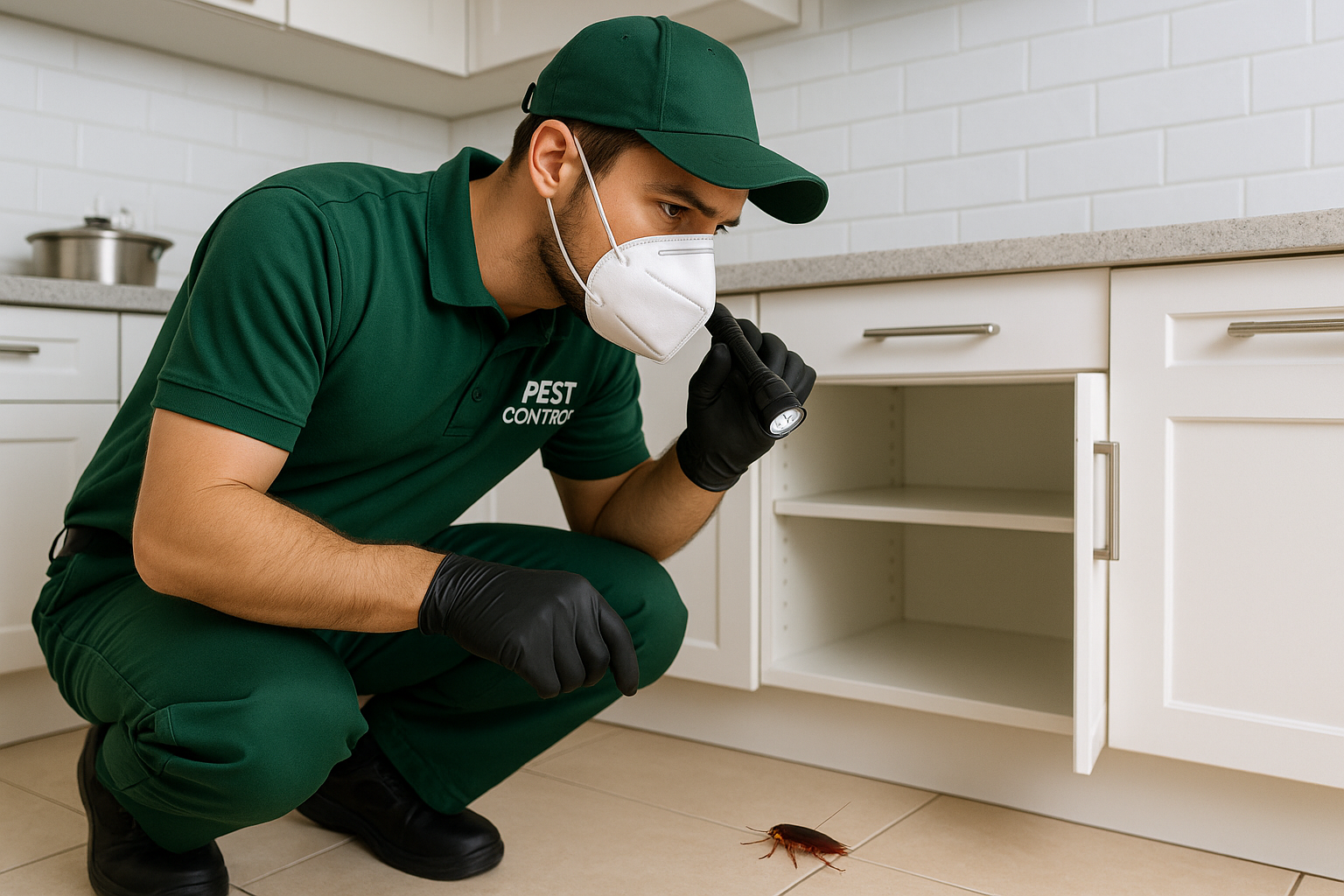
Cockroaches are nocturnal scavengers that hide in cracks, cabinets, and behind appliances. They thrive in warm, humid environments and can survive on minimal food residues.
Beyond the unsettling sight, cockroach droppings, shed skins, and saliva contain potent allergens. Exposure often triggers asthma attacks and allergic reactions, especially in children and sensitive adults.
Ants
Two ant species cause the most household trouble: carpenter ants, which excavate wood to build nests, and odorous house ants, known for their sweet‑smelling trail pheromones.
Look for visible ant trails, small piles of sawdust (carpenter ants), or damaged wooden structures. While most ant bites are harmless, carpenter ant activity can compromise structural integrity over time.
Flies
House flies and fruit flies are attracted to food residues, garbage, and overripe fruit. They breed rapidly, with a life cycle that can be completed in just a week under optimal conditions.
Flies are mechanical vectors, carrying bacteria such as Salmonella and E. coli on their bodies. Their presence increases the risk of food contamination and gastrointestinal illness.
Quick Checklist
| Pest | Primary Identifier | Health Risk |
|---|---|---|
| Termites | Mud tubes, hollow‑sounding wood | Structural damage (no direct health risk) |
| Mosquitoes | Standing water breeding sites, itchy welts | Disease vectors (West Nile, Zika) |
| Rodents | Gnaw marks, droppings, nocturnal activity | Hantavirus, salmonella, leptospirosis |
| Cockroaches | Nocturnal movement, droppings, musty odor | Allergens, asthma triggers |
| Ants | Visible trails, sawdust (carpenter), sweet odor (odorous) | Structural damage (carpenter), minor bite irritation |
| Flies | Buzzing around food, larvae in waste | Foodborne bacterial contamination |
Seasonal Hotspots – When Pests Are Most Active
Temperature, humidity, and the way we live in each season create a predictable rhythm for pest activity. Warm, moist conditions accelerate insect breeding, while cooler, drier weather pushes many pests to seek shelter inside homes. Human behavior—opening windows in spring, hosting backyard barbecues in summer, storing firewood in fall, and heating homes in winter—adds extra food sources and entry points, amplifying those natural cycles.
Spring: The Awakening
As soil temperatures rise above 60°F, termite colonies send out winged alates in massive swarms, searching for new mating partners. Ant colonies also expand their foraging trails, drawn to blooming plants and outdoor picnics. Meanwhile, mosquito eggs laid over winter hatch in synchrony with standing water from spring rains, leading to the first bite of the year.
Summer: The Surge
Hot, humid days on the Gulf Coast turn summer into a mosquito boom; CDC data shows a sharp spike in West Nile and Zika cases between June and August. Cockroaches take advantage of the heat to reproduce rapidly, often moving from outdoor piles of trash into kitchens. Flies, especially houseflies and blowflies, multiply quickly, attracted to outdoor dining and uncovered garbage.
Fall: The Retreat
When nights grow cooler, rodents such as mice and rats start scouting for warm indoor shelter, especially in the Northeast where September‑November sees a surge in indoor sightings. Some termite species, sensing the approaching cold, begin establishing new satellite colonies before the ground freezes, preparing for another spring swarm.
Winter: The Indoor Push
Outdoor options shrink dramatically, so pests that can survive indoors become more visible. Cockroaches, already present in cracks and crevices, increase their activity as they search for water and food sources heated by home heating systems. Rodents double‑down on nesting in walls, attics, and basements, often prompting homeowners to notice gnaw marks and droppings for the first time of the year.
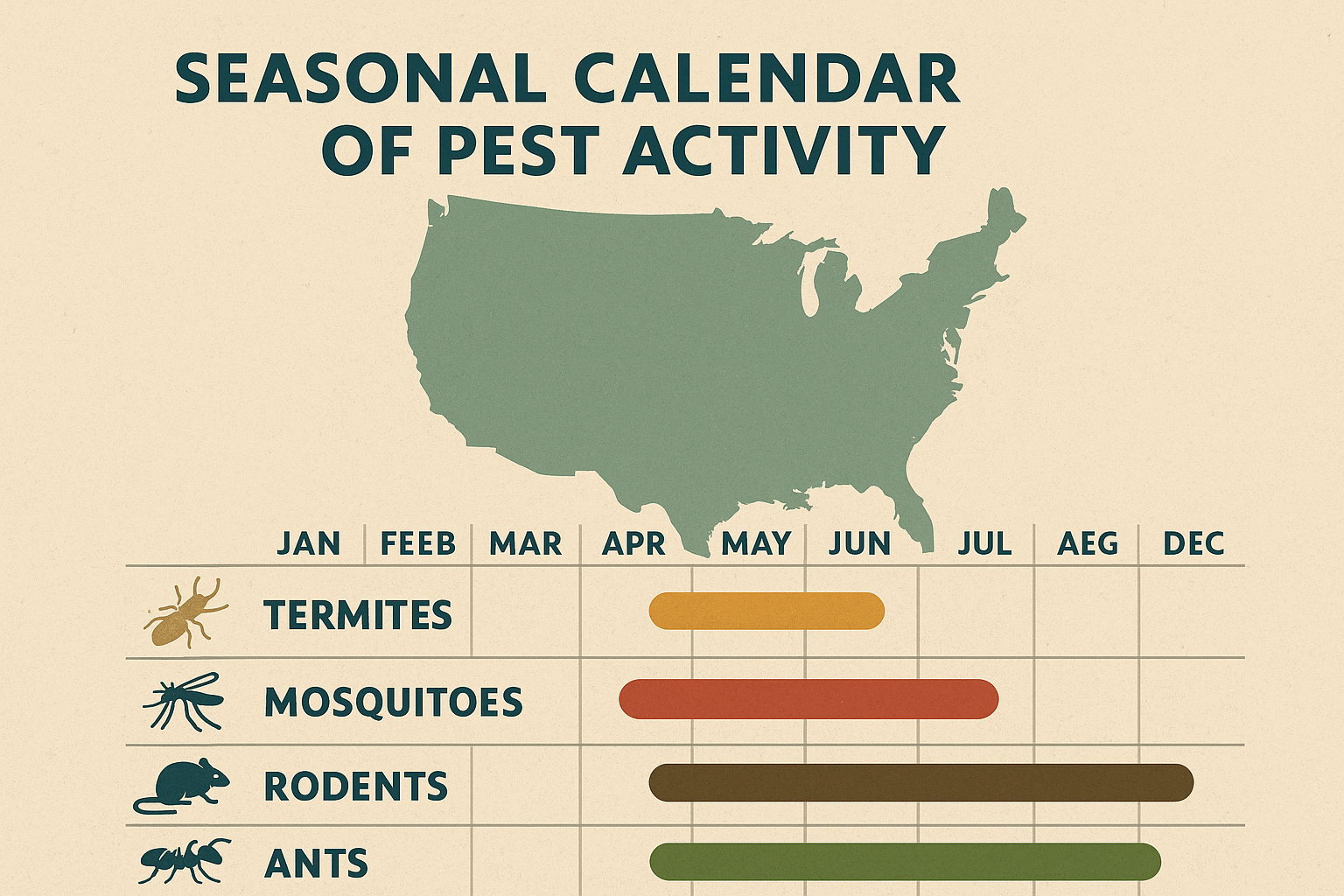
For a quick visual reference, keep the seasonal calendar infographic handy. It condenses the information above into a single, easy‑to‑read chart that you can hang on the fridge or save on your phone.
| Pest | General Peak Months | Regional Notes |
|---|---|---|
| Termites | April – June | Swarm peaks earlier in the South; delayed to May‑July in the Pacific Northwest. |
| Ants | March – May | Carpenter ants are most active in cooler northern states; fire ants surge in the Deep South during early summer. |
| Mosquitoes | June – August | Gulf Coast sees highest densities; mountain regions may see peaks as late as September. |
| Cockroaches | July – September | Urban heat islands extend activity into October in the Midwest. |
| Flies | June – August | Fly populations explode near livestock farms and outdoor dining venues nationwide. |
| Rodents | September – November | Rodent influx is strongest in the Northeast; milder winters in the South keep activity year‑round. |
The Centers for Disease Control and Prevention (CDC) consistently reports that mosquito‑borne illnesses spike during the summer months, reinforcing the need for proactive yard treatments and barrier sprays before June.
DIY Prevention – Simple Steps to Keep Pests Out
Before you dial a professional, remember that the cheapest—and often most effective—tool in your pest‑control kit is prevention. By sealing the ways pests get inside, removing what attracts them, and creating an environment that’s hostile to infestations, you dramatically lower the odds of an unwanted guest showing up at your door.
Seal entry points
Every crack, gap, or opening is a potential highway for insects, rodents, and even larger critters. Start with a quick walk around the exterior and note any of the following:
- Visible cracks in foundation walls or around windows.
- Gaps under doors—install door sweeps or brush seals.
- Damaged or missing screen panels on vents and windows.
Use a high‑quality, paint‑able silicone caulk for small cracks and expanding foam for larger voids. A well‑fitted door sweep can block the entry of ants, spiders, and even mice, while repaired screens keep flying insects from slipping through.
Waste management
Food waste is a magnet for pests. Simple habits can keep your trash from becoming an all‑you‑can‑eat buffet:
- Store garbage in containers with tight‑locking lids.
- Take out trash at least once a week, and more often in summer.
- Keep outdoor compost bins at least 15 feet from the house and use a sealed bin to deter flies and rodents.
Regularly cleaning the area around your bins—removing residue and rinsing them—removes the scent trails that pests follow.
Moisture control
Many pests, from termites to silverfish, thrive in damp conditions. Controlling moisture is a two‑step process:
- Repair leaky pipes, dripping faucets, and condensation on windows promptly.
- Use dehumidifiers in basements and crawl spaces to keep humidity below 60 %.
- Check that the ground slopes away from your foundation by at least 5 % to prevent water pooling near the house.
Dry environments make it harder for pests to establish colonies, and they also reduce the likelihood of mold, which can attract additional insects.
Landscaping tips
What you plant and where you place it can either invite pests or keep them at bay. Follow these quick landscaping fixes:
- Trim shrubs, trees, and vines at least two feet from the house to eliminate bridge pathways.
- Remove standing water in birdbaths, gutters, or low spots—pests love it.
- Apply mulch sparingly and keep it at least six inches away from the foundation; excess mulch holds moisture and hides insects.
A tidy yard not only looks good but also removes the shelter and food sources pests rely on.
Food storage
Inside the home, food is the ultimate lure. Adopt these habits to keep pantry pests out:
- Transfer dry goods—flour, cereal, pet food—into airtight glass or heavy‑wall plastic containers.
- Wipe down countertops and sweep floors nightly to eliminate crumbs.
- Conduct a monthly pantry inspection: discard any packages with torn seals, holes, or signs of infestation.
Even a small spill left unchecked can become a beacon for ants, cockroaches, or pantry moths.
Case study: Suburban Austin, TX home
When the Miller family in Austin noticed a surge of carpenter ants, they implemented a four‑step barrier before calling a professional:
- Caulked all foundation cracks and installed door sweeps.
- Switched to sealed trash cans and moved their compost 20 feet from the house.
- Repaired a leaky bathroom faucet and placed a dehumidifier in the basement.
- Trimmed backyard shrubs away from the siding and eliminated a small puddle near the patio.
According to a report from the Texas A&M AgriLife Extension Service, ant sightings dropped by 70 % within three weeks of completing these steps. The Millers’ experience underscores how a focused DIY approach can dramatically curb an infestation before professional treatment becomes necessary.
When to Call the Pros – Treatment Methods & Pricing
Know the Red Flags That Require a Professional
Most homeowners can handle a few stray ants or a single mouse, but certain signs mean it’s time to pick up the phone. If you notice any of the following, call a licensed pest‑control technician immediately:
- Structural damage – hollowed wood, chewed wiring, or sagging floors are classic signs of termites or carpenter ants.
- Rapid population growth – a sudden surge of roaches, ants, or rodents indicates a breeding source you can’t locate on your own.
- Health concerns – bites, allergic reactions, or asthma triggers linked to pests (e.g., mosquito‑borne viruses or cockroach allergens) demand swift, professional intervention.
- Persistent infestations – DIY sprays and traps that haven’t reduced numbers after several weeks suggest a deeper problem.
When any of these thresholds are crossed, a qualified service like Anthem Pest can prevent costly damage and protect your family’s well‑being.
Inspection – The Foundation of Every Solution
A thorough inspection is more than a quick walk‑through. Professionals use high‑resolution visual surveys, moisture meters, and even infrared cameras to spot hidden activity. The outcome is a detailed baseline report that maps entry points, nesting sites, and vulnerable structures. This report becomes the blueprint for every treatment, ensuring you only pay for what’s truly needed.
Baiting – Silent, Targeted Control
Bait stations work like a Trojan horse. For termites, cellulose‑based baits are placed around the perimeter and along interior framing; the colony workers carry the toxic agent back to the queen, eventually collapsing the entire population. Ant and cockroach baits function similarly, luring foragers with food‑grade attractants. Because the poison is delivered internally, non‑target insects and pets remain safe.
Barrier Sprays – Guarding the Perimeter
Barrier applications create a protective ring around your home, keeping flying insects such as mosquitoes and crawling pests like ants at bay. Technicians typically treat foundation walls, eaves, and outdoor living spaces every 30‑45 days during peak season. Modern formulations are low‑toxicity, EPA‑registered products that break down quickly, reducing long‑term environmental impact while maintaining efficacy.
Structural Fumigation – The Last‑Resort Weapon
When an infestation overwhelms localized treatments—especially with dry‑wood termites or extensive rodent colonies—structural fumigation may be necessary. The home is sealed, and a gas such as sulfuryl fluoride is introduced to penetrate every void. Safety protocols are strict: occupants vacate for 24‑48 hours, and certified professionals monitor gas levels before re‑entry. Though costly, fumigation eliminates hidden colonies in a single, decisive step.
Integrated Pest Management (IPM) – Smart, Sustainable Care
IPM blends monitoring, low‑toxicity products, and homeowner cooperation into a long‑term strategy. Technicians set up sticky traps and digital monitors, then adjust treatment plans based on real‑time data. Homeowners play a role by sealing cracks, removing food sources, and maintaining landscaping that discourages pests. The result is fewer chemicals, lower costs, and a healthier home environment.
Typical Pricing – What to Expect Nationwide
| Service | National Average | Regional Adjustment |
|---|---|---|
| Termite inspection & treatment | $1,200 – $3,500 | +/- 15 % depending on climate and local labor rates |
| Mosquito barrier spray (per season) | $150 – $300 | Higher in humid Gulf Coast regions |
| Rodent exclusion & trapping | $100 – $250 | Urban areas may see the upper range |
| Ant & cockroach service (per visit) | $120 – $200 | Variable based on infestation severity |
These figures draw from the EPA 2024 pesticide usage cost data and reflect the transparent pricing model highlighted on Anthem Pest’s services page. Remember, regional adjustments account for climate‑driven pest pressure and local labor costs, so your final quote may differ slightly.
When to Take the Next Step
If your inspection reveals structural damage, a rapidly expanding colony, or health‑related concerns, schedule a professional visit today. Anthem Pest’s technicians will provide a written baseline report, explain the recommended treatment modality, and give you a clear, itemized estimate before any work begins. With transparent pricing and a focus on safety, you can move from worry to peace of mind—knowing your home is protected by the right experts at the right price.
Choosing a Trusted Local Provider
When pest pressure spikes, the first instinct is to call a professional. Yet not every pest‑control company delivers the same level of expertise, safety, and accountability. Homeowners who invest in a reputable provider protect their families, their property, and their peace of mind. Below are the hallmarks that separate a truly reliable service—like Anthem Pest Control—from the run‑of‑the‑mill options that often cut corners.
Core credentials you should demand
- Licensed technicians: All field agents hold state‑issued pest‑control licenses, proving they’ve passed rigorous exams on biology, chemistry, and local regulations.
- EPA‑approved products: Treatments are sourced from manufacturers whose formulations meet the Environmental Protection Agency’s strict safety standards, reducing risk to children, pets, and the environment.
- 24‑hour response guarantee: A rapid‑action promise means a technician will be on site within a day of your call, limiting infestation spread and preventing costly damage.
What the numbers say about Anthem
Anthem Pest Control consistently earns a 4.8 out of 5 rating on the Better Business Bureau, reflecting thousands of satisfied homeowners nationwide. In addition, the company holds industry certifications such as the National Pest Management Association’s (NPMA) Certified Pest Management Professional (CPMP) badge and the International Pest Control Association’s (IPCA) Green Certification, confirming adherence to best‑practice standards and sustainable treatment methods.
Homeowner perspective
“I called Anthem after discovering a sudden ant invasion in my Phoenix kitchen. The technician arrived the same day, explained the EPA‑approved product he’d use, and sealed entry points before I even finished my coffee. Six weeks later, the ants are gone and I haven’t seen a single new trail. Their follow‑up call confirmed the treatment’s lasting effect—exactly the service I needed.”
—Maria L., Phoenix, AZ
Checklist for vetting any local pest‑control company
- Verify state licensing and insurance: Ask to see the license number and proof of liability coverage; a legitimate company will provide it without hesitation.
- Ask about product safety and EPA registration: Insist on knowing the active ingredients, their EPA registration status, and any safety data sheets relevant to your household.
- Request a written service agreement with clear warranties: The contract should outline the scope of work, treatment frequency, and a guarantee that covers re‑treatment if pests return within the warranty period.
- Compare pricing transparency and follow‑up schedules: Look for itemized quotes that separate labor, chemicals, and any optional services. A trustworthy provider will also schedule routine inspections and provide a clear timeline for future visits.
Anthem’s nationwide reach
While Anthem Pest Control prides itself on local expertise, its network spans the United States, from the desert suburbs of Phoenix to the humid neighborhoods of the Gulf Coast. This broad footprint enables the company to draw on regional knowledge—such as seasonal termite activity in the Southeast or mosquito breeding cycles in the Southwest—while still delivering the personalized, door‑to‑door service homeowners expect from a neighborhood provider.
By using this checklist and focusing on the credentials outlined above, you can confidently select a pest‑control partner that safeguards your home with proven expertise, transparent practices, and a commitment to lasting results.
Quick Answers to Common Concerns
Here are concise answers to the three questions we hear most often from homeowners.
Q1: Are the chemicals safe for kids and pets?
At Anthem Pest we prioritize low‑toxicity, EPA‑registered products that are proven safe when applied correctly. Our technicians schedule most interior treatments in the early evening, allowing the spray to settle before family members return home. To keep children and pets protected, we recommend the following simple steps:
- Keep kids and pets out of treated rooms for at least two hours.
- Ventilate the space by opening windows and running fans after the waiting period.
- Wipe down surfaces that will be touched by little hands or paws before use.
- Store any leftover product out of reach, just as you would with household cleaners.
When these precautions are followed, the risk of adverse reactions is minimal, and the treatment remains highly effective against pests.
Q2: How often should I schedule inspections?
For the average home, a bi‑annual inspection—once in the spring and once in the fall—covers the peak activity periods of most insects and rodents. If you live in a high‑risk zone, such as a coastal community, a heavily wooded property, or an area with a known rodent problem, we suggest moving to quarterly inspections. This extra frequency catches early infestations before they become costly emergencies.
Our technicians will tailor the schedule to your specific environment, taking into account local pest pressure, recent weather patterns, and any previous treatment history.
Q3: What guarantees does Anthem Pest offer?
We stand behind every service with a clear warranty. Most treatments include a free re‑treatment window of 30 days if pests return in the treated area. For comprehensive plans—such as termite or bed‑bug programs—we provide an extended guarantee that covers ongoing monitoring and additional visits at no extra charge for the duration of the contract.
In addition, our satisfaction guarantee means that if you are not happy with the results, we will work with you to find a solution, whether that’s a supplemental treatment or a refund of the service fee.
Still have a question? Submit it through our
Protect Your Home with Anthem Pest Control
Throughout this guide we’ve highlighted three pillars of effective pest management: spotting trouble early, syncing treatment with seasonal peaks, and installing simple DIY barriers that buy you time. When you know the tell‑tale signs of ants marching along a foundation crack, the first buzz of mosquito activity at dusk, or the faint rustle of rodents in the attic, you can act before an infestation takes hold. Aligning those observations with the calendar—treating mosquitoes in early summer, termites in late spring, and rodents before winter—maximizes the impact of any intervention. And those low‑cost DIY steps, from sealing entry points to trimming vegetation, create a first line of defense that reduces the pest load while you arrange professional help.
Even the best homeowner effort has limits. Certain pests demand expertise that goes beyond household tools. Termite colonies, for example, hide deep within wood and require specialized detection equipment and treatment formulations that only certified technicians possess. Mosquitoes thrive in standing water and hidden breeding sites; a professional inspection can locate and eliminate sources you might never see. Rodent exclusions often involve sealing tiny gaps and installing bait stations in compliance with local regulations—tasks that are best left to trained experts. Anthem Pest’s technicians bring that advanced knowledge, ensuring no hidden pocket of activity slips through the cracks.
Ready to close the gap between DIY and professional protection? Anthem Pest offers a free, no‑obligation inspection so you can see exactly what your home needs. Call us today at 877‑371‑8196 or visit our website to schedule your appointment. Our inspectors will walk through your property, point out vulnerabilities, and outline a customized plan that fits your budget and timeline.
Whether you’re dealing with a single ant trail or planning a long‑term protection plan, Anthem Pest’s transparent pricing and certified technicians make safeguarding your home easy and affordable. We break down every step, from the initial assessment to the final follow‑up, so you never wonder where your money is going. Our seasonal service calendar means you’ll receive timely treatments exactly when pests are most active, keeping your home comfortable year‑round without surprise visits.
Take the next step toward a pest‑free sanctuary. Visit Anthem Pest Control now to claim your free inspection and start the journey toward lasting peace of mind.