Why Gnat Problems Matter for Roswell Homeowners
Gnats are tiny, soft‑bodied insects that most people mistake for tiny flies. The two species you’ll encounter most in Georgia are fungus gnats, which love damp soil, and biting midges, often called “no‑see‑ums.” Unlike house flies, gnats complete their life cycle—egg, larva, pupa, adult—in just two to three weeks, and they rarely live longer than a month. Their size (usually under a quarter‑inch) and rapid breeding set them apart from mosquitoes, which need standing water to lay eggs, and from larger flies that prefer decaying organic matter.
Homeowners usually notice gnats before the infestation gets out of hand. Common clues include:
- Swarming around outdoor lights or indoor fixtures at dusk.
- A persistent, high‑pitched buzz near kitchen sinks, trash cans, or potted plants.
- Tiny red or itchy bites on exposed skin, especially after evenings on the deck.
- Visible larvae or fuzzy growth in the top inch of potting soil.
Roswell’s humid summers and abundant oak‑lined neighborhoods create the perfect nursery for gnats. Warm temperatures accelerate egg development, while the city’s many shaded gardens, rain‑filled gutters, and nearby wetlands provide the moisture gnats crave. Even a short period of rain can turn a well‑maintained lawn into a breeding ground within days.
While gnats rarely transmit disease, their bites can be surprisingly irritating. Biting midges inject a tiny amount of saliva that may cause itching, redness, and in sensitive individuals, a mild allergic reaction. For families with children or seniors, constant scratching can lead to secondary skin infections.
Beyond personal discomfort, gnats can damage your landscape. Fungus gnats feed on the roots of ornamental plants, weakening them and making them more vulnerable to wilt or disease. Large swarms also become a nuisance on patios and decks, driving guests away and diminishing outdoor enjoyment.
Because the symptoms overlap with other tiny insects, pinpointing the exact species—and the source of the breeding—often requires a professional eye. A certified gnat inspection in Roswell can identify whether you’re dealing with soil‑dwelling fungus gnats, outdoor biting midges, or another pest, allowing Anthem Pest Control to recommend a targeted, cost‑effective treatment plan.
Indoor Gnat Inspection – What to Expect in Your Kitchen

Before the technician arrives, a quick pre‑inspection checklist can speed up the process and give you the best chance of a thorough assessment. Clear away dishes, wipe down countertops, and sweep up any food crumbs. Empty the sink of standing water, turn off the dishwasher and coffee maker, and store loose produce in sealed containers. These simple steps remove obvious food sources and let the professional focus on hidden breeding spots.
Technician’s Visual Survey
Once inside, the inspector conducts a systematic walk‑through of the kitchen’s most vulnerable zones:
- Cabinets and pantry shelves – looking for damp cardboard, spilled liquids, or decaying organic matter.
- Drains and garbage disposals – checking for buildup that can retain moisture and attract gnats.
- Countertop cracks and grout lines – these tiny fissures can trap water and become perfect breeding chambers.
- Appliance seals – inspecting refrigerator and dishwasher gaskets for condensation.
Moisture Detection Tools
Gnats thrive where water lingers, even if you can’t see it. The technician uses a handheld moisture meter to pinpoint elevated humidity behind cabinets or under countertops. In darker corners, a portable UV light reveals hidden moisture stains and fungal growth that are invisible to the naked eye. These tools help locate problem areas that might otherwise be missed during a visual scan.
Sampling Methods for Species Identification
Identifying the exact gnat species guides the treatment plan. The inspector may set up a sticky trap near suspected hotspots for a 24‑hour capture window. In some cases, a small vacuum collection is performed, pulling insects from drain openings or crevices into a sealed container. The samples are later examined under a microscope, confirming whether you’re dealing with fungus gnats, fruit flies, or another type.
Documentation and Communication
All findings are recorded on a detailed inspection report. The technician notes the location of each moisture source, the type of debris observed, and the results of any sampling. Photographs are taken for visual reference, and a summary is presented to you on the spot. This transparent handoff ensures you understand the root cause, the recommended remediation steps, and the timeline for follow‑up treatment.
For a deeper dive into long‑term gnat control strategies specific to Roswell, GA, visit Anthem Pest Gnat Control Roswell GA. Our local expertise helps you keep your kitchen gnat‑free year after year.
Outdoor Gnat Inspection – Protecting Decks, Yards, and Water Features

Exterior preparation tips
Before a technician arrives, homeowners can dramatically improve inspection results by tackling a few simple tasks:
- Trim vegetation: Keep shrubs, vines, and lawn edges trimmed at least 6 inches from the house. Overgrown foliage creates shade and moisture—ideal gnat breeding grounds.
- Empty standing‑water containers: Buckets, bird baths, plant saucers, and clogged rain barrels should be drained or refreshed daily. Even a shallow puddle can hatch dozens of gnats.
- Clean gutters and downspouts: Remove leaves and debris that trap rainwater. A clear drainage path prevents hidden moisture pockets along the foundation.
Technician’s walk‑around survey
During the outdoor inspection, our certified technician conducts a systematic walk‑around of all high‑risk areas:
- Decks and patios: We check for damp wood, pooled water, and organic debris that can harbor larvae.
- Garden beds: Mulch depth, compost exposure, and irrigation runoff are evaluated for excess moisture.
- Nearby water bodies: Small ponds, decorative fountains, or storm‑drain basins are inspected for stagnant zones that attract adult gnats.
Targeting hidden breeding zones
Mulch, compost piles, and irrigation systems often hide the moisture gnats love. Our inspection includes:
- Measuring mulch moisture with handheld hygrometers.
- Probing compost piles for soggy pockets and recommending aeration or covering.
- Inspecting drip‑line emitters and sprinkler heads for leaks or over‑watering.
Advanced detection tools
When visual cues aren’t enough, we deploy technology to uncover concealed moisture:
- Drone surveys: A low‑altitude drone captures aerial thermal imagery, highlighting damp soil patches that are invisible from ground level.
- Handheld thermal cameras: Technicians sweep surfaces with infrared lenses, instantly spotting cooler, moisture‑laden spots where gnats may be breeding.
Perimeter trapping for population density
To gauge how severe an outdoor infestation is, we set up a series of sticky or baited traps around the property’s perimeter. Traps are placed:
- At the base of the deck railing.
- Along the garden edge near mulch.
- Close to any water feature or drainage outlet.
After 24‑48 hours, we count captures and compare them to regional thresholds, giving us a clear picture of the gnat pressure around your home.
Interpreting findings & next steps
Once the inspection is complete, the technician provides a concise report:
- Hotspot identification: Exact locations where moisture is excessive and gnats are most likely to breed.
- Immediate actions: Simple homeowner tasks—like tightening a leaky hose or adding a layer of coarse sand over mulch—to reduce breeding sites.
- Professional interventions: Targeted larvicide applications, perimeter barrier sprays, or a one‑time fogging treatment for adult gnats, depending on the density reading.
By following the prep tips and understanding the technician’s observations, homeowners can keep decks, yards, and water features gnat‑free all season long.
Treatment Options and Transparent Pricing for Roswell Residents
Overview of Treatment Categories
Anthem Pest offers three core gnat‑control pathways that match the severity of an infestation and the homeowner’s budget. A one‑time adulticide spray knocks out flying adults quickly, while a larvicide soil drench attacks the hidden larvae that hatch in moist garden beds or yard mulch. For those who want ongoing peace of mind, a quarterly follow‑up maintenance plan combines both approaches and adds seasonal inspections to keep gnats from returning.
EPA‑Approved Products & Application Methods
All chemicals used are registered with the EPA and meet strict safety standards for families, pets, and the environment. Our technicians choose the delivery system that best fits the property layout:
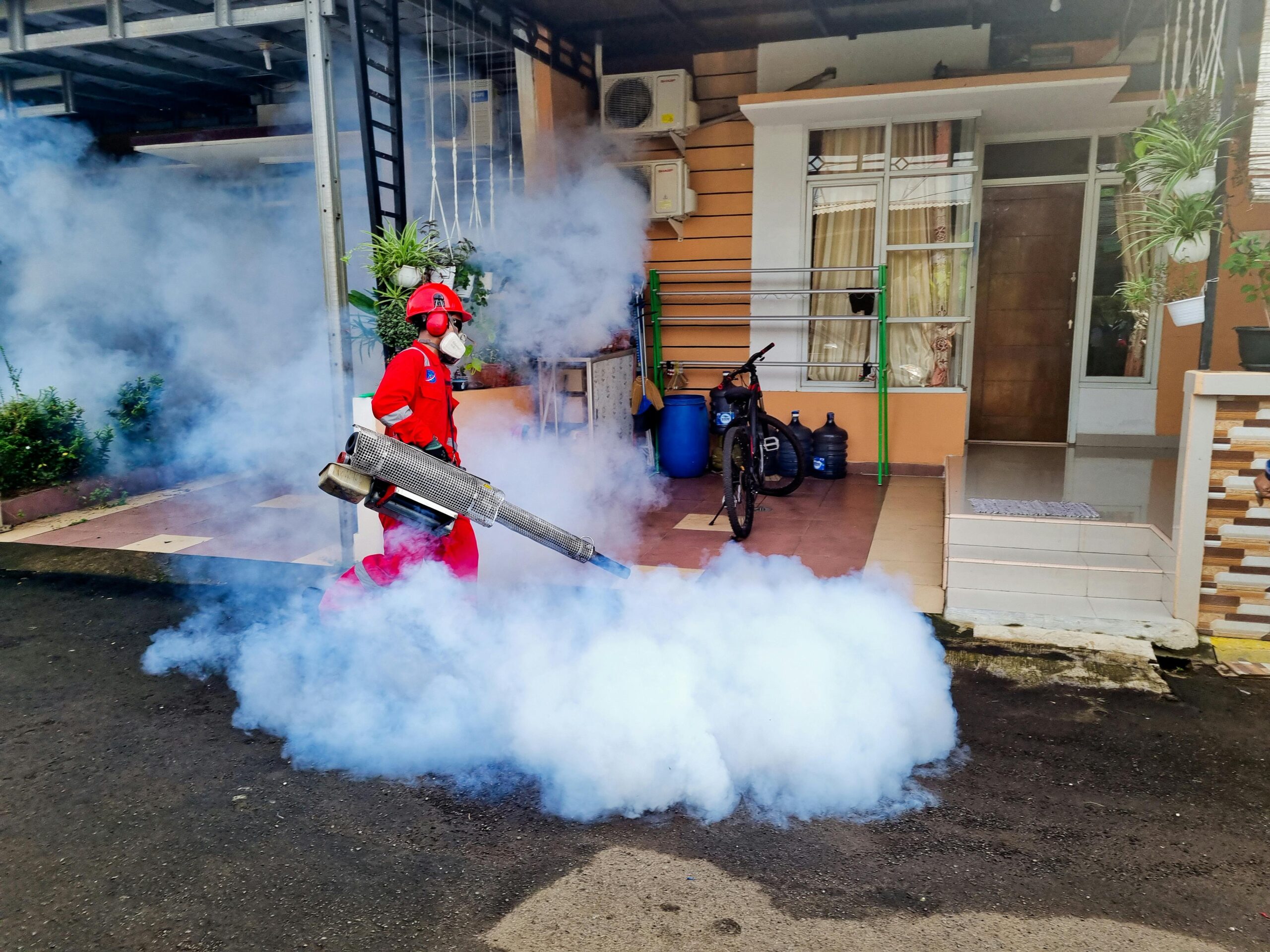
- Foggers: Fine mist that penetrates dense foliage, ideal for large lawns and shrub borders.
- Misting devices: Low‑volume, continuous mist applied to soil and compost areas where larvae thrive.
- Bait stations: Discreet, weather‑proof containers placed near drainage zones; gnats feed on the attractant and carry the insecticide back to breeding sites.
Integrated Pest Management (IPM) Benefits
Anthem Pest follows an IPM philosophy, meaning we blend chemical controls with cultural practices to achieve lasting results. By reducing standing water, trimming overgrown vegetation, and improving soil drainage, we lower the habitat suitability for gnats. This dual strategy not only curbs current outbreaks but also prevents future spikes, saving homeowners both time and money.
Pricing Tiers (Infographic Overview)
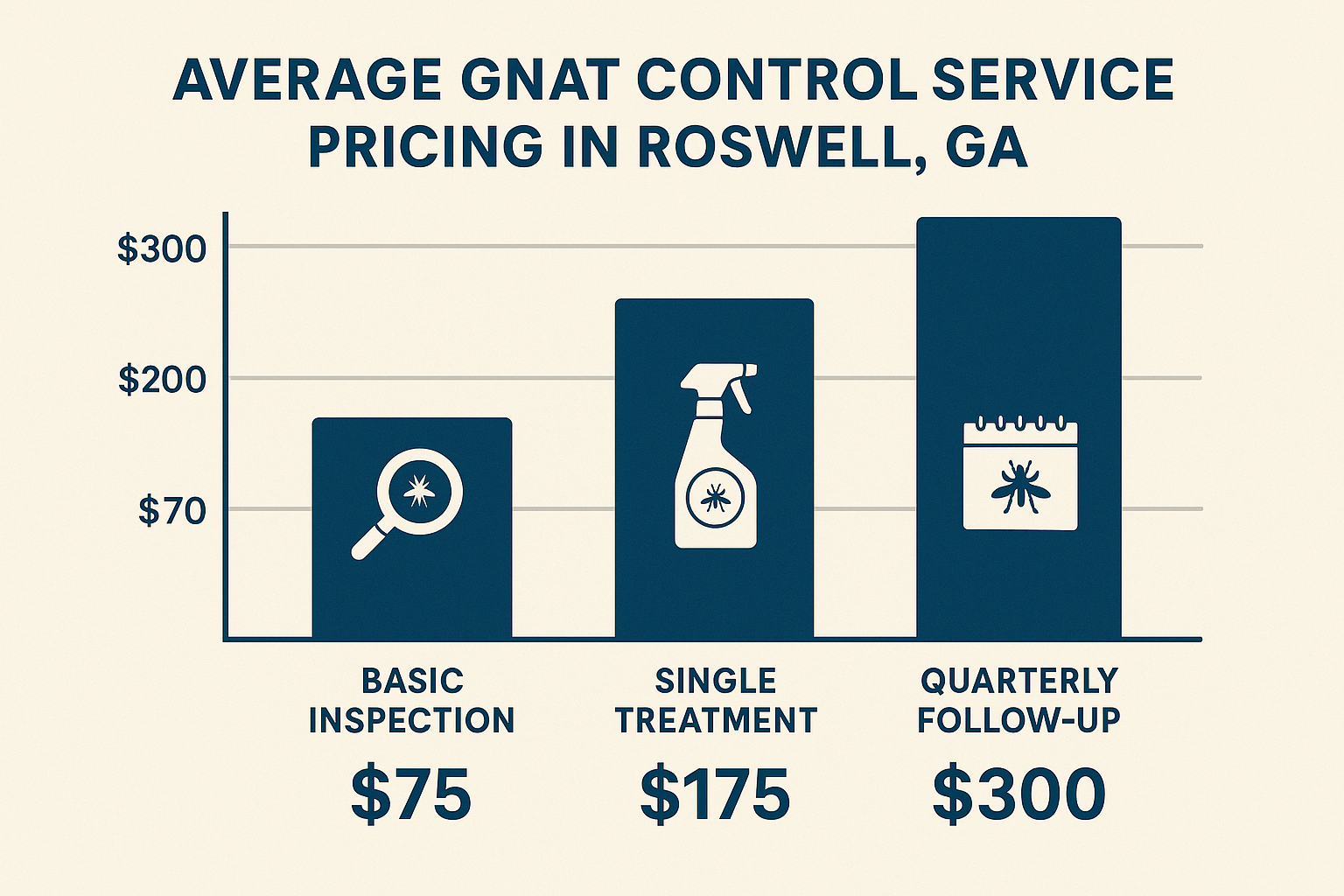
The infographic breaks down our three most popular packages. Below is a quick interpretation:
| Service | What’s Included | Typical Cost (Roswell) |
|---|---|---|
| Basic Inspection | 15‑minute on‑site assessment, identification report, treatment recommendation | $79 – $99 |
| Single Treatment | One‑time adulticide spray + optional larvicide drench (up to 2,000 sq ft) | $149 – $199 |
| Quarterly Follow‑up Plan | Four seasonal visits, adulticide + larvicide each visit, IPM consultation, priority scheduling | $399 – $499 per year |
Transparent Pricing with Anthem Pest
We believe homeowners deserve crystal‑clear costs before any work begins. That’s why Anthem Pest provides a free, no‑obligation quote that lists every product, labor hour, and travel charge. There are no surprise fees after the job is done—what you see in the estimate is exactly what you pay. Our local Roswell team also offers flexible payment options and seasonal discounts for repeat customers.
Tips to Maximize Treatment Efficacy
Even the best chemicals can fall short if the environment still favors gnat breeding. Follow these simple steps after a service:
- Eliminate standing water: Empty saucers, bird baths, and clogged gutters within 24 hours.
- Sanitize outdoor surfaces: Sweep away leaf litter and compost debris that retain moisture.
- Improve soil drainage: Aerate heavy clay soils and add a thin layer of sand or gravel in low‑lying spots.
- Schedule regular maintenance: Stick to the quarterly plan to catch new hatches before they become a nuisance.
By pairing Anthem Pest’s professional treatments with these homeowner actions, Roswell residents can enjoy a gnat‑free yard throughout the humid Georgia summer.
Seasonal Gnat Activity in Georgia and Timing Your Treatments
What drives gnat numbers?
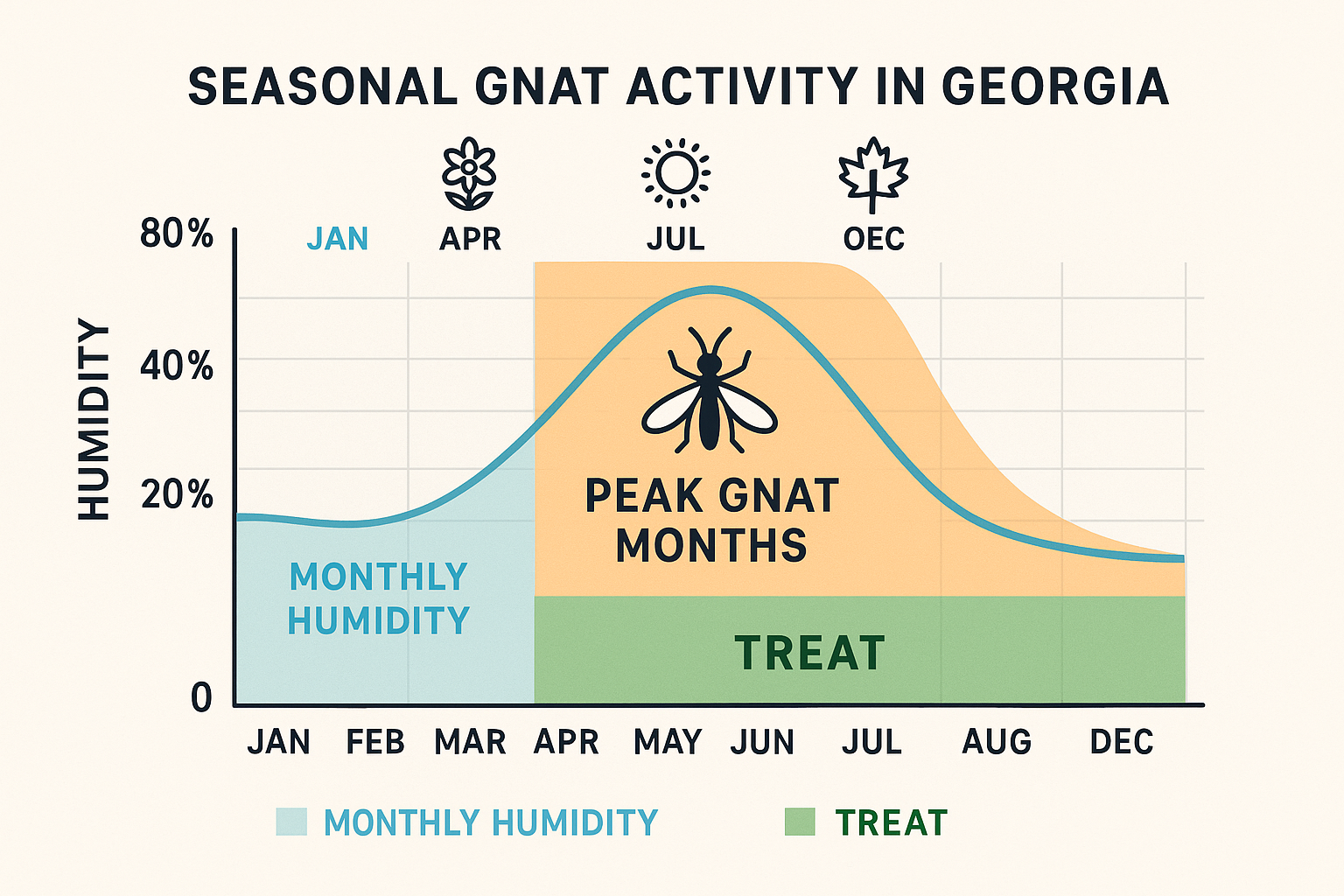
In Georgia, gnat populations are a direct response to three weather factors: humidity, temperature, and rainfall. Warm days above 70°F accelerate larval development, while high humidity keeps adult gnats active and able to reproduce. A steady rain pattern creates moist soil and decaying organic matter—perfect breeding sites. When any of these elements dip, the insects retreat, leading to a natural ebb in activity.
Reading the seasonal chart
The chart above breaks the year into three clear phases. June through August is the peak period, with nightly swarms often visible around porch lights. April‑May and September‑October form the shoulder windows—gnats are present but numbers are manageable. From November through March, activity drops to low, making it the ideal time for deep‑cleaning and preventive work.
| Season | Months | Activity Level | Recommended Action |
|---|---|---|---|
| Peak | June – August | High | Midsummer follow‑up spray |
| Shoulder (Spring) | April – May | Moderate | Early‑spring preventive spray |
| Shoulder (Fall) | September – October | Moderate | Late‑fall maintenance treatment |
| Low | November – March | Low | Soil drainage, deck cleaning, leaf removal |
When to treat
Our experience shows the most effective schedule aligns with the chart’s windows. Start with an early‑spring preventive spray in late March or early April; this creates a barrier before the first rain‑induced hatch. Follow up with a mid‑summer treatment in July to knock down the peak swarm. Finally, apply a late‑fall maintenance spray in early October to eradicate any lingering larvae before winter sets in.
Homeowner actions for each season
- Spring: Ensure proper soil drainage around foundations, remove standing water in birdbaths, and trim back vegetation that traps moisture.
- Summer: Clean decks, patios, and outdoor furniture regularly; rinse out gutters to prevent water pooling; and keep outdoor lighting away from sitting areas to reduce attraction.
- Fall: Rake and compost leaves promptly, especially near garden beds; store firewood off the ground; and seal cracks where gnats could hide.
- Winter: Although activity is low, keep indoor humidity under 50% and inspect screens for tears that might let gnats slip inside on warm days.
Why regular monitoring matters
Even with a solid treatment plan, unexpected rain spikes can trigger a sudden surge. By checking the chart monthly and performing a quick visual inspection—looking for damp soil, decaying plant matter, or tiny black flies around lights—you can catch a budding problem before it becomes a full‑blown swarm. Consistent monitoring, paired with the recommended treatment windows, keeps gnats at bay and protects your outdoor enjoyment year‑round.
Secure a Gnat‑Free Home Today with Anthem Pest Control
In Roswell’s humid climate, gnats can turn a pleasant backyard into a constant buzz of irritation, invading kitchens, patios, and even indoor plants. Their rapid breeding cycles mean a small sighting can quickly become a full‑blown nuisance, especially during spring and early summer. That’s why a thorough inspection and timely treatment are essential to keep your home comfortable.
Anthem Pest Control brings more than a generic spray job. Our technicians live and work in the Roswell area, so they know the local micro‑habitats where gnats hide—from damp garden beds to clogged gutters. We use EPA‑approved, low‑toxicity products that protect your family and pets while delivering fast results. We also prioritize child‑safe application methods, ensuring that treated areas are safe to re‑enter within hours. Transparent pricing means you’ll know exactly what’s covered before any work begins, eliminating surprise fees.
When you call Anthem, the first step is a free, no‑obligation quote. Our team will assess your property, pinpoint the source of the gnat activity, and craft a customized treatment plan that fits your schedule. Whether you need a one‑time intervention or an ongoing maintenance program, we work around your life, offering evening and weekend appointments to minimize disruption. After treatment, we provide a follow‑up inspection to confirm the gnats are gone and advise on preventive steps.
Ready to enjoy a gnat‑free home? Call Anthem Pest Control today at 877-371-8196 for your complimentary quote, or visit Anthem Pest Control to schedule online. Our friendly experts are standing by to design a personalized plan that protects your family, pets, and peace of mind—without hidden costs or guesswork.