Why Pest Control Matters for Homeowners
When you think about home maintenance, pests rarely make the top of the list—until they start affecting your health and the integrity of your property. From hidden termites chewing through framing to rodents contaminating food, an unchecked infestation can turn a safe haven into a liability.
Health risks that can’t be ignored
- Allergies and asthma: Dust‑mite droppings, cockroach shed skins, and rodent dander are common triggers for respiratory issues.
- Disease transmission: Mosquitoes spread West Nile virus, ticks carry Lyme disease, and rodents can carry Hantavirus and salmonella.
- Skin irritations: Bed‑bug bites and ant stings lead to itching, infections, and in severe cases, allergic reactions.
These health hazards are not theoretical. A single bite or inhaled allergen can spark a chain reaction that impacts the entire household, especially children, seniors, and anyone with compromised immunity.
Structural damage that eats away at value
Termites, carpenter ants, and powder‑post beetles silently gnaw at wood, compromising load‑bearing beams, floor joists, and roof supports. Even small rodent nests can cause insulation loss and chew through electrical wiring, creating fire hazards. The cost of repairing such damage often far exceeds the price of preventive treatment.
The national cost picture
The U.S. Environmental Protection Agency estimates that pest‑related damage costs homeowners between $5‑$10 billion annually. This staggering figure reflects lost property value, emergency repairs, and medical expenses stemming from pest‑borne illnesses.
Impact on resale value and insurance
Buyers are quick to discount a home with a known pest history, often demanding price reductions of 5‑15 % or requiring costly pre‑sale inspections. Insurance providers may also raise premiums or deny coverage for properties with documented infestations, further eroding a homeowner’s financial position.
Anthem Pest Control’s role in protecting your home
Anthem Pest Control operates nationwide, bringing localized expertise to every community it serves. Our mission is simple: deliver safe, effective, and affordable pest solutions that safeguard both health and property. By combining data‑driven insights with on‑the‑ground knowledge, we help homeowners make informed decisions before pests become a costly problem.
Know Your Enemy: The Five Most Common Pests
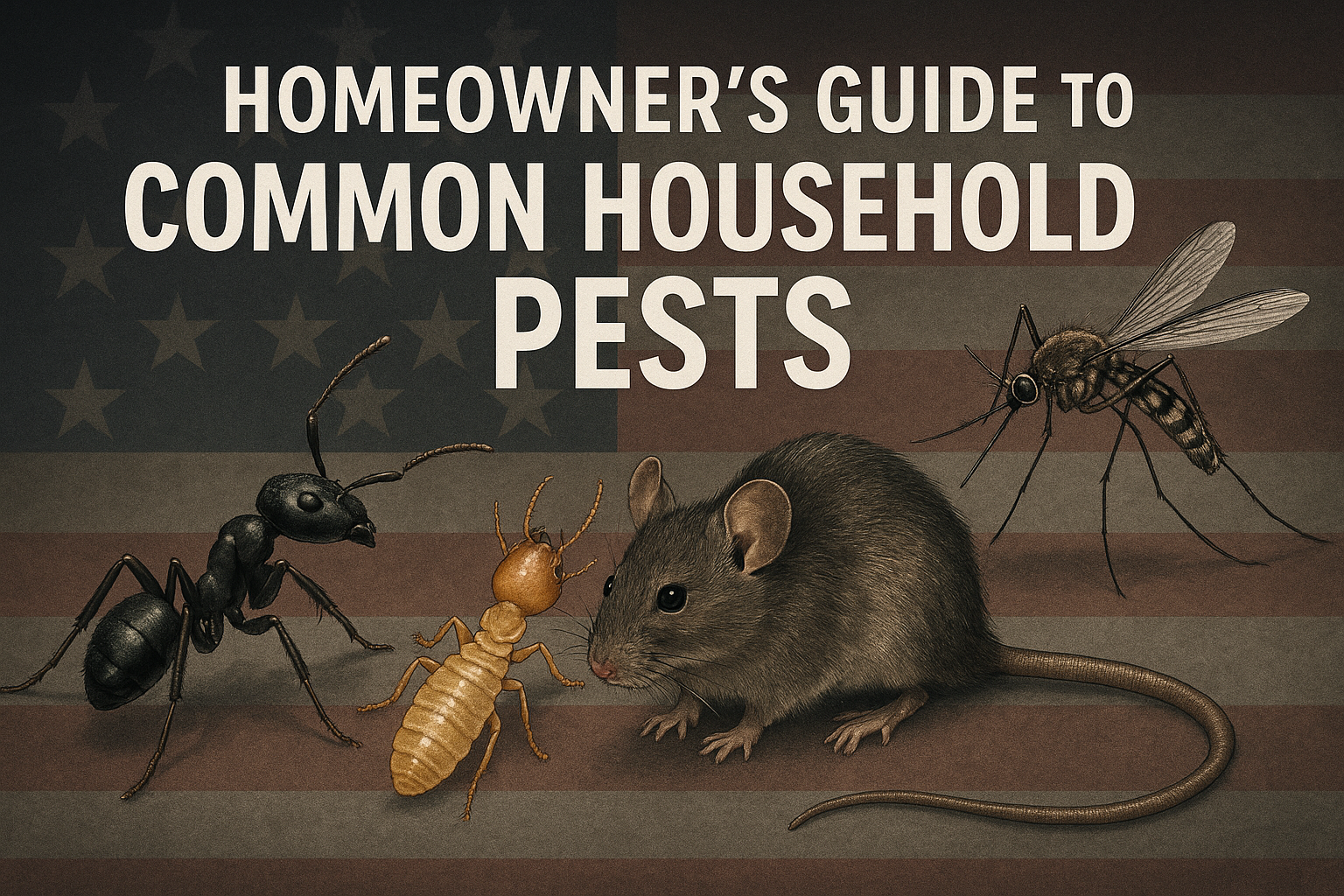
Homeowners often underestimate how quickly a tiny invader can turn a tidy house into a battle zone. Below we break down the five pests you’re most likely to encounter, why they thrive in our homes, and the tell‑tale signs that tell you they’ve already moved in.
1. Ants
Biology. Ants are social insects that live in colonies ranging from a few hundred to millions. Worker ants forage for food, while the queen lays eggs deep in the soil or within wall voids.
Typical entry points. Cracks around windows, door sweeps, and any gap that leads to moist soil are prime highways for ant scouts.
Visible warning signs. Long, winding trails of small black or brown insects, especially near kitchen counters, and tiny pinprick holes in wood where carpenter ants excavate.
2. Rodents
Biology. Mice and rats are mammals that reproduce rapidly—up to ten litters a year for mice. They gnaw continuously to keep their incisors from over‑growing.
Typical entry points. Gaps as small as a quarter‑inch around utility pipes, vents, and foundation cracks give them easy access.
Visible warning signs. Fresh droppings (black, rice‑shaped for mice; larger for rats), gnaw marks on wood or plastic, and faint scratching noises in walls at night.
3. Termites
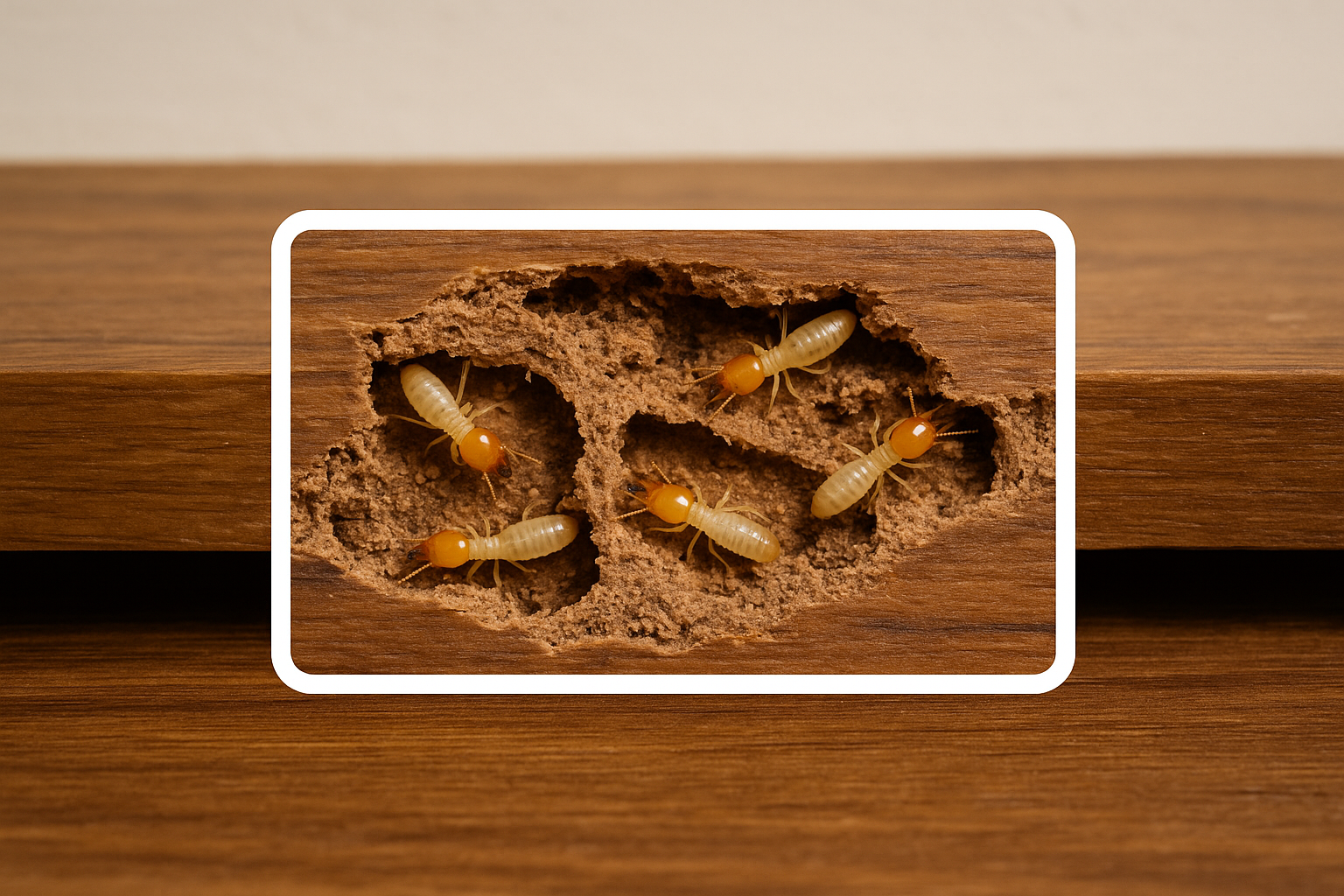
Biology. Subterranean termites live in colonies that can exceed 2 million workers. They feed on cellulose, silently eating through wood, flooring, and structural beams.
Typical entry points. Direct contact with moist soil, cracks in concrete slabs, and gaps around foundation drainage.
Visible warning signs. Mud‑like “kick‑out” tubes on exterior walls, hollow‑sounding wood when tapped, and discarded wings near windows.
 When Pests Strike: Seasonal Patterns to Watch
Understanding when pests are most active lets you stay one step ahead. Each season brings a predictable set of invaders, and a quick quarterly check‑in can stop a small problem from becoming a full‑blown infestation. Below is a season‑by‑season breakdown, followed by a simple calendar you can print and hang on the fridge.
Spring (March – May)
As soil warms, termite alates take to the air in massive swarms, looking for new colonies. At the same time, ant colonies expand their foraging trails, often spilling onto patios and into kitchens. Homeowners should schedule a termite inspection early in the season and seal any cracks around foundations, utility lines, and crawl‑space vents. A light perimeter treatment for ants can keep foraging crews from crossing into your home.
Summer (June – August)
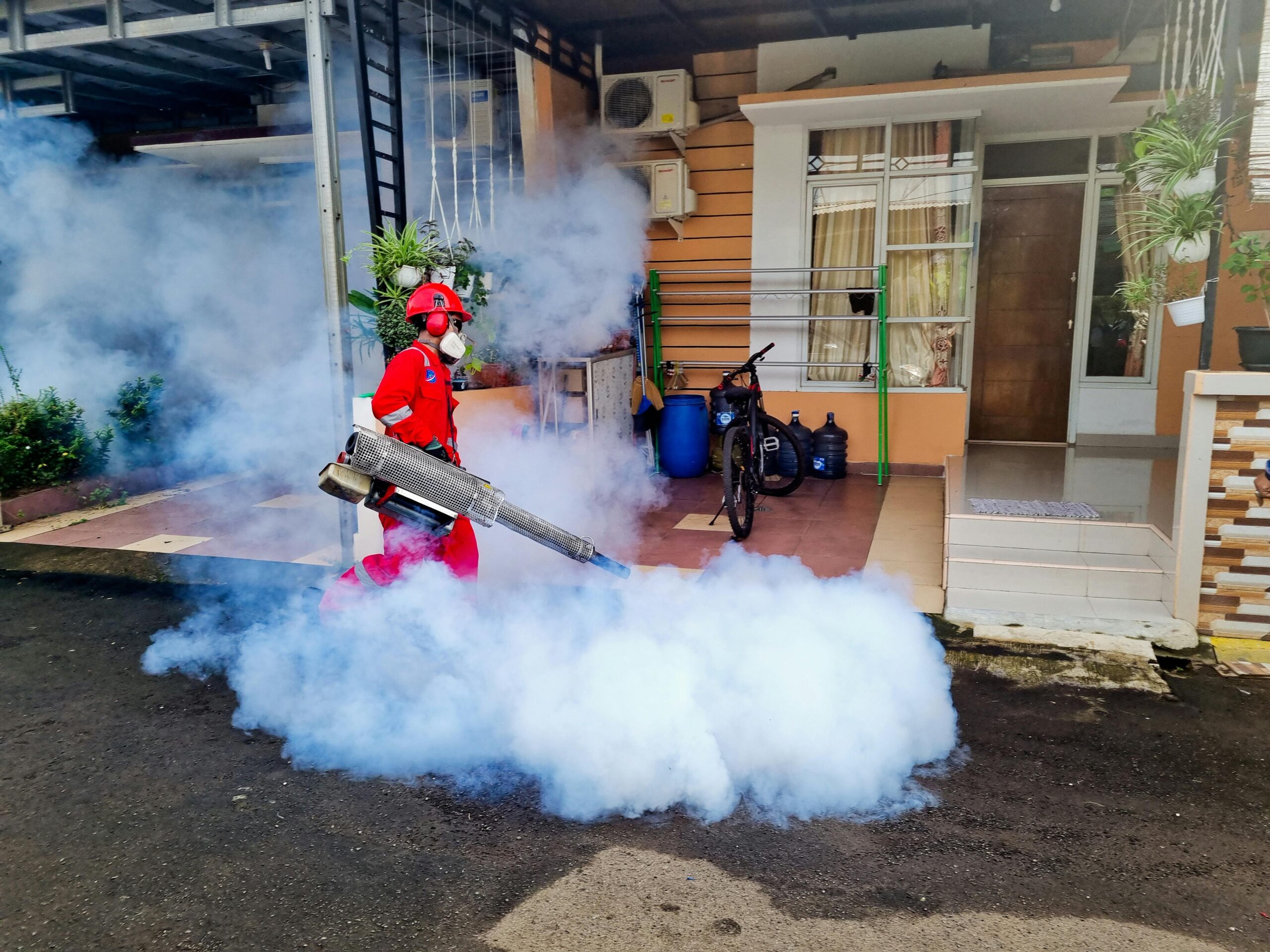
Standing water and humid nights create the perfect breeding ground for mosquitoes. Without proper drainage, backyard ponds or clogged gutters become mosquito nurseries. Summer also sees cockroaches seeking cooler indoor refuge, especially after heavy rains. Eliminate standing water, keep gutters clear, and consider a targeted outdoor fogging or larvicide treatment. Inside, a professional cockroach baiting program can stop indoor migrations before they take hold.
Fall (September – November)
When temperatures dip, rodents start looking for warm nesting sites. Mice and rats will gnaw through insulation, walls, and even vent openings. Certain insects—like lady beetles and some wasps—also seek shelter in attics and wall voids. Conduct a thorough seal‑up of entry points, trim tree branches away from the roof, and schedule a rodent inspection before the first hard freeze.
Winter (December – February)
Cold weather drives the few remaining cockroaches indoors, where they can survive for months. Some spider species, such as the common house spider, become more visible as they hunt indoor insects. Keep indoor humidity low, vacuum regularly, and have a professional perform a winter‑time cockroach monitoring service. A simple spider‑web removal and sealing of cracks will reduce their hiding spots.
Tailoring Actions to Your Climate Zone
The EPA divides the United States into nine climate zones, each with its own temperature and precipitation patterns. For example, Zone 4 (northern states) may see termite swarms as late as May, while Zone 9 (southern states) can experience mosquito peaks from April through October. Use the EPA’s climate‑zone map to adjust the timing of inspections and treatments to match local conditions. Anthem Pest Control’s regional technicians are trained to interpret these data and schedule services when they’re most effective.
Quarterly Pest‑Prevention Calendar
| Quarter | Typical Pest Activity | Recommended Action |
|---|---|---|
| Q1 (Jan‑Mar) | Indoor cockroaches, dormant spiders | Winter monitoring, seal cracks, low‑humidity control |
| Q2 (Apr‑Jun) | Termite swarms, ant foraging, early mosquitoes | Termite inspection, ant perimeter treatment, eliminate standing water |
| Q3 (Jul‑Sep) | Peak mosquitoes, cockroach migrations, rodent entry | Larvicide/fogging, indoor baiting, rodent exclusion |
| Q4 (Oct‑Dec) | Rodent nesting, shelter‑seeking insects, indoor spiders | Seal entry points, attic clean‑out, final pest‑status check |
Mark these dates on your calendar, and let Anthem Pest Control handle the details. A quick call to 877‑371‑8196 or a visit to our website can lock in a seasonal inspection that fits your climate zone and budget.
Proactive Prevention: Simple Steps You Can Take
Seal Entry Points
Every crack, gap, or torn screen is a potential invitation for insects, rodents, and even termites. Start by inspecting the foundation, windows, and doors for any openings larger than a quarter‑inch. Apply a high‑quality silicone caulk to seal cracks, install door sweeps on all exterior doors, and replace or repair damaged window screens. These low‑cost actions create a physical barrier that dramatically reduces the chances of a pest‑related surprise.
Food Storage and Waste Management
Pests are drawn to easy food sources, so keeping your pantry airtight is essential. Transfer grains, cereals, and pet food into sealed containers made of glass or heavy‑wall plastic. Likewise, empty trash cans regularly and use lids that close tightly; a small piece of foil or a rubber gasket can make a big difference. By removing the “all‑you‑can‑eat” buffet, you deprive ants, cockroaches, and rodents of the motivation to set up camp inside your home.
Control Moisture
Moisture is the silent catalyst for many infestations, especially termites, silverfish, and mold‑loving insects. Fix leaky faucets, pipes, and roof gutters as soon as you spot a drip. In damp basements or crawl spaces, run a dehumidifier set to 45‑55 % relative humidity and ensure proper ventilation. Improving drainage around the foundation—by grading soil away from the house and installing French drains if needed—helps keep water from pooling where pests thrive.
Landscape Adjustments
The exterior of your property is the first line of defense. Trim shrubs, trees, and vines so they clear at least a two‑foot gap from the house; overhanging foliage provides a bridge for insects and rodents. Remove standing water in birdbaths, flower pots, and after heavy rain, as stagnant pools are breeding grounds for mosquitoes. A well‑maintained yard not only looks inviting but also removes the easy pathways pests use to reach your door.
DIY vs. Professional Services
Many homeowners can tackle the basics above with a modest investment of time and materials—think a tube of caulk, a door sweep, and a few containers, typically under $50 total. However, some situations call for a professional touch. Persistent termite activity, large rodent colonies, or recurring mosquito swarms often indicate hidden entry points or environmental conditions that require expert assessment.
When you decide to bring in a specialist, Anthem Pest offers a transparent preventive package that covers regular inspections, perimeter treatments, and seasonal adjustments. The average price range for this annual service is $99‑$199, a cost‑effective alternative to emergency exterminations that can run several hundred dollars per incident. By combining simple DIY measures with a scheduled professional plan, you create a layered defense that keeps pests at bay year‑round.
Effective Treatments & What They Cost
Choosing the right pest‑control method isn’t just about effectiveness—it’s also about cost, safety, and how the solution fits into your home life. Below you’ll find the most common treatment modalities, a snapshot of what each entails, and the price range you can expect when you work with a reputable provider like Anthem Pest.
Chemical Barrier
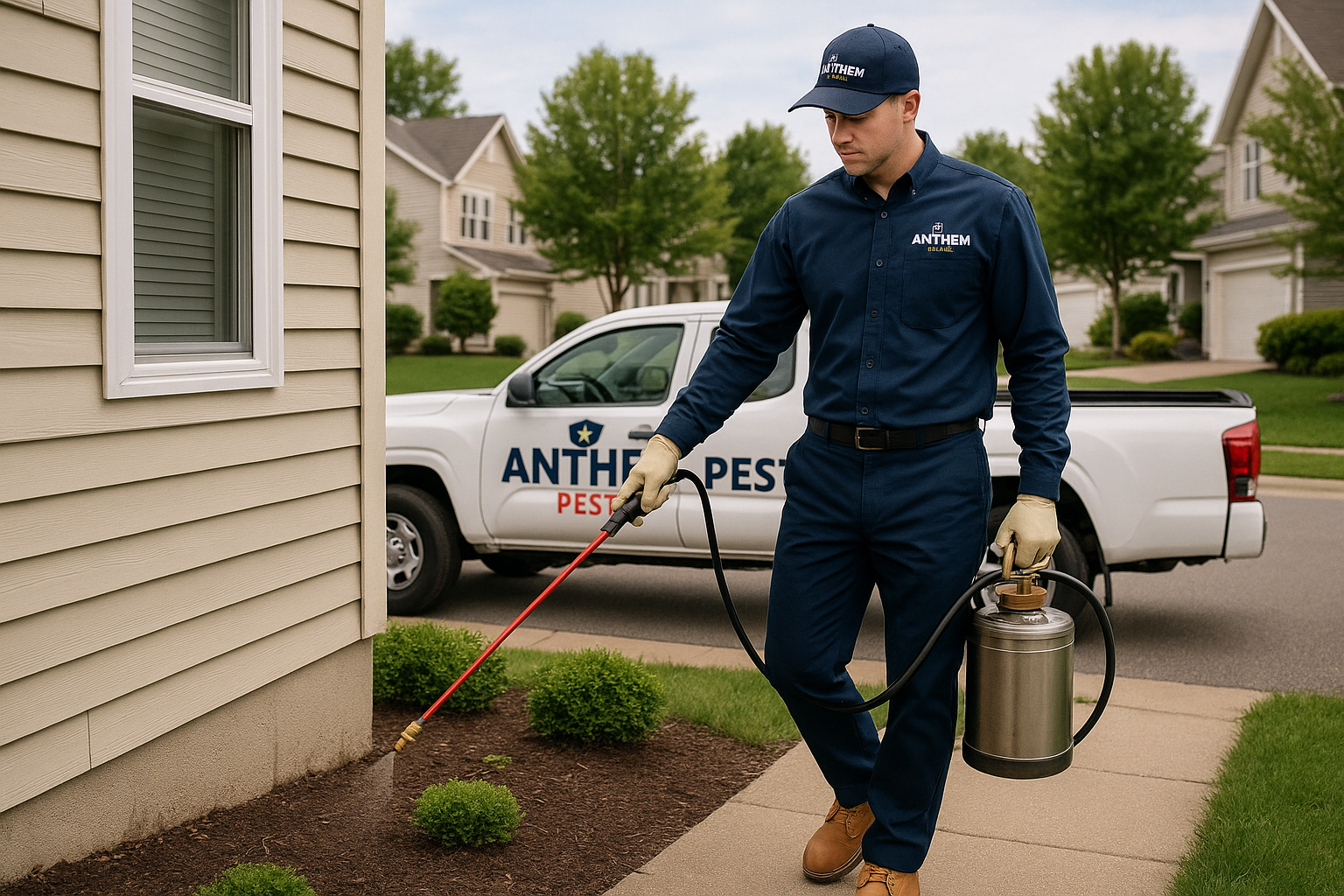
A chemical barrier involves spraying a residual insecticide around the perimeter of your home and along entry points such as foundation cracks, doorways, and window frames. The product creates an invisible wall that kills insects on contact, providing several weeks of protection. Most homeowners see a single application cost between $150 and $300, depending on square footage and the specific formulation used.
Bait Stations
Bait stations are self‑contained units that attract ants or rodents with a food source laced with a slow‑acting poison. The pests carry the toxin back to their colony or nest, gradually reducing the population without the need for widespread spraying.
Why Local Expertise Matters
When a pest shows up at your front door, the difference between a quick fix and a costly nightmare often comes down to who you call. A locally licensed partner brings more than just a truck and chemicals—they bring a deep, on‑the‑ground understanding of the pests that thrive in your neighborhood and the best moments to intervene.
Local knowledge sharpens pest identification
Every region has its own pest “personalities.” In Central Texas, for example, subterranean termites favor the moisture‑rich soils beneath older homes, while in the Gulf Coast, carpenter ants exploit the humid climate to tunnel through wood. A technician who lives and works in the same county knows these patterns instinctively. That intuition speeds up the diagnosis, allowing the professional to pinpoint the species, the infestation stage, and the most vulnerable entry points—all before a generic, out‑of‑area crew might even recognize the signs.
Timing interventions for maximum impact
Seasonal cues are another local advantage. In Austin, the spring rains trigger a surge in termite activity, whereas the cooler fall months see a spike in rodent movement as they seek shelter. A local pest‑control team can schedule inspections and treatments exactly when the pests are most active, delivering a pre‑emptive strike that reduces the need for repeat visits. This timing precision translates directly into lower overall costs for homeowners.
Faster response and regulatory confidence
Because the technicians are based nearby, response times shrink dramatically. A call made at 2 p.m. can often be answered with a same‑day visit, rather than waiting days for a regional dispatch. Moreover, each state has its own licensing requirements, chemical usage limits, and reporting protocols. Local companies stay current with Texas Department of Agriculture regulations, ensuring every treatment complies with the law and protects both your family and the environment.
Case study: Austin homeowner saves $1,200
Take the experience of a homeowner in Austin, TX, who noticed a faint, honey‑like smell near the foundation—a classic early warning sign of termite activity. She reached out to Anthem Pest, whose local technician arrived within hours, identified a nascent colony, and recommended a targeted, low‑impact treatment. By acting early, the family avoided the extensive wood damage that typically follows a full‑blown infestation, saving an estimated $1,200 in repair costs.
Anthem Pest’s local presence
Anthem Pest’s advantage lies in its community roots. Every technician wears a branded uniform that proudly displays the Anthem logo, signaling both professionalism and a commitment to the neighborhoods they serve. The company maintains a network of licensed specialists in each service area, fostering relationships with local homeowners, schools, and businesses. This presence isn’t just marketing—it’s a guarantee that help is just around the corner, ready to act with the knowledge only a true local can provide.
Protect Your Home with Anthem Pest Control Today
Identifying the most common household pests, respecting their seasonal patterns, and taking proactive prevention steps form the cornerstone of a pest‑free home.
- Spot early warning signs: Look for droppings, gnaw marks, or unexplained bites.
- Adjust actions to the season: Seal cracks before spring, reduce standing water in summer, and inspect insulation in fall.
- Apply barrier methods: Use door sweeps, proper food storage, and regular yard maintenance.
By following these steps you dramatically lower the risk of a full‑scale infestation and protect the health of your family.
A licensed professional inspection goes beyond a simple visual check. Our technicians locate hidden activity, map entry points, and apply targeted, EPA‑approved treatments that provide lasting protection and genuine peace of mind.
Professional treatments create a protective barrier that deters pests for the entire season, letting you enjoy your home without constant worry.
Ready to act? Schedule a free home inspection today. Call 877‑371‑8196 for a no‑obligation quote or visit our website to book online.
Whether you’re dealing with a current infestation or simply want to safeguard your home before the next season’s surge, our experienced team is ready to help you protect what matters most.