Introduction to House Fly Risks in Druid Hills

When you hear the familiar buzz of a house fly hovering around your kitchen, you might brush it off as a minor nuisance. In reality, house flies (Musca domestica) are one of the most pervasive urban pests in the United States, and their presence in Druid Hills can quickly evolve from irritating to hazardous. These insects complete their life cycle in just 7‑10 days under warm conditions, meaning a handful of adults can spawn dozens of offspring in a single week.
Beyond the annoyance, house flies are notorious vectors for disease‑causing bacteria such as E. coli, Salmonella, and Staphylococcus aureus. Each time a fly lands on a piece of food, a countertop, or a pet’s bowl, it transfers microbes it picked up from garbage, animal waste, or even other flies. For homeowners, this translates into an increased risk of food‑borne illness, especially in families with children, seniors, or immunocompromised members. The financial impact can be just as unsettling—professional fly control services, repeated chemical treatments, and potential food loss can add up to several hundred dollars per season.
Druid Hills presents a unique set of conditions that amplify these risks. The neighborhood’s dense housing, tree‑lined streets, and proximity to Emory University’s campus create a constant flow of people, food, and waste. Outdoor events, farmer’s markets, and late‑night gatherings generate additional attractants, while the humid subtropical climate of Georgia provides the ideal breeding ground for flies to thrive year‑round. Even well‑maintained homes can become hotspots if trash isn’t sealed promptly or if window screens are damaged.
That’s where Anthem Pest Control steps in. With a dedicated team stationed right here in Druid Hills, we understand the local patterns that drive fly activity. Our technicians are trained to identify breeding sites—whether it’s a neglected compost bin, a clogged gutter, or a pet’s litter box—and to implement targeted, environmentally responsible treatments. Because fly infestations can spike at any hour, we offer a 24‑hour hotline (877‑371‑8196) so you can reach a certified professional whenever you spot the first sign of trouble.
Our service guarantee backs every inspection and treatment with a promise of thoroughness and transparency. We’ll provide a detailed report of what we find, the steps we’ll take, and the expected timeline for results. This data‑driven approach ensures you’re never left guessing about the effectiveness of the solution or the next steps you should take to keep your home fly‑free.
In the sections that follow, we’ll walk you through the science of house fly behavior, the specific signs that indicate an emerging problem in Druid Hills, and the proactive measures you can adopt today. Armed with this knowledge and Anthem Pest’s local expertise, you’ll be prepared to protect your family’s health and your property’s value before a tiny winged intruder becomes a costly headache.
Understanding House Flies in Druid Hills
Lifecycle Overview
House flies (Musca domestica) follow a rapid four‑stage life cycle: egg, larva (maggot), pupa, and adult. A female can lay up to 150 eggs on a single food source, often within a warm, moist environment such as a compost pile or pet waste. In the subtropical climate of Druid Hills, those eggs hatch in less than a day, and the larval stage—where the maggots feed on decaying organic matter—lasts about three to five days. The pupal stage, a protective cocoon‑like phase, takes another three to four days before the adult emerges. From egg to flying adult, the entire process can be completed in roughly two weeks when temperatures stay above 70°F.
Why Georgia Leads in Fly‑Related Illnesses
According to the Centers for Disease Control and Prevention, Georgia ranks among the top five states for house‑fly‑related food‑borne illness incidents in 2024 [CDC source]. The statistic reflects not only the sheer number of flies but also the environments where they thrive—kitchens, outdoor dining areas, and garbage stations that are common in residential neighborhoods. When flies land on food, they can transfer pathogens like Salmonella and E. coli, turning a simple picnic into a health risk.
Climate Conditions that Fuel Fly Populations
Druid Hills experiences an average annual temperature of about 70°F, with summer highs often nudging the 80s and humidity lingering above 70% for much of the year. These subtropical conditions create an ideal breeding ground for house flies. Warm temperatures accelerate metabolic rates, shortening the egg‑to‑adult timeline and allowing multiple generations to overlap. High humidity, on the other hand, prevents the desiccation of eggs and larvae, ensuring higher survival rates. Combine that with the region’s lush vegetation and frequent outdoor gatherings, and you have a recipe for constant fly activity.
Locating Druid Hills on the Fulton County Map
When you pull up a Fulton County map, Druid Hills appears as a leafy enclave just north of downtown Atlanta. The map snippet typically highlights the neighborhood’s winding streets, mature oak canopies, and proximity to the historic Emory University campus. This visual cue helps homeowners understand why the area’s micro‑climate—shaded, damp, and rich in organic debris—offers perfect shelter for fly breeding sites. Even without a picture, imagining the map’s green patches can remind you that flies love the same cool, moist corners you enjoy for gardening.
Implications for Homeowners
Knowing the fly’s life cycle and the local climate lets you anticipate problem spots before an infestation takes hold. Regularly emptying trash cans, sealing compost bins, and fixing leaky outdoor faucets remove the moist, nutrient‑rich sites flies need to lay eggs. Because development can happen in as little as two weeks, a single missed cleanup can lead to dozens of adults buzzing around your porch in a matter of days. Early intervention not only protects your family’s health but also reduces the number of professional treatments you’ll need later.
How Anthem Pest Control Helps
Anthem Pest Control leverages this scientific insight to tailor a fly‑management plan specific to Druid Hills homes. Our technicians inspect for hidden breeding sites—like clogged gutters or forgotten pet waste—apply targeted residual sprays, and advise on sanitation practices that interrupt the life cycle. By addressing both the adult flies and the immature stages lurking in your yard, we help keep the population below the threshold that triggers CDC‑noted illness spikes.
What to Expect During a Professional Inspection
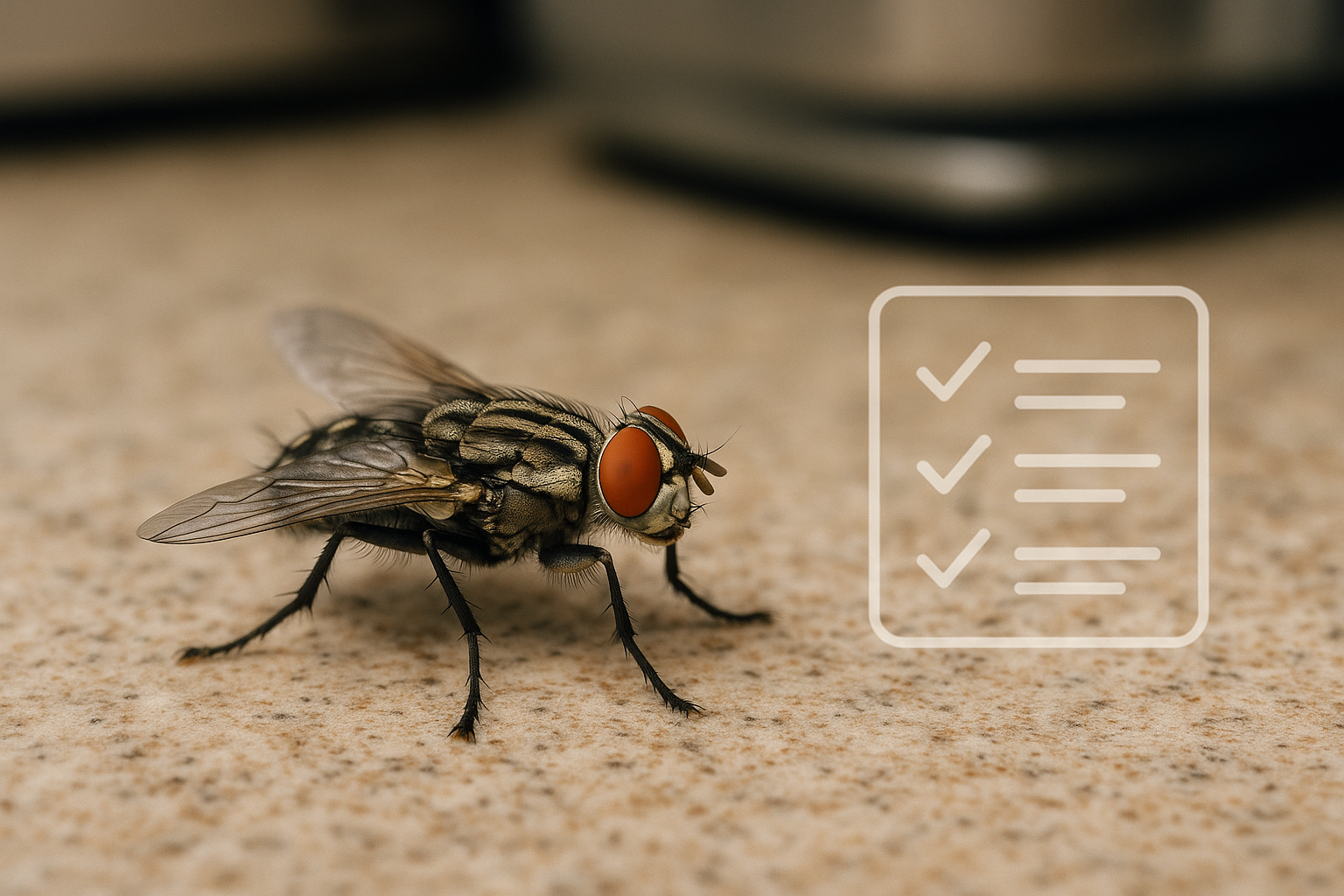
When you call Anthem Pest Control for a house‑fly inspection in Druid Hills, the first thing you’ll notice is the technician’s thorough, methodical approach. Our certified specialists arrive with EPA‑registered tools, a checklist tailored to Georgia’s climate, and a clear plan to pinpoint why flies are gathering around your home. Below is a step‑by‑step walk‑through of what happens during a typical inspection, so you know exactly what to expect—and why each step matters.
Step 1: Exterior Assessment of Entry Points
The inspection begins outside the front door. The technician inspects doors, windows, eaves, soffits, and any vent openings for gaps, cracked screens, or worn weather‑stripping. Using a calibrated flashlight and a handheld infrared camera, they can spot tiny cracks that are invisible to the naked eye. For each potential entry point, the expert notes the size, material, and location, then provides a written recommendation on how to seal it—often with silicone caulk, door sweeps, or mesh screens. Proper sealing is the single most effective barrier against flies re‑entering your home.
Step 2: Interior Visual Sweep of High‑Risk Areas
After the exterior, the technician moves inside. The focus is on kitchens, garbage storage zones, pet feeding areas, and any places where food or organic debris may accumulate. They look for uncovered food, sticky residues on countertops, and improperly sealed trash cans. Using a portable UV light, they can quickly detect organic film that attracts flies. The sweep is visual, but the technician also uses a calibrated moisture meter to identify hidden damp spots that can become breeding grounds.
Step 3: Deployment of Fly‑Specific Traps and UV‑Light Devices
Once the problem areas are identified, the specialist sets up targeted control tools. EPA‑registered fly traps—often a combination of pheromone lures and a non‑toxic adhesive—are placed near doors, windows, and waste zones. In addition, a UV‑light trap is positioned in a dim corner; the light draws flies, and a low‑voltage electric grid incapacitates them without chemicals. The technician explains how each device works, the expected capture rate, and how long the traps should stay active before replacement.
Step 4: Evaluation of Moisture Sources and Waste‑Management Practices
Flies thrive in moist environments. The inspector checks for leaky pipes, condensation under appliances, and standing water in pet bowls or plant saucers. Using a digital hygrometer, they record humidity levels in kitchens and basements; readings above 60 % often signal a hidden moisture problem. The specialist also reviews your waste‑management routine—frequency of trash removal, type of liners used, and whether compost bins are sealed. Recommendations may include installing a drip‑free faucet aerator or adjusting the schedule for garbage collection.
Tools, Credentials, and EPA Registration
All equipment used during the inspection is EPA‑registered, ensuring safety for your family and pets. Technicians are fully licensed in Georgia, have completed Anthem’s intensive training program, and carry up‑to‑date certifications in Integrated Pest Management (IPM). You’ll see a badge or ID card on their uniform, and they’ll be happy to answer any questions about the tools they’re using.
Typical Cost Range
Anthem Pest Control offers transparent pricing for a comprehensive house‑fly inspection in Druid Hills. The typical cost falls between $80 and $150, depending on the size of the home and the complexity of the entry points identified. This fee includes the full visual sweep, the deployment of traps, a written report with sealing recommendations, and a follow‑up call to discuss next steps if treatment is required.
What You’ll Receive After the Inspection
At the end of the visit, the technician provides a concise report outlining:
- All identified entry points and recommended sealing methods.
- Locations where traps were placed and instructions for monitoring them.
- Any moisture or waste‑management issues that need correction.
- A clear cost estimate for any additional treatment, should you choose to proceed.
This report serves as a roadmap for both immediate action and long‑term prevention, empowering you to keep house flies at bay without recurring surprises.
Key Signs You Need a Professional Inspection
Even the most diligent homeowner can miss the early warning signs of a house‑fly infestation. Spotting the right clues early saves you from larger populations, unpleasant odors, and the health risks that come with unchecked flies.
Swarming flies near food‑preparation surfaces
If you notice a persistent cluster of flies hovering around countertops, sinks, or the stove, it’s more than a nuisance. Flies are attracted to the moisture and food residues that linger after cooking, and a visible swarm indicates that they have found a reliable food source inside your home.
Presence of maggots in garbage, pet waste, or compost
Maggots are the larval stage of house flies, and their appearance is a clear red flag. Finding them in trash cans, litter boxes, or outdoor compost piles means adult flies have been laying eggs nearby, and the next generation is already developing.
Unexplained foul odors in basements, crawl spaces, or utility rooms
Stagnant, sour smells that seem to come from hidden corners often signal fly breeding sites. These odors are produced by decaying organic matter where flies lay eggs, and they can quickly spread through ventilation ducts to the rest of the house.
Increased activity at dusk and early morning
House flies are crepuscular; they become most active during low‑light periods. A noticeable rise in fly movement just before sunset or right after sunrise suggests a thriving population that is taking advantage of the cooler, dimmer hours to feed and reproduce.
What the numbers say: A 2023 survey by the National Pest Management Association (NPMA) found that 62 % of homeowners first called a professional after seeing maggots. That statistic underscores how quickly a small, seemingly harmless sight can turn into a full‑blown infestation.
Attempting to tackle these signs on your own often falls short because flies breed in hidden locations that are difficult to locate without specialized tools. Over‑the‑counter sprays may kill adult flies, but they do nothing for eggs or larvae hidden in wall voids, drains, or deep compost layers.
During a thorough house‑fly inspection, a technician will start by examining the exterior for entry points such as screened doors, open vents, and cracks around windows. Inside, they’ll focus on high‑risk zones—kitchens, trash storage areas, and damp basements—using sticky traps and UV light to locate adult activity. Any identified breeding sites are then marked for targeted treatment, which may include larvicidal sprays, sanitation recommendations, and exclusion measures to keep flies from returning.
A professional inspection brings a systematic approach: technicians use calibrated traps, infrared cameras, and targeted sampling to identify breeding hotspots you can’t see. Once the source is pinpointed, they can recommend a treatment plan that combines immediate adult control with long‑term prevention.
Recognizing these key indicators early and calling a qualified pest‑management team helps protect your family’s health, preserves the cleanliness of your home, and prevents costly emergency treatments later on.
Timing and Seasonal Considerations for Fly Control
Understanding the Fly Calendar in Druid Hills
In the rolling hills of Druid Hills, house flies don’t just appear out of thin air—they follow a predictable rhythm dictated by temperature, humidity, and human activity. By aligning your fly‑control strategy with this natural calendar, you can stay one step ahead of the pests and protect your home before the buzz becomes a nuisance.
Peak Activity: April – October
The most aggressive fly season in our area stretches from late spring through early fall, roughly April to October. During these months, daytime temperatures consistently hover above 70°F (21°C), creating an ideal breeding ground for flies to lay eggs in organic waste, compost piles, and even damp soil around foundations. Expect the highest population spikes in July and August, when heat and humidity peak, and the flies’ life cycle accelerates to just a week from egg to adult.
How Local Events Stir the Swarm
Druid Hills isn’t just a quiet suburb; it’s a hub of community gatherings. Events like the Emory University spring festival, summer concerts in the park, and neighborhood block parties draw crowds, food, and—unfortunately—extra waste. Open‑air grills, picnic tables, and overflowing trash cans become temporary fly hotspots, allowing populations to surge dramatically in a matter of days. Even a well‑maintained yard can see a sudden influx if a nearby event leaves food residue or standing water.
Why an Early‑April Pre‑Season Inspection Pays Off
Scheduling a professional fly inspection in early April gives you a proactive edge. Our technicians will:
- Identify hidden breeding sites such as clogged gutters, forgotten compost bins, or damp crawl‑space corners.
- Seal entry points around doors, windows, and utility openings that flies love to exploit.
- Apply targeted, low‑toxicity treatments that create a protective barrier before the first wave of adult flies takes flight.
Addressing these issues before temperatures climb means you’ll face fewer flies later in the season, reducing the need for repeated treatments and keeping your family’s outdoor enjoyment uninterrupted.
October Follow‑Up: Closing the Season Strong
As temperatures dip in October, fly activity naturally wanes, but lingering eggs and pupae can survive in sheltered spots. A post‑season follow‑up inspection in mid‑October allows us to:
- Remove any remaining organic debris that could serve as a winter reservoir.
- Apply a residual treatment that targets late‑season hatchlings, preventing an early spring resurgence.
- Provide you with a customized maintenance checklist for the winter months, ensuring your home stays fly‑free until the next pre‑season check.
Think of this as “closing the barn door” after the harvest—once the flies are out, you keep them out.
Designers’ Note: Seasonal Calendar Graphic
Consider adding a visual calendar that marks the pre‑season inspection window (early April) and the post‑season follow‑up (mid‑October), with icons for local events that can trigger spikes (e.g., festival, block party). This cue helps readers quickly grasp the timing strategy at a glance.
Treatment Options and Pricing Overview
When house flies become a nuisance in Druid Hills, the first step is choosing a control strategy that matches your comfort level, budget, and the severity of the infestation. At Anthem Pest Control we offer a spectrum of solutions—from “green” sanitation‑focused methods to EPA‑approved chemical applications—so you can decide how aggressive you want to be while keeping your family and pets safe.
Non‑chemical approaches
For homeowners who prefer to avoid pesticides, we start with intensified sanitation and exclusion measures. These tactics reduce the food and breeding sites that attract flies, making any later treatment more effective.
- Intensified sanitation: Daily removal of organic waste, regular trash‑can cleaning, and sealing of compost bins.
- Exclusion techniques: Installing fine‑mesh screens on windows and doors, sealing cracks around vents, and using door sweeps to block entry points.
- UV and sticky traps: High‑intensity ultraviolet lights draw flies into adhesive panels, providing immediate population reduction without chemicals.
Chemical approaches
If flies persist despite sanitation, we turn to targeted chemical treatments that are proven to knock down adult populations and interrupt breeding cycles. All products we use are EPA‑registered and selected for low toxicity to humans and pets.
- Residual sprays: A thin coating applied to interior and exterior surfaces that continues to kill flies for up to 30 days.
- Bait stations: Gel or granule formulations placed in hidden locations; flies ingest the bait and die, while the low‑odor product remains out of reach of children and pets.
- Foggers (ULV misting): A quick‑release aerosol that penetrates cracks and crevices, ideal for severe outbreaks. We offer pet‑friendly formulations that meet the strictest safety standards.
Pricing tiers
Anthem Pest Control keeps pricing transparent so you know exactly what you’re paying for. Below is a snapshot of our typical 2024 rates for house‑fly services in Druid Hills, based on recent quotes.
| Service | Price range (USD
DIY Prevention Tips for HomeownersHouse flies are attracted to the same things that draw us into the kitchen: food, moisture, and easy entry points. The good news is that most of the conditions that invite flies can be fixed with a few low‑cost, everyday actions. By tightening up waste management, food storage, and home sealing, you’ll create an environment that’s far less appealing to these buzzing nuisances—often enough to keep a professional call at bay. Waste Management: Seal the SourceFlies love to lay eggs in decaying organic matter, so the first line of defense starts outside the house. Use trash cans with tight‑fitting lids and keep them away from doors and windows. If your community offers weekly curbside pickup, be sure to place bins out only on collection day and pull them back in immediately afterward. For those who compost, invest in a sturdy, covered compost bin; a simple lid or a layer of newspaper can prevent flies from turning your garden into a breeding ground. Food Safety: Keep It Closed and CleanInside, the kitchen is a fly hotspot when food is left exposed. Store pantry items, leftovers, and pet food in airtight containers—think glass jars with rubber seals or heavy‑duty zip‑top bags. Wipe up spills the moment they happen; a lingering crumb or sugary residue is a billboard for flies. Even seemingly harmless crumbs on countertops can become a buffet, so a quick daily sweep with a damp cloth goes a long way. Structural Fixes: Block the Entry PointsFlies can slip through gaps as small as a quarter of an inch. Inspect doors and windows for torn or missing screens, and replace them promptly. Adding screen doors to any exterior entry adds an extra barrier without sacrificing ventilation. Install door sweeps on exterior doors to seal the gap at the bottom, and caulk any cracks around the foundation, utility openings, or vent pipes. These simple repairs turn your home into a tight‑fitted fortress that flies can’t breach. Natural Deterrents: Harness Aromatic AlliesIf you prefer a chemical‑free approach, certain herbs act as natural fly repellents. Planting basil, lavender, or mint near entryways and patio doors creates a fragrant shield that flies tend to avoid. You can also keep potted versions on windowsills; the scent is released continuously, and you get fresh herbs for the kitchen as a bonus. For an extra boost, simmer a pot of water with a few sprigs of these herbs on the stove; the vapor spreads the deterrent scent throughout the house. Quick‑Reference Checklist
When to Call Anthem Pest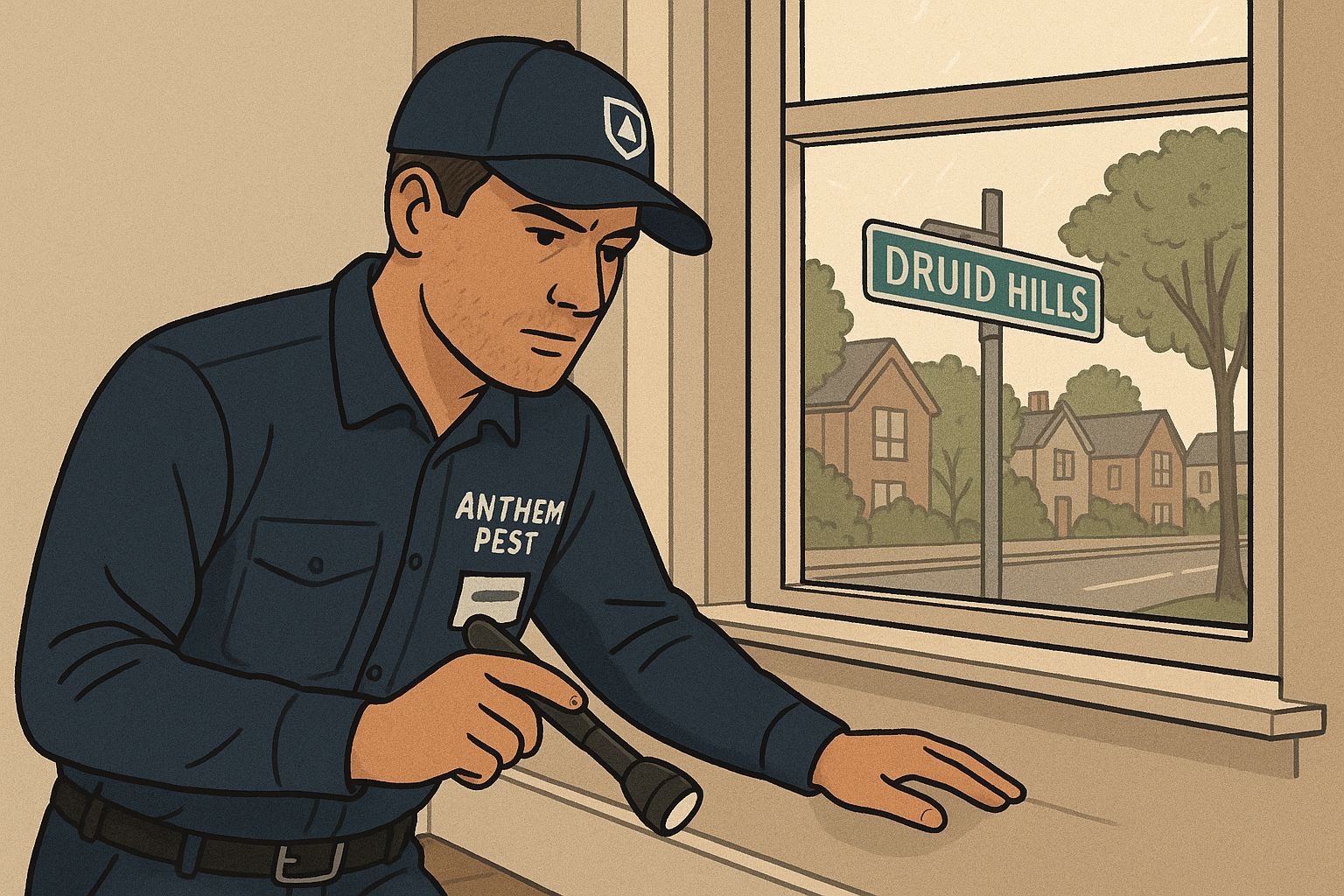 Even the most diligent homeowner can find themselves overwhelmed when a house fly problem spikes from a nuisance to a full‑blown infestation. Knowing the exact point at which you should reach for professional help can save you time, money, and a lot of frustration. Below are the clear, measurable thresholds that signal it’s time to call Anthem Pest for a swift, effective response. Immediate‑call scenarios
When any of these red flags appear, waiting another day can allow the fly population to explode, making treatment more invasive and costly. Anthem Pest’s technicians are trained to assess the situation quickly, identify the source, and implement a targeted plan that stops the cycle in its tracks. Why Anthem Pest’s guarantee mattersChoosing a pest‑control partner isn’t just about who shows up first; it’s about confidence in the results. Anthem Pest backs every residential fly treatment with a 100 % satisfaction guarantee. If flies persist after the initial service, we’ll return—at no extra charge—to re‑treat until the problem is fully resolved. This guarantee reflects two core commitments:
Contact information recapIf you recognize any of the immediate‑call scenarios, pick up the phone right away. Anthem Pest offers a dedicated 24‑hour hotline for urgent situations, ensuring you’re never left waiting.
Ready to act?Don’t let a fly surge become a long‑term problem. Our team is standing by to schedule an inspection, provide a free, no‑obligation quote, and put an end to the buzzing for good. Local Expertise – Druid Hills Neighborhood FocusKey Streets and Landmarks Where Flies Find Their Way InIn Druid Hills, the most common fly entry points line the bustling corridors of Peachtree Road, the campus pathways of Emory University, and the historic residences that pepper McDonough Road. Homeowners often notice flies congregating near outdoor cafés on Peachtree, where trash cans sit close to restaurant doors, or around the student housing complexes that share the same waste collection zones. The Emory campus, with its expansive dining halls and research labs, creates a steady supply of organic residue that can attract house flies, and the occasional stray food waste can drift into neighboring yards. Meanwhile, the charming Victorian homes on McDonough Road sit close together, meaning a single uncovered dumpster or an open compost bin can become a fly highway for the entire block. Victorian Architecture: Hidden Cracks, Attic Vents, and Chimney GapsMany Druid Hills properties boast the ornate details of late‑19th‑century Victorian design—beautiful, but often riddled with tiny openings that house flies love. Cracks around decorative trim, weathered brickwork, and the intricate lattice of porch railings can serve as unnoticed doorways. Attic vents, especially those without fine mesh screens, act like chimneys for insects, allowing flies to slip into insulation spaces and emerge near bedroom windows. Chimney gaps, too, are a common oversight; without proper caps, they provide a direct route from the roof down to the living room. Anthem’s technicians are trained to spot these subtle vulnerabilities during a routine inspection and recommend targeted sealing solutions that preserve the home’s historic character while cutting off the fly’s pathway. Local Ordinances on Waste Disposal and Their Impact on Fly ControlDruid Hills follows the City of Atlanta’s solid‑waste regulations, which require sealed containers for all residential trash and compost. The ordinance mandates that trash bins be kept behind a solid fence or wall and that compost piles be covered within 24 hours of use. When these rules are followed, the food sources that attract house flies diminish dramatically. However, many homeowners unintentionally violate the guidelines by leaving lids ajar or placing bins too close to building foundations. Anthem stays up‑to‑date on these local codes, ensuring that our recommendations align with municipal requirements—helping you avoid fines while keeping flies at bay. Why HOA‑Wide Inspections Make Sense for Shared SpacesNeighborhoods like Druid Hills often feature shared amenities—parks, community centers, and walking trails—that can become breeding grounds for flies if not regularly inspected. An HOA‑wide pest assessment allows Anthem to treat high‑traffic zones such as picnic areas, playground equipment, and the perimeter of community gardens in a coordinated manner. By addressing these common spaces, you reduce the overall fly pressure on individual homes, creating a cleaner environment for everyone. The inspection also uncovers hidden issues like clogged drainage ditches or improperly sealed outdoor storage sheds, which can serve as reservoirs for fly larvae. Practical Steps Homeowners Can Take Right Now
By leveraging Anthem’s hyper‑local knowledge of Druid Hills’ streets, architecture, and community regulations, you gain a tailored fly‑control strategy that protects both your home and the neighborhood’s historic charm. Our team combines a deep respect for the area’s heritage with modern, eco‑friendly pest‑management techniques—so you can enjoy a fly‑free summer without compromising the character of your beloved Druid Hills residence. Frequently Asked Questions about House FliesDo house flies carry diseases?Yes. House flies are notorious mechanical vectors, meaning they pick up pathogens on their bodies and transfer them to food, surfaces, and wounds. The most common bacteria they spread include Salmonella, which can cause food‑borne gastroenteritis; Escherichia coli (E. coli), responsible for severe intestinal infections; and Shigella, which leads to dysentery and fever. These microbes cling to the fly’s legs, proboscis, and even their digestive tract after the insect lands on contaminated waste, garbage, or animal feces, and then they are deposited onto kitchen counters or meals when the fly later visits those areas[1]. How long does treatment last?Professional fly‑control programs typically rely on residual insecticide sprays that remain effective for 4 to 6 weeks. The formulation creates a thin, invisible film on walls, ceilings, and other fly‑harboring surfaces, killing any fly that contacts it during that period. Because house flies reproduce quickly, most technicians recommend a follow‑up inspection after three weeks to confirm that the population is suppressed and to re‑apply treatment if necessary[2]. In high‑risk seasons—late summer through early fall—monthly maintenance can keep numbers low and prevent a resurgence. Are treatments safe for children and pets?When applied by certified professionals, fly‑control products are EPA‑approved and formulated for low toxicity to humans and animals. Technicians follow strict safety protocols: they restrict access to treated areas for at least two hours, use the minimum effective dose, and target application to cracks, crevices, and other fly‑hiding spots rather than open floor space. This approach minimizes exposure while still delivering a potent residual barrier. Additionally, many brands now offer bio‑based options that further reduce health risks without sacrificing efficacy[3]. As long as the homeowner follows post‑treatment guidelines—such as keeping children and pets away until the spray dries—there is no reason to worry about adverse effects. Understanding these key points helps you make informed decisions about house‑fly management and ensures that any treatment you choose aligns with both health safety and long‑term pest control goals.
Sources & Further ReadingWhen it comes to house‑fly inspections in Druid Hills, reliable data is the backbone of sound decisions. Below is a curated list of authoritative resources that our team at Anthem Pest Control relies on for the latest research, regulatory guidance, and industry trends. Each link is accompanied by a quick note on the verification status of the key data points referenced in this article.
Pending Verification Tasks
Keeping these sources up‑to‑date not only strengthens the credibility of our blog but also empowers you, the homeowner, with the most accurate information when deciding whether to call a professional. If you have questions about any of the data or need help interpreting the findings for your own property, feel free to reach out to Anthem Pest Control at 877‑371‑8196 or visit our website. Conclusion and Call to ActionWhen it comes to house flies in Druid Hills, a timely inspection can mean the difference between a fleeting nuisance and a full‑blown infestation. The local humid subtropical climate creates the perfect breeding ground for these pests, especially after rain or during the warm summer months. By catching the problem early—before flies lay eggs in hidden corners of your kitchen, garbage area, or pet spaces—you protect not only your family’s comfort but also the health of your home. Professional treatment goes beyond a quick spray. Certified technicians understand the life cycle of the common house fly, know which entry points are most vulnerable in a typical Druid Hills residence, and apply targeted, low‑impact products that keep flies away without endangering children, pets, or the environment. A thorough inspection also reveals any secondary issues, such as excess moisture or food‑source attractants, that could invite other pests down the line. That’s where Anthem Pest steps in. Our team combines affordable pricing with a safety‑first approach, using EPA‑approved solutions that are both effective and gentle on your household. Because we’re locally focused, we stay up‑to‑date on Druid Hills’ seasonal patterns and tailor each plan to the specific conditions of your property. Whether you need a one‑time fly removal or an ongoing prevention program, Anthem Pest delivers transparent, no‑surprise quotes and a service guarantee you can rely on. What sets Anthem Pest apart is our commitment to long‑term peace of mind. After the initial fly treatment, we schedule follow‑up visits to verify that the population stays suppressed and to address any new hotspots before they become problems. Our technicians use integrated pest management, combining physical barriers, sanitation advice, and targeted chemicals, so you get a comprehensive solution that protects your home year‑round. Ready to take the next step? Give us a call for a free, no‑obligation quote and let our 24‑hour hotline connect you with a licensed specialist who can schedule an inspection at a time that works for you. Our friendly staff will walk you through the process, answer any questions, and set up a treatment plan that fits your budget. Call now at 877‑371‑8196 or visit Anthem Pest Control to learn more about our fly‑control services and other pest‑prevention solutions. A quick call today can keep house flies—and the problems they bring—out of your home tomorrow. Related articles How much does carpet beetle control cost in Kennesaw, Georgia?Discover precise carpet beetle treatment costs for Kennesaw homeowners, with detailed price ranges, local provider insights, and actionable prevention tips to protect your home and budget.  How much does silverfish control cost in Chamblee, Georgia?Discover the true cost of professional silverfish control in Chamblee, GA, with transparent pricing, local factors, and expert tips to protect your home efficiently.  Find a Centipede Exterminator Near You in Peachtree City, GA: Local GuideA practical, local guide that explains centipede habits in Peachtree City, outlines professional treatment options, pricing, and DIY prevention, helping homeowners choose the right exterminator quickly.  How much does house fly control cost in Woodstock, Georgia?Discover accurate pricing for house fly control in Woodstock, GA, with detailed cost breakdowns, key drivers, EPA/CDC best practices, and how Anthem Pest delivers transparent, effective solutions for homeowners.  Top-Rated Flea Control in Brookhaven, Georgia: Cost, Treatment & TipsDiscover Brookhaven’s most effective flea control options, detailed cost breakdowns, treatment methods, and proven prevention tips to keep your home and pets flea‑free.  How much does fruit fly control cost in Snellville, Georgia?Discover the true cost of professional fruit fly control in Snellville, GA, with transparent pricing, seasonal insights, and expert tips to protect your home and family. 
trust the top google rated pest company in georgia!
Get a Free Quote for Pest, Mosquito & Termite ControlAnthem Pest experts are trained to identify and treat all types of pest issues. Since every home is unique, we customize a treatment plan tailored specifically to your property and needs.
trust the top google rated pest company in georgia!
Get a Free Quote for Pest, Mosquito & Termite Control Today!Anthem Pest experts are trained to identify and treat all types of pest issues. Since every home is unique, we customize a treatment plan tailored specifically to your property and needs.   Duluth Office
3305 Breckenridge Blvd
Ste 130 Duluth, GA 30096 Marietta Office
1710 Cumberland Point Dr
Ste 8 Marietta, GA 30067 |
|---|