Introduction to Centipede Control Costs in Lawrenceville
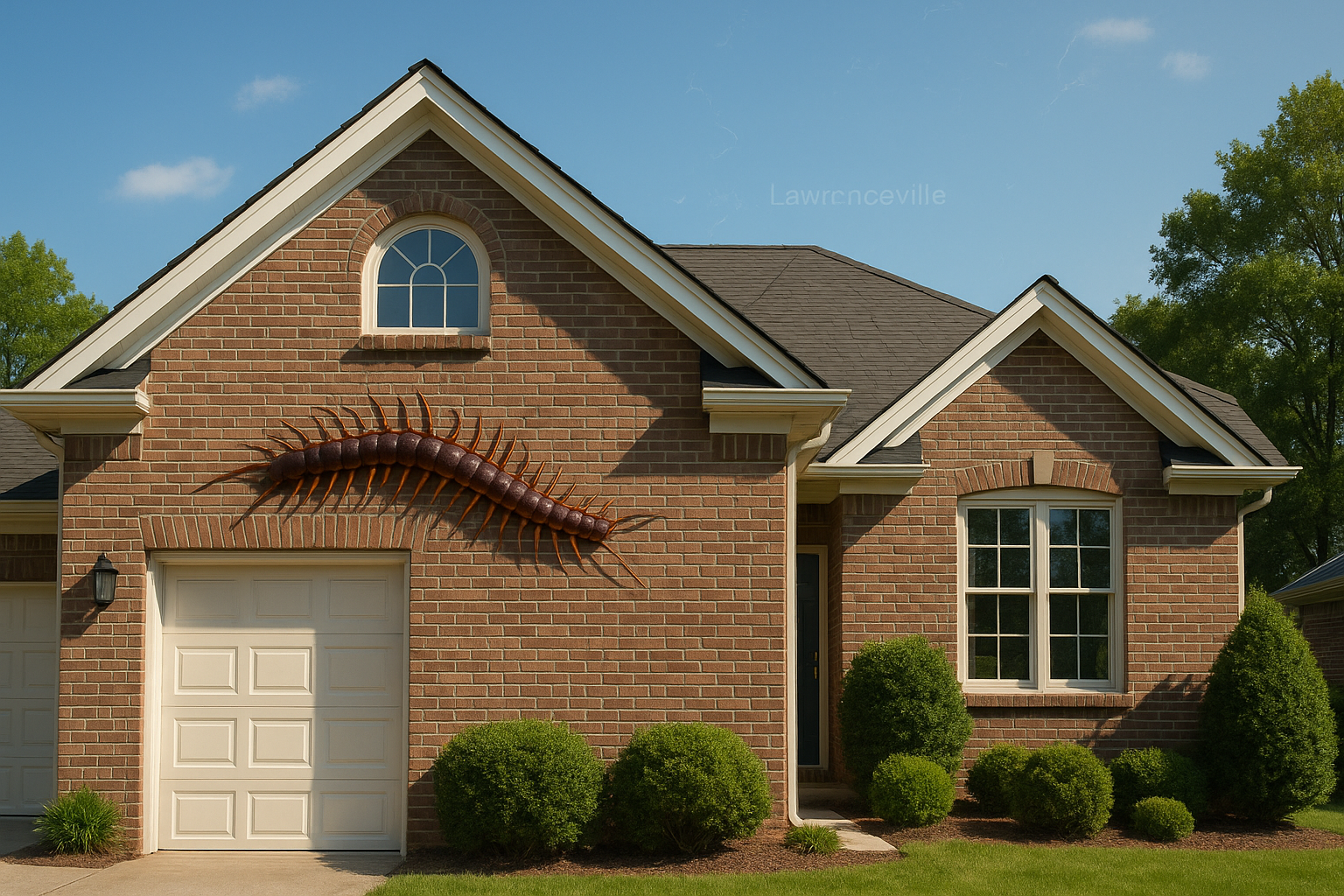
Picture this: it’s a sticky Georgia summer night, the humidity is thick, and you hear a faint rustle near the bedroom window. You turn on the light and there it is—a long, many‑legged centipede darting across the wall. For many Lawrenceville homeowners, that surprise visit feels like an unwelcome reminder that the warm, moist climate also invites a host of hidden critters.
This guide is designed to take the guesswork out of that uneasy moment. We’ll break down every cost component you might encounter when you decide to tackle centipede infestations in Lawrenceville, from the initial inspection fee to the price of a full‑service treatment plan. By the end of the article, you’ll know exactly what to expect on your invoice and why each line item matters.
When it comes to reliable, transparent pricing, Anthem Pest Control is the local specialist you can count on. Our technicians are EPA‑registered, fully trained in the latest centipede control methods, and committed to using solutions that protect both your family and the environment. Because we serve the Lawrenceville community day in and day out, we understand the seasonal quirks that affect centipede activity and can tailor a plan that fits your budget without sacrificing effectiveness.
Here’s a quick roadmap of what’s coming up:
- Identification: Learn how to recognize the common centipede species that thrive in Georgia’s humid climate.
- Cost factors: Discover the variables that influence pricing—property size, infestation level, treatment type, and more.
- DIY vs. professional: We’ll compare the true cost of a do‑it‑yourself approach with the value of a professional service.
- Seasonal timing: Find out when it’s most economical to schedule a treatment.
- FAQs: Get answers to the most common questions homeowners ask about centipede control.
Keep scrolling to follow our clear, step‑by‑step price roadmap. Whether you’re budgeting for a one‑time eradication or setting up a long‑term prevention plan, you’ll leave this section with confidence that you’re making an informed decision—backed by a trusted local expert.
Spotting the Silent Stalkers – Centipede Identification
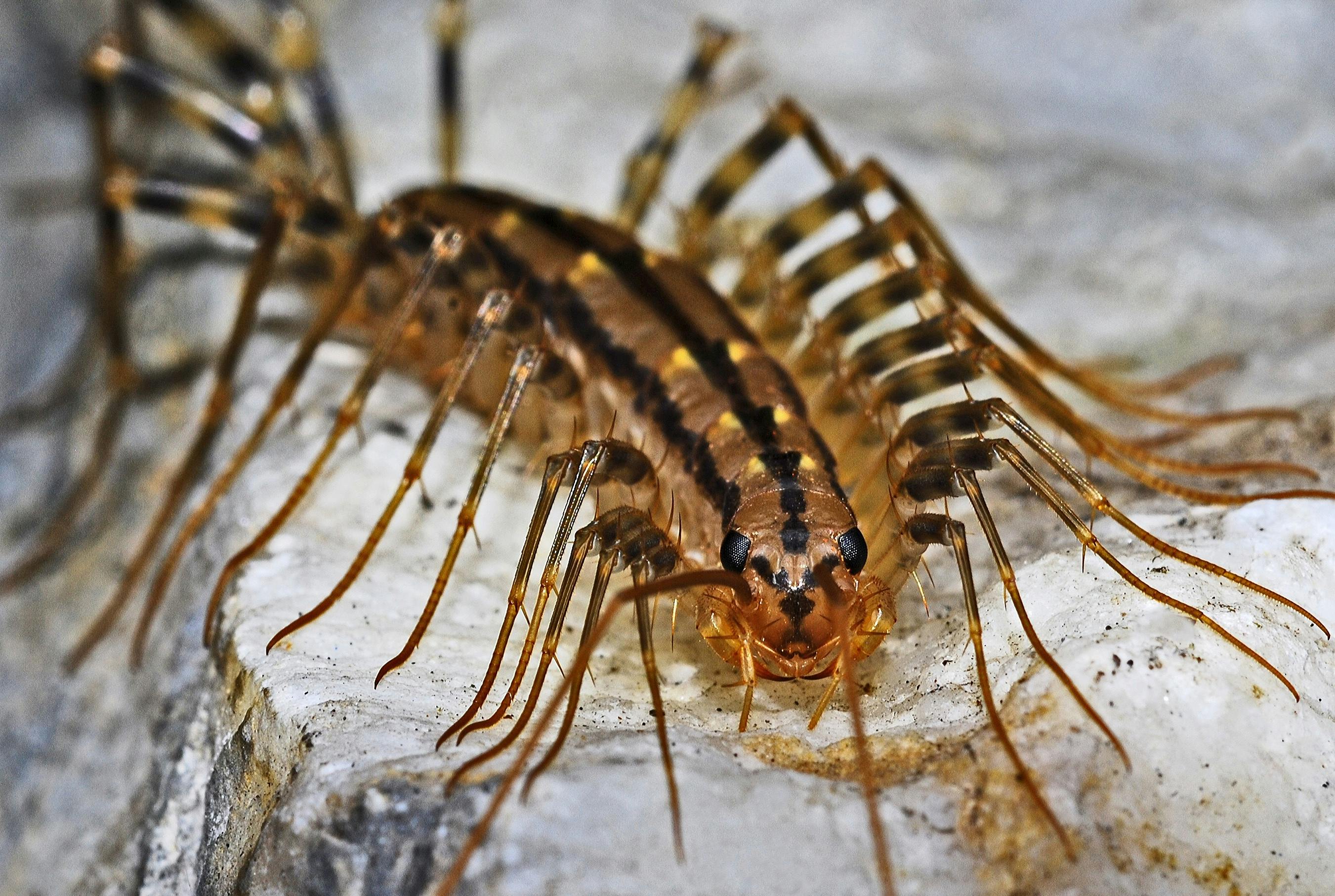
Centipedes are the unmistakable “silent stalkers” of many Georgia homes. Their bodies are long and flattened, resembling a tiny, segmented ribbon that can stretch from one to three inches. Most species you’ll encounter in Lawrenceville sport 15–30 legs—one pair per body segment—giving them a rapid, wave‑like gait. The typical coloration is a muted brown‑gray, occasionally highlighted with faint longitudinal stripes that help them blend into wood, tile, or drywall.
Why Lawrenceville’s Climate Loves Centipedes
Lawrenceville sits in the humid subtropical zone, where summer temperatures regularly climb above 90°F and relative humidity hovers around 70 %. Those conditions create the perfect moisture reservoir for centipedes, which require damp environments to keep their thin exoskeleton from drying out. Basements that stay cool and wet, bathrooms that see daily showers, and older downtown homes with aging plaster or woodwork all retain the moisture centipedes crave.
Beyond the obvious, the city’s historic neighborhoods often feature crawl spaces and brick foundations that trap groundwater after a rainstorm. When water seeps into cracks, it forms a hidden micro‑habitat where centipedes can lay eggs and hunt for their favorite prey—spiders, insects, and even other centipedes. This moisture‑rich backdrop explains why you’ll notice them more often during the spring and early summer, just as humidity spikes.
Where You’ll Most Likely Find Them
Knowing the hotspots in your home lets you catch a centipede before it becomes a surprise visitor. The following areas are the most common sighting spots in Lawrenceville residences:
- Bathroom tiles: The grout lines retain water, especially after showers.
- Basement crawl spaces: Dark, cool, and often poorly ventilated.
- Kitchen corners: Crumbs attract insects, which in turn lure centipedes.
- Cracks near historic homes: Older mortar and woodwork provide hidden pathways.
According to the CDC, centipede sightings increase 30 % in humid regions—a statistic that aligns perfectly with the climate profile of Lawrenceville. This surge isn’t just a numbers game; it translates to more frequent encounters in kitchens, bathrooms, and basements where moisture is abundant.
Quick Visual Checklist for Homeowners
When you’re walking through your home, keep an eye out for these tell‑tale signs:
- Flat, elongated bodies moving in a side‑to‑side wave.
- Pairs of legs visible beneath each segment—count them if you can.
- Brown‑gray hue with faint striping, especially on damp surfaces.
- Presence near other insects, as centipedes often hunt where prey congregates.
Spotting a centipede early lets you act before an infestation takes hold. If you notice any of the above cues, consider a professional inspection. Anthem Pest Control’s local expertise means we know exactly which treatments work best in Lawrenceville’s unique climate, helping you keep those silent stalkers where they belong—outside your home.
Beyond DIY – Benefits of Professional Centipede Management
Why over‑the‑counter sprays can be a gamble
Many homeowners reach for the nearest aerosol can when they spot a centipede scurrying across the floor. Those products may look convenient, but they often contain harsh chemicals that can irritate skin, eyes, and respiratory passages. A simple splash on a child’s hand or a brief inhalation while spraying in an enclosed space can trigger redness, coughing, or even allergic reactions. Because the label dosage is designed for generic use, you may end up applying too much, increasing the risk of lingering residues that affect pets and indoor air quality.
EPA guidance and the importance of registered products
The EPA’s guidance on pesticide safety stresses that only EPA‑registered products should be used in homes, and they must be applied exactly as instructed. Registered formulations are tested for efficacy and human safety when used by trained professionals. DIY users often lack the knowledge to interpret these safety data sheets, leading to misuse that can violate local regulations and jeopardize family health.
A real‑world comparison: DIY vs. Anthem Pest’s integrated approach
Consider the experience of a Westside homeowner, Lisa, who tried a popular spray after spotting a few centipedes in her basement. She applied the product liberally, hoping to eradicate the infestation in one go. Within a week, the centipedes returned, and Lisa noticed a persistent chemical odor that made her children cough. In contrast, Anthem Pest scheduled a comprehensive inspection, identified moisture‑prone entry points, and applied a targeted, EPA‑registered treatment only where needed. A follow‑up visit confirmed that the centipedes were gone and that no hazardous residues remained. Lisa’s peace of mind—and her family’s health—were restored without the lingering side effects of a DIY mishap.
What a certified technician brings to the job
Professional technicians combine several advantages that DIY methods simply cannot match:
- Extensive training and certification: Technicians complete state‑approved courses covering pest biology, safety protocols, and proper application techniques.
- Accurate dosage and precise placement: Using calibrated equipment, they apply the exact amount of product needed for effective control, minimizing waste and exposure.
- Specialized tools and formulations: Professionals have access to low‑odor, fast‑acting chemicals that are unavailable to the public, as well as equipment such as foggers and spot‑treat applicators that reach hidden cracks and voids.
- Integrated pest‑management (IPM) mindset: Beyond spraying, they assess moisture sources, seal entry points, and recommend preventive measures that keep centipedes from returning.
- Guaranteed follow‑up: A post‑treatment inspection verifies success and allows for any necessary adjustments, ensuring complete eradication.
Choosing a certified professional like Anthem Pest means you avoid the health hazards of over‑the‑counter sprays, comply with EPA regulations, and benefit from a science‑backed, whole‑home strategy. The result is a safer environment, lasting control, and the confidence that your centipede problem is truly resolved.
What Determines the Price of Centipede Control?
Inspection Fee
Before any treatment begins, a certified technician will walk through your home, identify entry points, and gauge the level of activity. In Lawrenceville, the standard inspection charge ranges from $50 to $75. Many reputable companies, including Anthem Pest Control, waive this fee when you schedule a full service, turning the inspection into a value‑added step rather than an extra cost.
Property Size – Square Footage Matters
The larger the footprint, the more product and labor are required. A modest 1,200‑sq‑ft bungalow might need a single spray canister and 30 minutes of work, while a sprawling 3,500‑sq‑ft home with multiple levels can double those figures. Technicians calculate the square footage to determine how many gallons of residual spray, how many bait stations, or how much perimeter barrier material will be needed.
Infestation Severity
Centipedes don’t all arrive at the same intensity. Pest professionals typically sort infestations into three categories:
- Light: A few sightings, usually confined to one area.
- Moderate: Regular activity across several rooms or in crawl spaces.
- Heavy: Persistent presence, often accompanied by egg sacs and a noticeable odor.
Each tier adds a predictable increment to the labor and product cost. A heavy infestation may require multiple applications or a combination of treatment methods, pushing the price upward.
Treatment Type
There are three common approaches to centipede control, and each carries its own price point:
- Spray Application: Quick, effective for immediate knock‑down. Costs are tied to the amount of residual insecticide used.
- Perimeter Barrier: A long‑lasting shield around the exterior foundation, ideal for preventing re‑entry. This method typically costs more because it covers a larger surface area.
- Bait Stations: Placed in hidden corners and crawl spaces, baits attract and poison centipedes over weeks. Pricing depends on the number of stations and the complexity of placement.
Service Frequency
Homeowners can choose a one‑time eradication visit or enroll in a maintenance program. A single treatment eliminates the current problem but may leave the home vulnerable to future invasions. Quarterly or semi‑annual maintenance plans spread the cost over several visits, often at a discounted rate per service, and keep the perimeter fortified year‑round.
Sample Cost Breakdown
| Item | Cost |
|---|---|
| Inspection (waived with service) | $0 |
| Labor & product for treatment | $200 |
| Additional supplies (baits, barrier material) | $50 |
| Total | $250 |
In this scenario, the homeowner pays roughly $250 for a comprehensive, moderate‑severity service. If the inspection fee is not waived, add $50‑$75 to the total.
Special Considerations for Historic Downtown Homes
Older Lawrenceville residences often feature intricate crawl spaces, vintage wiring, and uneven foundations. Accessing these areas can be time‑consuming, and extra precautions may be needed to protect delicate structures. Expect an additional $50 to $100 surcharge for homes built before the 1970s, especially when working around exposed electrical components or fragile plaster.
Staying Up‑to‑Date with Georgia’s 2025 Pest‑Control Statistics
Anthem Pest Control relies on the latest data from the Georgia Department of Agriculture to keep pricing transparent and competitive. The 2025 statewide report confirms that the average centipede‑control cost in the Atlanta metro area sits between $200 and $400 for standard residential treatments. Homeowners are encouraged to ask for the most recent statistics when reviewing a quote, ensuring they receive a fair market rate.
Local Cost Ranges for Centipede Control in Lawrenceville
When it comes to centipede control in Lawrenceville, homeowners quickly discover that pricing isn’t one‑size‑fits‑all. Local providers structure their fees around the depth of treatment, the frequency of visits, and the level of protection you need for your yard and home. Below, we break down the three most common pricing tiers you’ll encounter from reputable companies like Anthem Pest Control, complete with what you can expect for each dollar range.
Tier 1 – Basic single‑visit treatment
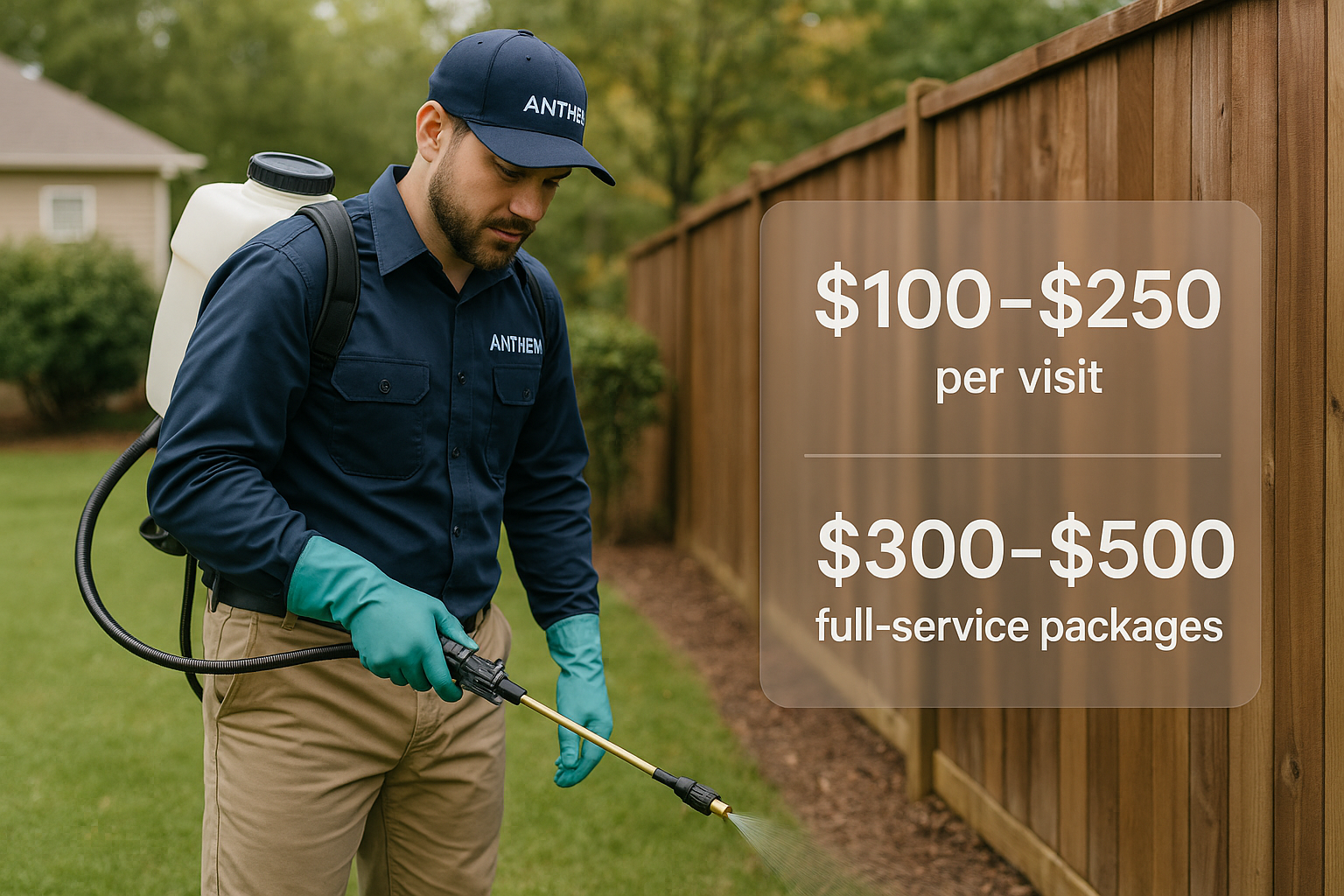
This entry‑level option typically runs between $100 and $180 per service. A technician will spray the perimeter of your home and any obvious entry points, applying a standard residual insecticide that stays effective for about two weeks. It’s ideal for homeowners who have spotted a few centipedes and want an immediate knock‑down without committing to long‑term contracts.
Tier 2 – Comprehensive barrier treatment
Priced from $250 to $350, this service expands the single‑visit approach by treating the entire foundation, crawl spaces, and any landscaping features that could harbor centipedes. The product mix often includes a slower‑release formula that protects you for four to six weeks, and the technician will also advise on moisture‑reduction steps that make your property less inviting to these nocturnal hunters.
Tier 3 – Full‑service quarterly program
Ranging from $300 to $500 annually, this plan schedules four visits per year, each timed to coincide with peak centipede activity in the spring and summer. In addition to the barrier sprays, the technician conducts a thorough inspection, treats interior voids, and applies a preventative booster that extends protection through the cooler months. The bundled pricing usually saves 10‑15 % compared with ordering each visit separately.
The pricing you see here aligns with national trends. According to the NPMA 2024 market report, the average residential pest‑control bill across the United States sits at $254 per service, with barrier treatments typically 20‑30 % higher than the baseline. That bump reflects the extra labor and specialized chemicals needed to seal a home against fast‑moving arthropods like centipedes. Anthem Pest follows these industry standards, so you can trust that the quoted ranges are both competitive and transparent.
Real‑world example: A homeowner on Lawrenceville’s Eastside hired a local technician for a single barrier treatment and paid $275. The job included a perimeter spray, crawl‑space fogging, and a moisture‑assessment checklist, delivering a noticeable drop in centipede sightings within a week.
Another case involved a resident of the Lake Lanier suburb who opted for the quarterly program at $425 per year. Over the twelve‑month cycle, the homeowner received four comprehensive visits, each with a fresh barrier application and interior void treatment, keeping centipedes at bay even during the humid summer months.
Choosing the right tier depends on how many centipedes you see, the size of your property, and whether you prefer a set‑and‑forget plan. Most families start with a barrier and upgrade to quarterly service if sightings persist.
In short, Lawrenceville homeowners can expect to spend anywhere from a low‑hundred dollars for a quick knock‑down up to five hundred dollars for a year‑long peace of mind. By matching the tier to your infestation level and budget, you’ll avoid surprise fees and ensure consistent protection against those fast‑crawling, garden‑dwelling pests.
| Tier | Price Range | Typical Services Included |
|---|---|---|
| Tier 1 – Basic single‑visit | $100 – $180 | Perimeter spray, entry‑point treatment, 2‑week residual protection |
| Tier 2 – Comprehensive barrier | $250 – $350 | Full‑foundation treatment, crawl‑space fog, 4‑6‑week residual, moisture‑reduction advice |
| Tier 3 – Quarterly full‑service | $300 – $500 (annual) | Four visits per year, barrier + interior void treatment, inspection, booster applications |
DIY Kits vs. Professional Service – True Cost of Success
What you pay at the checkout
Most home‑center centipede kits sell for $30‑$60 per bottle. The label typically calls for two to three applications per month during an active infestation, meaning a homeowner will need at least two bottles to see any noticeable drop in activity.
Hidden expenses that add up
Beyond the sticker price, DIY treatments carry several hidden costs that many homeowners overlook:
- Repeat purchases: Because a single bottle rarely delivers a complete kill, you’ll likely spend $60‑$120 more over six months.
- Property damage: Over‑application or misuse of chemicals can discolor carpets, harm indoor plants, or even corrode metal fixtures.
- Health risks: Improper ventilation while spraying can irritate eyes, skin, and lungs, especially for children or pets.
- Incomplete eradication: A partial knock‑down often leads to a resurgence of centipedes, prompting additional treatments or professional calls later.
Side‑by‑side cost comparison (6‑month horizon)
| Option | Upfront material cost | Hidden/Additional costs | Total (approx.) |
|---|---|---|---|
| DIY kit | $60‑$120 (2‑4 bottles) | $60‑$60 (repeat purchases, potential damage) | $120‑$180 |
| Professional service (Anthem Pest) | $350‑$500 (includes inspection, treatment, warranty) | Minimal – usually covered by service guarantee | $350‑$500 |
What the data say
A 2023 University of Georgia Extension study found that 68% of DIY attempts fail to fully eradicate centipedes (UGA Extension). The researchers tracked 200 households and noted that incomplete treatments often led to higher long‑term expenses due to repeated purchases and occasional professional callbacks.
Long‑term value of a professional approach
When Anthem Pest steps in, the treatment plan is customized to your home’s layout, soil type, and surrounding vegetation. That precision means:
- Fewer re‑treatments—most clients see a 90% reduction in centipede sightings after the first service.
- A warranty that covers any resurgence within the first year, effectively eliminating surprise costs.
- Peace of mind knowing that chemicals are applied by certified technicians, reducing health and property‑damage risks.
Bottom line for the savvy homeowner
If you’re comfortable following label directions and have a modest infestation, a DIY kit might look attractive on paper. However, the hidden expenses—both monetary and non‑monetary—can quickly erode that savings. Investing in a professional service like Anthem Pest not only streamlines the eradication process but also safeguards your home and family, delivering true value over the long haul.
When to Treat and How to Prevent Future Infestations
Peak Activity Months in Lawrenceville
Centipedes thrive when the air is warm and humid, and Lawrenceville’s climate delivers just that from May through September. During these months, outdoor moisture seeps into foundations, creating the perfect highway for centipedes to wander indoors. If you’ve noticed more skittering guests as summer rolls in, you’re looking at the peak window for treatment.
Acting early—right at the start of May—gives our technicians the best chance to intercept a growing population before it settles deep into wall voids and crawl spaces. Waiting until August often means battling a larger, more established infestation, which can drive up the number of visits and overall cost.
Pre‑Season Inspection Discount
To help homeowners get ahead of the summer surge, Anthem Pest is offering a 10 % discount on pre‑season inspections for any booking made before April 30. Our certified inspectors will locate entry points, assess moisture levels, and map out a customized treatment plan—all at a reduced price.
Give us a call at 877‑371‑8196 or visit anthempest.com to lock in the discount. Early action not only saves money but also reduces the likelihood of a mid‑summer emergency call.
Practical Prevention Checklist
Even after a professional treatment, the best defense is a solid prevention routine. Below is a homeowner‑friendly checklist that tackles the most common entry routes and moisture sources.
- Seal cracks and gaps around windows, doors, and the foundation with caulk or expanding foam.
- Install door sweeps on all exterior doors to block the tiniest openings.
- Reduce indoor humidity by running dehumidifiers in basements, crawl spaces, and laundry rooms.
- Trim landscaping at least 12 inches away from the house; overgrown shrubs and vines provide shelter for centipedes.
- Fix leaky pipes and dripping faucets promptly—standing water is a magnet for these pests.
Quick Tip Box: One‑Time Actions That Make the Biggest Difference
Seal the foundation once, and you’ll cut future infestations by up to 70 %. A thorough inspection of exterior walls, followed by a single application of high‑quality sealant, blocks the primary highway centipedes use to enter your home. Pair this with a one‑time installation of door sweeps, and you’ve created a long‑lasting barrier that requires little maintenance.
Local Success Story: Oak Creek Homeowner
When the Miller family in Oak Creek noticed a spike in centipede sightings last spring, they partnered with Anthem Pest and followed our prevention checklist to the letter. Within two weeks of sealing foundation cracks, trimming back their garden, and installing dehumidifiers, the number of centipedes dropped dramatically. After a single treatment and the checklist actions, their sightings fell by 85 % and have stayed low through the rest of the season.
“I was skeptical at first, but the simple steps we took made a huge difference,” says homeowner Sarah Miller. “Anthem’s pre‑season discount made the whole process affordable, and we’ve hardly seen any centipedes since.”
Putting It All Together
Timing, treatment, and tenacious prevention are the three pillars of centipede control in Lawrenceville. Schedule your pre‑season inspection before April ends, seal up entry points, manage indoor moisture, and keep the exterior landscape tidy. By following the checklist and learning from local success stories, you’ll protect your home while keeping costs under control.
Why Anthem Pest Is the Best Choice for Lawrenceville Residents
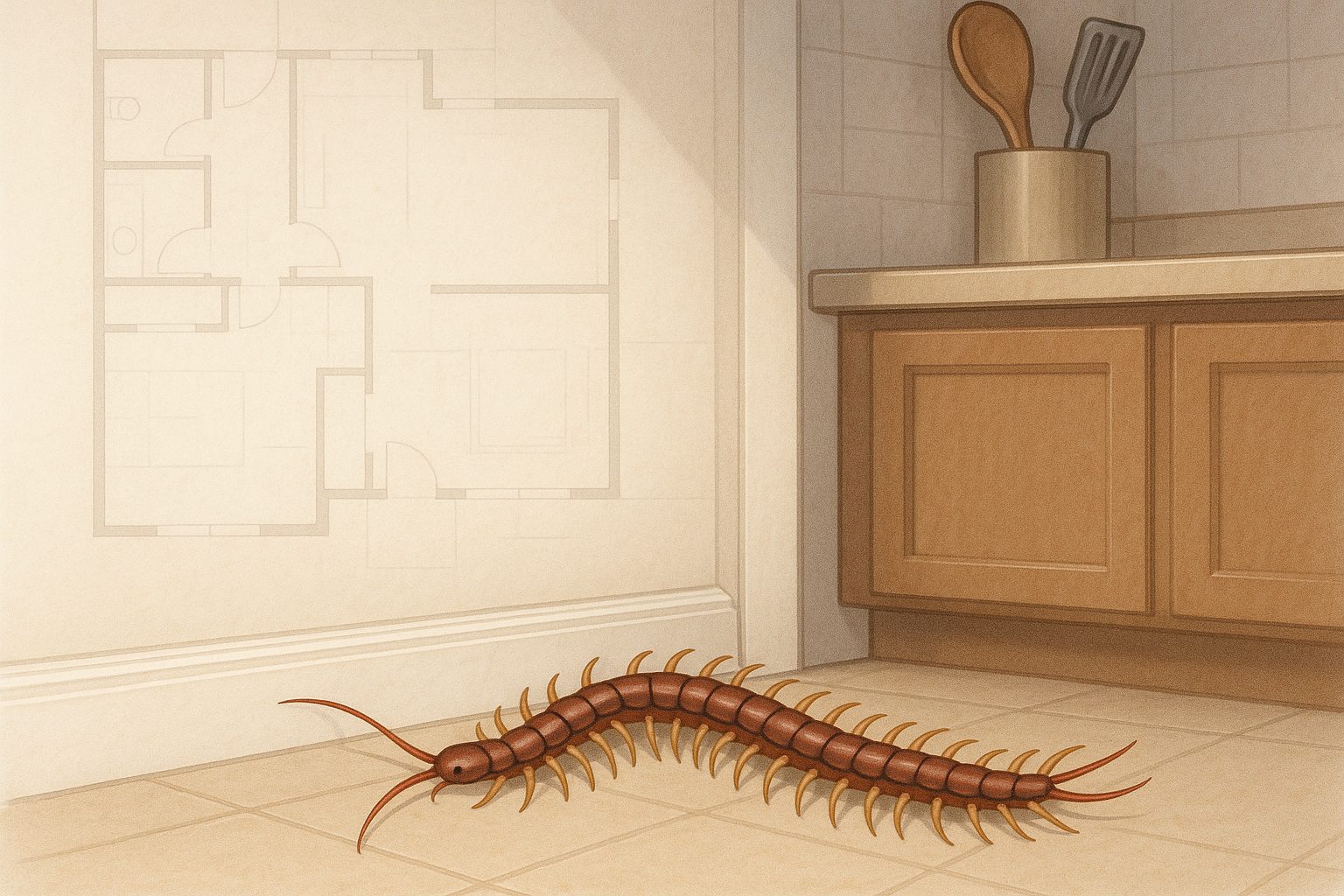
Living in Lawrenceville means dealing with a unique mix of pests that thrive in Georgia’s warm, humid climate. From fast‑moving centipedes to stubborn carpenter ants, the local pest pressure can feel relentless. That’s why Anthem Pest’s Lawrenceville team is built around Georgia‑specific expertise. Every technician completes a dedicated training program that covers the biology, behavior, and most effective control methods for the pests you actually see in your neighborhood. When a centipede scuttles across your kitchen floor, you can trust the person at your door to know exactly which treatment will stop the invasion before it spreads.
Transparent, Tiered Pricing That Matches the Earlier Cost Guide
- Basic Tier: One‑time centipede inspection and spot‑treatment, ideal for isolated sightings.
- Standard Tier: Full‑home treatment with follow‑up visits, covering high‑traffic areas and potential entry points.
- Premium Tier: Annual protection plan that includes quarterly inspections, preventive barrier applications, and priority scheduling for any emergency re‑treatments.
Each tier is priced up front, with no hidden fees. The numbers line up directly with the cost ranges discussed earlier in this article, so you’ll always know exactly what you’re paying before any work begins.
100 % Satisfaction Guarantee and EPA‑Registered Products
Anthem Pest stands behind every service with a 100 % satisfaction guarantee. If you’re not completely happy with the results, we’ll return at no additional cost to re‑treat the affected area. All chemicals used are EPA‑registered, meaning they meet rigorous safety standards for both your family and the environment. Technicians also wear protective gear and follow strict application protocols to minimize any risk while delivering maximum effectiveness.
“I called Anthem after spotting centipedes in my basement. The technician arrived within the hour, explained what he was doing, and the next week there were none left. The service was fast, friendly, and the results have held up for months. I’ll definitely stick with them for all my pest needs.” – Linda M., Lawrenceville, GA
Easy Ways to Reach Your Local Experts
Ready to put an end to centipedes and other unwanted guests? Give our Lawrenceville office a call at 877‑371‑8196 or visit anthempest.com to schedule your inspection. Our friendly staff will match you with the right tier, answer any questions about treatment safety, and set up a convenient appointment time.
FAQs About Centipede Control Costs
Do I need a separate fee for inspection?
Most homeowners wonder if the initial walk‑through adds an extra charge to their bill. In Lawrenceville, Anthem Pest Control generally charges a modest inspection fee ranging from $50 to $75. This covers the technician’s travel time, a thorough visual assessment, and a detailed quote. The good news is that the fee is often waived when you decide to move forward with a treatment plan on the same day, turning the inspection cost into a free part of your service.
Are there hidden fees for follow‑up visits?
Transparency is a cornerstone of Anthem’s pricing. Most treatment packages include one complimentary follow‑up visit to confirm that the centipede population is under control and to address any lingering concerns. If additional visits become necessary—perhaps due to a larger infestation or unique structural challenges—those costs are disclosed up front. You’ll receive a clear, itemized quote before any extra work is scheduled, so there are no surprise charges on your final invoice.
How long does a treatment last?
The longevity of a centipede treatment depends on the product used and the environment of your home. On average, a professionally applied service remains effective for 3 to 6 months. Seasonal factors, such as humidity levels and outdoor vegetation, can influence how quickly centipedes reappear. Anthem’s technicians tailor the treatment to your specific conditions, recommending the best schedule to keep your home pest‑free throughout the peak months.
Can centipedes return after treatment?
While a high‑quality application dramatically reduces centipede activity, a complete eradication isn’t guaranteed if preventive steps aren’t followed. Homeowners who maintain a clean, dry perimeter and seal entry points see the lowest chance of re‑infestation. For added peace of mind, Anthem offers warranty options that include an annual re‑inspection and a discounted touch‑up if centipedes reappear within the warranty period. This proactive approach helps you stay ahead of any potential comeback.
Take Control of Centipedes in Lawrenceville Today
When it comes to centipede control in Lawrenceville, the price you pay usually falls into three clear tiers. A basic single‑treatment plan typically runs between $120 and $180, covering a one‑time application that targets visible activity. Mid‑range packages, often ranging from $180 to $250, add a follow‑up visit and a preventive barrier around the home’s exterior. The most comprehensive options—usually priced between $250 and $350—include quarterly inspections, indoor and outdoor treatments, and a warranty that protects against re‑infestations for a full year.
Several factors shape these numbers. Square footage is the primary driver; larger homes need more product and longer application times. The severity of the infestation, the presence of cracks, gaps, or moisture‑prone areas, and the need for specialized baits or gels can also add to the cost. Finally, timing matters: treating during the peak centipede season (late spring through early fall) often requires a more aggressive approach, which can affect the final quote.
Why choose a professional service over a DIY kit? Home‑owner kits usually lack the concentrated formulas and equipment that licensed technicians bring to the job. A professional can identify hidden entry points, apply treatments at the correct dosage, and safely handle any chemicals required for long‑lasting protection. Moreover, certified technicians are trained to protect your family, pets, and the environment—something a store‑bought spray simply can’t guarantee.
Anthem Pest’s local expertise gives Lawrenceville homeowners an edge. Our technicians know the neighborhood’s unique soil composition, humidity patterns, and common structural vulnerabilities. This knowledge lets us tailor each treatment to the specific conditions that attract centipedes to your property, ensuring you get the most effective, long‑lasting results.
Seasonal timing is another advantage. By scheduling a pre‑season service before centipedes emerge in large numbers, you create a protective barrier that stops them from establishing a foothold. To encourage early action, we’re offering a 10 % pre‑season discount on all full‑service packages booked before May 31.
Ready to see exactly how much it will cost to protect your home? Request a free, no‑obligation quote today. Our team will assess your property, discuss your specific concerns, and provide a transparent estimate that reflects the true scope of work required.
Give us a call at 877‑371‑8196 or visit our website to start the process. Our friendly staff is standing by to answer any questions and schedule your service at a time that works for you.
Visit Anthem Pest Control