Why Knowing Cockroach Control Costs Matters in Norcross
Norcross, Georgia, sits in the heart of a humid subtropical zone where summer temperatures regularly climb above 85°F and humidity hovers around 70%. Those conditions create a perfect breeding ground for cockroaches, which thrive in warm, moist environments and are drawn to the abundant food sources found in homes—kitchen crumbs, pet food, and even organic debris in gutters. The city’s lush landscaping and frequent rainstorms further exacerbate the problem, allowing roaches to slip easily from outdoor foliage into basements, crawl spaces, and wall voids.
When an infestation goes unchecked, the costs extend far beyond the price of a few extermination visits. Property damage can be substantial—cockroaches chew through electrical wiring, damage insulation, and contaminate food storage areas, leading to costly repairs or replacements. Health-wise, these pests are notorious carriers of allergens and pathogens; their shed skins and droppings can trigger asthma attacks, especially in children and seniors. Medical expenses from allergic reactions, respiratory issues, or secondary infections quickly add up, while the constant presence of roaches erodes the comfort and peace of mind that homeowners expect from their living spaces.
Recent data from the U.S. Environmental Protection Agency underscores the seriousness of indoor pest‑related health concerns. The 2024 EPA Indoor Air Quality report highlights that pest allergens rank among the top indoor air pollutants, contributing to an estimated 5 million asthma‑related emergency visits each year (EPA Indoor Air Quality – Pest Management). This statistic reinforces why a proactive, cost‑aware approach to cockroach control is not just a budget decision—it’s a public‑health imperative.
Our guide is built on that data‑driven foundation. Over the next sections, we’ll walk you through the most common cockroach species in Norcross, compare treatment options from DIY traps to professional heat‑treatment programs, and break down pricing so you can see exactly where your money goes. By keeping the numbers transparent, you’ll be equipped to make an informed choice that protects both your home and your wallet.
Beyond the facts, you’ll find actionable tips—like sealing entry points, managing moisture, and scheduling regular inspections—that help you stay ahead of an infestation. And when the time comes for professional intervention, we’ll point you toward trusted local experts who can deliver safe, effective, and affordable solutions tailored to Norcross homeowners.
The Usual Suspects: German, American, and Oriental Cockroaches
In Norcross, three cockroach species dominate indoor complaints. Knowing how they look, where they slip in, and when they’re most active lets you catch an infestation before it spreads.
Spotting the Differences
- German cockroach – The smallest of the trio, measuring ¼‑½ inches long. Light‑tan body with two dark parallel stripes on the pronotum. Wings are present but short; they rarely fly.
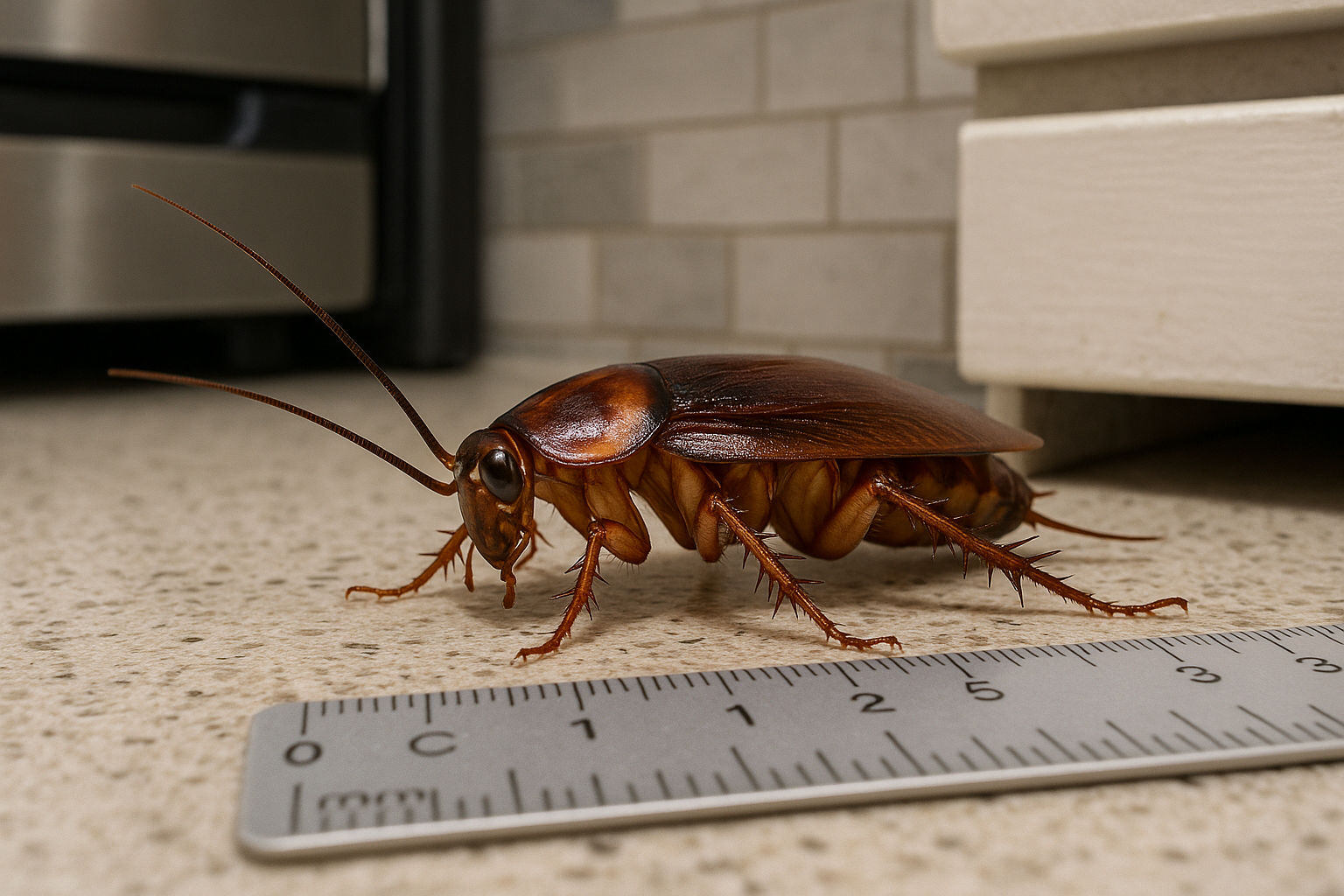
- American cockroach – Larger, 1‑1½ inches, glossy reddish‑brown with a yellow‑ish band behind the head. Fully developed wings give a moth‑like silhouette when they take off.
- Oriental cockroach – Medium‑sized (¾ inch), dark brown to almost black, with a shiny, almost metallic sheen. Wings are well‑developed but the insect prefers to run rather than fly.
Typical Entry Points
Each species exploits a slightly different route into your home:
- German: Tiny cracks around baseboards, gaps behind appliances, and especially the voids around kitchen cabinets.
- American: Larger openings such as foundation cracks, utility line penetrations, and drainage pipes that connect to the sewer system.
- Oriental: Moisture‑rich zones—under sinks, in basement floor drains, and along exterior siding where water pools.
Seasonal Activity Patterns
Understanding when each bug is most active helps you time inspections and treatments:
- German: Thrives year‑round in the warm, humid micro‑climates of kitchens and bathrooms. German cockroaches account for ~80% of indoor infestations in the Southeast (NPMA 2023 species report).
- American: Peaks during the hotter months (May‑September). They seek out cooler indoor spaces when outdoor temperatures climb.
- Oriental: Prefers consistently humid environments; activity spikes in late summer and early fall when humidity remains high.
Case Study: A Kitchen Infestation in the Historic District
Mrs. Alvarez, a homeowner in Norcross’s Historic District, noticed tiny brown specks in her pantry and a faint, musty odor near the stove. A quick visual inspection revealed the classic two‑stripe pattern of a German cockroach. Because the infestation was centered around a cracked tile line behind the refrigerator, our technician sealed the entry, applied a targeted gel bait, and scheduled a follow‑up inspection. Within two weeks, the population dropped to undetectable levels, and no new activity was observed.
Early identification saved Mrs. Alvarez from a costly, multi‑room treatment that would have been required if the species had been misidentified as an American or Oriental cockroach.
For a deeper dive into regional costs and treatment options, see the NPMA Cockroach Control Cost Guide. Recognizing the “usual suspects” is the first step toward a pest‑free home.
From Baits to Integrated Pest Management: Your Treatment Toolbox
When cockroaches invade a Norcross home, the right treatment method can mean the difference between a quick fix and a lasting solution. Below we break down the three primary approaches—gel baits, residual sprays, and Integrated Pest Management (IPM)—so you can match the method to your budget, safety concerns, and long‑term goals.
Gel Baits
Gel baits are a low‑visibility, targeted option that attracts roaches with a food‑based matrix laced with a slow‑acting insecticide. Once a roach feeds, the toxin spreads through the colony, often eliminating hidden nests. Typical application involves placing ¼‑inch beads in cracks, under appliances, and along baseboards every 30‑45 days during an active infestation.
- Safety: Most modern gels are formulated to be low‑toxicity for children and pets when applied correctly. Keep bait stations out of reach and follow label directions.
- Cost: In Norcross, homeowners can expect to spend between $80 and $150 for a professional gel bait service covering a 1,500‑sq‑ft home.
- Pros: Discreet, minimal chemical exposure, effective against hidden colonies.
- Cons: Requires regular monitoring and re‑application; less effective if food sources are abundant.
Residual Sprays
Residual sprays coat surfaces where roaches travel—such as baseboards, under sinks, and behind appliances—with a pesticide that remains active for weeks. Professionals typically use a handheld or backpack sprayer, applying a thin, even layer that kills on contact and provides a lingering barrier.
- Coverage: One treatment can protect up to 2,000 sq ft, depending on the product’s label.
- Re‑application schedule: Most products require a retreat every 60‑90 days for sustained control.
- Protective equipment: Technicians wear gloves, goggles, and respirators to comply with safety standards.
- Safety considerations: Keep children and pets out of treated areas for at least 2 hours; follow the CDC’s pesticide safety guidance for home use.
- Cost: Expect a price range of $120–$250 for a full‑home residual spray in Norcross.
- Pros: Immediate knock‑down, broad coverage.
- Cons: Higher chemical exposure risk, may require multiple visits for severe infestations.
Integrated Pest Management (IPM) Programs
IPM blends monitoring, exclusion, sanitation, and selective chemical use into a comprehensive plan. A certified technician conducts a thorough inspection, identifies entry points, recommends sealing cracks, and sets up sticky traps to track activity. Chemical treatments—often a combination of baits and spot‑sprays—are applied only where data shows they’re needed.
- Key components: regular inspections, homeowner education, habitat reduction, and targeted interventions.
- Cost: Annual IPM contracts in Norcross typically range from $250 to $450, covering monitoring visits and any needed treatments.
- Effectiveness: Rated high because it attacks the problem from multiple angles, reducing the chance of resistance.
- Duration of control: Can provide year‑round protection when maintenance steps are followed.
Quick Comparison
| Method | Typical Cost (Norcross range) | Effectiveness Rating | Duration of Control |
|---|---|---|---|
| Gel Baits | $80–$150 per treatment | Medium‑High | 4–6 weeks per application |
| Residual Sprays | $120–$250 per treatment | High | 8–12 weeks per application |
| IPM Program | $250–$450 annually | Very High | Year‑round with ongoing monitoring |
Local regulations in Fulton County require that any pesticide application be performed by a licensed pest‑control operator. This ensures that professionals follow state‑mandated safety protocols and that products are applied at the correct rates. Homeowners should always verify that their technician holds a valid Georgia pesticide applicator license before any treatment begins.
Transparent Pricing: One‑Time Treatments vs. Ongoing Plans
When it comes to cockroach control in Norcross, Georgia, the biggest question homeowners ask is, “What will it actually cost me?” At Anthem Pest Control we believe in clear, upfront numbers so you can decide what fits your budget and your pest‑management goals. Below you’ll find the typical price ranges you’ll encounter from local providers, plus the key variables that push a quote up or down.

Typical price ranges you’ll see in Norcross
- Single‑visit bait/gel treatment: $120 – $200
- Full‑service residual spray (covers all interior spaces): $180 – $300
- Quarterly Integrated Pest Management (IPM) maintenance plan (4 visits per year): $350 – $600
These figures represent what most reputable companies charge after a brief on‑site assessment. The exact amount you pay will depend on the specifics of your home and the severity of the infestation.
Factors that influence the final cost
- Home size: The average Norcross residence is about 1,800 sq ft. Larger square footage means more product and more labor, nudging the price upward.
- Infestation severity: A light sighting may be handled with a single bait placement, while a heavy, multi‑room invasion often requires a full residual spray and possibly follow‑up visits.
- Property type: Single‑family homes typically have more accessible crawl spaces and basements than townhouses, which can affect both the amount of treatment needed and the time required.
- Access difficulty: Tight crawl spaces, vaulted ceilings, or cluttered closets can increase labor time, and some companies add a small “access fee.”
- Prep work: If you need to move furniture, remove food items, or seal cracks before treatment, the provider may charge a preparation surcharge.
Real‑world quote example
“XYZ Pest lists a comprehensive cockroach treatment for $250 on their Google Business profile. Prices are subject to change, so we recommend confirming the quote directly with the company before scheduling.”
Bundled services vs. per‑visit pricing
Choosing a bundled IPM plan often delivers better value than paying for each visit individually. For example, a quarterly plan priced at $500 averages $125 per visit, which is roughly the same as a single‑visit bait treatment but includes ongoing monitoring, preventive sprays, and a guarantee of follow‑up if roaches reappear. The continuity of service also reduces the chance of a hidden infestation resurfacing later, saving you both money and headaches.
Seasonal discounts and promotions
Many Norcross pest‑control firms roll out special offers during the spring and early summer months—when cockroach activity spikes. Common promotions include:
- 10 % off the first full‑service spray for new customers.
- Free initial inspection when you sign up for a quarterly maintenance plan.
- Bundled discounts when you combine cockroach control with other services such as ant or termite protection.
These deals are typically advertised on the company’s website or Google Business listing, so a quick online search can reveal the best seasonal price you can lock in.
By understanding the baseline price ranges, the variables that shift those numbers, and the savings that come from bundled plans or seasonal promotions, you’ll be equipped to compare quotes confidently and choose the most cost‑effective solution for your Norcross home.
Hotspots in Norcross: Where Cockroaches Thrive
Not every corner of Norcross presents the same level of risk. Certain neighborhoods combine older construction, dense housing, and micro‑climates that invite cockroaches to settle in. Knowing where these hotspots are helps you focus prevention before an infestation takes hold.
Norcross Historic District
This charming area features many structures built before the 1970s. The aging plaster, woodwork, and occasional gaps around windows create ideal hiding spots, while the district’s walk‑to‑dine scene means food residues can linger in alleys and shared trash areas.
- Seal interior and exterior cracks with silicone caulk.
- Keep outdoor trash cans on raised platforms and use tight‑fitting lids.
- Request a quarterly inspection from a licensed pest professional.
- Wipe down kitchen counters nightly to eliminate crumbs.
Peachtree Corners
Although technically a neighboring city, its western fringe blends into Norcross and includes high‑rise apartments and mixed‑use buildings. Proximity to several restaurants means grease and food waste can seep into building foundations, while the area’s humid summer evenings create a moist environment that cockroaches love.
- Install door sweeps on all exterior doors.
- Ensure restaurant‑adjacent dumpsters are cleaned weekly.
- Use dehumidifiers in basements and crawl spaces.
- Schedule seasonal treatments before the rainy months.
Norcross Village (Brookhaven‑adjacent)
This pocket of town is dominated by multi‑unit townhomes built in the 1980s‑1990s. Shared walls and utility shafts allow roaches to travel easily between units, and older plumbing can leak, raising indoor humidity.
- Fix any leaky pipes or faucets promptly.
- Encourage neighbors to keep pantry items sealed.
- Place sticky traps in hallways to monitor activity.
- Ask your landlord for a professional perimeter spray each spring.
East Lake
East Lake’s landscape includes several low‑lying parks and a network of storm drains. The higher ground‑water table here means soil stays damp longer, and nearby eateries add to the food source pool.
- Clear leaf litter and debris from yard edges.
- Store outdoor garbage in insulated containers.
- Inspect and clean storm‑drain grates regularly.
- Consider a perimeter barrier treatment around the home’s foundation.
City data from the Norcross City Health & Safety portal confirms that neighborhoods with housing stock older than 30 years and higher humidity zones report the most cockroach sightings. By applying the targeted tips above, homeowners can reduce attraction points and keep these resilient pests at bay.
Cost‑Effective Strategies for Homeowners
Keeping cockroaches at bay doesn’t always require a professional visit—many infestations can be prevented with simple, consistent habits. Below is a practical DIY checklist that helps you seal the entry points and eliminate the attractions that roaches love.
DIY Prevention Checklist
- Deep clean regularly: Sweep, vacuum, and mop floors daily; wipe countertops and appliances to remove crumbs.
- Eliminate food debris: Store pantry items in airtight containers and promptly clean pet food bowls.
- Fix leaky pipes and faucets: Cockroaches thrive in moisture; repairing drips removes a key water source.
- Reduce humidity: Use dehumidifiers in basements, bathrooms, and laundry rooms to keep the environment dry.
- Seal entry points: Apply caulk around baseboards, window frames, and utility openings; install door sweeps.
While these steps are powerful, they have limits. Hidden infestations behind walls, under appliances, or inside crawl spaces can remain undetected, especially when roaches have developed resistance to over‑the‑counter baits. DIY measures also struggle to address large colonies that have already established multiple harborage sites.
When to Call a Licensed Professional
Consider a professional service in the following scenarios:
- Infestations that spread beyond a single room or appear in multiple locations.
- Visible cockroach droppings, egg cases, or a persistent odor despite cleaning.
- Structural cracks, gaps in foundation, or damaged drywall that provide hidden refuge.
- Households with pets or children where you need guaranteed low‑toxicity, pet‑safe treatments.
- Any situation where previous DIY attempts have failed to reduce activity.
Anthem Pest offers a pricing transparency guarantee—what you’re quoted is what you’ll pay, with no hidden fees. For Norcross homeowners, we provide a free on‑site quote that assesses the scope of the problem and outlines a tailored treatment plan.
Ready to protect your home without surprise costs? Call us today at 877‑371‑8196 or visit our cockroach control page to schedule your complimentary inspection.
FAQ – Cockroach Control Costs in Norcross
How soon will I see results after treatment?
Most homeowners notice a decline in cockroach activity within 24–48 hours after bait placement, because the insects start feeding on the slow‑acting poison. A full‑service spray, which targets hiding spots and nests, typically shows noticeable reduction in 1‑2 weeks as the residual chemicals work through the infestation.
Are treatments safe for kids and pets?
Yes. Anthem Pest uses only EPA‑approved products that meet strict safety standards. Both the EPA and the CDC advise that when applied according to label directions, these formulations pose minimal risk to children and pets. Technicians also employ low‑odor, low‑toxicity options for homes with sensitive occupants.
What is the warranty period for professional services?
For a single‑visit cockroach eradication, we typically offer a 30‑day guarantee—if roaches return, we’ll re‑treat at no extra charge. Integrated Pest Management (IPM) plans, which combine monitoring, baiting, and preventive sprays, come with a 90‑day warranty to ensure long‑term control.
Can I combine treatments with other pest services?
Absolutely. Bundling cockroach control with services such as ant or rodent management often yields a 10‑15 % discount on the total bill. Our technicians can coordinate schedules so that multiple treatments are applied efficiently, reducing both cost and disruption.
How do I know if a quoted price is fair?
Compare the estimate to the regional price ranges outlined in Part 4 of this guide (typically $150‑$300 for a single visit, $300‑$600 for comprehensive IPM). Ask the provider to itemize labor, chemicals, and any potential add‑ons. Transparent quotes without hidden fees, plus a clear warranty, are hallmarks of a trustworthy service.EPA, 2023; NPMA, 2023
Take Action with Anthem Pest Control Today
Early detection of cockroach activity, realistic budgeting, and choosing a reputable local provider are the three pillars of a successful pest‑free home. Spotting the first signs—tiny droppings, a faint odor, or a few sightings—lets you act before an infestation spreads and costs skyrocket. Knowing the typical price range for Norcross treatments helps you set a budget that protects your wallet while keeping your family safe.
Anthem Pest Control brings that local expertise straight to your doorstep. Our Norcross technicians know the neighborhoods, the seasonal patterns, and the most effective treatment protocols for Georgia’s stubborn roaches. We pride ourselves on transparent pricing, so you’ll never face surprise fees, and on using products that are both powerful against pests and safe for children and pets.
If you’re ready to protect your home without surprise costs, let our certified technicians create a customized plan that fits your budget and lifestyle. We’ll assess your situation, recommend the right treatment schedule, and provide a clear, upfront quote.
Give us a call today at 877‑371‑8196 or visit our website for a free, no‑obligation estimate. Visit Anthem Pest Control and take the first step toward a roach‑free home.