Understanding Crickets as Household Pests
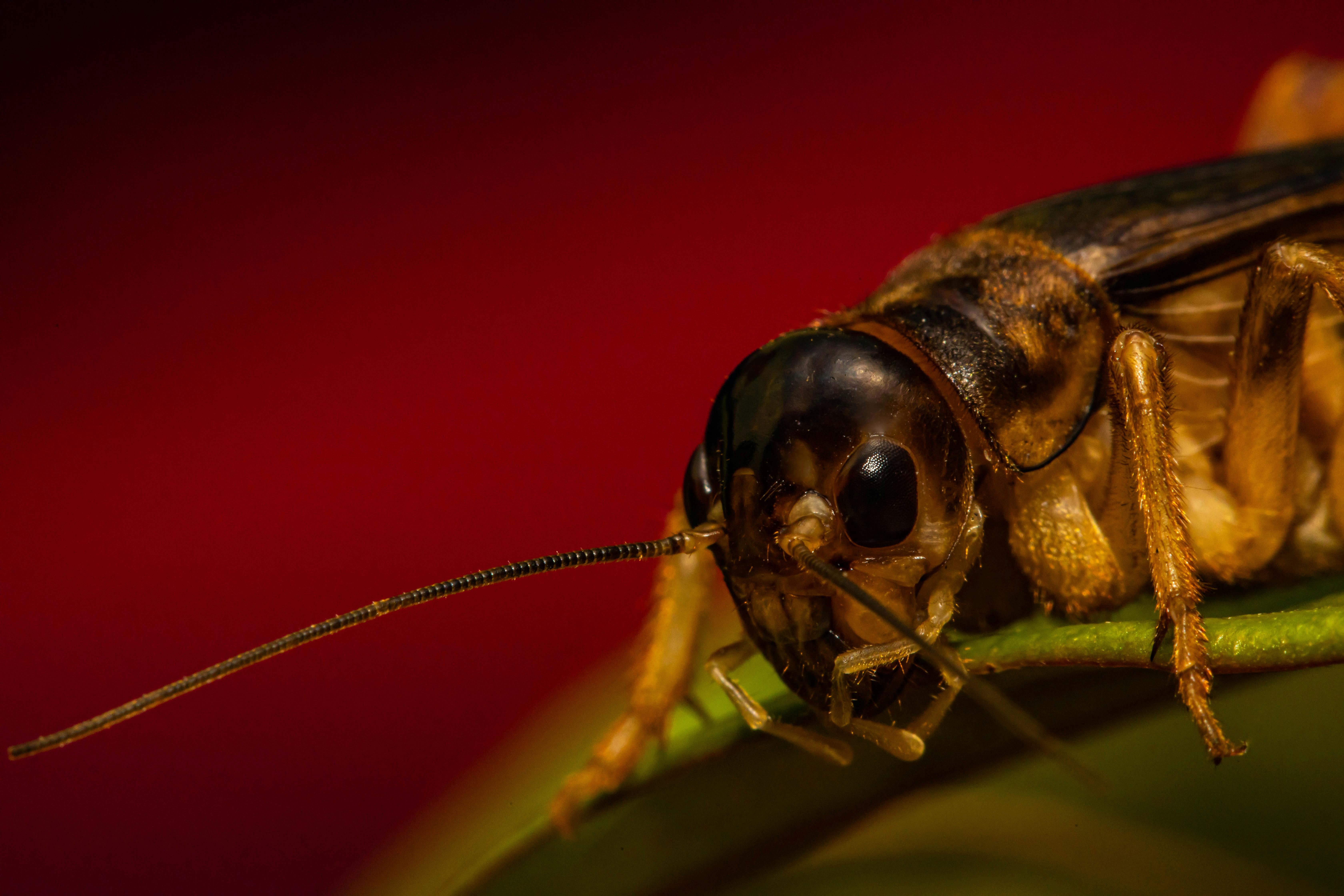
Crickets may seem harmless, but when they start sharing your living space they can become a genuine nuisance. In Canton, Georgia, the warm, humid climate creates an ideal backdrop for several common cricket species to thrive around homes, often leading homeowners to question cricket control cost Canton when infestations persist. Knowing which critters you’re dealing with, where they like to hide, and the problems they can cause is the first step toward effective control.
Common cricket species in residential settings
- House cricket (Acheta domesticus) – the classic brown cricket most people recognize; often found inside basements or crawl spaces.
- Field cricket (Gryllus spp.) – larger, darker, and more likely to wander onto porches and into kitchens during summer evenings.
- Tree cricket (Oecanthus spp.) – slender, pale green, and attracted to ornamental trees and shrubs near the home.
Typical habitats and how crickets get inside
Crickets favor moist, sheltered environments. In Canton, they commonly nest in:
- Well‑maintained lawns and tall grass where they hide during the day.
- Mulch beds, flower pots, and garden borders that retain moisture.
- Foundations, crawl spaces, and basements that provide cool, damp refuge.
- Cracks around doors, windows, and utility openings that serve as entry points.
When outdoor conditions become too hot or dry, crickets will seek cooler indoor spots, slipping through even the tiniest gaps. Once inside, they gravitate toward quiet corners, closets, and pantry shelves where they can remain undisturbed.
Signs of a cricket infestation
Detecting crickets early saves you from larger problems later. Keep an eye out for these tell‑tale signs:
- Continuous chirping at night—especially a rhythmic “crick‑crick‑crick” that seems to come from within the walls.
- Live crickets found in living rooms, kitchens, or bathrooms.
- Small bite marks or holes in fabric, curtains, and upholstery.
- Chewed or wilted indoor plants, as crickets may nibble on tender foliage.
Health and property concerns
Beyond the obvious annoyance of nightly serenades, crickets can pose real risks:
- Noise nuisance: The male’s mating call can disrupt sleep, especially for light‑sleepers.
- Food contamination: Crickets may crawl over uncovered dishes, countertops, or stored pantry items, leaving behind droppings and potential bacteria.
- Attraction of predators: A sudden surge of crickets can draw in spiders, centipedes, and even small mammals, increasing the chance of secondary pest issues.
- Structural damage: While crickets don’t chew wood like termites, prolonged activity in insulation or drywall can create unsightly stains and weaken material over time.
Understanding these habits and warning signs helps Canton homeowners decide when professional intervention is warranted. For deeper scientific insight, consult reputable resources such as the EPA’s residential pest management guide and the CDC’s pest‑prevention page. Armed with knowledge, you can work with a trusted partner like Anthem Pest Control to keep crickets—and the problems they bring—out of your home.
Seasonal Cricket Activity in Canton, GA
Climate Overview and Its Impact on Crickets
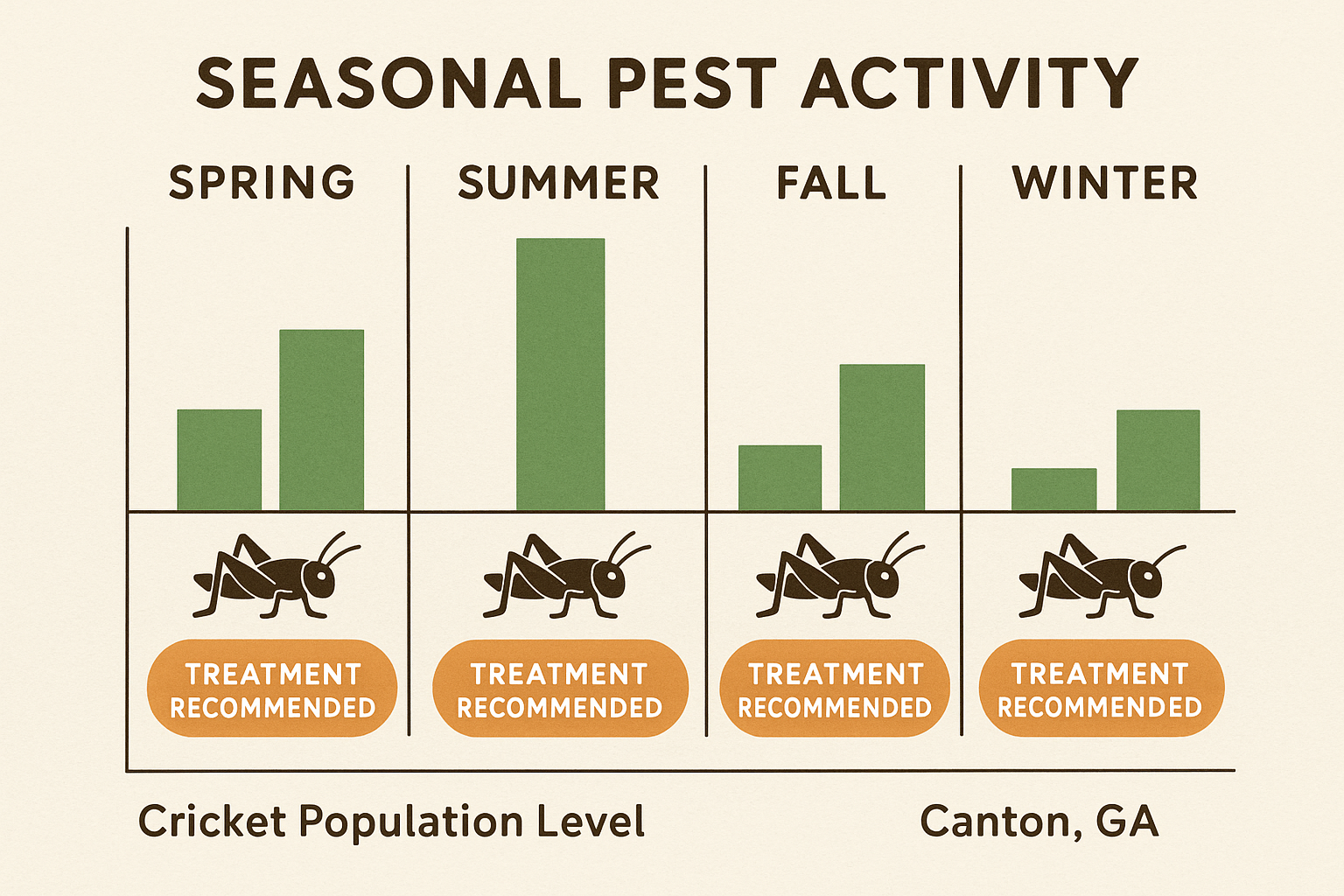
Canton sits in the humid subtropical zone, meaning hot, moist summers and mild, damp winters. These conditions create a perfect breeding ground for field crickets, which thrive when temperatures hover between 75°F and 85°F and humidity stays above 60%. As the seasons shift, so does the availability of food, shelter, and mating opportunities, causing cricket numbers to rise and fall in predictable patterns—often influencing overall cricket control cost Canton homeowners experience throughout the year.
Spring Surge: Early Breeding Begins
By late March, warming soil triggers egg hatching. Young nymphs emerge and quickly mature, leading to a noticeable increase in chirping by mid‑April. This is the optimal window for a preventative treatment because it targets crickets before they reach reproductive maturity. Acting early reduces the size of the summer population and minimizes the chance of indoor invasions.
Summer Peak: Chirping at Its Loudest
June through August brings the highest cricket activity. Adult males are constantly calling to attract mates, and their numbers can overwhelm outdoor spaces and slip inside homes seeking cool, moist hideaways. During this peak, you’ll see more sightings in basements, crawl spaces, and around exterior lighting. If you missed the spring window, a targeted summer application can still curb numbers, but expect a higher treatment frequency to keep the infestation under control.
Fall Decline: Preparing for Overwintering
As temperatures dip in September, breeding slows and many crickets begin to die off. However, a residual population often seeks refuge in insulated walls, attics, and garages to survive the colder months. This is the perfect time for a “final sweep” treatment that eliminates those holdouts and seals cracks, ensuring fewer survivors emerge in spring.
Winter Dormancy: Limited Activity, Still Important
From November through February, crickets enter a dormant state. Their activity is minimal, but any individuals that slipped inside can still cause noise and occasional bites. More importantly, winter is when you should focus on preventative measures: sealing foundation gaps, repairing screen doors, and installing door sweeps. These steps block entry points, making the next season’s surge much easier to manage.
By aligning your pest‑control plan with these seasonal trends, you can keep cricket populations low year‑round, avoid costly infestations, and enjoy a quieter home. If you need a professional assessment or treatment schedule tailored to Canton’s climate, Anthem Pest Control is ready to help—just give us a call at 877‑371‑8196 or visit our website.
Effective Cricket Control Methods

DIY Options You Can Try at Home
Most homeowners start with simple, low-cost steps that target the cricket’s favorite hangouts, especially when trying to keep cricket control cost Canton as low as possible. Begin by removing debris such as leaf piles, wood chips, and garden waste where crickets like to hide during the day. Trim grass and low-lying vegetation to less than six inches, which reduces moisture and shelter.
Physical traps are another handy tool. Sticky boards placed along walls or near porch lights can catch wandering adults, while a shallow dish of water mixed with a few drops of dish soap works as a nighttime lure. For those comfortable using chemicals, low‑toxicity sprays—often based on pyrethrin or neem oil—can be applied to cracks, baseboards, and outdoor perimeters. These products break the cricket’s life cycle without posing a high risk to pets or children when used as directed.
When DIY Falls Short
Even the most diligent DIY effort can miss hidden colonies. Crickets burrow under stones, in mulch, and within the soil beneath flower beds, making complete coverage difficult. A single untreated pocket can lead to rapid re‑infestation, especially after warm, humid nights when crickets are most active. Additionally, over‑reliance on low‑toxicity sprays may not reach the deeper stages of the life cycle, allowing eggs to hatch and the problem to return.
Why Professional Services Often Win
Professional pest‑control teams bring a systematic approach that goes beyond surface treatments. First, a certified technician conducts a thorough inspection to locate breeding sites, assess moisture levels, and identify any structural gaps that facilitate entry. Based on that assessment, they apply targeted chemical applications—often using EPA‑registered products that penetrate soil and wood voids where crickets lay eggs.
Most companies, including Anthem Pest Control, also offer perimeter treatments that create a protective barrier around the home’s foundation. Follow‑up visits ensure that any surviving individuals are eliminated and that the environment remains inhospitable for future generations.
How Technicians Handle Crickets Safely
When dealing with any pesticide, safety is paramount. Technicians wear protective gear—gloves, goggles, and respirators—similar to the equipment shown in the scorpion‑handling image referenced in our training materials. This gear prevents skin contact and inhalation of chemicals, protecting both the worker and the occupants of the home. All applications follow the EPA guidelines for residential pesticide use, ensuring the correct dosage, placement, and re‑entry intervals.
Integrated Pest Management: The Smart Way Forward
Anthem Pest Control embraces an Integrated Pest Management (IPM) philosophy that blends monitoring, threshold levels, and environmentally responsible treatments. Technicians set up monitoring stations to track cricket activity and determine whether populations have crossed the action threshold—typically a few dozen crickets per 100 square feet in a residential setting.
If numbers remain below that threshold, the focus shifts to habitat modification and exclusion, limiting the need for chemicals. When thresholds are exceeded, the team selects the least disruptive, EPA‑approved pesticide that offers rapid knockdown while minimizing impact on beneficial insects.
According to the NPMA cost survey 2023, the average residential cricket treatment ranges from $120 to $250, depending on property size and treatment complexity. This benchmark helps homeowners gauge the value of professional services versus DIY attempts.
Comparing Cricket Control Pricing Options
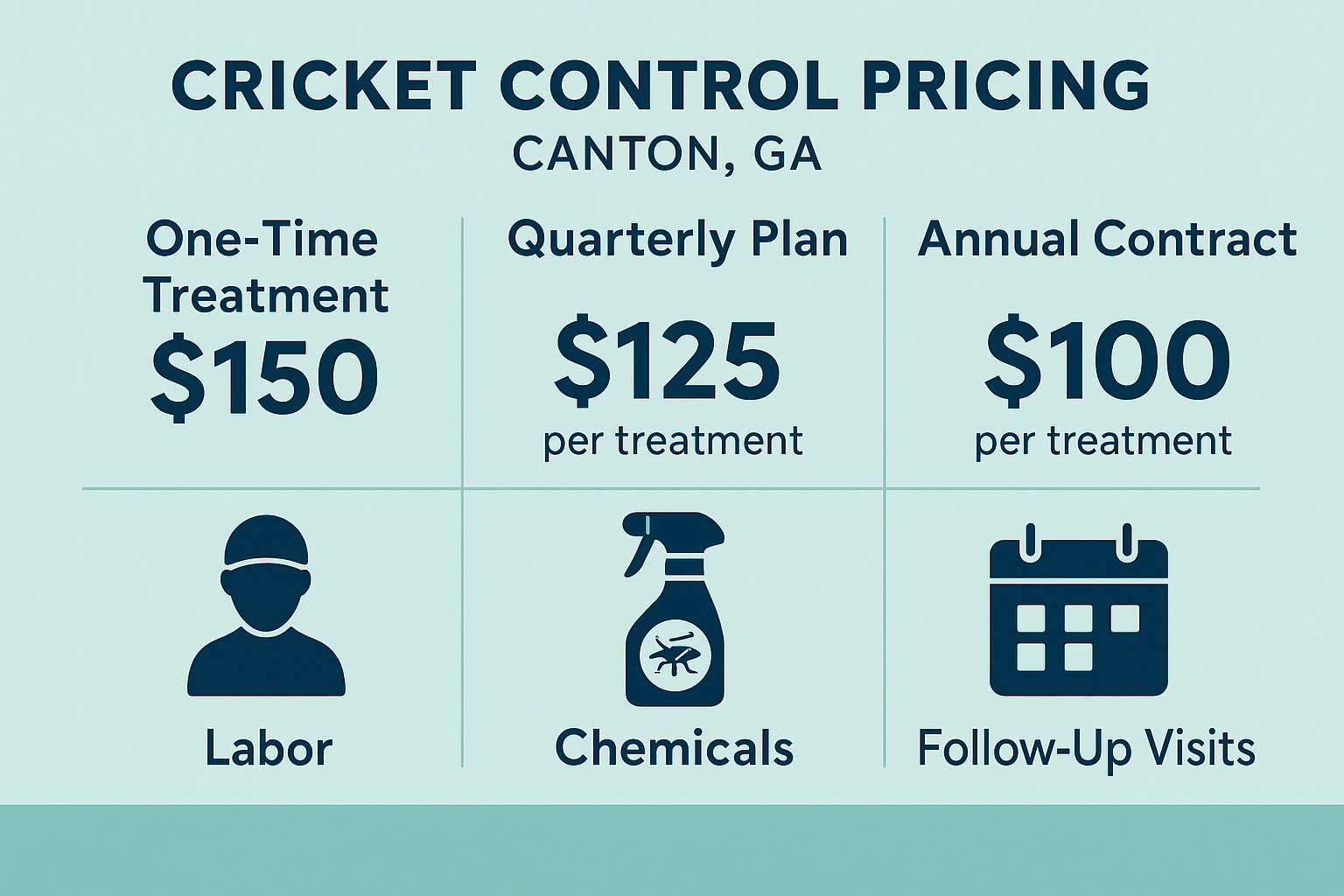
When you call a pest-control pro in Canton, you’ll usually hear three pricing models on the table: a one-time treatment, a quarterly maintenance plan, or an annual contract—each designed to address different levels of infestation and overall cricket control cost Canton homeowners may encounter. Each option is built around the same core services—inspection, application of EPA-registered chemicals, and a follow-up visit—but they differ in how often you pay and how many visits you receive.
Typical Service Models
One‑time treatment is a single visit that targets the current cricket infestation. It’s the cheapest upfront choice, but you’ll need to schedule additional visits if the crickets return.
Quarterly maintenance plan spreads four visits over the year, usually timed with the cricket season (late summer through early fall). The per‑visit cost drops, and you get a preventive spray each time.
Annual contract bundles all four visits plus a warranty that covers re‑treatments within the contract year. Homeowners who want “set it and forget it” often favor this model because the total price is locked in.
Cost Components
Regardless of the plan, the invoice breaks down into three main pieces:
- Labor – the technician’s time for inspection, application, and post‑treatment paperwork.
- Chemicals – EPA‑registered products that are safe for families and pets but effective against crickets.
- Follow‑up visits – travel time, equipment wear, and any additional spray needed to finish the job.
Value Considerations
Choosing the cheapest option isn’t always the smartest. A quarterly or annual plan spreads the cost while delivering regular prevention—think of it as a flu shot for your yard. Most annual contracts also include a limited warranty, meaning a second visit for the same issue is free. Hidden fees can appear as “service call charges” for unscheduled visits or “material surcharges” if the pest pressure spikes mid‑season.
Tips for Evaluating Quotes
Before you sign, ask these three questions:
- Are the products EPA‑registered and specifically labeled for cricket control?
- What does the guarantee cover—re‑treatment, damage repair, or both?
- Is the technician certified in integrated pest management (IPM) and trained on safe application techniques?
Getting clear answers helps you compare apples to apples, ensuring the price you see reflects the protection you’ll actually receive. At Anthem Pest Control, we lay out every component on the estimate, so you know exactly where your dollars are going.
Protect Your Home with Anthem Pest Control
Crickets may seem harmless, but when they gather in large numbers they create a chorus of noise, leave behind unsightly stains, and can even damage outdoor fabrics and wood. In Canton’s warm, humid evenings the insects multiply quickly, making early, season‑appropriate treatment essential to keep them from becoming a year‑round nuisance. Waiting until the infestation is visible often means more chemicals, higher costs, and a longer battle to restore peace inside and outside the home.
Anthem Pest Control brings that timely response together with deep local knowledge. Our technicians are trained right here in Canton, so they understand the specific cricket life cycles and the micro‑climates that drive population spikes. Every service uses EPA‑approved products that are proven effective against all life stages while remaining safe for children and pets. Transparent pricing means you see exactly what you’re paying for—whether you need a single knock‑down or a full‑season protection plan.
Family safety is never an afterthought. The formulas we apply are low‑odor, pet‑friendly, and applied with precision equipment to minimize exposure. At the same time, we stay focused on affordability; our flexible service plans let you choose the level of coverage that matches your budget without sacrificing results. Because we stand behind our work, we guarantee that each treatment will significantly reduce cricket activity, giving you a quieter, cleaner home environment.
Ready to reclaim your evenings from the chirping chorus? Call us today at 877-371-8196 for a complimentary inspection and a personalized, no-obligation quote, and get clear insight into cricket control cost Canton homeowners can expect. One quick conversation puts you on the path to a cricket-free home, and our friendly team will walk you through every step—from the initial assessment to the final follow-up. Learn more about our approach at Anthem Pest Control and let local expertise work for you.