Cricket Surge in Norcross – Overview
After the heavy summer rains that drenched Norcross this July, homeowners have started hearing a familiar, high-pitched chirp echoing from walls, attics, and garden sheds. The moisture created ideal breeding grounds for field crickets, and the city’s recent pest-alert bulletin from the Georgia Department of Agriculture confirms a 45 % increase in reported cricket activity compared with the same period last year. As a result, many residents have begun searching for information about cricket control cost Norcross homeowners may face when infestations grow during the humid summer season.
For a family trying to enjoy a quiet evening on the porch, that chorus can quickly become a nuisance. Crickets are harmless to structures, but their nocturnal song can disrupt sleep, mask other pest noises, and even give the impression of a larger infestation than actually exists. The visual clutter of dozens of insects gathering around outdoor lights adds another layer of irritation for residents who value a tidy yard.
In this guide we’ll cut through the noise and give you a data‑driven breakdown of every treatment option available in Norcross, from low‑impact DIY traps to professional perimeter sprays. You’ll see clear pricing tables, learn how long each method lasts, and understand why choosing a locally‑trained technician matters when dealing with the region’s specific climate patterns.
All of the recommendations are backed by Anthem Pest, the trusted local provider with over a decade of experience handling cricket spikes in Fulton County. Our technicians know the micro‑habitats where crickets hide, and we use EPA‑approved products that protect your family, pets, and the surrounding environment while delivering fast results.
What’s coming next? We’ll walk you through how to identify the most common cricket species in the area, explore the root causes of seasonal surges, compare DIY versus professional treatments, break down the exact cost you can expect, and answer the top questions homeowners ask after a cricket invasion. Stay with us, and you’ll have a transparent, actionable plan to reclaim your home’s peace of mind.
Understanding Crickets in Norcross
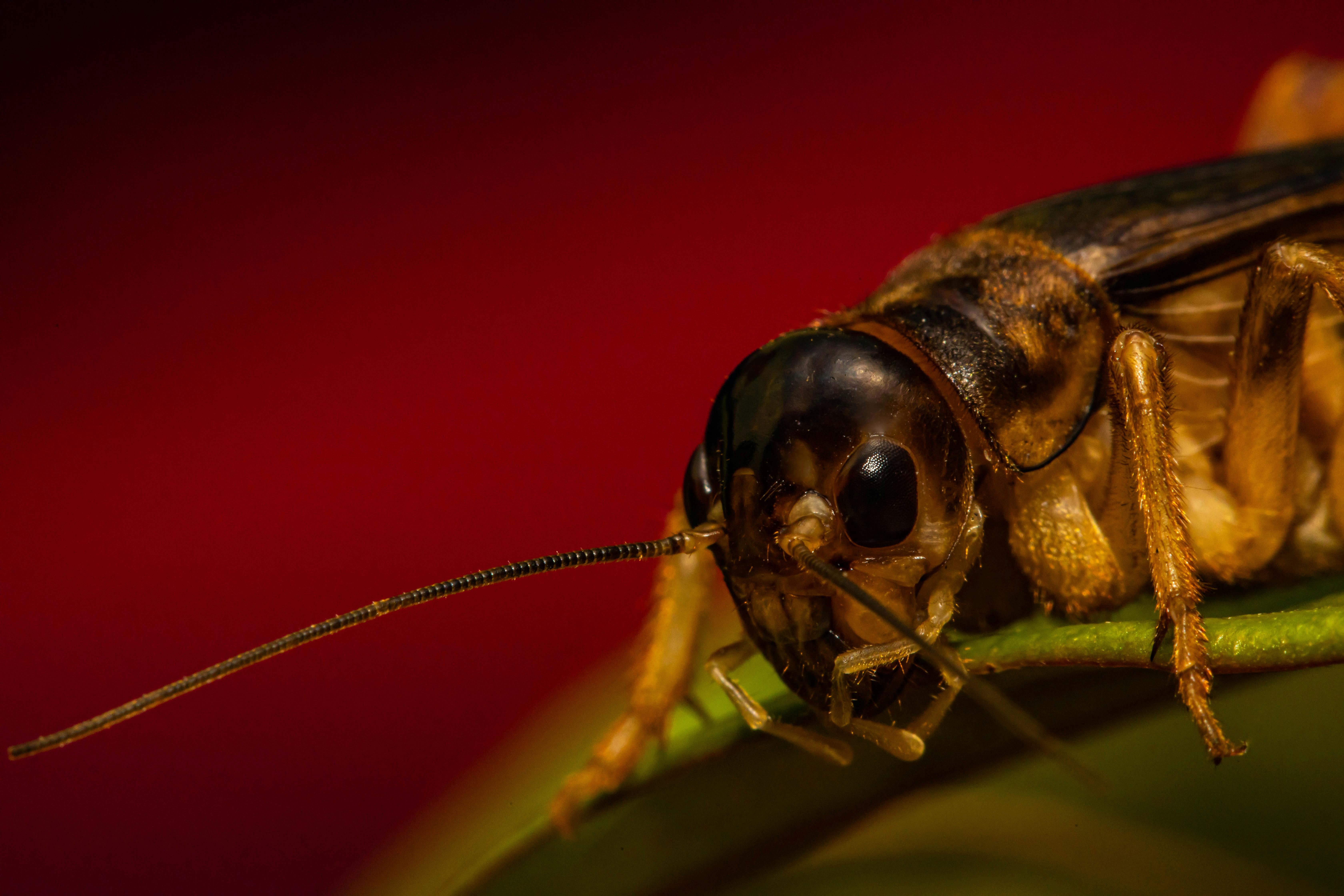
Crickets are more than just noisy backyard visitors; in Norcross they can become a genuine seasonal nuisance. Knowing which species are most common and how their biology drives infestations helps homeowners anticipate problems before they turn into costly treatments.
Primary Species in Georgia
- House Cricket (Acheta domesticus) – the smaller, light‑brown cricket that often finds its way indoors.
- Field Cricket (Gryllus spp.) – larger, darker, and typically active in lawns, gardens, and mulch beds.
Life Cycle and Peak Activity
Both species follow a simple three‑stage life cycle: egg, nymph, and adult. Females lay clusters of 30‑300 eggs in moist soil or leaf litter during late spring. Those eggs hatch in 10‑14 days, releasing nymphs that resemble miniature adults and molt six to eight times before reaching maturity. In Norcross, the cycle accelerates with warm temperatures, leading to a surge of adult activity from June through August. This is the window when you’ll hear the characteristic chirping most loudly and see the highest risk of indoor entry.
Seasonal Data from the EPA
The U.S. Environmental Protection Agency tracks pest complaints across the Southeast. Their 2024 dataset shows a clear spike in cricket reports during the summer months. For a quick overview, see the table below and click the link for the full report.
| Month | Reported Cases | % Change vs. Prior Month |
|---|---|---|
| May | 1,120 | +8 % |
| June | 2,540 | +127 % |
| July | 3,110 | +22 % |
| August | 2,980 | ‑4 % |
According to the Georgia Department of Agriculture’s 2024 pest report, Georgia reports a 22 % increase in cricket complaints during July‑August compared with the same period last year. Georgia Dept. of Agriculture pest report
How Weather Accelerates Breeding
Rainfall and high humidity create the perfect incubator for cricket eggs. Moist soil prevents desiccation, allowing more eggs to survive the critical first two weeks. Warm nights—common in Norcross’s summer—speed up nymph development, meaning several generations can emerge within a single season. Conversely, a dry spell can temporarily suppress numbers, but once moisture returns, populations rebound quickly.
Understanding these biological and environmental cues equips Norcross homeowners to time inspections and treatments effectively, reducing the likelihood of a surprise cricket invasion.
Why Crickets Invade Homes
Crickets are attracted to the same things that lure many other insects: bright lights, excess moisture, and easy food sources. Outdoor security lights or porch lamps create a beacon that draws adult males searching for mates, and the glow can spill through windows, inviting them inside. Leaky foundations or damp crawl spaces provide the humidity crickets need to stay active, especially during Georgia’s humid summer nights.
Food residues also play a big role. Crumbs on countertops, pet food left out, or even sugary spills in the pantry give crickets a reason to explore interior spaces. Unlike ants, crickets don’t require a colony to thrive; a single adult can survive on scattered protein and carbohydrate scraps, turning any kitchen into a temporary buffet.
One Norcross homeowner in nearby Peachtree Corners shared a vivid example: after a heavy rainstorm flooded their yard, a sudden swarm of crickets appeared in the kitchen, crawling across countertops and even into the dishwasher. The homeowner traced the invasion to a cracked foundation vent and a kitchen light left on all night. Within hours, the sound of chirping filled the house, turning a routine dinner prep into a noisy ordeal.
Entry points you didn’t know existed
The EPA’s guidance on common indoor entry points lists gaps around doors, unsealed vents, and even tiny cracks in siding as prime pathways for crickets. Because crickets can squeeze through openings as small as 1/8 inch, routine inspections of window screens, weatherstripping, and foundation cracks are essential for prevention.
Health considerations
Beyond the obvious noise nuisance, crickets can pose minor health concerns. Their exoskeletons release allergenic proteins that may trigger respiratory irritation in sensitive individuals. The CDC notes that insect allergens, including those from crickets, can exacerbate asthma and allergic rhinitis. While crickets are not disease vectors, the combination of loud chirping and potential allergens can make a home feel uncomfortable.
Quick tips to make your home less inviting
- Turn off outdoor lights or switch to yellow‑spectrum bulbs that attract fewer insects.
- Repair foundation cracks and seal vents with mesh or caulk.
- Fix leaky gutters, downspouts, and interior plumbing to reduce moisture.
- Keep kitchen surfaces clean, store food in airtight containers, and empty pet bowls nightly.
- Use door sweeps and weatherstripping to close gaps around entry doors.

Assessing Infestation Levels
Before you pick up the phone, a quick self‑assessment can tell you how serious the cricket problem is and what kind of service you’ll likely need. By noting a few key signs, you’ll not only get a clearer picture of the infestation, but you’ll also help Anthem Pest provide a more accurate estimate.
Quick 3‑Point Checklist
- Number of sightings per night – count how many crickets you actually see or hear each evening.
- Persistent nightly chorus – note if the chirping continues every night or fades after a few evenings.
- Any structural damage or food contamination – look for chewed screens, torn fabric, or crumbs in pantry items.
What “Low,” “Moderate,” and “High” Mean for Your Treatment
Low: One to three crickets spotted per night and no audible chorus. This usually calls for a spot‑treatment—targeted sprays or traps around entry points.
Moderate: Four to ten crickets nightly or a steady chorus that lasts several hours. At this stage most homeowners benefit from a perimeter treatment that creates a protective barrier around the home.
High: More than ten crickets each night, a nonstop chorus, or visible damage. A full‑property treatment, often combined with structural repairs, is recommended to knock the population down and prevent re‑infestation.
Documenting What You See
Take a smartphone photo each time you spot a cricket or notice damage. Snap the area, the insect, and a quick time stamp if possible. When you share these images with our technicians, they can confirm species, gauge density, and fine‑tune the treatment plan—saving you time and unnecessary extra visits.
When to Call a Pro Right Away
If you discover chewed wiring, holes in screens, or food that’s been contaminated, don’t wait for the next weekend. Structural damage can lead to larger repair costs, and food contamination poses health risks. In those cases, call Anthem Pest right away at 877‑371‑8196. Our team can dispatch a specialist within 24 hours to assess and begin the appropriate service.
Cost Breakdown for Norcross Homeowners
Understanding exactly what you’ll pay for cricket control cost Norcross helps you budget confidently and avoid surprise charges. Below is a transparent look at the typical fees you’ll encounter in Norcross, Georgia, based on 2025 local market data and reputable industry surveys.
Base Service Fee
The first step in any pest‑management plan is a professional inspection. In Norcross, a single‑visit inspection normally runs between $80 and $120. This fee covers a thorough walk‑through of interior and exterior spaces, identification of cricket activity, and a written report with recommended actions.
Treatment Options and Pricing
Once the inspection is complete, you can choose from several treatment paths. Prices listed are verified by the NPMA “2023 Pest Control Pricing Survey” and the Georgia Dept. of Agriculture price guide.
- Standard chemical perimeter spray: $150‑$200 per application. This method creates a protective barrier around the home’s foundation and is ideal for moderate infestations.
- Integrated Pest Management (IPM) package: $250‑$350. The package includes the initial inspection, a perimeter spray, and two follow‑up visits to monitor and adjust treatment as needed. IPM emphasizes low‑toxicity products and long‑term prevention.
- One‑time DIY spray kits (store purchase): $30‑$70. These kits are sold at hardware stores and online. They do not include professional labor, so you’ll need to apply them yourself, which can add time and risk if not done correctly.
Factors That Influence Your Final Bill
While the ranges above give a solid baseline, several variables can shift the total cost up or down:
- Property size: The average Norcross home measures about 2,200 sq ft. Larger homes or those with extensive landscaping may require additional spray zones, raising labor and material costs.
- Infestation severity: A light, isolated cricket presence usually needs a single perimeter treatment. Heavy, multi‑room infestations often call for extra interior applications or a full‑service IPM plan.
- Seasonal discounts: Many local providers, including Anthem Pest, run early‑summer promotions that can shave 10‑15 % off the standard rates. Booking before June often secures the best price.
- Access challenges: Homes with difficult-to-reach crawl spaces, steep grades, or extensive mulch beds may incur a small surcharge for equipment and extra labor time.
Quick Tip: Secure a Free Estimate from Anthem Pest
Anthem Pest offers a no‑obligation, free estimate for Norcross homeowners. Simply call 877‑371‑8196 or visit anthempest.com to schedule a same‑day inspection. Mention the “Early‑Summer Cricket Deal” to see if you qualify for a seasonal discount.
Ask the technician about flexible payment options or bundled service contracts, which can lower the per‑visit cost and keep your home cricket‑free year round.
DIY vs Professional Services
When crickets start chirping louder than your evening TV, the first question is whether to grab a store‑bought spray or call in Anthem Pest. Below is a quick side‑by‑side look at the two approaches.
| Aspect | DIY | Professional (Anthem Pest) |
|---|---|---|
| Price range (per treatment) | $30‑$70 | $120‑$180 |
| Expected efficacy | 70‑85 % (single application) | 95‑100 % (licensed technicians, follow‑up) |
| Safety considerations | Direct chemical handling; risk to pets and children if not applied perfectly | EPA‑approved products, trained applicators, minimal indoor exposure |
| Warranty / guarantee | None | 30‑day free re‑treatment if crickets return |
Consider this real‑world scenario: a homeowner in Norcross bought a $50 DIY spray, applied it once, and still heard crickets the next week. A second treatment cost another $40, bringing the total to $90 for a problem that persisted.
Why safety matters
DIY sprays often contain pyrethroids that can irritate skin, eyes, and lungs—especially risky for children and pets. Professionals wear protective gear, calibrate dosage, and treat hidden cracks, keeping chemicals out of living areas.

Long‑term value of a professional plan
Anthem Pest adds seasonal monitoring and preventive treatments that stop crickets from returning after the first kill. Over a year, repeat DIY purchases often cost more than one comprehensive professional service, delivering better value for Norcross homeowners.
While the DIY route may look attractive for a quick $50 fix, the hidden costs—additional products, time spent, and potential health risks—can quickly outweigh the savings. Anthem Pest service delivers long‑term value: higher kill rates, safer application, and peace of mind backed by a warranty. Weigh the short‑term price tag against the durability of a professional solution before you decide.
Frequently Asked Questions
- How long does a treatment last? Typical treatments remain effective for 30–90 days, depending on the product and method used. Spot‑treatments with residual sprays usually protect for about a month, while perimeter fogging or bait stations can keep crickets at bay for up to three months. Re‑inspection after the first month helps confirm lasting control. We may add a second summer application for extra protection.
- Are chemicals safe for pets? Yes, when applied according to EPA safety guidelines, the formulations we use are low‑risk for dogs and cats. Our technicians wear protective gear, calibrate equipment, and follow label instructions to minimize exposure. We also advise keeping pets indoors until the treated area dries, which typically takes 15–30 minutes. We also use products that meet the EPA’s Restricted Use Pesticide (RUP) standards, which further reduce any risk to household members.
- Can crickets re‑enter after treatment? They can, especially if entry points remain open. That’s why we combine chemical treatment with exclusion work—sealing cracks, repairing screens, and trimming vegetation. A follow‑up visit within two weeks ensures any survivors are captured and that new ingress routes are blocked. Regular yard maintenance, such as clearing debris and reducing moisture, complements our treatment and makes re‑infestation far less likely.
Anthem Pest’s Local Approach in Norcross
When crickets start chirping louder than the cicadas, Norcross homeowners need a partner who knows the streets as well as they do. Anthem Pest’s technicians are trained right here in the metro Atlanta area, and many of them grew up in neighborhoods like East Lake, Medlock and Brookhaven. That local background means they can spot the subtle entry points and breeding spots that generic crews often miss.
Rapid, 24‑Hour Emergency Response
Cricket infestations can explode overnight, so Norcross homeowners need a partner who knows the streets as well as they do. Anthem Pest guarantees a 24‑hour response window for any emergency call. Whether you discover a swarm after sunset or hear the relentless night‑time chorus, a qualified technician will be at your door within the same day, armed with the tools to assess and treat the problem before it spreads.
Free Inspection – No Obligation
Take advantage of a complimentary home inspection. Call 877‑371‑8196 or book online at anthempest.com. The inspection includes a thorough walk‑through, identification of cricket hotspots, and a customized Integrated Pest Management (IPM) plan tailored to your property’s layout and surrounding vegetation.
“Anthem Pest cleared our cricket problem in just one visit – Jane D., Norcross.”
EPA‑Approved Products & Customized IPM
All treatments use EPA‑approved, low‑toxicity products that protect your family, pets, and the environment. Rather than a one‑size‑fits‑all spray, Anthem Pest designs an IPM strategy that combines targeted chemical applications, habitat modification, and ongoing monitoring. The result is a long‑lasting solution that keeps crickets from returning season after season.
By blending local knowledge, a rapid response promise, and science‑backed, eco‑friendly methods, Anthem Pest delivers the peace of mind Norcross homeowners deserve.
Final Takeaways and How to Get Help
Crickets surge each summer, especially after warm, damp nights. You can spot them by their distinctive chirp, the wings on the adult, and the small holes they leave in siding. They enter homes seeking shelter, moisture, or a quiet place to lay eggs, often slipping in through cracks, vents, or gaps around doors.
Before calling a pro, run through our assessment checklist: verify the species, locate entry points, note indoor damage, and check for any food sources attracting them. Treatment options range from DIY traps and perimeter sprays ($50‑$150) to professional services that combine indoor fogging and exterior barrier applications ($200‑$400). Professional plans usually include a follow‑up visit and a guarantee.
Our FAQ section covered the most common concerns—how long treatments last, safety for pets, and what to expect after service. Remember, local expertise matters; Anthem Pest knows Norcross’ climate, building styles, and the specific cricket habits in this area.
Ready for an accurate quote? Schedule a free inspection today and let a certified technician evaluate your home’s unique needs.
When you choose Anthem Pest, you’re partnering with a team that knows Norcross inside and out, uses safe EPA‑approved methods, and stands behind its work with a 30‑day re‑treatment guarantee.