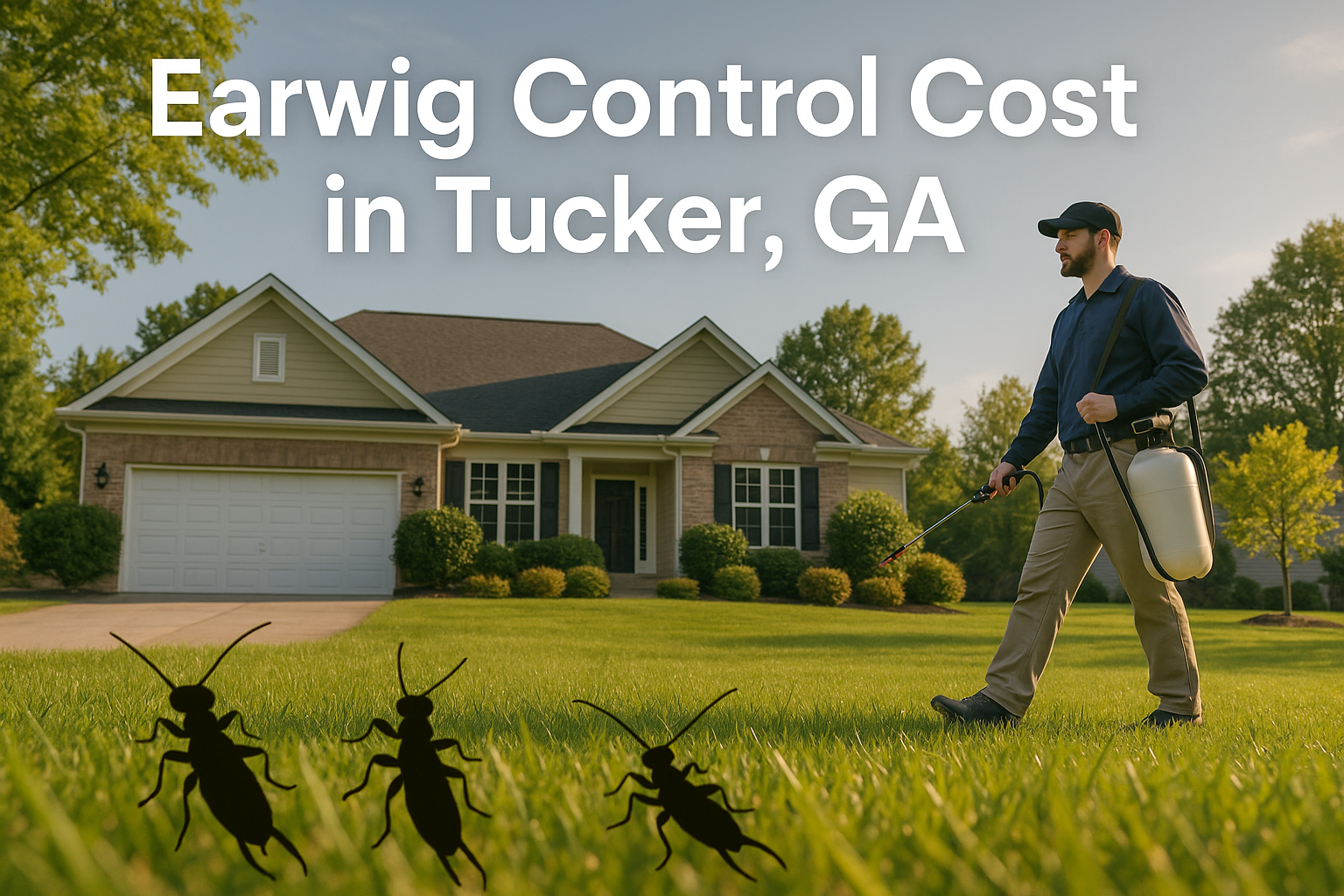
Why Knowing Earwig Control Costs Matters in Tucker

Earwigs are nocturnal insects that love damp, decaying material. In Tucker’s humid climate they often wander into garden beds, where they chew tender seedlings, and they can also take up residence under decks, patio stones, and even inside kitchen cabinets, leaving behind shredded paper, damaged fruit, and a distinctive foul odor. Because they are omnivorous, earwigs will also feed on soft fruits, seedlings, and even the glue that holds your wooden frames together, accelerating wear on outdoor furniture. Homeowners noticing this damage often consider earwig control cost Tucker to prevent infestations from worsening.
Take the case of a Brookshire homeowner, Mrs. Martinez, who opened a pantry cabinet one evening to find a “swarm” of long‑tailed earwigs scattering across her flour jars. The surprise turned into a costly cleanup: she replaced several containers, deep‑cleaned the cabinet, and still worries about a repeat invasion.
Budgeting for professional earwig control eliminates that guesswork. A well‑planned treatment not only stops the immediate damage but also protects future plantings and indoor storage, saving you from unexpected repair bills and the stress of discovering insects where you store food.
In the sections that follow, Anthem Pest Control will share data‑driven cost estimates specific to Tucker, break down the factors that influence pricing, and outline the most effective treatment options—from targeted baiting to full‑property perimeter treatments. Armed with these numbers, you can compare quotes, set a realistic budget, and make an informed decision before an earwig problem escalates.
Understanding the true cost of control empowers you to protect your home’s curb appeal, your garden’s harvest, and your family’s peace of mind. Planning ahead also avoids the premium rates that many companies charge for emergency visits.
Earwig Species and Seasonal Activity in Tucker
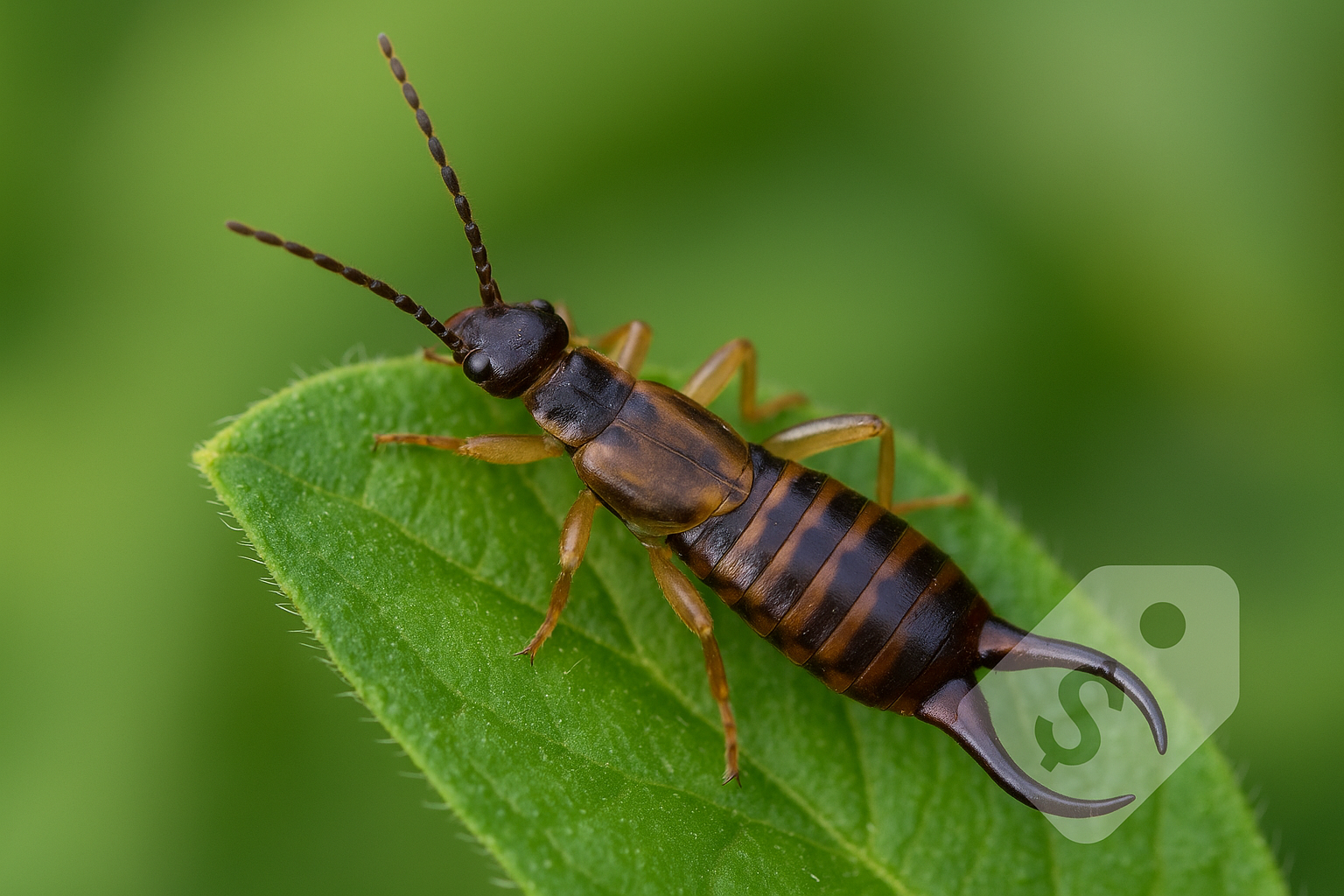
The European earwig (Forficula auricularia) is the predominant species you’ll encounter in Tucker and throughout Georgia’s Piedmont region. Unlike the handful of native species that linger in more isolated habitats, this earwig thrives in suburban yards, garden beds, and even the cracks of foundation walls. Its unmistakable pincers and dark, elongated body make it easy to recognize once you know what to look for.
Life cycle at a glance: Females lay a single clutch of 30‑50 eggs in a protective earthen or cardboard‑like ootheca during late summer. The ootheca is tucked into a moist, sheltered spot—often under mulch or in garden debris. After about two weeks, tiny nymphs emerge and pass through five instar stages, shedding their exoskeletons as they grow. By early fall, the youngest adults are fully formed and begin foraging actively. As temperatures dip, adults seek out leaf litter or insulated crawl spaces to overwinter, emerging again when the soil warms in late spring.
The peak activity window stretches from late August through early October. During this period, earwigs are most voracious, feeding on tender seedlings, decaying organic matter, and occasionally small insects. This timing matters because treatments applied just before the surge can suppress the upcoming generation, while applications after the peak may miss the bulk of the population, leading to higher control costs.
According to the EPA’s 2024 residential pest survey, 68 % of Georgia households report earwig activity annually. The statistic underscores why many Tucker homeowners see earwig sightings as a seasonal nuisance rather than a year‑round problem.
Map of Tucker climate zones will be inserted here.
What Drives the Price of Earwig Treatment?
When you ask a pest‑control pro for a quote, the number you hear isn’t random. It reflects a mix of measurable factors that influence how much time, product, and expertise are required to eradicate earwigs from your home. Understanding these variables helps you compare estimates with confidence.
Primary cost drivers
- Property size – Larger square footage means more ground to cover, more spray lines, and longer labor hours. A 2,000 sq ft house will typically cost less than a 3,500 sq ft residence for the same level of treatment.
- Infestation severity – A light, localized presence can be handled with a single spot‑treatment, while a heavy, multi‑room infestation often requires repeated applications or a full‑property approach.
- Treatment type – Chemical sprays, bait stations, and eco‑friendly options such as botanical insecticides each have different material costs and application methods. Eco‑friendly products usually carry a premium due to certification and limited availability.
- Frequency of service – One‑time knock‑down jobs are priced differently from ongoing maintenance plans that include quarterly visits, monitoring, and re‑treatment guarantees.
- Neighborhood‑specific access issues – Gated communities, narrow alleyways, or homes with multiple structures (garage, shed, pool house) can add travel time and equipment handling fees.
Comparative cost examples
| Home size | Location | Infestation level | Preferred treatment | Estimated cost |
|---|---|---|---|---|
| 2,000 sq ft | South River | Minor | Chemical spray | $180 – $250 |
| 3,500 sq ft | Lake Forest | Extensive | Eco‑friendly bait & spray combo | $350 – $470 |
The NPMA 2023 cost‑average survey reports that minor earwig treatments across the United States average $190, while extensive treatments climb to $420. Tucker’s market aligns closely with these figures, but local factors—such as the prevalence of older homes with crawl‑space access—can shift the numbers up or down.
Beyond the visible items, three hidden cost components shape every quote. Labor accounts for the technician’s travel, setup, and the time spent inspecting each room. Product licensing fees cover the right to apply EPA‑registered chemicals, and they vary depending on whether you choose a standard pesticide or a certified organic alternative. Finally, travel time—especially in gated or hard‑to‑reach neighborhoods—adds mileage and fuel charges, which are reflected in the final price.
Earwig Control Cost Ranges in Tucker
When it comes to earwig control in Tucker, knowing exactly what you’re paying for can prevent surprise invoices and give you confidence in the service you receive. Anthem Pest Control breaks its pricing into three clear tiers, each designed to match a specific level of protection—from a single, targeted treatment to a full‑year monitoring program. Below you’ll see the price ranges, what each package includes, and how you can save with bundled services.
| Tier | Price Range | Visits | What’s Included |
|---|---|---|---|
| Tier 1 – Basic | $85‑$120 | 1 | Inspection + 1 perimeter spray |
| Tier 2 – Comprehensive | $150‑$210 | 2 | Full‑home spray, interior crack treatment, follow‑up |
| Tier 3 – Annual Monitoring | $250‑$350 per year | Quarterly inspections + 2 retreats | Priority scheduling, quarterly checks, retreat visits |
Tier 1 – Basic Single‑Visit Treatment
Tier 1 is the most budget‑friendly option, priced between $85 and $120. The visit begins with a 15‑minute visual inspection of the exterior foundation, doorways, and any obvious earwig harborage sites. Technicians then apply a low‑residue, EPA‑registered insecticide to the perimeter and any interior cracks where earwigs may be entering. Safety is a top priority: the product is approved for use around children and pets, and technicians wear protective gear and follow strict application protocols.
Tier 2 – Comprehensive Perimeter & Interior Package
Tier 2 runs $150‑$210 and includes two visits. During the first appointment, the crew conducts a thorough inspection checklist—looking at foundation cracks, window seals, outdoor lighting fixtures, and mulch beds where earwigs hide. After mapping hot spots, they spray a residual barrier on the home’s exterior and treat interior voids with a gel bait that targets earwig larvae. The second visit revisits any missed areas, applies a booster spray, and verifies that the treatment is holding. All chemicals meet Georgia DGA safety standards, and technicians use respirators and gloves to protect both themselves and your family.
Tier 3 – Annual Monitoring & Retreat Plan
For homeowners who want ongoing peace of mind, the annual monitoring & retreat plan costs $250‑$350 per year. This subscription includes quarterly inspections, two scheduled retreat visits, and priority scheduling that puts you at the front of the line during peak earwig season. Each inspection follows the same detailed checklist as Tier 2, but the retreat visits focus on re‑applying the residual barrier and refreshing interior gel baits. The plan also grants a 10 % discount on any additional services, such as ant or spider control, making it a cost‑effective way to keep multiple pests at bay. All work complies with the 2025 Georgia Department of Agriculture pricing guidelines, ensuring transparent, regulated rates.
If you combine earwig treatment with another pest service—like ant control or mosquito barrier—you can often lock in a bundled discount of up to 15 %. Simply ask your Anthem technician during the initial quote, and they’ll apply the appropriate reduction to the final invoice.
Pricing details follow the 2025 Georgia Department of Agriculture pest‑control pricing guidelines Georgia DGA source.
Choosing the Right Earwig Control Method
Chemical Sprays
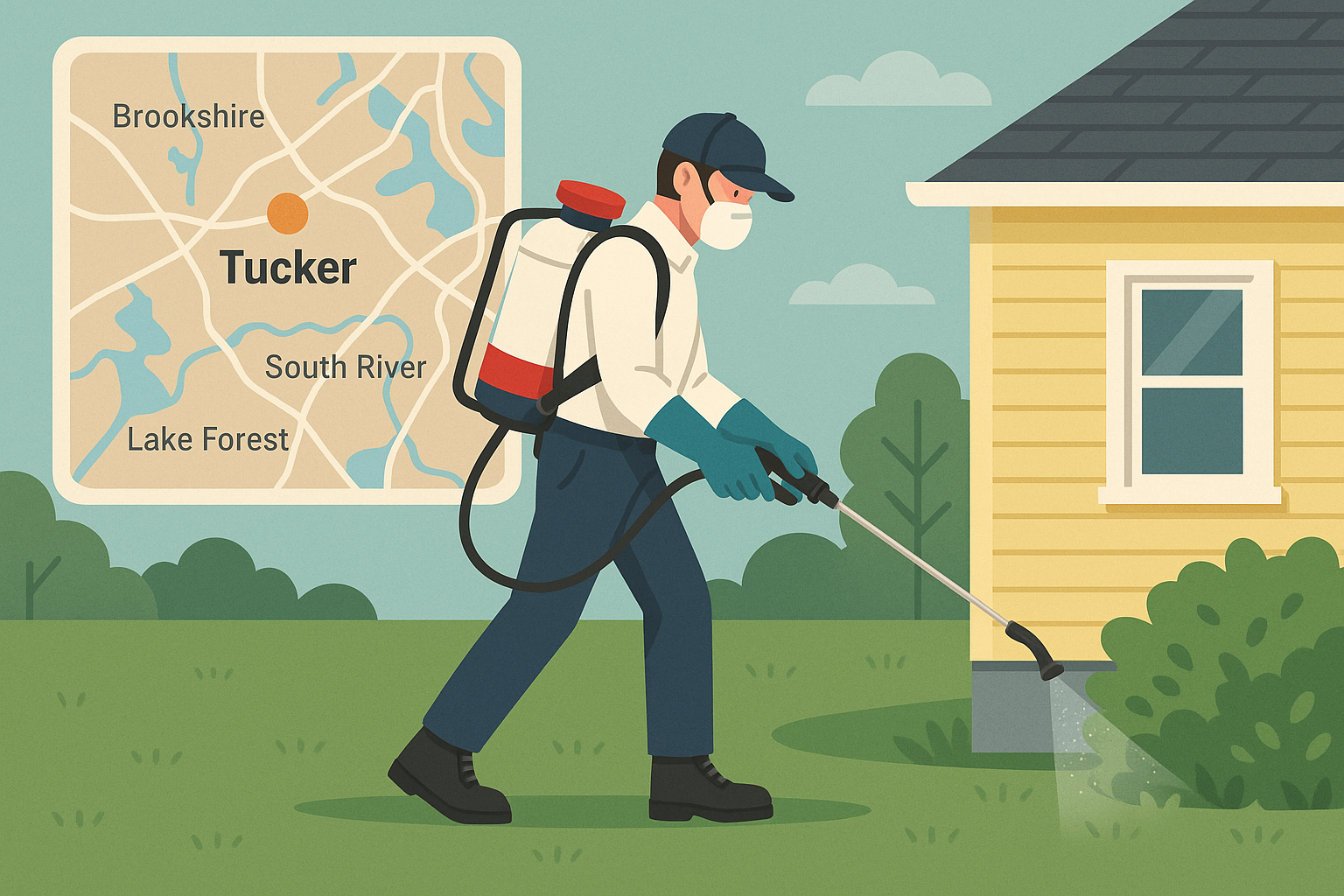
EPA‑approved aerosol or liquid sprays remain the fastest way to knock down an earwig population. A typical professional application in Tucker costs between $80 and $120 per visit, depending on square footage and the product brand. The biggest advantage is immediate visible results—most homeowners see dead earwigs within minutes. However, the cons include potential indoor restrictions, especially in homes with children, pets, or strong ventilation concerns. Re‑treatment may be needed every 4‑6 weeks during peak season, adding to the overall expense.
Bait Stations
Bait stations work by attracting earwigs to a slow‑acting poison they carry back to their hideouts. Placement is critical: install stations around the exterior perimeter, near mulch beds, and in dark indoor corners such as under sinks or behind appliances. A set of four bait stations typically runs $45‑$70, and a professional service will replace them every 2‑3 months. Effectiveness builds over time; you can expect a noticeable decline in activity after 2‑3 weeks, with full control often achieved within a month.
Eco‑Friendly Options
For pet‑friendly or chemically sensitive households, natural treatments like diatomaceous earth or neem oil provide a low‑impact alternative. Diatomaceous earth is sprinkled in cracks, basements, and garden beds, while neem oil can be sprayed on outdoor vegetation where earwigs hide. The material cost is modest—around $25‑$40 per application—but labor rises because multiple treatments are required (usually 3‑4 visits spaced a week apart). This approach is slower, often taking 2‑4 weeks to see a reduction, yet it leaves no toxic residues.
Real‑World Savings Example
When the Brookshire family switched from quarterly chemical sprays to a quarterly bait program, they trimmed their earwig control budget by roughly $30 per year. The bait stations required less frequent professional visits, and the homeowner appreciated the reduced exposure to indoor chemicals while still keeping earwigs at bay.
Safety Notes
Regardless of the method you choose, always follow the CDC guidelines on indoor pesticide use. Wear protective gloves and eye gear when handling sprays, keep children and pets out of treated zones until the product dries, and ventilate rooms thoroughly. For bait stations, ensure they are placed out of reach of curious pets and small children.
Cost Comparison Chart
| Method | Typical Annual Cost | Speed of Control | Indoor Restrictions | Pet‑Friendly |
|---|---|---|---|---|
| Chemical Sprays | $240‑$360 | Immediate (minutes‑hours) | Yes, limited | No |
| Bait Stations | $180‑$260 | Moderate (2‑3 weeks) | Minimal | Generally safe |
| Eco‑Friendly (DE, Neem) | $120‑$200 | Slow (2‑4 weeks) | None | Highly safe |
When to Call a Pro in Tucker
Many homeowners start with a DIY earwig kit because it looks inexpensive and easy. In Tucker, a typical kit runs between $30‑$60 and usually contains a spray bottle, a few bait stations, and a short instruction sheet.
- Spray bottle with a single‑use insecticide.
- Pre‑measured bait pellets designed for indoor use.
- Basic safety gloves and a printed guide.
While the upfront price is tempting, DIY kits have several drawbacks. Coverage is often inconsistent; the spray may miss hidden cracks, and bait stations are placed only where you think earwigs travel. Most kits come with no guarantee—if the pests return, you’re left paying again. Moreover, the homeowner bears full responsibility for any accidental damage or health risks, and there’s no insurance to protect against those mishaps.
Professional pest control eliminates those uncertainties. When you hire a licensed technician from Anthem Pest, you receive:
- EPA‑registered products that are proven safe for families and pets.
- Comprehensive inspections that locate earwig hideouts you can’t see.
- Guaranteed results backed by a 100 % satisfaction guarantee.
- Full insurance coverage for any accidental damage during treatment.
- Follow‑up visits to ensure the infestation stays eliminated.
Anthem Pest’s technicians are trained specifically for the climate and building styles common in Tucker, so they know the exact treatment timing and product mix that works best. The company prides itself on a rapid response—most calls are scheduled within 24 hours, minimizing the window for earwig damage.
If you’ve tried a DIY kit and still see earwigs scurrying at night, or if you simply want peace of mind, it’s time to let the experts take over. Call Anthem Pest directly at 877‑371‑8196 for a free, no‑obligation estimate. Their transparent pricing and local expertise make professional earwig control a smart, cost‑effective choice for any Tucker homeowner.
Best Times of Year to Treat Earwigs in Tucker
In Tucker, the most effective window for earwig control falls in late summer—typically August through September. By this point, earwigs have completed their breeding cycle and are seeking shelter for the cooler months, which makes them especially vulnerable to treatment. Homeowners planning ahead often research earwig control cost Tucker to schedule professional services at the most effective time.
Applying a pre‑winter insecticide during this period targets the adult population before they burrow into foundations, mulch, or garden beds. Eliminating the adults now prevents a new generation from emerging in spring, dramatically reducing the chance of a repeat infestation.
While timing the spray is crucial, pairing it with simple preventive measures can keep earwigs at bay year after year. These steps are inexpensive, easy to implement, and work hand‑in‑hand with professional treatment.
- Seal foundation cracks: Use caulk or expanding foam to close gaps where earwigs can enter your home.
- Trim excess mulch: Keep mulch at least 2‑3 inches away from the house foundation to eliminate a moist hideout.
- Reduce outdoor lighting: Switch to yellow‑tone bulbs or use motion‑sensor lights, as bright lights attract insects that earwigs prey on.
- Clear garden debris: Remove fallen leaves, rotting wood, and other organic matter that provides shelter during the cooler months.
Implementing these practices before the late‑summer treatment creates a hostile environment for earwigs, making the pesticide work more efficiently and extending its protective effect.
After the August‑September service, schedule a brief post‑treatment check in early spring (March‑April). This monitoring visit lets a technician confirm that any surviving earwigs are caught before they reproduce, ensuring your home stays earwig‑free throughout the growing season.
By aligning treatment with the earwig life cycle and reinforcing your property with these preventive steps, Tucker homeowners can enjoy a quieter, pest‑free yard without the surprise of earwig invasions each year.
Why Anthem Pest Is Tucker’s Trusted Choice
Deep Roots in Tucker’s Neighborhoods
Anthem Pest has been serving the Tucker community for more than a decade, and the company’s crews know the streets, the homes, and the seasonal pest patterns of neighborhoods like Brookshire, South River, and Lake Forest. By treating each subdivision as a unique ecosystem, technicians can anticipate where earwigs are likely to hide—under mulch in Brookshire, near the creek banks of South River, or in the garden beds of Lake Forest homes. This hyper‑local knowledge translates into faster diagnoses and treatments that target the exact entry points that matter to Tucker homeowners.
Rapid, Reliable Response
When an earwig infestation is reported, Anthem Pest guarantees a response within 24 hours or less. The company’s dispatch center is staffed around the clock, and the Tucker service zone covers a 15‑mile radius, ensuring that even the farthest corner of the city receives the same prompt attention. Residents who have called after a late‑night sighting can expect a technician on the door the next business day, armed with the right tools and a clear plan of action.
Transparent Pricing That Matches the Tiered Options
Anthem Pest’s pricing model mirrors the tiered structure introduced earlier in this guide. The “Basic” tier starts at a flat $79 for a one‑time earwig sweep, the “Standard” tier adds a quarterly follow‑up for $149, and the “Premium” tier bundles a full‑year protection plan—including perimeter treatments and a guaranteed re‑visit—at $229. All fees are posted up front on the website, and there are no hidden service charges. Homeowners receive a detailed quote before any work begins, so they know exactly what they’re paying for and can choose the level of coverage that fits their budget.
“I called Anthem Pest after spotting earwigs in my garden, and they were at my door the next morning. The technician explained the treatment, and within a week the bugs were gone. I love the clear pricing—no surprises on the bill.”
Lake Forest homeowner
Ready to experience the same fast, affordable earwig control? Visit our dedicated service page to schedule an inspection or request a free estimate: Anthem Pest Earwig Control. Give us a call at 877‑371‑8196 for immediate assistance.
FAQ – Earwig Control Cost & Care
How long does a treatment last?
Most chemical sprays keep earwigs under control for 4‑6 weeks. The product degrades over time, so we usually schedule a follow‑up before the protection window ends. If you choose an annual monitoring plan, our technicians inspect each season and re‑apply only when needed, giving you year‑long coverage. Because earwigs reproduce quickly, an annual plan includes two to three visits that catch any early activity before it becomes a problem. Our technicians also apply a perimeter barrier that further extends protection beyond the spray’s active period.
Are treatments safe for pets?
We only apply EPA‑approved products that are labeled pet‑safe when used exactly as directed. Outdoor sprays pose no risk to dogs or cats. For indoor treatments we advise moving pets to another room or arranging short‑term boarding while the mist settles and the area ventilates. If a pet must stay inside, keep them in a well‑ventilated area until the spray dries, usually about 30 minutes.
Can earwigs return after treatment?
Earwigs can return if the conditions that attracted them aren’t corrected. Moisture, outdoor lighting and foundation cracks provide perfect entry points. Regular monitoring, proper drainage and sealing gaps dramatically cut re‑infestation risk. Additionally, removing debris and trimming vegetation away from the house eliminates hidden shelters where earwigs hide during the day. We give you a simple checklist to keep earwigs out for good.
For more safety details, review the CDC’s pesticide safety guidelines. Following these practices protects your family, pets and ensures the earwig program stays effective. Adhering to these guidelines also helps you stay compliant with local regulations and avoids unnecessary re‑treatments.
Take Action for Reliable Earwig Control Today
When it comes to earwig control in Tucker, Georgia, you’ll typically see three pricing tiers:
- Basic tier – $120 to $150: One‑time treatment that targets visible earwigs around entry points and garden beds.
- Standard tier – $150 to $250: Includes a follow‑up visit, perimeter barrier, and a short‑term guarantee for continued protection.
- Premium tier – $250 to $400: Comprehensive plan with seasonal monitoring, indoor/outdoor treatments, and a long‑term warranty.
Choosing the right tier starts with a professional assessment. A qualified technician can identify the exact infestation level, recommend the optimal timing—often early spring or late summer—and apply the most effective treatment. Proper timing not only shields your garden’s seedlings but also prevents earwigs from seeking shelter inside your home.
Ready to protect your property without the guesswork? Call Anthem Pest at 877‑371‑8196 for a free, no‑obligation quote. Our licensed technicians will evaluate your home, recommend the most effective plan, and provide a clear estimate of earwig control cost Tucker to ensure a pest‑free environment for you and your family.
Visit Anthem Pest Control to schedule your assessment today.