
Why Flea Control Matters for Buford Homeowners

Fleas thrive in Georgia’s warm, humid climate
Fleas are tiny, wingless insects that complete their life cycle in as little as two weeks when temperatures stay between 70°F and 85°F. In Buford, the long summer and mild fall provide the perfect environment for eggs, larvae, and pupae to develop in carpets, yard mulch, and even shaded porch corners. Because the climate keeps the soil and organic debris moist, flea populations can explode before homeowners even notice a single bite.
Spotting the tell‑tale signs
Early detection saves time and money. Inside the home, look for tiny black specks—known as flea dirt—on bedding, pet blankets, or floorboards. Your pets may scratch more than usual or develop red, irritated patches on their skin. Outside, you might find adult fleas jumping from grass to a pet’s paws, or notice a “sand‑like” residue on patio furniture. If you or a family member experiences sudden, itchy bites that appear in clusters, a hidden flea infestation is likely the culprit.
Health risks for people and pets
Flea bites cause more than just annoyance. For sensitive skin, they can trigger intense itching, hives, or allergic dermatitis. In rare cases, fleas transmit bacterial infections such as *Rickettsia* or tapeworms that pets can pass to humans. Young children and immunocompromised individuals are especially vulnerable to secondary skin infections that arise from constant scratching.
The hidden cost of ignoring the problem
Delaying treatment allows fleas to embed deeper into carpets, upholstery, and yard mulch, making eradication far more labor‑intensive. What starts as a simple spray job can evolve into multiple visits, extensive vacuuming, and even professional carpet cleaning. Moreover, heavy infestations can damage wood flooring and outdoor decking as flea larvae feed on organic debris, leading to costly repairs that could have been avoided with prompt action.
Anthem Pest Control: Your local flea‑free partner
Anthem Pest Control brings years of experience to Buford homeowners, combining safe, EPA‑approved products with a thorough inspection process. Our technicians identify the exact stage of the flea life cycle, target breeding hotspots, and apply treatments that protect both your family and your pets. With transparent pricing and a commitment to environmentally responsible methods, Anthem makes effective flea management both affordable and hassle‑free.
Spotting Fleas – Identification and Warning Signs
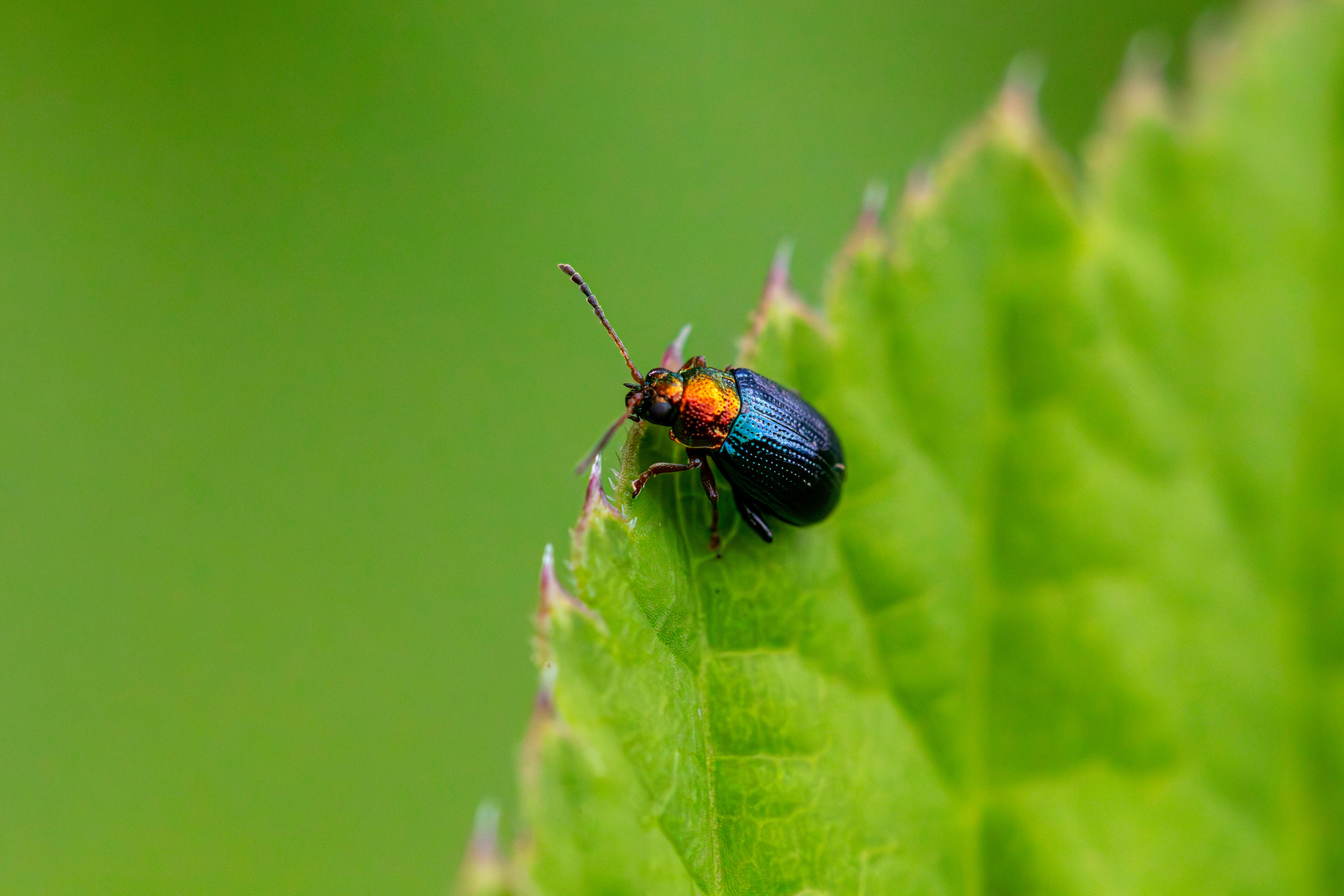
Fleas are tiny, but they can cause big problems. An adult flea measures about 1.5 to 3 mm long—roughly the size of a grain of sand—so you might miss it if you’re not looking closely. Their bodies are dark brown to reddish‑brown, flattened laterally, and completely wing‑less. The most distinctive feature is the powerful hind legs that let them launch up to 150 times their body length in a single jump. That sudden “pop” on a pet’s skin is often the first clue that fleas are present.
Life‑stage Overview
Understanding the flea life cycle helps you know where to look. A typical cycle includes four stages:
- Eggs: Tiny, white, and about 0.5 mm long. Female fleas lay 20–50 eggs per day, usually in the pet’s bedding or carpet fibers.
- Larvae: Soft, blind, and C‑shaped. They feed on organic debris, adult flea feces (which look like tiny black specks), and mold.
- Pupae: Encased in a silken cocoon that can protect them for weeks. They remain dormant until vibrations or carbon dioxide—signals of a host—trigger emergence.
- Adults: The jumping stage that bites and reproduces. Adults live on the host for feeding but can also hide in cracks, under furniture, or in outdoor grass.
Where to Inspect
Pets: Run a fine‑toothed flea comb through the fur, especially around the neck and tail base. Look for tiny black specks (adult feces) or live fleas.
Bedding & Carpets: Pull back sheets, wash pet blankets in hot water, and vacuum carpet edges. Check the vacuum bag for dark specks.
Outdoor Zones: Focus on shaded, humid areas—under decks, near pet shelters, and in tall grass. Flea larvae thrive in these moist micro‑environments.
DIY Check Checklist
- Feel for sudden “pops” on your pet’s skin while they’re resting.
- Inspect pet bedding for tiny black specks (flea dirt).
- Use a flea comb on each pet for at least five minutes.
- Vacuum all carpeted areas, then immediately empty the canister into a sealed bag.
- Wash all removable fabrics in water ≥ 130 °F (54 °C).
- Examine outdoor resting spots for a fine, powdery residue or silken cocoons.
- If you spot any live fleas, eggs, or larvae, note the location and contact a professional for a targeted treatment plan.
Flea Activity Throughout the Year in Georgia
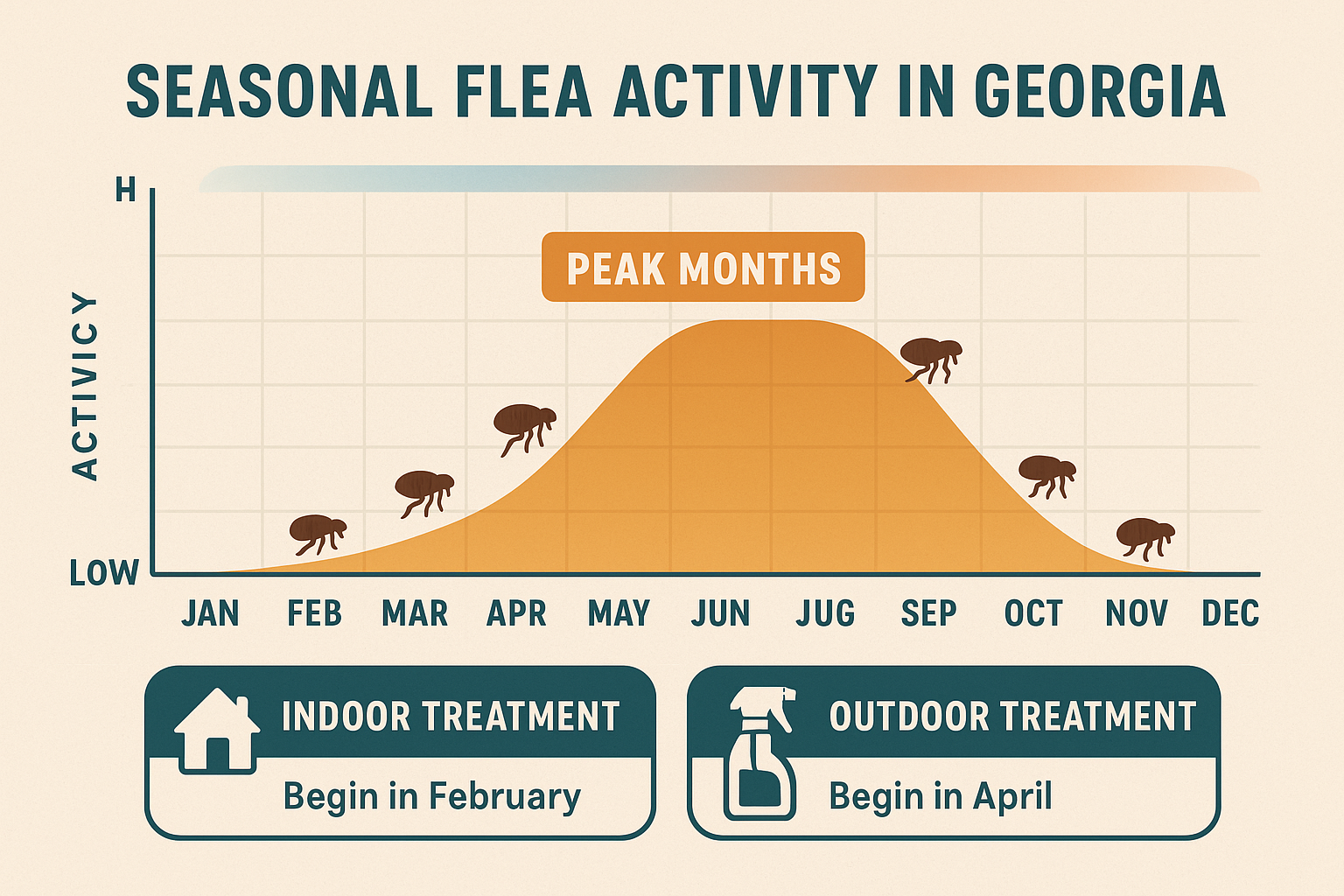
Georgia’s climate creates a predictable rhythm for flea populations. The seasonal activity chart shows a gentle rise in flea numbers during late spring, a sharp peak from midsummer through early fall, and a gradual decline as winter approaches. Understanding this curve helps you time your treatments for maximum impact.
Temperature, Humidity & Life‑Cycle Acceleration
Fleas thrive when temperatures sit between 70°F and 85°F and relative humidity stays above 50%. In Georgia, these conditions typically emerge in late April and persist through September. Warm, moist environments speed up each stage of the flea life cycle—egg, larva, pupa, and adult—compressing a generation into as little as three weeks.
Indoor Treatment Timing (Early Spring)
Because indoor flea eggs and larvae can survive the cooler months, the smartest move is to treat your home in early spring, around late March to early April. A pre‑emptive indoor application creates a barrier that kills emerging fleas before they can infest pets or bedding, reducing the indoor reservoir before outdoor activity spikes.
Outdoor Treatment Timing (Late Spring to Mid‑Summer)
Once the outdoor environment reaches the optimal temperature and humidity range, shift your focus outside. Schedule a yard treatment from late May through July. Targeting the yard during this window tackles adult fleas on grass, shrubs, and outdoor pet areas, cutting off the primary source of reinfestation for your home.
Why Pre‑emptive Treatment Matters
Waiting until you see fleas on your pets or in your home means the population is already established and harder to eradicate. A proactive approach—treating indoors before the first outdoor surge and following up outdoors as conditions improve—keeps the flea life cycle from completing, saving you time, chemicals, and money.
For a quick visual reference, check the infographic that outlines the seasonal peaks and optimal treatment windows. Aligning your flea control plan with Georgia’s climate patterns ensures you stay one step ahead of these persistent pests.
Choosing the Right Flea Control Solution and Understanding Costs
What Treatment Options Are Available?
When fleas invade your home, you have several pathways to eliminate them. The most common methods include:
- Indoor sprays – Quick‑acting aerosols or foggers that target adult fleas, larvae, and eggs inside the living spaces.
- Outdoor perimeter treatments – Professional applications around the yard, foundation, and shaded areas where fleas mature.
- Pet‑focused products – Collar, spot‑on, or oral medications designed to kill fleas on your dogs and cats while preventing re‑infestation.
- Combined indoor/outdoor packages – A comprehensive plan that treats both the home interior and the surrounding property for long‑term protection.
Professional vs. DIY: What’s the Real Difference?
Do‑it‑yourself kits can look tempting because of a lower upfront price tag, but they often fall short in three key areas:
- Coverage – Professionals map out high‑risk zones, ensuring every crack, crevice, and pet‑hangout receives the right dosage.
- Safety – Certified technicians use EPA‑approved products and follow strict safety protocols, protecting kids, seniors, and pets from accidental exposure.
- Longevity – A professional formulation creates a residual barrier that can last 8‑12 weeks, whereas many DIY sprays lose potency within days.
For homeowners who need a quick fix, a DIY spray might buy you time, but for a lasting, worry‑free solution, a professional service pays off.
Pricing Comparison: Low, Average, and High Ranges
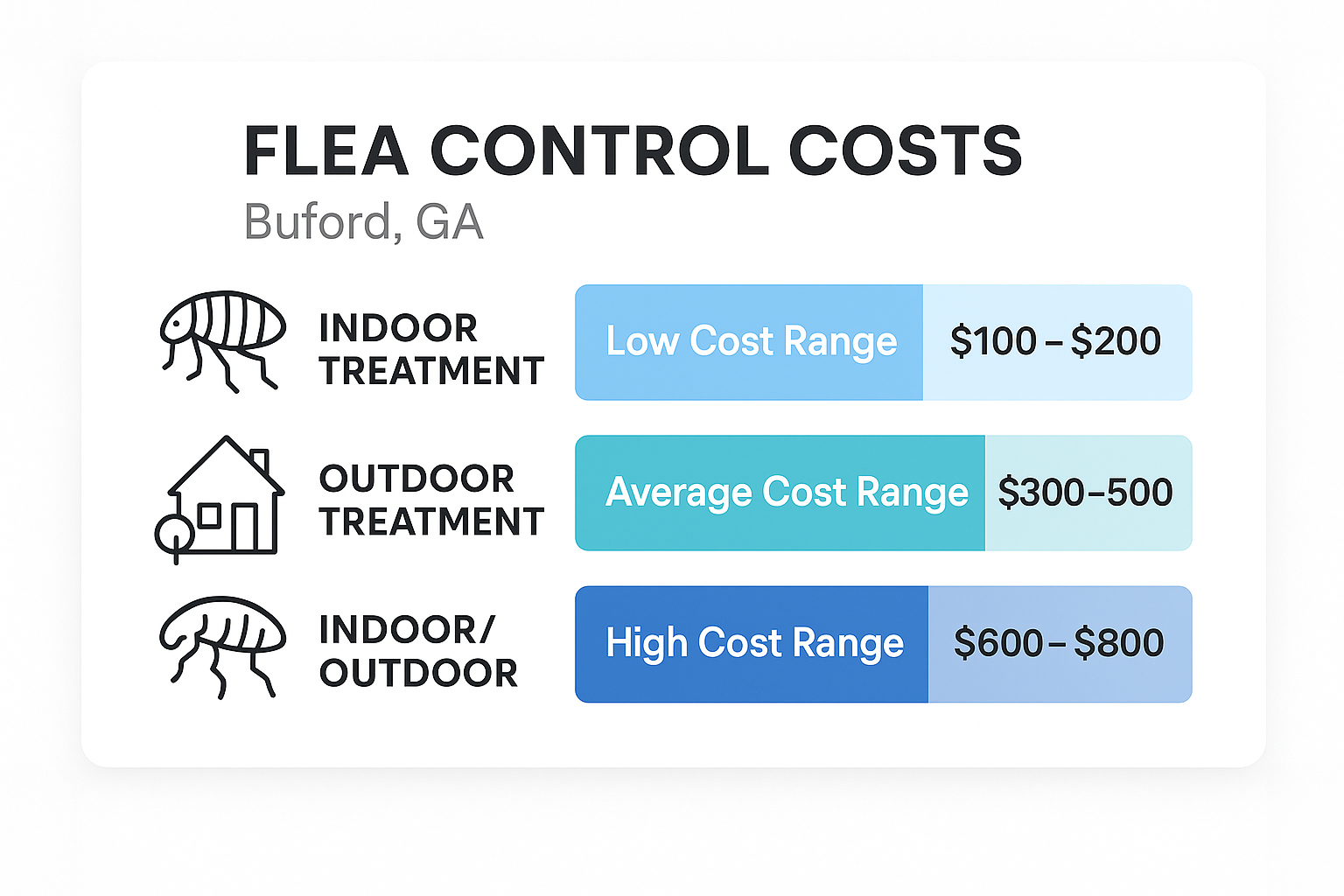
| Service Tier | Low‑Cost Range | Average Cost | High‑Cost Range |
|---|---|---|---|
| Indoor Spray | $80 – $120 | $150 | $200 – $250 |
| Outdoor Perimeter | $100 – $150 | $200 | $300 – $350 |
| Pet‑Focused Products | $50 – $80 | $120 | $180 – $220 |
| Combined Indoor/Outdoor Package | $200 – $250 | $350 | $500 – $650 |
These figures are compiled from local market data, including the HomeYou Flea Control Costs in Buford, GA report, so you can see exactly where each option sits on the price spectrum.
Budget‑Friendly Tips for Homeowners
- Seasonal discounts – Flea activity spikes in late spring and early summer; many companies, including Anthem Pest, offer 10‑15% off during off‑peak months.
- Bundled services – Pair flea control with a quarterly rodent or mosquito program and unlock a package discount that can shave $50‑$100 off the total.
- Maintenance plans – Enrolling in a yearly protection plan spreads the cost across four visits, turning a $500 upfront package into four manageable payments.
How Anthem Pest Control Guarantees Transparent Pricing and Value
At Anthem Pest, we believe every homeowner deserves a clear, upfront quote—no hidden fees, no surprise add‑ons. Our pricing model mirrors the table above, and we provide a written estimate before any work begins. Because we use industry‑leading, low‑odor formulations, you get the peace of mind that comes from a treatment that’s both safe and long‑lasting.
When you choose Anthem, you also gain access to a dedicated account manager who tracks your service history, alerts you to upcoming seasonal promotions, and helps you decide whether a one‑time treatment or a recurring plan makes the most sense for your budget and lifestyle.
Protect Your Home with Professional Flea Control Today
Fleas don’t wait for you to notice them—early detection and timely, seasonal treatment are the most reliable ways to keep an infestation from taking hold. Catching the problem in spring or early summer, when fleas are most active, stops the life cycle before it spreads to pets, carpets, and even your yard. Acting fast not only saves you money but also protects the health of your family and four‑legged companions.
Anthem Pest Control offers Buford residents a trio of advantages that make professional flea control the smartest choice:
- Safety first: Our EPA‑approved products are pet‑friendly and applied by certified technicians who follow strict safety protocols.
- Effective results: We target adult fleas, larvae, and eggs with a comprehensive treatment plan that includes indoor and outdoor zones.
- Affordable peace of mind: Transparent pricing and flexible service packages ensure you get the protection you need without hidden costs.
Ready to take the next step? Schedule a free, no‑obligation quote today and let our local experts design a flea‑control program that fits your home’s layout, pet schedule, and budget. Our team will walk you through every step, from the initial inspection to the final follow‑up, so you know exactly what to expect.
Give us a call at 877‑371‑8196 or visit Anthem Pest Control online to discuss a personalized solution. We’re happy to answer any questions, adjust treatment timing to your calendar, and ensure your home stays flea‑free year after year.