Fruit Fly Problem Overview for Lilburn Homeowners
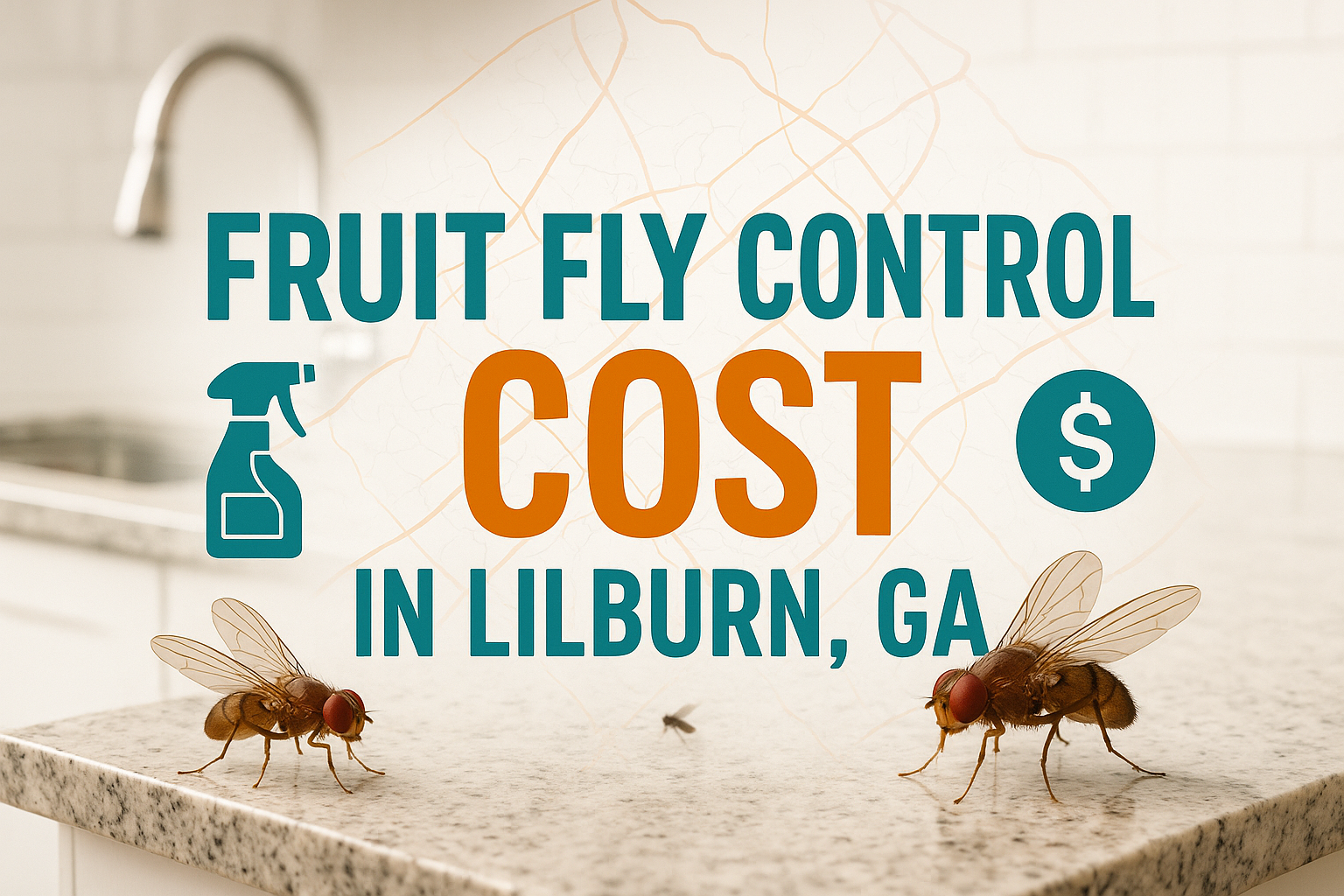
Imagine a Saturday morning in Lilburn when the Johnson family gathers around the kitchen island for a bowl of fresh peaches. Within minutes, tiny, tan‑gray insects start hovering over the fruit, landing on the skin and then taking off again. The kids giggle, the mom sighs, and everyone wonders why these tiny pests appeared out of nowhere.

Lilburn’s humid, subtropical climate provides exactly what fruit flies crave. Warm temperatures in spring and summer, combined with high humidity, accelerate the life cycle of the common fruit fly (Drosophila spp.). Add to that the region’s love for seasonal fruit—peaches, berries, melons—both fresh and in smoothies, and you have a perfect breeding ground right inside your home.
The fruit fly problem in homes typically involves two species: the vinegar fly (Drosoph v) and the tropical fruit fly (Bactrocera c). Both are about 2‑4 mm long, love fermenting sugars, and congregate around overripe fruit, trash cans, drains, and even houseplants. Their rapid reproduction—one female can lay up to 400 eggs—means a few stray flies can quickly become a swarm.
That’s why this guide exists: to break down exactly how much you’ll spend to eliminate those buzzing intruders, help you choose the right service for your home, and empower you to make proactive decisions before the summer surge turns a minor nuisance into a full‑blown infestation.
We’ll walk through the biology of fruit flies, the key cost factors (inspection, treatment type, frequency), typical pricing ranges in Lilburn, prevention tips, DIY versus professional options, how to pick a reputable provider, and answer the most common FAQs. By the end, you’ll have a clear, transparent cost picture and a plan of action.
At Anthem Pest Control, we combine local expertise with upfront pricing to keep your kitchen fly‑free without surprises.
Why Fruit Flies Thrive in Lilburn, GA
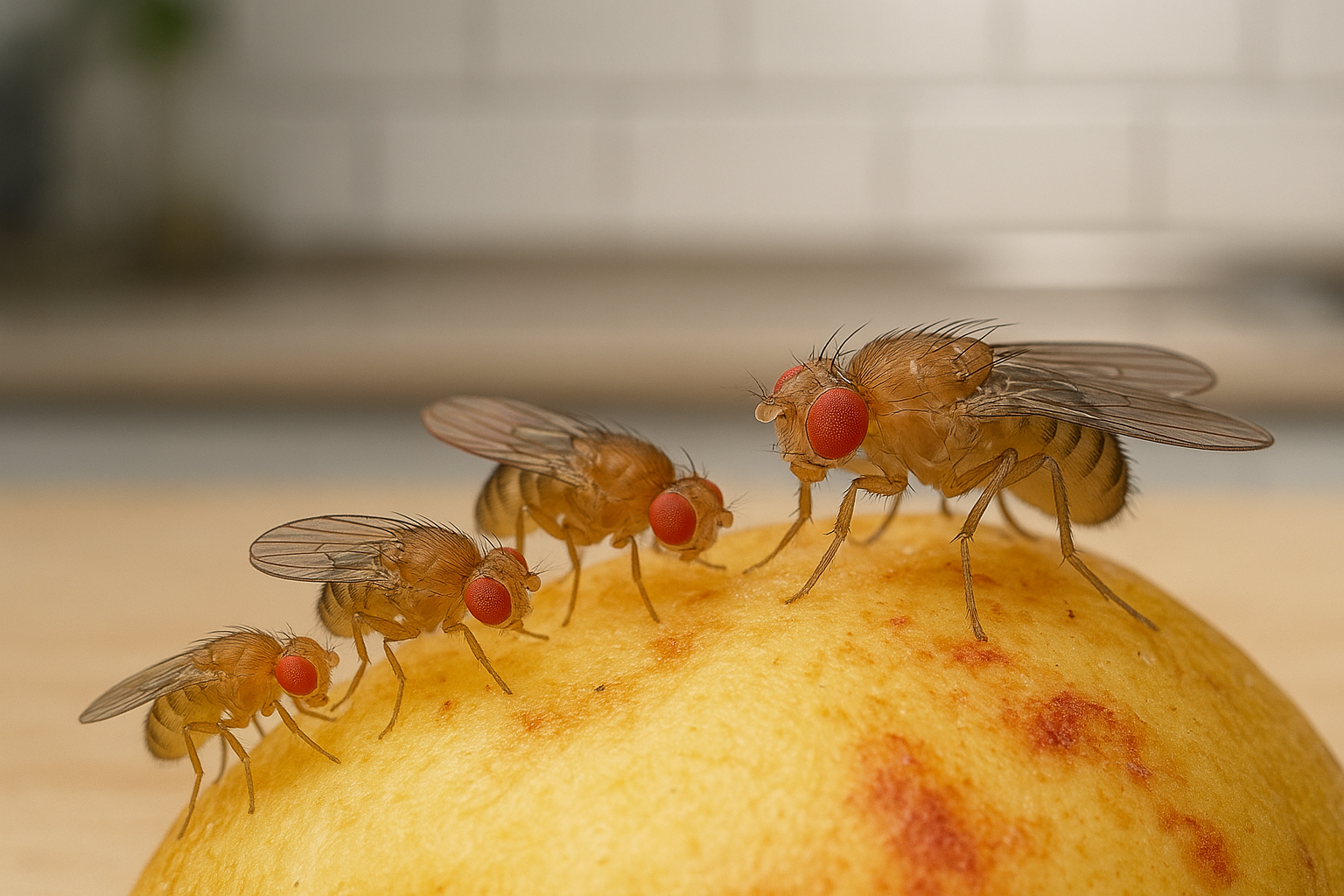
Fruit flies complete their life cycle in just a few weeks: an egg hatches into a tiny larva, which then forms a puparium before emerging as an adult. Under optimal conditions—warm temperatures and high humidity—this cycle can repeat every 7‑10 days, allowing populations to explode rapidly.
Common breeding sites
- Overripe or rotting fruit left on countertops or in trash bags.
- Moist organic matter in kitchen drains and garbage disposals.
- Compost piles and backyard mulch that stay damp.
- Soil of houseplants that is kept constantly wet.
Indoor hotspots
- Kitchen countertops where fruit is displayed.
- Fruit bowls that are not emptied daily.
- Garbage disposals and sink drains that retain food scraps.
- Open trash cans and recycling bins.
The Georgia Department of Agriculture recorded roughly 1,200 fruit‑fly complaints statewide in 2024, a clear signal that the problem is not isolated. Lilburn’s climate—average summer highs of 88°F (31°C) and relative humidity often above 70%—creates the perfect incubator for rapid breeding.
Summer population dynamics
| Month | Indoor Avg. (flies per trap) | Outdoor Avg. (flies per trap) |
|---|---|---|
| June | 12 | 8 |
| July | 18 | 11 |
| August | 15 | 9 |
Because fruit flies thrive in temperatures between 75°F and 85°F (24‑29°C) with high moisture, even a small leak or an unattended fruit bowl can turn a kitchen into a breeding factory. The combination of warm days, humid nights, and abundant food sources explains why Lilburn homeowners see fruit‑fly activity surge each summer, underscoring the need for prompt, professional control.
Factors Influencing Fruit Fly Control Costs
When you request a quote from a pest‑control professional, the price you see isn’t a random number—it reflects a handful of concrete variables. Understanding these factors helps you compare estimates, ask the right questions, and feel confident that you’re getting value for your money.
Infestation Severity
Fruit fly activity is typically classified as minor, moderate, or severe. A minor problem might involve a few flies around a kitchen trash can, while a severe infestation could mean swarms in multiple rooms and breeding sites throughout the house. The more intense the infestation, the more labor hours and product applications are required, which directly raises the cost.
Square Footage of Treated Area
Technicians calculate the amount of spray, bait, or equipment needed based on the total square footage they’ll treat. Larger homes or properties with extensive indoor/outdoor spaces naturally demand more material and time, so expect the price to scale with size.
Choice of Treatment Method
- Chemical spray: Quick‑acting, best for immediate knock‑down, but may need multiple applications.
- Bait stations: Target the flies at their source, often used for ongoing control.
- Integrated Pest Management (IPM): Combines sanitation, exclusion, and selective treatments for a long‑term solution. IPM can be slightly pricier upfront but often reduces repeat visits.
Number of Visits Required
Most fruit‑fly programs start with an initial treatment, followed by one or two follow‑up visits to ensure the population is fully suppressed. Some homeowners opt for a maintenance schedule—quarterly or bi‑annual visits—to keep flies from returning, which adds to the annual expense.
Seasonal Demand
Summer is peak fruit‑fly season in Lilburn, Georgia. Higher demand can push prices up by 10‑15 % as technicians’ schedules fill quickly. Scheduling early in the season or during off‑peak months may lock in a lower rate.
Cost‑Impact Overview
| Infestation Level | Estimated Cost (USD) |
|---|---|
| Minor | $75 – $120 |
| Moderate | $130 – $200 |
| Severe | $210 – $350 |
According to the 2023 EPA Consumer Guide, the average residential pest‑control service across the United States falls between $100 and $300 per visit. Fruit‑fly treatments typically align with this range, but the exact figure will depend on the variables outlined above.
Detailed Pricing Breakdown for Lilburn Residents
When it comes to fruit‑fly control, knowing exactly where your money goes eliminates surprise invoices and helps you compare options confidently. Below is a transparent, item‑by‑item look at the typical costs you’ll encounter from local professionals, including Anthem Pest Control.
| Service Component | Typical Price Range |
|---|---|
| Inspection fee (often waived) | $0 – $50 |
| One‑time treatment | $80 – $150 |
| Follow‑up visit (per visit) | $40 – $80 |
| Quarterly package plan (annual) | $250 – $350 |
Inspection fee – $0‑$50
Many Lilburn companies will waive the initial inspection if you schedule a treatment on the same day. If a fee is charged, it usually covers a 30‑minute walkthrough, identification of breeding sites, and a written recommendation.
One‑time treatment – $80‑$150
A single application targets adult flies and larvae in the kitchen, trash areas, and any outdoor fruit‑bearing plants. The price varies based on the size of your home and the level of infestation.
Follow‑up visit – $40‑$80 each
Follow‑ups ensure that any missed eggs are eliminated and that the treatment’s residual effect remains strong. Most homeowners need one or two visits after the initial service.
Quarterly package plans – $250‑$350 per year
These plans bundle an initial treatment, two to three follow‑ups, and seasonal preventive applications. They are ideal for families who want “set‑and‑forget” protection throughout the warm months.
Local Market Example
Anthem Pest Control lists a “Fruit Fly Control Package” at $199 for the first treatment plus two scheduled follow‑up visits. The package includes a thorough inspection, a targeted spray, and a guarantee that any remaining flies will be retreated at no extra charge.
“We signed up for the $199 package after dealing with nonstop fruit flies in our kitchen. The technician arrived on time, explained every step, and the follow‑up visits caught the last few stragglers. Our home has been fly‑free ever since, and the price felt fair for the peace of mind we gained.”
– Jamie L., Lilburn homeowner
Seasonal Timing and Prevention Tips
In Lilburn, Georgia, fruit flies make their grand entrance when the weather warms up, typically from June through August. The heat and humidity create the perfect breeding ground for these tiny pests, especially around ripe fruit, compost, and damp drains. While you might notice a few flies in late spring, waiting until the summer peak to act can dramatically increase both the infestation size and the cost of control.
Why early‑spring treatment saves you money
Addressing fruit flies in early spring—ideally by late March or early April—means you’re treating a much smaller population. Pest professionals can target the few breeding sites before they multiply, which often requires fewer applications and less intensive chemical use. The result? A lower service fee and a reduced chance of needing a follow‑up visit later in the season. In short, a modest early investment prevents a costly summer surge.
Three simple prevention steps
- Store fruit in sealed containers or refrigerate. Fruit flies are attracted to the sugars in ripe produce. By keeping fruit airtight or chilled, you cut off their primary food source.
- Remove trash daily and keep bins sealed. Kitchen waste, especially food scraps, provides a perfect nursery. Emptying bins each night and using trash cans with tight‑fitting lids stops larvae from taking hold.
- Control moisture – fix leaky sinks, use dehumidifiers, clean drains. Stagnant water and damp organic matter are breeding hotspots. Promptly repairing leaks, running a dehumidifier in humid rooms, and regularly flushing drains with boiling water or a vinegar‑baking‑soda solution keep the environment inhospitable.
According to NPMA research (2022), proper sanitation can cut fruit‑fly populations by up to 80%. That’s a powerful statistic that underscores how everyday habits can dramatically lower pest pressure without relying solely on chemical treatments.
Quick Homeowner Checklist
- ☑ Store all fruit in sealed containers or move it to the refrigerator within 24 hours of purchase.
- ☑ Take out kitchen trash every night; ensure outdoor bins have tight‑fit lids.
- ☑ Inspect sinks, bathtubs, and floor drains for leaks; repair immediately and run a hot‑water flush weekly.
- ☑ Keep countertops clean and wipe down any spilled juice or food residues.
- ☑ Run a dehumidifier in basements or other damp areas during humid months.
By aligning treatment with the early‑spring window and adopting these straightforward prevention habits, Lilburn homeowners can keep fruit‑fly numbers low, avoid pricey emergency services, and enjoy a cleaner, more comfortable home all summer long.
DIY Kits vs. Professional Services Cost Comparison
When fruit flies start buzzing around your kitchen, the first impulse is often to grab a cheap trap from the hardware aisle. While a DIY kit can look like a wallet‑friendly fix, the true cost of that convenience stretches far beyond the sticker price.
Store‑bought fruit‑fly solutions typically run between $20 and $40 per unit. These kits usually include a sticky trap, a bottle‑type lure, or a small aerosol spray. For a single‑family home, most homeowners purchase two or three of these items to cover the kitchen, trash area, and pantry.
The hidden expenses begin the moment the first trap loses its grip. Because over‑the‑counter chemicals are formulated for light infestations, you often need multiple re‑applications—sometimes every week—for a month or more. That adds up to another $20‑$40 per refill, and if the flies persist, you may end up buying a new set entirely. Improper handling of sprays can also pose health risks to pets and children, turning a cheap fix into a potential liability.
Professional fruit‑fly control, as outlined in earlier sections, typically costs $150‑$250 per treatment. Most homeowners opt for a three‑month program that includes an initial visit, a follow‑up, and a preventive spray, bringing the total out‑of‑pocket expense to roughly $300‑$500. Those figures include labor, EPA‑registered products, and a guarantee of effectiveness.
Unlike generic store products, the chemicals used by licensed technicians are EPA‑registered and applied at concentrations proven to eliminate breeding sites without endangering indoor air quality.
| Factor | DIY Kits | Professional Service |
|---|---|---|
| Total 3‑month cost | $60‑$120 (kits + refills) | $300‑$500 (treatment plan) |
| Success rate | 30‑50 % | 85‑95 % |
| Safety rating | Low – requires DIY handling | High – EPA‑registered, technician‑applied |
If you value a fast, reliable result and peace of mind for your family, the professional route often proves more economical over time, even with a higher upfront price.
Choosing a Local Provider – Anthem Pest Advantage
When it comes to fruit‑fly control in Lilburn, a company that knows the neighborhood inside out delivers faster, more effective results. Anthem Pest has been a fixture in Lilburn and the surrounding counties for more than 15 years, earning trust through consistent, local‑focused service.
Our technicians rely exclusively on EPA‑registered products that meet Georgia’s strict pest‑management regulations. This means you get a treatment plan that’s both safe for your family and powerful enough to break the fruit‑fly life cycle.
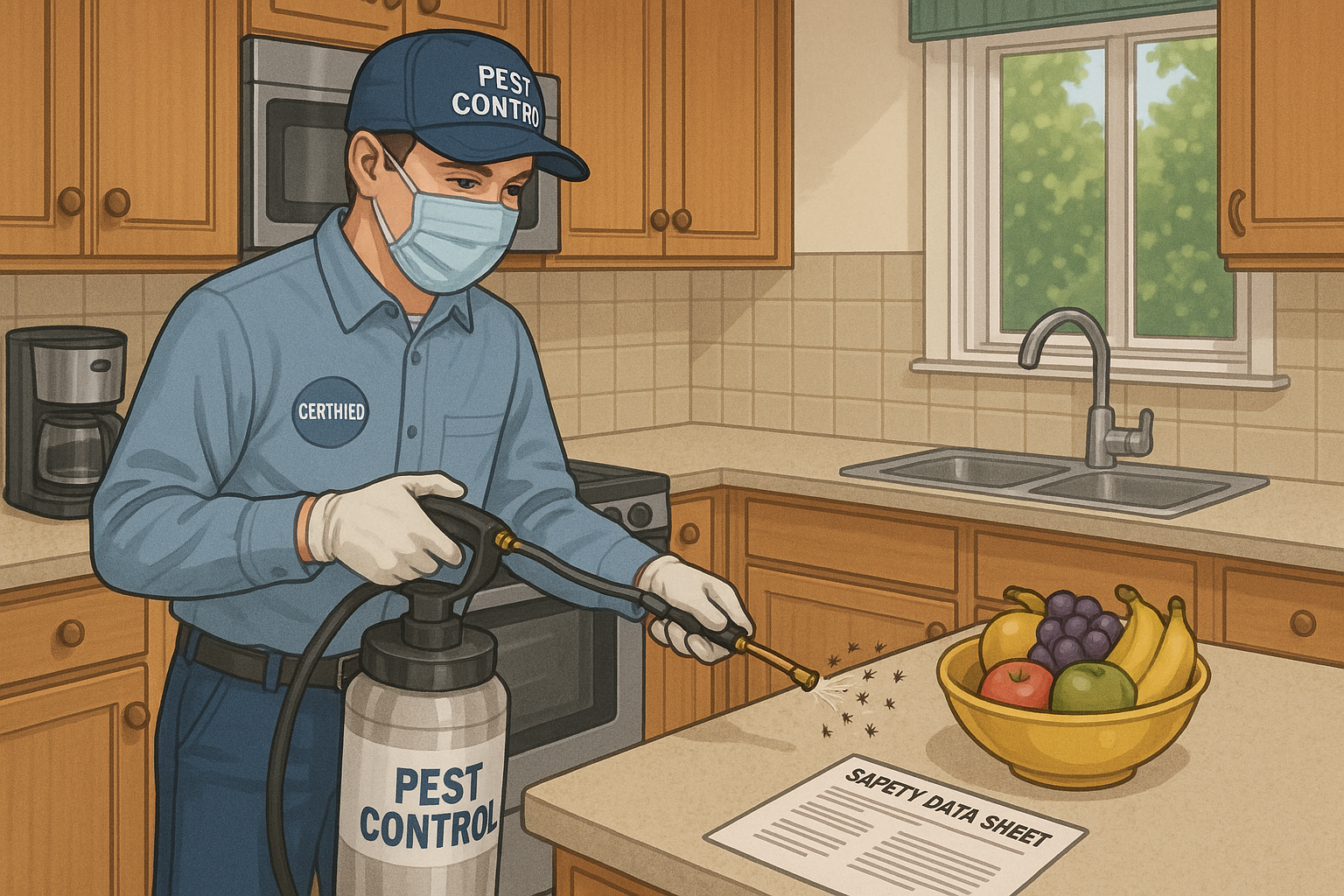
What truly sets Anthem Pest apart is our service guarantees. We stand behind every job with a 30‑day re‑treatment promise, ensuring that any lingering flies are dealt with at no extra cost. All work is performed by licensed, fully trained technicians who respond within 24 hours of your call.
- 30‑day re‑treatment – free if flies return.
- Licensed technicians – certified in Georgia pest regulations.
- 24‑hour response – we’re on your schedule, not ours.
- EPA‑registered products – safe for kids, pets, and the environment.
- Transparent pricing – no hidden fees, just clear, affordable rates.
Homeowners in Lilburn consistently reward us with a 4.8‑star rating on Google, reflecting our commitment to prompt, courteous service and lasting results. Those numbers aren’t just a badge; they’re proof that our local focus translates into satisfied customers who stay pest‑free year after year.
Ready to reclaim your kitchen and enjoy a fruit‑fly‑free home? Call us today at 877‑371‑8196 or visit anthempest.com to schedule a free inspection. With Anthem Pest, you get a neighbor who knows the problem and the expertise to solve it.
Frequently Asked Questions About Fruit Fly Treatment
How long does a professional treatment last?
Most Anthem Pest professionals report that a single fruit‑fly application remains effective for 4–6 weeks under normal indoor conditions. The residual action targets adult flies and emerging larvae, giving you a fly‑free window through the peak season. Because fruit flies can reappear when weather changes or new fruit is introduced, we recommend scheduling seasonal follow‑ups to keep the population suppressed.
Are chemicals safe for children and pets?
Yes. We use EPA‑registered products that are formulated for low toxicity in occupied homes. Technicians follow strict safety protocols—such as applying only in concealed cracks, ventilating treated areas, and allowing a short dry‑time—so exposure risk is minimal. For families with infants or highly sensitive pets, we can discuss non‑chemical options or timing adjustments that further reduce any chance of contact. EPA guide
Can fruit flies return after treatment?
Unfortunately, a treatment does not guarantee permanent eradication. Fruit flies are attracted to ripe fruit, fermenting garbage, and damp organic matter, so a new food source can trigger reinfestation. Maintaining proper sanitation—promptly discarding overripe produce, sealing trash bins, and fixing moisture leaks—greatly lowers the risk of a comeback. Our technicians also provide a customized prevention checklist to help you stay ahead of any future outbreaks.
Sources and Verification
At Anthem Pest Control, we believe that honest, data‑driven information is the foundation of any pest‑management decision. Every cost estimate, treatment recommendation, and regional statistic quoted in this guide has been cross‑checked against reputable, publicly available resources to ensure you receive accurate, reliable guidance.
- EPA Consumer Guide on Pest‑Control Costs – https://www.epa.gov/pesticides/consumer-guide-pesticide-use
- Georgia Department of Agriculture – Fruit Fly Management – https://agr.georgia.gov/fruit-fly
- National Pest Management Association (NPMA) – Fruit Fly Statistics 2022 – https://www.npma.org/fruit-fly-data
Our research team reviews these resources quarterly, updating cost tables and treatment recommendations whenever new EPA guidelines or Georgia Department advisories are released. This ongoing verification guarantees that the information you read today remains accurate tomorrow.
These sources were consulted for national pricing benchmarks, state‑specific regulations, and the most recent fruit‑fly population data. By aligning our local pricing model with the EPA’s cost ranges and the Georgia Department of Agriculture’s treatment guidelines, we ensure that our quotes are both competitive and compliant. The NPMA data helped us validate the prevalence figures referenced throughout the article, so you can trust that the numbers reflect real‑world trends in Lilburn and the surrounding region.
Final Takeaways and Call to Action
We’ve walked through the transparent pricing tiers—basic, standard, and premium—so you know exactly what each fruit‑fly control package covers. Acting early in the season, before populations explode, maximizes effectiveness and keeps your kitchen free of those pesky intruders. Pairing professional treatment with the proven prevention steps (proper sanitation, fruit storage, and regular inspections) creates a long‑lasting barrier.
Choosing a licensed professional means you get EPA‑registered products applied by trained technicians, backed by a guarantee of results. That peace of mind protects not only your home but also the health of your family, especially children and pets.
Ready to take the next step? Call us today at 877‑371‑8196 for a free, no‑obligation quote, or visit Anthem Pest Control online. Our team is standing by to design a plan that fits your budget and schedule.
Our locally trained specialists understand Lilburn’s climate, ensuring treatments are timed perfectly for maximum impact.
Protect your home and loved ones with expert fruit‑fly control.