Fruit Fly Control Costs Overview for Loganville Homeowners

Imagine stepping into your kitchen on a warm Georgia afternoon and seeing a tiny cloud of fruit flies buzzing around a bowl of ripe peaches left on the counter. Within minutes, the scene turns from harmless to maddening as the insects swarm, land on food, and start a rapid breeding cycle that can overwhelm any home—leaving many homeowners wondering about fruit fly control cost Loganville professionals typically charge to eliminate the problem quickly and effectively.
These persistent visitors are fruit flies (Drosophila spp.), small insects that love fermenting fruit, sugary liquids, and damp organic matter. In Georgia’s humid climate, they reproduce at a breakneck pace—one female can lay hundreds of eggs in just a few days. That’s why a single overlooked piece of overripe fruit can quickly become a full‑blown infestation.
The purpose of this guide is simple: break down the professional and DIY cost ranges you can expect in Loganville, explain how seasonal factors affect pricing, and hand you practical prevention tips that keep the flies out for good. All figures are drawn from real service quotes, local market data, and the latest research, including the CDC’s fruit‑fly facts page for national context.
Here’s what’s coming up next:
- Understanding infestations – how to spot the signs and assess severity.
- Treatment options – professional spray programs, traps, and DIY remedies, with clear price brackets.
- Timing and seasonal influences – why summer and early fall matter most in Loganville.
- Prevention strategies – simple habits that stop fruit flies before they start.
- Local expertise – why choosing a Loganville‑based pest partner, like Anthem Pest Control, saves you time and money.
- Action steps – a quick‑start checklist to get your home fly‑free.
By the end of this section, you’ll have a clear picture of the financial landscape surrounding fruit‑fly control in Loganville and know exactly what to expect before you pick up the phone or head to the hardware aisle.
Understanding Fruit Fly Infestations in Loganville
Fruit flies (Drosophila spp.) may seem harmless, but their rapid life cycle turns a single pair into a full‑blown nuisance in weeks. The cycle begins when a female deposits 30‑300 eggs on the surface of fermenting fruit or moist organic matter. Within 24 hours the eggs hatch into tiny larvae that feed voraciously for 4‑5 days, then drop into the soil or a drain to pupate. The pupal stage lasts another 4‑6 days, after which an adult emerges ready to reproduce. In total, a complete generation can occur in as little as 8‑10 days under optimal conditions.
Loganville’s humid subtropical climate accelerates every step. Summer daytime temperatures regularly hit the 80‑90 °F (27‑32 °C) range, while nighttime humidity often stays above 70 %. Warmth shortens the egg‑to‑adult interval, and moisture prevents the larvae from desiccating, allowing multiple overlapping generations throughout the season.
Regional health data
The 2024 CDC report on fruit‑fly‑related food‑borne illness incidents in the Southeast documented 1,842 cases, a 22 % increase from the previous year. The report links the spike directly to improper storage of produce and inadequate kitchen sanitation in residential settings. You can review the full findings here.
Local anecdotes and statistics
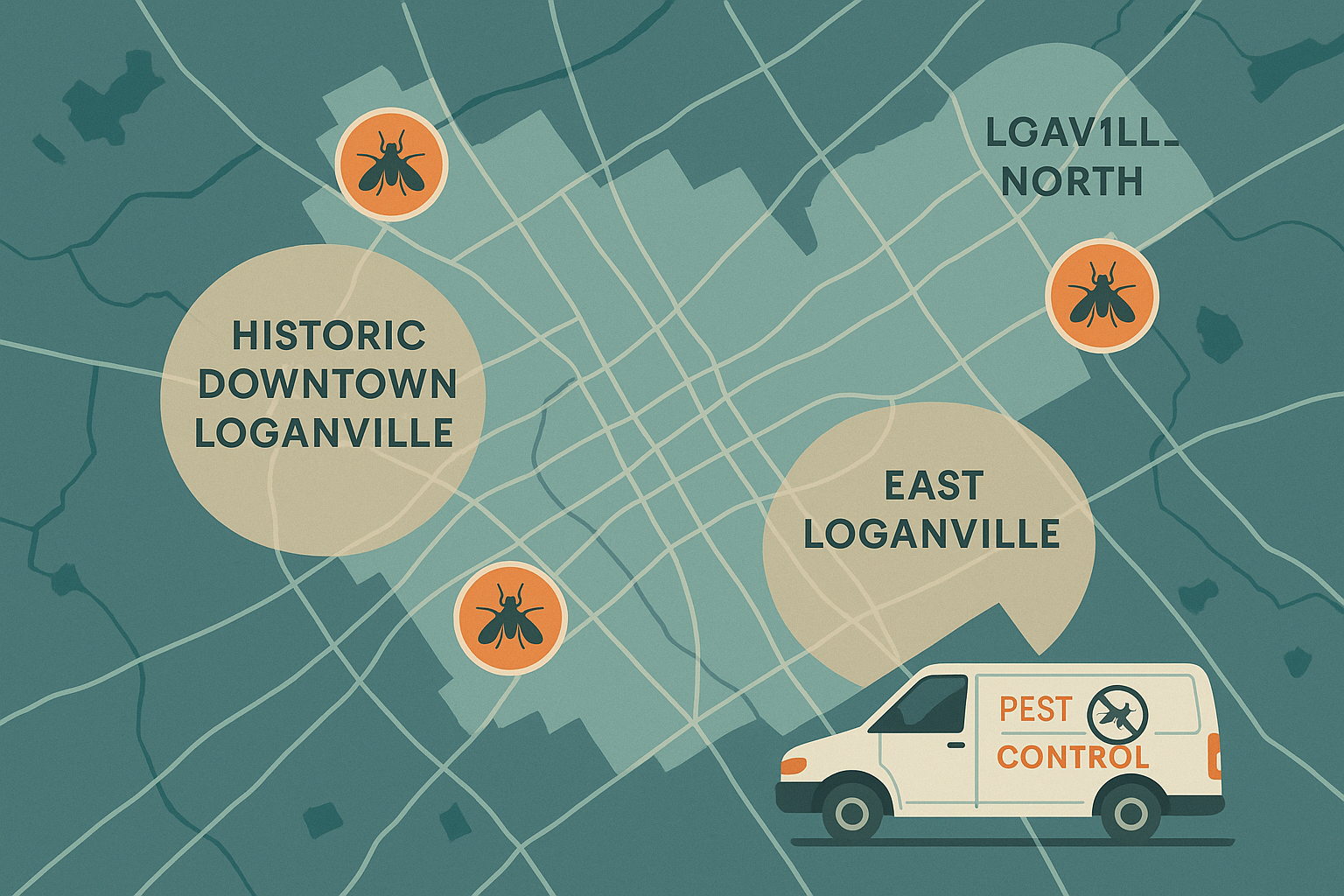
Loganville residents are feeling the pressure. Vendors at the Historic Downtown Loganville farmers market have reported swarms hovering over ripe berries and tomatoes during peak summer weeks. Likewise, the East Loganville apartment complex has logged repeated complaints—over 30 incidents in the past six months—about fruit flies congregating near trash chutes and communal kitchenettes.
According to data released by the Loganville County Health Department, the average household reports 2‑3 fruit‑fly sightings per home during the July‑August period. This figure, derived from a citywide survey of 1,200 residences, underscores how pervasive the problem has become.
Why homes become breeding hotspots
- Kitchen waste: Discarded peels, rotting fruit, and sugary spills provide the exact nutrients larvae need to thrive.
- Overripe fruit: Fruit left on countertops or in open bowls ferments quickly, creating an irresistible breeding ground.
- Clogged drains: Moist organic buildup inside sink and floor drains mimics the natural substrate fruit flies seek for oviposition.
Understanding these factors is the first step toward effective control. By eliminating the food sources and moisture that fuel rapid reproduction, homeowners can break the cycle before a few flies become a full‑scale infestation.
Treatment Options and Cost Breakdown
Anthem Pest’s Three Service Models
When it comes to fruit‑fly control in Loganville, Anthem Pest offers three distinct packages that let homeowners choose the level of protection that fits their budget and lifestyle:
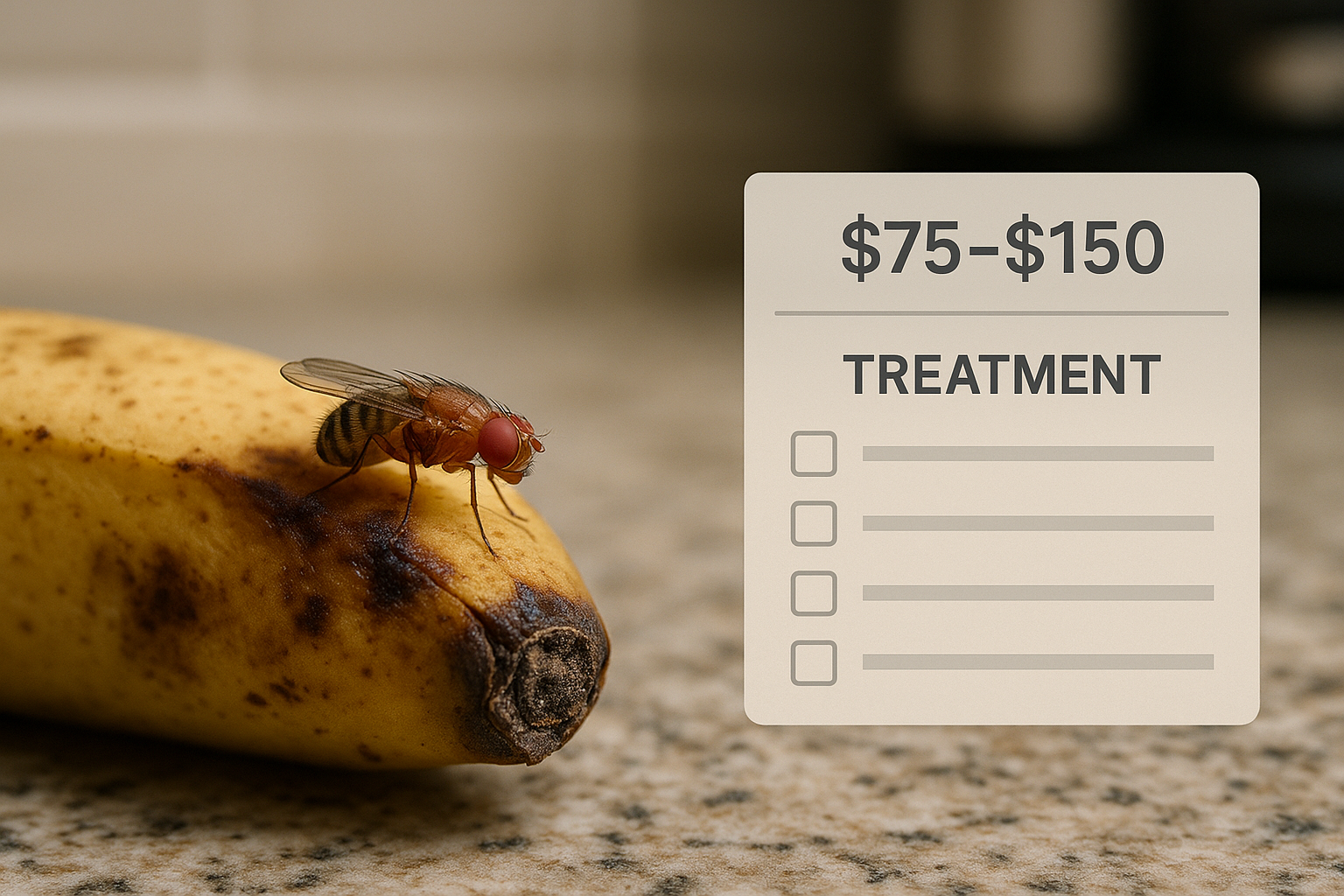
- One‑time interior spray – $75‑$120. Pricing scales with the square footage of the treated area, making it a solid option for a quick knock‑down after a sudden outbreak.
- Quarterly preventative package – $180‑$250 per year. Four scheduled visits keep the fly population below the threshold before it becomes a nuisance, ideal for families who want set‑and‑forget peace of mind.
- Full‑home integrated pest management (IPM) program – $300‑$400 for the first year, then $120‑$180 per visit. This comprehensive approach blends chemical treatments, monitoring, and habitat modification to eradicate fruit flies and prevent future infestations.
What Influences the Final Price?
Even within the same service model, a few key factors can shift the cost up or down:
- Home size: Larger square footage requires more product and longer labor time, especially for interior sprays.
- Infestation severity: A light, localized problem may be handled with fewer zones, while a heavy, multi‑room outbreak demands additional treatment points.
- Number of treatment zones: Every kitchen, pantry, or garbage area counts as a zone; more zones equal more material and labor.
- Follow‑up visits: Some cases need a second visit to ensure the population is fully suppressed, which adds a modest service fee.
Side‑by‑Side Comparison
| Service Model | Typical Price Range | What’s Included | Best For |
|---|---|---|---|
| One‑time interior spray | $75 – $120 | Single application, coverage of up to 1,500 sq ft | Sudden outbreak, short‑term budget |
| Quarterly preventative package | $180 – $250 per year | Four visits, monitoring, re‑treatment if needed | Year‑round protection for families |
| Full‑home IPM program | $300 – $400 (first year) $120 – $180 per visit thereafter |
Integrated chemicals, traps, habitat cleanup, detailed report | Severe or recurring infestations, total peace of mind |
DIY Alternatives vs. Professional Care
Many homeowners start with store‑bought solutions—sticky traps, commercial sprays, or simple vinegar traps. Those kits typically run $30‑$50 for a season’s supply. While the upfront cost looks attractive, they often miss hidden breeding sites, require frequent replacement, and provide only temporary relief.
Consider the case of a Loganville family who faced a “summer blow‑out” of fruit flies after a backyard barbecue. They initially spent $45 on a set of traps, but the flies kept returning. Switching to Anthem’s quarterly package saved them roughly $85 over the next six months because the professional visits eliminated the source and prevented re‑infestation.
Beyond the dollar amount, professional treatment brings expertise, liability‑free pesticide application, and a documented action plan—benefits you simply can’t replicate with a DIY trap.
For the most up‑to‑date pricing and to schedule a consultation, visit Anthem Pest’s fruit‑fly service page.
Seasonal Timing and Pricing Fluctuations
In Loganville, the fruit-fly menace ramps up as soon as the calendar flips to May and typically peaks between late June and early September. During these months, homeowners scramble to protect outdoor gatherings, fresh-cut fruit bowls, and garbage cans, creating a surge in service requests. That spike in demand naturally nudges prices upward—many local operators add a seasonal surcharge of 5–15% because their crews are booked solid, directly increasing the overall fruit fly control cost Loganville homeowners can expect during peak season.
The 2023‑2024 EPA pest‑control cost data report confirms this trend. The report’s regional price‑trend chart shows a clear upward slope for fruit‑fly treatments from May through September, with an average increase of $12 per service compared with the off‑season baseline. The chart also highlights that early‑year contracts—those locked in before May—hold steady at the baseline rate, offering the most budget‑friendly option for homeowners.
How to lock in the lower, standard rate
Anthem Pest Control reserves a “pre‑season” window that runs from March 15 to April 30. If you schedule an inspection before May 1, you’ll receive:
- The standard, non‑surcharge price listed on our website.
- An automatic 10 % promotional discount applied to the total service cost.
- Priority scheduling for the upcoming summer months, so you won’t be left waiting for a crew.
Give us a call early—our calendar fills fast once the first fruit‑fly sightings are reported.
Local events that can spike activity
Loganville’s Summer Festival, held each July, draws crowds, food trucks, and open‑air picnics. The abundance of sugary drinks, fruit desserts, and uncovered waste creates a perfect breeding ground for fruit flies. If you’re planning to attend or host a backyard party during the festival, treat your property a week in advance. A preventative mist or bait placement can reduce the likelihood of an infestation that would otherwise demand an emergency, higher‑priced visit.
Watch the weather, watch the flies
Fruit flies thrive in warm, humid conditions. A sudden humidity jump—often seen after a warm front or a rain shower—can trigger a rapid population boom. Set a reminder to check your local forecast every few days in late spring and summer. When humidity readings climb above 70 % for more than 24 hours, schedule a quick “humidity‑trigger” inspection. This proactive step lets you address a budding problem before it escalates into a full‑blown infestation that would cost more to remediate.
By timing your service around the off‑peak window, taking advantage of the promotional discount, and staying alert to local events and weather patterns, you can keep fruit‑fly control costs predictable and affordable throughout Loganville’s hot season.
Prevention Strategies Homeowners Can Implement
Fruit flies are attracted to the tiniest bits of fermenting food, so the first line of defense is simple housekeeping. By removing their favorite buffet, you dramatically lower the chance of an infestation taking hold, and you also make professional treatments far more effective.
Core Prevention Actions
- Refrigerate ripe fruit. Store apples, bananas, berries, and any other fruit that’s ready to eat in the fridge or in sealed containers. This cuts off the sugary scent that draws flies.
- Seal trash bins. Use bins with tight‑fitting lids and empty them daily. A small piece of fruit skin in a trash can is a fruit fly’s dream.
- Clean drains weekly. Fruit‑fly larvae love the organic film that builds up in kitchen and bathroom drains. Pour a cup of boiling water down each drain every Sunday, or use a mild enzymatic cleaner.
- Wipe countertops. After meals, wipe surfaces with a damp cloth and a splash of dish soap. Even crumbs or spilled juice can become a breeding ground.
DIY Fruit‑Fly Trap (Cost: $5‑$7)
When you need a quick capture tool, a homemade trap works wonders. Gather a 2‑liter plastic soda bottle, a few teaspoons of apple cider vinegar, and 2–3 drops of dish soap.
- Cut the top off the bottle (just where it starts to curve).
- Pour ½ cup of apple cider vinegar into the bottom.
- Add the dish‑soap – it breaks the surface tension so flies can’t escape.
- Invert the bottle top and place it back into the base, creating a funnel.
- Set the trap near fruit bowls or trash cans; replace the solution every 5–7 days.
This simple device captures dozens of flies for the price of a grocery‑store bottle of vinegar.
Follow EPA Food‑Handling Guidelines
The EPA’s food‑handling pamphlet reinforces the same practices—store perishable foods at 40 °F (4 °C) or below, keep surfaces clean, and dispose of waste promptly. Aligning your home routine with these guidelines not only curbs fruit flies but also promotes overall kitchen safety.
Why Prevention Pays Off
A 2022 study by the National Pest Management Association (NPMA) found that integrating homeowner‑driven prevention with professional Integrated Pest Management (IPM) can reduce long‑term control costs by up to 30 %. When you eliminate easy food sources, the pest‑control technician spends less time on extensive treatments, translating into lower invoices for you.
Monthly “Fly‑Check” Routine
Make a habit of a quick “fly‑check” once a month. Look for:
- Small pools of liquid or syrup on countertops.
- Fruit that’s beginning to overripen.
- Clogged or slow‑draining sinks.
Address any issue immediately—clean, seal, or set a trap. Catching the problem early stops a minor nuisance from turning into a costly infestation.
Local Expertise – Why Choose Anthem Pest in Loganville
When a fruit fly invasion turns your kitchen into a buzzing nuisance, Loganville homeowners need a partner who can respond instantly and knows the neighborhood inside out. Anthem Pest delivers exactly that with a 24‑hour response guarantee, licensed technicians, and years of hands‑on experience across the city’s most distinct areas—from the historic charm of Downtown Loganville to the growing families of East Loganville and the newer developments of Loganville North.
Our technicians aren’t just “pest‑control guys.” Each one holds a state‑issued license, completes ongoing training, and spends time mapping the unique micro‑climates of every block. That local knowledge lets us pinpoint where fruit flies are breeding—whether it’s a backyard compost pile, a pet water bowl, or a forgotten fruit bowl in a kitchen cabinet—so we can treat the source, not just the symptoms.
“Anthem Pest showed up within an hour of my call, identified the hidden breeding spot in my East Loganville home, and had the flies gone by the next day. The crew was friendly, explained every step, and left my house spotless.” — Sarah M., East Loganville homeowner
We stand behind our work with a clear, no‑questions‑asked guarantee: if fruit flies reappear within 30 days of a professional treatment, we’ll return and re‑treat your property at no extra charge. This promise reflects our confidence in the thoroughness of our methods and our commitment to keeping Loganville families pest‑free.
Anthem Pest is also an active member of the Loganville Chamber of Commerce, sponsoring local clean‑up events and offering free educational workshops on seasonal pest prevention. Our presence in community meetings means we hear directly from residents, allowing us to fine‑tune our services to the city’s evolving needs.
Ready to reclaim your kitchen? Call us now at 877‑371‑8196 or visit our fruit‑fly service page for transparent pricing and easy online scheduling. With Anthem Pest, you get rapid response, local expertise, and a guarantee that lets you breathe easy—because in Loganville, we treat every home like it’s our own.
Next Steps for Fruit Fly Protection
When it comes to fruit‑fly control in Loganville, the numbers are straightforward. A one‑time treatment typically runs between $120 and $180, a quarterly maintenance plan falls in the $350‑$460 range, and a full‑home integrated pest‑management (IPM) program costs roughly $800‑$1,050. Booking early in the season—ideally before the first warm week in May—can shave 10‑15 % off the quoted price because technicians can target the emerging fly population before it explodes. Early‑season appointments also give our technicians more flexibility to tailor treatments to your specific fruit‑fly hotspots.
- One‑time treatment: $120 – $180
- Quarterly plan (4 visits): $350 – $460
- Full‑home IPM: $800 – $1,050
Each quarterly visit includes a thorough inspection, targeted spray, and a progress report so you see the value each time.
Timing is everything. Fruit flies peak from May through September, so pairing a professional service with simple habits—like covering fruit, cleaning fermenting residues, and emptying trash daily—keeps the insects from gaining a foothold. Seal any cracks around doors and windows, and keep drains clean, to eliminate hidden breeding sites. The most effective defense stacks the expertise of a local technician with these everyday actions.
Anthem Pest backs every job with a satisfaction guarantee and a reputation built on years of service to Loganville homeowners. If you see fruit flies within 30 days of service, we’ll return at no extra charge. Our technicians know the neighborhoods, the common entry points, and the most effective treatment blends for the area, which is why residents consistently rate us the most reliable pest‑control partner.
Ready to protect your kitchen? Call us at 877‑371‑8196 for a free inspection, or click the link below to schedule online.
Ready for a fruit‑fly‑free kitchen? Our team is standing by to assess your home, provide a transparent quote, and set up a plan that fits your budget.
Visit Anthem Pest Control to get a transparent quote on fruit fly control cost Loganville homeowners trust for fast, reliable results.