Why Fruit Flies Invade Your Kitchen

Drosophila melanogaster, the common fruit fly, may be tiny, but its biology makes it a relentless kitchen guest. An adult lives just a few weeks, yet within that span a female can lay up to 500 eggs. The life cycle—egg, three larval stages, pupa, and adult—can complete in as little as seven days when temperatures hover between 70‑80°F (21‑27°C). This rapid turnover means a handful of flies can explode into a full‑blown infestation before you even notice the first buzzing.
What Draws Them In?
Fruit flies are attracted to overripe fruit, sugary residues, and moist environments. The sugars in a forgotten banana or the sticky film left on countertops after juicing provide the perfect feeding ground for both adults and hungry larvae. Even a damp sponge or a slow‑draining sink creates the humidity they love, turning ordinary kitchen corners into breeding hotspots.
Typical Entry Points
- Open windows or doors without screens
- Cracks around window frames and doorways
- Drainage pipes and sink traps that retain organic matter
- Garbage cans with loose lids or residue on the exterior
Because fruit flies are small—about 1/8 inch—they can slip through the tiniest gaps. Once inside, they follow the scent trails of fermenting food straight to your pantry.
Impact on Home Hygiene and Food Safety
A fruit‑fly infestation isn’t just an eyesore; it poses real hygiene concerns. The flies often carry bacteria from decaying matter to clean surfaces, contaminating utensils, countertops, and even stored food. Their presence can accelerate spoilage, leading to waste and increased grocery costs. For households with children or immunocompromised members, reducing this microbial bridge is essential for maintaining a safe food environment.
Quick tip: Remove any decaying produce immediately and store ripe fruit in the refrigerator. A clean, dry sink and sealed trash can cut off the flies’ favorite attractions before they get a foothold.
Spotting a Fruit Fly Problem Early
Fruit flies are tiny, but they’re quick to turn a kitchen into a buzzing nuisance. Catching the problem before it spreads saves you time, frustration, and money. Below are the visual clues, hotspots, and a fast‑track inspection you can run in under five minutes.
Visual clues to look for
- Small, tan‑colored insects hovering near fruit bowls, trash cans, or damp areas.
- Minute, white specks that look like tiny grains of sand—those are fruit fly larvae, often found on the surface of overripe fruit or in the liquid at the bottom of a sink.
- Sticky traps that have captured a few flies; even a single catch can indicate a budding infestation.
Common hotspots in a Marietta home
Fruit flies love moisture and fermenting organic material. The most frequent gathering spots include:
- Kitchen countertops where fruit is left out.
- Sink drains and garbage disposals that retain food particles.
- Indoor compost bins or trash cans without tight lids.
- Indoor potted plants with overly wet soil.
5‑minute inspection checklist
Grab a pen and walk through these steps. If you spot any of the items below, you’re likely dealing with fruit flies.
- Open all fruit bowls and check for tiny flies or larvae on the fruit surface.
- Inspect sink drains: run water and look for a film of residue or small insects near the opening.
- Examine trash cans and compost bins for damp, decomposing material.
- Check the soil surface of houseplants for tiny larvae or adult flies.
- Place a yellow sticky trap in the kitchen for 24 hours and note any captures.
Fruit flies vs. other small flies
| Feature | Fruit Fly (Drosophila melanogaster) | Fungus Gnat (Bradysia spp.) |
|---|---|---|
| Typical habitat | Near fermenting fruit, kitchen drains, trash | Moist soil, over‑watered houseplants |
| Body color | Tan to light brown, slightly shiny | Dark gray to black, matte |
| Wing pattern | Clear wings with faint veins | Wings often have a faint brown tint |
| Larvae location | On fruit surface or in liquid residue | Within the top ½ inch of soil |
When to call a professional
If you’ve completed the quick walk‑through and still find multiple traps full, larvae in several locations, or the flies persist after a week of diligent cleaning, it’s time to bring in a pro. Anthem Pest Control can identify hidden breeding sites, apply targeted treatments, and set up a prevention plan that fits your budget—so the flies stay out for good.
DIY Prevention and Control Strategies
Fruit flies multiply in sugary residues and damp spots, so a few disciplined habits can shrink their numbers before you need a professional spray.
Sanitation basics
Keep the kitchen clean with these daily actions:
- Throw away bruised or overripe fruit.
- Wipe countertops and appliance surfaces to remove juice or food splatters.
- Rinse recycling containers, especially soda cans and juice bottles.
- Cover trash cans tightly and empty them regularly.
A clean surface removes the scent that draws flies and cuts off their breeding cycle.
Maintain your drains
Organic buildup in sinks and floor drains feeds larvae. Once a week, pour boiling water down each drain, or use a natural mix of 1 cup white vinegar, 1 Tbsp baking soda, and a cup of hot water. Let it fizz, then flush with cold water. If you notice a foul odor coming from a drain, repeat the treatment twice a week until the smell disappears.
Make your own traps
Three low‑cost traps work well. Follow the steps and place them where flies gather. Place the apple‑cider trap on the counter and the wine trap near the sink for best results.
Apple‑cider‑vinegar trap
- Fill a 2‑cup jar halfway with raw apple‑cider vinegar.
- Add a few drops of dish soap.
- Cover with plastic wrap and poke 4–5 tiny holes.
- Set the jar near fruit bowls; flies enter and drown.
Wine trap
- Pour ½ cup red or white wine into a shallow dish.
- Mix in a splash of dish soap.
- Leave uncovered on the counter; flies are attracted to the scent and sink.
Sticky‑paper trap
- Cut a yellow sticky sheet to fit a small plate.
- Place sticky side up near trash or fruit.
- Replace every 3–4 days or when covered.
Natural repellents
Dilute 10–15 drops of lemongrass, peppermint, or eucalyptus oil in 1 cup water, spray countertops, sink edges, and pantry shelves daily. Reapply after cleaning or when the scent fades. Test the spray on a small countertop area first to ensure no discoloration.
Frequency and duration
Do sanitation and drain care daily, set traps weekly, and refresh oil sprays every 2–3 days. Most homeowners notice a drop in activity within 5–7 days; if flies persist after two weeks, consider professional help. Maintain these habits for at least three weeks to break the life cycle completely.
Limitations of DIY
DIY works for light infestations, but watch for these warning signs. Persistent problems often indicate hidden sources like over‑ripe compost or a clogged garbage disposal:
- Large swarms despite daily traps.
- Re‑infestation after two weeks of consistent effort.
- Larvae found in drains, plant soil, or disposals.
- Health‑sensitive occupants reacting to any chemicals you might try.
When any of these appear, a licensed technician can locate hidden breeding sites, apply targeted treatments, and give you a long‑term prevention plan.
Professional Treatment Options and Cost Comparison
What a Licensed Technician Does
A certified Anthem Pest technician begins with a thorough inspection of your kitchen, pantry, and any areas where fruit flies congregate. They identify breeding sites, locate hidden food residues, and assess the level of infestation. After the assessment, the technician applies a targeted spray or bait directly where flies are most active, then schedules a follow‑up visit to confirm that the population has been eliminated.
EPA‑Approved Treatments for Kitchen Fruit Flies
Anthem Pest uses only EPA‑registered products that are safe for food‑preparation zones. Common options include residual sprays that leave a thin, invisible barrier on countertops and trash cans, and bait stations that attract flies and deliver a slow‑acting insecticide. Both methods are designed to break the life cycle without contaminating surfaces or posing risks to children and pets.
Why Homeowners Choose a Professional Service
Professional treatment delivers faster eradication because experts apply the right product at the correct dosage and in the exact locations where flies breed. Most services come with a warranty—if flies return within the guarantee period, Anthem Pest will revisit at no extra charge. Ongoing monitoring, seasonal check‑ins, and preventive recommendations further protect your home from future outbreaks.
Typical Cost Breakdown in Marietta, GA
In Marietta, the average price for a single fruit‑fly treatment ranges from $150 to $300, depending on the size of the home and the severity of the infestation. This figure includes the initial inspection, the application of EPA‑approved products, and at least one follow‑up visit. For households that require multiple visits or a comprehensive prevention plan, the total can rise toward the upper end of the range. The cost data is sourced from HomeGuide’s Fruit Fly Exterminator Cost report.
Infographic: DIY vs. Professional
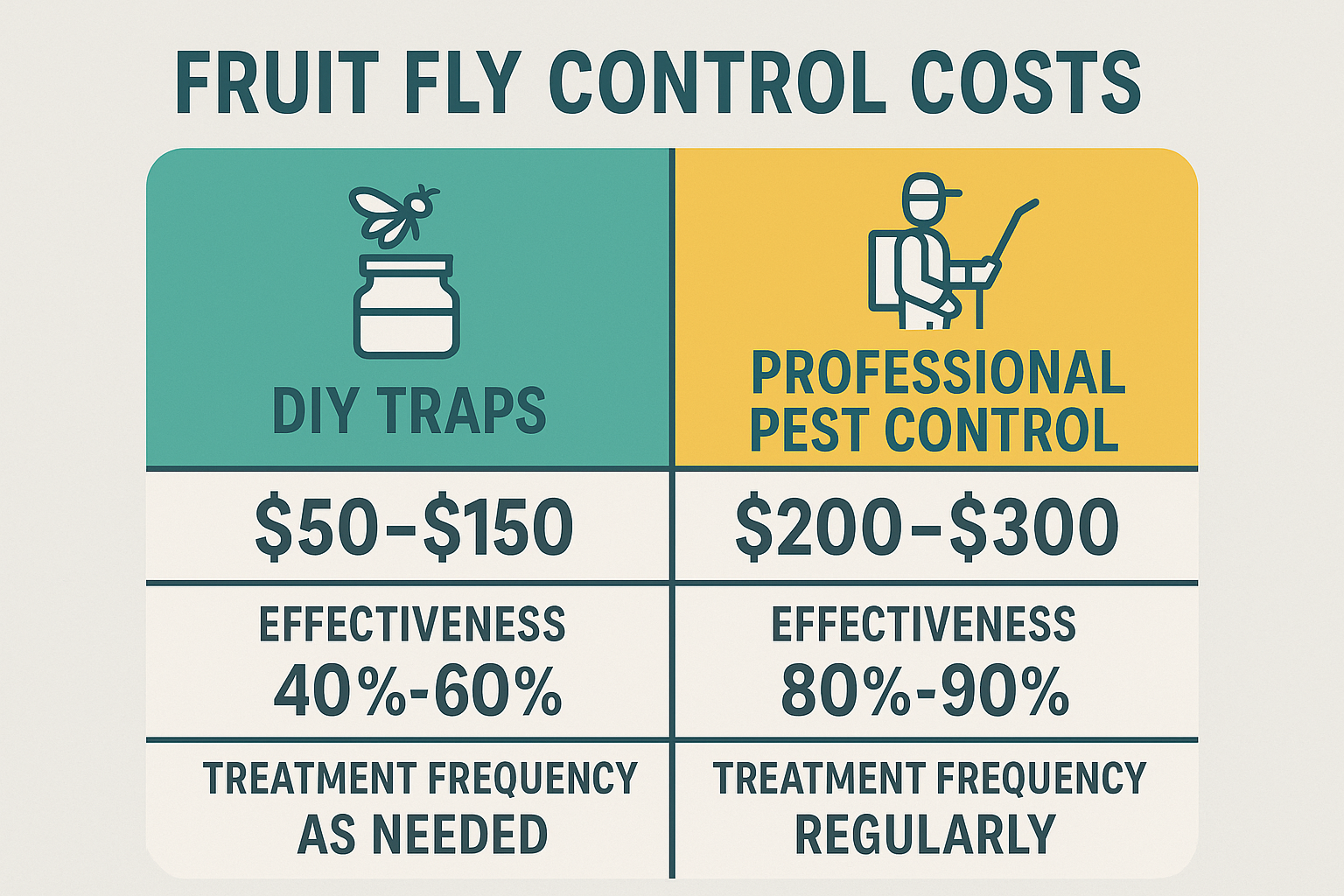
The infographic illustrates how a simple DIY trap—typically costing between $10 and $30—might achieve about 40‑60% effectiveness when used weekly. In contrast, a professional service, priced at $150‑$300, consistently reaches 85‑95% effectiveness with a recommended treatment frequency of once every 3‑6 months, depending on seasonal fly activity.
Seasonal Activity in Marietta, GA and Next Steps
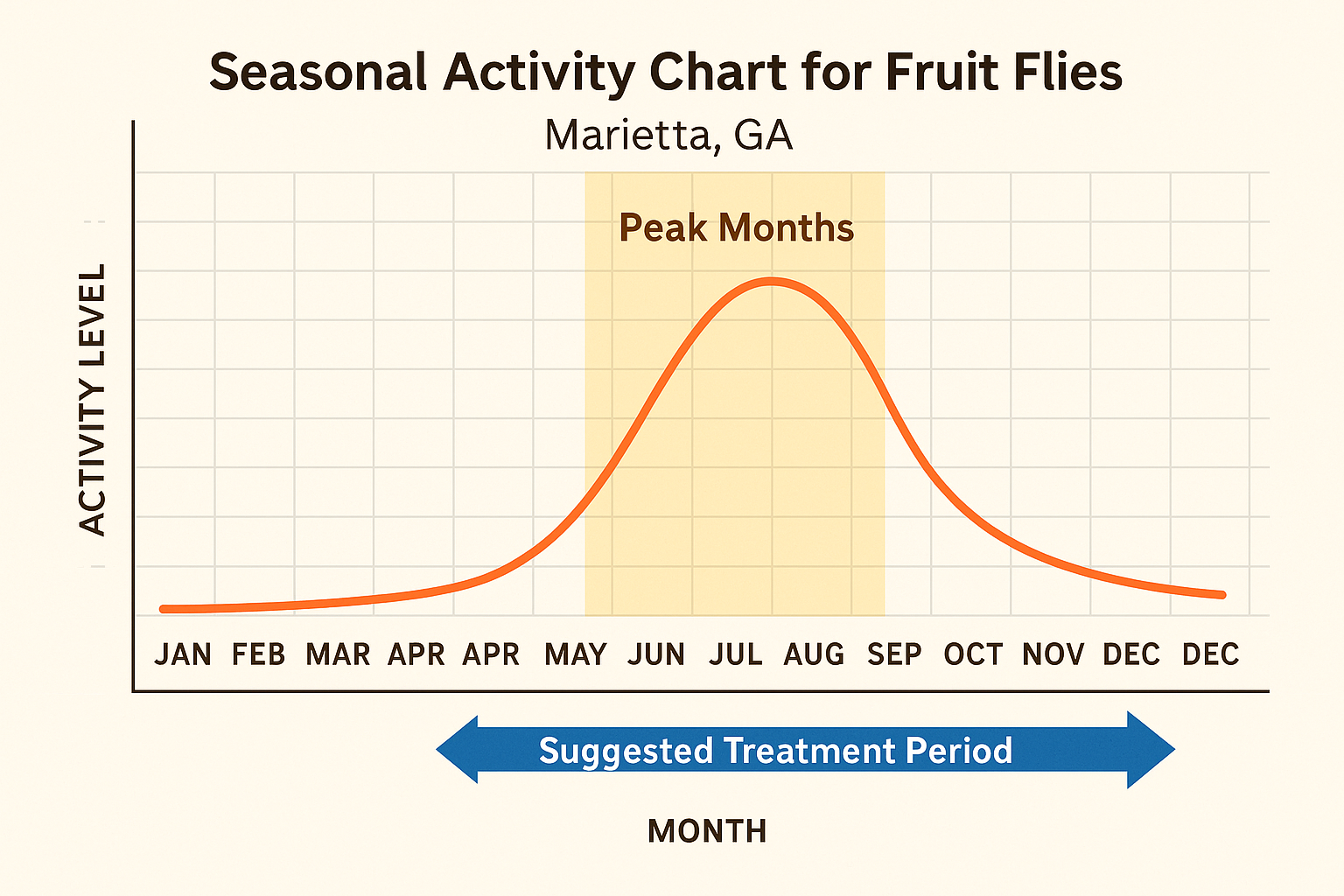
Understanding when fruit flies are most active helps you strike before the infestation takes hold. The chart below visualizes the typical rise and fall of fruit‑fly numbers in Marietta, showing a steady climb from late spring, a sharp peak through midsummer, and a gradual decline into late fall.
Peak Months and Treatment Windows
Data from local monitoring stations consistently flag June, July, and August as the highest‑risk months. During this window fruit flies reproduce rapidly, attracted by warm temperatures and abundant ripe fruit. To stay ahead of the surge, we recommend two preventive spray applications:
- Early May: Treat before the first adult emergence, breaking the breeding cycle.
- Early September: Apply after the peak, reducing any late‑season survivors and preventing overwintering.
Both dates align with optimal weather conditions for product adhesion and allow your lawn and garden to recover before the next growing season.
Why these windows work: In early May, average daytime highs hover around 70‑75°F (21‑24°C) with moderate humidity—conditions that encourage adult flies to emerge but still allow spray residues to cling to foliage. By early September, temperatures dip below 80°F and humidity drops, reducing fly activity while giving chemicals enough time to break down before winter, minimizing environmental impact.
Key Takeaways for Homeowners
- Maintain strict sanitation year‑round—remove overripe fruit, clean drains, and keep compost bins sealed.
- Deploy DIY traps (vinegar‑based or commercial bait stations) during low‑activity periods (April and October) to monitor early signs.
- Schedule a professional service before the June‑August peak to benefit from targeted, EPA‑approved treatments.
- Re‑inspect your property after the September spray to verify that no residual hotspots remain.
For DIY monitoring, place a small bait trap near fruit‑bearing trees, compost piles, or kitchen drains. Check the trap weekly; a sudden increase in captures signals that the population is climbing and that professional treatment is overdue.
By combining diligent housekeeping with timely professional interventions, you can keep fruit‑fly populations at bay without resorting to costly fumigation later in the season.
Ready to protect your home? Anthem Pest Control’s Marietta specialists know the local climate, the hidden breeding spots, and the safest chemicals for your family and pets. Call us today at 877‑371‑8196 for a free, no‑obligation quote. Our transparent pricing, locally trained technicians, and proven track record make us the trusted choice for fruit‑fly control.
Visit Anthem Pest Control to learn more about our seasonal programs and schedule your preventive service.