Fruit Fly Control Costs in Norcross – An Overview
Imagine stepping into your Norcross kitchen after dinner, only to notice a tiny, buzzing intruder hovering around the trash can. You swat, you sigh, and you wonder how many more of those relentless fruit flies will appear before the weekend ends.
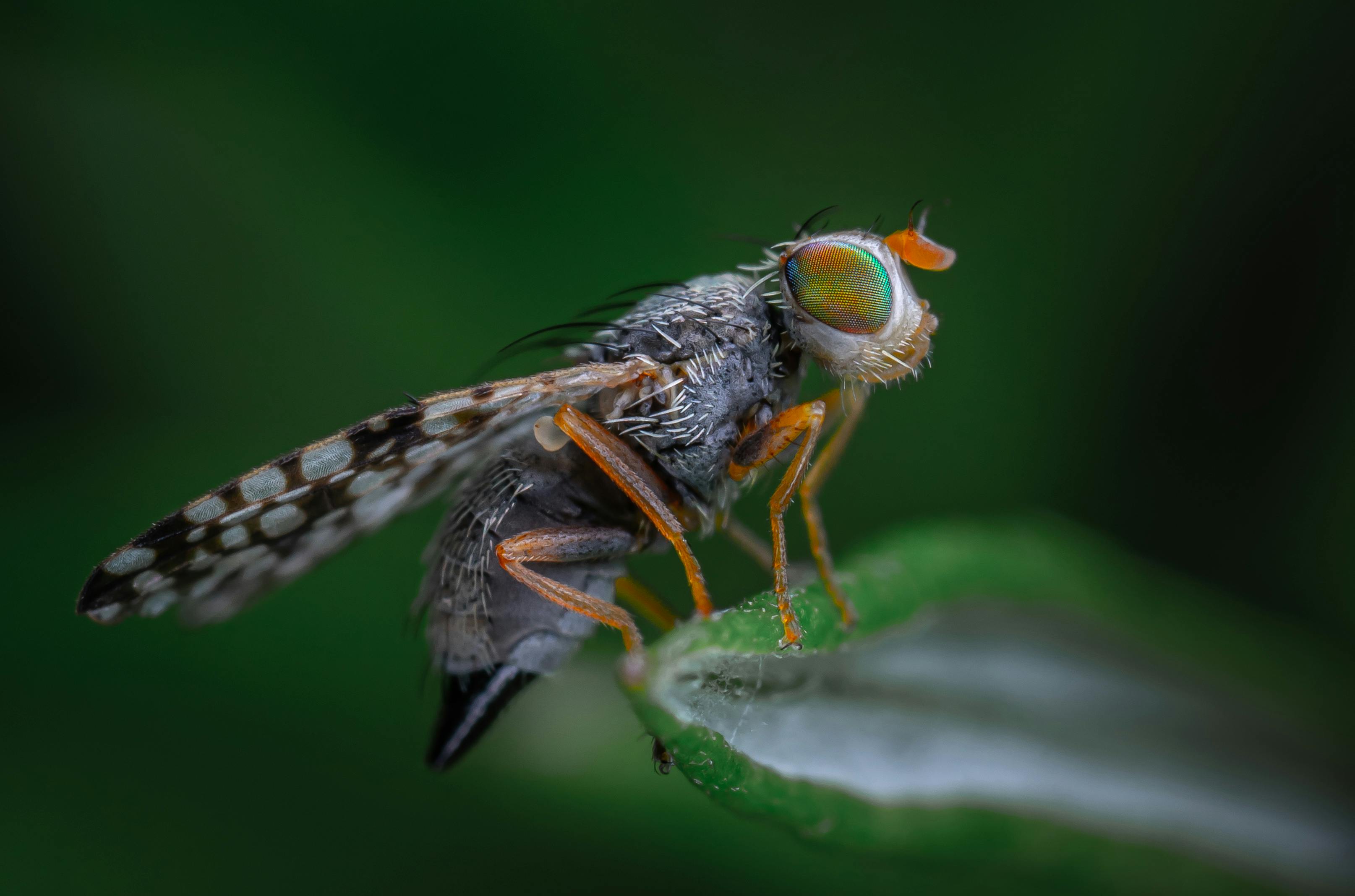
In Georgia, the two species that most homeowners encounter are the Mediterranean fruit fly (Ceratitis capitata) and the common Drosophila melanogaster. Both thrive in the warm, humid climate of Norcross and its surrounding neighborhoods, from Peachtree Corners to Historic Downtown.
These flies are more than just a visual annoyance. They breed at a staggering rate—one female can lay hundreds of eggs in a matter of days—turning a single sighting into a full‑blown infestation in less than a week. Their attraction to fermenting fruit, sugary spills, and even damp organic debris means that a forgotten banana peel or an unsealed compost bin becomes a breeding ground.
Beyond the nuisance, fruit flies pose health concerns. As they move from waste to food surfaces, they can mechanically transfer bacteria such as E. coli and Salmonella, increasing the risk of food‑borne illness. The Centers for Disease Control and Prevention (CDC) notes that fruit flies can contribute to the spread of pathogens in household environments. For the full CDC reference, see CDC Fruit Fly Info.
This guide’s purpose is simple: to give Norcross residents a clear, data‑driven picture of what fruit fly control actually costs. We’ll break down pricing, compare treatment options, and provide local insights for neighborhoods like East Norcross and Peachtree Corners, so you can make an informed decision without any surprise fees.
Why Fruit Flies Thrive in Norcross Homes
Fruit flies may seem harmless, but in Norcross they can multiply faster than you’d expect. Understanding why they love local homes helps you spot the problem early and stop it before it spreads.
Climate Factors that Favor Fruit Flies
Norcross experiences warm, humid summers that create an ideal breeding ground for fruit flies. The NOAA climate data for Fulton County shows an average summer temperature of about 73 °F with relative humidity often above 70 %. These conditions accelerate the life cycle of fruit flies, allowing them to go from egg to adult in just a few days.
Common Entry Points Inside the House
Even the cleanest kitchen can harbor hidden gateways for fruit flies. The most frequent entry points include:
- Kitchen drains and garbage disposals where organic residue accumulates.
- Overripe or rotting fruit left on counters or in fruit bowls.
- Compost bins and recycling containers that sit near the kitchen.
- Houseplants with damp soil, which provide a moist refuge.
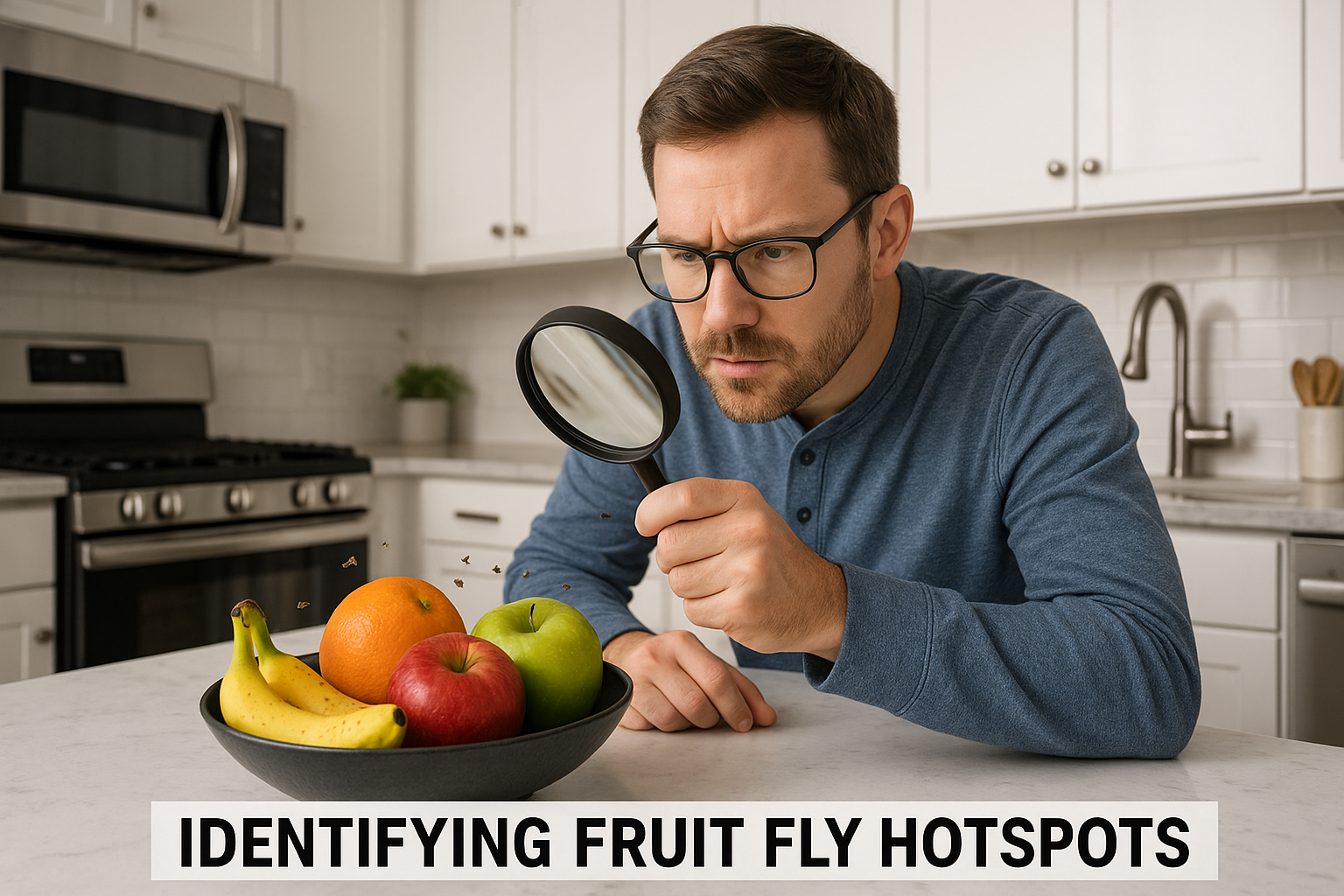
Self‑Diagnosis Checklist
Use this quick checklist to confirm whether fruit flies have taken up residence:
- Set sticky traps near drains, trash cans, and fruit bowls. Count the number of flies captured over 24 hours.
- Inspect drains for a film of organic buildup. A simple pour of boiling water can reveal the problem.
- Check fruit and produce for soft spots or fermentation odors.
- Examine houseplant soil for excess moisture and mold.
- Monitor humidity with a hygrometer; aim for indoor humidity below 50 %.
If you notice more than a handful of flies on a trap or see a persistent film in the sink, it’s time to act.
Why the Surge Happens in Summer
According to the Georgia Department of Public Health, fruit‑fly complaints rise 45 % during July‑September. The spike aligns perfectly with the peak of heat and humidity, as well as the increased consumption of fresh produce and outdoor grilling that leaves food scraps in the kitchen.
By recognizing the climate drivers, sealing entry points, and using the checklist above, Norcross homeowners can keep fruit flies at bay before they turn a minor nuisance into a full‑blown infestation.
DIY vs. Professional Treatment Paths
DIY Kits
For homeowners who prefer a hands‑on approach, the market offers a handful of over‑the‑counter fruit‑fly solutions. The most common are:
- Pyrethrin sprays – fast‑acting, contact insecticide typically sold in 16‑ounce cans.
- Commercial traps – attractants combined with a sticky surface or liquid drowners.
These kits usually run between $15 and $40 per package, making them the cheapest entry point. In real‑world tests, DIY methods achieve roughly 60 % effectiveness when applied correctly, but success hinges on diligent placement, frequent replacement of traps, and consistent re‑treatments. Safety is a consideration: most pyrethrin products are EPA‑approved, yet they can irritate eyes and skin, so protective gloves and proper ventilation are a must—especially in homes with children or pets.
One‑Time Professional Service
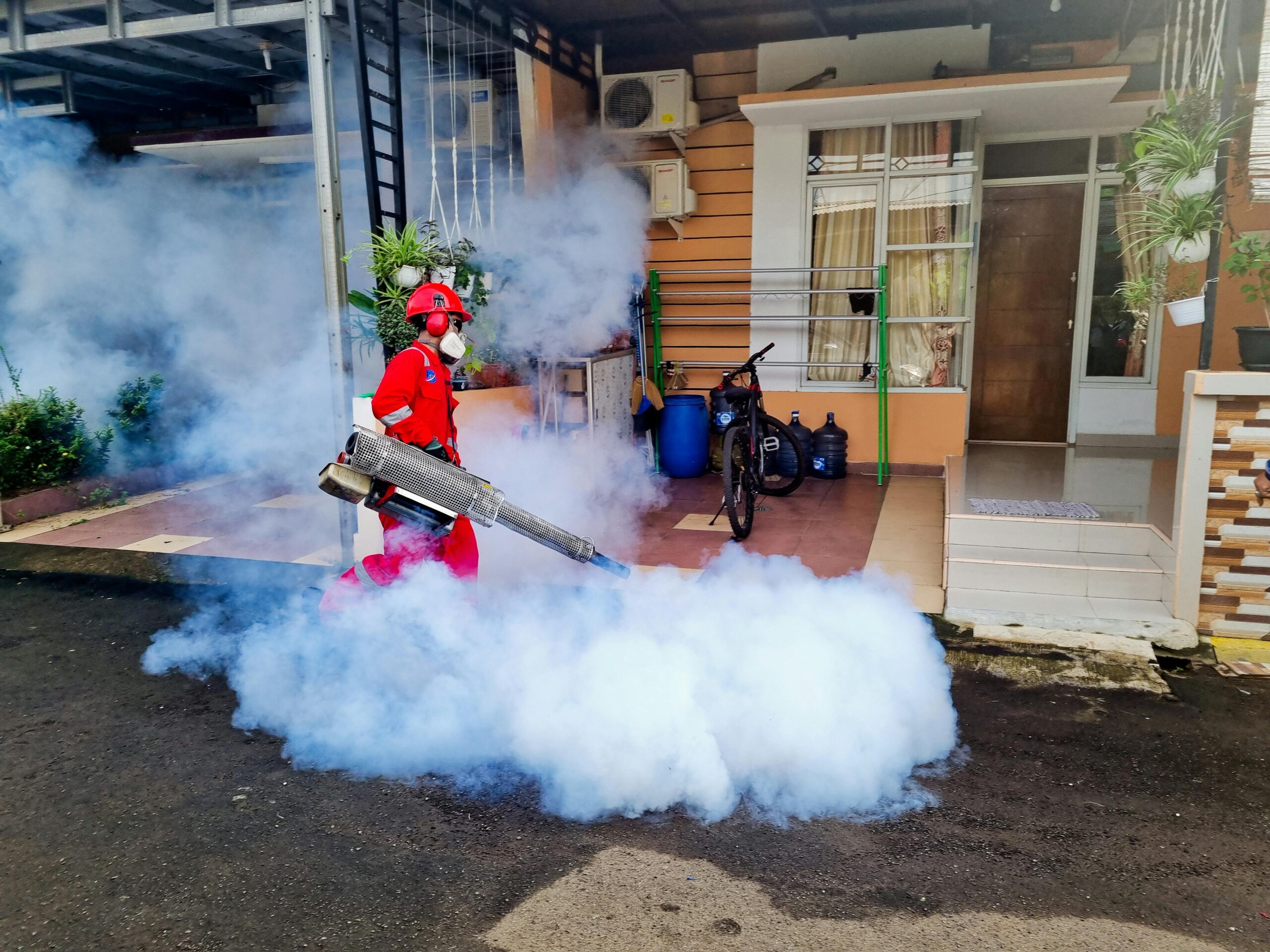
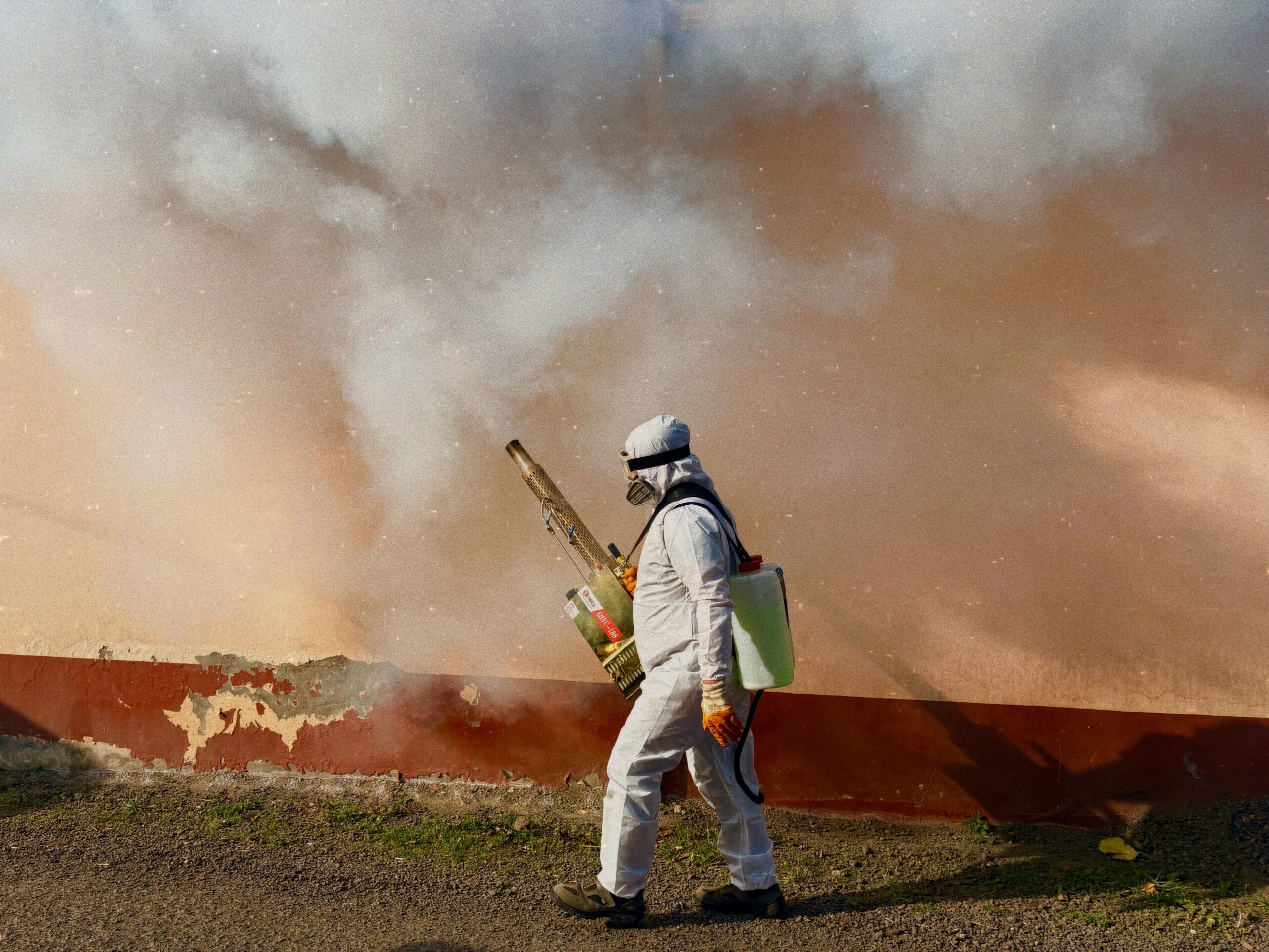
A single professional visit begins with a thorough inspection to locate breeding sites—often hidden in drains, trash cans, or overripe fruit. Technicians then apply a targeted, EPA‑registered spray that penetrates cracks and crevices where fruit flies hide. Many providers also set up proprietary traps to monitor residual activity.
In Norcross, 2024 pricing data shows a typical one‑time service ranging from $120 to $250 per visit. This price includes the initial inspection, treatment, and a brief follow‑up call to ensure the infestation is under control. Effectiveness jumps to about 80‑90 % because professionals use low‑toxicity, fast‑acting chemicals that are calibrated for indoor use. The trade‑off is the higher upfront cost, but the peace of mind that comes from a licensed technician handling the chemicals often outweighs the expense for families with young children or sensitive pets.
Quarterly/Annual Maintenance Plans
For long‑term protection, many pest companies—including Anthem Pest—offer scheduled visits that combine preventive sprays, trap placement, and a warranty against re‑infestation. The typical annual commitment in the Norcross area falls between $350 and $600, depending on the frequency of visits and the breadth of coverage.
Anthem Pest’s “Protect‑Plus Plan” bundles four quarterly treatments, a comprehensive inspection each season, and a satisfaction guarantee. New customers receive a $50 discount on the first year, which can bring the total down to the lower end of the range. Because the chemicals are applied by certified technicians, the plan delivers the highest effectiveness—often exceeding 95 % eradication—and minimizes any risk to occupants.
Chemical Safety Considerations
Regardless of the path you choose, safety starts with the product’s EPA status. All three options listed above rely on EPA‑approved ingredients, but they differ in toxicity profiles:
- DIY pyrethrin sprays – low acute toxicity but can cause skin irritation; avoid use around infants and pets.
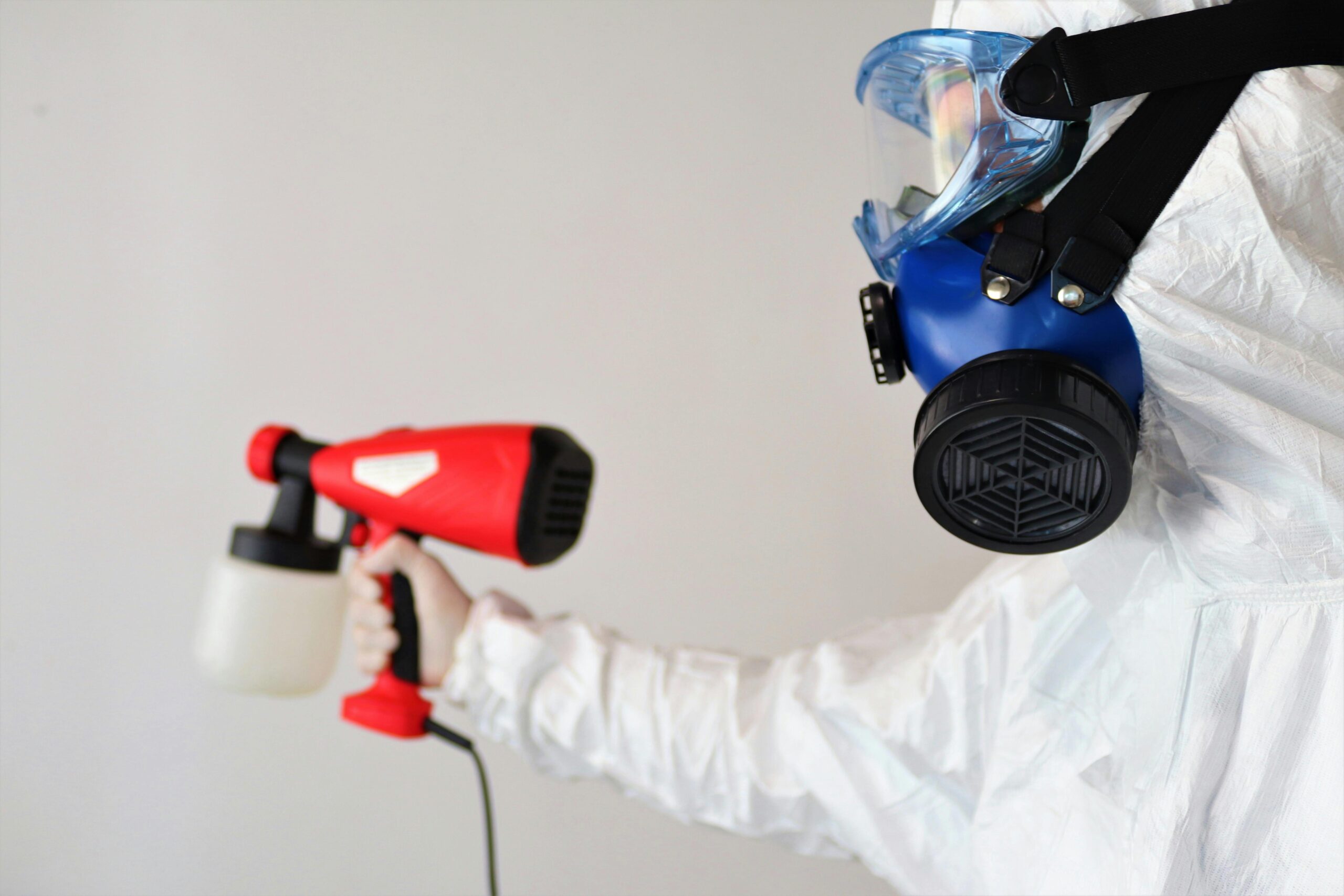
- Professional sprays – formulated for indoor use with reduced residue; technicians wear protective gear and follow strict re‑entry intervals.
- Maintenance‑plan treatments – often incorporate integrated pest management (IPM) tactics, using the lowest effective dose and rotating actives to prevent resistance.
Homeowners with children, seniors, or animals should prioritize low‑toxicity options and confirm that the applicator follows the label’s safety instructions. Asking for a detailed material safety data sheet (MSDS) can further reassure you about what’s being applied in your home.
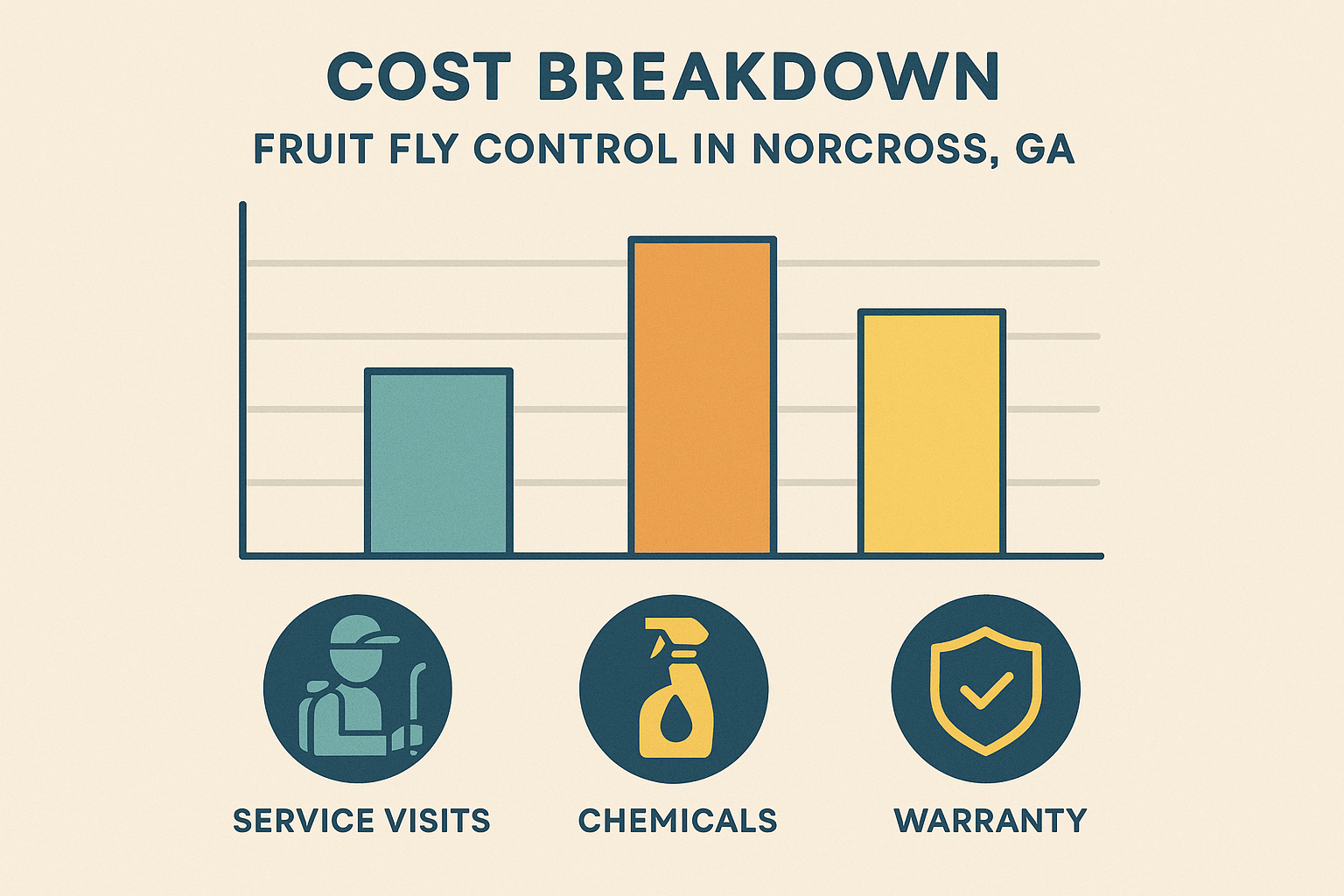
Cost‑comparison graphic (Image3) will be placed here.
Detailed Cost Breakdown for Norcross Homeowners
When you call a pest‑control pro in Norcross, the invoice isn’t a mystery. Below you’ll see every line item most companies charge, a side‑by‑side quote for two common home sizes, and how Norcross pricing stacks up against nearby cities.
Typical Cost Elements
- Inspection fee (often waived) – $0‑$50. Many providers discount this if you schedule treatment on the same visit.
- Labor per hour – $80‑$120. Technicians charge for the time spent setting traps, applying sprays, and walking through each room.
- Materials (spray, traps) – $30‑$70. This covers EPA‑approved insecticides and reusable monitoring devices.
- Travel surcharge for zip 30071 – $10‑$20. The extra fee reflects mileage and time to reach neighborhoods on the edge of the service area.
Sample Quote: 2‑Bedroom vs. 4‑Bedroom Home
| Service Item | 2‑Bedroom Home | 4‑Bedroom Home |
|---|---|---|
| Inspection (waived) | $0 | $0 |
| Labor (2 hrs) | $180 | $240 |
| Materials (spray & traps) | $45 | $60 |
| Travel surcharge | $15 | $15 |
| Total Estimated Cost | $240 | $315 |
Regional Pricing Comparison
| City | Inspection Fee | Labor / hr | Materials | Travel Surcharge |
|---|---|---|---|---|
| Norcross (30071) | $0‑$50 | $80‑$120 | $30‑$70 | $10‑$20 |
| Duluth (30328) | $20‑$60 | $85‑$130 | $35‑$75 | $5‑$15 |
| Johns Creek (30097) | $10‑$55 | $90‑$125 | $40‑$80 | $8‑$18 |
Notice how Norcross sits near the low‑end of inspection fees but matches or slightly undercuts neighboring cities on labor and travel. That’s because many local firms, including Anthem Pest Control, bundle services to keep the hourly rate competitive.
Real‑World Savings Example
Jane M., a Norcross homeowner, needed a fruit‑fly treatment in March. She also scheduled her annual mosquito barrier for the summer. Anthem combined the two visits, applying the fruit‑fly spray while the technician was already on the property for the mosquito service. The bundled invoice shaved $75 off the separate‑service total—a clear illustration of how strategic scheduling can reduce your pest‑control spend.
All figures above draw from the EPA’s Pesticide Cost Survey 2023 and the NPMA’s Average Pest Control Pricing Report 2024. These industry benchmarks confirm that the $240‑$315 range for a typical Norcross home is both realistic and competitive.
Seasonal Timing & Prevention Tips
Fruit flies are most active in Norcross from late spring through early fall, roughly May to October. During these months the warm, humid weather creates the perfect breeding ground for the tiny pests that love rotting fruit and sugary residues. Marking this window on your family calendar helps you plan both professional treatments and daily habits that keep the flies at bay.
When to treat
The ideal time for a professional fruit‑fly treatment is early in the season—late April to early May—before populations explode. A pre‑emptive service allows the technician to target breeding sites, seal entry points, and apply residual controls that remain effective through the peak months. If you notice flies already buzzing around your kitchen in June, schedule a follow‑up as soon as possible to prevent a full‑blown infestation.
Everyday prevention steps
- Store ripe fruit in the refrigerator or in sealed containers. Fruit left out on countertops becomes a buffet for adult flies looking to lay eggs.
- Take out trash daily, especially kitchen waste that contains food scraps or sugary drinks.
- Clean drains regularly. Pouring boiling water down the sink or using an enzymatic drain cleaner breaks down organic buildup where larvae love to hide.
- Set up simple apple‑cider‑vinegar traps. A shallow dish with a few drops of dish soap and a half‑cup of vinegar attracts flies and traps them without chemicals.
Local resources you can tap
The Fulton County Extension office runs seasonal workshops on garden hygiene and indoor pest prevention. Check their current schedule and register for free at Fulton County Extension. These sessions often include a hands‑on demo of drain cleaning and fruit‑fly trap placement, giving you extra confidence in your DIY efforts.
Post‑treatment guarantee
After Anthem Pest completes a fruit‑fly service, we recommend a 30‑day follow‑up inspection. During this visit the technician verifies that the treatment is holding, re‑treats any lingering hotspots, and answers any questions you have about ongoing prevention. This follow‑up is included in our guarantee, ensuring peace of mind long after the initial spray.
By aligning professional treatment with the seasonal peak and reinforcing it with simple daily habits, you can keep fruit flies from turning your kitchen into a summer buffet. Stay proactive, use the resources around you, and let Anthem Pest handle the heavy lifting—so you can enjoy fresh fruit without the buzz.
Choosing the Right Service Provider in Norcross
Local credentials you can trust
When it comes to fruit fly control, a licensed professional makes all the difference. Anthem Pest’s technicians are not only state‑licensed but also EPA‑registered, meaning they follow strict safety protocols and use approved treatment products. Our Norcross office provides a 24‑hour response window, so you won’t be left waiting days for a critical infestation to be addressed. Having a local team on standby ensures rapid service and a deep understanding of the region’s unique pest patterns.
What Norcross homeowners are saying
Community feedback speaks louder than any marketing claim. Anthem Pest holds a 4.8‑star rating on Google, backed by more than 150 positive reviews from satisfied customers in Norcross and the surrounding neighborhoods. Homeowners consistently praise our punctuality, thoroughness, and the noticeable drop in fruit fly activity after treatment. You can read the full collection of testimonials on our Google Business page to see real‑world results before you decide.
Transparent pricing and a free on‑site estimate
Surprises are welcome in birthday parties, not in pest control bills. Anthem Pest offers a complimentary on‑site estimate, during which our technician evaluates the scope of the fruit fly problem and explains every step of the treatment plan. The estimate includes a clear, itemized cost breakdown—no hidden fees, no vague “service charges.” This transparency lets you compare options confidently and choose a solution that fits your budget.
Extra value with the Protect‑Plus Plan
For homeowners who want ongoing protection, Anthem Pest’s Protect‑Plus Plan provides a seasonal discount on repeat services. Enrolling in the plan not only locks in today’s price for future treatments but also adds quarterly inspections to keep fruit flies—and other pests—from returning. It’s a straightforward way to safeguard your home while keeping costs predictable.
Choosing a pest control partner is a decision that impacts your home’s health and comfort. With licensed, EPA‑registered technicians, a stellar 4.8‑star reputation, free on‑site estimates, and a transparent pricing model, Anthem Pest stands out as the most reliable choice for fruit fly control in Norcross. Give us a call at 877‑371‑8196 or visit anthempest.com to schedule your free estimate today.
Take Action Today – Get a Free Quote from Anthem Pest
When it comes to fruit fly control in Norcross, you’ll typically see three price buckets: a $15‑$30 DIY kit for a one‑time spray, a $150‑$300 professional single‑visit treatment, and a $450‑$600 annual protection plan that includes quarterly visits and ongoing monitoring. While the DIY route can knock down a light infestation, a licensed technician brings a higher success rate because they identify breeding sites, apply targeted products, and seal entry points you might miss.
Essential prevention habits
- Store ripe fruit in the refrigerator or sealed containers.
- Clean up spills and food debris within minutes.
- Take out trash daily and use bins with tight‑fitting lids.
- Fix leaky drains and eliminate standing water where flies can breed.
Anthem Pest brings more than just chemicals to the table. Our technicians live in the Norcross area, so we know the local housing styles, seasonal fly spikes, and the most effective treatment windows. Every product we apply is EPA‑registered and applied with strict safety protocols to protect your family and pets.
If you’re ready to reclaim a fly‑free kitchen without the guesswork, our team is happy to assess your home and provide a free, no‑obligation quote.
Give us a call today at 877‑371‑8196 during regular business hours (8 am – 5 pm, Mon‑Fri) and one of our friendly specialists will schedule your free assessment.
Ready to get started? Visit Anthem Pest Control for more details and to request your quote online.