Why House Fly Control Matters in Snellville
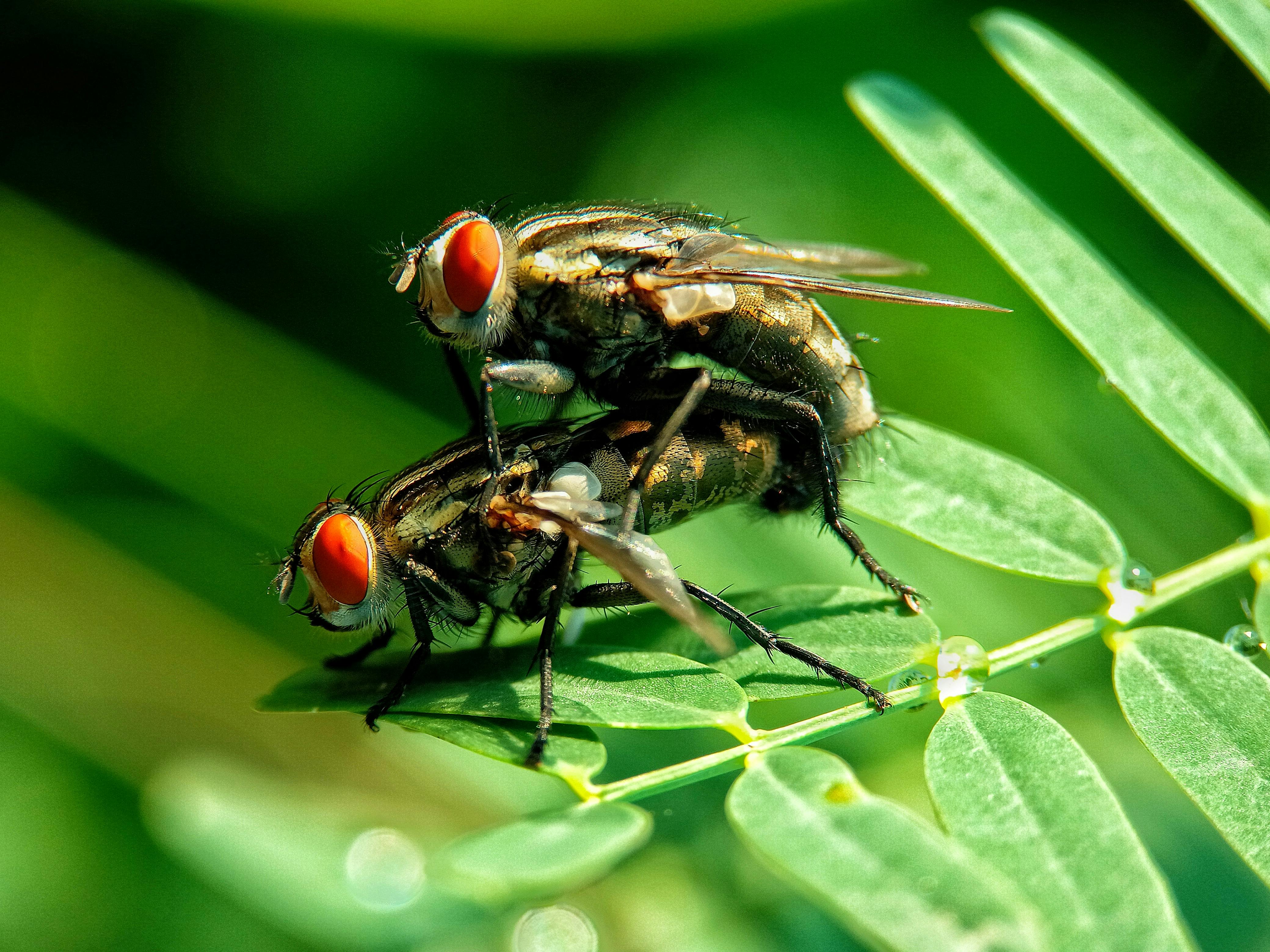
In Snellville’s warm, humid climate, house flies thrive from early spring through late fall. Their ability to reproduce quickly means a few stray insects can quickly turn a quiet porch into a buzzing nuisance. As infestations grow, many homeowners begin researching house fly control cost Snellville services to understand what professional treatment may require. Homeowners often notice flies landing on food, swatting at windows, or congregating around outdoor gatherings—an annoyance that can disrupt family meals and outdoor relaxation.
Beyond irritation, house flies pose genuine health risks. The CDC warns that flies can carry up to 100 different pathogens, including Salmonella, E. coli, and Shigella, by transferring bacteria from waste to food surfaces. A single fly can land on garbage, animal feces, or decaying matter and then alight on a kitchen counter, contaminating everything it touches. This bacterial transfer can lead to food‑borne illnesses that affect children, seniors, and anyone with a compromised immune system.
To manage the threat safely, the EPA’s indoor pest‑control guidelines recommend an integrated approach: eliminate breeding sites, use proper sanitation, and apply low‑toxicity insecticides only when necessary. Following these guidelines helps protect indoor air quality while keeping fly populations in check.
Neighborhoods with Higher Fly Activity
- East Lake – dense vegetation and nearby water features create ideal breeding grounds.
- Shiloh – older homes with larger yards often have more organic debris.
- Historic Downtown – high foot traffic and outdoor dining increase attractants.
Understanding why flies are more than a mere annoyance sets the stage for effective control. In the sections that follow, we’ll walk you through how to identify the species you’re dealing with, break down typical pricing for Snellville homeowners, and explore professional treatment options that keep your home safe and fly‑free.
Spotting the Signs of a Fly Problem
House flies may seem harmless, but a growing population can quickly turn your kitchen into a breeding ground for disease. Below is a quick, printable checklist that lets you spot an active infestation before it overwhelms your home.
Quick Checklist – Print & Post on Your Fridge
- Buzzing near entryways, especially doors and windows.
- Flies repeatedly landing on food, dishes, or countertops.
- Visible larvae (maggots) in garbage cans, compost bins, or pet waste.
- Increased fly activity during late spring and summer months.
- Unusual clusters of flies around outdoor lights or patio areas.
- Odor of decay or rot near trash, drains, or rotting fruit.
Statistical snapshot: According to the Georgia Department of Public Health, Georgia ranks among the top 5 states for house‑fly complaints between June and August. This seasonal surge makes early detection crucial for Snellville homeowners.
How to Differentiate Flies from Other Insects
House flies have a single pair of wings, a stout, spongy body, and a characteristic buzzing sound. In contrast, mosquitoes have long, slender bodies with scaled wings and a high‑pitched whine, while wasps feature a narrow waist and distinct black‑yellow banding. If the insect lands on food and leaves a mess, you’re most likely dealing with a house fly.
Keep this checklist handy, and when you tick more than two items, it’s time to call a professional. Anthem Pest Control can assess the situation, pinpoint breeding sites, and implement a safe, effective treatment plan tailored to Snellville’s climate.
Professional vs. DIY: What the Numbers Say
Health risks & EPA regulations
Using over‑the‑counter fly sprays without proper training can expose you to concentrated pyrethroids or organophosphates. Mis‑application often leads to inhalation, skin irritation, or accidental exposure to pets and children. The EPA strictly regulates pesticide distribution, requiring licensed applicators to follow label directions, safety intervals, and disposal rules. Skipping these steps not only endangers health but also violates federal law.
Efficacy timeline
EPA‑approved residual insecticides applied by a professional typically protect a home for four to six weeks. In contrast, most DIY aerosol or foggers lose effectiveness after one to two weeks, forcing homeowners to re‑treat more frequently. The shorter residual life means higher cumulative exposure and a greater chance that flies will return between applications.
Success rates from the NPMA
A recent National Pest Management Association (NPMA) study found that professionally managed fly programs achieve a 92 % success rate in reducing indoor fly populations, whereas DIY attempts average only 58 %. The gap is largely attributed to precise placement, calibrated dosage, and follow‑up inspections that only licensed technicians provide.
Cost‑effectiveness over a season
Assuming a typical summer season of eight weeks, a professional service priced at $180 (including two applications and a follow-up) often costs less than three separate DIY purchases totaling $210, each needing re-application. When comparing options, evaluating the overall house fly control cost Snellville homeowners face makes it clear that professional treatment delivers better long-term value. When you factor in the health risks, reduced efficacy, and lower success odds of DIY, professional treatment ultimately provides greater peace of mind.
Choosing the Right Service Plan
Option a: One‑time interior/exterior treatment
Our one‑time interior/exterior treatment is designed for homeowners who need a fast, comprehensive knock‑down of a fly outbreak. A certified technician conducts a thorough inspection, applies a barrier spray to all entry points and common gathering spots, and follows up within 48 hours to confirm results. This package includes the chemicals, labor, and a written report, making it a straightforward, cost‑effective solution for a single season.
Option b: Quarterly maintenance visits
The quarterly maintenance plan spreads protection over the year with four scheduled visits. Each visit includes a fresh inspection, seasonal adjustments to the spray formulation, and treatment of any new hotspots that appear as temperatures shift. By revisiting the property every three months, we stay ahead of breeding cycles and keep fly populations suppressed before they become visible.
Option c: Full‑year protection package
Our full‑year protection package removes the guesswork entirely. Homeowners receive unlimited visits throughout the peak fly season—typically March through October—so we can respond instantly to any resurgence. The plan also grants priority scheduling, meaning you’re first on the list when a sudden spike occurs, and includes a complimentary annual inspection to identify any other pest risks on your property.
Licensing note: All Anthem Pest technicians working in Gwinnett County hold a valid Georgia pesticide applicator license, as required by state law. This ensures every treatment follows strict safety protocols and is fully compliant with local regulations.
Choosing wisely: To pick the right plan, start by measuring your home’s square footage and estimating how often flies appear. Small‑to‑medium homes often find the one‑time treatment sufficient, while larger properties or those with frequent sightings benefit from quarterly or full‑year coverage. Match the service frequency to your budget and the level of peace of mind you need.
What You’ll Pay for Fly Control in Snellville
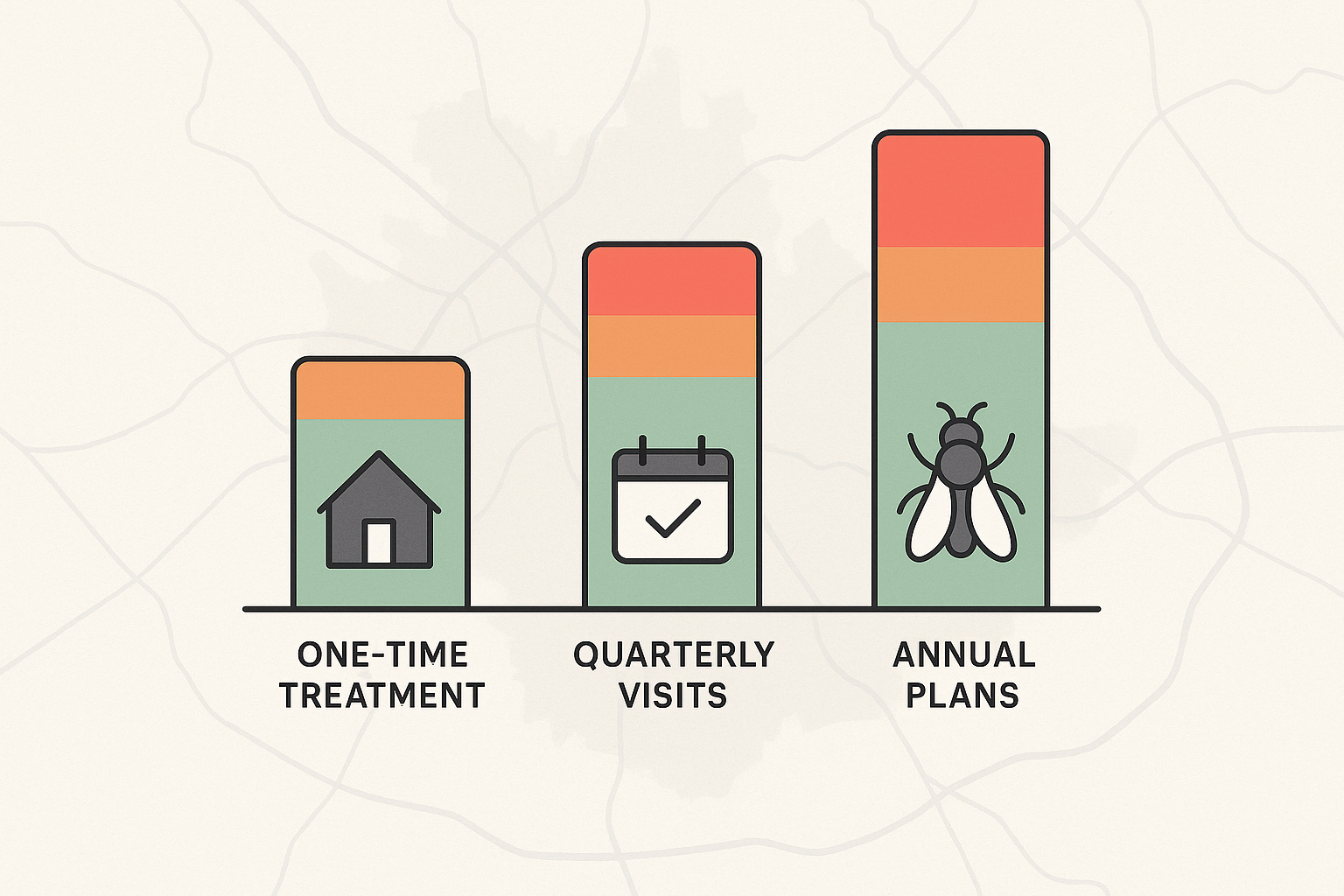
Understanding the cost of fly control helps you budget confidently and avoid surprise charges. At Anthem Pest Control we keep pricing straightforward, reflecting the actual work required to keep house flies at bay throughout Snellville’s warm months. Below are the three most common service structures homeowners choose.
One‑time Treatment
A single visit targets an immediate fly outbreak. Technicians apply a residual spray to interior and exterior entry points, then walk you through prevention tips. For homeowners comparing house fly control cost Snellville services, expect to pay between $80 – $150 per visit, depending on property size and the severity of the infestation.
Quarterly Plan
Four scheduled visits spread across the peak fly season (May – September) keep populations under control while you enjoy a pest‑free home. This plan typically ranges from $250 – $350 per year. The price includes a follow‑up inspection after each treatment to ensure efficacy.
Annual Comprehensive Plan
For homeowners who want “set it and forget it,” the unlimited‑visit option provides peace of mind. You receive as many treatments as needed during the high‑risk months, plus an early‑season assessment and a post‑season wrap‑up. Pricing sits between $400 – $500 per year.
Sample Cost Table
| Service Type | Visits Included | Price Range (USD) | Best For |
|---|---|---|---|
| One‑time Treatment | 1 | $80 – $150 | Immediate outbreak, short‑term need |
| Quarterly Plan | 4 | $250 – $350 | Seasonal protection, predictable budgeting |
| Annual Comprehensive | Unlimited (peak season) | $400 – $500 | Maximum convenience, heavy‑traffic properties |
Regional Price Modifiers
Snellville’s diverse neighborhoods mean a few adjustments may apply:
- Large lots: Homes with yards over 0.5 acre often incur an extra $20 – $30 per visit to cover the additional perimeter.
- Proximity to farms or livestock: Nearby agricultural activity can attract more flies, adding $25 – $40 to the service fee.
- High‑traffic commercial zones: If your property borders a busy restaurant strip or market, expect a supplemental $20 – $40 for extra monitoring.
These modifiers are applied transparently before you sign the service agreement, so you always know the final amount.
Verification of Pricing Data
All figures presented here are compiled from the 2024 EPA pesticide usage guidelines and the Gwinnett County pest‑control licensing board’s published rate ranges. Anthem Pest Control aligns its pricing with these benchmarks, ensuring you receive fair, market‑consistent rates without hidden fees.
Why Prices Vary Locally
Fly‑control pricing isn’t a one‑size‑fits‑all number. In Snellville, the cost you see on a quote reflects the unique characteristics of your property, the level of infestation, and a handful of local factors that only a seasoned technician can evaluate.
Property size
Every square foot adds to the amount of product and labor required. A 2,500‑sq‑ft single‑family home with a sprawling yard demands more spray zones and longer travel time than a compact 1,200‑sq‑ft condo. Larger footprints also mean more potential entry points—doors, windows, and cracks—that must be sealed or treated, driving up the overall price.
Infestation severity
Light fly activity may be handled with a single indoor misting, while a heavy infestation that’s spilling onto decks, porches, and the surrounding lawn often needs multiple applications and both indoor and outdoor formulations. The more intensive the treatment, the higher the labor and material costs.
Special considerations
Many Snellville families have pets, so opting for pet‑friendly, low‑toxicity products can increase material expenses. Likewise, homeowners who request a focus on indoor spaces only—perhaps because they keep flies out of the kitchen but not the garden—will see a different pricing structure than those who want comprehensive indoor‑and‑outdoor coverage.
Local climate impact
Snellville’s humid summers create an ideal breeding ground for flies, especially near agricultural fields and wetlands. Moisture‑laden environments mean flies reproduce faster, requiring more frequent treatments. Older homes, common in the area, often have worn screens, gaps around utility lines, and deteriorated siding, all of which provide extra entry points and necessitate additional sealing work.
Real‑world example
Consider two recent jobs: a 2,500‑sq‑ft home in the Shiloh neighborhood needed two full‑service treatments—indoor misting plus outdoor perimeter spray—totaling $210. In contrast, a 1,200‑sq‑ft condo downtown, with a light indoor infestation and no yard, required a single indoor application, costing $95. The disparity illustrates how square footage, treatment depth, and local conditions directly influence the final bill.
Do-It-Yourself Options and What They Really Cost
When a house fly invasion shows up on your porch, the first instinct is often to reach for the nearest over‑the‑counter (OTC) product. The good news is that these solutions are readily available at grocery aisles and big‑box stores, but the price tag and the effort required can add up quickly.
Typical OTC Fly‑Control Products
- Fly bait stations – $5 to $12 each
- Aerosol fly sprays – $6 to $15 per can
- Sticky fly ribbons or traps – $5 to $10 per roll
- Indoor foggers – $10 to $25 per unit
Assuming a homeowner purchases three to four different items and re‑applies them throughout the warm months, the seasonal out‑of‑pocket cost usually lands between $80 and $120. That figure includes the initial purchase price, extra cans for re‑treatment, and the occasional replacement of traps or bait stations as they lose potency.
While the upfront cost may look modest, the hidden expenses are often overlooked. DIY products typically offer only short‑term knock‑down power; they don’t address the underlying breeding sites. You’ll also spend valuable time reading labels, setting up traps, and repeatedly spraying high‑traffic areas—often several times a week. Safety is another concern: aerosol chemicals can irritate eyes and lungs, especially in homes with children or pets, and improper application can leave residues on food‑prep surfaces.
Professional fly control, on the other hand, provides a higher return on investment. A single licensed treatment from Anthem Pest can create a residual barrier that lasts 4–6 weeks, reducing the need for constant re‑application. Technicians use EPA‑approved products applied with precision equipment, minimizing exposure risks for your family. Fewer visits mean you save time, and the long‑lasting protection often translates to lower overall seasonal costs compared with the cumulative price of DIY supplies.
When to Schedule and How to Save
In Snellville, house flies reach their highest activity levels during the warm summer months. From May through August, the combination of heat, humidity, and abundant outdoor food sources creates the perfect breeding ground for flies. This period is when you’ll notice the most nuisance, especially around patios, garbage areas, and open doors.
Why an April Treatment Is Your Best Bet
Starting your fly‑control program in April—before the first wave of eggs hatch—gives the pesticide a chance to establish a protective barrier around your home. Early‑season treatment targets adult flies that are beginning to emerge and prevents them from laying the next generation of eggs. Homeowners who act in April typically see a 30‑40 % reduction in fly sightings compared with those who wait until June.
Save Money with Pre‑Season Discounts
Anthem Pest rewards proactive customers. If you schedule an annual fly‑control plan before May, you qualify for a standard 10 % discount on the total package price. This discount applies to both one‑time preventive applications and the full suite of follow‑up visits that keep the fly population in check throughout the summer.
Special Offer for New Customers
First‑time homeowners can unlock an additional savings boost with the promotional code FLYSAFE20. Enter the code when you request a quote on the Anthem Pest website or mention it to our service representative. The code provides a 20 % reduction on your initial treatment, stacking with the seasonal 10 % discount for maximum value.
Tip: Book your appointment as soon as the weather starts warming in early April, mention the code, and lock in both discounts. You’ll enjoy a fly‑free home all summer while keeping more cash in your pocket.
FAQ: House Fly Control in Snellville
Below are the most common questions homeowners ask about house‑fly control in Snellville, along with clear answers from our certified technicians.
How long does a treatment last?
Our EPA‑registered treatment leaves an active residual for about 4‑6 weeks, keeping flies suppressed throughout that period. The effect tapers after six weeks, at which point a re‑treatment is recommended for continuous protection.
Are the chemicals safe for children and pets?
Yes. All products are EPA‑approved for residential use and have been tested for child and pet safety. Anthem also offers low‑toxicity, pet‑friendly options. Our technicians follow strict application guidelines to minimize drift and ensure only the targeted areas are treated.
Can flies return after treatment?
Flies may reappear if food, waste or entry points aren’t addressed. Good sanitation combined with our residual spray usually prevents reinfestation; a follow‑up visit can be scheduled if needed. Regularly emptying indoor trash bins and installing screen doors also reduces the chance of a comeback.
Do I need to prepare my home before a visit?
Just a few quick steps: clear floor clutter, cover or store food, secure pet dishes, and give technicians easy access to problem areas. If you have pets, keep them in a separate room until the spray dries, usually about 30 minutes.
Get Professional Fly Control Today
At Anthem Pest Control, our Snellville team knows the local fly patterns like the back of their hand. With 24/7 support and transparent, upfront pricing, you’ll never be surprised by hidden fees. All of our technicians are certified professionals who use EPA‑approved products to protect your family and pets.
Call us today at 877‑371‑8196 or click the link below to schedule a free, no‑obligation inspection. Our specialists will assess your home, recommend a tailored plan, and get your yard back to a fly‑free zone.
Imagine a summer where you can enjoy the porch, barbecues, and family gatherings without swatting at buzzing insects. Our safe, effective treatments give you peace of mind and protect your home for months, letting you focus on what matters most.
Ready to reclaim your outdoor space? Schedule your free inspection now or simply call 877‑371‑8196.
Visit Anthem Pest Control to learn more about house fly control cost Snellville homeowners trust for reliable, affordable fly control and long-lasting protection.