Why Millipedes Matter to Georgia Homeowners
When you hear “millipede” you might picture a harmless garden critter, but in the Peach State these many‑legged arthropods can quickly become a homeowner’s headache. Understanding why they matter is the first step toward protecting your foundation, siding, and landscaping from unnecessary damage.
What a millipede actually is
Millipedes belong to the class Diplopoda, a diverse group of detritivores that feed on decaying leaves, wood, and organic matter. The most common species in Georgia, such as the “southern millipede” (Oxidus gracilis) and the “garden millipede” (Narceus americanus), are native and generally harmless to people and pets.
Harmless or nuisance? Knowing the difference
While millipedes do not bite, sting, or transmit diseases, the sheer numbers they can amass turn them into a nuisance. Large aggregations may crawl over doorways, windows, and even inside living spaces, especially after a rainstorm. In that scenario they become more than a curiosity—they’re a visible sign that moisture and organic debris are building up around your home.
Common misconceptions
Many Georgia residents assume millipedes are completely benign, but that view overlooks two practical concerns. First, they can cause structural damage when they feed on soft wood, mulch, or even the edges of brick and stone. Second, a heavy indoor infestation can lead to costly clean‑up, as dead bodies decompose and emit an unpleasant odor.
Why Georgia’s climate invites them in
Our humid summers and mild winters create an ideal environment for millipedes to reproduce year‑round. Warm, damp soil accelerates egg development, while frequent summer rains push the insects onto the surface in search of dry shelter. In Milton, the combination of lush landscaping and occasional flooding means millipedes often migrate toward homes looking for a drier refuge.
Warning signs you shouldn’t ignore
- Thousands of tiny, dark bodies congregating near exterior doors or foundation cracks.
- Damp basements or crawl spaces with a noticeable “musty” smell.
- Visible damage to mulch beds, wooden decks, or garden beds where the insects have chewed through soft material.
- Unexplained clusters of millipedes inside closets, laundry rooms, or along baseboards after heavy rain.
Economic impact of an unchecked infestation
- Potential weakening of wooden siding, porch railings, or deck boards, leading to replacement costs.
- Moisture‑related foundation issues when millipedes contribute to soil displacement around footings.
- Professional remediation fees that can range from a few hundred dollars for a single‑treatment plan to over a thousand for extensive, recurring services.
Long‑term implications for your property
Beyond immediate damage, a persistent millipede presence can attract secondary issues such as mold growth in damp areas and increased activity of termites that also thrive in moist wood. Homebuyers often view a visible pest problem as a red flag, potentially lowering resale value if not addressed promptly.
Local data and why cost matters
According to Anthem Pest Control’s cost guide for Milton, GA, homeowners typically spend between $250 and $650 for a comprehensive millipede control program that includes perimeter treatment and interior barrier applications. Statewide statistics from Pest‑Control ProMatcher show that millipede reports have risen by 18 % over the past three years, underscoring the growing need for proactive measures.
By recognizing the signs early and understanding the climate factors that favor millipedes, you can avoid the hidden expenses of structural repairs and professional clean‑ups. The next sections will walk you through how to identify the most common species, when they’re most active, and what treatment options give you the best return on your investment.
Recognizing Millipedes and Their Entry Points
Physical characteristics you’ll spot at a glance
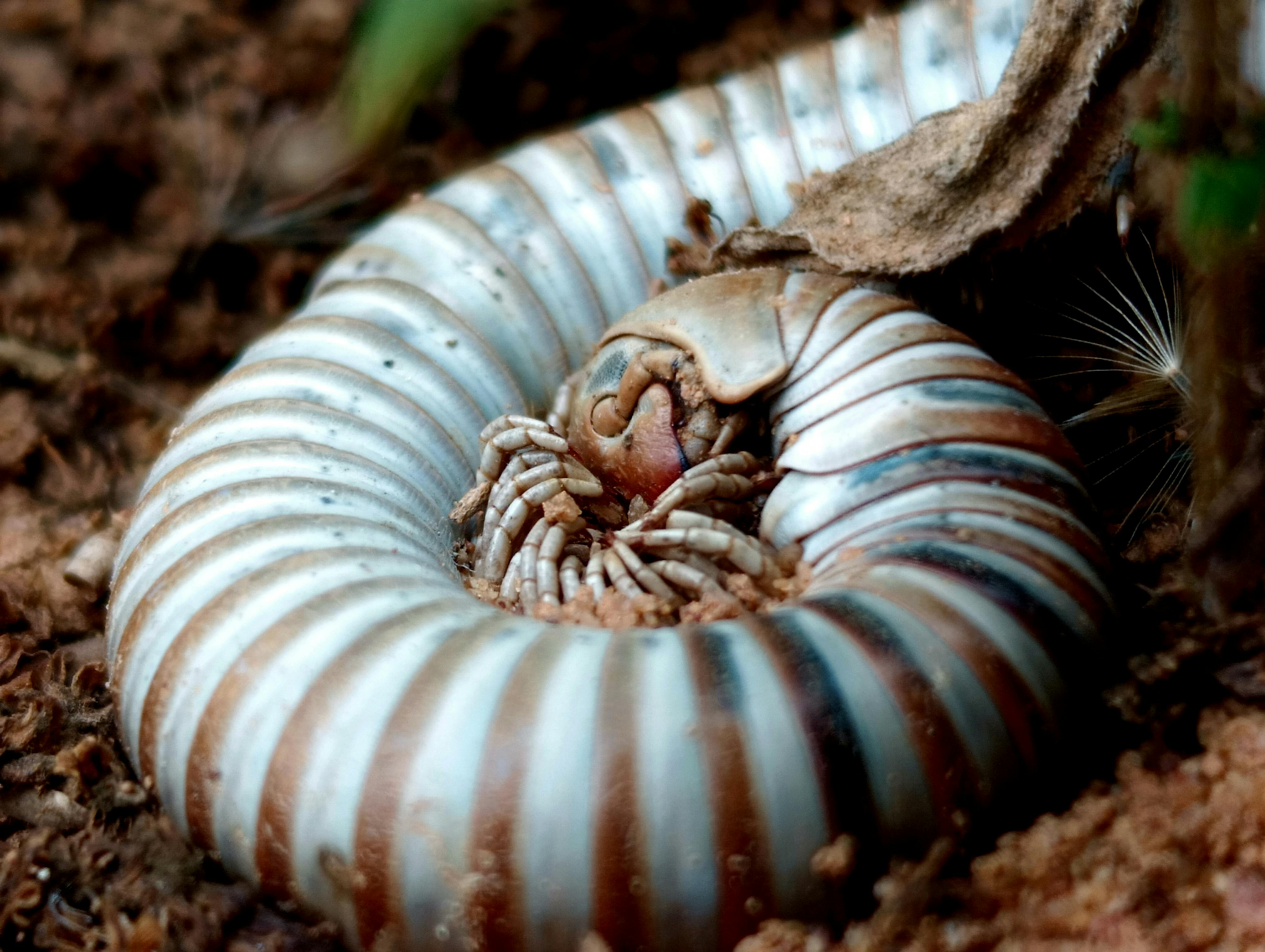
Millipedes are unmistakable once you know what to look for. They have long, cylindrical bodies made up of dozens of tiny, rounded segments that give them a “stacked‑coin” appearance. Their coloration ranges from deep brown to almost black, and they move at a deliberately slow pace—often appearing to shuffle rather than sprint. Because they prefer damp environments, you’ll frequently find them near mulch, leaf litter, or any spot where moisture collects.
Millipedes vs. look‑alikes
It’s easy to confuse millipedes with centipedes or woodlice, but a few key differences set them apart. Centipedes are flatter, have fewer body segments, and sport a single pair of legs per segment; they are also fast and predatory, often seen darting away when disturbed. Woodlice (also called pill bugs) are much shorter, have a smooth, oval shape, and can roll into a ball for defense. In contrast, millipedes have two pairs of legs per segment and never roll up, making their “many‑legged” silhouette a reliable identifier.
Typical entry points around your Woodstock home
Once identified, the next step is to understand how these creatures breach your home’s defenses. The most common pathways include:
- Cracks in the foundation or mortar joints that provide a direct tunnel to interior crawl spaces.
- Gaps around utility penetrations—think water, gas, and electrical lines—that often go unnoticed during routine maintenance.
- Improperly fitted door sweeps, especially on back or side doors that open onto humid yards.
- Poorly sealed or aging windows, where even a millimeter‑wide opening can become a highway for moisture‑loving pests.
The role of moisture and organic debris
Moisture is the magnet that draws millipedes to your foundation. When rain seeps into the soil, it creates a damp micro‑climate that millipedes adore. Add a layer of organic debris—fallen leaves, pine needles, or wood chips—right against the house, and you’ve essentially built a buffet and a water source in one. Over time, these conditions not only attract millipedes but also encourage them to explore any nearby cracks or gaps, increasing the likelihood of indoor sightings.
Inspection checklist for homeowners
Armed with the right visual cues, you can perform a quick, thorough inspection both inside and outside your home. Use the checklist below to pinpoint problem areas before they become a full‑blown infestation.
- Exterior foundation walk‑around: Look for visible cracks, especially after a rainstorm. Shine a flashlight into any openings to see if small, dark silhouettes are lurking.
- Utility entry points: Examine the seals around water, gas, and electrical lines. If you see gaps larger than a pencil width, seal them with silicone caulk or expandable foam.
- Door sweeps and thresholds: Test each exterior door by sliding a piece of paper under the sweep. If it slides easily, the sweep isn’t sealing properly and should be replaced.
- Window seals: Inspect the perimeter of each window for deteriorated caulking. Re‑caulk any cracks and consider adding weatherstripping for extra protection.
- Moisture sources: Check for standing water in gutters, downspouts, or near the foundation. Ensure proper drainage away from the house and trim back any vegetation that traps moisture.
- Organic debris buildup: Remove leaf piles, wood chips, and mulch that sit directly against the foundation. Keep a 12‑inch gap between soil amendments and the house wall.
- Indoor sightings: Scan basements, crawl spaces, and closets for live millipedes or shed exoskeletons. Their presence indoors usually signals a nearby entry point that needs sealing.
By learning to recognize the tell‑tale look of a millipede and systematically checking the common entry routes, you’ll catch an intrusion early—often before the pests become a nuisance. If you spot multiple entry points or a growing number of millipedes, it’s time to call a local professional like Anthem Pest Control. Our team can assess the situation, recommend targeted sealing strategies, and apply safe, effective treatments to keep your Woodstock home millipede‑free.
Seasonal Activity Patterns of Millipedes in Georgia
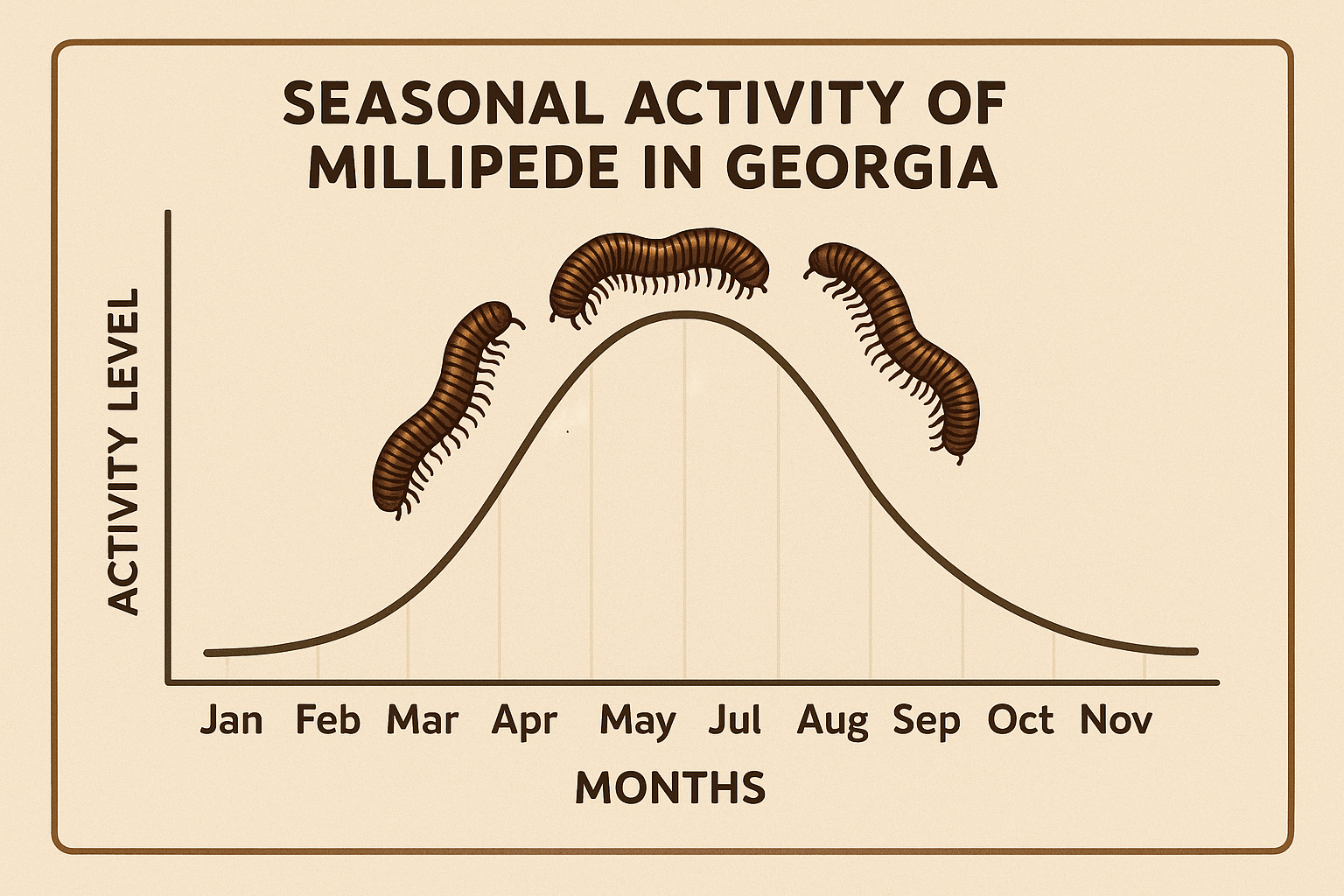
Understanding when millipedes are most active lets you plan inspections and treatments before they become a nuisance inside your home. In Georgia, the tiny arthropods follow a predictable annual rhythm that’s driven almost entirely by temperature and moisture.
Life‑Cycle Overview: Egg, Juvenile, and Adult Stages
Millipedes begin as tiny eggs laid in the soil during the cooler months of late winter. When soil temperatures rise above 55°F (13°C) and moisture levels stay above 70 % relative humidity, the eggs hatch into juvenile “larvae” that look like miniature adults but lack fully developed segments.
These juveniles molt several times over the spring, each molt adding more body rings and increasing their size. By early summer, most have reached sexual maturity. Adult millipedes live for a few months, focusing on reproduction rather than feeding heavily. The entire cycle—from egg to adult—can be completed in as little as 8 weeks when conditions are ideal, but cooler, drier springs can stretch it to several months.
Why Activity Peaks in Late Summer and Early Fall
The late‑summer surge (August‑October) isn’t random. As leaves turn amber and begin to decay, they create a moist, sheltered layer on the forest floor. This “leaf litter blanket” retains humidity, providing the perfect micro‑climate for millipedes to emerge from the soil in search of food and mates.
Additionally, Georgia’s average rainfall spikes in September, and nighttime temperatures stay warm enough to keep the ground damp. These conditions trigger a mass movement of millipedes toward the surface, where they often wander onto foundations, crawl spaces, and even into homes seeking the cool, moist environments that basements and bathrooms offer.
Monthly Activity Chart
| Month | Activity Level | Key Weather Drivers |
|---|---|---|
| January | Very Low | Cold temps, dry soil |
| February | Low | Still cold, occasional rain |
| March | Moderate | Warming soils, increasing rain |
| April | Moderate‑High | Consistent moisture, mild temps |
| May | High | Warm soil, early leaf litter |
| June | High | Peak summer heat, occasional storms |
| July | High | Hot, humid days keep soil moist |
| August | Very High | Wet leaves, heavy rainfalls |
| September | Peak | Leaf fall + September rains |
| October | Peak‑to‑Decline | Cooler nights, still moist |
| November | Low‑Moderate | Drop in temperature, less rain |
| December | Very Low | Cold, dry conditions |
Weather Patterns and Indoor Sightings
When a heavy rainstorm follows a warm spell, the ground becomes saturated, forcing millipedes to seek drier refuges. That’s why homeowners often report a sudden influx of millipedes in basements, crawl spaces, and bathroom corners after a September thunderstorm. The combination of high humidity (often above 80 %) and cooler indoor temperatures creates an attractive “bridge” from the yard to the house.
Regional pest reports from Noble Pest Services consistently show the highest indoor sightings during the third week of August through the first week of October. These data points line up perfectly with the activity chart above, confirming that timing your preventive steps before the peak can dramatically reduce indoor encounters.
Seasonal Inspections & Pre‑emptive Treatments
- Early Spring (March‑April): Conduct a perimeter inspection. Look for cracks, gaps around foundation vents, and clogged gutters that trap leaf litter.
- Late Spring (May‑June): Apply a barrier treatment around the home’s foundation using a low‑toxicity insecticide approved for millipedes. This creates a chemical “moat” before the summer surge.
- Mid‑Summer (July): Clear fallen leaves and organic debris from the yard. Trim vegetation that contacts the house, and ensure downspouts direct water away from the foundation.
- Late Summer (August): Schedule a follow‑up inspection. If you notice increased activity in crawl spaces, a spot‑treatment with a moisture‑absorbing product can keep the environment inhospitable.
- Early Fall (September‑October): Perform a final “lock‑down” treatment before temperatures dip. Focus on door sweeps, window seals, and interior humidity control (use dehumidifiers in basements).
By aligning your pest‑management calendar with the millipede’s natural rhythm, you’ll spend less time dealing with surprise indoor invasions and more time enjoying a pest‑free home.
Effective Treatment Options and How Professionals Work
Exterior perimeter treatments
When millipedes swarm the yard, the first line of defense is a fortified perimeter. Professionals typically apply a soil drench that seeps into the top few inches of earth, creating an invisible barrier that targets millipedes as they crawl upward. In addition, a barrier spray is run along foundation walls, walk‑ways, and drainage lines using low‑toxicity insecticides formulated specifically for arthropods. These products are calibrated to stay effective for weeks while posing minimal risk to pets and children.
Interior interventions
Once millipedes breach the home’s envelope, the focus shifts indoors. Technicians start by sealing cracks and crevices where the insects gain entry—often around windows, baseboards, and utility penetrations. Next, they address moisture, the millipede’s favorite habitat, by recommending or installing dehumidifiers and improving ventilation in basements and crawl spaces. Finally, targeted spot‑treatments are applied directly to infested zones, such as under sinks, behind appliances, and along baseboards, using a fine‑mist applicator that reaches hidden corners without over‑spraying.
Smoke machines and foggers for hard‑to‑reach areas
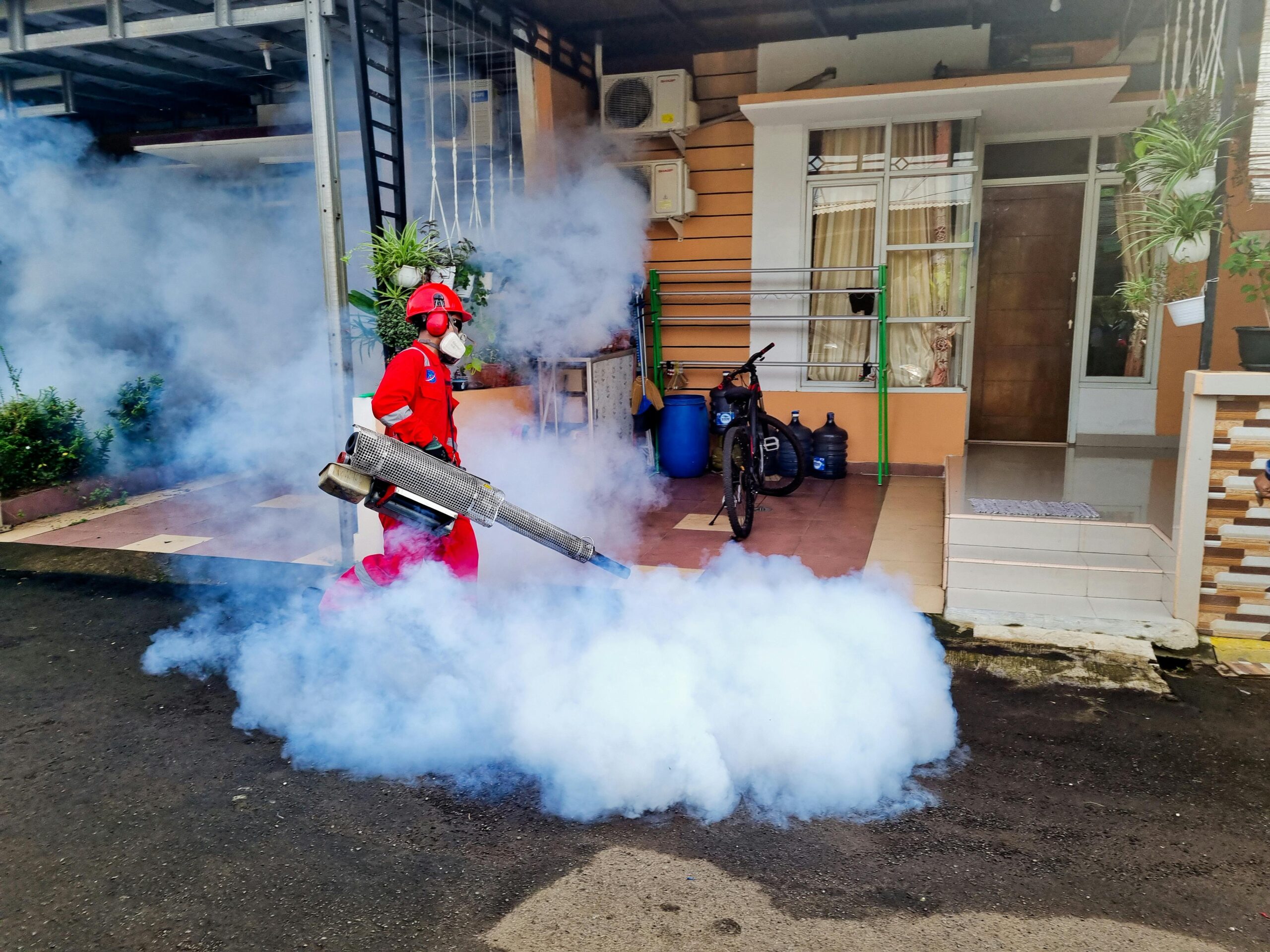
For larger infestations or structures with intricate framing, professionals often deploy thermal foggers or smoke machines. These devices heat a liquid insecticide to create a vapor that penetrates voids, wall cavities, and attics far beyond the reach of a spray bottle. The fog disperses evenly, coating surfaces at a molecular level and ensuring that millipedes lurking in hidden crevices are contacted and eliminated.

Benefits of professional application
Choosing a licensed technician brings three key advantages. First, they measure the proper dosage based on square footage, infestation level, and local regulations, preventing under‑ or over‑treatment. Second, they follow strict safety compliance protocols—using personal protective equipment, ensuring proper ventilation, and storing chemicals securely. Third, many companies, including Anthem Pest Control, offer a warranty that guarantees re‑treatment if millipedes return within a set period, giving homeowners peace of mind.
DIY options: what’s available
Homeowners who prefer a hands‑on approach can purchase over‑the‑counter sprays, pre‑filled foggers, or natural deterrents. Common choices include:
- OTC sprays: aerosol or pump‑spray formulas containing pyrethroids.
- Traps: sticky boards placed near entry points to monitor activity.
- Natural deterrents: diatomaceous earth sprinkled around foundations or cedar oil applied to cracks.
These solutions can provide temporary relief, especially for low‑level sightings, and are relatively inexpensive.
Risks of DIY misuse
While DIY products are accessible, improper use can backfire. Over‑application of chemical sprays may lead to residue buildup, causing health concerns for children, pets, and even the homeowner. Repeated low‑dose applications can also foster insecticide resistance, making future treatments less effective. Moreover, without proper protective gear, users risk skin irritation or respiratory issues. Finally, DIY methods typically lack the comprehensive follow‑up and warranty that professional services provide, leaving the infestation vulnerable to resurgence.
Why a professional touch often wins
In Woodstock, Georgia, the humid climate and wooded yards create an ideal environment for millipedes. A trained technician evaluates the property holistically—examining soil moisture, landscaping, and structural vulnerabilities—before selecting a tailored blend of perimeter drenches, interior sealants, and fogging. This strategic, data‑driven approach not only eradicates the current problem but also reduces the likelihood of future invasions, delivering a cost‑effective solution that DIY attempts rarely match.
Understanding Millipede Control Costs and Pricing Plans
When a millipede invasion creeps onto your porch or garden, the first question most homeowners ask is, “How much will it cost to get rid of them?” In Woodstock, Georgia, the price you pay depends on the type of service you choose, the size of your property, and the severity of the infestation. Below we break down the typical pricing, what’s included in each package, and how you can evaluate which option delivers the best value for your home.
Typical one‑time exterior treatment cost in Woodstock, GA
According to Anthem Pest Control and the industry‑wide data compiled by ProMatcher, a single exterior millipede treatment in the Woodstock area generally falls between $150 and $300. The range reflects variations in property size, the specific formulation used, and whether additional services—such as a follow‑up visit—are bundled into the quote.
What’s included in the price?
- Professional inspection: A certified technician surveys the perimeter, identifies entry points, and gauges infestation levels.
- Targeted treatment: Application of a low‑toxicity, EPA‑approved pesticide designed to eliminate millipedes while protecting pets and family members.
- Follow‑up visit: Most providers schedule a second check‑in within 2–4 weeks to confirm that the population is under control.
- Warranty or guarantee: Re‑treatment at no extra charge if millipedes return within the warranty period, typically 30–90 days.
Annual service plans: what you get
For homeowners who prefer a hands‑off approach, many pest companies—including Anthem Pest—offer annual service contracts. These plans usually include:
- Four scheduled exterior treatments (spring, summer, fall, winter) to stay ahead of seasonal spikes.
- Quarterly monitoring visits that spot early signs of re‑infestation before they become visible.
- Priority scheduling and direct line support, so you’re never stuck waiting for an emergency appointment.
- Extended warranty coverage that often stretches to 12 months, providing peace of mind year‑round.
Pricing infographic: one‑time vs. annual plans

The infographic above illustrates a typical scenario: a one‑time treatment at $250 versus an annual plan priced at $800. While the upfront cost of the plan is higher, the effective monthly expense drops to $66, representing a 30% overall savings compared to paying for three separate one‑time treatments over the same period.
Factors that can shift the price
- Property size: Larger yards or multi‑story homes require more product and longer labor time.
- Infestation severity: Heavy populations may need a stronger formulation or additional applications.
- Prep work required: Removing debris, trimming vegetation, or sealing cracks can add labor costs.
- Access challenges: Homes with steep slopes, extensive landscaping, or hard‑to‑reach zones often incur a travel surcharge.
How to get an accurate quote
To avoid surprises, follow these three steps when requesting a millipede control estimate:
- Ask for a free on‑site assessment. A qualified technician should walk your property, note problem areas, and explain the recommended treatment plan before any numbers are spoken.
- Inquire about guarantees. Confirm whether the price includes a warranty, how long it lasts, and what conditions trigger a complimentary re‑treatment.
- Request a detailed breakdown. Ask the provider to itemize inspection, product, labor, and any ancillary fees so you can compare offers side‑by‑side.
By understanding the components of a millipede control quote and weighing one‑time treatments against annual service plans, you’ll be equipped to choose the most cost‑effective solution for your Woodstock home. Remember, the cheapest upfront price isn’t always the best value—ongoing protection and reliable warranty coverage often save you money and hassle in the long run.
Choose Reliable Millipede Protection with Anthem Pest Control
Millipedes may seem harmless, but when they swarm in the spring and early summer they can create a slippery mess on walkways, invade basements, and even damage delicate garden plants. Because they thrive in the humid climate of Woodstock, Georgia, ignoring the problem until the insects are already inside your home often means a bigger, costlier cleanup later. A timely, professional treatment stops the infestation before it reaches that point.
Why professional treatment matters
DIY sprays and over‑the‑counter products rarely reach the hidden cracks and soil pockets where millipedes breed. Certified technicians use EPA‑approved formulations that penetrate deep into the soil, create a protective barrier, and remain effective throughout the peak season. In addition, a professional knows the exact timing—treating just before the rains and before the insects emerge—so you get maximum protection with minimal applications.
Anthem Pest Control’s local expertise
Anthem Pest Control has been serving Georgia homeowners for years, giving us a front‑row seat to the state’s unique pest cycles. Our technicians are trained specifically for the Southern climate, so they understand how moisture, temperature, and landscaping choices influence millipede activity. We pair that knowledge with certified, EPA‑approved products that are safe for children, pets, and the surrounding environment.
Transparent pricing and flexible plans
We believe you should know exactly what you’re paying for. That’s why Anthem offers clear, upfront pricing with no hidden fees. Every new customer receives a free, on‑site inspection where we assess your property, discuss risk factors, and recommend a treatment plan that fits your budget. Whether you need a one‑time barrier or an ongoing seasonal service, we can customize the schedule to match your home’s specific needs.
What to expect on the day of service
When our technician arrives, you’ll first see a brief walkthrough of your property. We’ll point out any millipede hotspots—such as mulch beds, foundation cracks, and damp crawl spaces—then apply a perimeter spray that creates a long‑lasting barrier. Inside the home, we target baseboard voids and vent openings where the insects may wander. After treatment, we leave a detailed report and schedule a follow‑up visit if needed, so you always know the status of your protection plan.
Ready to protect your home?
If you’re ready to safeguard your house before the next millipede surge, give us a call for a free, no‑obligation quote. Our friendly staff will answer any questions, walk you through the process, and set up an appointment that works with your calendar. Call us today at 877‑371‑8196 or click the link below to learn more about our services and request your inspection.