Why Mosquitoes Matter in Cumming, GA

Living in Cumming, Georgia, means enjoying warm evenings on the porch, weekend barbecues, and a lush, tree‑lined landscape. Yet, those same conditions also create an ideal breeding ground for mosquitoes, and the impact goes far beyond a few itchy bites.
Health threats that can’t be ignored
The Centers for Disease Control and Prevention (CDC) reports that Georgia consistently ranks among the top states for mosquito‑borne illnesses. From 2015‑2023, Georgia recorded:
- Over 1,200 cases of West Nile virus, the most common mosquito‑transmitted disease in the U.S.
- Approximately 150 confirmed cases of Eastern equine encephalitis (EEE), a rare but often fatal virus.
- Scattered Zika virus investigations, especially after travel-related introductions.
While most bites result in mild irritation, these pathogens can cause severe neurological damage, long‑term disability, or even death. For families with children, seniors, or immunocompromised members, the risk is amplified, making proactive mosquito control a health‑first priority.
Comfort and quality of life
Beyond disease, mosquitoes erode everyday comfort. A study by the EPA found that homeowners who experience frequent mosquito activity report a 30% decline in outdoor recreation time. That means fewer evenings on the deck, reduced enjoyment of backyard pools, and a higher likelihood of keeping windows closed—directly affecting sleep quality and indoor air circulation.
Property value can also take a hit. Real‑estate assessments in Fulton County show that homes in neighborhoods with documented mosquito complaints sell for up to 5% less than comparable properties without such issues. Buyers associate persistent pests with higher maintenance costs and potential health concerns.
Why Cumming is a mosquito hotspot
The local climate amplifies the problem:
- Warm temperatures—average highs of 85°F in summer keep mosquito life cycles rapid, with a generation completing in as little as 7‑10 days.
- Abundant standing water—storm‑driven rain, ornamental ponds, and even forgotten bird baths provide perfect larval habitats.
- Dense foliage—the canopy of oaks and pines offers shaded resting spots, protecting adult mosquitoes from wind and direct sunlight.
These factors combine to create a near‑year‑round breeding season, especially in the low‑lying, wooded pockets that characterize much of Cumming’s residential areas.
Local data underscores the urgency
According to the Georgia Department of Public Health, Cumming logged 2,300 mosquito‑related service requests in the past two years—a figure that outpaces neighboring towns by 40%. The EPA’s “Pesticide Use Reporting” database shows a corresponding rise in municipal larvicide applications, indicating that both residents and local agencies are already feeling the pressure.
The need for identification and timely treatment
Effective control starts with knowing which species are present. Aedes mosquitoes, for example, are aggressive daytime biters and primary vectors for Zika, while Culex species thrive at dusk and are the main carriers of West Nile virus. Identifying the culprit helps technicians choose the right larvicides, adulticides, and habitat‑reduction strategies.
Equally important is timing. Mosquitoes are most vulnerable during the early larval stage, before they emerge as flying adults. Prompt treatment—ideally within 48‑72 hours of a reported sighting—can interrupt the life cycle and prevent a small population from exploding into a full‑blown nuisance.
In short, mosquitoes in Cumming are more than a summer annoyance; they pose real health risks, diminish outdoor enjoyment, and can even affect property values. Recognizing the local climate drivers and leveraging timely, species‑specific interventions are the first steps toward reclaiming a comfortable, bite‑free home.
Spotting Mosquito Species and Early Warning Signs

Common Mosquito Species in Cumming
In the Cumming, GA area, three mosquito genera dominate the summer landscape: Aedes, Culex, and Anopheles. Aedes mosquitoes—often called “day biters”—are small, with bold white markings on their legs and a black-and-white patterned thorax. Culex species, the classic “night biters,” are larger, brownish, and lack the stark leg markings. Anopheles, the malaria‑vector in other parts of the world, are recognizable by their resting posture—leaning at a 45‑degree angle—and their spotted wings.
Visual Cues: Bite Patterns, Activity Times, and Breeding Spots
Understanding when and how mosquitoes bite helps you pinpoint the culprit. Aedes bites are most aggressive in the early morning and late afternoon, often leaving multiple small, itchy welts in a line or cluster. Culex prefers dusk and night, delivering a single, larger bite that may swell for a day. Anopheles tends to bite in the evening and is drawn to shaded, vegetated water.
Each species also favors distinct breeding habitats. Aedes love artificial containers—think flower pots, discarded tires, or birdbaths. Culex thrives in stagnant, organically rich water such as clogged gutters or leaky basements. Anopheles seeks clean, sun‑lit pools, often forming in rain‑filled depressions or low‑lying grassy areas.
Backyard Inspection Checklist
Conducting a quick, systematic walk‑through of your property can reveal hidden mosquito nurseries before they become a problem. Follow these steps:
- Scan for any standing water that has been present for more than 48 hours—this includes saucers under plant pots, pet water dishes, and old tires.
- Inspect gutters and downspouts; clear leaves, debris, and any blockages that create puddles.
- Check birdbaths, fountains, and decorative ponds; ensure they have proper circulation or are refreshed weekly.
- Look under decks, patios, and sheds for low‑lying spots that collect rainwater after a storm.
Early Warning Signs of a Growing Infestation
Even with a diligent inspection, mosquitoes can sneak in. Keep an eye out for these red flags:
- Increased bite frequency among family members, especially during the same time of day.
- Visible clusters of larvae (tiny, wiggling “wigglers”) in any standing water source.
- “Mosquito clouds” at dusk—dense, swirling groups that appear to hover near lights or vegetation.
- Sudden spikes in adult mosquito activity around outdoor seating areas, even when the weather is cool.
Take Action with EPA Guidance
Reducing mosquito habitats is the most effective first line of defense. The U.S. Environmental Protection Agency offers a comprehensive guide on eliminating breeding sites and minimizing exposure. For detailed steps, visit the EPA Mosquito Control page.
Proven Mosquito Control Methods for Homeowners
Integrated Mosquito Management
The Centers for Disease Control and Prevention (CDC) recommends an Integrated Mosquito Management (IMM) approach that tackles mosquitoes at every life stage. IMM blends four core tactics: source reduction, larvicides, adulticides, and barrier sprays. By coordinating these methods, homeowners can suppress populations while minimizing chemical use.
Source Reduction
Eliminating standing water is the cornerstone of any mosquito plan. Empty birdbaths, clean gutters, and cover rain barrels weekly. Even a shallow dish of water can become a breeding hotspot within 48 hours, so regular inspection is essential.
Larvicides and Adulticides
Larvicides, such as bacterial agents containing Bacillus thuringiensis israelensis (Bti), target mosquito larvae before they emerge. Adulticides, applied as barrier sprays, create a protective perimeter that kills flying adults on contact. Both products are EPA‑registered for residential use and are most effective when timed with peak mosquito activity.
Professional Treatments
Licensed technicians bring tools that homeowners typically can’t access. Perimeter fogging, misting systems, and Ultra‑Low Volume (ULV) applications deliver a fine mist that blankets your yard, reaching hidden resting spots without over‑spraying the home interior.
Perimeter Fogging, Misting Systems, and ULV
Perimeter fogging uses a cold‑temperature fog to drift low over grass and shrubs, killing adult mosquitoes on contact. Misting systems install permanent nozzles that release micro‑droplets on a schedule, providing continuous protection during peak season. ULV sprayers atomize chemicals into ultra‑fine particles, allowing for rapid coverage of large properties while reducing drift.
DIY Options
If you prefer a hands‑on approach, several DIY tools can keep numbers down, though they rarely replace professional services during heavy infestations.
Larvicide Dunks and Standing Water Elimination
Larvicide dunks are inexpensive, slow‑release tablets that you drop into ponds, rain barrels, or ornamental pools. They continuously release Bti for up to 30 days, preventing larvae from maturing. Pair these with diligent water removal, and you’ll cut the breeding cycle dramatically.
Natural Repellents and Their Limits
Essential‑oil sprays, citronella candles, and planting mosquito‑repelling herbs (like lavender or marigold) can deter adult mosquitoes in a small patio area. However, they offer only short‑term, localized relief and do not affect larvae or larger yard populations.
Safety Considerations
Both professional and DIY chemicals are regulated, but misuse can lead to skin irritation, respiratory issues, or harm to pets. Always read product labels, wear gloves and eye protection, and keep children away from treated zones until the spray dries.
EPA‑Approved Products and Protective Equipment
Choose products that carry the EPA’s “Approved for Residential Use” label. When applying sprays, use a NIOSH‑approved respirator if you’re working in enclosed spaces, and store all chemicals out of reach of children and animals.
When a Professional Is Needed
Even the most diligent DIY effort can fall short when mosquito pressure spikes. Call a licensed technician if you notice persistent swarms, breeding sites you can’t eliminate, or if your property exceeds ½ acre—situations where thorough perimeter fogging or a misting system becomes cost‑effective.
High‑Density Infestations and Large Properties
Neighborhood wetlands, nearby ponds, or dense tree canopies can produce massive mosquito populations that overwhelm DIY measures. Professionals can map hotspots, apply ULV treatments, and install permanent misting lines that cover acres, delivering consistent control that DIY products simply can’t match.
Persistent Breeding Sites and Complex Landscapes
If you’ve identified stubborn breeding sites—such as clogged storm drains or underground water pockets—a licensed technician has the tools to locate and treat these hidden sources safely. Their expertise ensures that chemicals are applied only where needed, preserving your family’s health while eradicating the problem at its source.
Pricing, Seasonal Timing, and Choosing the Right Plan
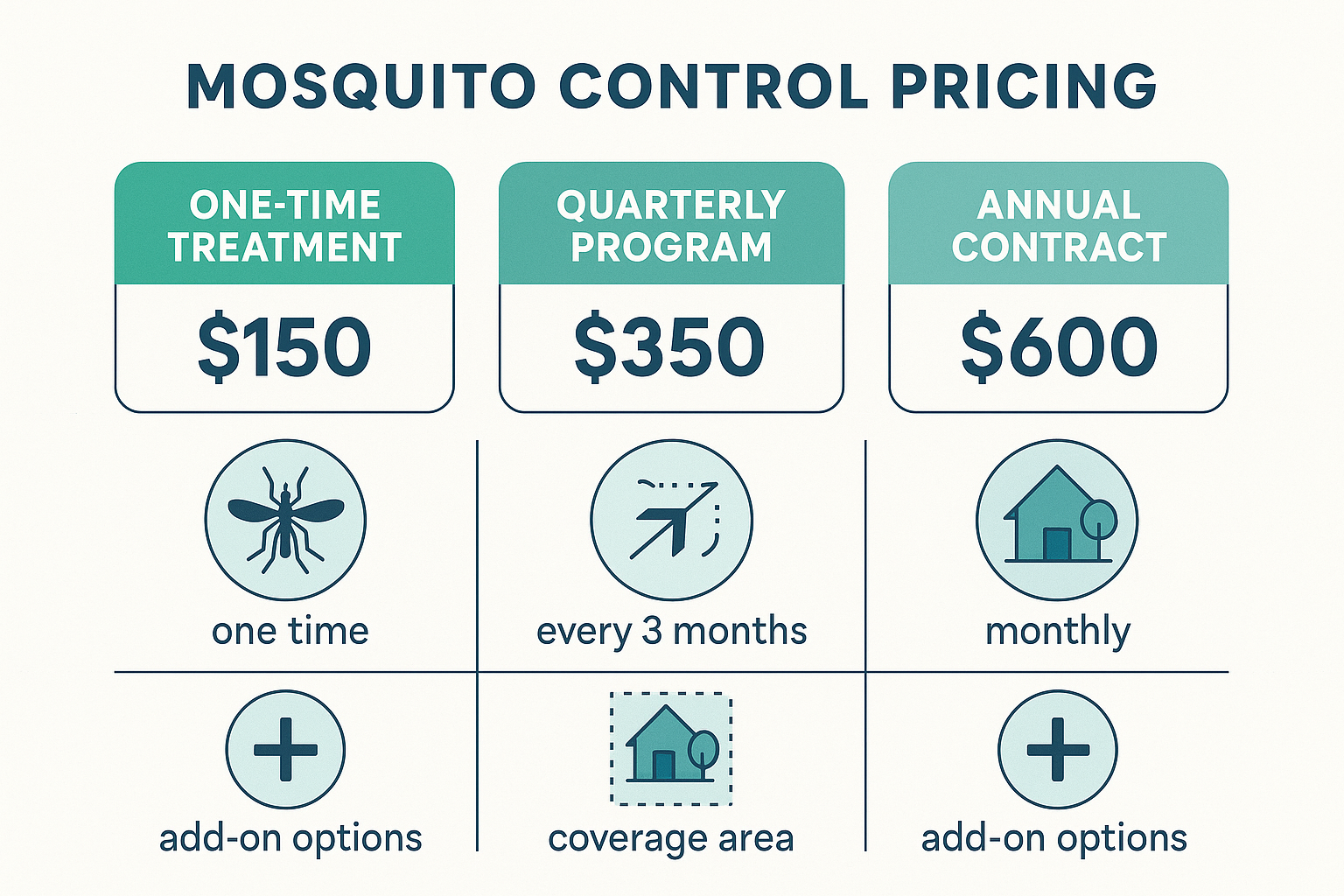
When it comes to mosquito control in Cumming, Georgia, the cost you see on a quote is often a reflection of the service frequency and the guarantees that come with it. Homeowners typically choose from three pricing structures: a one‑time treatment, a quarterly program, or an annual contract. Understanding how each tier is priced and what you actually get helps you avoid surprise fees and maximizes the protection you receive.
| Tier | Cost per Visit | Annual Cost (4 visits) | Typical Warranty |
|---|---|---|---|
| One‑time Treatment | $120 – $180 | — (single payment) | 30‑day efficacy guarantee |
| Quarterly Program | $95 – $130 | $380 – $520 | Season‑long protection, re‑treatment if needed |
| Annual Contract | $85 – $115 | $340 – $460 | Full‑season coverage with a 100 % satisfaction warranty |
The one‑time treatment is the simplest option: you pay a higher price per visit and receive a single application, usually in late spring. Its main advantage is flexibility—no long‑term commitment and a quick fix for an unexpected spike. The downside is that efficacy typically wanes after 30 days, especially if rain washes away the residual barrier, meaning you may need another appointment later in the season.
A quarterly program spreads the cost across four visits, aligning with the peak mosquito activity periods in Cumming. Because each application builds on the previous one, you enjoy a more consistent barrier that lasts through the summer. This tier often includes a mid‑season check‑in, allowing technicians to adjust the formulation based on actual field conditions. The trade‑off is a modest ongoing expense and the need to keep a schedule for each quarter.
The most economical choice for heavy‑use households is the annual contract. By locking in a lower per‑visit price, you receive the same four treatments plus a supplemental “early‑season” service in early May, which can pre‑empt the first wave of mosquito emergence. Annual contracts usually come with a comprehensive warranty—if mosquitoes remain a problem despite proper timing, the company will re‑treat at no extra charge. The only drawback is the upfront commitment; some homeowners hesitate to sign a year‑long agreement without first seeing results.
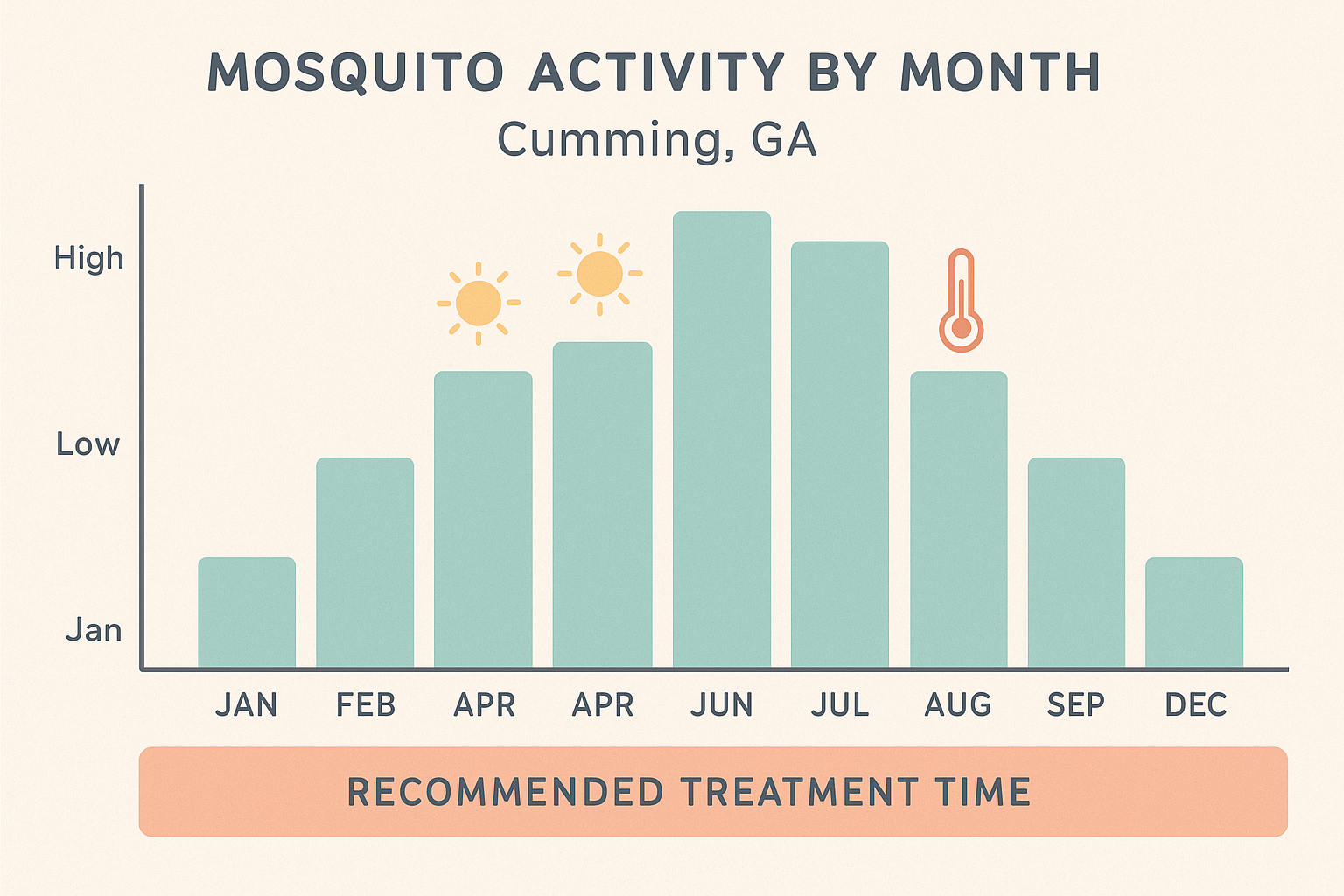
The infographic above visualizes Cumming’s mosquito lifecycle. Activity ramps up in late May, peaks sharply from June through August, and tapers off by early October. Targeting treatments just before the peak—mid‑May for the first application and again in early July—creates a protective “wall” that keeps adult populations below nuisance levels throughout the hottest months.
Weather is the hidden variable that can make or break a treatment schedule. Heavy rainfall within 48 hours of an application can dilute the residual insecticide, shortening its effectiveness. Conversely, a stretch of warm, humid days (70‑85 °F with nightly dew) accelerates mosquito breeding, meaning you may want to add a “boost” treatment in late July if forecasts predict a wet spell. Your pest‑control provider should monitor local radar and adjust the calendar accordingly.
Budget‑savvy homeowners can stretch their dollars by bundling services. Adding tick or fire‑ant control to the same visit often reduces the per‑service fee by 10‑15 %. Many companies, including Anthem Pest Control, also offer off‑season discounts for scheduling the first treatment in early May, when demand is lower. If cash flow is a concern, ask about financing options—a low‑interest plan spread over 12 months can turn a $460 annual contract into a manageable $38‑month payment.
To pick the right plan, start by estimating your peak‑season exposure. If you host outdoor gatherings every weekend from June to August, the annual contract’s full‑season warranty offers peace of mind. If you only need occasional relief, a quarterly program balances cost and coverage. And if you’re testing the waters, a single treatment in May gives you a real‑world feel for the product’s performance before you commit to a longer‑term agreement.
Take Action with Anthem Pest Control
Mosquitoes aren’t just a summer nuisance—they’re a health risk and a constant source of irritation for you, your family, and your pets. If you’ve noticed an increase in bites, heard the familiar high‑pitched whine at dusk, or spotted stagnant water that serves as a breeding ground, you already know a problem exists. The most effective way to keep those winged pests at bay combines early detection with targeted treatments such as larvicides, adulticide fogging, and barrier sprays. By addressing the issue now, you prevent a small outbreak from turning into a full‑blown invasion that could ruin evenings on your patio and force you to retreat indoors.
Why Anthem Pest Control Is Your Best Partner
- Licensed, locally trained technicians: Every Anthem professional holds state‑issued licenses and completes ongoing training that focuses on the unique mosquito patterns of Cumming, Georgia. They know which species are most active, when they breed, and how weather trends influence their behavior.
- EPA‑approved products: We use only chemicals that have passed rigorous environmental and safety reviews. Our formulations target adult mosquitoes while minimizing impact on beneficial insects, pets, and children.
- Transparent pricing: No hidden fees or surprise add‑ons. You’ll receive a clear, itemized estimate before any work begins, so you can budget confidently.
- Local knowledge: Cumming’s mix of wetlands, residential lawns, and wooded areas creates a perfect mosquito habitat. Our technicians map these micro‑environments and tailor treatments to the exact spots where mosquitoes thrive.
Our Service Guarantees Give You Peace of Mind
We stand behind every job with a satisfaction guarantee. If you notice mosquito activity persisting after the initial treatment, we’ll return at no extra cost to re‑apply the appropriate solution. In addition, our seasonal monitoring program keeps your property under regular surveillance throughout the peak months, adjusting treatments as weather conditions shift. This proactive approach means you won’t have to wait for a bite to discover a problem again.
Ready for a Bite‑Free Backyard? Let’s Make It Easy
Scheduling a free, no‑obligation on‑site assessment takes just a few minutes. Our friendly representatives will set up a convenient time, and our certified technician will walk your property, point out potential breeding sites, and recommend a customized plan that fits your budget. We also offer flexible payment options—including monthly installments and seasonal packages—so you can protect your home without breaking the bank. Rest assured, there’s no high‑pressure sales pitch; we simply provide the information you need to decide what’s best for your family.
Take the next step toward a bite‑free backyard. Call Anthem Pest Control today at 877‑371‑8196 for a free, no‑obligation quote. Our certified technicians will assess your property, recommend the right treatment plan, and keep your home comfortable all season long.
Visit Anthem Pest Control to learn more about our mosquito‑control services, read customer testimonials, and schedule your assessment online.