Understanding Mosquito Threats in Holly Springs, GA

What species are we dealing with?
In north‑central Georgia, two genera dominate the summer skies: Aedes and Culex. Aedes mosquitoes are the aggressive daytime biters you’ll notice buzzing around patios, while Culex prefers dusk and night, often nesting near shaded water sources. Both thrive in the warm, humid conditions that characterize Holly Springs, and each can carry a different set of pathogens, making identification more than a curiosity—it’s a safety issue.
Health risks you can’t ignore
The EPA warns that local mosquito populations are capable of transmitting several serious illnesses, including West Nile virus, Eastern equine encephalitis, and, in rare cases, Zika or dengue fever. A single bite from an infected mosquito can lead to flu‑like symptoms, and in extreme cases, neurological complications that require hospitalization. For the most up‑to‑date guidance, see the EPA’s mosquito‑control resource page. Knowing the stakes helps homeowners prioritize proactive measures before a bite turns into a medical emergency.
Why Holly Springs is a mosquito haven
The region’s climate is essentially a mosquito‑friendly thermostat: average summer highs hover around 90 °F, humidity often exceeds 70 %, and rain showers are frequent. Combine that with the many low‑lying fields, ornamental ponds, and the countless rain‑filled buckets, flower pots, and birdbaths that dot suburban yards, and you have the perfect breeding ground. Female mosquitoes lay their eggs on the surface of stagnant water, and within days those eggs hatch into larvae that thrive in the same soggy environment.
How to spot an infestation early
Early detection saves money and reduces the risk of disease. Look for these tell‑tale signs:
- A persistent, high‑pitched buzzing that seems to follow you from room to room.
- Unexplained bite clusters, especially around ankles, wrists, and the neck.
- Visible larvae or “wigglers” in any container holding water for more than 24 hours.
- Adult mosquitoes resting on walls, under eaves, or in the shade of trees during daylight.
If you notice two or more of these symptoms, it’s time to call a professional before the population explodes.
Beyond bites: impact on lifestyle and property
Mosquitoes do more than irritate; they can ruin your outdoor plans. A backyard barbecue, evening swim, or simple stroll on the porch becomes a battlefield when swarms hover overhead. Over time, a yard known for heavy mosquito activity can lower curb appeal, making it harder to sell a home or attract guests. Studies show that neighborhoods with effective mosquito management see higher property values and greater resident satisfaction. In short, controlling mosquitoes protects both your health and your investment.
Seasonal Mosquito Activity in Holly Springs
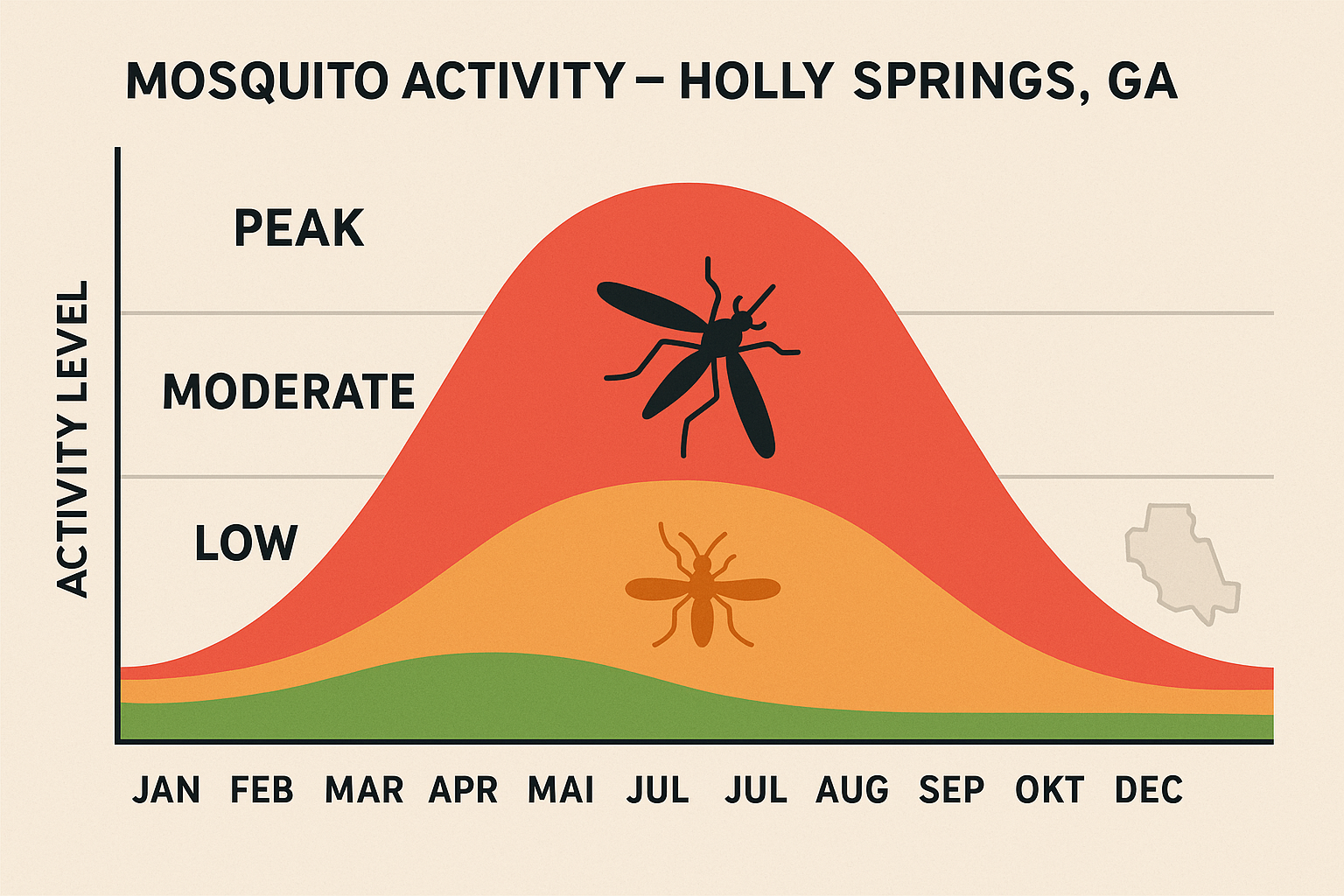
Understanding when mosquitoes are most active lets you schedule treatments before the bites start. The chart above breaks the year into three distinct phases for Holly Springs, Georgia: a high‑risk summer window, a shoulder‑season of moderate activity, and a quiet winter stretch.
Peak Months – June through August
During June, July, and August, mosquito counts skyrocket. Warm daytime temperatures (above 80°F) and frequent afternoon thunderstorms create perfect breeding conditions. Standing water left from rain or irrigation becomes a nursery for larvae, while longer daylight hours give adults more time to feed. Homeowners typically see a sharp rise in bite complaints and a corresponding spike in disease‑vector concerns, such as West Nile virus.
Moderate Periods – April‑May and September‑October
Spring’s April‑May window and fall’s September‑October stretch are transitional. Temperatures hover in the mid‑70s, and rainfall is still common enough to produce temporary puddles, but the overall humidity is lower than midsummer. Mosquito activity is noticeable but not overwhelming. This is an ideal time to apply a “maintenance” treatment that keeps populations from building up before the next peak.
Low Activity – November through March
From November to March, cooler nights (often below 55°F) and reduced daylight dramatically slow mosquito metabolism. Even if a rainstorm creates standing water, the larvae develop far more slowly, and many adult species enter a dormant state or migrate elsewhere. Bites become rare, and homeowners can safely defer major interventions until early spring.
What Drives These Trends?
- Temperature: Mosquitoes are ectothermic; their life cycle speeds up as temperatures rise.
- Rainfall: Every inch of rain can generate dozens of new breeding sites, especially in lawns, gutters, and birdbaths.
- Daylight Length: Longer days extend feeding periods, giving females more opportunities to reproduce.
Optimal Windows for Pre‑emptive Treatments
The smartest strategy is to act before the peak. A first treatment in early April, just as temperatures consistently break 65°F, targets emerging larvae before they mature. A follow‑up in late August, after the main summer surge begins to wane, knocks down any late‑season survivors and prevents a carry‑over into the cooler months. These two windows—early spring and late summer—provide the most cost‑effective protection, reducing the need for additional applications later in the year.
By aligning your mosquito control plan with Holly Springs’ natural activity cycle, you’ll enjoy fewer bites, lower disease risk, and a more predictable service schedule. When you’re ready to lock in those optimal treatment dates, Anthem Pest Control’s local technicians can tailor a program that matches the seasonal patterns shown above.
Professional Mosquito Control Methods and How They Work
Barrier Spray Applications
Barrier sprays are the workhorse of professional mosquito control. Technicians apply a thin, uniform layer of EPA‑approved insecticide to all outdoor surfaces where adult mosquitoes rest—grass, shrubs, decks, and even the underside of eaves. The most common active ingredients include permethrin, bifenthrin, and the newer neonicotinoid formulations. These chemicals create a “kill zone” that remains effective for 30‑45 days, depending on weather and foot traffic.
Because the spray is calibrated to cover roughly 1,000 sq ft per gallon, a single technician can treat an average ¼‑acre yard in under an hour. Homeowners benefit from the predictable re‑treatment schedule—usually once a month during peak mosquito season—so there’s never a surprise gap in protection.
Misting and Fogging Systems
When a property demands rapid knock‑down of a heavy mosquito population, misting or fogging is the go‑to solution. There are two distinct approaches:
- Continuous low‑dose misting: A permanent or semi‑permanent system releases a fine aerosol of insecticide every few hours. The dosage is low enough to be safe for pets and children, yet it maintains a constant barrier that prevents new adults from establishing a foothold.
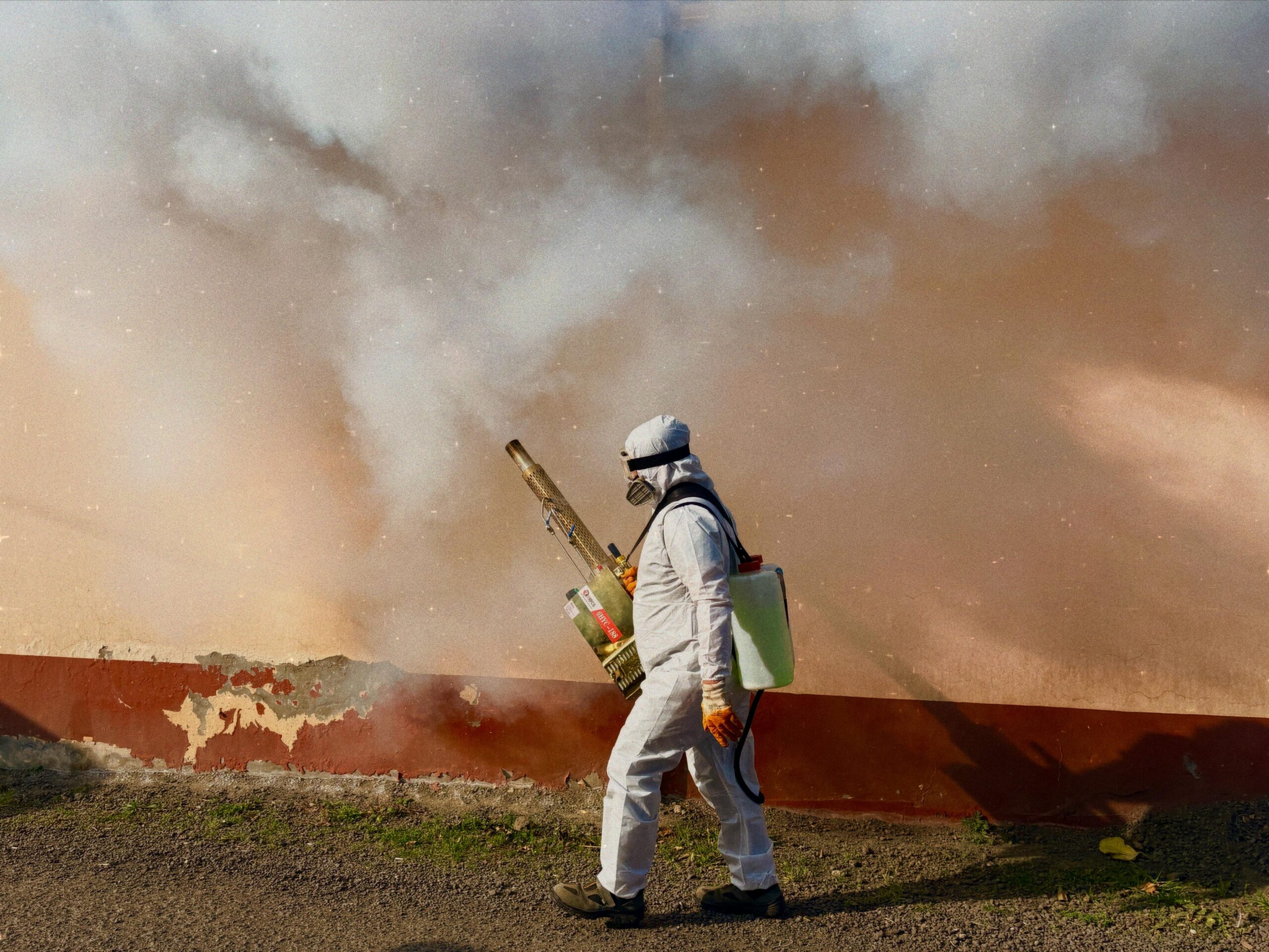
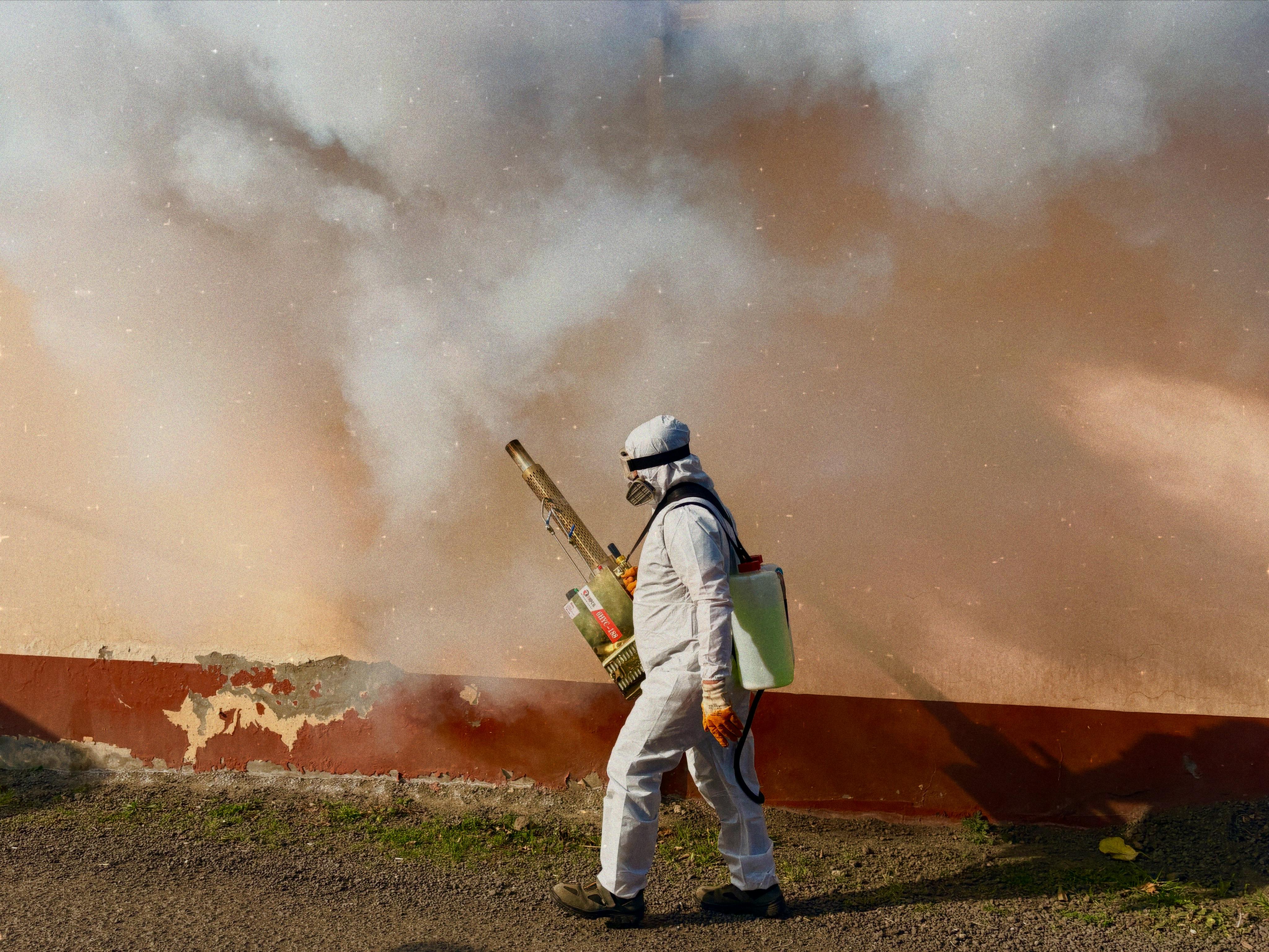
- Short‑term high‑dose fogging: For emergency situations—like a sudden surge after a rainstorm—technicians use a fogger that disperses a dense cloud of insecticide. The high concentration kills mosquitoes on contact, providing immediate relief. The fog dissipates within minutes, and re‑application is scheduled after the fog’s residual effect wanes.
Both methods are calibrated with professional equipment to ensure the exact amount of product is delivered, minimizing waste and environmental impact.
Larviciding in Standing Water
Adult mosquitoes are only half the story; the real breeding grounds are the stagnant pools that dot many yards. Licensed technicians locate these hotspots—birdbaths, clogged gutters, rain barrels, and even forgotten plant saucers—and apply a larvicide such as methoprene or Bti (Bacillus thuringiensis israelensis). These agents target mosquito eggs and larvae before they mature, breaking the life cycle at its source.
Larvicides are water‑soluble and break down naturally, so they pose no risk to fish, pets, or humans when used according to label directions. By treating breeding sites early in the season, homeowners often see a dramatic drop in adult mosquito activity later on.
Outdoor Perimeter vs. Indoor Residual Sprays
While most mosquito activity occurs outdoors, some species will seek shelter inside homes, especially when temperatures dip. Professionals address both realms:
- Outdoor perimeter treatments: Sprays are applied around the house’s foundation, on patios, and along fence lines to create a protective moat that stops mosquitoes before they reach doors and windows.
- Indoor residual sprays: In severe cases, technicians use a low‑toxicity residual spray on interior walls, ceiling corners, and behind baseboards where adult mosquitoes may rest. The formulation is specially designed for indoor air quality, ensuring safe breathing environments for occupants.
Safety Protocols Used by Licensed Technicians
Anthem Pest Control’s technicians follow strict safety guidelines to protect families, pets, and the environment:
- Full protective gear—including gloves, goggles, and respirators—during application.
- Only EPA‑approved products with proven low toxicity to non‑target organisms.
- Pre‑treatment walkthroughs to identify sensitive areas (e.g., children’s play zones, pet feeding stations) and adjust application techniques accordingly.
- Post‑treatment notices and clear instructions on when it’s safe to re‑enter treated zones.
Why Professional Service Beats DIY
Homeowners often wonder if a store‑bought aerosol or backyard fogger can replace a professional. The reality is that licensed pros bring three critical advantages:
- Consistent coverage: Professionals use calibrated equipment that guarantees the correct dosage across every square foot, something a handheld spray can’t achieve.
- Expert identification: Trained technicians can differentiate mosquito species, recognize breeding hotspots, and tailor the treatment plan to local conditions—something a generic DIY kit can’t provide.
- Warranty guarantees: Anthem Pest backs each treatment with a satisfaction guarantee and a clear re‑treatment policy, giving homeowners peace of mind that a DIY approach simply cannot match.
Choosing a professional service means you get a science‑backed, legally compliant, and results‑driven solution that protects your family year after year.
Mosquito Control Pricing Options and DIY Alternatives
Understanding the Pricing Infographic
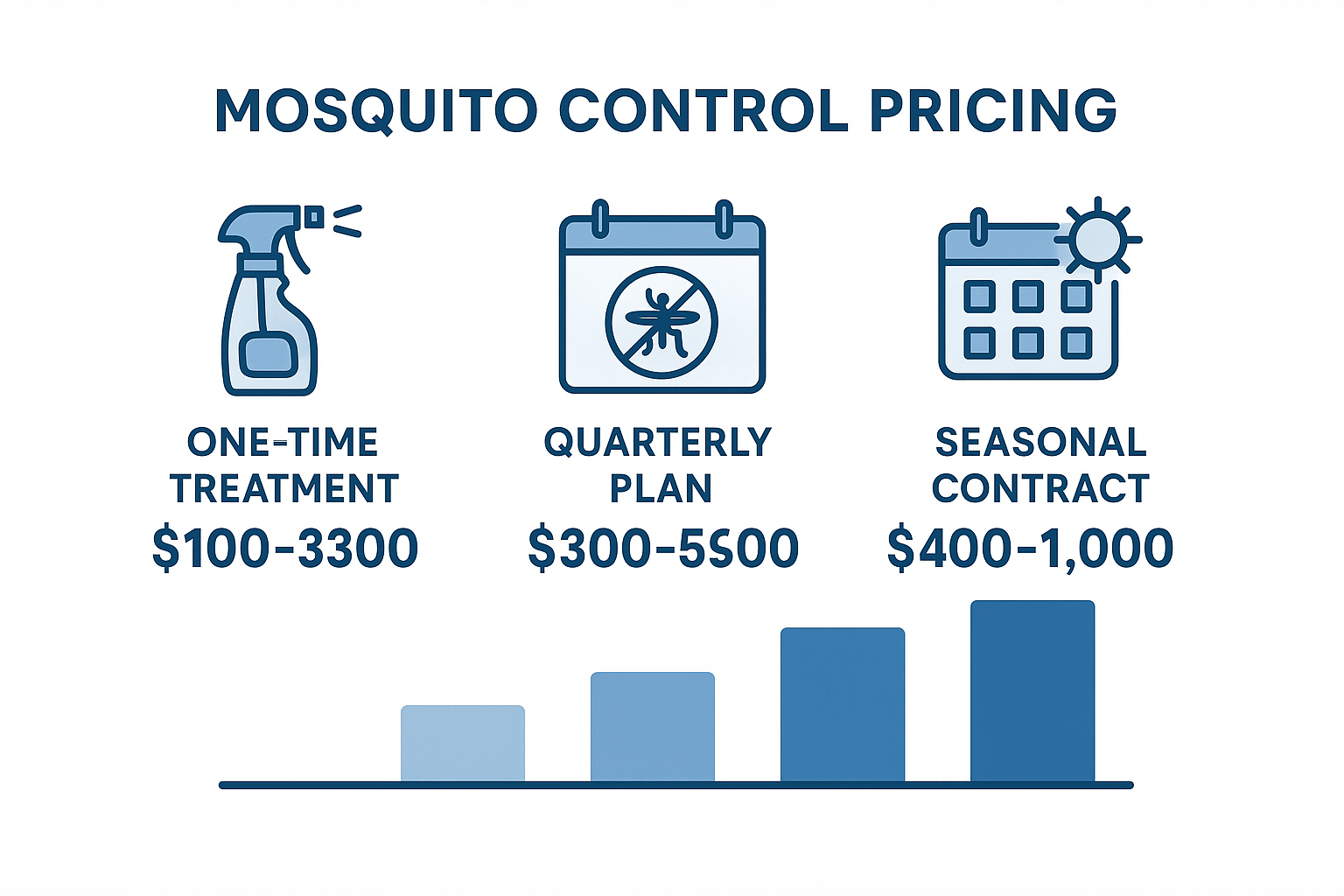
The infographic breaks the services into three clear tiers: a one‑time treatment, a quarterly maintenance plan, and a full seasonal contract. Each tier is designed to match a homeowner’s budget and the level of protection they need throughout the mosquito season. By visualizing the price bands and what’s included, you can quickly see which option aligns with your yard’s size, local mosquito pressure, and personal preferences.
One‑Time Treatment
Typical costs range from $120 to $180 per application. This option is ideal for homeowners who need an immediate knock‑down after a weekend gathering or before a vacation. The service usually includes an initial inspection, a single perimeter spray, and a 30‑day re‑treatment guarantee if mosquitoes return. Because there’s no ongoing commitment, you pay only for the day’s work, but you’ll need to repeat the service each year if the problem persists.
Quarterly Maintenance Plan
Quarterly plans fall between $90 and $130 per visit, billed every three months. In addition to the initial inspection, you receive three follow‑up visits that target breeding hotspots, apply larvicides to standing water, and refresh adulticide barriers. Most providers also include a written report after each visit, outlining what was treated and any recommendations for yard improvements. The recurring nature of the plan helps keep mosquito populations suppressed throughout the peak months.
Seasonal Contract
For the most comprehensive coverage, a seasonal contract costs $350 to $450 for the entire mosquito season (typically March through October). This package bundles the initial inspection, monthly treatments, unlimited re‑treatments if counts rise, and a final debrief on prevention steps. Homeowners who choose this tier enjoy the peace of mind of a “set‑and‑forget” approach, with the provider handling all scheduling and follow‑up work.
DIY Alternatives and Their Costs
- Citronella candles: $10–$20 per pack; modest effectiveness limited to a 5‑foot radius.
- Portable mosquito traps (e.g., CO₂ or UV traps): $30–$80 each; can reduce local numbers but require regular maintenance.
- Larvicide granules (Bti): $15–$25 per 5‑lb bag; effective in stagnant water when applied correctly.
- DIY spray kits: $25–$40 per bottle; short‑term relief but may need reapplication every few days.
Cost‑Benefit Analysis: Professional vs. DIY
While the upfront price of a professional plan may seem higher, the long‑term savings become clear when you add up recurring DIY purchases. For example, buying two $30 traps, a $20 candle pack, and a $25 larvicide bag each season totals roughly $105—still less than a quarterly plan, but you lose the expertise, guaranteed re‑treatments, and comprehensive yard coverage a licensed technician provides. Over three years, a seasonal contract ($1,200 total at $400 per year) can prevent hundreds of dollars in repeated DIY product purchases and the hidden cost of mosquito‑related outdoor downtime.
Tips for Evaluating Quotes and Ensuring Transparent Pricing
- Ask for a detailed breakdown: inspection fee, product costs, labor, and any guarantees.
- Verify that the quote includes all necessary follow‑up visits and re‑treatment clauses.
- Check for hidden fees such as travel surcharges or equipment rentals.
- Compare at least three local providers to gauge the market range.
- Read reviews specifically about mosquito control to confirm effectiveness.
Protect Your Home with Anthem Pest Control Today
Mosquitoes multiply quickly when the weather warms, and every bite brings the risk of disease and relentless itching. In Holly Springs, a proactive approach—treating your yard before the population spikes—keeps your family safe and preserves those evening barbecues you love.
Anthem Pest Control combines deep local knowledge with EPA‑approved products that target mosquitoes at every life stage. Our technicians know the neighborhoods, drainage patterns, and breeding hotspots unique to Holly Springs, allowing us to apply the right formulation in the right place. Transparent pricing tiers—standard, premium, and ultra‑protect—let you see exactly what you’re paying for, with no hidden fees.
Why Holly Springs Homeowners Choose Anthem
- Local expertise: Technicians trained on the specific mosquito habitats of Holly Springs.
- EPA‑approved formulas: Proven to reduce adult mosquitoes by up to 95% after a single treatment.
- Transparent pricing: Clear tiered plans—Standard ($99), Premium ($149), Ultra‑Protect ($199)—with no surprise fees.
- Family‑friendly application: Low‑odor, low‑residue sprays safe for children and pets.
- Satisfaction guarantee: Free re‑treatment if activity persists within 30 days.
Safety is our top priority. We use low‑impact application methods that protect children, pets, and beneficial insects while still delivering a lethal blow to adult mosquitoes and larvae. Every service comes with a satisfaction guarantee: if you notice lingering activity within 30 days, we’ll re‑treat at no extra cost.
Ready to see the difference? Request a free, no‑obligation quote today. Call us at 877‑371‑8196 or fill out the short form on our website, and a certified specialist will schedule a site‑specific assessment within 48 hours.
Imagine stepping onto your porch at sunset without the buzz of wings or the worry of bites. With Anthem’s proven program, you can reclaim your yard for family games, garden parties, and quiet evenings under the stars—without compromising health or budget.
Take the first step toward a mosquito‑free summer. Visit Anthem Pest Control now to start protecting your home.