Why Mosquitoes Are a Growing Threat to Homeowners
Mosquito control cost Sugar Hill homeowners pay often reflects more than just comfort—mosquitoes are vectors for serious illnesses such as West Nile virus, Zika, and dengue fever. Each year, these diseases cause thousands of hospitalizations across the United States, and while many cases are mild, severe complications can lead to long-term health problems or even death. For homeowners in Sugar Hill, the possibility of disease-carrying mosquitoes in the backyard can turn a simple evening outdoors into a real health-risk calculation.
The Environmental Protection Agency (EPA) estimates that the average American household experiences 30 to 40 mosquito bites per person each summer, translating to roughly 300–400 bites per household annually. Multiply that by the 30 million households in the nation, and the scale of exposure becomes staggering. Those numbers aren’t just statistics—they reflect the frequency with which families are bitten, potentially exposing them to disease‑carrying insects.
Three major forces are amplifying this problem. First, climate change is extending the mosquito season, with warmer temperatures allowing larvae to develop faster and survive longer. Second, urban sprawl creates a patchwork of lawns, construction sites, and neglected lots where water can collect unnoticed. Finally, standing water—from birdbaths, clogged gutters, or even a forgotten rain barrel—provides the perfect breeding ground for mosquitoes to lay hundreds of eggs each week. Together, these factors turn once‑manageable neighborhoods into ideal mosquito habitats.
The impact goes beyond the bite. Homeowners often sacrifice outdoor gatherings, barbecues, and playtime to avoid swarms, eroding the quality of life that a well‑maintained yard promises. On the financial side, an infestation can trigger medical expenses ranging from over‑the‑counter antihistamines to emergency care for disease complications. Indirect costs include lost productivity, higher utility bills from running fans or air conditioners, and the price of professional mosquito‑control services.
- Lost enjoyment: Fewer evenings spent on patios or in gardens.
- Medical bills: Treatment for allergic reactions or disease‑related care.
- Home‑value concerns: Persistent mosquito problems can deter potential buyers.
- Additional expenses: Purchasing repellents, installing fans, or hiring pest‑control professionals.
Understanding why mosquitoes are thriving is the first step toward reclaiming your outdoor space. The next section will walk you through practical, home‑based prevention measures that can break the breeding cycle before it starts.
Common Mosquito Breeding Sites Around Your Home
Understanding why mosquitoes thrive around your house starts with their life cycle. After a female lands on a water surface, she deposits hundreds of eggs that hatch into larvae within 24–48 hours. Those larvae need still, shallow water to breathe and feed before they transform into biting adults. Anything that holds water for more than 24 hours can become a nursery, so eliminating stagnant reservoirs is the single most effective prevention step.
Top Breeding Hotspots to Inspect
- Birdbaths – Open basins collect rain and evaporate slowly, creating perfect larval habitats.
- Kiddie pools – Even a half‑filled inflatable pool can support dozens of larvae.
- Clogged gutters – Leaves and debris trap water, turning your roofline into a hidden pond.
- Pet water dishes – Bowls that aren’t refreshed daily become stagnant.
- Rain barrels – Unless fitted with a tight‑fit screen, they hold water for weeks.
- Over‑watered garden beds – Saucer trays, mulch, and compacted soil retain moisture.
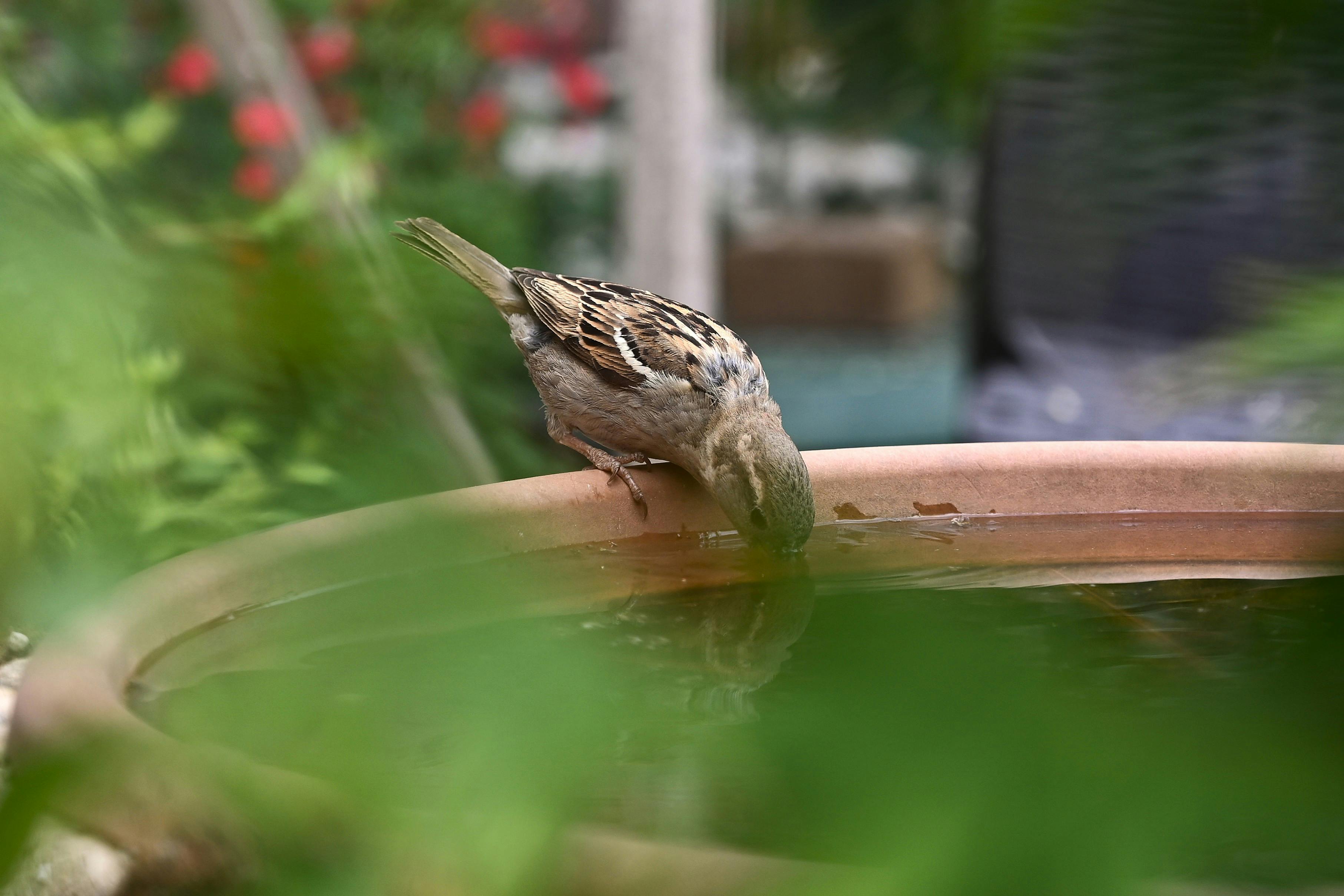
Weekly “Inspect‑and‑Drain” Checklist
- Check every outdoor container (birdbaths, pet dishes, plant saucers) for standing water; empty or refill with fresh water.
- Flip or clean out any unused tires, buckets, or soda cans; store them upside‑down.
- Scrub gutters and downspouts; ensure water flows freely.
- Drain kiddie pools and cover them when not in use.
- Inspect rain barrels for cracks and install a fine mesh screen.
- Remove excess mulch or loosen compacted soil to improve drainage.
Low‑Cost Removal Tips
Eliminating breeding sites doesn’t require a professional service every week. Simple, budget‑friendly tweaks can make a big difference:
- Add a splash plate or floating disc to birdbaths; the movement discourages females from laying eggs.
- Place a thin layer of sand in plant saucers; sand absorbs excess water and dries quickly.
- Use a drain plug in rain barrels when they’re full, then release water slowly after heavy rain.
- Line pet dishes with a disposable paper towel; replace it daily to keep the surface dry.
Don’t Overlook Tiny Containers
Even the smallest objects can become prolific breeding grounds. Old tires, discarded soda cans, flower pot saucers, and even clogged bird feeder trays hold enough water for a full mosquito life cycle. Keep a spare trash bag handy to collect and discard any forgotten items each weekend.
For a comprehensive, EPA‑endorsed set of best‑practice guidelines, visit the U.S. Environmental Protection Agency’s mosquito control page. Following these simple inspections and removal strategies can dramatically cut the chance of a summer swarm, letting you enjoy your Sugar Hill yard without the buzz.
Effective Mosquito Control Methods for Your Yard

Three Primary Control Categories
Professional mosquito management typically falls into three buckets: source reduction, larviciding, and adulticide treatments. Source reduction means removing or altering anything that can hold water long enough for mosquito larvae to develop. Larviciding targets the immature stages that remain in water you can’t eliminate, while adulticide treatments focus on the flying insects that bite you around the perimeter of your home.
Perimeter Misting (Fogging)
Perimeter misting is one of the most effective options influencing mosquito control cost Sugar Hill homeowners consider when protecting their yards. This method creates a protective barrier by releasing a fine aerosol of EPA-approved insecticides—most commonly pyrethroids such as bifenthrin or permethrin—around the perimeter of the property. The droplets settle on grass, shrubs, and hardscape surfaces, forming a residual layer that kills mosquitoes on contact for up to three weeks. Because these products are low-toxicity to mammals when applied correctly, perimeter misting is a popular choice for homeowners who want immediate relief without treating every puddle individually.
Larvicide Granules and Dunks
When standing water can’t be drained—think birdbaths, ornamental ponds, or rain barrels—larvicide granules or “dunks” are the go‑to solution. These products contain bacterial agents like Bacillus thuringiensis israelensis (Bti) that specifically target mosquito larvae while leaving fish, plants, and beneficial insects unharmed. Granules are broadcast over larger wet areas, whereas dunks are placed directly in water containers and release the toxin slowly over several weeks.
Encouraging Natural Predators
Nature already provides effective mosquito hunters. Bats, dragonflies, and certain beetles consume large numbers of adult mosquitoes and larvae. Installing bat houses, providing shallow water features with native plants, and avoiding broad‑spectrum insecticides help create a backyard ecosystem where these predators thrive. A modest investment in habitat can reduce mosquito pressure year after year.
DIY Options vs. Professional Services
Many homeowners turn to citronella candles, essential‑oil diffusers, or homemade traps as a quick fix. While these methods can make a small patio feel less itchy, they rarely affect the broader mosquito population in a yard. Professional services, on the other hand, combine perimeter misting, targeted larviciding, and ongoing monitoring to achieve consistent control.
| Method | Typical Efficacy | Cost (per treatment) | Maintenance Frequency |
|---|---|---|---|
| Citronella candles / traps | Low – limited to immediate vicinity | $5‑$20 | Replace weekly |
| Larvicide granules (DIY) | Medium – works only in treated water | $15‑$30 per container | Reapply every 4‑6 weeks |
| Professional perimeter misting | High – treats entire yard | $120‑$250 per visit | Every 2‑3 weeks during season |
| Full-service plan (misting + larviciding) | Very high – comprehensive coverage | $300‑$500 seasonally | Season‑long monitoring |
Safety Considerations
Whether you choose a DIY product or a professional program, always verify that the formulation is EPA‑approved and labeled as child‑ and pet‑friendly. Read the label for re‑entry intervals, and keep pets and children off treated surfaces until the product dries. Professional technicians, such as those at Anthem Pest Control, are EPA‑certified, follow Georgia state regulations, and use formulations that meet strict safety standards.
Choosing the Right Approach for Your Property
Start by assessing your yard: are there many permanent water features? Is your property heavily shaded or open? If source reduction can eliminate most breeding sites, a simple larvicide program may suffice. For larger properties with multiple habitats, a combined perimeter misting and larviciding schedule—delivered by EPA‑certified technicians—offers the most reliable protection. Remember, the goal isn’t just to kill a few mosquitoes; it’s to break the life cycle before the next generation can bite you.
Choosing the Right Mosquito Control Plan – Pricing Comparison
Most homeowners in Sugar Hill find that a tiered service model makes it easy to line up protection with their budget. Anthem Pest Control offers three standard plans—Basic, Standard, and Premium—each designed to cover a different level of exposure and peace of mind.
What’s inside each tier?
- Basic: One treatment per month during peak season (May‑September). Uses a standard larvicide and adulticide spray. Includes a 30‑day warranty on each visit.
- Standard: Bi‑weekly visits in peak months plus a single off‑season “boost” in early spring. Adds a residual barrier product that lasts up to 60 days and covers bird‑bath and pond water treatment.
- Premium: Weekly visits throughout the entire mosquito season, plus a pre‑season “shield” application in April. Features the newest EPA‑approved bio‑insecticide, a comprehensive warranty, and optional add‑ons such as patio‑zone fogging and standing‑water monitoring.
Visual pricing guide
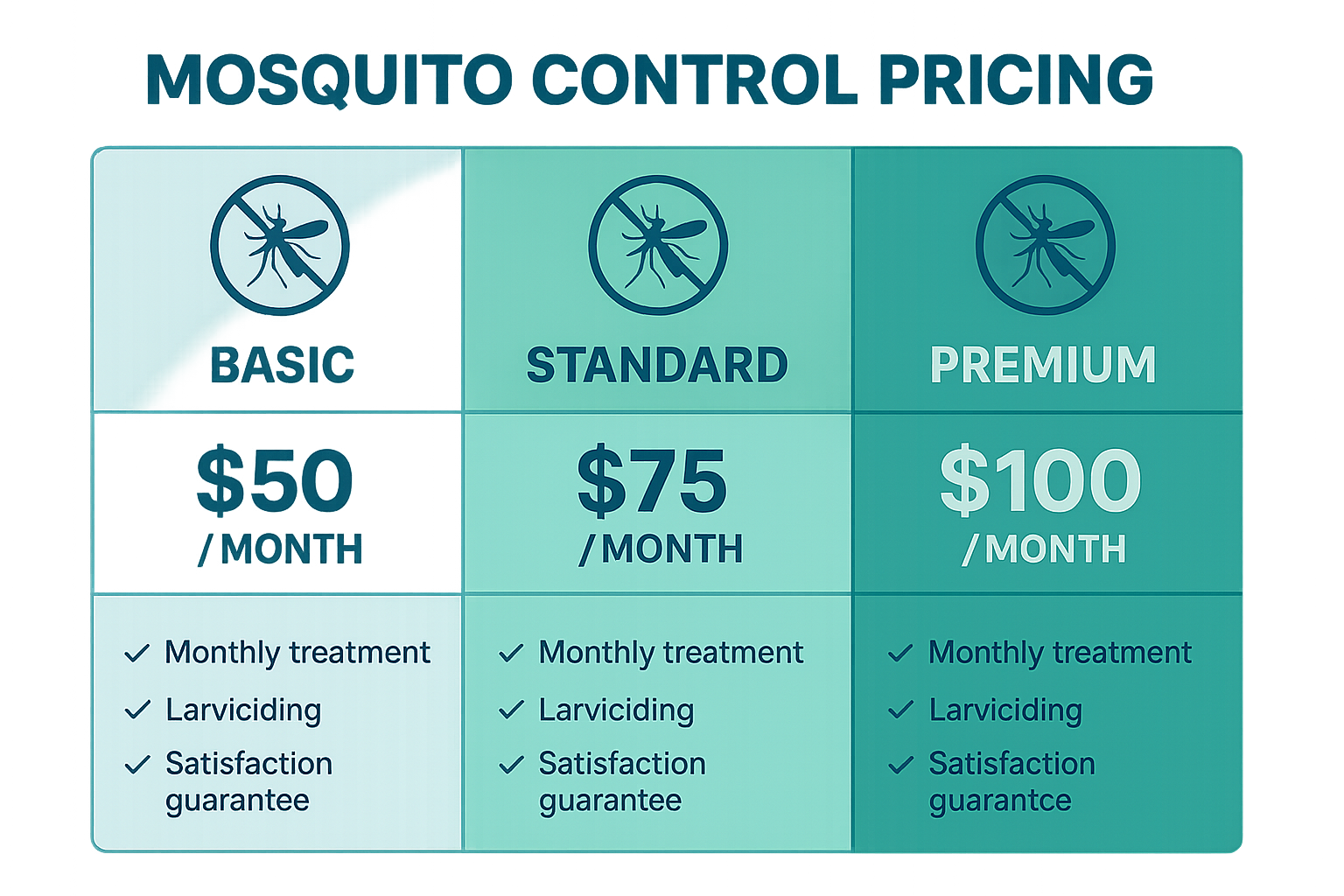
Quick reference table
| Plan | Monthly Cost (USD) | Visit Frequency (Peak Season) | Key Inclusions |
|---|---|---|---|
| Basic | $25‑$30 | 1×/month | Standard spray, 30‑day warranty |
| Standard | $45‑$55 | 2×/month | Residual barrier, bird‑bath treatment, 60‑day warranty |
| Premium | $80‑$95 | 4×/month | Weekly bio‑insecticide, full‑season shield, patio fogging, 90‑day warranty |
Why a yearly contract saves you money
Seasonal pricing can swing dramatically. During peak months (July‑August) many providers charge premium rates for emergency visits. By locking in a 12‑month agreement, Anthem spreads the cost across the year, guarantees the lower tier rates, and eliminates surprise “peak‑season surcharges.” The off‑season “boost” in the Standard and Premium plans also pre‑emptively reduces larval populations, meaning fewer emergency treatments later.
Evaluating the return on investment
Think of mosquito control as an insurance policy for your backyard. A well‑executed plan reduces bite incidents, protects outdoor gatherings, and can lower the risk of mosquito‑borne illnesses—potential health costs that far exceed the monthly fee. For a family that enjoys evening barbecues, the Premium tier often pays for itself within a single season by preserving usable patio space and preventing lost sleep from endless scratching.
Next step
Ready to match a plan with your budget and outdoor lifestyle? Contact Anthem Pest Control for a free, customized quote. Our local experts will walk you through the options, answer any questions, and schedule the first treatment at a time that works for you.
Seasonal Mosquito Activity in Georgia and Timing Your Treatments
Understanding the ebb and flow of mosquito populations is the first step to a bite‑free yard. Below is a simple chart that tracks typical activity from the first warm days of March through the first frosts of November. The line climbs steadily as temperatures rise, peaks in midsummer, then tapers off as nights grow cooler.

Why June‑August Is the Peak
During June, July, and August, average highs hover between 85‑92°F (29‑33°C), creating the perfect breeding environment. Warm water from summer rains provides abundant standing‑water sites where females lay eggs, and the rapid life cycle means a new generation appears every 7‑10 days. This biological boost explains why homeowners notice a sudden surge in bites and buzzing around dusk.
Pre‑emptive Barrier Applications (March‑April)
Starting early gives you a head‑start. A barrier spray in late March or early April creates a protective “wall” around your property before the first eggs hatch. This early‑season treatment reduces the initial population and makes later applications more effective, because there are fewer larvae to grow into adults.
Mid‑Season Boosts (June‑August)
Even with a solid early barrier, the midsummer explosion demands a second round. A targeted boost in June, followed by another in July, tackles the new wave of adults that emerge after heavy rains. These visits focus on high‑risk zones—flower beds, water features, and shaded decks—where mosquitoes love to rest.
Wrap‑Up Service (September)
As September temperatures dip below 75°F (24°C), mosquito activity naturally declines, but lingering adults can still cause trouble. A final “wrap‑up” service in early September eliminates any late‑season survivors and prepares your yard for the cooler months ahead.
Linking Timing to Pricing Tiers
Our Premium plans automatically include the extra peak‑season visits (June and July) and the September wrap‑up, while the Standard package covers the early barrier and a single mid‑season boost. By aligning treatment frequency with the activity curve, you get maximum protection without paying for unnecessary applications.
Quick Reference Treatment Calendar
| Month | Recommended Treatment | Reason |
|---|---|---|
| March‑April | Early‑season barrier spray | Pre‑empt egg hatch, establish protection |
| June | Mid‑season boost #1 | Target first summer surge |
| July | Mid‑season boost #2 | Control second wave after rains |
| September | Wrap‑up service | Eliminate late‑season survivors |
Remember, heavy rain can reignite activity even after the peak, so keep an eye on local weather and consider a supplemental spot‑treatment if standing water forms. Consistent, well‑timed applications are the most cost‑effective way to keep mosquitoes at bay throughout the Georgia season.
Protect Your Home Today with Anthem Pest Control
We’ve walked through the three pillars of effective mosquito management in Sugar Hill: eliminate standing‑water breeding sites, select the treatment method that matches your yard’s size and mosquito species, and schedule applications to hit the seasonal peaks when mosquitoes are most active.
Quick recap
- Remove standing water and other breeding sites.
- Choose the right treatment (larvicide, adulticide, or combined).
- Schedule services to align with peak mosquito activity in spring and summer.
When you choose Anthem Pest Control, you’re partnering with EPA‑certified technicians who know the local ecology and the latest, safest products. Our pricing is transparent—no hidden fees—and every job is backed by a satisfaction guarantee, so you can relax knowing the job is done right.
Our single‑call solution takes the guesswork out of mosquito control. We handle source reduction, apply targeted larvicides to stop larvae before they hatch, and follow up with adulticide treatments—all coordinated in one seamless plan that fits your calendar.
Our guarantee means you’ll see fewer mosquitoes after the first treatment, and if you’re not satisfied we’ll re‑treat at no extra charge. All products are EPA‑approved and applied by technicians trained in safe handling, so your family and pets stay protected.
This month only, new customers receive a complimentary follow‑up visit worth $150, ensuring long‑term protection through the hottest weeks.
Ready to take the next step? Call us today for a no‑obligation, free quote. We promise a 24‑hour response window, and right now we’re offering a seasonal promotion that adds an extra treatment at no additional cost for first‑time customers.
Dial 877‑371‑8196 or visit Anthem Pest Control to schedule your service. Let us protect your home, your family, and your outdoor enjoyment—so you can sit back, sip lemonade, and watch the sunset without a single mosquito buzzing nearby.