Recognizing Pantry Moths and Their Signs

What’s lurking in your pantry?
Two species cause the majority of household infestations in Georgia: the Indian meal moth (Plodia interpunctella) and the Mediterranean flour moth (Ephestia kuehniella). Both thrive on stored grains, flour, dried fruit, and even pet food. Their life cycle is quick—egg, larva, pupa, adult—and can be completed in as little as six weeks when conditions are warm and humid, which is typical for Canton’s summer months.
How to spot them
Adult pantry moths are small, usually ½ to ¾ inch long, with slender bodies and distinctive wing patterns. The Indian meal moth shows a reddish‑brown forewing with a copper‑colored band, while the Mediterranean flour moth has plain, pale gray wings with subtle speckles. Their wings rest flat against surfaces, making them easy to miss unless you look closely.
Where they hide
These pests love dark, undisturbed corners. Common hiding spots include:
- Grain bins and cereal boxes
- Flour or cornmeal bags (especially if the seal is broken)
- Dried fruit, nuts, and spice jars
- Pet food containers left open overnight
Warning signs you shouldn’t ignore
Early detection can save you from costly food loss and professional treatments. Keep an eye out for:
- Fine, silken webbing on the tops of stored products
- White or cream‑colored larvae moving beneath the surface of food
- Small moths fluttering near kitchen lights at night
- Unexplained holes or “eaten” patches in grains and flour
Health and contamination risks
While pantry moths don’t bite or spread disease directly, their larvae produce droppings, silk, and shed skins that can contaminate food. Consuming contaminated products may cause digestive upset and, in rare cases, allergic reactions. Moreover, a hidden infestation can attract other pests such as ants, which feed on the moth larvae.
Quick DIY inspection checklist
Before you call a professional, run through this five‑step checklist:
- Visual sweep: Open each pantry item and look for webbing, larvae, or adult moths.
- Seal check: Ensure all containers have airtight lids; transfer loose items to glass or heavy‑plastic jars.
- Light trap test: Turn on a kitchen light after dark and watch for moths fluttering toward it for 10 minutes.
- Clean out: Remove everything, vacuum shelves, and wipe down with a mild detergent.
- Freeze or heat: Place suspect items in a freezer for 72 hours or heat them to 140 °F (60 °C) for 30 minutes to kill hidden stages.
Spotting pantry moths early means you can act fast—clean, seal, and, if needed, treat the area before the population explodes. If the checklist reveals a moderate to severe infestation, it’s time to call Anthem Pest Control. Our local experts know the Canton climate inside out and can provide safe, affordable treatment that eliminates the moths and protects your food supply.
How Moths Infest Homes in Georgia
Georgia’s warm, humid climate creates an inviting environment for moths, especially when they find even the tiniest opening to slip inside. Once inside, they can quickly locate food sources—natural fibers, pantry items, or even pet food—and establish a hidden colony. Understanding how these insects gain access and what drives their numbers helps homeowners take proactive steps before a small problem becomes a full‑blown infestation.
Common Entry Routes
Moths are opportunistic travelers. They exploit any gap that offers a path to shelter or food:
- Cracks and gaps: Small fissures around windows, doors, and foundation walls are perfect entry points.
- Unsealed windows and doors: Even a sliver of an unweather‑stripped window can let a moth glide in on a draft.
- Grocery bags and shopping carts: Open bags of flour, cereal, or pet treats can carry moth eggs straight into the kitchen.
- Second‑hand furniture and clothing: Used sofas, wardrobes, or stored garments often harbor larvae that hatch once inside a warm home.
Georgia’s Climate Fuels Rapid Reproduction
Unlike cooler northern states, Georgia enjoys long, hot summers and mild winters. These conditions accelerate the moth life cycle: eggs hatch in as little as a week, and larvae can develop into adults within a month. The consistent temperature means moths can reproduce year‑round, with each generation laying dozens of eggs on food sources or in dark corners. Moisture from summer thunderstorms also softens fabrics and stored foods, making them even more attractive to hungry larvae.
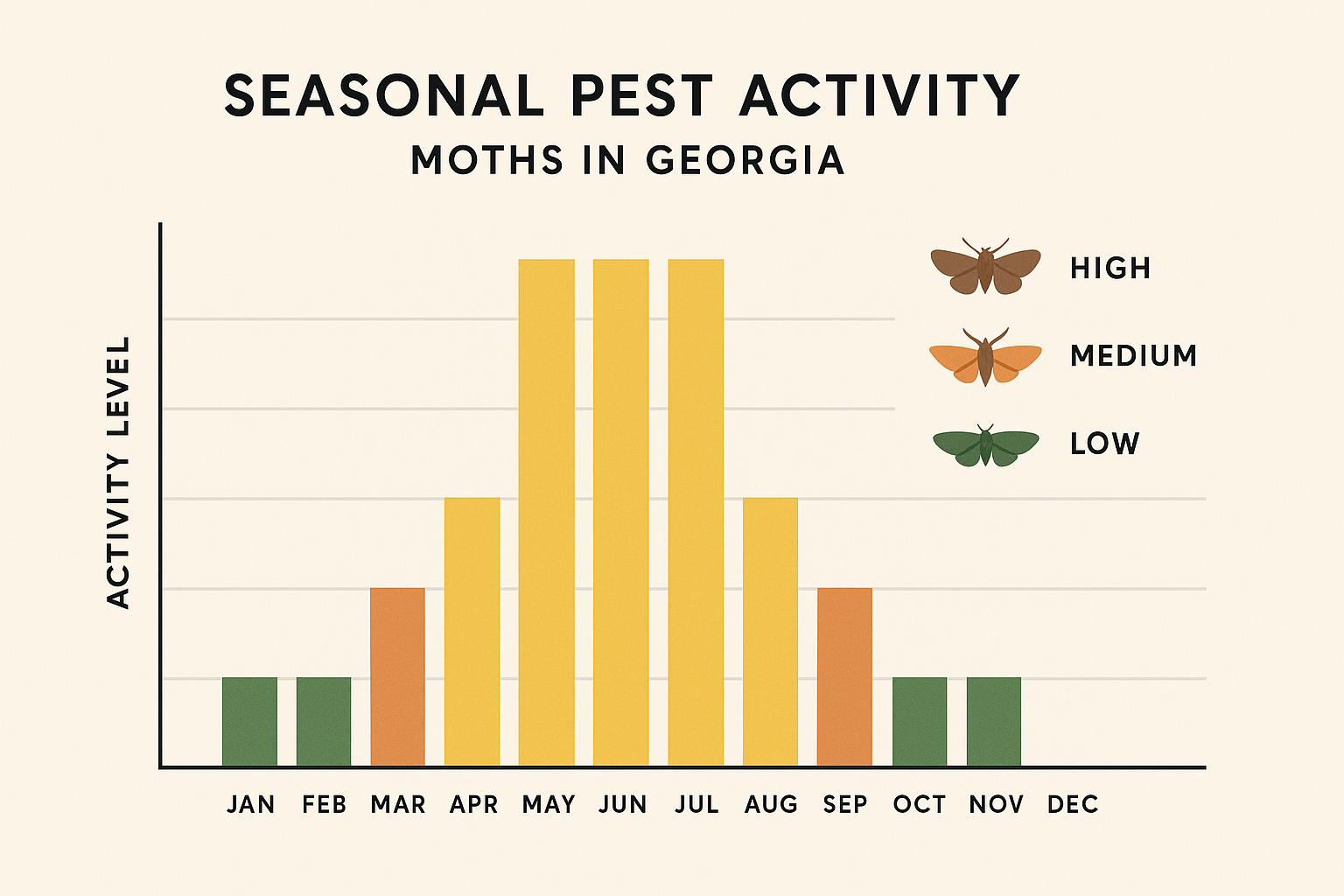
Seasonal Peaks You’ll See on Our Activity Chart
Our upcoming activity chart in Part 4 highlights two primary spikes:
- Late spring to early summer (May–June): Adult moths emerge in large numbers, seeking mates and fresh food.
- Early fall (September–October): After the summer surge, a second wave appears as larvae seek cooler, dry places to pupate.
Recognizing these peaks lets you schedule inspections and treatments when moths are most vulnerable, reducing the chance of a hidden infestation.
Why Moths Don’t Work Alone
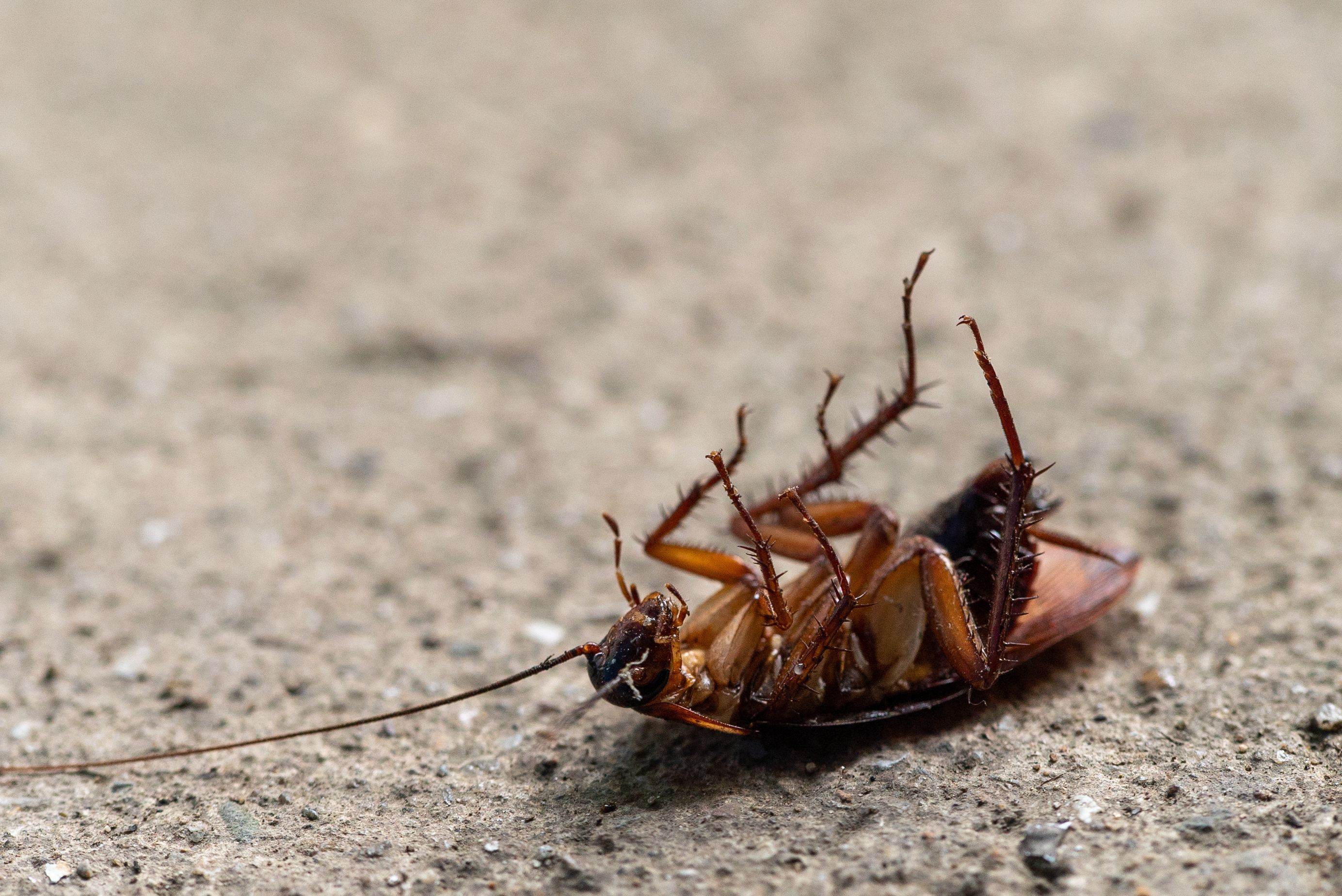
Moths often share a home with other pests, such as cockroaches. A single dead cockroach, like the one shown below, can indicate a broader pest problem. Cockroaches thrive in the same warm, moist environments that attract moths, and they can inadvertently transport moth eggs on their bodies. This overlap means that treating only one pest may leave the other unchecked, complicating control efforts.
Practical Steps to Block Moths and Their Food Sources
- Seal cracks and gaps with caulk or weatherstripping, paying special attention to window sills, door frames, and baseboards.
- Install tight‑fitting screens on all exterior doors and windows; repair any tears promptly.
- Inspect second‑hand items before bringing them indoors—vacuum, wash, or freeze fabrics and furniture to kill hidden larvae.
- Store pantry goods in airtight containers; discard any opened packages that show signs of webbing or larvae.
- Reduce indoor humidity by using dehumidifiers, especially in basements and closets where moths love to hide.
- Schedule a professional inspection with Anthem Pest Control before the seasonal peaks to catch early activity and set up a targeted treatment plan.
Effective Treatment Options for Moth Control
Inspection and Identification
Before any product is applied, a certified technician conducts a thorough inspection. They look for signs such as webbing, shed skins, and the characteristic damage to fabrics or stored food. Identifying the species—whether it’s the pantry moth, Indian meal moth, or carpet moth—helps determine the most effective treatment zone. This step also reveals hidden infestations in wall voids, attics, or crawl spaces, ensuring that the chosen method targets every hotspot.
Chemical Sprays: EPA‑Approved Solutions
Professional-grade sprays remain the backbone of fast, reliable moth control. Common active ingredients include pyrethroids (e.g., bifenthrin) and synthetic pyrethrins that disrupt the insects’ nervous system. Technicians apply these products to baseboards, cracks, and crevices where moths travel, as well as directly onto infested fabrics when safe to do so. Safety precautions are strict: the area is vacated, pets are secured, and the spray is allowed to dry before re‑entry. All chemicals used comply with the EPA guidance for indoor pest control, guaranteeing minimal risk to humans and pets when applied correctly.
Pheromone Traps: Monitoring and Suppression
Pheromone traps use species‑specific scent lures to attract male moths, interrupting the breeding cycle. Place traps near pantry shelves, closets, and entry points—ideally 12–18 inches off the floor and away from direct sunlight. Check the traps weekly; a sudden increase signals an emerging problem, while a steady decline indicates that the population is dwindling. Because traps capture only males, they are most effective when paired with other treatments, but they provide invaluable early‑warning data without any chemical exposure.
Integrated Pest Management (IPM)
IPM blends sanitation, exclusion, and targeted treatments into a cohesive strategy. Start by removing food sources: store grains in airtight containers, vacuum crumbs, and wash fabrics that show moth activity. Seal cracks, gaps around windows, and utility penetrations to block entry. Finally, apply a focused chemical or pheromone treatment only where inspections have confirmed activity. This layered approach reduces reliance on chemicals, lowers the chance of resistance, and creates a long‑term barrier that keeps moths from returning.
Natural Alternatives and Their Limits
Homeowners often turn to diatomaceous earth, cedar chips, or essential‑oil sprays (such as lavender or eucalyptus). Diatomaceous earth works by damaging the insect’s exoskeleton, but it must remain dry and is less effective in humid areas like kitchens. Essential oils can repel moths temporarily, yet they lack the residual kill‑time needed for established infestations. While these options are safe for pets and children, they should be viewed as supplemental measures rather than a stand‑alone solution for moderate to heavy moth problems.
When to Call a Professional vs. DIY
If you spot only a few moths and the infestation is confined to a single pantry shelf, a DIY approach—cleaning, sealing, and setting pheromone traps—may suffice. However, widespread webbing, damage to clothing, or repeated sightings across multiple rooms signal a larger issue. In those cases, professional treatment ensures proper chemical selection, precise application, and a follow‑up plan to verify eradication. Anthem Pest Control offers EPA‑approved sprays, customized IPM plans, and a satisfaction guarantee, giving homeowners peace of mind without the guesswork.
Pricing and Seasonal Timing for Moth Services in Canton, GA
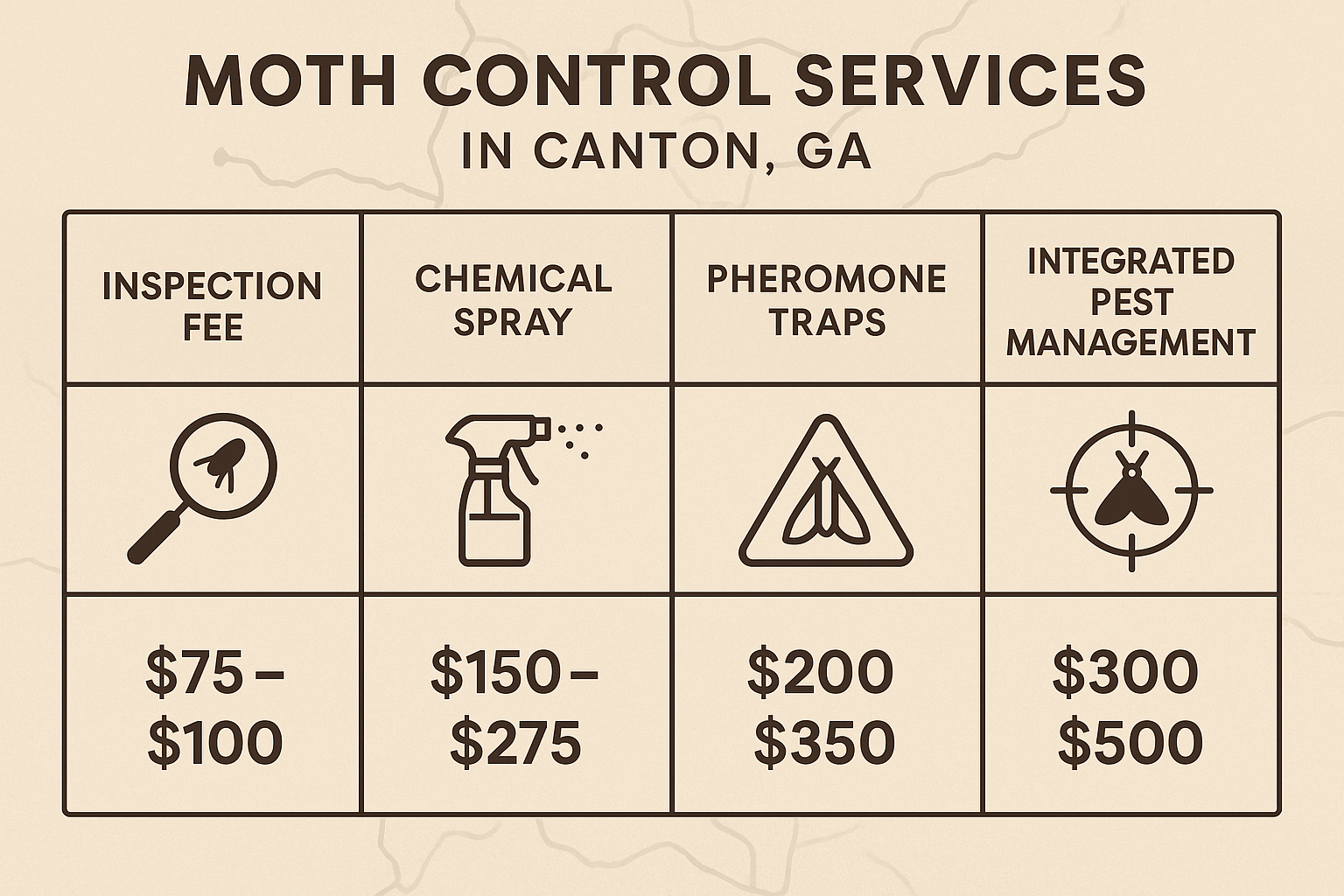
When it comes to protecting your home from moth damage, knowing exactly what you’re paying for—and when to act—makes budgeting a breeze. Below is a clear breakdown of the typical service components you’ll encounter with Anthem Pest Control, followed by a side‑by‑side price comparison of our three most popular packages.
What’s Included in a Moth‑Control Visit?
- Inspection fee: A thorough walk‑through to locate larvae, eggs, and adult moths, plus identification of vulnerable entry points.
- Chemical spray: Targeted, EPA‑approved insecticides applied to baseboards, closets, and attics where moths hide.
- Pheromone traps: Sticky traps that lure male moths, helping to disrupt breeding cycles and giving you a visual indicator of activity.
- Integrated Pest Management (IPM) program: Ongoing monitoring, habitat modification tips, and follow‑up visits to keep the population below damaging levels.
Tiered Price Table
| Package | Price Range (per treatment) | Included Services |
|---|---|---|
| Low‑Cost | $120 – $150 | Inspection, one‑time chemical spray, 2 pheromone traps |
| Mid‑Level | $200 – $260 | Inspection, two chemical applications (3‑month interval), 5 pheromone traps, basic IPM recommendations |
| Premium | $350 – $420 | Full inspection, quarterly chemical treatments, 10 pheromone traps, comprehensive IPM plan, annual follow‑up, priority scheduling |
All packages start with a nominal inspection fee (often waived when you choose a treatment plan). The low‑cost option is ideal for a one‑off problem, while the mid‑level package balances affordability with repeat protection. Homeowners who want “set it and forget it” typically opt for the premium tier, which spreads treatments throughout the year and includes detailed habitat‑modification guidance.
Seasonal Activity Chart
| Month | Activity Level |
|---|---|
| January – February | Low |
| March – April | Medium (early spring emergence) |
| May – June | High (peak breeding) |
| July – August | Medium (second wave) |
| September – October | Low (population declines) |
| November – December | Very Low |
In Canton, the most effective treatment windows are early spring (March‑April) and late summer (July‑August). A pre‑emptive spray in March stops the first generation before it spreads, while a follow‑up in August tackles any late‑season hatches. Aligning your service with these windows maximizes impact and often reduces the number of applications needed.
Financing, Discounts, and Bundled Savings
Anthem Pest Control understands that pest control is a necessary expense, not a luxury. We offer:
- 0 % APR financing for up to 12 months on premium packages.
- 10 % discount when you bundle moth control with any other annual service (e.g., termite or mosquito protection).
- Referral credit: $25 off your next renewal for each neighbor you refer who signs up.
These options let you spread the cost, protect multiple problem areas, and even earn savings by sharing the peace of mind with your community.
Industry Best Practices
Our approach follows the guidelines set by the National Pest Management Association. For a deeper dive into recommended moth‑control methods, see the NPMA’s moth‑control resource page.
Protect Your Home with Professional Moth Control
After learning how to spot the tell‑tale signs of a moth infestation—tiny webbing, damaged fabrics, and the occasional fluttering adult—you already know the first line of defense: seal every possible entry point. Simple steps such as caulking cracks, installing door sweeps, and storing clothing in airtight containers keep moths from slipping inside. When prevention isn’t enough, targeted treatments like low‑dose insect growth regulators, pheromone traps, and spot‑on sprays can eradicate the problem without harming your family or pets.
Choosing a licensed, EPA‑compliant provider takes those DIY measures to the next level. Professionals bring formulations that are rigorously tested for safety, ensuring that chemicals stay where they belong and pose no risk to children or pets. A certified technician also guarantees results—most companies back their work with a satisfaction warranty and schedule follow‑up visits to monitor for re‑infestation. In short, you get peace of mind, legal protection, and a long‑term shield against future moth invasions.
Anthem Pest Control stands out in Canton and the wider Georgia region because we combine local knowledge with transparent pricing. Our technicians understand the specific species of pantry and clothing moths that thrive in the humid Southern climate, and we tailor each plan to your home’s layout and risk factors. Whether you need a one‑time eradication or an annual protection package, we lay out every cost up front—no hidden fees, no surprise charges. Our comprehensive pest‑protection plans also cover other common invaders, giving you a single point of contact for a truly pest‑free household.
Ready to put an end to moth damage before it spreads to your closets, carpets, or pantry? Give us a call at 877‑371‑8196 for a free, no‑obligation inspection. Our friendly team will walk you through the findings, recommend the most effective treatment, and provide a clear, written quote—so you can decide with confidence.
Take the first step toward a moth‑free home today. Schedule your free quote with Anthem Pest Control now.