Why Understanding Moth Control Costs Matters in Norcross

If you’ve ever found a tiny, silvery moth fluttering near a sweater or spotted tiny larvae munching on cereal, you’re dealing with two of the most common indoor moths in Georgia: the clothes moth (Tineola bisselliella) and the pantry moth (Plodia interpunctella). Both thrive in the humid subtropical climate of Norcross, slipping into closets, basements, and kitchen pantries with ease.
These insects may seem harmless, but the damage they cause quickly adds up. Clothes moth larvae feed on natural fibers, turning favorite shirts, blankets, and upholstery into ragged holes. Pantry moths lay eggs in grain‑based products, and their caterpillars spin webs that contaminate flour, cereal, nuts, and spices. The immediate loss of fabric or food is only the beginning; you also face secondary costs such as replacing damaged items, deep‑cleaning storage areas, and possibly hiring a professional to eradicate a hidden infestation.
Common moth culprits in Georgia homes
The clothes moth prefers dark, undisturbed wardrobes and can complete its life cycle in as little as six weeks when temperatures stay between 70‑80°F. The pantry moth is attracted to stored grains and can proliferate year‑round, especially in kitchens that lack airtight containers. In Norcross, both species are reported in nearly every neighborhood, making early detection a practical necessity.
What they can damage
- Fabric loss: Holes, thinning, and complete ruin of wool, silk, and cotton garments.
- Food contamination: Webbing and larvae mixed into pantry staples, leading to waste and possible health concerns.
- Secondary expenses: Replacement of ruined items, professional deep‑cleaning, and potential structural repairs if infestations spread to insulation or wall cavities.
Why transparent pricing builds trust
When you call a pest‑control provider, the first question on any homeowner’s mind is cost. Transparent pricing lets you compare treatment options—such as a single‑visit moth spray, an ongoing monitoring plan, or a full‑home preventive program—without hidden fees. Knowing exactly what you’ll pay also signals that the company stands behind its work, which is especially important in a market where some providers bundle unrelated services to inflate the bill.
A USDA study in 2024 found pantry moth infestations affect 15 % of U.S. households annually, and Georgia ranks above the national average because of its warm, humid climate. That means roughly one in seven homes here could be dealing with an unseen moth problem at any time.
Identifying the Moth Species You’re Dealing With
Clothes Moths vs. Pantry Moths: What Sets Them Apart
Two moth species cause the most household headaches in Norcross: the clothes moth (typically Trichophaga or Tineola spp.) and the pantry moth (most often Plodia interpunctella, the Indian meal moth). Both are small—about ½‑inch wingspan—but their coloring and habits differ enough to spot with a keen eye.
- Appearance: Clothes moths have narrow, silky gray or brown wings with a subtle fringe. Pantry moths sport a reddish‑brown base with a distinctive coppery‑gold “Y” pattern near the wing tips.
- Life cycle: Clothes moths lay eggs in natural fibers; larvae feed for 4‑6 weeks, then spin cocoons in fabric folds. Pantry moths deposit eggs on food surfaces; larvae spin silken tunnels in grain, cereal, or dried fruit, maturing in 2‑3 weeks under warm conditions.
- Preferred habitat: Clothes moths thrive in closets, wardrobes, and upholstery. Pantry moths colonize kitchens, pantries, and any stored dry goods.
For a deeper dive, see the University of Georgia Extension fact sheet on moth life cycles (UGA Extension).
Visual Cues That Reveal an Infestation
Spotting the right clue early can save you time and money. Look for these tell‑tale signs:
- Larvae in fabrics: Tiny, cream‑colored caterpillars weaving through seams or leaving irregular holes in wool, silk, or cashmere.
- Webbing or “cobweb” in pantry items: Fine silken threads connecting grains, nuts, or cereal boxes—often seen on the surface of the product.
- Droppings: Small, black‑specked pellets resembling bird droppings; in pantries they appear near food containers, while on clothing they may be found in seams.
- Damage patterns: Clothes moths produce irregular, round holes; pantry moths leave frass (powdery waste) and shredded food particles.
How to Confirm the Species Before Calling a Professional
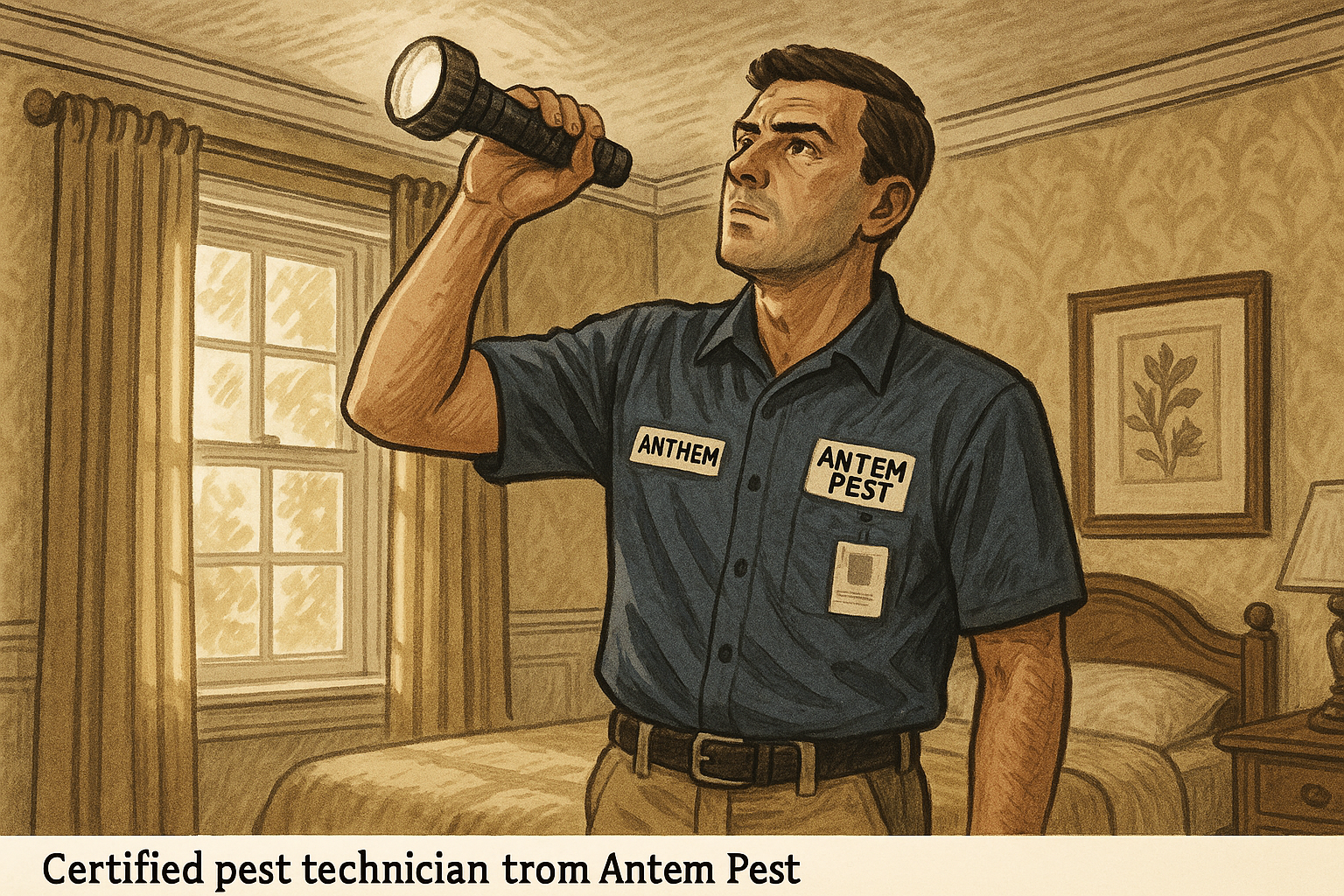
Before dialing Anthem Pest Control, take a quick inventory:
- Identify the location of the damage—wardrobe vs. pantry.
- Collect a sample: place a few larvae or webbing in a sealed plastic bag.
- Compare the specimen to the characteristics above or use a free online identification tool.
- Note environmental conditions—warm, humid kitchens favor pantry moths, while cooler, dark closets suit clothes moths.
Armed with this information, you’ll be able to describe the problem accurately, helping your pest professional choose the most effective, cost‑efficient treatment plan for your Norcross home.
What Treatment Methods Are Available?
When moths invade your closet or pantry, right treatment can stop the damage before it spreads. In Norcross, we typically recommend three approaches, each suited to a different level of infestation and homeowner preference. Below is a guide to help you decide which method matches the situation, budget, and safety concerns.
Targeted Chemical Spray
A professional‑grade insecticide applied directly to infested areas offers an immediate knock‑down of adult moths and larvae. Technicians usually retreat every 4–6 weeks during peak season to keep the population in check.
- Pros: Fast results, effective against active infestations, can be applied to hard‑to‑reach cracks and crevices.
- Cons: Relies on chemicals, may require repeated applications, potential resistance if overused.
- Safety considerations: Technicians wear PPE (gloves, respirators) during application. Homeowners should keep children and pets out of treated zones for at least 2 hours, and ventilate rooms before re‑entry.
Typical pricing ranges from $80 to $150 per visit, making it a budget‑friendly choice for spot treatments.
Integrated Pest Management (IPM) with Traps and Pheromone Dispensers
IPM combines monitoring tools—such as sticky traps and sex‑pheromone dispensers—with minimal chemical use. The traps attract males, disrupting breeding cycles, while dispensers release a scent that confuses moths and reduces mating.
- Pros: Low chemical exposure, provides ongoing monitoring, ideal for low‑to‑moderate infestations, can be integrated with other pest‑prevention measures.
- Cons: Slower to see a visible decline, effectiveness drops in heavy infestations, requires regular trap checks and dispenser replacement.
- Safety considerations: No PPE needed for homeowners; traps are non‑toxic, but keep them out of reach of curious pets or small children.
Expect an annual cost of $120–$200 for trap supplies and dispenser refills, which spreads out the expense over the season.
Whole‑Home Fumigation
Fumigation is reserved for severe, widespread moth problems that have penetrated walls, insulation, and stored goods. A certified gas—usually sulfuryl fluoride—is released into a sealed home, penetrating every void and killing all life stages.
- Pros: Complete eradication of hidden populations, one‑time treatment eliminates the need for follow‑up visits.
- Cons: Highest cost, requires full evacuation of the house for 24–48 hours, and a thorough post‑treatment ventilation period.
- Safety considerations: Only licensed fumigators may perform this service. All occupants, pets, and plants must leave the property; the home is re‑entered only after certified clearance confirms safe gas levels.
A full‑home fumigation can run $1,200–$2,500 depending on square footage and preparation requirements.
For detailed guidance on indoor pesticide use, see the EPA indoor pesticide guidelines. The National Pest Management Association also outlines best practices for moth control in their NPMA resource page.
Detailed Pricing for Moth Control in Norcross
When it comes to protecting your Norcross home from destructive moth infestations, knowing exactly what you’ll pay helps you plan ahead and avoid surprise bills. Below is a transparent, itemized breakdown of the most common moth‑control services offered by local providers, calibrated to Fulton County market rates and the 2025 Georgia state tax on pest‑control services.
By weighing these variables—home size, infestation level, resident safety concerns, and neighborhood construction—you’ll see why two neighbors in Norcross might receive quotes that differ by several hundred dollars. Transparent pricing, like Anthem Pest Control’s itemized approach, lets you understand exactly what you’re paying for and where you can adjust the scope to fit your budget.
When Is the Best Time to Treat Moths?
Understanding the moth life cycle is the first step to timing your treatment for maximum impact and minimum expense. In the Norcross area, adult moths become most active when the days are still warm but the evenings start to cool—typically from late July through early October. This window provides the ideal combination of temperature and humidity that encourages mating, egg‑laying, and rapid larval growth in closets, pantries, and stored fabrics.
Because the peak period aligns with the lead‑up to holiday clothing storage and pantry restocking, the smartest move is to schedule a professional inspection before you pull out winter coats or refill your dry‑goods shelves. An early fall check lets a technician spot emerging infestations, apply targeted treatments, and set up preventive barriers before moths have a chance to lay thousands of eggs in your home.
Anthem Pest’s Fall Prevention promotion takes advantage of this timing. The package bundles a comprehensive moth inspection, a one‑time interior treatment, and a six‑month monitoring plan—all for a 15 % discount when you book by October 15. Homeowners report saving both time and money because the bundled approach eliminates the need for repeat visits later in the season.
Seasonal data from the Centers for Disease Control and Prevention (CDC) backs up this strategy. Their Southeast pest trends show a sharp rise in moth reports starting in August, with a gradual decline after mid‑November [CDC]. Acting during the early‑fall peak means you’re treating the insects when they’re most vulnerable and before they disperse into hidden cracks and crevices.
In short, aim for an inspection in late August or early September, follow up with treatment before you store seasonal items, and lock in Anthem Pest’s fall discount. This timing not only curbs the moth population before it explodes but also helps you avoid costly damage to fabrics and food supplies.
Should You Try DIY First?
When you first see a few moths near your closet, reaching for a DIY kit feels cheap and quick. The market offers pheromone traps, over‑the‑counter sprays, and cedar products that promise to keep moths away. These items cost $10‑$30 each and require no professional assistance.
Typical DIY tools
- Pheromone traps: Sticky cards that lure males.
- OTC sprays: Broad‑spectrum insecticide for carpets and fabrics.
- Cedar products: Blocks or oils that emit a repellent scent.
Why DIY often falls short
Even top‑selling products have limits. Pheromone traps only catch males, leaving eggs and larvae untouched. Sprays can discolor delicate fabrics or leave fumes unsafe for kids and pets. Cedar may deter adults but does nothing for hidden larvae. In most cases DIY yields only partial control, and hidden costs—re‑treatment, damaged clothing, health risks—can quickly outpace the initial savings.
Safety and hidden expenses
Many over‑the‑counter aerosols contain pyrethroids, which can irritate eyes, respiratory passages, and pets if used in confined spaces. Improper application may also damage upholstery, silk, or wool, forcing you to replace cherished items. Additionally, if the infestation rebounds, you’ll end up buying more traps, chemicals, and possibly professional remediation—costs that add up quickly.
Real‑world example
One Norcross homeowner bought a $150 DIY kit—two traps, a spray, and cedar blocks. After three weeks the moths persisted and several sweaters showed spray damage. A professional follow‑up cost $400 to fully eradicate the infestation, bringing the total to $550—well above the $300‑plus price of a full service.
Bottom line
DIY may work for a few adult sightings with no signs of larvae or fabric damage. As soon as you notice webbing, holes, or a persistent presence, call a licensed exterminator. Professionals provide a thorough inspection, targeted chemicals, and a warranty that protects your home—saving you time, money, and the frustration of repeated DIY attempts. For most Norcross homes, professional service starts around $250 and includes a guarantee.
Getting Started with a Trusted Local Provider
When you’re ready to eliminate moths from your Norcross home, the quickest route is to schedule an appointment with Anthem Pest. Follow these four simple steps and you’ll be on the path to a moth‑free house in no time.
Step 1: Reach out
Dial 877‑371‑8196 or fill out the online contact form on the Anthem Pest website. A friendly representative will answer within minutes.
Step 2: Share your details
Provide your street address, describe the moth problem you’re seeing, and request a free on‑site inspection. The more specifics you give—type of moth, affected rooms, recent sightings—the more accurately we can prepare.
Step 3: Pick a convenient time
Our certified technicians can visit the same day or the next day, depending on your schedule. Choose a window that works for you, and we’ll lock it in.
Step 4: Get your quote
After the assessment, you’ll receive a detailed, transparent quote that outlines the recommended treatment plan, safety measures, and total cost. No hidden fees.
Anthem Pest’s Norcross focus means you’re working with technicians who know the local climate, common moth species, and the most effective control methods. They are committed to safe, affordable solutions that protect your family and belongings. Ready to start? Anthem Pest Norcross Moth Control is just a call or click away.
Protect Your Home and Budget
Accurately identifying the moth species that’s invading your closets, pantry, or attic is the first line of defense. Knowing whether you’re dealing with pantry moths, webbing moths, or carpet moths determines the treatment method, prevents unnecessary chemicals, and keeps costs predictable. Transparent pricing lets you see exactly what you’re paying for—inspection, treatment, and any follow‑up—so there are no surprise fees. Timing matters, too; treating an infestation early, before moths lay eggs, saves you both money and the hassle of extensive damage.
- Identify the exact moth species to choose the most effective, cost‑efficient treatment.
- Transparent pricing breaks down inspection, treatment, and follow‑up fees so you know what you’re paying for.
- Act early—treating before eggs hatch prevents costly damage and extensive re‑treatments.
Anthem Pest brings Norcross‑specific expertise to every job. Our certified technicians perform a free, thorough inspection, pinpoint the exact species, and design a plan that fits your home’s layout and your budget. We stand behind our work with a 30‑day guarantee, so you can feel confident that the problem is truly resolved.
If you’re ready to safeguard your fabrics, pantry, and peace of mind, let Anthem Pest’s certified team handle the job with safe, effective solutions tailored to Norcross homes.
Call now: 877‑371‑8196 | Visit Anthem Pest Control