Why Rats Are a Growing Threat in Bufford, GA
Common Rat Species and Their Habits
Georgia’s climate welcomes two primary rodent culprits: the Norway rat (Rattus norvegicus) and the roof rat (Rattus rattus). Norway rats prefer ground‑level habitats—sewers, basements, and dense vegetation—where they burrow and create extensive tunnel networks. Roof rats, on the other hand, are arboreal explorers. They climb trees, vines, and even utility lines to reach attics, roof spaces, and upper‑story walls. Both species are opportunistic omnivores, feeding on anything from garden produce to stored pantry items.
Rising Sightings and Damage Reports in Buford
Local pest‑service records show a steady increase in rat activity over the past five years. The Buford Police Department’s non‑emergency reports logged a 27 % rise in rodent complaints between 2020 and 2024. Meanwhile, the Fulton County Health Department noted a 19 % uptick in reported property damage attributed to rat gnawing—especially to wiring, insulation, and wooden framing.
Health Risks That Can’t Be Ignored
Rats are more than a nuisance; they are vectors for serious illnesses. They can carry Leptospira bacteria (causing leptospirosis), hantavirus, and salmonella. Their urine and droppings release allergens that trigger asthma and other respiratory problems, especially in children and seniors. A single bite or contaminated surface can lead to infections that require medical treatment, adding hidden health costs to any homeowner’s budget.
How to Spot an Active Infestation
- Droppings: Small, dark, rice‑shaped pellets—often found along walls, under cabinets, or in attic corners.
- Gnaw Marks: Fresh, clean cuts on wood, plastic, or wiring; rats’ incisors grow continuously, so they chew constantly.
- Noises: Scratching or scurrying sounds, especially at night, indicate movement within walls or ceilings.
- Nesting Materials: Shredded paper, fabric, or insulation piled in hidden corners.
- Tracks and Tail Marks: Visible footprints or greasy tail streaks along baseboards.
The True Cost of Doing Nothing
Ignoring early warning signs can turn a minor nuisance into a costly disaster. Rats chew through electrical wiring, raising the risk of short circuits or house fires—a repair bill that can easily exceed $5,000. Structural wood damage may require extensive framing replacement, while contaminated food storage can lead to wasted groceries worth hundreds of dollars. Moreover, the longer an infestation persists, the more intensive—and expensive—the eventual control treatment becomes. Professional extermination costs can double or triple when populations have exploded and have spread to hard‑to‑reach areas.
Why a Thorough Home Inspection Matters
Identifying the problem before it spreads is the most affordable strategy. A detailed inspection reveals entry points, nesting sites, and the extent of damage, allowing a targeted treatment plan that saves both time and money. In the next section, we’ll walk through the key steps of a professional rat‑inspection in Buford, ensuring you know exactly what to expect from a qualified pest‑control partner like Anthem Pest Control.
Spotting the Signs – How to Inspect Your Home for Rats
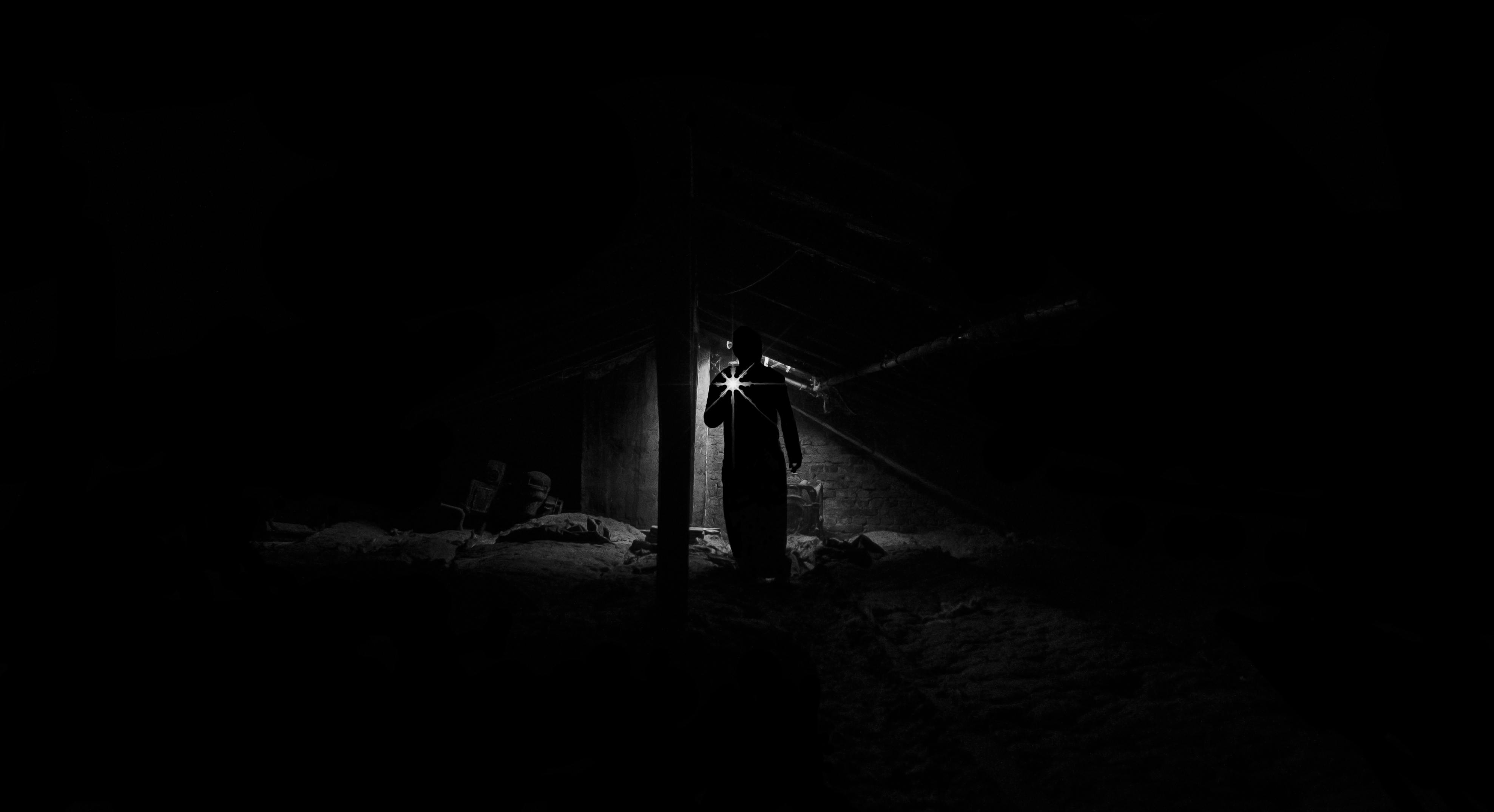
Before you start looking for unwelcome visitors, protect yourself. Grab a pair of sturdy gloves, a disposable mask, and a flashlight with a bright beam. Good lighting prevents missed clues, and protective gear keeps you safe from dust, droppings, and potential diseases that rats can carry.
1. Map Your Inspection Zones
Rats love quiet, hidden spaces where they can travel undisturbed. Systematically check each of these high‑risk areas:
- Attic: Look between joists, insulation, and around ventilation shafts.
- Crawl spaces: Crawl in low, damp spots; rats often use these as highways.
- Basement: Pay attention to stored boxes, laundry piles, and pipe openings.
- Kitchen: Examine under appliances, behind the refrigerator, and inside cabinets.
- Garage: Check shelving, toolboxes, and any cracks in the concrete floor.
- Exterior foundations: Scan the perimeter for burrows, gnaw marks on wood, or gaps near downspouts.
2. What to Look For
Rats leave a trail of evidence. Spot these tell‑tale signs to confirm activity:
- Fresh, dark droppings (about ½‑inch long) along walls, in corners, or near food sources.
- Shiny urine stains that appear as dark smears on surfaces.
- Gnaw marks on wood, plastic, or wiring—look for clean, parallel cuts.
- Burrows or tunnels in insulation, stored boxes, or soil near the foundation.
- Grease tracks: oily smears along walls where rats rub their bodies.
- Nesting material such as shredded paper, fabric scraps, or dried plant matter.
3. Tools of the Trade: Flashlight & Mirror
Many rat pathways hide in tight corners or behind panels. Use a bright flashlight to illuminate shadows, and a small handheld mirror to peer around obstacles. In the attic, for example, a mirror can reveal droppings tucked behind rafters without having to climb into every nook.
4. Confirm Presence with a Temporary Live‑Trap
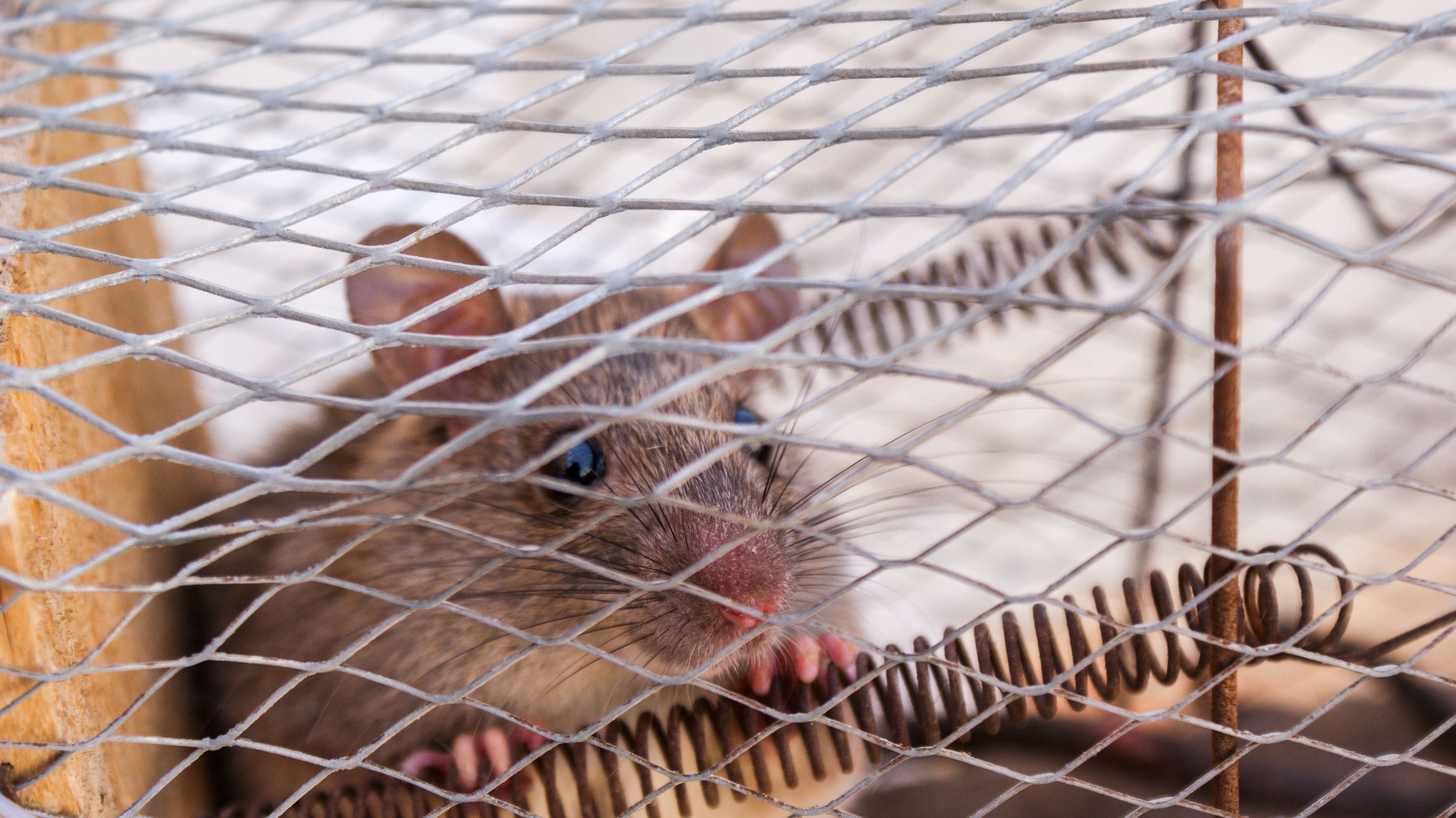
If you’ve spotted signs but need proof before calling a professional, set up a simple live‑trap. Place a small bait station—peanut butter, dried fruit, or a piece of cheese—inside a humane cage and position it along a known run (near a wall or in a corner). Check the trap after a few hours; a caught rat confirms an active infestation.
For visual guidance, see our rat cage image that shows the ideal placement and bait choice.
5. When to Call a Professional
Even the most diligent homeowner can miss hidden colonies. Call Anthem Pest Control if you encounter any of the following:
- Multiple droppings clusters suggesting a large population.
- Signs in hard‑to‑reach places like deep wall voids or extensive attic insulation.
- Evidence of gnawed electrical wiring—this is a fire hazard.
- Any ambiguity—if you’re unsure whether the evidence is from rats or another critter.
Professional technicians have specialized equipment, such as infrared cameras and rodent‑specific bait stations, to locate and eradicate the problem safely and efficiently.
6. Quick Safety Checklist
- Wear gloves and a mask.
- Use a flashlight with a focused beam.
- Carry a small mirror for hidden angles.
- Bring a live‑trap and appropriate bait.
- Document findings with photos for the pest‑control team.
Following this step‑by‑step inspection will give you a clear picture of whether rats have taken up residence in your Buford home. If the signs point to a larger issue, Anthem Pest Control is ready to step in with safe, affordable solutions tailored to your situation.
Treatment Options – From Traps to Integrated Pest Management
Traditional Snap Traps
Snap traps remain the most common DIY solution for rat control. Place them along walls, behind appliances, and in dark corners where rodents travel—ideally within 2 inches of a known entry point. Aim for a 10‑inch spacing to create a “trap line” that forces rats to encounter a device on every run. Modern snap traps deliver a quick, lethal strike, which many homeowners consider humane because the animal dies instantly. To maximize effectiveness, use a fresh bait such as peanut butter or dried fruit and check traps daily; a full trap should be removed promptly to prevent scavenging and disease spread.
Live‑Trap Capture and Release
Live traps allow you to capture rats without killing them, but they come with legal and ethical responsibilities. In Georgia, releasing captured rodents more than 100 feet from the original site is prohibited by state wildlife regulations, and many municipalities forbid release altogether. If you choose this method, transport the animal in a sturdy container, wear gloves, and relocate it to a distant, uninhabited area—preferably a wooded parcel where it cannot re‑enter homes. Always disinfect the trap after each use, and be prepared for a potentially high catch‑and‑release rate, which can be stressful for both you and the animal.
Bait Stations and Rodenticides
Commercial bait stations provide a concealed, tamper‑proof way to deliver rodenticides. They are highly effective when placed in concealed locations such as under sinks, behind cabinets, or inside wall voids. Safety is paramount: position stations out of reach of children and pets, and label them clearly. EPA‑registered products must be used according to label directions, which include dosage limits, re‑bait intervals, and disposal procedures. At Anthem Pest Control we train homeowners on proper placement and conduct a thorough site assessment to ensure compliance with local ordinances and EPA regulations.
Structural Exclusion
Even the best traps and baits will fail if rats can slip back inside. Exclusion starts with a meticulous inspection of the building envelope. Seal all gaps larger than ¼ inch using steel wool, copper mesh, or hardware cloth—materials that rats cannot chew through. Apply a high‑quality caulk around foundation cracks, utility penetrations, and around pipe sleeves. Install door sweeps on exterior doors and repair damaged weather‑stripping. By eliminating entry points, you remove the need for continuous chemical treatments and create a long‑term barrier against re‑infestation.
Integrated Pest Management (IPM)
IPM is a holistic strategy that blends inspection, sanitation, exclusion, and monitoring into a single, sustainable plan. First, a professional conducts a detailed survey to identify entry routes, nesting sites, and food sources. Next, sanitation measures—such as securing garbage, removing pet food overnight, and trimming vegetation away from the foundation—reduce attractants. Exclusion follows, using the techniques described above. Finally, a monitoring program employs low‑impact traps and motion‑activated cameras to track activity levels and verify that the population is declining. IPM prioritizes non‑chemical solutions and reserves rodenticides for situations where other methods prove insufficient.
Professional Services and Compliance
Implementing an IPM program can be daunting for a busy homeowner, which is where Anthem Pest Control adds real value. Our technicians are licensed to handle EPA‑regulated rodenticides, and we stay current on Buford’s local ordinances regarding live‑trap releases and bait placement. We provide a written service plan that outlines inspection findings, recommended exclusion work, and a schedule for trap checks and bait station maintenance. By partnering with a professional, you gain peace of mind that every step—from legal compliance to safety protocols—is executed correctly, allowing you to focus on enjoying a rat‑free home.
How Much Does Rat Control Cost in Buford? A Detailed Pricing Breakdown
What Drives the Price of Rat Control?
When you call a pest‑control professional, the quote you receive isn’t a random number—it reflects several tangible factors. In Buford, the most influential cost drivers are the size of your home, how deep the infestation runs, and the treatment method you choose. A sprawling 3,500‑sq‑ft house with multiple entry points will naturally require more labor and materials than a modest 1,200‑sq‑ft bungalow. Likewise, a light, single‑room sighting costs far less than a multi‑room, multi‑generation problem that may need repeated monitoring.
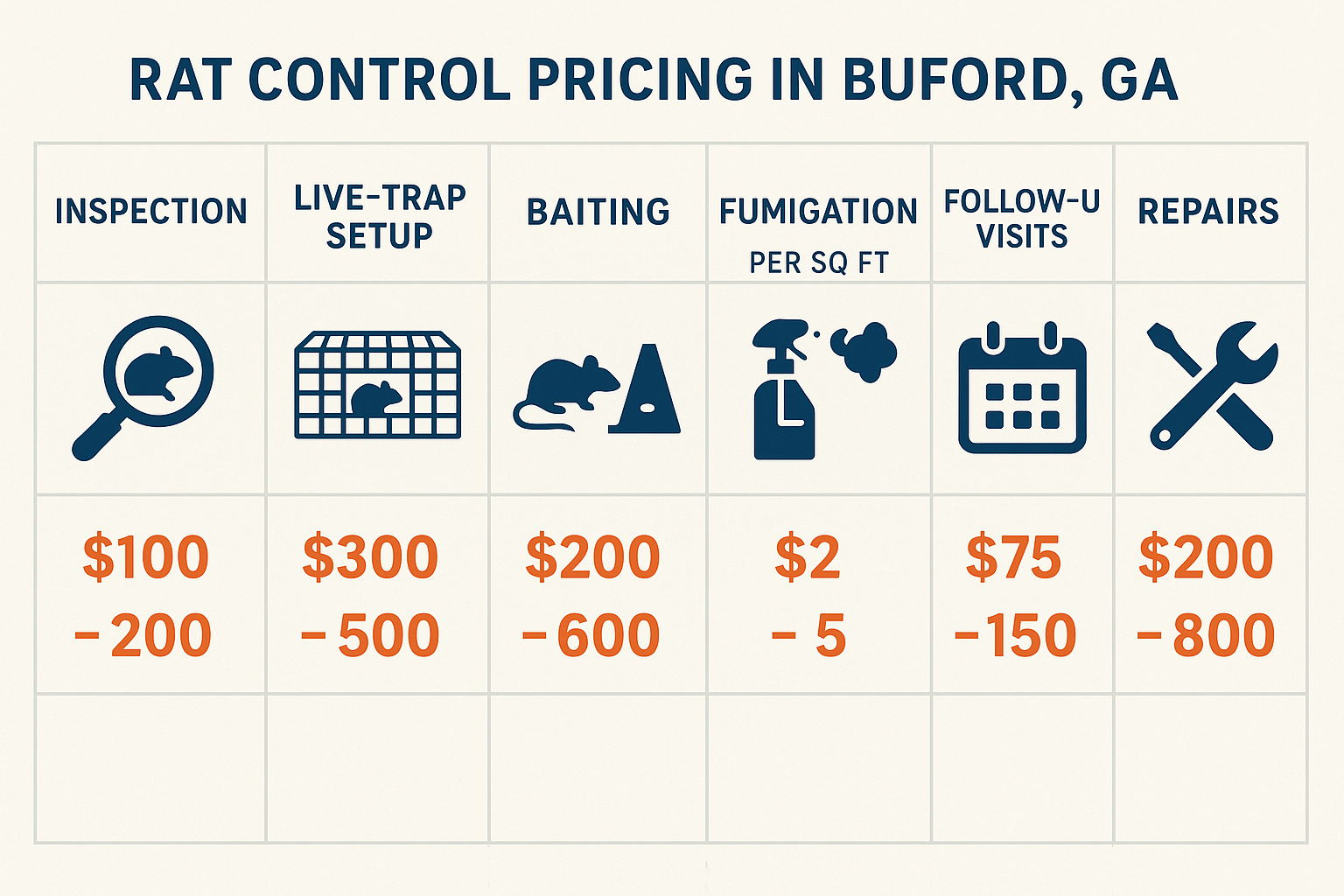
Itemized Price Ranges for Common Rat‑Control Services
Below is a transparent look at the typical price bands you’ll encounter from reputable providers in the Buford area. All figures are expressed in U.S. dollars and represent the range you might see after an on‑site assessment.
- Initial inspection and assessment: $80 – $150. This includes a thorough walkthrough, identification of entry points, and a written report of recommended actions.
- Live‑trap setup and monitoring: $120 – $250 per set of traps, plus $30 – $60 for weekly checks during the first month.
- Baiting (rodenticide stations): $100 – $180 for a standard 4‑station package, with refills typically $40 – $70 each.
- Fumigation or perimeter treatment (per square foot): $0.25 – $0.45 per sq‑ft for a one‑time perimeter barrier, or $0.45 – $0.70 per sq‑ft for full‑home fumigation.
- Follow‑up visits and re‑inspection: $50 – $90 per visit, often bundled at a 10‑15 % discount when scheduled in a package.
- Repair and exclusion work (door sweeps, sealing cracks, vent covers): $25 – $75 per item, with larger structural repairs quoted separately.
Why Prices May Vary Between Providers
Even with the same service list, you’ll notice price fluctuations from one company to another. The main reasons are:
- Experience level: Veteran technicians often command higher rates because they diagnose problems faster and apply the most effective solutions.
- Product choices: Some firms use premium, low‑toxicity baits that cost more upfront but reduce the need for repeat visits.
- Service guarantees: A provider that offers a 30‑day “no‑rat” guarantee may include extra monitoring visits in the base price.
- Geographic focus: Companies that specialize in the Atlanta‑Buford corridor tend to have tighter logistics, which can lower travel and labor costs.
Anthem Pest’s Transparent Pricing Model
At Anthem Pest, we keep the pricing conversation simple and honest. Our standard packages start at $149 for a complete inspection and initial treatment, with each additional service itemized exactly as shown above. Because we disclose every line‑item up front, you can see exactly where your dollars go—whether it’s a live‑trap setup, a perimeter barrier, or the necessary exclusion work to seal off entry points.
We also offer bundled discounts that align with the typical cost ranges in Buford. For example, a combined inspection + trap + bait package usually lands between $260 and $320, which is roughly 12 % below the average market total for those three services. This approach lets homeowners budget confidently without fearing hidden fees.
Benchmark Data from Angi
Independent market research from Angi shows that the average rat‑extermination bill in the greater Atlanta area—including Buford—falls between $180 and $350 for a standard treatment cycle. Anthem Pest’s pricing sits comfortably within this range, while our transparent breakdown often reveals savings compared to competitors who bundle services without clear cost attribution.
Seasonal Rat Activity in Georgia – When to Treat for Best Results
Rat Life Cycle and Seasonal Peaks
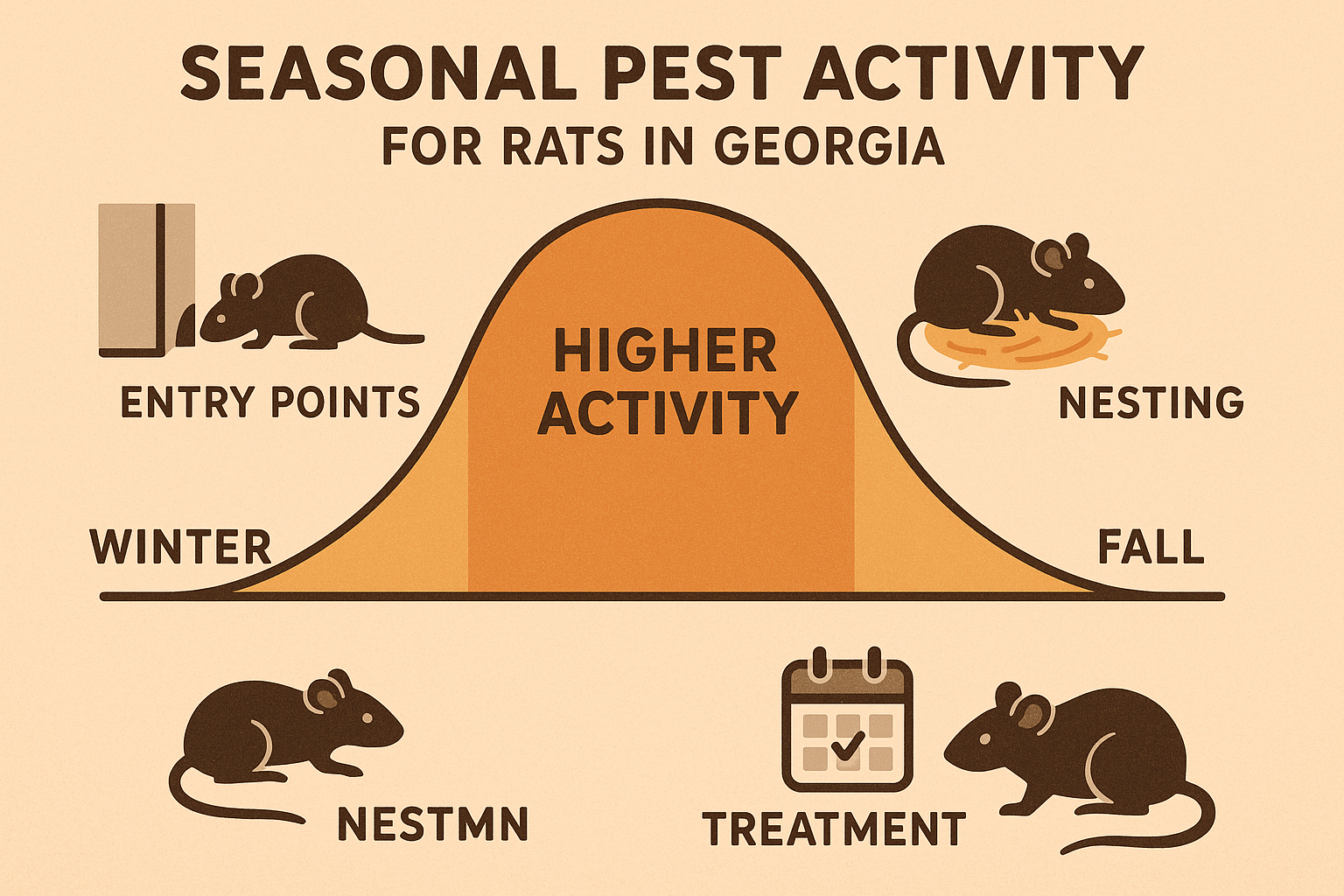
In Georgia, the common roof rat (Rattus rattus) follows a predictable life cycle that aligns closely with the state’s climate. After a gestation period of about 21 days, a female can produce up to five litters per year, each containing 5‑10 pups. The first litters emerge in early spring when temperatures consistently rise above 55°F (13°C). This timing creates a surge in juvenile activity as young rats leave the nest to explore, forage, and establish new territories.
Another spike occurs in the fall, roughly six weeks after the summer heat peaks. The cooler evenings signal a second breeding surge, prompting rats to secure warm, sheltered nesting sites before winter. These two peaks—spring and fall—are why homeowners often notice increased rodent sightings during those seasons.
Weather, Food Availability, and Breeding Drive Indoor Invasions
Temperature swings directly affect rat foraging behavior. Warm, dry days in spring encourage rats to expand their range in search of fresh vegetation, insects, and early‑season crops. As gardens and outdoor trash become abundant, rats are more likely to test potential entry points around foundations, eaves, and utility openings.
During the hot, humid summer months, extreme heat can force rats to seek cooler refuge indoors, especially during heat waves. Air‑conditioned homes become attractive havens, and any gaps near vents or crawl spaces can become highways for indoor activity.
In fall, the combination of abundant fallen fruit, nuts, and stored garden produce provides a rich food source. Simultaneously, rats are motivated to establish permanent nests for the upcoming winter, leading to a heightened focus on sealing entry points and building nests within attics, walls, and basements.
Winter brings cooler outdoor temperatures, which reduces the rats’ external foraging radius. However, the reduced outdoor activity often translates into a higher indoor presence, as the few rats that survive the cold cluster in the warmest parts of the house, increasing the risk of gnawing damage and disease transmission.
Seasonal Activity Chart
Optimal Treatment Timeline
Understanding these seasonal patterns lets you schedule inspections and treatments for maximum effectiveness. Below is a recommended timeline that aligns with the rats’ natural behavior cycles:
- Pre‑spring (late February‑early March): Conduct a thorough exterior inspection. Seal cracks, repair screens, and trim vegetation away from the foundation.
- Early summer (June): Deploy bait stations and low‑toxicity rodenticides around the perimeter. Focus on likely travel routes such as fence lines, utility openings, and garage doors.
- Fall (mid‑October): Perform a follow‑up inspection and apply targeted baiting to address the second breeding surge. Reinforce attic and crawl‑space barriers before temperatures drop.
- Winter (optional, if indoor activity is observed): Use indoor‑safe bait stations in attics, basements, and pantry areas. Monitor for any new activity and address gaps promptly.
Homeowner Tips to Reduce Seasonal Risk
While professional treatment is essential, simple homeowner actions can dramatically lower the chance of a rat invasion:
- Keep the yard tidy: remove fallen fruit, nuts, and leaf litter that attract foraging rats.
- Store trash in sealed, rat‑proof containers and dispose of it regularly, especially after summer barbecues.
- Trim tree branches and shrubs at least 6‑8 feet from the house to eliminate natural bridges to the roof.
- Maintain a clear zone of at least 12 inches between mulch or compost piles and the foundation.
- Inspect and repair any damaged screens, vent covers, or utility entry points before the spring breeding season.
- Consider installing metal flashing or hardware cloth around crawl‑space vents to deter gnawing.
By syncing inspections and treatments with these seasonal cues, you give Anthem Pest Control the best chance to keep your Buford home rat‑free year‑round. Our local expertise means we know exactly when and where the critters are most active, so you can enjoy peace of mind without surprise nocturnal visitors.
Protect Your Home with Professional Rat Control – Get a Free Quote Today
When it comes to rats, timing is everything. Spotting the first signs early, understanding the true cost of treatment, and acting during the right season can mean the difference between a quick fix and a full‑blown infestation. Early detection lets you address the problem before it spreads to walls, insulation, and wiring. Transparent pricing helps you budget without surprises, and seasonal timing ensures that treatments hit when rats are most active, maximizing effectiveness.
Why Anthem Pest Stands Out in Buford
Anthem Pest Control isn’t just another pest‑service company; we’re your neighborhood partner in keeping homes safe. Our technicians are locally trained and know the quirks of Buford’s climate, building styles, and rodent habits. We follow an Integrated Pest Management (IPM) approach, which means we prioritize prevention, use the least invasive methods first, and only resort to chemicals when absolutely necessary. This focus protects your family, pets, and the environment.
- Transparent pricing: You’ll receive a clear, itemized estimate before any work begins.
- Safe, effective methods: From bait stations to exclusion techniques, we choose the right tool for your situation.
- Locally trained experts: Our crew understands Buford’s unique rodent patterns and property layouts.
- IPM‑driven strategy: Prevention and monitoring are built into every plan.
Free, No‑Obligation Quote & Comprehensive Inspection
We believe the best way to earn your trust is to show you exactly what we’ll do—and how much it will cost—up front. That’s why every request includes a free, no‑obligation quote and a thorough on‑site inspection. During the inspection, our certified experts will identify entry points, assess the level of activity, and explain the pricing structure so you can make an informed decision. There’s no hidden fee, no surprise charges—just a clear path to a rat‑free home.
Soft Invitation: Let’s Keep Your Home Rat‑Free
If you’ve noticed droppings, gnaw marks, or hear the tell‑tale scurrying in your walls, or if you simply want the peace of mind that comes with professional protection, give us a call. We’re here to answer your questions, walk you through the process, and set up a convenient inspection time that fits your schedule.
Ready to safeguard your Buford home from rats? Call Anthem Pest Control at 877‑371‑8196 for a free, no‑obligation quote. Our certified experts will assess your property, explain pricing up front, and design a safe, effective plan tailored to your needs.
Visit Anthem Pest Control today to learn more about our rodent services and schedule your inspection.