Recognizing Rat Infestations in Canton, GA
Living in Canton, Georgia, means enjoying the rolling hills of Cherokee County and the lush, humid climate that makes the area so appealing. Unfortunately, that same environment also draws two of the most common rat species in the region: the roof rat (Rattus rattus) and the Norway rat (Rattus norvegicus). Understanding how each species behaves helps you spot trouble early and prevents a small problem from becoming a full‑blown infestation.
Typical entry points in suburban homes
Rats are master climbers and burrowers, and they’ll use any gap that’s larger than a quarter‑inch to slip inside. In Canton’s older homes and newer developments alike, the most frequent access routes include:
- Cracks in the foundation or gaps around utility lines.
- Unscreened vents, especially attic and crawl‑space vents.
- Openings around pipes, chimney flues, and dryer exhausts.
- Roof eaves, soffits, and attic gaps where roof rats can climb trees and jump onto the roof.
- Damaged or missing weather‑stripping around doors and windows.
Visual warning signs you can’t ignore
Even if you haven’t heard the tell‑tale scurrying at night, rats leave a trail of evidence. Keep an eye out for these red flags:
- Droppings: Small, dark, rice‑shaped pellets, usually found along walls, under cabinets, or near food sources.
- Gnaw marks: Fresh, clean cuts on wood, plastic, or wiring—often around entry points.
- Nesting material: Shredded paper, fabric, insulation, or dried plant matter gathered in hidden corners.
- Noisy activity: Scratching or scurrying sounds in walls, attics, or crawl spaces, especially at dusk or dawn.
Why a thorough home inspection matters
Spotting one or two signs might suggest a minor issue, but rats reproduce quickly—one pair can produce up to 2,000 offspring in a year. A comprehensive inspection, guided by a detailed checklist, lets you verify every potential entry point, assess damage, and prioritize treatment zones before the population explodes. Below is a quick visual reminder of the inspection steps you should follow.

Quick tip: DIY perimeter walk‑around
Before you call a professional, give your property a fast perimeter walk‑around. Here’s a three‑step routine you can complete in under ten minutes:
- Visual sweep: Walk the exterior walls, looking for gnawed vegetation, holes in siding, or debris piled near foundations.
- Check the roofline: Use a ladder safely to inspect eaves, soffits, and vent covers for chew marks or missing screens.
- Ground inspection: Scan the yard for fresh burrows, especially near compost piles, woodpiles, or dense shrubbery.
If you notice any of the warning signs during this walk‑around, note the exact locations and contact Anthem Pest Control at 877‑371‑8196. Our local technicians know the Canton landscape and can tailor a treatment plan that seals entry points, eliminates current activity, and puts a long‑term barrier in place.
Health Risks and Why Early Action Matters
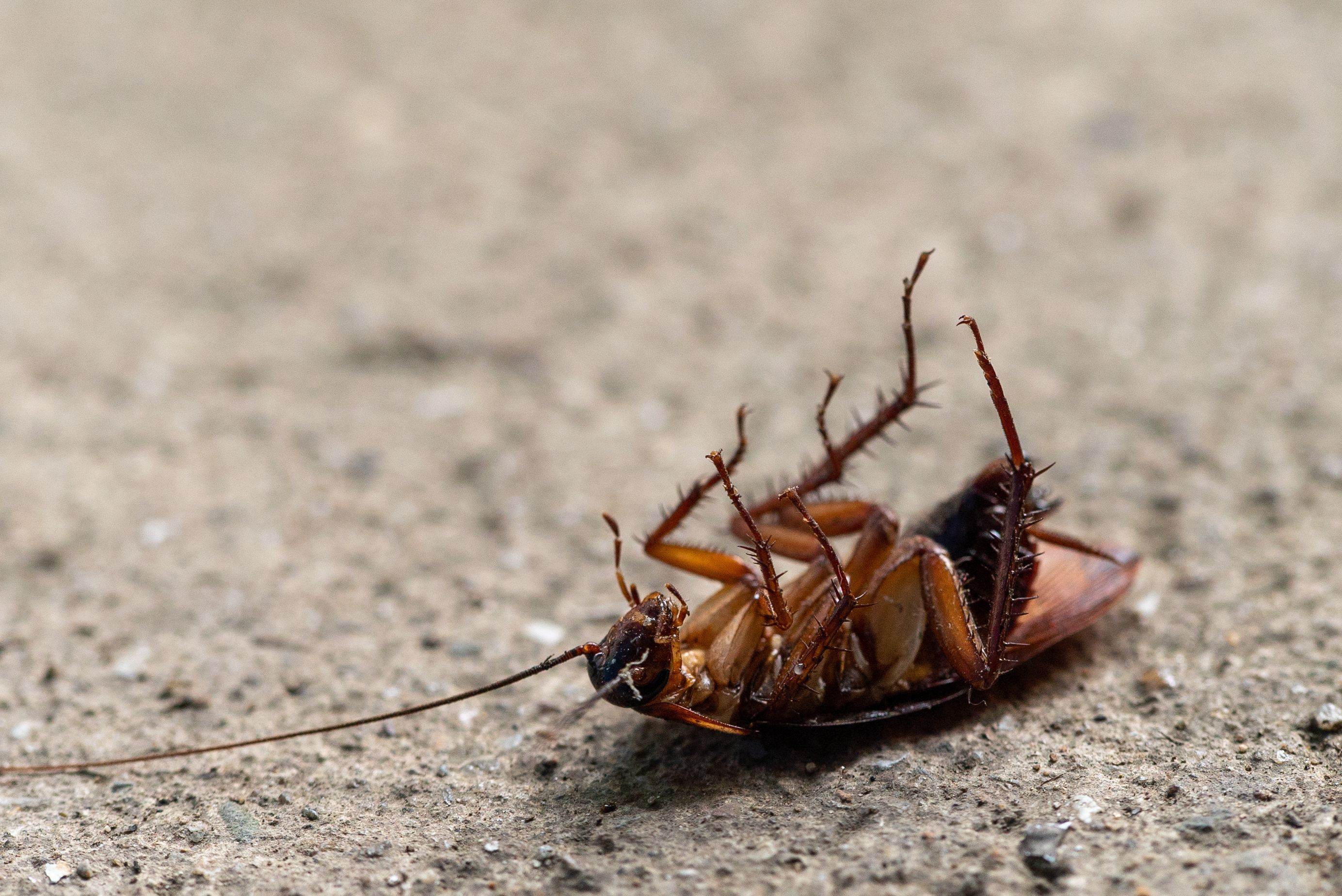
Rats may seem small, but the health threats they bring are anything but. When they infiltrate a home in Canton, Georgia, they become carriers of serious diseases, contaminators of food and water, and triggers for allergic reactions. Ignoring these warning signs can quickly turn a minor nuisance into a costly medical emergency. Understanding the risks helps homeowners act decisively—before the problem escalates.
Diseases Transmitted by Rats
- Leptospirosis – A bacterial infection spread through rat urine that can cause fever, muscle pain, and, in severe cases, kidney or liver failure.
- Hantavirus – Contracted by inhaling aerosolized droppings or urine; it leads to hantavirus pulmonary syndrome, a potentially fatal respiratory illness.
- Salmonella – Rats can contaminate food surfaces with this bacteria, resulting in gastrointestinal distress, fever, and dehydration.
These illnesses are documented by the CDC’s rodent health information page, which stresses that even brief exposure can trigger infection.
Contamination of Food, Surfaces, and Water Supplies
Rats are opportunistic foragers. Their droppings, urine, and saliva easily mix with pantry items, countertops, and even household water lines. A single rat can deposit hundreds of droppings in a week, each capable of harboring pathogens. When contaminated food is consumed, the risk of food‑borne illness spikes dramatically, especially for children, seniors, and anyone with a compromised immune system.
Allergic Reactions to Rat Urine and Dander
Beyond infectious diseases, rat urine and dander contain proteins that act as potent allergens. Homeowners may experience sneezing, itchy eyes, or asthma flare‑ups after prolonged exposure. In severe cases, repeated contact can lead to chronic respiratory issues that require ongoing medical treatment.
Impact on Structural Integrity
Rats chew indiscriminately—wiring, insulation, and even wooden framing are at risk. Damaged electrical wires create fire hazards, while chewed insulation reduces energy efficiency and can expose occupants to mold growth. The hidden nature of this damage often means it’s discovered only after a costly repair or an emergency fire incident.
The Real Cost of Delayed Treatment
Addressing a rat problem early saves more than just money; it protects health and peace of mind. According to the EPA’s rodent control options guide, early, targeted interventions are far less invasive and cheaper than extensive extermination, structural repairs, or medical bills from disease treatment. A single emergency hospitalization for hantavirus can exceed the total cost of a professional pest‑control plan, not to mention the personal toll of recovery.
By recognizing the health dangers and acting promptly, Canton homeowners can keep their families safe, preserve the integrity of their homes, and avoid the steep expenses that come with delayed action. Early engagement with a trusted service like Anthem Pest Control ensures the problem is eliminated before it becomes a health crisis.
Control Methods, Pricing, and What to Expect
Snap Traps – The Classic DIY Option
Snap traps are the oldest, most straightforward way to reduce a rat population. They work by delivering a swift, lethal strike when a rodent takes the bait. For homeowners who prefer a hands‑on approach, snap traps can be set in high‑traffic areas such as kitchens, basements, and attic corners.
Pros: Low upfront cost, immediate results, no chemicals involved. Cons: Requires regular monitoring, poses a safety risk to children and pets if placed improperly, and may not address hidden infestations.
Bait Stations – Professional‑Grade Chemical Control
Bait stations contain anticoagulant or non‑anticoagulant rodenticides that rats consume over several days. A licensed technician places these stations in concealed locations, reducing the chance of accidental exposure while ensuring the poison remains effective.
Pros: Higher efficacy for large or hidden colonies, minimal daily maintenance, and discreet placement. Cons: Higher material cost, requires professional handling, and must be monitored for secondary poisoning concerns.
Comprehensive Rodent‑Proofing – The Long‑Term Solution
Rodent‑proofing goes beyond killing rats; it eliminates the conditions that invite them. Anthem Pest Control conducts a thorough inspection, seals entry points, trims vegetation, and installs exclusion devices. This method is ideal for homeowners who want a permanent barrier against future invasions.
Pros: Addresses root causes, reduces need for repeat treatments, and improves overall home safety. Cons: Higher labor cost, requires more time to complete, and may involve structural modifications.
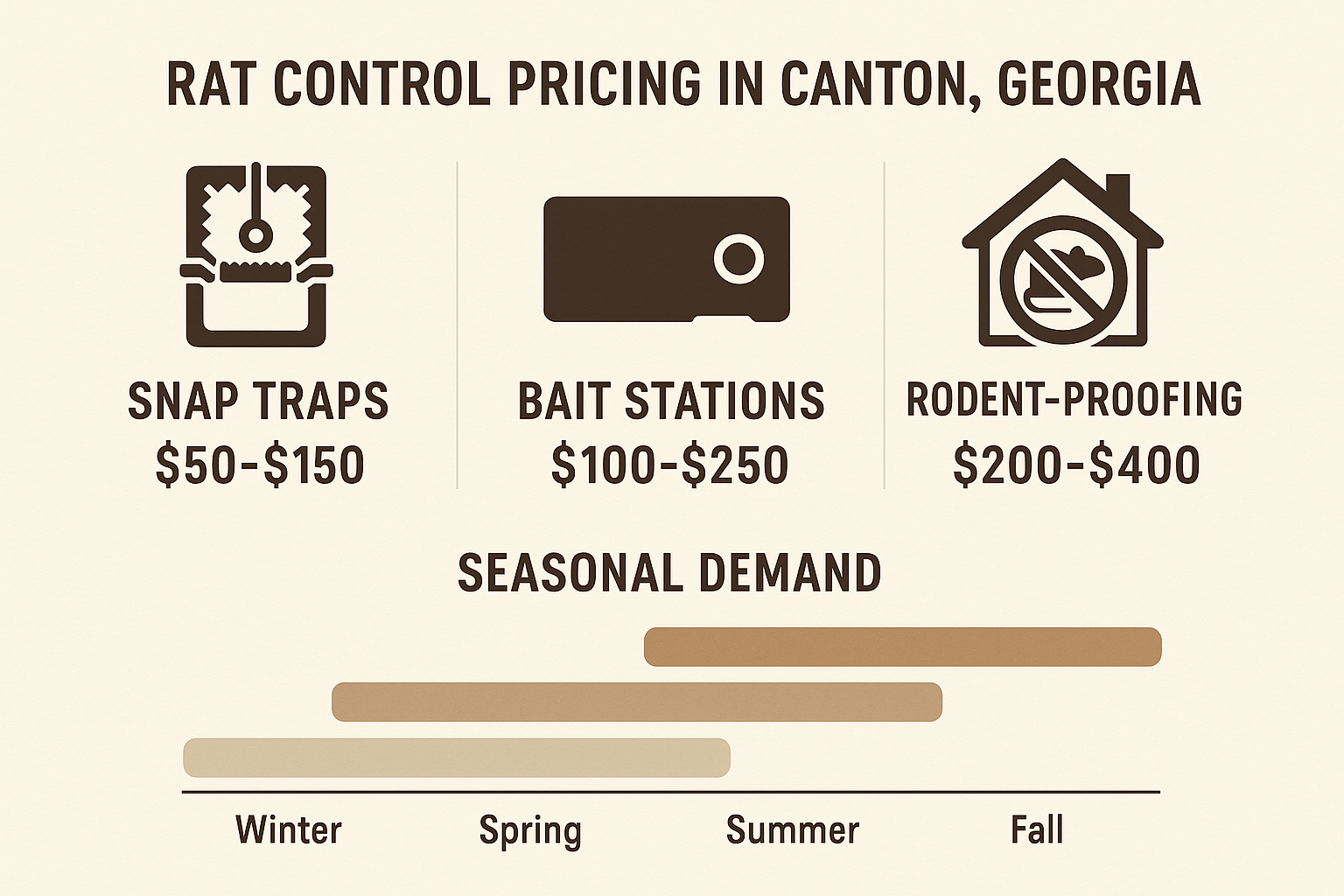
| Control Method | Typical Cost Range |
|---|---|
| Snap Traps (DIY kit or basic service) | $50 – $150 |
| Bait Stations (professional placement) | $100 – $250 |
| Comprehensive Rodent‑Proofing | $200 – $400 |
What’s Included in an Anthem Pest Control Service Package?
Snap‑Trap Package: A technician installs up to five pre‑baited snap traps, provides a detailed placement map, and returns within 48 hours to remove captured rodents and reset traps as needed.
Bait‑Station Package: Includes a site‑specific assessment, placement of 2‑4 tamper‑proof bait stations, a written safety plan for pets and children, and a follow‑up visit to check consumption and replace stations.
Rodent‑Proofing Package: Starts with a comprehensive inspection, sealing of gaps ≤¼ in, installation of metal mesh around vents, trimming of shrubbery within 2 feet of the foundation, and a final walkthrough to ensure all exclusion points are secure.
All three packages align with the 2023 NPMA rodent‑control cost survey, which reports national averages of $80 for snap‑trap services, $180 for bait‑station programs, and $300 for full‑scale exclusion work. Anthem’s transparent pricing stays within these benchmarks while offering the added benefit of local expertise in Canton.
Preparing Your Home Before Treatment
- Clear Clutter: Remove boxes, firewood, and stored items from basements and garages. Rats love hidden pathways, and a tidy space makes traps and stations more visible.
- Secure Food Sources: Store pantry items in airtight containers, clean up crumbs immediately, and keep pet food sealed when not in use.
- Eliminate Water: Fix leaky pipes, empty pet water dishes at night, and ensure gutters direct water away from the foundation.
- Inspect Entry Points: Look for gaps around utility lines, doors, and windows. Even a ¼‑inch opening can serve as a rat highway.
- Communicate with Your Technician: Provide details about recent sightings, nesting material, and any previous control attempts. The more information you share, the faster a tailored plan can be deployed.
Choosing the right method hinges on the size of your infestation, your comfort with chemicals, and how proactive you want to be about prevention. Snap traps work well for a few stray visitors, bait stations excel when a hidden colony is suspected, and rodent‑proofing offers the peace of mind of a pest‑free home for years to come. Whatever you decide, Anthem Pest Control is ready to match the solution to your budget and give you a clear roadmap to a rat‑free Canton residence.
Seasonal Activity Trends and Timing Your Treatment
Rats in Cherokee County don’t stay idle all year; their movements follow a predictable rhythm dictated by the climate and the availability of food. Understanding this rhythm lets you act before the rodents become a full‑blown infestation, saving you time, stress, and money.
What the Seasonal Activity Chart Shows
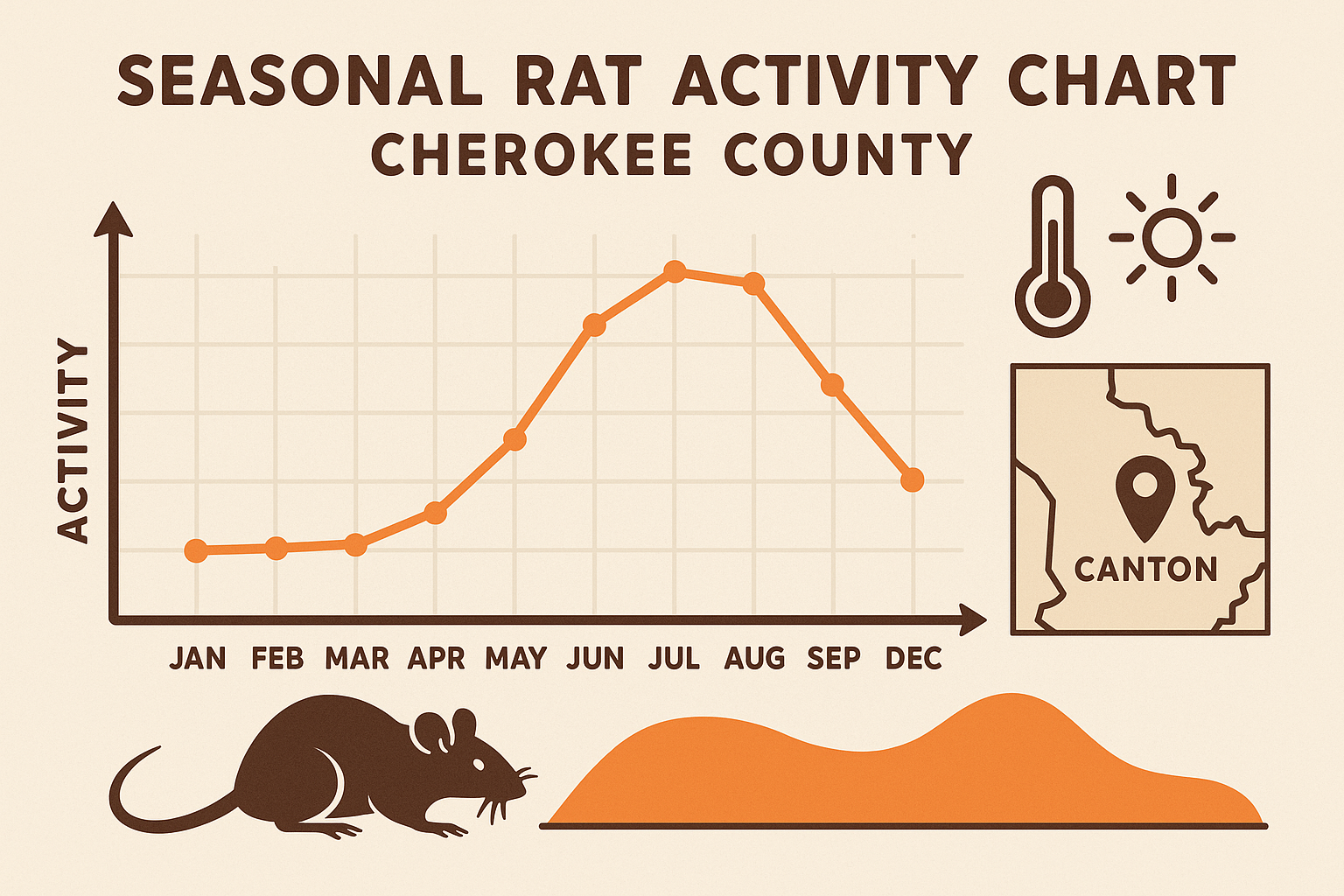
The chart below captures a typical year of rat activity in Canton. Numbers rise sharply in late spring, crest in the warmest months of June through August, and then gradually decline as temperatures dip in September. By December, activity reaches its lowest point, only to climb again as the new year warms up.
Why Temperature and Food Drive the Peaks
Rats are ectothermic mammals; their metabolism speeds up when it’s warm, prompting more foraging and breeding. Summer temperatures above 70°F create ideal nesting conditions, so colonies expand quickly. Conversely, colder months force rats to seek shelter, reducing visible activity but not eliminating the problem entirely.
Food availability follows the same pattern. Outdoor garbage, pet food left on porches, and fallen fruit become abundant in the growing season. Homeowners often host barbecues and outdoor gatherings, inadvertently providing a buffet that encourages rats to explore neighborhoods.
Neighborhood Risk Map
Not every corner of Canton faces the same level of threat. The map below highlights zones where rat sightings and damage reports are most frequent. Areas near the Etowah River, older subdivisions with mature trees, and neighborhoods bordering vacant lots tend to see higher activity.
Two‑Step Prevention and Treatment Plan
Timing is everything. By aligning your actions with the seasonal curve, you can intercept rats before they settle in.
- Step 1 – Pre‑summer inspection & barrier installation (March‑April): A certified technician walks your property, seals entry points, trims vegetation, and installs rodent‑proof barriers around foundations and utility lines.
- Step 2 – Summer‑season monitoring (June‑August): After the initial barrier is in place, we set up bait stations and conduct weekly checks to catch any newcomers that slipped through or were attracted by seasonal food sources.
How Weather Anomalies Can Shift Activity
Unusual rainstorms or an early heat wave can disrupt the typical pattern. Heavy rains in May, for example, flood burrows and force rats to migrate into homes seeking dry shelter, effectively advancing the peak by a month. Likewise, a prolonged drought may suppress activity, but it also drives rats to search for water sources, often concentrating them near irrigation systems and bird baths.
Why You Should Schedule Before the Peak
Proactive scheduling gives our technicians the window they need to perform a thorough pre‑summer inspection, install long‑lasting barriers, and educate you on simple homeowner actions—like securing trash cans and removing bird feeders—that keep rats at bay. Waiting until rats are already active means you’ll likely need more intensive (and costly) treatments to break an established infestation.
Give yourself the peace of mind that comes from a well‑timed plan. Contact a local Anthem Pest Control professional now, so you’re ready before the summer surge begins.
Protect Your Home Today with Anthem Pest Control
Over the past sections we’ve walked through the tell‑tale signs that rats have taken residence in your Canton home – gnaw marks on wood or wires, droppings in hidden corners, a distinctive squeaking or scurrying at night, and even unexplained odors. We also highlighted the health risks they bring, from Hantavirus to salmonella‑laden bacteria, and why those risks increase as the warmer months give rodents more opportunities to explore your interior. Finally, we covered the most effective control methods – sealing entry points, setting bait stations, and using low‑impact rodenticides – and explained why timing your treatment before the peak summer surge can save you both headaches and dollars.
- Identify rat activity by looking for gnaw marks, droppings, greasy runways, and audible nocturnal scurrying.
- Remember the health hazards: disease‑carrying bacteria, Hantavirus, and contamination of food and surfaces.
- Effective control combines exclusion (sealing cracks, doors, vents), bait stations placed near pathways, and low‑toxicity rodenticides.
- Treat early – ideally in early spring or late summer – before breeding peaks and before rats seek shelter indoors.
Why Anthem Pest Control Is Your Canton Advantage
Anthem Pest Control blends national expertise with deep local roots. For more than a decade we’ve served Canton neighborhoods, learning the unique construction quirks of older homes and the seasonal patterns that drive rodent activity in north‑central Georgia. Our technicians live in the area, so they can pinpoint the most common entry routes, recommend the safest bait placement for our climate, and schedule treatments at the optimal time of year. Every plan is customized, meaning you receive only the services you need—no unnecessary chemicals, no wasted visits, and no one‑size‑fits‑all pricing.
Transparent Pricing, Licensed Professionals, and a Satisfaction Guarantee
We believe you deserve clear, upfront costs. Our quotes break down each component—inspection, exclusion work, bait placement, and follow‑up monitoring—so you can see exactly where your money goes. Prices are flat‑rate with no hidden fees, and we offer flexible financing for larger projects. All of our technicians are state‑licensed, fully insured, and trained in EPA‑approved, pet‑safe rodent control products. If you’re not completely satisfied with the results, our 30‑day satisfaction guarantee ensures we’ll return, re‑treat, and make it right at no extra charge.
Take the First Step – Free, No‑Obligation Quote
Rats won’t wait for you to decide, but you can stay one step ahead. If you suspect a rat problem or simply want a preventative inspection, reach out today for a complimentary, no‑obligation quote. Our friendly team can schedule a same‑day visit, walk you through the customized plan, and answer any questions about safety, timing, or cost. You can also book online through our website for added convenience. Acting now protects your family, your property, and your peace of mind.
Call now: 877‑371‑8196
Visit: https://anthempest.com