Rising Rat Sightings in Tucker – Why Costs Matter

If you’ve taken a stroll through Lake Forest or South Lake this spring, you’ve probably heard the unmistakable scurrying and seen droppings where they shouldn’t be. Residents across Tucker are reporting a sharp uptick in rat activity, turning quiet cul-de-sacs into nightly rat runways, prompting many homeowners to research the rat control cost Tucker for effective solutions.
Why the surge matters isn’t just about an unwelcome guest—it’s about health and home. Rats carry pathogens such as leptospirosis and hantavirus, and their gnawing can compromise insulation, wiring, and even structural beams.
For a homeowner, the first question after spotting a rat is, “How much will fixing this cost?” Transparent pricing becomes a budgeting lifeline because hidden fees can turn a $200 treatment into a $800 surprise when damage repairs are added.
That’s why this guide breaks the numbers down before you pick up the phone. We’ll start with the basics of a rat infestation, then dive into the main cost drivers—inspection, treatment type, property size, and follow‑up visits.
Next, you’ll see clear pricing tables for one‑time exterminations, monthly monitoring plans, and DIY kits, followed by a side‑by‑side comparison of do‑it‑yourself versus professional services.
We also cover seasonal spikes, local regulations that affect how and when rats can be treated, and the specific value Anthem Pest brings to Tucker homeowners—fast response, guaranteed results, and no surprise fees.
Finally, a quick FAQ answers the most common budgeting concerns, and at the end of the article you’ll find a direct link to schedule a free, no‑obligation quote. All data is drawn from local service records and recent pest‑monitoring reports, so the numbers you see are truly Tucker‑specific.
Budgeting early also protects your property’s resale value. A home with a documented rat‑free history sells faster and often commands a higher price than one with hidden damage. By understanding the true cost now, you can schedule treatments during off‑peak months when rates are lower, keeping both your wallet and your peace of mind intact.
Common Rat Species and Entry Points in Tucker Homes
What Rats Call Tucker Home
In DeKalb County, two species dominate residential infestations: the Norway rat (Rattus norvegicus) and the roof rat (Rattus rattus). Norway rats are the larger, stockier brown rats that prefer ground‑level habitats such as basements, crawl spaces, and garden beds. Roof rats, often called black rats, are slimmer, excellent climbers, and are most commonly found in attics, eaves, and any place that offers easy access to the roofline. Both species thrive on the abundant food sources found in suburban neighborhoods, making Tucker homes a prime target.
Typical Entry Points
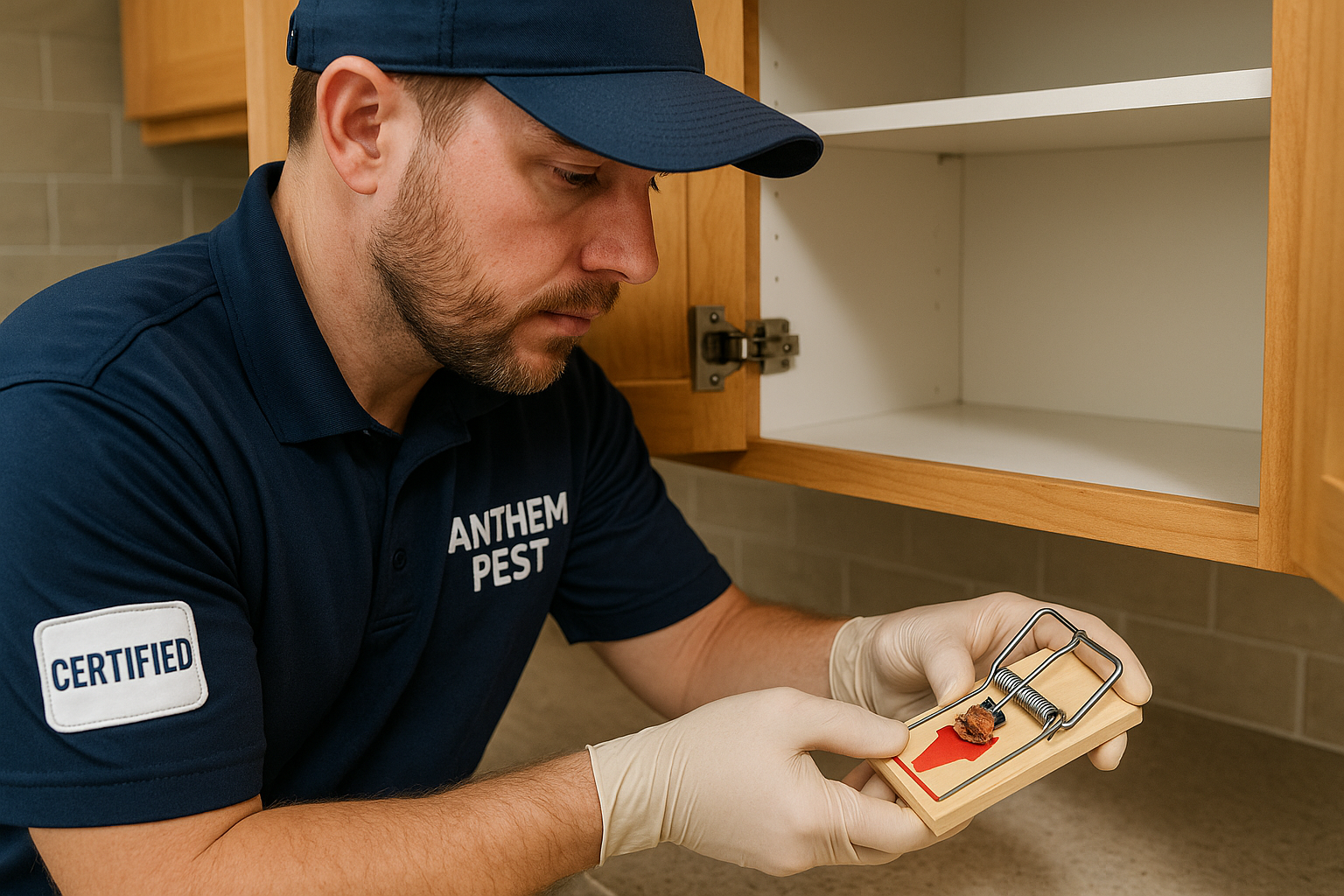
Rats are opportunistic engineers; they squeeze through openings as small as a quarter‑inch. In Tucker, the most frequent gateways include:
- Basement vents and vent covers left unsealed.
- Crawl‑space gaps around foundation walls or utility penetrations.
- Attic vents, soffit gaps, and roof eave openings.
- Utility openings for cables, pipes, and HVAC ducts that lack proper flashing.
Each of these points offers a direct route from the outdoors to the warm, protected interior where rats can establish nests.
Local Data Highlights the Trend
The Georgia Department of Public Health reported a 12% increase in rodent complaints across DeKalb County during 2023. This uptick reflects both seasonal population booms and growing awareness among homeowners who are now more likely to call for professional assistance.
Real‑World Example
Consider a historic‑district homeowner on downtown Tucker’s main street. After the fall harvest, the property’s garden produced abundant fallen fruit and compost, attracting foraging rats. Within two months, the homeowner logged a 30% rise in sightings, tracing the surge to a cracked vent cover in the basement and an unsealed attic soffit. The increased activity not only threatened stored food but also raised the risk of structural damage.
Why Early Detection Saves Money
Identifying and sealing these entry points before a colony establishes can prevent costly damage and repeated treatment visits. A single sealed vent may stop a full‑blown infestation, saving the homeowner from expensive structural repairs, contaminated insulation, and the higher fees associated with emergency rodent control. Proactive inspection, especially in the spring and fall, is the most affordable path to a rat‑free home.
Core Factors That Drive Professional Rat Control Prices
When you call a pest‑control company, the quote you receive isn’t a random number—it’s built from a handful of clear cost drivers. Knowing what those drivers are helps you compare offers and choose the right plan for your Tucker home.
Inspection Fee
Most companies start with an inspection fee ranging from $75 to $120. Technicians spend time walking your property, identifying entry points, and estimating the infestation level. The fee often scales with the size of the home; a 2,500‑sq‑ft house may be billed toward the higher end of the range, while a compact 1,200‑sq‑ft condo stays near the bottom.
Treatment Methods & Unit Costs
- Snap traps: $15–$30 each. Ideal for spot‑treating isolated activity zones.
- Electronic traps: $45–$80 each. Provide a kill‑and‑record feature that many homeowners prefer for monitoring.
- Bait stations: $30–$50 each. Offer continuous control, especially useful in larger yards or crawl spaces.
The total hardware cost depends on how many units the technician deems necessary. A typical 2,000‑sq‑ft home might need three snap traps and one bait station, bringing the hardware subtotal to roughly $80–$130.
Exclusion Work
Sealing gaps, repairing vents, and installing door sweeps are billed by the linear foot of material used, usually $2–$5 per foot**. A homeowner with a few dozen entry points can see an additional $100–$200 for this preventive work.
Follow‑Up Visits
Most providers schedule a post‑treatment check‑up to verify that rats are gone and that traps or bait stations are still effective. Expect a charge of $50–$80 per visit. Many companies bundle this into a “maintenance package,” offering two follow‑ups for the price of one, which can shave $30–$50 off the total.
Seasonal Demand Surcharge
Rats are most active in the warmer months, and pest‑control firms often apply a 10 % summer surcharge. If your service quote totals $350 in spring, the same work in July could rise to about $385.
Cost Comparison: Basic vs. Premium Package (2,000‑sq‑ft Home)
| Item | Basic Package | Premium Integrated Package |
|---|---|---|
| Inspection | $90 | $90 |
| Hardware (traps/bait) | $80 | $150 (includes electronic traps) |
| Exclusion (30 ft) | $90 | $120 (adds extra sealing) |
| Follow‑up (1 visit) | $70 | $0 (bundled two visits) |
| Seasonal surcharge (summer) | $33 | $40 |
| Total | $363 | $500 |
The basic package covers essential inspection, a few snap traps, and minimal sealing—perfect for a low‑level problem. The premium integrated package adds electronic traps, more extensive exclusion, and bundled follow‑ups, delivering a comprehensive, long‑term solution.
All figures align with the NPMA 2023 Pest Control Pricing Survey, which confirms that these ranges represent the current market in the Southeast.
Detailed Pricing Breakdown for a Typical Tucker Home
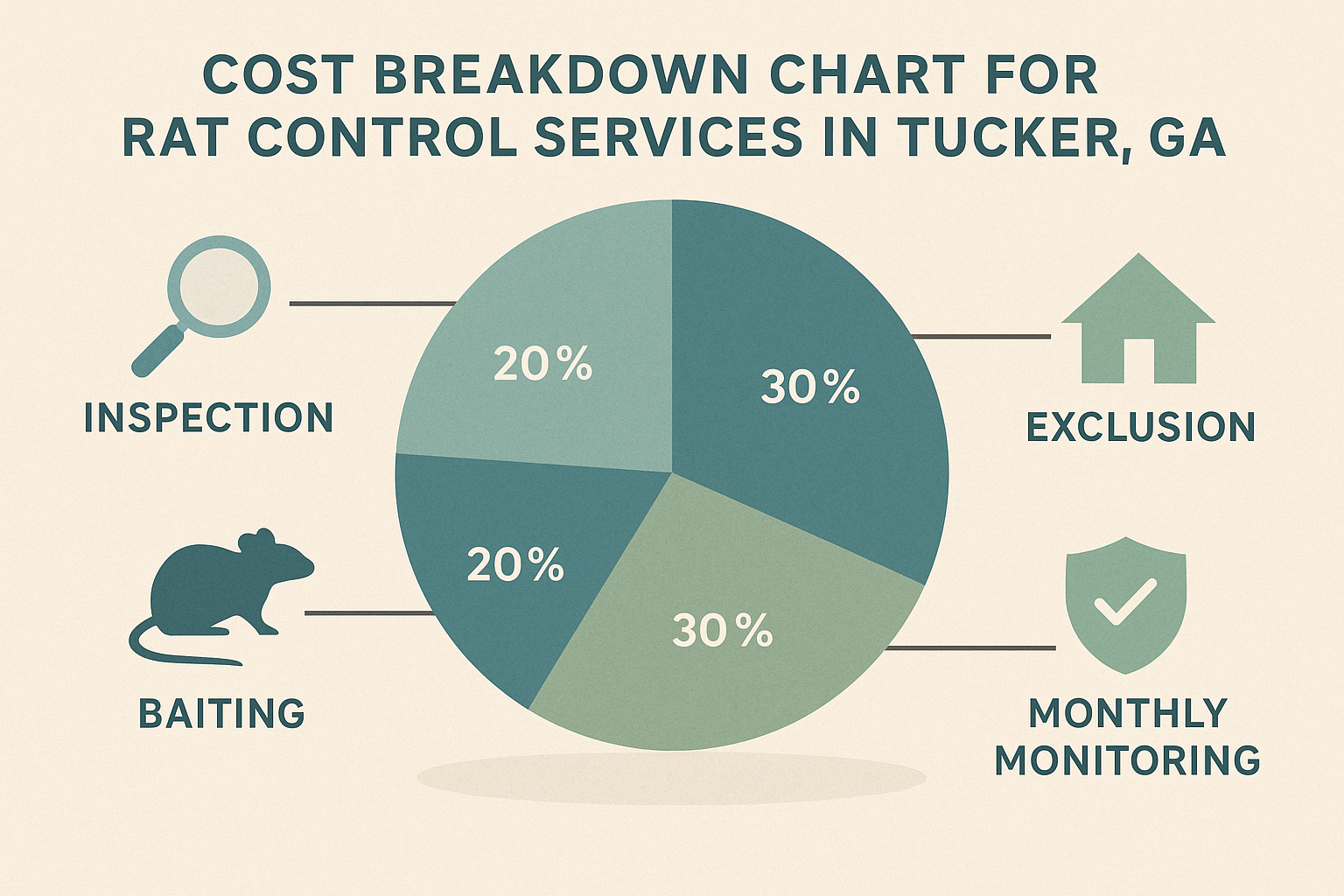
When you call Anthem Pest Control, the first thing we do is give you a transparent, item‑by‑item estimate. Below is a snapshot of the most common service package we recommend for a single‑family home in Tucker, Georgia. Use this table as a baseline to calculate what your own rat‑control project might look like.
| Service | Quantity / Scope | Cost (USD) |
|---|---|---|
| Initial inspection | One‑time visit | $95 |
| Placement of snap traps | 6 traps positioned strategically | $120 |
| Bait station installation | Secure stations with EPA‑approved bait | $140 |
| Exclusion (seal 30 ft) | Caulking and weather‑stripping entry points | $120 |
| First follow‑up | Check trap results, adjust as needed | $70 |
| Monthly monitoring (3 months) | Three visits to ensure long‑term control | $180 |
Adding the line items together gives a **total estimated range of $735 – $1,050**. The lower end assumes a straightforward job with minimal obstacles, while the higher end reflects additional labor, travel time, or the need for extra exclusion work.
How Property Size Affects the Bottom Line
Our baseline assumes a typical 2,200‑sq‑ft home with a single‑family layout. If your property is larger—say, a 3,500‑sq‑ft ranch—or if you own a multi‑unit complex, two factors push the cost upward. First, more square footage usually means more potential entry points, so the exclusion component can climb from 30 ft of sealing to 50 ft or more, adding roughly $40‑$80 per extra 10 ft. Second, larger homes often require additional traps and bait stations, which can increase the trap placement and monitoring fees by $30‑$60 each.
For example, a 3,500‑sq‑ft house might see the exclusion cost rise to $180 and the trap placement to $180, nudging the overall estimate to around $950‑$1,250. Multi‑unit buildings introduce shared walls and common areas, which can double the exclusion work and require more frequent monitoring, potentially pushing the total past $1,500.
National Context from the EPA
The EPA’s 2023 Rodent Control Cost Guide reports that average residential rat‑control projects across the United States fall between $500 and $1,200, depending on region, property size, and treatment complexity. Our Tucker‑specific estimate sits comfortably within that national band, confirming that local pricing reflects both the cost of skilled technicians and the higher demand for rodent control in the Atlanta metro area.
Seasonal and Weather Influences on Rat Control Pricing
Rats aren’t active year-round in the same way; their behavior follows the local climate. In Tucker, Georgia, you’ll notice a clear shift once the leaves start to turn. As temperatures dip in the fall, rats leave the fields and seek the warmth of homes, garages, and crawl spaces. This surge in activity drives a higher demand for inspection and exclusion services, which in turn pushes prices up during the October–December window, making the rat control cost Tucker an important factor for homeowners to consider.
Summer brings a different challenge. The heat speeds up metabolism, so rats eat more and go through bait faster. Studies show bait consumption can climb by roughly 15 % during July and August. Because technicians must replenish or replace bait more often, the material cost on the invoice reflects that increase. While labor rates stay steady, the overall quote may feel a bit higher in the peak summer months.
Winter in Tucker is relatively mild, hovering between 45 °F and 55 °F. Those temperatures are still low enough for rodents to look for insulated entry points. Homeowners often discover gaps around doors, windows, and utility penetrations that were hidden in warmer weather. Addressing these openings—what we call “exclusion work”—requires more time and additional materials, adding another layer to the final price tag.
Heavy rainstorms in late spring can force rats to abandon burrows and move indoors, creating a sudden spike in service calls. When weather events compress many requests into a short period, companies may apply a modest seasonal surcharge to cover overtime labor and faster supply turnover.
Practical tip: Plan your rat‑control inspection for early September. By booking before the fall rush, you can lock in the off‑peak rate that many companies, including Anthem Pest Control, offer. Early scheduling also gives technicians a chance to seal entry points before rats start mass‑migrating, saving you both money and a headache later in the season.
Local Regulations and Health Guidelines for Rodent Management
In Georgia, the law treats rodent bait the same way it treats any hazardous material in a home. State regulations require that all bait stations be placed where children and pets cannot reach them—typically at least 3 feet off the ground, behind a locked gate, or inside a tamper‑proof container. The bait must also be labeled with the appropriate warning symbols and kept out of direct sunlight to preserve its efficacy. Violating these placement rules can result in fines and, more importantly, puts your family at risk.
CDC recommendations for disease prevention
The Centers for Disease Control and Prevention (CDC) warns that rats are carriers of serious illnesses such as hantavirus and leptospirosis. To lower exposure, the CDC advises homeowners to:
- Seal all entry points larger than ¼ inch to prevent rodents from entering the structure.
- Eliminate food and water sources by storing garbage in sealed containers and fixing leaky pipes.
- Wear disposable gloves and a mask when cleaning droppings or nests, then disinfect the area with a bleach solution.
- Consult a licensed pest‑control professional for safe bait application and disposal.
For the full guidance, visit the CDC’s rodent page: CDC – Rodents and Health.
DeKalb County rodent‑control ordinance
DeKalb County has its own ordinance that reinforces state rules and adds local enforcement. The ordinance requires property owners to maintain “rodent‑free” conditions, which includes prompt removal of debris, regular yard clean‑up, and immediate reporting of infestations to the health department. Review the complete ordinance here: DeKalb County Rodent‑Control Ordinance.
Penalties and best‑practice tips
Failure to comply with either state or county regulations can lead to administrative citations ranging from $100 to $500 per violation, and repeated non‑compliance may trigger court action. To stay safely within the law, follow these best‑practice steps:
- Schedule a professional inspection before placing any bait.
- Document bait locations with photos and keep records of the product’s label information.
- Educate household members—especially children—about the dangers of rodent control products.
- Maintain a clean, clutter‑free environment to deter future infestations.
By respecting the legal framework and adhering to CDC health guidelines, you protect both your family’s wellbeing and your property’s value while keeping your rodent problem under control.
How Anthem Pest Delivers Value in Tucker
When you search for rat control in Tucker, the first thing you notice about Anthem Pest is the clarity of its pricing. Every service—from a one‑time exclusion to a full‑home rodent management plan—is presented as a fixed‑price package on the Anthem website. Homeowners see exactly what they pay before a technician steps on the property, eliminating surprise fees and allowing them to budget the pest‑control expense alongside other household costs.
- Basic Exclusion Package: $199 – includes a site inspection, sealing of common entry points, and a single bait placement.
- Standard Control Package: $349 – adds continuous monitoring, two follow‑up visits, and a 30‑day re‑treatment guarantee.
- Premium Protection Package: $499 – covers all of the above plus quarterly inspections for a full year and priority scheduling.
Each package is locked in at the quoted price, and there are no hidden labor charges or surprise chemical fees. This transparency builds trust, especially for Tucker homeowners who are juggling mortgage payments, school expenses, and seasonal maintenance.
Local expertise that matches Tucker’s architecture
Anthem’s technicians undergo a specialized training program that focuses on the construction styles most common in Tucker—brick bungalows, split‑level homes, and newer ranch‑style builds. They know that rats love to slip through basement vents, crawl‑space gaps, and the small cracks around utility penetrations. By mapping these typical entry points before treatment, the crew can place bait stations and exclusion barriers exactly where they will be most effective, reducing the need for repeat visits.
30‑day re‑treatment warranty for peace of mind
Every service comes with a 30‑day re‑treatment warranty. If any rat activity reappears within that window, Anthem will return at no additional cost to re‑apply the chosen solution. This guarantee not only protects the homeowner’s investment but also demonstrates the company’s confidence in its own methods.
“We called Anthem after spotting droppings in our basement. They arrived within hours, sealed the vent openings, and set up bait stations. The rats disappeared within a week, and when we saw a single sighting two weeks later, they came back for a free re‑treatment. The whole process was fast, thorough, and priced exactly as advertised.” – J. Miller, Brookhaven‑adjacent homeowner
For Tucker residents who want a clear price, local know‑how, and a solid warranty, Anthem Pest offers a straightforward solution. Call 877‑371‑8196 to discuss which package fits your home and schedule a same‑day inspection.
Frequently Asked Questions About Rat Control
How quickly can rats be eliminated?
Most professional treatments begin showing a noticeable drop in activity within 48–72 hours. Traps, bait stations, and targeted bait applications work rapidly to remove foraging rats from your property. While you’ll see fewer sightings early on, complete eradication generally takes up to two weeks, allowing time for any hidden individuals to encounter the control measures. Follow‑up visits ensure the last survivors are caught and the infestation is fully resolved.
Are the chemicals used safe for pets?
We rely on EPA‑approved rodenticides that are formulated to minimize risk to non‑target animals. When applied according to label directions—placed in tamper‑proof bait stations, sealed in hard‑to‑reach areas, and kept away from food preparation zones—these products are safe for both pets and children. Our technicians are trained to follow strict safety protocols, and we always advise homeowners on any temporary precautions needed during the treatment window. For additional peace of mind, you can review the CDC’s guidance on rodent‑borne disease prevention, which emphasizes proper product handling and environmental safety.
What does a typical service contract include?
A standard rat‑control contract with Anthem Pest Control covers the full lifecycle of the job:
- Comprehensive inspection to locate entry points, nesting sites, and activity hotspots.
- Trap and bait placement using EPA‑registered products in strategic locations.
- Exclusion work to seal gaps, repair vents, and block pathways that rats use to enter the home.
- Follow‑up visits—usually one to two weeks after the initial treatment—to assess progress and adjust tactics.
- Monitoring period of 30 days, during which we track any new activity and re‑treat if necessary.
This all‑inclusive approach guarantees not just removal but long‑term protection, helping homeowners avoid repeat infestations and the health risks associated with rodents.
Final Thoughts and How to Get a Free Quote
The price of rat control in Tucker breaks down into five main components: inspection, treatment, exclusion work, follow‑up visits, and seasonal adjustments that reflect higher activity in the fall.
- Inspection: Determines the infestation scope and guides the plan.
- Treatment: Applies baits, traps, or eco‑friendly sprays as needed.
- Exclusion: Seals gaps and vents to block future entry.
- Follow‑ups: Ensures rodents stay gone and adjusts tactics.
- Seasonal factors: Fall raises costs; off‑peak months often allow discounts.
Choosing a licensed professional protects your family’s health, prevents property damage, and avoids repeated DIY attempts that can cost more in the long run. A comprehensive service solves the problem at its source, not just the symptoms. Over time, this proactive approach reduces the likelihood of recurring infestations and the associated repair costs, making the rat control cost Tucker a smart long-term investment.
Act now—before the fall surge—to lock in off‑peak pricing and give your home a head start on seasonal activity. Early scheduling lets us plan the most cost‑effective approach for you.
If you’re ready for a safe, effective solution tailored to Tucker homes, our team is here to help. Call 877‑371‑8196 or visit Anthem Pest Control for a free, no‑obligation quote. Let us handle the rodents so you can enjoy peace of mind.