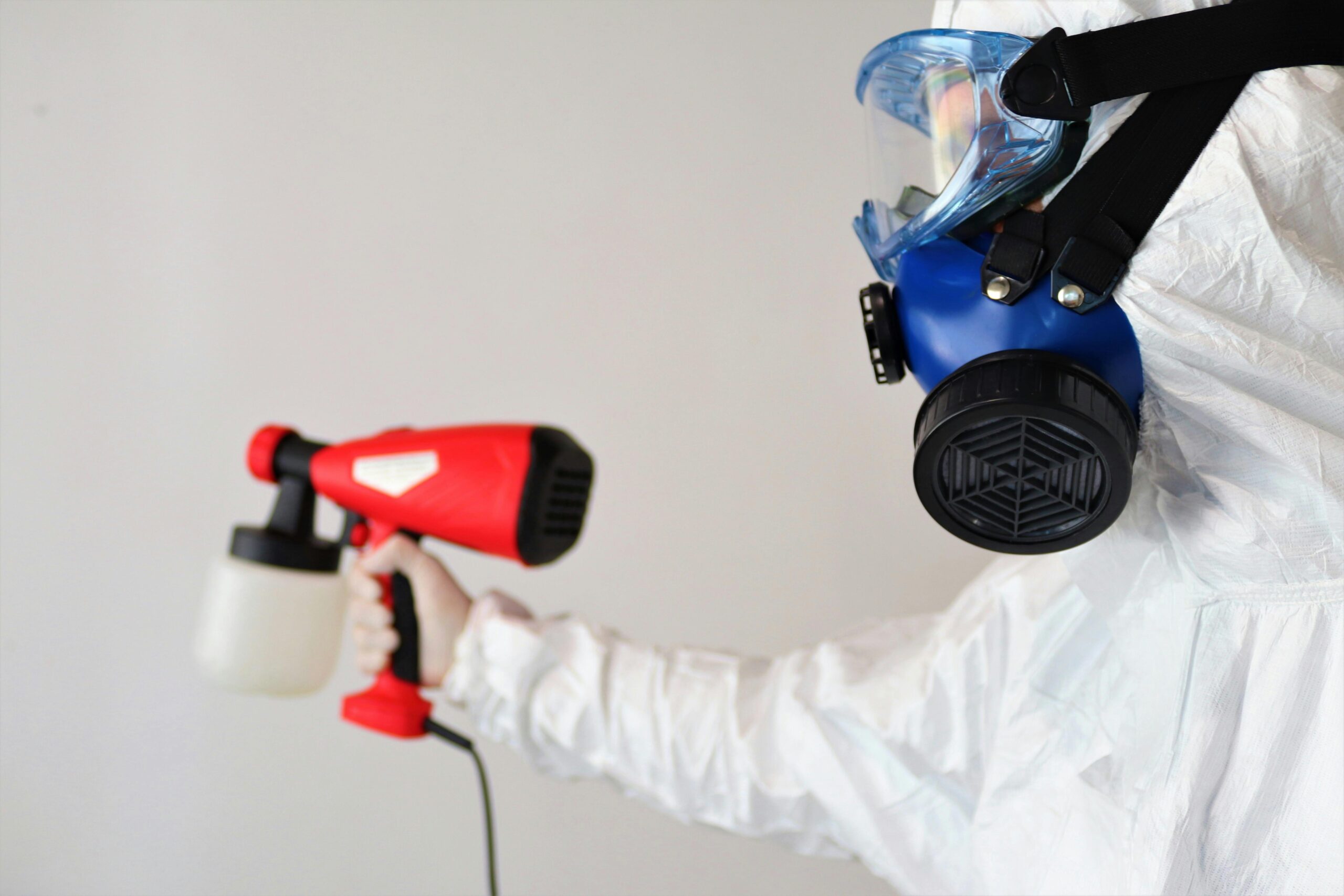
What Are Silverfish and Why They Matter

Silverfish (Lepisma saccharina) are small, wingless insects that have earned their name from the silvery, fish-like shimmer of their scales and the quick, darting motion they display when disturbed—often prompting homeowners to research silverfish control cost Canton when sightings increase. Adults typically measure 12–25 mm (½–1 in) in length, with a tapered, carrot-shaped body, three long bristles at the rear, and a pair of antennae that sweep forward like tiny feelers. Their coloration ranges from light gray to brown, and the overlapping scales give them a metallic sheen that catches the eye in low-light corners.
Where They Hide Inside Your Home
Silverfish thrive in damp, dark environments where they can stay hidden and maintain the moisture they need to survive. Common indoor habitats include:
- Bathrooms and showers—especially around tile grout, caulking, and under sinks.
- Kitchens—near leaky pipes, under appliances, and in pantry corners where crumbs accumulate.
- Basements and crawl spaces—where humidity levels often exceed 60 %.
- Closets and laundry rooms—areas with folded fabrics, paper, or stored books that provide both shelter and food sources.
Tile surfaces, grout lines, and other porous building materials retain moisture, creating the perfect micro‑climate for silverfish to lay eggs and forage.
Health and Property Concerns
Although silverfish are not disease vectors, they can still pose significant problems for homeowners:
- Food contamination: Silverfish feed on starchy substances, sugars, and protein residues. They may gnaw on pantry items, cereal, flour, or even pet food, leaving behind droppings that can compromise food safety.
- Damage to household items: Their diet includes paper, glue, and natural fibers. Over time, they can create holes in books, magazines, wallpaper, and clothing—especially in cotton or silk fabrics.
- Odor and aesthetic impact: A light, fish‑like smell may develop in heavily infested areas, and the sight of tiny, silvery insects scuttling across walls can be unsettling for occupants.
How to Spot an Infestation
Early detection is key to preventing extensive damage. Look for these tell‑tale signs:
- Small, brownish droppings that resemble pepper grains, often found near baseboards or in pantry corners.
- Shed skins—silvery, translucent exoskeletons left behind as the insects molt.
- A faint, fish‑like odor, especially in damp closets or bathroom cabinets.
- Live sightings of the characteristic quick‑moving, silver‑shimmering insects.
Quick Fact Box: The U.S. Environmental Protection Agency (EPA) classifies silverfish as non‑structural indoor pests, and the Centers for Disease Control and Prevention (CDC) notes that while they do not transmit disease, their feeding habits can lead to food contamination and material damage. Proper moisture control and regular inspections are the most effective preventive measures.
Understanding what silverfish are, where they love to hide, and the subtle signs of their presence empowers homeowners to act before the problem escalates. If you notice any of the indicators above, contacting a professional service like Anthem Pest Control can provide targeted treatment and long‑term prevention, keeping your home safe, clean, and silverfish‑free.
When Are Silverfish Most Active?
Life Cycle and Environmental Preferences
Silverfish (Lepisma saccharina) thrive in environments where warmth and moisture coexist. Their life cycle—egg, nymph, and adult—can span from one to three years, depending on temperature and humidity. Eggs hatch faster at 70‑80°F (21‑27°C) and when relative humidity stays above 60%. Nymphs molt several times, each stage requiring the same moist conditions to avoid desiccation. Because they are nocturnal scavengers, adults spend daylight hidden in cracks, baseboards, and bathroom grout, emerging at night to feed on starches, sugars, and mold spores.
Seasonal Activity Chart Explained
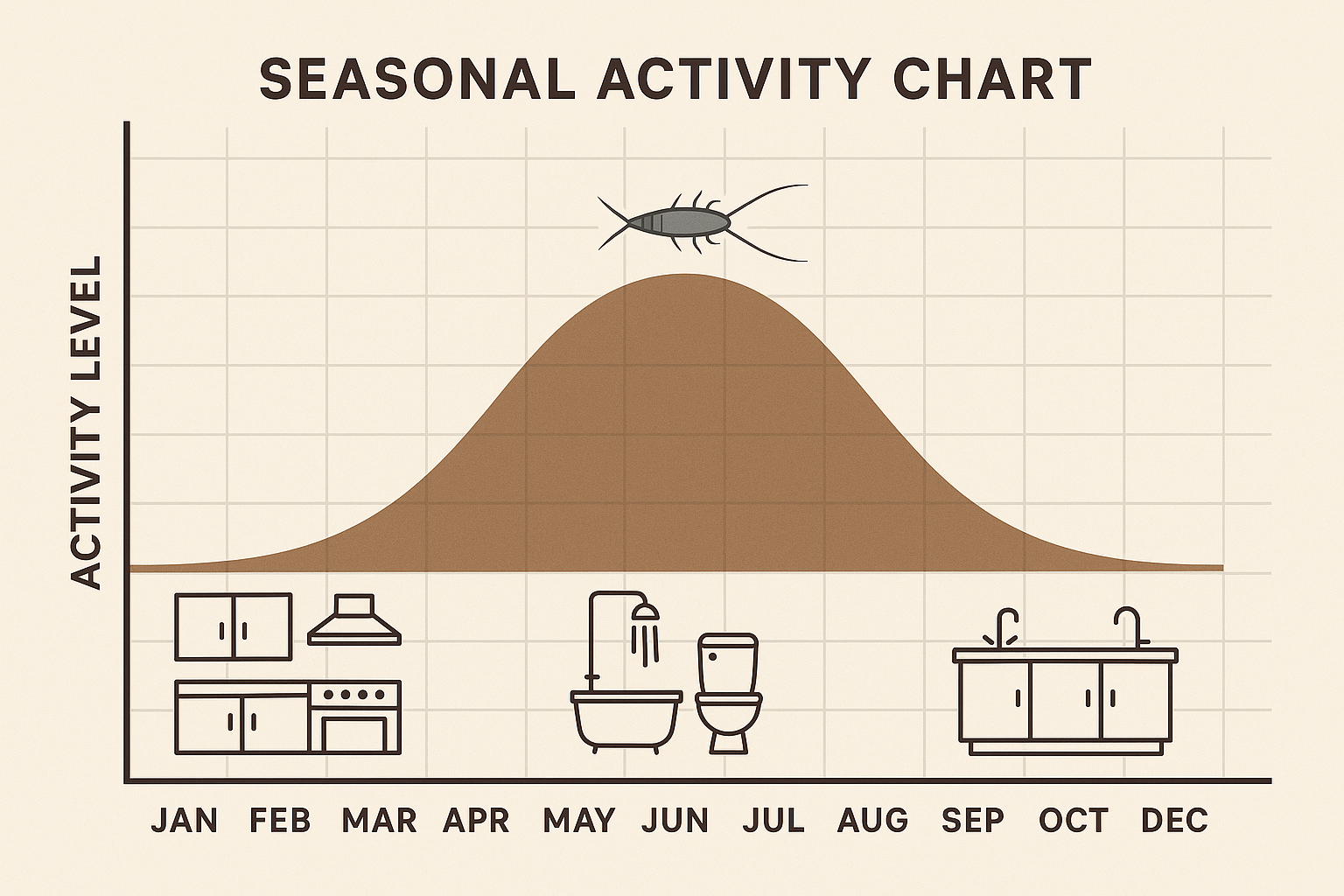
The seasonal activity chart below plots months (January–December) on the horizontal axis and relative activity level on the vertical axis (0 = dormant, 10 = peak). As temperatures rise in late winter, activity climbs gradually, peaking in midsummer when both heat and humidity are optimal—often corresponding with higher silverfish control cost Canton homeowners experience during peak infestation months. The curve dips slightly in August–September as outdoor humidity begins to wane, then falls sharply in October as cooler, drier air forces silverfish back into deeper refuges.
High‑Risk Months in Canton, GA
In Canton’s humid subtropical climate, the chart translates to a clear window of heightened risk:
- May – June: Soil and indoor humidity rise, prompting silverfish to leave their winter hideouts.
- July – August: Peak temperatures (85‑90°F) and relative humidity often exceed 70%, creating ideal feeding conditions.
- Early September: While outdoor heat begins to decline, indoor humidity remains high, extending the infestation window.
Homeowners who notice increased sightings during these months should act quickly—early detection can prevent a modest nuisance from becoming a full‑blown infestation.
Keeping Indoor Humidity in Check
Since moisture is the silverfish’s Achilles’ heel, reducing indoor humidity is the most effective preventive measure during peak months. Here are practical steps you can implement right away:
- Run exhaust fans in kitchens and bathrooms for at least 15 minutes after cooking or showering.
- Open windows on cooler evenings to promote cross‑ventilation, especially in basements and crawl spaces.
- Place a dehumidifier in moisture‑prone rooms; aim for a relative humidity below 50%.
- Fix leaky pipes, roof drips, or condensation on cold surfaces promptly.
- Use silica‑gel packets or moisture‑absorbing crystals in closets and under sinks.
For detailed EPA guidelines on indoor humidity control, visit the EPA’s indoor air quality page. Following these recommendations not only curbs silverfish but also improves overall indoor comfort and reduces mold growth.
By understanding the seasonal rhythm of silverfish and proactively managing humidity, Canton homeowners can stay one step ahead of these stealthy pests, keeping their homes clean, dry, and pest‑free.
How to Treat a Silverfish Infestation
DIY Approaches You Can Try at Home
Silverfish thrive in damp, dark corners, but you don’t always need a professional to get them under control. Several low‑cost, over‑the‑counter products work well when applied correctly:
- Boric acid – Sprinkle a thin layer along baseboards, under appliances, and in closets. The fine powder adheres to the insects’ exoskeletons, causing dehydration. Keep the powder dry; reapply after cleaning.
- Diatomaceous earth (food‑grade) – This natural silica dust creates microscopic cuts in the silverfish’s outer shell. Lightly dust it in crawl spaces, behind radiators, and around bathroom fixtures. Remember to wear a mask while applying.
- Sticky traps – Place adhesive traps near known pathways—under sinks, behind doors, and in pantry corners. Check them weekly and replace as needed to monitor activity.
- Proper application tips – Apply powders when the area is dry and well‑ventilated. Use a duster or a small brush for even coverage. Avoid spreading the product on surfaces that will be directly touched, such as countertops.
Professional Treatment Methods
When the infestation is extensive or recurs despite DIY attempts, a licensed technician brings tools and formulations that reach deeper into the structure:
- Residual sprays – These are EPA‑approved insecticides that remain active for weeks. Technicians target cracks, voids, and voids where silverfish hide, creating a protective barrier.
- Dusts – Specialized dust formulations (often silica‑based or borate‑enhanced) are applied in wall voids, under flooring, and inside cabinetry. The dust stays in place, providing long‑term control.
- Structural treatments – In severe cases, technicians may treat the entire home’s foundation and crawl space, sealing entry points and reducing humidity with dehumidifiers or ventilation upgrades.
Safety Notes for Families and Pets
Both DIY and professional products can pose risks if mishandled. Follow these safety habits:
- Read the label thoroughly—ingredients, first‑aid steps, and ventilation requirements.
- Wear protective gear: gloves, a dust mask, and safety glasses when handling powders or sprays.
- Keep children and pets out of treated zones until the product has dried or settled, usually 2–4 hours for powders and up to 24 hours for sprays.
- Store all chemicals in a locked cabinet, away from food and water sources.
The Role of a Pest‑Control Technician

A certified technician brings more than just chemicals. They conduct a thorough inspection to pinpoint moisture sources, structural gaps, and harborage sites that DIY methods often miss. Because they understand product rotation and resistance patterns, professionals can select the most effective formulation for your specific situation. The result is usually faster knock‑down of the population and longer‑lasting protection—often a full season or more, compared to the short‑term relief of home remedies.
For homeowners who prefer a hands‑on approach, the PestWorld silverfish guide offers deeper insight into DIY tactics, product selection, and monitoring strategies.
Silverfish Control Costs in Canton, GA
What Drives the Price of Silverfish Treatment?
Silverfish aren’t just a nuisance; the effort required to eradicate them can vary widely, which directly affects silverfish control cost Canton homeowners may encounter. The most significant factor is the severity of the infestation—a handful of sightings may need a simple spot-treatment, while a full-home invasion often calls for multiple applications and thorough inspections. Treatment type also matters: chemical sprays, dusts, and heat treatments each have different material and labor costs. Square footage influences how much product and how many technician hours are needed, and many companies add a surcharge for repeat visits if the pest returns after the initial service.
Cost Comparison: Canton vs. Neighboring Cities
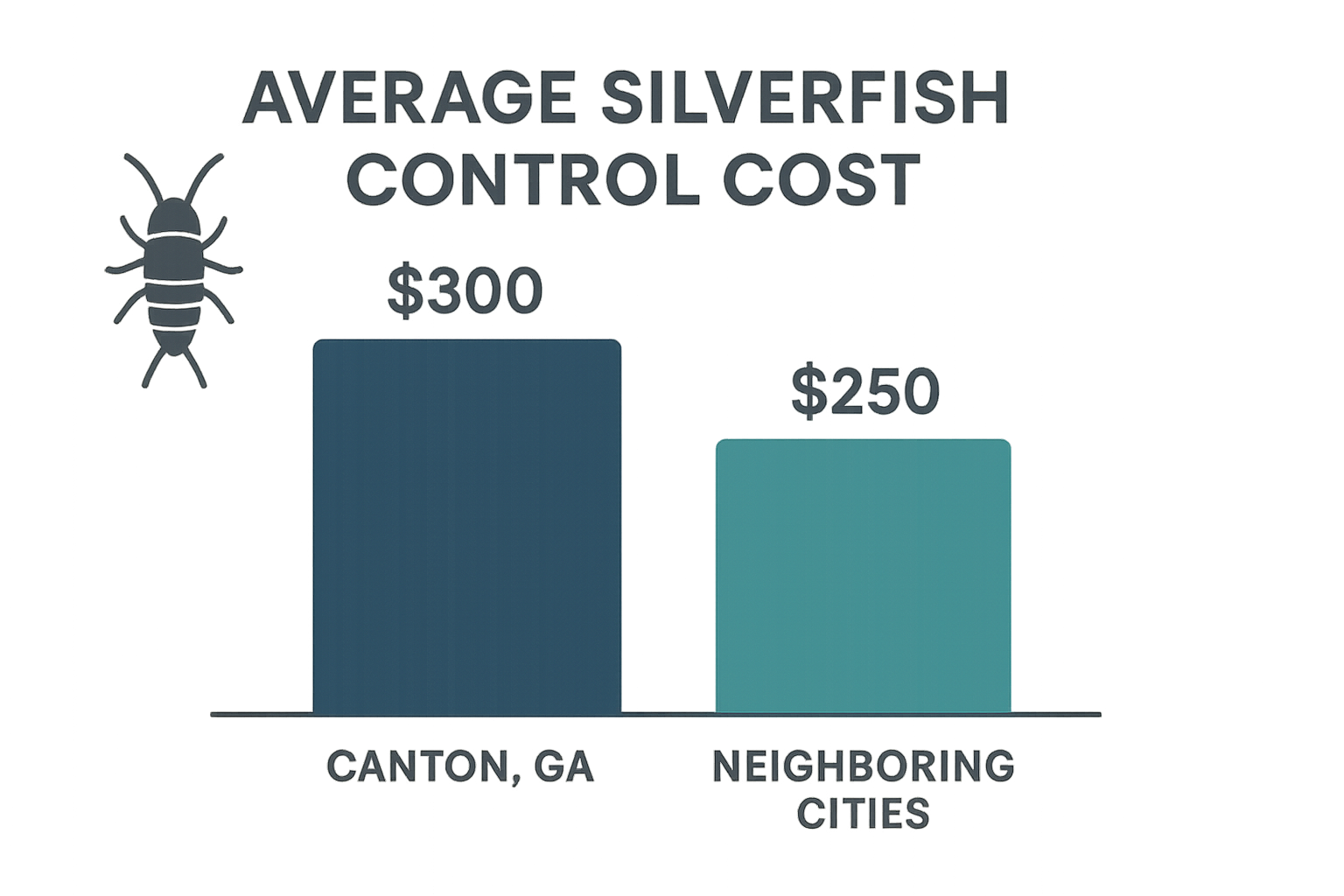
The bar chart above shows the average price range for a standard one‑time silverfish treatment in Canton compared with nearby locales such as Woodstock, Ball Ground, and Ellijay. Canton typically falls in the $120‑$180 bracket, slightly lower than Woodstock’s $130‑$200 range, but a bit higher than Ball Ground’s $110‑$160. These differences reflect local market competition, average household size, and the prevalence of moisture‑prone structures that attract silverfish.
Typical Price Brackets You’ll Encounter
- DIY kits: $30‑$70 for a single‑use spray or dust. Effective for minor sightings but limited in coverage.
- One‑time professional visit: $120‑$200, includes inspection, targeted treatment, and a follow‑up call.
- Comprehensive annual plan: $350‑$500 per year, covering quarterly visits, preventive barriers, and unlimited re‑treatments for silverfish and other common pests.
Choosing the right tier depends on how quickly you want to eliminate the problem and whether you prefer a set‑and‑forget approach or occasional spot‑treatments.
How to Get an Accurate Quote
Before you sign on the dotted line, ask the provider for a detailed breakdown. Key questions include:
- What specific products will be used, and are they low‑toxicity for families and pets?
- How many technician hours are estimated for my home’s square footage?
- Does the price include a post‑treatment inspection and any necessary re‑applications?
- Are there discounts for bundled services, such as combining silverfish control with termite monitoring?
Request a written estimate that lists each line item. This not only prevents surprise fees but also gives you a benchmark when comparing multiple companies.
Anthem Pest Control’s Transparent Pricing Model
At Anthem Pest Control, we believe homeowners should know exactly what they’re paying for. Our quote starts with a free on‑site assessment, after which we present a flat‑rate fee that covers inspection, treatment, and a 30‑day guarantee. No hidden surcharges for mileage or “service fees” – what you see is what you pay. For customers who prefer ongoing protection, we offer an annual plan with a fixed monthly cost, so budgeting for pest control becomes as simple as paying your utility bill.
By understanding the variables that affect cost and comparing Canton’s rates to neighboring cities, you can confidently choose a solution that fits both your budget and your peace of mind.
Protect Your Home with Expert Silverfish Solutions
Key Takeaways
Silverfish are small, wingless insects that thrive in damp, dark corners of your home. They appear most frequently in the spring and summer when humidity rises, and can damage paper, clothing, and even stored foods. Effective treatment options range from DIY traps and desiccants to professional chemical or heat applications, each with its own cost profile. Understanding the life cycle and seasonal risk helps you choose the right timing and method for lasting control.
Why Choose a Licensed, Locally‑Experienced Company
Partnering with a licensed pest‑control firm that knows Canton’s climate ensures you get safe, targeted treatments that won’t harm your family or pets. Local technicians are familiar with the most common entry points and hidden harborage areas in Georgia homes, allowing them to apply the right product at the optimal dosage. This expertise translates into faster elimination, fewer repeat visits, and a long‑term prevention plan that protects against future infestations.
Get Your Free, No‑Obligation Quote
Ready to eliminate silverfish and safeguard your belongings? Call Anthem Pest Control today at 877‑371‑8196 for a complimentary, no‑obligation quote. Our certified technicians will assess your property, recommend a personalized treatment plan, and explain the transparent pricing up front. We offer 24/7 support, a satisfaction guarantee, and the peace of mind that comes from working with a trusted, nationwide brand.
Visit Anthem Pest Control to learn more about our silverfish solutions, get clear insight into silverfish control cost Canton homeowners can expect, and schedule your service at a time that fits your busy life.