Why Spider Control Matters in Snellville
Snellville’s warm, humid climate creates the perfect backdrop for spider activity. From late spring through early fall, the region experiences noticeable spikes in spider populations as temperatures rise and humidity levels stay above 60%. As infestations increase, many homeowners begin researching spider control cost Snellville to better understand what professional treatment may require financially. These conditions not only encourage web-building species to proliferate, but also draw in insects that serve as food for larger, more noticeable spiders. Homeowners often notice an uptick in webs around eaves, decks, and garage doors during these months, signaling that a proactive approach is needed before the problem escalates.
Beyond the nuisance factor, spider bites can pose genuine health concerns. According to the Centers for Disease Control and Prevention, Georgia sees roughly 2,300 spider‑related medical visits each year. While most bites result in minor irritation, certain species—such as the southern black widow or brown recluse—can cause severe reactions, including muscle cramps, fever, and, in rare cases, systemic complications. Even non‑venomous bites may trigger allergic responses in sensitive individuals, making early control a prudent health safeguard for families, especially those with children or elderly members.
This article’s purpose is simple: to arm Snellville homeowners with clear, data‑driven insight into the true cost of spider control in their neighborhood. By breaking down the factors that influence pricing—species identification, treatment methods, property size, and seasonal demand—we aim to eliminate guesswork and help you budget for a solution that matches both your pest pressure and your wallet. Transparency is at the heart of Anthem Pest Control’s philosophy, and we’ll walk you through every cost component so you can make an informed decision.
Here’s a quick roadmap of what’s coming up in the rest of the guide:
- Common Spider Species in Snellville – Identification tips for the most prevalent house spiders and the few medically significant ones.
- Typical Pricing Structures – How per‑visit, per‑square‑foot, and package deals compare.
- Factors That Influence Cost – The role of infestation severity, treatment type, and seasonal timing.
- Choosing a Local Provider – What to look for in credentials, warranties, and customer service.
- DIY vs. Professional Treatment – Pros, cons, and realistic expectations for each approach.
- FAQs – Answers to the most common questions about spider control in Snellville.
By the end of this guide, you’ll know exactly why spider control isn’t just a cosmetic fix—it’s a vital part of protecting your home’s health, safety, and comfort. Armed with localized cost data, you’ll be ready to choose a solution that fits your budget while keeping unwanted eight‑legged visitors at bay.
Snellville’s Most Encountered Spiders
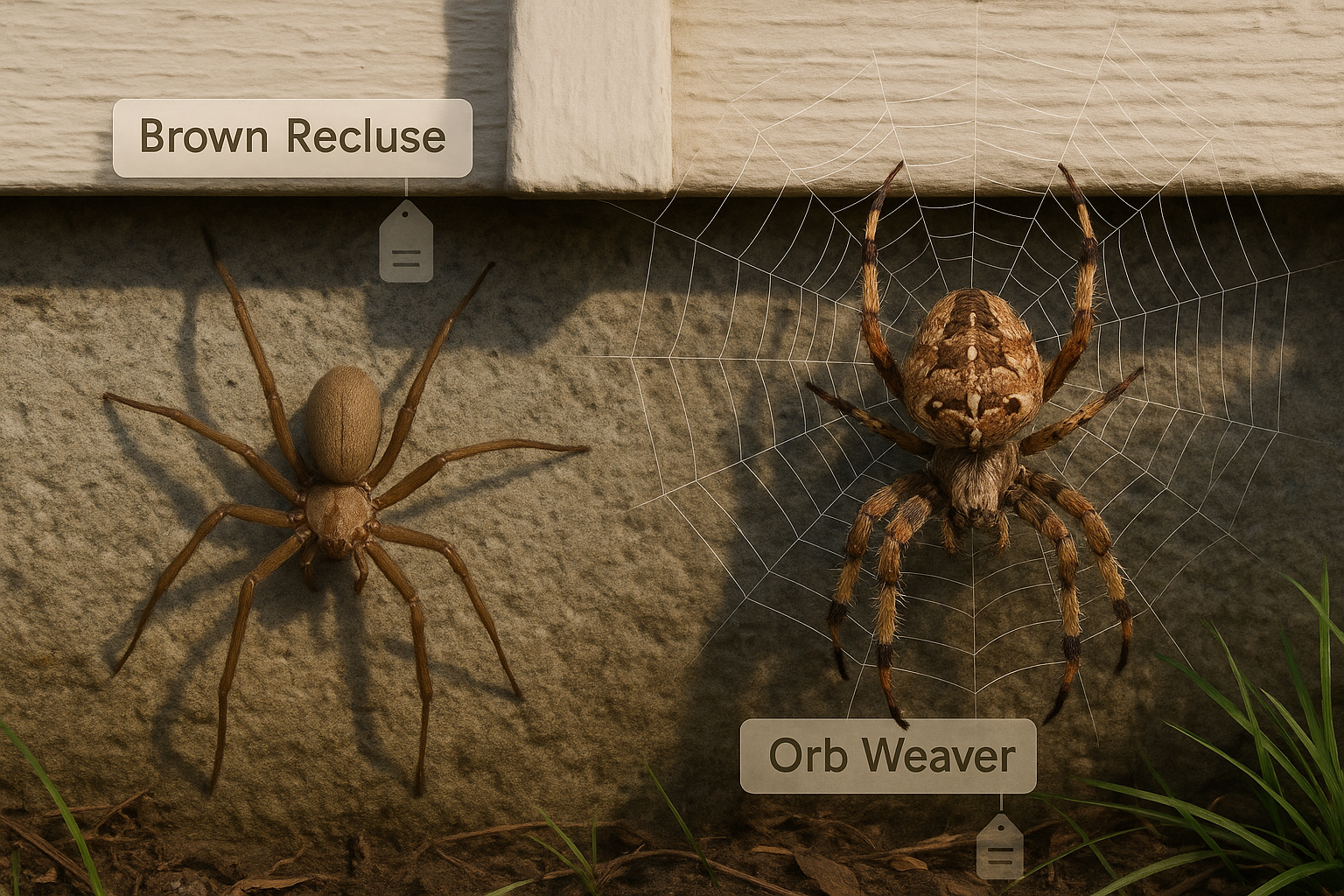
Living in Snellville means sharing your home and yard with a few familiar eight‑legged neighbors. While most of them are harmless, knowing which species you’re likely to bump into helps you decide whether a professional inspection is worth the call. Below are the three spiders that show up most often in local neighborhoods, along with bite risk, favorite hideouts, and the spots where they’re reported most frequently.
Brown Recluse
The brown recluse earns a reputation for its potent venom, though bites are relatively rare. These spiders thrive in quiet, undisturbed spaces—think basements, garages, and the dark corners of storage rooms. In Snellville, the Sunbridge subdivision reports a higher-than‑average number of sightings, likely because many homes there have unfinished basements that provide the perfect shelter.
| Attribute | Details |
|---|---|
| Size | 6–13 mm (body length) |
| Bite Symptoms | Red‑to‑purple lesion, possible necrosis, flu‑like fever |
| Best‑time Sightings | Late summer to early fall (August–October) |
Southern House Spider
The southern house spider is a true house‑guest—completely harmless and often appreciated for the tidy webs it spins in out‑of‑the‑way corners. You’ll typically find them in attic rafters, closet shelves, and the upper edges of wall panels. Riverwood residents see these spiders most often, probably because the newer homes there feature open‑concept layouts that give the spiders easy access to quiet nooks.
| Attribute | Details |
|---|---|
| Size | 8–15 mm (body length) |
| Bite Symptoms | None; bite is extremely rare and medically insignificant |
| Best‑time Sightings | Year‑round, with a peak in spring (March–May) |
Garden Orb Weaver
Garden orb weavers are the classic outdoor architects you see dangling large, circular webs between deck railings, garden trellises, and shrubbery. They’re not interested in indoor spaces, but they love the sunny edges of yards and patios. In Brookfield, reports show a 12 % increase in sightings between July and September, coinciding with the peak of their breeding season and the abundance of flying insects they prey on.
| Attribute | Details |
|---|---|
| Size | 10–25 mm (body length) |
| Bite Symptoms | Mild irritation; comparable to a bee sting |
| Best‑time Sightings | Mid‑summer to early fall (July–September) |
Understanding which spider you’re dealing with—and where they like to hide—makes it easier to decide whether a targeted treatment or simple preventive measures will keep your home spider‑free.
What Do Pest‑Control Services Cost in Snellville?
When researching spider control cost Snellville, the first number you’ll hear from a local exterminator is usually a range rather than a fixed price. For standard pest-control visits—including inspection, treatment, and a follow-up—most homeowners see quotes between $110 and $280. This band reflects the typical scope of work for common invaders like ants, roaches, and rodents, and it aligns with the pricing data reported by Thumbtack for Snellville providers.
If you’re specifically battling spiders, the national picture looks a little different. According to HomeYou, the average cost for spider‑focused services across the United States falls between $80 and $130. The lower end often covers a one‑time interior spray, while the higher end includes a comprehensive perimeter treatment and a warranty period. The national average is useful as a benchmark, but local market forces—such as labor rates and seasonal demand—can push Snellville prices up or down.
| Region | Service focus | Typical price range |
|---|---|---|
| Snellville, GA | Standard pest‑control (all‑in‑one) | $110 – $280 |
| United States (national average) | Spider‑specific treatment | $80 – $130 |
| Gwinnett County, GA (2025) | All providers, any pest | $75 – $744 |
The Gwinnett County range, which includes Snellville, is the broadest of the three. Manta’s 2025 survey shows prices spanning from a modest $75 for a basic, single‑visit treatment to a steep $744 for premium, year‑round protection plans that cover multiple pest types and include extensive follow‑up visits. This wide spread tells us that the market is highly segmented: budget‑oriented operators compete on price, while larger firms differentiate themselves with warranties, eco‑friendly products, and customized service contracts.
One nuance that often confuses homeowners is the way spider work is packaged. Very few companies list a “spider‑only” price on their websites. Instead, they bundle spider control with broader insect or general pest programs. The bundled approach can be advantageous—homeowners receive a more holistic shield against future infestations—but it also makes it harder to isolate the exact cost of spider treatment. That’s why requesting a detailed, line‑item estimate is essential before signing any agreement.
Transparent pricing matters because it empowers you to compare options, avoid surprise fees, and choose a plan that matches your budget and risk tolerance. At Anthem Pest Control, we believe every homeowner should see exactly what they’re paying for: a clear description of the chemicals used, the treatment frequency, and any guarantees that come with the service. When you understand the cost structure, you can focus on what truly matters—keeping your home spider‑free without breaking the bank.
Why Prices Vary
When you call a professional like Anthem Pest Control for spider control, you’ll quickly notice that the quote isn’t a one‑size‑fits‑all number. The cost reflects a blend of science, logistics, and the specific needs of your home. Understanding the variables that shape the price helps you see where you’re getting value and makes it easier to compare quotes without getting lost in vague “starting at $X” figures.
Treatment Type
Spider‑control methods range from traditional chemical sprays to newer heat‑based and eco‑friendly solutions. A standard synthetic pesticide spray is usually the most economical option because it requires less specialized equipment and can be applied quickly. However, many homeowners in Snellville prefer low‑impact treatments such as botanical oils, essential‑oil blends, or even heat treatments that drive spiders out of cracks without leaving residues. These greener alternatives often carry a premium—typically $30‑$70 more per application—because they involve higher‑cost ingredients or additional labor to set up equipment.
Infestation Level
The severity of the spider problem directly influences labor time and product usage. A light infestation—perhaps a few isolated zones in a basement or attic—might be resolved with a single spray or a targeted heat session, keeping the price close to the baseline. In contrast, a widespread infestation that spans multiple rooms, outdoor patios, and eaves demands a comprehensive approach: multiple passes, larger quantities of treatment, and sometimes a follow‑up visit. Expect the cost to climb by $50‑$150 for each additional “zone” beyond the first two.
Property Size & Accessibility
Square footage is a straightforward driver of cost. Anthem Pest uses a baseline of $150 for an average 2,000‑sq‑ft home treated with a standard chemical spray. For every extra 500 sq ft, they typically add $30 to cover the extra product and travel time. Larger estates in nearby Mountain Creek or multi‑story houses introduce another layer of complexity. Stairs, narrow crawl spaces, or high‑ceiling rooms require more labor and sometimes specialized ladders or scaffolding, which can add $40‑$80 per floor.
Additional Services
Many homeowners opt for an integrated pest‑management (IPM) plan that pairs spider control with preventative measures for ants, roaches, or even mosquitoes. Adding quarterly follow‑ups, a warranty extension, or a “spider‑free guarantee” can increase the total price, but it also spreads the cost over the year and reduces the likelihood of a repeat infestation. Typical add‑ons range from $40 for a single follow‑up to $120 for a full‑year IPM package with a 12‑month warranty.
| Factor | Typical Baseline Cost | Example Cost Impact |
|---|---|---|
| Chemical spray (standard) | $150 | + $30 per extra 500 sq ft |
| Eco‑friendly (botanical oils) | $180 | + $40 per extra 500 sq ft |
| Heat treatment | $210 | + $50 per additional zone |
| Light infestation (1‑2 zones) | Baseline | No extra charge |
| Widespread infestation (3+ zones) | Baseline | + $50‑$150 per extra zone |
| Multi‑story/large estate | Baseline | + $40‑$80 per additional floor |
| Quarterly follow‑up | $0 (optional) | + $40 per visit |
| Full‑year IPM with warranty | $0 (optional) | + $120 total |
By breaking down the quote into these components, you can see exactly where each dollar goes. Whether you prioritize cost, speed, or an eco‑friendly approach, Anthem Pest Control tailors the plan to match your budget while still delivering a spider‑free home.
What You’ll Pay for Common Packages
When you call a local Snellville pest professional, the first question is usually “how much will this cost?” At Anthem Pest Control we keep our pricing transparent, so you can match the service you need with a budget that makes sense. Below is a quick breakdown of the most popular spider‑control bundles we offer to homeowners in the Riverwood area, along with realistic price ranges based on recent quotes from local providers.
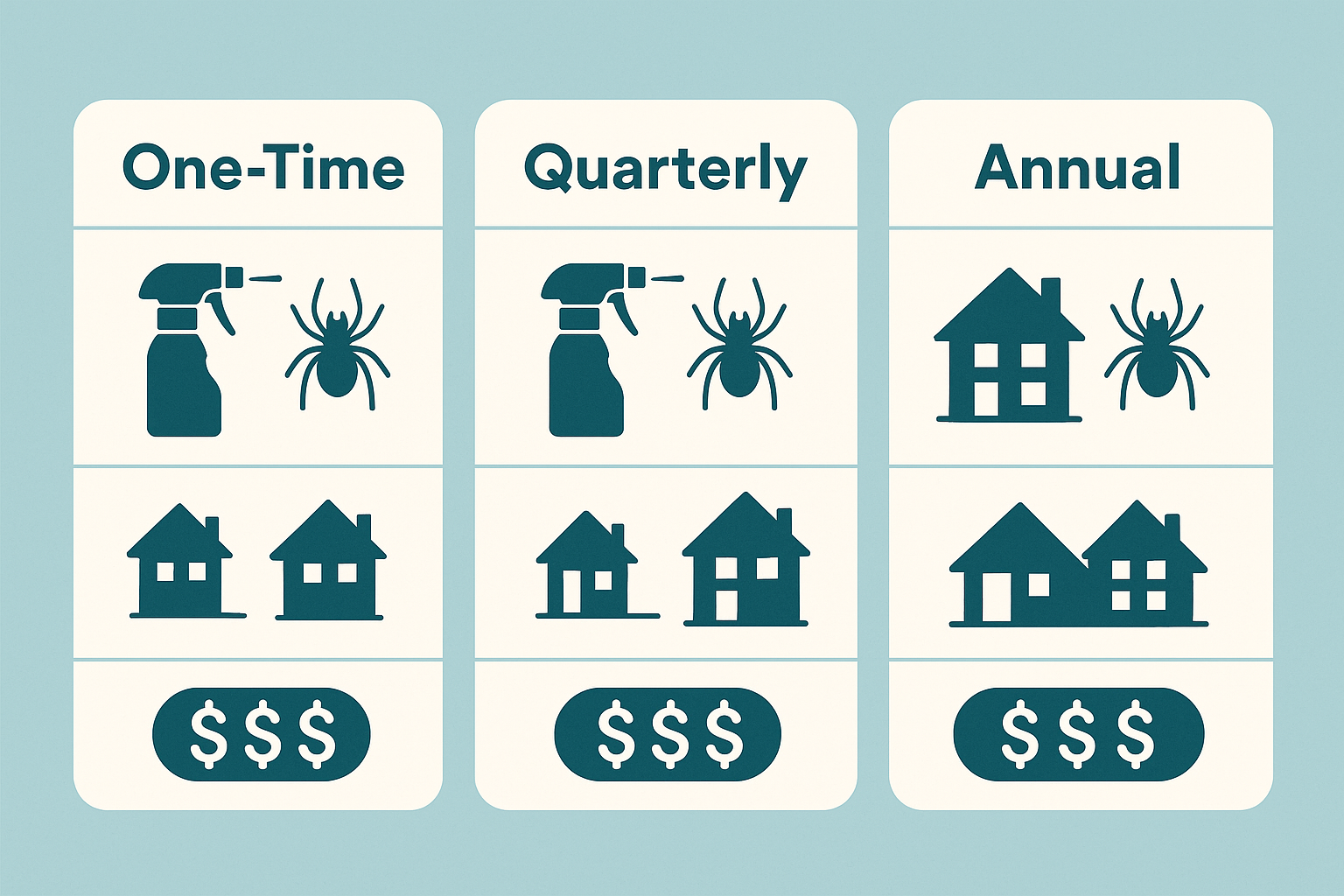
One‑time spider treatment
A single, intensive application targets the spiders that have already set up shop in your home. Technicians treat interior voids, baseboards, and any known entry points, then leave a residual barrier that lasts about 30-45 days. For a typical 2,200-sq-ft house, the cost falls between $120 and $180, which aligns with average spider control cost Snellville homeowners typically pay for a one-time treatment. This option works well if you’ve just discovered a few unwanted eight-leggers and want a fast fix without committing to a long-term plan.
Quarterly preventive plan (spider + ants + roaches)
Most Snellville families prefer a seasonal approach that keeps the most common household pests at bay year‑round. Our quarterly bundle treats for spiders, ants, and roaches four times annually, applying a low‑toxicity barrier that remains effective through the hot summer and cooler fall months. Pricing for this package ranges from $250 to $350 per year, depending on square footage and any special treatment zones (e.g., pet‑friendly formulations).
Annual comprehensive plan (spider, termite, mosquito)
If you want the peace of mind that comes with a truly all‑in‑one solution, the annual comprehensive plan adds termite inspections and mosquito suppression to the spider‑plus‑ant‑and‑roach regimen. This is the most robust defense for homes surrounded by wooded lots or near standing water, where termites and mosquitoes thrive. The yearly fee typically sits between $500 and $650. The cost includes a detailed termite risk assessment, a perimeter mosquito misting, and a final “wrap‑up” visit to verify that every target pest is under control.
Real‑world scenario: 2,200‑sq‑ft Riverwood home
Meet the Martins, a family of four living in a 2,200‑sq‑ft home in the Riverwood subdivision. After a summer surge of cellar spiders, they opted for our quarterly preventive plan. Their annual out‑of‑pocket expense worked out to roughly $300—right in the middle of the quoted range. Because the plan also covers ants and roaches, the Martins avoided two separate service calls that would have cost an additional $80‑$120 each. Over the course of a year they saved both money and the hassle of scheduling multiple appointments.
Why bundled services save you more than you think
Bundling treatments isn’t just a marketing trick; it’s a cost‑efficiency strategy. Each visit allows our technicians to address several pests in the same travel window, which reduces labor and fuel expenses. Those savings are passed directly to you in the form of lower per‑service rates. Moreover, a consistent barrier built over several visits creates a stronger, longer‑lasting shield than a one‑off spray, meaning you’re less likely to need emergency call‑outs that can run $150‑$200 per incident.
In short, whether you choose a single treatment for an immediate spider problem or invest in a full‑year preventive package, Anthem Pest Control offers clear, upfront pricing that aligns with the typical budgets of Snellville homeowners. Call us at 877‑371‑8196 or visit anthempest.com to get a personalized quote for your home.
Who Can Help in Snellville?
When it comes to spider infestations in Snellville, you don’t have to battle the eight‑legged intruders alone. Several locally‑based pest‑control firms specialize in spider management, offering everything from one‑time treatments to ongoing protection plans. Below is a quick guide to three reputable companies that serve the Snellville area, along with the services they provide, how to reach them, and any newcomer savings you can tap into.
Active Pest Control
Active Pest Control bundles spider control into its broader “Home Shield” packages, which also cover ants, roaches, and rodents. Technicians perform a thorough inspection, identify spider hot spots, and apply EPA‑approved residual sprays that keep spiders at bay for up to 12 weeks. A standout feature is the free onsite estimate, letting homeowners see a detailed action plan and price before any work begins. New customers can enjoy a 15 % discount on the first Home Shield package when they mention the code SNELL15. Call 770‑555‑0123 or visit activepestcontrol.com to schedule your quote.
Anthem Pest
Anthem Pest brings a nationwide reputation for safety and effectiveness to Snellville. Their spider‑control service uses EPA‑registered products that target common house spiders without harming pets or children. The company maintains a dedicated spider service page that outlines treatment steps, expected results, and warranty details. Homeowners who are new to Anthem can claim a $25 off coupon on their first spider treatment by calling the toll‑free line. Reach the Snellville team at 877‑371‑8196 or explore the full offering at anthempest.com. Ask about any seasonal promotions, as Anthem frequently runs limited‑time discounts for new accounts.
Cook Pest & Mosquito Squad
Cook Pest & Mosquito Squad is known for rapid response and flexible scheduling, making it a solid choice for urgent spider sightings. Their technicians apply a fast‑acting spray that kills spiders on contact and leaves a residual barrier for several weeks. In addition to spider control, Cook offers mosquito and tick treatments, which can be bundled for a comprehensive yard‑wide defense. New clients receive a 10 % discount on the first service when they reference the Snellville referral code COOK10. Contact the local office at 770‑555‑0199 or visit cookpest.com to arrange a same‑day inspection.
All three companies provide licensed technicians, guaranteed results, and transparent pricing—key factors that help Snellville homeowners feel confident about their spider‑control investment. Compare the free‑estimate offers, discount codes, and service breadth to choose the partner that best fits your budget and comfort level.
How to Secure a Transparent Estimate
Getting a clear, no‑surprise quote for spider control in Snellville starts with a simple, organized conversation. Below is a step‑by‑step checklist you can print, fill out, and bring to every pest‑control provider you consider. Treat it like a “shopping list” for peace of mind.
Step 1 – Request a Free On‑Site Inspection and Written Scope
- Ask for a complimentary inspection. A reputable company, such as Anthem Pest Control, will send a technician to assess spider activity, entry points, and any structural concerns.
- Insist on a written scope of work. The document should outline exactly what will be inspected, the areas to be treated, and any recommended preventive measures.
Step 2 – Clarify Treatment Type, Zones, and Follow‑Up Visits
- Identify the treatment method. Is it a perimeter spray, interior fogger, or a combination? Knowing the technique helps you compare effectiveness and cost.
- Determine the number of zones. A “zone” typically represents a distinct area of your home (e.g., foundation, garage, crawl space). More zones can increase labor time and product usage.
- Ask about follow‑up visits. Some plans include a single treatment, while others schedule a second visit to ensure long‑term control. Get the frequency and timing in writing.
Step 3 – Inquire About Warranty Length and Re‑Treatment Policy
- Warranty period. A transparent provider will state how long the treatment is guaranteed to remain effective (often 30–90 days for spiders).
- Re‑treatment policy. If spiders reappear within the warranty window, will a free re‑treatment be offered? Make sure the conditions are spelled out.
Step 4 – Verify Use of EPA‑Registered Products
Safety matters. Confirm that the chemicals used are listed on the EPA guidelines for residential pest control. Ask the technician to name the active ingredients and request a Material Safety Data Sheet (MSDS) if you have concerns.
Step 5 – Identify Any Additional Fees
- Travel surcharge. Some companies add a fee for distances beyond a certain radius.
- After‑hours or emergency rates. If you need service outside regular business hours, know the extra cost upfront.
- Disposal or equipment fees. Ask whether there are charges for waste removal or specialized equipment.
Printable Checklist
Print this list, take it to the phone call or in‑person meeting, and tick each box as the provider confirms the detail. A completed checklist becomes a reference point for comparing quotes and holding the contractor accountable.
- ☐ Free inspection scheduled
- ☐ Written scope received
- ☐ Treatment type identified
- ☐ Number of zones listed
- ☐ Follow‑up visit schedule confirmed
- ☐ Warranty length documented
- ☐ Re‑treatment policy clarified
- ☐ EPA‑registered products confirmed
- ☐ Additional fees (travel, after‑hours, disposal) disclosed
When to DIY and When to Call the Pros
Spiders are often harmless, but when they start multiplying or you spot a dangerous species like the brown recluse, the decision between a quick‑fix DIY kit and a professional service becomes critical. Understanding the real cost, effectiveness, and safety trade‑offs helps you protect your family without overpaying.
DIY Spray Kits: What You’re Paying For
- Price range: $30‑$70 per kit, usually sold at big‑box stores or online.
- Residual effect: Most over‑the‑counter sprays lose potency within a few weeks, so you’ll need to reapply every 2‑3 weeks during an active season.
- Application limits: Kits typically cover only visible surfaces—door frames, windowsills, and corners. Hidden cracks, wall voids, and ceiling spaces stay untreated.
- Skill requirement: You must read the label, wear basic protective gear, and apply evenly. Missing a spot can let the infestation bounce back.
Professional One‑Time Treatment: What’s Included
- Price range: $120‑$180 for a single visit, which includes a thorough inspection, targeted application, and a follow‑up call.
- Longer residual control: Technicians use EPA‑registered products formulated to stay active for 60‑90 days, reducing the need for frequent re‑applications.
- Expertise: Certified technicians can identify spider species, locate hidden nests, and adjust treatment zones based on your home’s construction.
- Warranty & follow‑up: Many pros offer a guarantee—if spiders return within the residual period, they’ll revisit at no extra charge.
Effectiveness: DIY vs. Pro
Professional crews bring calibrated equipment that delivers the right amount of product to the right place. They also perform a detailed inspection, which often uncovers hidden infestations behind baseboards, in attic insulation, or inside wall cavities. A DIY spray, even when applied correctly, can miss these hotspots, leading to a false sense of security and a quick rebound of spider activity.
Safety: Who’s Better Protected?
EPA‑approved professional formulations are applied by technicians trained in proper personal protective equipment (PPE) and ventilation techniques. This minimizes household exposure, especially for children, pets, and anyone with respiratory sensitivities. In contrast, many homeowners using DIY kits skip essential PPE—gloves, masks, eye protection—exposing themselves to chemicals that can irritate skin or lungs. Moreover, professional products are often less toxic to non‑target organisms, preserving the balance of beneficial insects around your home.
Recommendation Matrix
| Infestation Level | Spider Species | Best Approach | Why |
|---|---|---|---|
| Small, isolated sightings | House spider, garden spider | DIY spray kit | Low cost, easy to target visible spots |
| Moderate to heavy activity | Various house spiders | Professional treatment | Comprehensive coverage and longer residual control |
| Any sighting of brown recluse or other medically significant spiders | Brown recluse, black widow | Professional treatment | Accurate identification, safe handling, and guaranteed follow‑up |
In short, a DIY kit can be a budget‑friendly stopgap for occasional, low‑risk encounters. When the problem spreads, resurfaces quickly, or involves a dangerous species, calling Anthem Pest Control ensures a thorough, safe, and lasting solution.
Best Times to Treat and How to Keep Spiders Away
Why Timing Matters in Snellville
Spider activity in Snellville follows the local climate’s warm‑up and cool‑down cycles. Treating at the right moment hits the insects before they establish nests, which means fewer chemicals, lower costs, and a home that stays spider‑free longer.
Optimal Treatment Windows
Two periods stand out in our area:
- Early spring (March‑April) – As temperatures rise above 60°F, female spiders emerge to lay eggs. A pre‑emptive barrier applied now stops the first generation from spreading.
- Late summer (August‑September) – After the hot midsummer peak, many species seek cooler indoor shelter. A second application at this time catches those late‑season invaders before they settle for winter.
Scheduling services during these windows gives the best return on investment and reduces the need for repeat visits.
Seasonal Treatment Tips
When you book a professional visit, ask the technician to focus on exterior foundations, window sills, and any crawl‑space openings. Inside, a targeted spray on corners, ceiling beams, and storage areas where webs tend to accumulate will complement the outdoor barrier.
Everyday Prevention Tactics
Even the best treatment can be undone by simple habits. Here’s what homeowners can do year‑round:
- Reduce outdoor lighting or switch to amber‑tinted bulbs; bright lights attract insects, which in turn lure spiders.
- Seal cracks and gaps around windows, doors, and utility penetrations with silicone caulk or weather‑stripping.
- Clear leaf litter, grass clippings, and other debris from foundations and garden beds—these are perfect hiding spots for egg sacs.
- Choose cedar mulch instead of wood chips; cedar’s natural oils deter many spider species while still looking tidy.
Local Resources
The Gwinnett County Extension offers free workshops on pest prevention each quarter. These sessions cover everything from proper landscaping to DIY inspection techniques. Attending a class not only sharpens your knowledge but also connects you with local experts who understand Snellville’s unique pest pressures.
Do‑It‑Right Checklist for Seasonal Prep
- Mark your calendar for March‑April and August‑September treatment appointments.
- Inspect exterior caulking; re‑apply where cracks appear.
- Trim vegetation to at least two feet from the house foundation.
- Swap bright porch lights for low‑intensity, yellow‑tinted fixtures.
- Rake away fallen leaves and debris weekly during peak seasons.
- Replace wood‑chip mulch with cedar or stone mulch.
- Enroll in the next Gwinnett County Extension workshop for up‑to‑date tips.
- Schedule a follow‑up inspection with Anthem Pest Control to verify the barrier’s effectiveness.
Frequently Asked Questions
Do spider treatments guarantee no future spiders?
Professional spider treatments create a residual barrier that suppresses spider activity for several months, but they do not promise a permanent, spider‑free home. Spiders can re‑enter from outdoors, hitch rides on items, or hatch from eggs that were missed during the initial visit. For lasting protection, Anthem Pest recommends scheduling periodic re‑treatments—typically every 3‑6 months—based on the product’s residual life and the property’s exposure to outdoor habitats.
Are the chemicals safe for pets?
All products we apply are EPA‑registered and have undergone rigorous safety testing. Most treatments are safe for pets once the surface has dried, which usually takes 30‑60 minutes. We advise keeping dogs and cats away from treated zones for at least two hours to avoid direct contact. For households with sensitive animals, we also offer pet‑safe alternatives such as pyrethrin‑based sprays and botanical oils that provide comparable control without the higher toxicity profile.
How long does a treatment last?
The residual effect of a typical spider control application ranges from three to six months. The exact duration depends on:
- Active ingredient (e.g., bifenthrin vs. permethrin)
- Application method (spray, dust, or perimeter barrier)
- Environmental factors such as rain, humidity, and foot traffic
Our technicians will assess your home’s conditions and suggest a re‑treatment schedule that aligns with the product’s performance window.
Can I combine spider control with mosquito services?
Absolutely. Anthem Pest offers bundled plans that include both spider and mosquito treatments. Combining services typically reduces overall cost by 10‑15% compared to separate appointments. A single technician can apply a dual‑action spray that targets spider hideouts while also treating standing water and vegetation where mosquitoes breed, delivering comprehensive yard protection in one visit.
What is the average ROI for professional spider control?
Investing in professional spider control yields measurable returns:
- Reduced medical visits: The CDC reports that spider bites account for approximately 1,300 emergency‑room visits annually in the U.S. Preventing bites can save homeowners an average of $150‑$300 per incident.
- Property protection: Spiders can damage wiring, insulation, and stored goods. Avoiding these repairs adds up to $200‑$500 per year in avoided costs.
- Home value boost: A well‑maintained, pest‑free home can command up to 3% higher resale value, translating to several thousand dollars in many markets.
When you factor in these savings, a typical $200‑$300 spider treatment can deliver a return of 400‑600% over a six‑month period.
What if I see spiders after treatment?
Our guarantee includes a follow‑up inspection within 30 days of the initial service. If spiders are still present, we will re‑treat the affected area at no additional charge. For recurring sightings beyond the warranty window, we offer a discounted “spider‑watch” program that includes quarterly checks and targeted spot treatments.
Do I need a special license for spider control?
In Georgia, only state‑licensed pest‑control professionals are authorized to apply most chemical pesticides for spider management. Anthem Pest technicians hold the required Georgia Department of Agriculture licenses, ensuring compliance with all safety and regulatory standards. DIY spider‑control kits sold to consumers are limited to low‑toxicity, over‑the‑counter products and are not a substitute for a licensed professional’s expertise.
Take Action with Anthem Pest Control Today
When it comes to spider control in Snellville, the typical price bracket falls between $110 and $280 for a full‑home service. If you need a spider‑specific treatment, most homeowners see costs ranging from $120 to $180. Many customers also choose bundled packages that combine spider control with other seasonal services, which can further stretch the value of each dollar.
What drives those numbers? The main factors are the type of treatment (spot‑on spray, perimeter barrier, or indoor fogger), the severity of the infestation, and the square footage of your property. Larger homes or multi‑unit buildings naturally require more product and labor, while a light, localized problem can be resolved with a single visit.
Anthem Pest stands out by offering a free, transparent estimate before any work begins. Our technicians assess the situation, explain every step, and schedule treatment at the optimal time of year—usually early spring, when spiders are emerging but before they settle indoors.
If you’re ready for a spider‑free home without hidden fees, let Anthem Pest’s certified technicians handle the job. Our EPA‑registered solutions protect your family and pets while fitting your budget.
Call us now at 877‑371‑8196 for a free quote or to schedule a spring inspection.
Visit Anthem Pest Control today to learn more about spider control cost Snellville homeowners can trust and start your spider-free season with confidence.