Termite Damage Costs and Lawrenceville Context
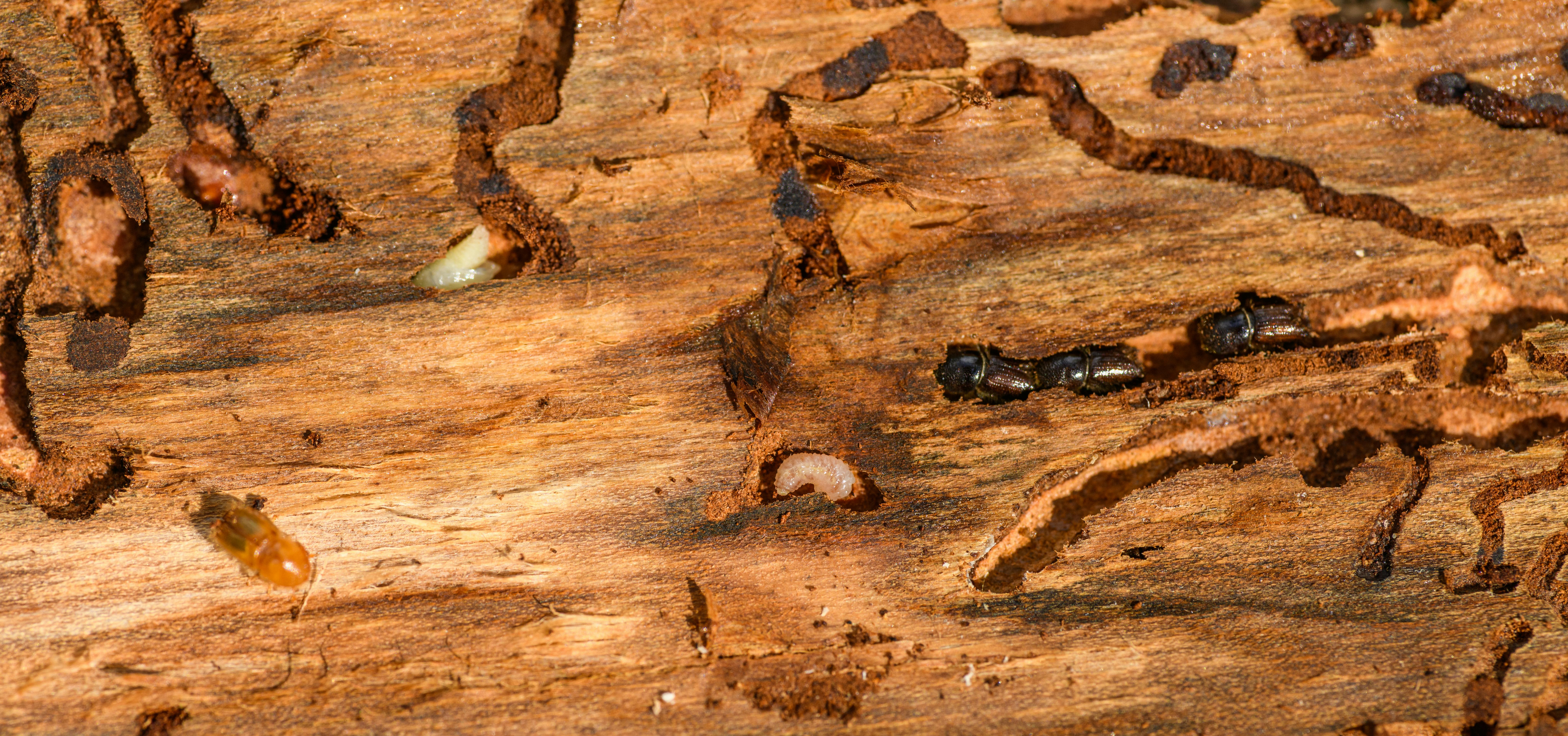
Did you know? Homeowners across the United States lose an estimated $5 billion each year to termite damage alone. That staggering figure isn’t just a national headline—it’s a warning that even a single colony can chew through a home’s structural wood faster than you can notice the first tell‑tale mud tubes.
Why Lawrenceville Is a Prime Target
Lawrenceville’s humid subtropical climate provides the moisture termites crave. Warm summers, mild winters, and plentiful rainfall keep soil consistently damp, creating the perfect subterranean highway for termites to travel beneath foundations. Add to that the city’s historic neighborhoods—many homes built before 1990 with older timber framing—and you have a recipe for infestation.
Common Culprits in Gwinnett County
The most frequently encountered species here is the Eastern Subterranean Termite (Reticulitermes flavipes). This species thrives in the region’s clay‑rich soils and can establish colonies of up to half a million workers. Occasionally, homeowners also encounter the Formosan Subterranean Termite (Coptotermes formosanus), a more aggressive invader that spreads rapidly once it gains a foothold.
What This Guide Will Deliver
Our goal is simple: give you clear, data‑driven cost expectations and help you choose a reliable pest‑control partner. In the sections that follow, we’ll break down:
- Popular treatment options and how they differ in price and effectiveness
- A detailed pricing matrix for Lawrenceville homeowners
- Seasonal discounts, financing possibilities, and DIY considerations
- Timing tips to catch termites before they cause structural damage
Stay with us for the next pages—each one is packed with the numbers, strategies, and local expertise you need to protect your home without surprise bills.
Understanding Lawrenceville’s Termite Threat
In Lawrenceville, two termite species dominate the damage landscape: the Eastern Subterranean Termite (Reticulitermes flavipes) and the invasive Formosan termite (Incisitermes minor). The Eastern Subterranean is native, works in large colonies, and silently gnaws wood that’s in contact with moist soil. The Formosan, introduced from Asia, builds massive colonies—often exceeding 2 million workers—and can chew through structural timber in months, leaving homeowners with costly repairs.
Statewide, the EPA reports that roughly 1.5 million structures are inspected each year in Georgia, with the 2024 infestation rate hovering around 12 % for subterranean species and a rising 3 % for Formosan activity. Those percentages translate into thousands of homes in Gwinnett County facing potential damage, especially in older neighborhoods where the insects find easy entry points.
Because the Formosan can consume up to 5 % of a home’s structural wood per year, early detection is essential for protecting resale value.
Neighborhood hotspots
Historic downtown Lawrenceville, with its Victorian homes built on dense clay, shows a higher-than‑average detection rate. West Gwinnett, characterized by newer subdivisions on sandy loam, still records frequent Formosan sightings near landscaping beds that retain moisture. Sugar Hill, situated on a mix of loamy and sandy soils, experiences periodic outbreaks, particularly after heavy summer rains that raise the water table.
Why soil and foundations matter
Termites need moisture to survive, and Lawrenceville’s varied soil composition creates micro‑environments that favor them. Clay soils retain water, keeping the subterranean galleries humid, while sandy soils drain quickly but can channel water toward older concrete footings that develop cracks over time. Those cracks act as highways for termites, allowing colonies to move from the ground into wooden framing without detection.
Core Termite Treatment Options
Inspection & Monitoring
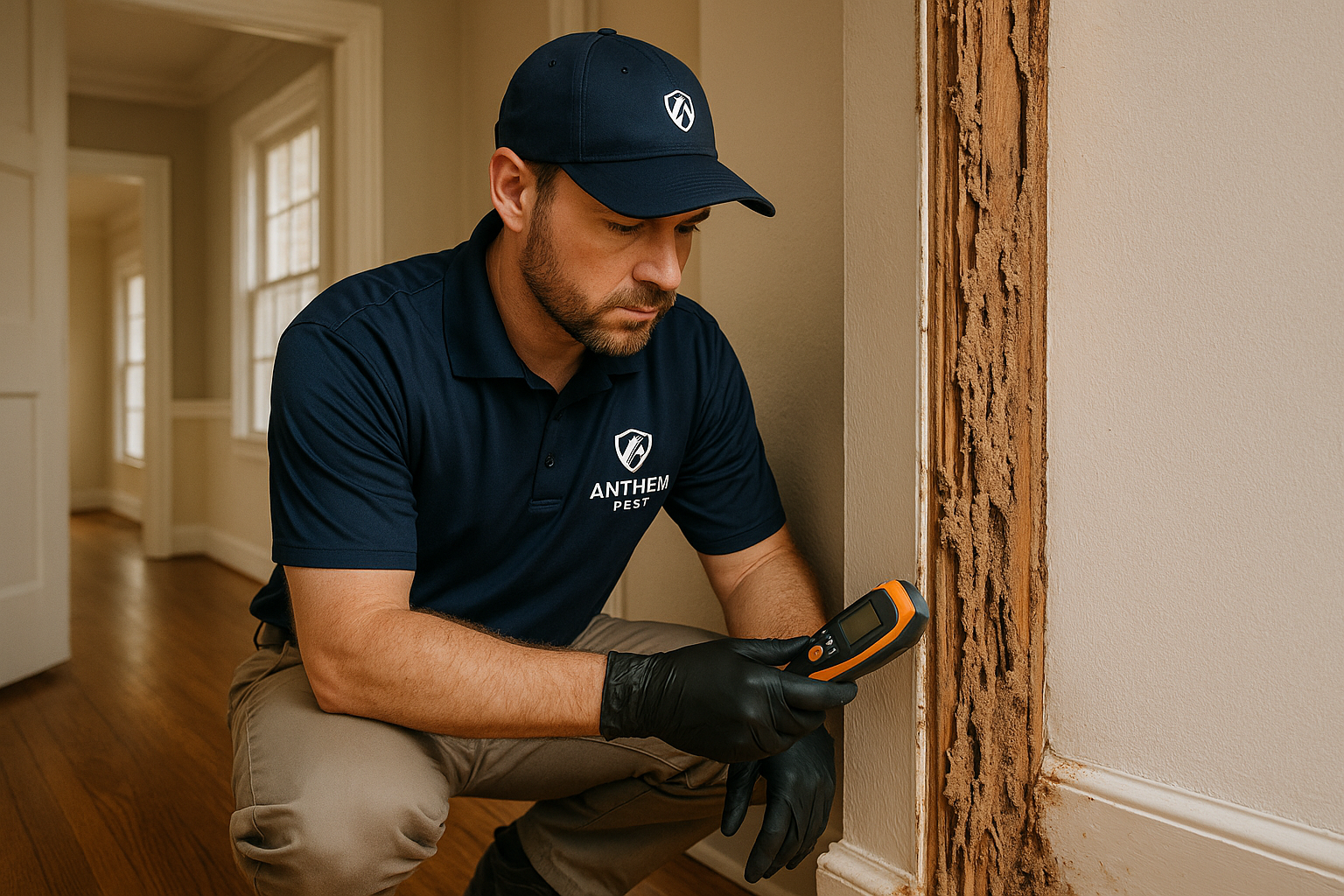
Before any chemical or bait is applied, a certified technician conducts a thorough inspection. This involves probing walls, checking foundation vents, and using moisture meters to locate active colonies. Homeowners will typically see a handheld device, a small probe, and a detailed report outlining risk zones. Labor for this step usually falls between $80 and $150, depending on the size of the property and the complexity of the structure. The inspection sets the stage for a targeted treatment plan, eliminating guesswork and unnecessary applications.
Liquid Termiticides
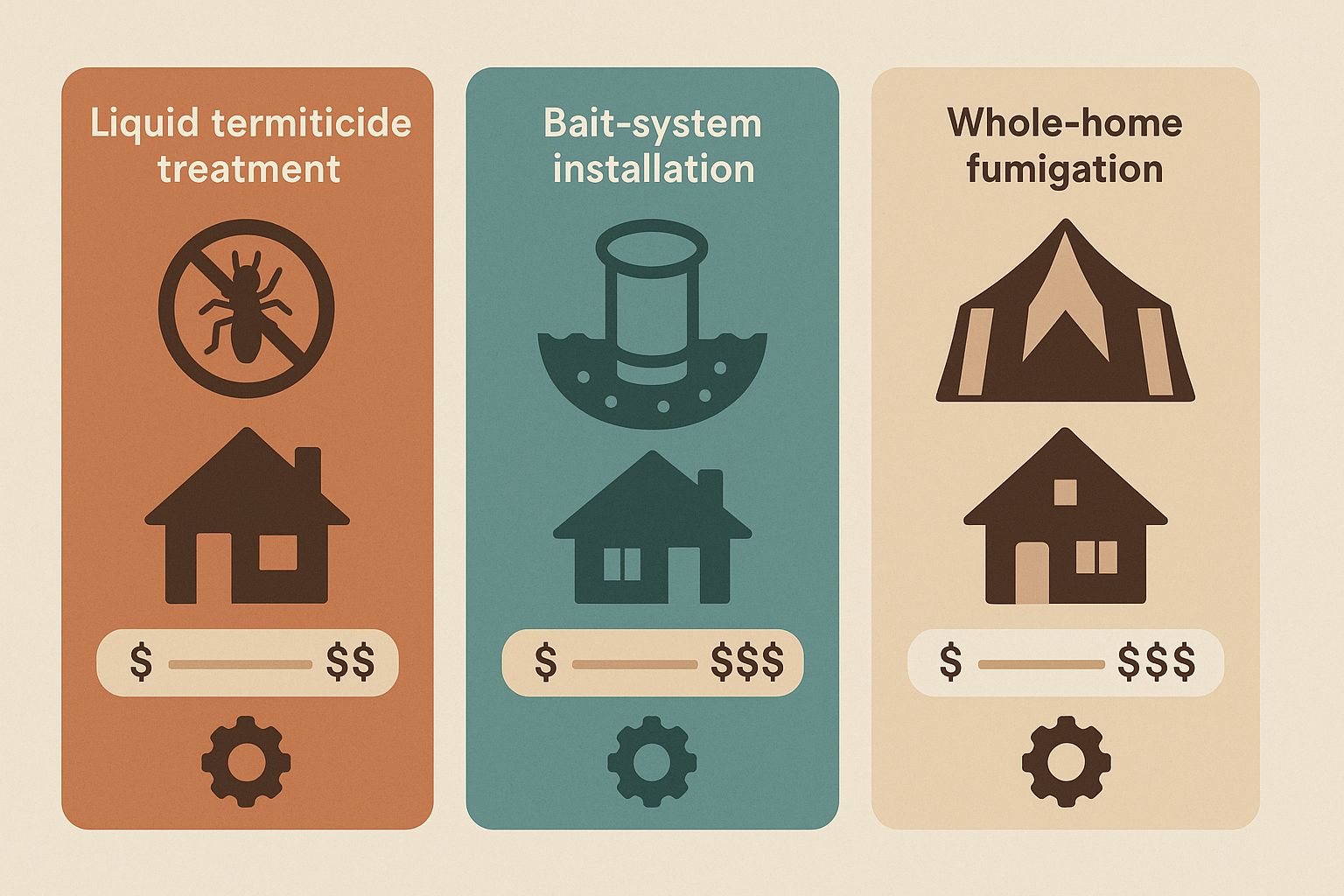
Liquid termiticides are the industry’s workhorse for creating a protective chemical barrier around a home’s foundation. Technicians drill a series of shallow holes and flood the soil with EPA‑approved products such as fipronil or imidacloprid. The chemicals migrate through the soil, forming a continuous shield that repels or kills termites that attempt to cross it. For a typical 2,000‑sq ft residence in Lawrenceville, homeowners can expect a total price of $2,500 to $4,000, which includes material, labor, and a one‑year warranty.
Bait‑Station Systems
Bait stations offer a low‑impact alternative that targets colonies at their source. Small, plastic stations are installed discreetly around the perimeter and in interior voids. Each station contains a cellulose substrate infused with a slow‑acting insecticide that worker termites share with the queen. Installation costs range from $1,200 to $2,500, and most providers charge a quarterly monitoring fee of $50‑$100 to ensure the bait remains effective and to replace any depleted stations.
Whole‑Home Fumigation
Whole‑home fumigation is the most aggressive option and is rarely needed in Lawrenceville’s climate, but it becomes essential when an infestation has penetrated structural wood or when a colony has established deep within the foundation. The process involves sealing the entire house, introducing a gas such as sulfuryl fluoride, and maintaining the environment for 24‑48 hours. Because of the extensive preparation, specialized equipment, and safety protocols, the price tag typically falls between $4,500 and $6,500. Homeowners usually reserve this method for severe cases or when a pre‑construction inspection reveals extensive damage.
Case Study: Choosing Bait Stations Over Liquid Treatment
When the Johnsons, owners of a 1,800‑sq ft colonial home in Lawrenceville, discovered active subterranean termites, their pest‑control provider presented both liquid termiticide and bait‑station options. After reviewing the cost breakdown, the family opted for bait stations, which required an upfront investment of $1,800 and a modest quarterly monitoring fee. The alternative liquid treatment would have cost approximately $3,000 for the same coverage. Over the first year, the bait system effectively eliminated the colony, saving the Johnsons $1,200 while maintaining a non‑chemical barrier around their home.
Detailed Pricing Breakdown for Lawrenceville
When you call a professional pest‑control firm, the quote you receive is rarely a single line item. It reflects a combination of baseline services, the size and construction of your home, and a handful of local variables that can shift the final bill up or down. Below is a transparent look at how Anthem Pest Control structures its pricing for termite work in Lawrenceville, Georgia, and how those numbers compare with neighboring markets.
Base Service Fees
- Initial Inspection: $100 – $150. A certified technician conducts a thorough visual and moisture‑meter assessment of the structure and surrounding soil.
- Written Report: Included in the inspection fee. The report details findings, risk level, and recommended treatment options, complete with a cost estimate.
Treatment Costs by Square Footage
Termite treatment is priced primarily by the total area that needs protection. Anthem Pest Control applies a tiered structure that balances fairness with the amount of product and labor required.
| Square Footage | Liquid Soil‑Termite Treatment | Foam/Granular Baiting System |
|---|---|---|
| 0 – 1,500 sq ft | $650 – $800 | $750 – $900 |
| 1,500 – 2,500 sq ft | $800 – $1,050 | $900 – $1,150 |
| > 2,500 sq ft | $1,050 – $1,400 | $1,150 – $1,500 |
Factors That Can Inflate the Price
- Soil Type: Clay soils retain moisture longer, often requiring a higher volume of termiticide compared with sandy soils.
- Foundation Style: Crawl‑space foundations need additional access points and sometimes a moisture barrier, while slab foundations may require specialized injection techniques.
- Accessibility Challenges: Tight crawl‑spaces, steep slopes, or limited yard access can increase labor time.
- Prior Damage: Existing termite damage may necessitate wood replacement or structural reinforcement before treatment.
- Structural Repairs: If a home needs repairs to support a baiting system or to seal entry points, those costs are added to the final invoice.
How Lawrenceville Stacks Up Against Nearby Cities
The National Pest Management Association’s 2023 regional pricing report shows that Lawrenceville’s rates sit near the state average. Nearby cities tend to fluctuate by a modest percentage, largely due to differences in cost of living and local market competition.
| Location | Liquid Treatment (Avg.) | Baiting System (Avg.) |
|---|---|---|
| Lawrenceville | $950 | $1,050 |
| Marietta (+5‑10 %) | $1,000 – $1,050 | $1,100 – $1,155 |
| Athens (‑3‑5 %) | $900 – $925 | $1,000 – $1,025 |
Seasonal Adjustments and Additional Fees
Termite activity peaks during warm, humid months (May through September). Some contractors apply a seasonal surcharge of 5 % during this high‑demand window, though Anthem Pest Control typically absorbs that cost for residential clients. Extra services that may appear on the invoice include:
- Moisture barrier installation – $150 – $250.
- Follow‑up monitoring visits (quarterly) – $75 per visit.
- Emergency response after structural damage – billed at an hourly rate of $120.
Understanding each component of the estimate helps you gauge whether a quote is fair and where you might be able to reduce costs—such as by clearing access paths before the technician arrives or scheduling treatment during the off‑season. With this granular breakdown, Lawrenceville homeowners can make an informed decision and feel confident that Anthem Pest Control’s pricing is both transparent and competitive.
Savings, Discounts, and Financing Options
When it comes to protecting your home from termites, every dollar counts. Anthem Pest makes it easier to invest in long‑term protection by offering seasonal savings and flexible payment plans that fit a typical homeowner’s budget.
Spring‑Booking Discount & Bundled Packages
Book your termite inspection or treatment during the spring window and receive a 10 % discount on the total service cost. The discount applies to both standalone termite work and bundled packages—such as combining termite treatment with mosquito control or rodent exclusion—so you can tackle multiple pest concerns while maximizing your savings.
Zero‑Interest Financing
Many local pest companies, including Anthem Pest, partner with financing providers to offer 0 % interest 12‑month plans. This means you can spread the cost of a comprehensive termite barrier over a year without paying extra fees, making a sizable upfront investment feel more manageable.
Potential Georgia Tax Incentives
Georgia occasionally offers tax credits for energy‑efficient home improvements, and certain termite mitigation methods—such as installing insulated, moisture‑controlled barriers—may qualify. Homeowners should verify eligibility with the state’s Department of Revenue or a tax professional before filing, but the possibility of a credit can further offset the overall expense.
Quick Tip Sheet: Maximize Your Savings
- Schedule your termite service early in the spring to lock in the 10 % discount.
- Ask about bundled service packages; combining termite work with mosquito or rodent control often reduces the per‑service price.
- Take advantage of the 0 % interest 12‑month financing plan to avoid a large upfront payment.
- Confirm whether your termite barrier qualifies for a Georgia state tax credit before the end of the fiscal year.
- Keep documentation of all services and payments; you’ll need these records for any financing or tax‑credit claims.
DIY vs. Professional Termite Control
When termites start gnawing at your home’s foundation, the temptation to grab a bottle from the hardware store is strong. DIY kits promise a quick, low‑cost fix, but the reality of termite biology often tells a different story.
Pros of a DIY Approach
- Lower upfront cost: Over‑the‑counter baits and sprays can cost a fraction of a professional service.
- Immediate action: You can apply a product the same day you discover activity, without waiting for an appointment.
- Product availability: Most home‑improvement centers stock termite treatments, making them easy to obtain.
Cons of DIY Treatment
- Limited efficacy: DIY products often target only surface activity and may miss hidden colonies, leading to recurring infestations.
- Insurance risk: Improper application can void homeowner’s insurance coverage for pest‑related damage.
- Regulatory compliance: Homeowners must follow EPA pesticide regulations, a task that can be confusing and hazardous. The CDC provides clear guidance on pesticide safety, emphasizing the need for proper handling and protective equipment.
Professional termite control services bring more than just a stronger chemical arsenal. Licensed technicians conduct a thorough inspection, identify hidden galleries, and apply treatments that penetrate deep into the soil and wood. Most companies, including Anthem Pest Control, offer warranties that guarantee long‑term protection—something a DIY kit simply cannot match.
For the average homeowner in Lawrenceville, the peace of mind that comes with a licensed professional’s expertise outweighs the modest savings of a DIY attempt. A professional treatment not only reduces the risk of structural damage but also safeguards your insurance and ensures compliance with all safety regulations. In most cases, hiring a qualified pest‑control team is the smartest, most cost‑effective choice.
Why Choose Anthem Pest Control in Lawrenceville
When you’re faced with a termite invasion, you need a partner who not only knows the science of pest control but also understands the unique challenges of Lawrenceville homes. Anthem Pest Control checks every box that matters to a local homeowner.
Credentials you can trust
- Georgia‑licensed pest‑control operator – all work meets state regulations and safety standards.
- BBB A+ rating – a track record of ethical business practices and satisfied customers.
- 20+ years serving Lawrenceville – we’ve protected neighborhoods from the city’s first homes to the newest developments.
Local expertise that makes a difference
Termites in Gwinnett County don’t behave the same way they do in coastal regions. Our technicians spend weeks training on the specific soil composition, moisture levels, and timber types found in Lawrenceville and surrounding West Gwinnett. That knowledge lets us pinpoint hidden galleries in historic Victorian homes, as well as the newer foundation slabs that dominate downtown.
Because we’ve mapped the most common entry points for the area—cracks around crawl‑space vents, gaps in slab foundations, and the wooden porch decks of older properties—we can apply treatments that stay effective season after season.
What Lawrenceville homeowners are saying
“Anthem’s crew arrived on time, explained every step, and our historic home in West Gwinnett has been termite‑free for over a year. Their knowledge of local soil saved us from costly damage.” – Maria L., West Gwinnett
“We were nervous about a downtown condo’s termite problem, but Anthem gave us a free inspection, a clear quote, and a treatment plan that fit our budget. The results speak for themselves.” – Jamal R., Downtown Lawrenceville
Free inspection and transparent pricing
Every new client receives a complimentary, no‑obligation inspection. Our technicians walk you through the findings, show you exactly where the risk lies, and then provide a written quote that breaks down labor, materials, and any recommended follow‑up services. No hidden fees, no surprise calls.
Ready to protect your home with a company that blends state‑wide expertise and local know‑how? Call us today at 877‑371‑8196 or visit anthempest.com to schedule your free inspection.
Seasonal Timing and Prevention Tips
In Lawrenceville, the key to keeping termites at bay is timing your inspections and making a few simple home‑care adjustments. The city’s humid subtropical climate, with an average of 46 inches of rain each year, creates the perfect conditions for termites to thrive—especially when wood stays damp and in direct contact with soil.
Optimal Inspection Windows
Schedule professional termite inspections during the two periods when activity spikes but before damage becomes visible:
- Early spring (March‑April) – Rising temperatures wake up colonies that have been dormant over winter.
- Late fall (October‑November) – Cooler nights encourage termites to seek shelter near foundations, making them easier to spot.
Booking an inspection in these windows gives technicians a clear view of any emerging colonies and lets you act before the summer heat drives them deeper into your home.
Simple Prevention Actions
Even without a professional visit, you can reduce the risk of infestation with a few low‑cost steps:
- Keep all wooden debris, firewood, and lumber at least 12 inches away from the ground and the house foundation.
- Repair leaky gutters, downspouts, and plumbing fixtures promptly to eliminate excess moisture that attracts termites.
- Maintain mulch at a minimum of 12 inches from the foundation; excess mulch holds water and creates a bridge for termites.
By aligning inspections with Lawrenceville’s seasonal patterns and following these preventive measures, you’ll create an environment that’s far less inviting to termites, saving you both headaches and costly repairs.
Frequently Asked Questions
How long does a liquid termiticide last?
Typically 2‑5 years, depending on the product formulation and soil conditions. Products that bond chemically to the soil can protect a home for up to five years, while newer, non‑repellent termiticides often need re‑application after two years. Factors such as moisture levels, temperature fluctuations, and landscaping changes can shorten that window, so we schedule annual inspections to confirm the barrier is still intact. EPA
Will my home warranty cover termite damage?
Most standard home warranties exclude pest‑related damage because termites are considered a maintenance issue rather than a structural defect. Some policies may offer an add‑on or separate rider for pest coverage, but you’ll need to review the fine print or speak with your warranty provider to confirm. In most cases, the cost of repair falls to the homeowner or to a pest‑control service like Anthem. NPMA
What is the warranty on bait stations?
Professional bait‑station systems usually come with a 5‑10‑year warranty on the hardware and a guarantee of annual monitoring. If a station fails or the colony isn’t eliminated within the monitoring period, Anthem will replace the unit at no extra charge and adjust the treatment plan as needed. This long‑term protection helps keep the colony suppressed long after the initial installation.
Sources and Verification
Our cost guide draws on data from several trusted organizations so you can feel confident about the numbers you see. Below are the primary references we consulted while building this Lawrenceville termite‑control overview.
The EPA provides federal guidelines on safe termiticide use and indoor air quality, while the NPMA survey offers the most recent pricing trends from professional operators nationwide. Georgia’s Department of Agriculture adds regulations and recommendations, and our own service page reflects the treatments we perform for homeowners.
- EPA – Termite Control Overview
- NPMA – 2023 Termite Treatment Cost Survey
- Georgia Department of Agriculture – Pest Management Resources
- Anthem Pest – Termite Services page
While we strive for complete accuracy, a couple of data points still need confirmation before the guide is final:
- Verify 2024 Georgia average rainfall data – rainfall influences termite activity and can shift treatment timing.
- Confirm current EPA‑approved termiticide active ingredients – formulations may change as new products gain registration.
Our research team reviews these sources, cross‑checking any new regulations or market shifts. If you notice a discrepancy, let us know—your feedback helps keep the guide accurate for every Lawrenceville resident.
Conclusion and Call to Action
In Lawrenceville, typical termite services fall into four price bands: a basic inspection runs about $80‑$120, liquid barrier treatments range from $1,200‑$2,500, bait‑station programs cost $1,500‑$3,000, and full‑house fumigation can exceed $5,000. These figures vary with property size, infestation level, and the specific products used.
Because only a licensed professional can accurately assess colony size, wood damage, and soil conditions, a thorough inspection is the first step toward reliable, long‑term protection. DIY estimates often miss hidden activity, leading to costly re‑treatments.
Anthem Pest offers transparent, upfront pricing, a seasonal discount for new customers, and deep local knowledge of Lawrenceville’s termite hotspots. Our technicians are state‑licensed, insured, and trained to tailor the right solution for your home’s unique needs.
We also provide same‑day scheduling and a satisfaction guarantee, so you can see results quickly and confidently.
Ready to protect your home’s equity? Call us for a free, no‑obligation quote at 877‑371‑8196 or visit Anthem Pest Control. Let’s keep your foundation termite‑free.