Why Knowing Termite Control Costs Matters
When a termite colony silently chews through the wooden framework of your home, the damage isn’t just unsightly—it’s costly. Nationwide, untreated infestations typically result in $5,000‑$10,000 of structural repairs per home, and in severe cases the expense can skyrocket well beyond that range. Those hidden repair bills can quickly drain a family’s savings, especially when the problem isn’t discovered until the damage is already extensive.

The financial stakes are underscored by the 2024 EPA report, which estimates that termite damage across the United States reaches roughly $5 billion each year. That figure translates into millions of dollars of unexpected repairs for homeowners who aren’t prepared.
Living in Tucker, Georgia, adds another layer of urgency. Tucker’s humid subtropical climate—characterized by warm summers, mild winters, and consistent moisture—creates an ideal environment for subterranean termites. These pests thrive in the soil beneath your foundation, using moisture to travel and silently infiltrate wooden structures. The combination of abundant moisture and abundant wood makes Tucker a hotspot for termite activity, meaning local homeowners face a higher probability of infestation compared to drier regions.
Understanding the potential cost of termite control before an infestation occurs empowers you to budget wisely. By allocating funds for a professional inspection and a preventive treatment plan, you can avoid the shock of a sudden, massive repair bill. Moreover, transparent pricing from a trusted provider like Anthem Pest Control lets you compare options, choose a plan that fits your budget, and schedule services during the optimal treatment windows—typically early spring and late summer when termites are most active.
In short, knowing the cost of termite control isn’t just about the price tag on a service; it’s about safeguarding your home’s structural integrity, protecting your financial health, and gaining peace of mind. When you’re armed with this knowledge, you can make proactive decisions, prevent costly damage, and keep your Tucker home safe for years to come.
Common Termite Species in Tucker, GA
Eastern Subterranean Termite (Reticulitermes flavipes)
The Eastern Subterranean Termite is the most frequently encountered species in DeKalb County homes. Colonies typically range from 5,000 to 30,000 workers, expanding outward through mud‑tube networks that can stretch 30 feet or more from the nest. These termites forage underground, entering structures through cracks, pipe penetrations, or foundation gaps. Because they stay hidden, a standard liquid barrier treatment—applied around the perimeter and beneath slabs—usually costs between $1,200 and $1,800 for a typical 2,000‑sq‑ft home.
Formosan Termite (Coptotermes formosanus)
Formosan termites are the “black‑box” of Georgia’s termite world: they consume wood at a rate that can dwarf the damage caused by their subterranean cousins. A mature Formosan colony may house up to 2 million workers, and it can strip a 2,000‑sq‑ft house of structural wood in as little as three months, potentially resulting in $30,000 in repairs. Their aggressive foraging style means they often bypass traditional soil barriers, so treatment typically involves a combination of bait stations and targeted termiticide applications, with costs ranging from $2,200 to $3,500 depending on infestation severity.
Biological Factors That Shape Treatment Choices
- Moisture needs: Subterranean termites require a steady moisture source, so damp basements or leaky gutters create ideal pathways. Formosan termites thrive in higher humidity but can also survive in relatively dry wood, making moisture control alone insufficient.
- Colony structure: Eastern Subterraneans operate from a single, localized nest, allowing a perimeter barrier to be highly effective. Formosan colonies are polycalic—multiple satellite nests linked by extensive tunnels—so baiting and localized termiticides become essential.
- Seasonal activity: Subterranean termites are most active in spring and early summer when soil temperatures rise above 55 °F. Formosans, however, remain active year‑round in the warm Georgia climate, which often accelerates the need for early intervention.
The University of Georgia Extension maintains an interactive map that highlights where each species has been reported in Tucker. Homeowners can consult this tool to confirm which termite is most likely present in their neighborhood, helping them and a professional like Anthem Pest Control choose the most cost‑effective, species‑specific treatment plan.
Breaking Down a Termite Control Quote
When a technician arrives with a written estimate, the numbers can feel like a foreign language. At Anthem Pest Control we break each line‑item down so you know exactly what you’re paying for and how it protects your home.
Inspection fee – $75‑$150
The first step is a thorough inspection. Our certified inspector checks for moisture hotspots, mud tubes, and any signs of wood damage or termite activity. The fee covers travel, a detailed visual assessment, and a written report that pinpoints vulnerable areas. In most Tucker homes the cost falls between $75 and $150, depending on property size and accessibility.
Treatment options
Once the inspection identifies the infestation level, you’ll choose a treatment method. Below are the three most common approaches we see in Tucker, each with its own price band and service scope.
| Method | Price Range | What’s Included |
|---|---|---|
| Liquid termiticide barrier | $1,200‑$2,500 | Application of a chemical barrier around the foundation of a 1,800‑sq ft home; protects wood from future invasion. |
| Baiting system installation | $1,800‑$3,200 | Placement of monitoring stations and bait stations; includes setup and a year of quarterly checks. |
| Fumigation (tenting) | $4,000‑$6,500 | Whole‑house gas treatment; used only for severe, structural infestations where barriers or baits won’t reach. |
Liquid termiticide barrier creates a continuous chemical shield that stops termites from crossing your foundation. It’s the go‑to solution for most homeowners because it’s fast, effective, and requires little ongoing maintenance.
Baiting system installation works like a “Trojan horse.” Small stations are hidden in the yard; termites feed on the bait and share it with the colony, eventually collapsing it. The upfront cost is higher, but annual monitoring—$150‑$250—keeps the system tuned to any new activity.
Fumigation is the most intensive option. A large tarp encloses the entire structure while a gas penetrates wood, eliminating hidden colonies. It’s reserved for cases where damage is extensive or when other methods can’t reach deep‑core infestations.
Choosing the right treatment for your home
For a typical 1,800‑sq ft single‑family house in Tucker, most homeowners start with a liquid termiticide barrier because it offers immediate protection at a moderate price. If you have a large yard, a baiting system can be more cost‑effective over time, especially when you’re willing to schedule the required quarterly visits. Fumigation should be reserved for older homes with extensive wood rot or for properties where previous barrier or bait attempts have failed. Discuss your budget, the severity of the infestation, and any renovation plans with the technician; they can run a cost‑benefit analysis on the spot.
Additional costs
Even after you select a treatment, a few extra line‑items may appear on the quote:
- Pre‑treatment repairs ($500‑$2,000): fixing cracks, replacing rotted wood, or sealing gaps so the treatment can work effectively.
- Post‑treatment warranties ($200‑$400): a written guarantee that covers re‑treatment if termites return within the warranty period.
These items aren’t optional—they’re essential to ensure the primary treatment isn’t compromised by structural weaknesses.
Season matters, too. Termites are most active in the warm, humid months of late spring through early fall. Scheduling an inspection and treatment before the peak season can lock in lower rates and reduce the chance of a large colony establishing itself.
Understanding each component helps you see how the total figure adds up to a comprehensive protection plan. A solid inspection identifies the problem, the chosen treatment creates a barrier or eliminates the colony, and the supplemental repairs and warranty lock in long‑term peace of mind.
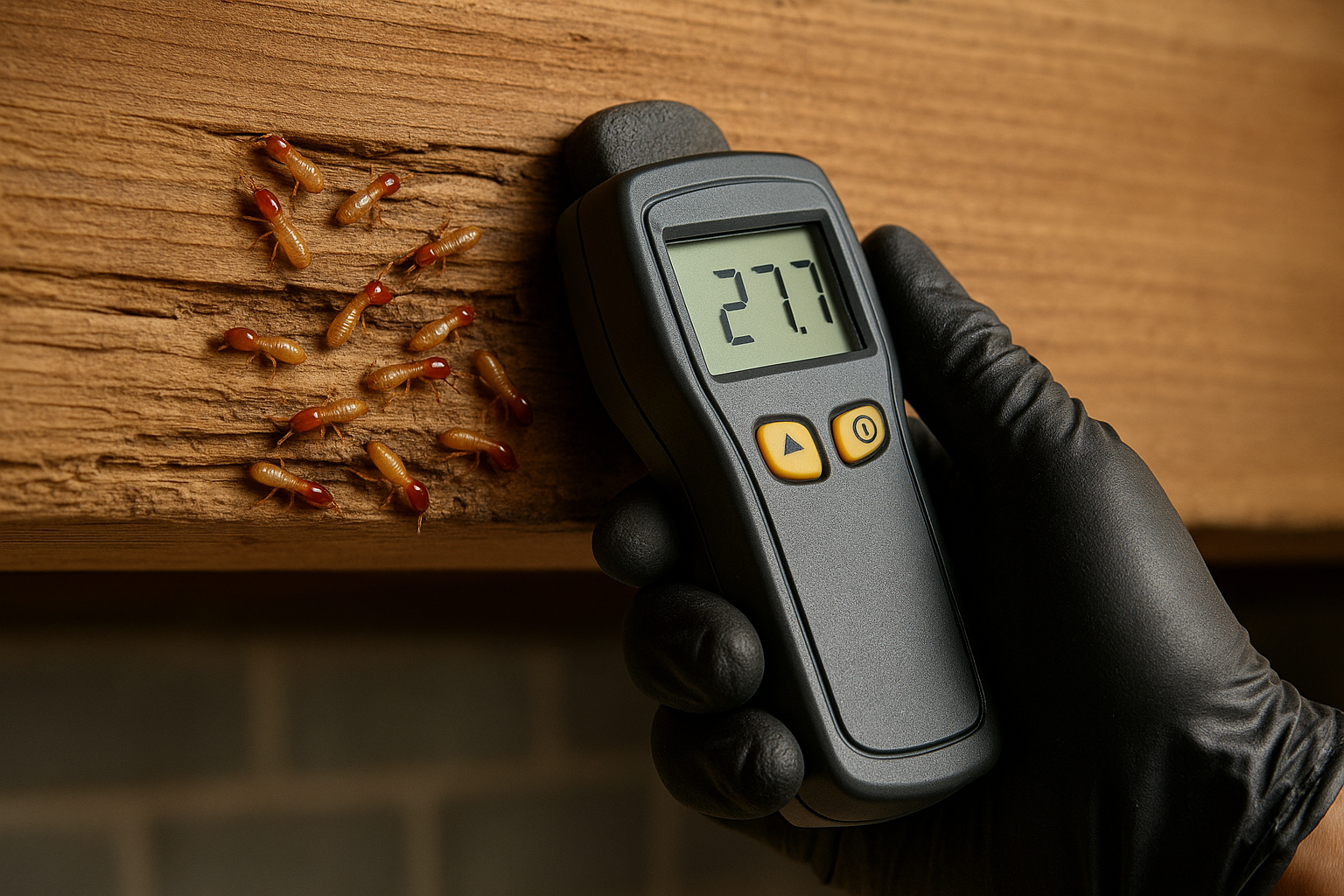
Neighborhood‑Specific Pricing in Tucker
When you request a termite‑control estimate, the price you receive often reflects more than just the size of your home. Tucker’s distinct neighborhoods each have unique construction eras, foundation types, and built‑in defenses that influence how much treatment will cost. Knowing the typical range for your area helps you gauge whether a quote is fair and ensures you’re budgeting for the right level of protection.
| Neighborhood | Average Total Cost (USD) |
|---|---|
| Brookshire | $2,500 – $4,000 |
| Stonecrest | $1,800 – $2,800 |
| Lake Forest | $2,200 – $3,500 |
Brookshire is known for its older, wood‑frame homes built before the 1990s. These structures often lack modern physical barriers, so a comprehensive approach—typically a combination of liquid termiticides and bait stations—is required. The extra labor and material costs push the average total price into the $2,500‑$4,000 bracket.
Stonecrest consists mainly of newer subdivisions where builders incorporated concrete slab foundations and pre‑installed stainless‑steel termite shields. Because the homes already have a solid physical defense, technicians can focus on targeted barrier treatments, which reduces material use and labor time. As a result, homeowners usually see quotes between $1,800 and $2,800.
Lake Forest offers a mix of mid‑century ranches and newer builds, meaning treatment plans often need to address both legacy wood framing and modern slab foundations. Pest professionals typically apply a dual strategy—bait stations for hidden colonies and a perimeter barrier for new construction areas—leading to an average cost of $2,200‑$3,500.
The price variations across these neighborhoods boil down to three key factors:
- Home age: Older homes tend to have more wood‑to‑soil contact and may have experienced previous termite activity, necessitating more extensive remediation.
- Foundation type: Slab foundations with built‑in barriers (common in Stonecrest) reduce the amount of chemical barrier needed, while crawl‑space or pier foundations (prevalent in Brookshire) often require deeper treatment.
- Existing physical defenses: Structures that already incorporate termite shields or steel mesh lower the workload for pest technicians, directly translating to lower bills.
By comparing your home’s characteristics with the typical ranges above, you can confidently assess whether a quoted price aligns with local market standards. If you’re unsure where your property falls, the team at Anthem Pest Control can perform a quick on‑site evaluation and explain the factors influencing your estimate.
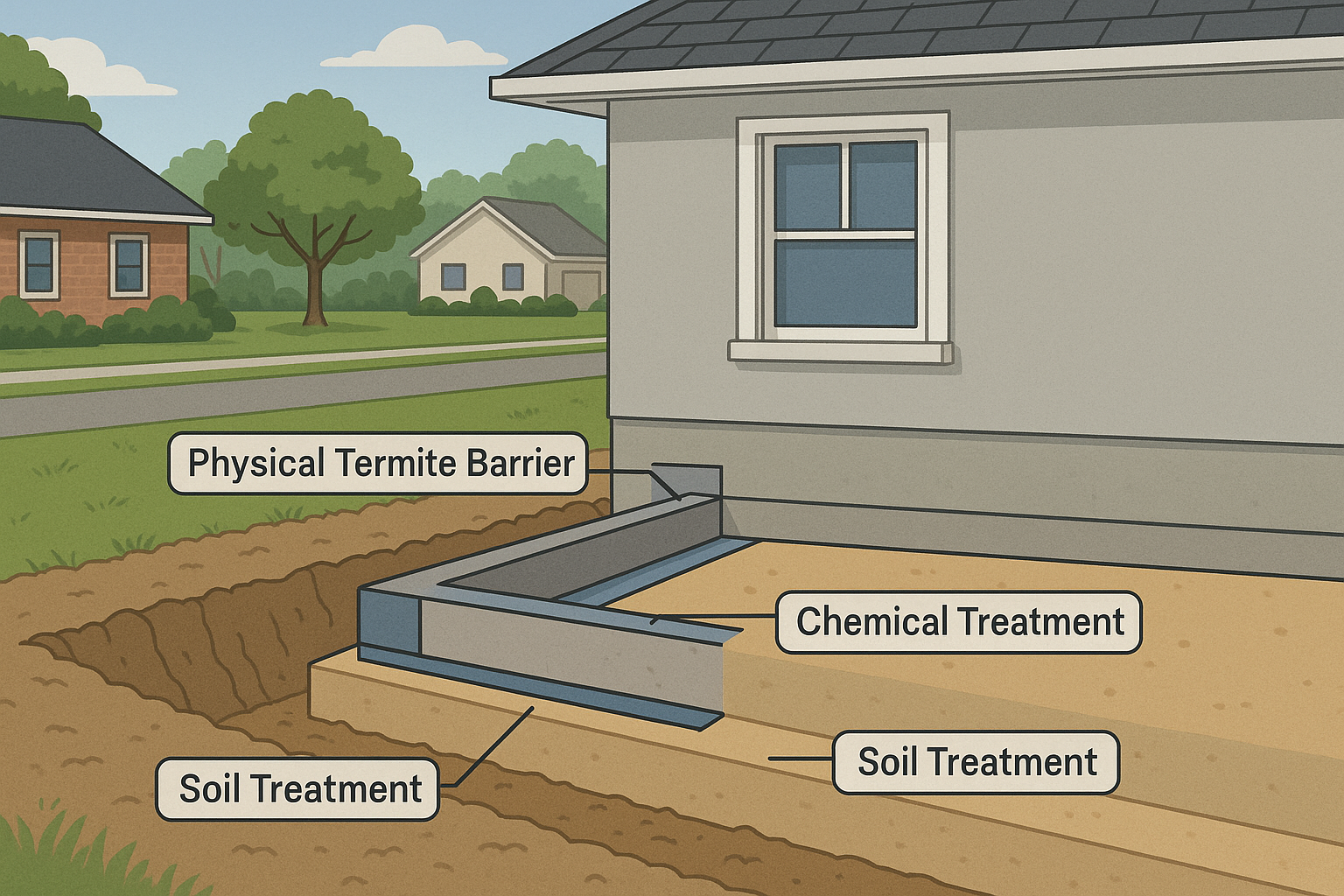
Anthem Pest’s Transparent Pricing Model
Standard Inspection Fee
Before any work begins, Anthem Pest charges a single, upfront inspection fee that mirrors the industry range—typically $79‑$99. The fee covers a thorough visual assessment, moisture meter readings, and a detailed report of any termite activity. There are no surprise add‑ons; what you see on the invoice is exactly what you pay.
Three Treatment Packages
Homeowners can choose the level of protection that fits their budget and risk tolerance. All packages include the same high‑quality chemicals and a certified technician.
- Basic Barrier – A perimeter treatment that creates a chemical shield around the home. Price range: $399‑$549.
- Bait‑Plus‑Monitoring – Stationary bait stations combined with monthly monitoring visits. Price range: $599‑$749.
- Premium Combined System – The barrier plus bait stations, plus quarterly inspections and a follow‑up treatment if needed. Price range: $799‑$999.
Financing Made Simple
Anthem understands that a termite treatment is an investment. That’s why they offer flexible financing: split the cost into equal monthly payments with 0 % interest for up to 12 months. The application is online, takes minutes, and requires no credit check for the zero‑interest option.
No Hidden Fees Guarantee & 5‑Year Warranty
Every contract comes with a “No Hidden Fees” guarantee. If additional work is ever required, Anthem will discuss it with you before any extra charge is applied. Plus, each treatment is backed by a 5‑year warranty that covers re‑infestation caused by the same species, giving homeowners peace of mind long after the service is completed.
“Anthem saved my home from a massive termite invasion. Their clear pricing and quick financing let me protect my family without breaking the bank.” – S. Martinez, Tucker, GA
Ready to schedule your inspection? Call 877‑371‑8196 or visit the Anthem Pest termite page to learn more about each package and start the protection process today.
How to Compare Termite Service Quotes Effectively
Choosing the right termite provider isn’t just about finding the cheapest number on the estimate. A solid quote reflects a company’s expertise, the quality of its chemicals, and the level of ongoing protection you’ll receive. Use the checklist below to evaluate every proposal on the same playing field.
Essential Quote Checklist
- State licensing and certifications – Verify the contractor holds a current Georgia pest‑control license and any specialized certifications for termite work.
- EPA‑registered termiticides – Confirm the product used is approved by the EPA and suitable for your home’s construction type.
- Warranty length and coverage – Look for a minimum one‑year warranty that includes both treatment effectiveness and any necessary re‑treatments.
- Follow‑up visits – A reputable plan includes scheduled inspections (typically every 6–12 months) to catch reinfestations early.
- Local references – Ask for recent homeowners in Tucker who have completed the same service; their feedback is priceless.
The Danger of the Lowest‑Price Quote
When a quote seems too good to be true, it often is. Companies that cut costs may use outdated or sub‑potent chemicals, skip critical soil moisture testing, or offer a one‑time treatment with no monitoring. Without a warranty, you’re left footing the bill for any future damage, and limited follow‑up visits mean a reinfestation can go unnoticed until structural damage appears.
Sample Comparison Chart
| Company | Inspection Fee | Treatment Type | Total Cost | Warranty | Notes |
|---|---|---|---|---|---|
| Anthem Pest Control | $85 | Liquid barrier + bait stations | $1,250 | 2 years, full coverage | Includes 2 follow‑up visits |
| Company B | $60 | Foam barrier only | $950 | 6 months, limited | No warranty on bait stations |
| Company C | $75 | Termite bait system | $1,100 | 1 year, includes monitoring | Requires quarterly inspections |
Tips for Verifying References and Insurance
Call at least two references provided by each contractor. Ask about the timeliness of service, the thoroughness of the inspection, and whether any hidden costs appeared later. Finally, request a copy of the company’s liability insurance and workers’ compensation certificates; this protects you if an accident occurs on your property during treatment.
Seasonal Timing and Savings Opportunities
Optimal Treatment Windows in Tucker
Understanding when termites are most active in Tucker can turn a costly infestation into a manageable maintenance task. In our region, the two sweet spots for treatment are early spring (mid‑March through early May) and early fall (late September through mid‑November). During these months the soil temperature hovers between 65°F and 75°F, humidity drops, and the colonies are either emerging from winter dormancy or preparing for it. Those conditions make liquid termiticides and bait stations work more efficiently, meaning technicians can apply less product and homeowners see lower invoices.
Take Advantage of Seasonal Promotions
Anthem Pest Control aligns its calendar with those windows, offering a Spring “Home Protection” discount that typically runs from the first week of March through the end of May. The promotion is listed on the Anthem website and can shave a few hundred dollars off the standard service bundle when you bundle inspection, treatment, and a year‑long warranty. Keep an eye on the site or call the office early in the season to lock in the rate before it expires.
Why Early Detection Saves Money
Early detection isn’t just about peace of mind—it’s a proven cost‑saver. The National Pest Management Association’s 2023 termite‑cost study found that homeowners who caught a colony during the early spring window reduced their total remediation expense by up to 40% compared with those who waited until summer when damage is already visible. By acting before workers, mud tubes, and wood damage appear, you avoid expensive structural repairs and the need for multiple treatment rounds (NPMA 2023 study).
Scheduling Your Inspection the Smart Way
The simplest way to capitalize on this timing is to schedule a professional inspection at least 30 days before the first expected activity spike, which in Tucker usually begins in late March. Call Anthem at 877‑371‑8196 or book online so a certified technician can assess moisture levels, wood‑to‑soil contact, and any existing bait stations. If the inspection confirms activity, you’ll have a clear window to treat before colonies expand, keeping both the infestation and the bill under control.
DIY vs. Professional Termite Solutions
When termites start chewing through your Tucker home, the first question is whether you can handle it yourself or call in a licensed professional. The answer hinges on three factors: cost, success rate, and the risk you’re willing to accept.
DIY Options
- Bait stations – plastic containers filled with cellulose and a slow‑acting insecticide. Typical kit prices range from $100 to $200.
- Liquid sprays – ready‑to‑use termiticides applied to soil or wood surfaces. A full‑home treatment usually costs between $150 and $300.
Even when you follow the label directions, the overall success rate for DIY methods sits at roughly 30 % to 45 %. That means more than half of the time the colony survives, and you may have to start over or call a pro anyway.
Risks of Going It Alone
- Incomplete coverage – gaps in the barrier let termites bypass your treatment.
- Voided warranties – many manufacturers require a certified technician to validate the work.
- Higher long‑term expense – a failed DIY job can lead to extensive damage that costs thousands to repair.
- Safety concerns – handling EPA‑registered chemicals without proper training puts pets and family at risk.
When to Call a Professional
We recommend picking up the phone as soon as you see any of the following:
- Visible colony activity (winged alates, mud tubes, or active swarms).
- Structural damage greater than 2 inches, especially in load‑bearing wood.
- Repeated infestations despite previous DIY attempts.
Licensed technicians from Anthem Pest Control apply EPA‑approved termiticides with calibrated equipment, ensuring a uniform barrier that reaches hidden voids. Our treatments carry a success rate above 90 %, backed by a warranty that protects your home for years.
Safety First
Professional crews are trained to protect pets, children, and indoor air quality. We use low‑odor, low‑toxicity products that meet federal safety standards, so you can sleep soundly knowing the termites are gone and your family is safe.
In pure dollars, a DIY kit may look attractive at $150‑$300, but the hidden cost of a missed colony can quickly eclipse that saving. A professional termite program from Anthem Pest typically starts around $800 for a full inspection and treatment, but the long‑term protection and warranty often pay for themselves within the first year.
Frequently Asked Questions About Termite Treatment
Homeowners often have the same concerns before committing to a termite program. Below are quick, expert answers from Anthem Pest Control that help you understand what to expect. Our goal is to give you clear, actionable information so you can make confident decisions about protecting your home.
How long does a treatment last?
Liquid termiticide barriers typically protect your home for 2‑5 years, depending on the product and soil conditions. Bait‑station systems, which rely on a colony’s foraging behavior, usually remain effective for 1‑3 years, provided you schedule the required annual monitoring visits. After the first application, the agreement details when a re‑treatment may be needed, keeping protection seamless.
Will treatment affect pets?
When applied by a certified technician, EPA‑approved termiticides are formulated for low toxicity. Proper application creates a barrier that stays in the soil or within bait stations, keeping pets safe indoors. Anthem follows all EPA guidelines and uses products with minimal risk to animals and humans EPA 2024. We also advise keeping pets away from the treated area for a few hours until the product fully dries.
What if I move?
Anthem’s warranty is transferable. If you sell your house, the new owner can inherit the remaining protection, and the warranty paperwork is simply handed over at closing. This adds value to your property and ensures continuous termite defense. The transfer is simple—hand the warranty card to the buyer and we’ll update our records accordingly.
What should I expect during a follow‑up visit?
During each annual check, a technician will inspect bait stations, verify that liquid barriers are intact, and look for any new activity signs. If adjustments are needed, they’ll treat the affected area on the spot, keeping your home safeguarded without extra cost under most warranty plans. You’ll also get a short report outlining any findings and recommended next steps.
Take Action with Anthem Pest Today
Before you decide, remember the four reasons why early professional treatment pays off:
- Hidden damage costs: Untreated termites can silently eat away at structural wood, leading to thousands of dollars in repairs.
- Local species awareness: Tucker’s most common culprits—Eastern Subterranean and Formosan termites—behave differently, and a local expert knows exactly how to target each.
- Transparent pricing: Anthem Pest provides clear, itemized quotes so you never face surprise fees.
- Seasonal savings: Spring and early summer treatments often qualify for discounts, reducing your out‑of‑pocket expense.
Ready to protect your home? Schedule a free inspection today and ask about our exclusive “Tucker Home Protection” discount. Our technicians will walk through your property, identify any risk zones, and give you a customized action plan—no obligation, no pressure.
Our team blends local expertise with EPA‑approved methods to protect your home safely and affordably. We use low‑toxicity termiticides and targeted baiting systems that eliminate colonies while keeping pets and family members out of harm’s way. When you choose Anthem Pest, you’re investing in a solution that stops damage before it starts, saving you both money and peace of mind.
Give us a call at 877‑371‑8196 or visit our website to book your inspection. Our friendly staff will confirm your appointment and answer any questions you have about the process.
Visit Anthem Pest Control to learn more and take the first step toward a termite‑free home.