Identifying Early Pest Signs in Your Home
It’s late, the house is quiet, and you hear a faint rustling behind the pantry door. You glance down and see a line of tiny, speck‑gray insects marching across the kitchen counter, or perhaps a single dark shape scurries across the baseboard. That sudden, unsettling moment—when a harmless‑looking critter becomes a warning sign—spurs most homeowners to wonder: what’s next?
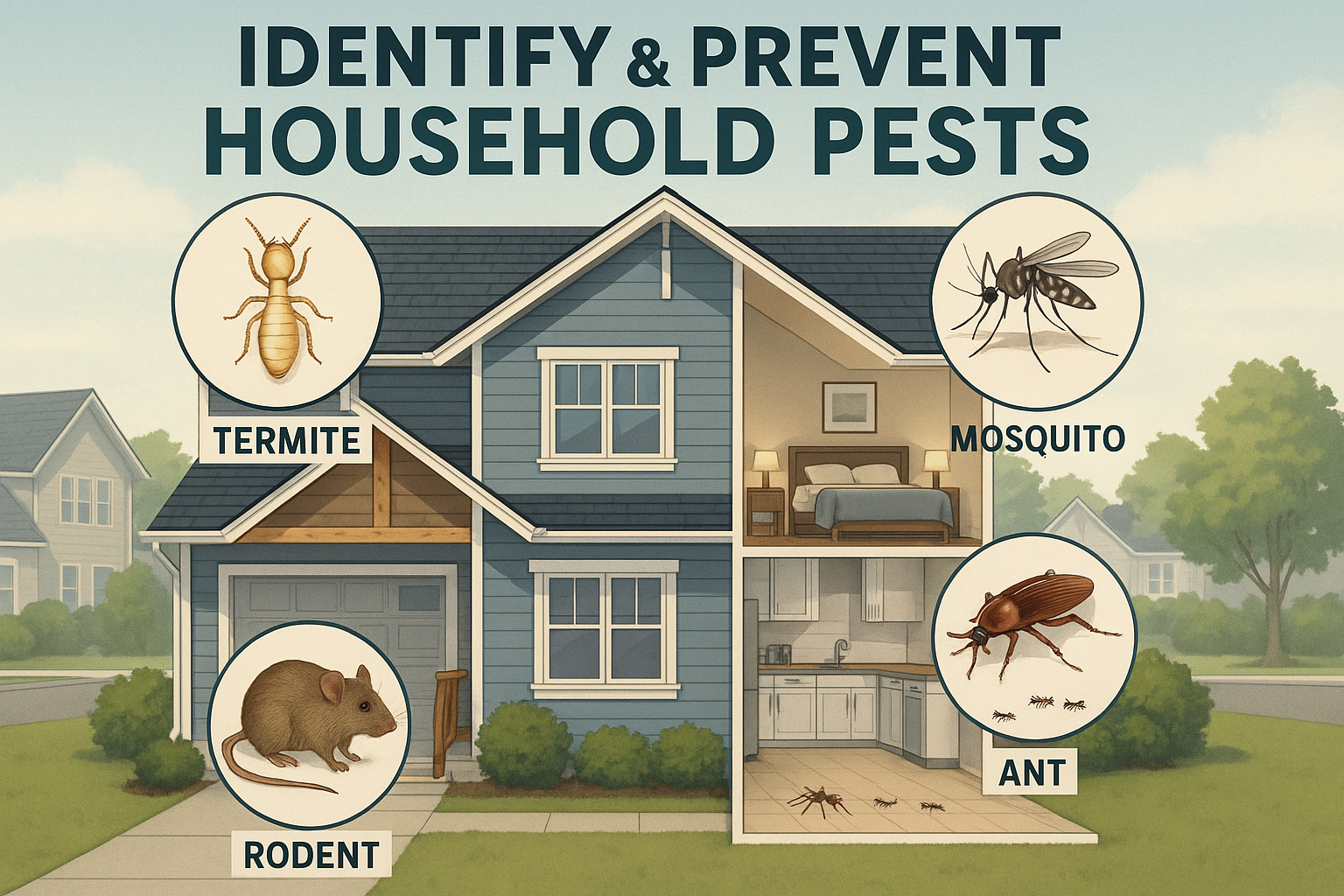
In this guide we’ll walk you through exactly how to spot, prevent, and treat the most common household pests across the United States. From the stealthy German cockroach to the resilient carpenter ant, you’ll learn the tell‑tale clues each species leaves behind and the steps you can take before an infestation takes hold. Whether you’re dealing with a sudden sighting or a subtle smell, our step‑by‑step checklist will give you confidence.
Why does local, data‑driven insight matter? Pest activity isn’t the same from coast to coast. Seasonal temperature swings, regional building styles, and neighborhood landscaping all influence which critters are likely to invade your home. By leveraging neighborhood‑specific data, we can pinpoint the pests most likely to appear in your area and recommend timing that maximizes effectiveness while minimizing chemical exposure. Our local technicians continuously update their knowledge base with the latest trap data and seasonal trends, ensuring you receive the most current recommendations.
At Anthem Pest Control, our mission is simple: provide safe, transparent, and affordable pest solutions that homeowners can trust. We combine industry‑leading science with a commitment to clear pricing—no hidden fees, no surprise visits. Our technicians are trained to respect your home and your family’s health, using treatments that target pests while preserving indoor air quality. We also prioritize eco‑friendly formulations, so you protect your family, pets, and the planet without compromising results.
This article will cover six key areas: how to identify early signs of infestation, the seasonal threats you should watch for, practical prevention tactics, proven treatment options, and a straightforward comparison of DIY versus professional services. By the end, you’ll have a roadmap that lets you act confidently, whether you choose to call a professional or tackle a minor issue yourself.

Early Warning Signs Checklist
Spotting a pest problem before it spreads can save you time, money, and a lot of stress. Below is a concise, homeowner‑friendly checklist you can carry on a clipboard or your phone during each seasonal walk‑through.
- Visible damage – chewed wood, frayed insulation, or gnawed furniture.
- DroppingsSeasonal Pest Threat Calendar
Understanding when pests are most active helps you plan inspections and treatments before an infestation takes hold. In the United States, pest behavior follows a predictable rhythm tied to temperature, humidity, and food availability. Use the quick‑reference table below to see which critters dominate each month and what action you should take.
- Spring – Termite swarms emerge, ant colonies expand their foraging trails, and standing water after rains creates ideal mosquito breeding sites.
- Summer – Mosquito populations hit their peak, cockroaches become more visible as they seek food and water, and rodents start nesting in attics and walls to escape the heat.
- Fall – As temperatures drop, rodents look for shelter indoors, while termites shift from swarming to foraging for wood that’s still damp from autumn rains.
- Winter – Indoor ant migrations increase, especially along heated walls and appliances, and cockroaches hide in warm, insulated spaces, often going undetected until spring.
Below is a concise table that matches each month with the primary pest concern and a recommended preventative or treatment step. This format lets you glance at the calendar and know exactly what to schedule with Anthem Pest Control.
Monthly Pest Focus and Recommended Action Month Primary Pest Recommended Action January Indoor Ants Seal cracks, schedule a perimeter treatment February Indoor Ants Inspect for early termite activity, set bait stations March Termite Swarms Conduct a professional termite inspection April Ant Expansion Apply barrier spray around foundation May Mosquito Breeding Eliminate standing water, consider larvicide June Mosquito Peak Install outdoor fogger or misting system July Cockroach Activity Place gel baits in kitchens and basements August Rodent Nesting Seal entry points, set snap traps September Rodent Shelter‑Seeking Perform a thorough attic inspection October Termite Foraging Apply soil treatment around the perimeter November Indoor Ant Migrations Treat interior walls and baseboards December Cockroach Hiding Run a final indoor spray before holidays Regional variations can shift these timelines. For example, Southern states often experience a longer mosquito season that can start as early as February and extend into November. Likewise, milder winters in the Gulf Coast allow termites to remain active later in the year. Because pest dynamics evolve, Anthem Pest Control updates its calendar annually with the latest EPA findings and state extension service reports. Expect the 2025 edition to reflect new activity data as it becomes available.
DIY vs. Professional Pest Control
Success rates you can trust
When it comes to eliminating pests, the numbers speak loudly. A 2024 study by the National Pest Management Association (NPMA) found that DIY methods achieve roughly 60 % success on average, while licensed professionals reach about 90 % success across common household infestations. The gap isn’t just statistical—it reflects the depth of training, access to EPA‑approved products, and systematic follow‑up that a professional service provides. Read the full NPMA report for a detailed breakdown.
Health and safety considerations
Applying pesticides without proper training can create hidden hazards. Over‑application, mixing incompatible chemicals, or using the wrong formulation may lead to respiratory irritation, skin burns, or even long‑term environmental damage. Homeowners who lack personal protective equipment (PPE) are especially vulnerable. Professionals, on the other hand, follow strict safety protocols, wear certified PPE, and dispose of residual chemicals according to state regulations, dramatically reducing health risks for you and your family.
Decision matrix: DIY or call a pro?
Guideline for choosing DIY or professional pest control Situation Recommended Action Visible structural damage (e.g., wood rot from termites, gnawed beams) Call a professional immediately Repeated infestations despite previous DIY attempts Call a professional for a comprehensive assessment Health concerns such as allergies, asthma, or children/pets on the premises Professional treatment is safest Minor, isolated sightings (e.g., a single ant trail or a lone roach) DIY methods may suffice with proper identification Seasonal spikes of high‑risk pests (e.g., bed bugs, mosquitoes) Professional intervention recommended for rapid control “I called Anthem after spotting a swarm of wasps near my patio. Within hours they arrived, set up a safe perimeter, and eliminated the nest without any mess. Their crew was courteous, explained every step, and I felt completely at ease knowing my family was protected.” – Jenna L., Austin, TX
Building Trust with Local Expertise
Anthem Pest Control has been protecting Texas, Colorado, Illinois and surrounding communities for more than two decades. Over the past 20 years we have built a reputation rooted in consistency, safety, and results. Every technician on our roster holds full state licensing, and all treatments are applied with EPA‑approved products that meet the highest environmental standards. This combination of qualified staff and regulated chemicals means homeowners can trust that each job is performed responsibly and effectively.
Today we focus on five core markets, each backed by a local office and a dedicated crew that knows the seasonal pests unique to the area:
- Austin and its surrounding suburbs
- Dallas‑Fort Worth metro area
- Denver and nearby communities
- Chicago and surrounding Illinois counties
- Additional neighboring suburbs within each region
By staying close to the neighborhoods we serve, we can respond quickly, schedule appointments at convenient times, and tailor treatments to the specific climate and building styles of each city.
Beyond the day‑to‑day calls, Anthem invests in the communities that trust us with their homes. Each spring we partner with local elementary and middle schools to run free pest‑prevention workshops, teaching children and parents how to spot early signs of infestations and what simple steps can keep pests out of the house. These sessions not only empower families but also reinforce our commitment to long‑term, proactive pest management rather than reactive extermination.
To see a full breakdown of our qualifications, licensing details, and the community projects we support, visit our Why Choose Us page. There you’ll find testimonials from homeowners in Austin, Dallas, Denver, and Chicago who have experienced our local expertise firsthand. Our transparent pricing model ensures you know exactly what each service costs before any work begins, eliminating surprise fees and building confidence in every interaction.
Frequently Asked Questions
How quickly can a termite infestation be stopped?
When termites are caught early, a professional barrier treatment can halt the colony’s spread in just a few weeks. Our technicians locate active galleries, apply an EPA‑registered termiticide, and seal entry points, effectively cutting off food and moisture sources. According to the U.S. Environmental Protection Agency’s safety guidelines, properly applied barrier products begin working immediately and maintain protection for up to five years, giving homeowners peace of mind while preventing further damage.
Are bait stations safe for pets?
Yes. EPA‑approved termite bait stations are formulated to be non‑toxic to mammals when used as directed. The stations are sealed, contain low‑dose cellulose bait, and are placed in concealed locations such as behind baseboards or in crawl‑space corners. As long as the label instructions are followed—typically keeping stations out of reach of children and pets—there is no direct exposure risk.
What is the typical response time for an emergency call?
We treat urgent termite alerts with priority. Our standard service level agreement (SLA) commits to dispatching a licensed technician within 2‑4 hours of the initial call for emergency situations. This rapid response helps contain the infestation before it spreads to structural wood.
What warranty or service guarantee is offered?
We stand behind every treatment with a 30‑day re‑treatment guarantee. If termites are detected again within thirty days of service, we will return at no additional cost to re‑apply the barrier or adjust the bait system. The warranty also includes a written service agreement outlining the scope of work, product warranties, and post‑treatment monitoring.
Conclusion and Call to Action
Over the past sections we’ve shown that a pest‑free home rests on three simple pillars: early identification of infestations, seasonal prevention strategies, and transparent treatment options that let you see exactly what’s happening and why.
- Early identification catches pests before they spread, saving you time and money.
- Seasonal prevention aligns your defenses with the local climate, reducing the chances of surprise invasions.
- Transparent treatment options give you confidence in the methods, safety measures, and pricing you receive.
When you partner with a trusted local expert, you gain more than a service—you get a neighbor who understands the specific pest pressures of your region, from summer mosquitoes to winter‑seeking rodents. That local knowledge translates into faster response times, tailored treatment plans, and a genuine commitment to keeping your home comfortable.
Our technicians follow EPA‑approved protocols and use low‑impact products that protect your family and pets while eliminating pests at the source. With transparent pricing and a satisfaction guarantee, you can trust that every dollar works toward a healthier home.
Ready for a pest‑free home? Contact Anthem Pest Control today for a free, no‑obligation inspection. Call us at 877‑371‑8196 or click the link above to schedule your appointment.