Millipede Inspection Overview for Brookhaven Homeowners
Every spring and early summer, the Atlanta metro area sees a surge of millipedes emerging from the soil. In Brookhaven—especially the neighborhoods of North Brookhaven and Brookhaven Village—these many-legged critters can quickly move from the yard into homes as moisture levels rise. While they’re harmless to people and pets, a sudden appearance often signals underlying conditions that merit attention, which is why many homeowners schedule a professional millipede inspection Brookhaven service to identify moisture issues and entry points early.
Why should you care? First, millipedes thrive in damp environments, so a heavy presence usually points to excess moisture in your foundation, crawl spaces, or drainage systems. Over time, that moisture can weaken wood, promote mold growth, and even attract more destructive pests like termites. Second, finding dozens of millipedes on a kitchen counter or in a bedroom is unsightly and can cause anxiety for residents who aren’t used to sharing their space with arthropods. Finally, postponing treatment means the underlying moisture problem worsens, leading to higher repair costs and more extensive pest control measures later on.
- Potential moisture‑related damage to structural wood and finishes
- Unsightly indoor sightings that affect comfort and home appeal
- Escalating repair and treatment expenses if the issue is ignored
Our inspection process is straightforward and data‑driven. A certified Anthem Pest technician will start with a visual sweep of exterior entry points—foundation cracks, siding gaps, and landscape mulch—followed by a moisture assessment using calibrated meters. Inside the home, we’ll inspect common gathering spots such as basements, bathrooms, and utility rooms, documenting any millipede activity with a digital log. This information helps us pinpoint the exact conditions attracting the insects and allows us to recommend targeted solutions, from simple dehumidification to professional barrier treatments.
In the sections that follow, you’ll learn how to recognize early warning signs, what specific steps are involved in a thorough millipede inspection, and when it’s time to call a pro. Armed with this knowledge, Brookhaven homeowners can protect their property before a seasonal nuisance turns into a costly repair project.
Understanding Millipedes in Georgia
Biological basics
Millipedes are often mistaken for centipedes, but they belong to a completely different class of arthropods. An adult Georgia millipede typically carries 60–100 legs, arranged in two pairs per body segment—a trait that gives them their name (“milli‑pede” meaning “thousand feet”). Unlike their faster‑moving centipede cousins, millipedes are detritivores. They feed on decaying leaves, wood, and other organic matter, playing a quiet but essential role in breaking down forest litter.
Moisture is their biggest draw. You’ll find them thriving in damp, shaded spots—under mulch, in leaf piles, or along the edges of a garden after a heavy rain. Their soft exoskeletons make them vulnerable to dehydration, so they retreat to moist micro‑habitats during dry spells and emerge en masse when the ground is saturated.
Georgia’s millipede activity: what the numbers say
The USDA’s 2024 pest report records an average of 1.2 million millipede sightings each year across Georgia. While most of those encounters are harmless, the sheer volume highlights why homeowners in Brookhaven often notice these creatures after seasonal rainstorms. The statistic also helps pest‑management professionals gauge when preventive measures might be warranted, especially in neighborhoods with dense landscaping or extensive mulch beds.
What a Brookhaven millipede looks like
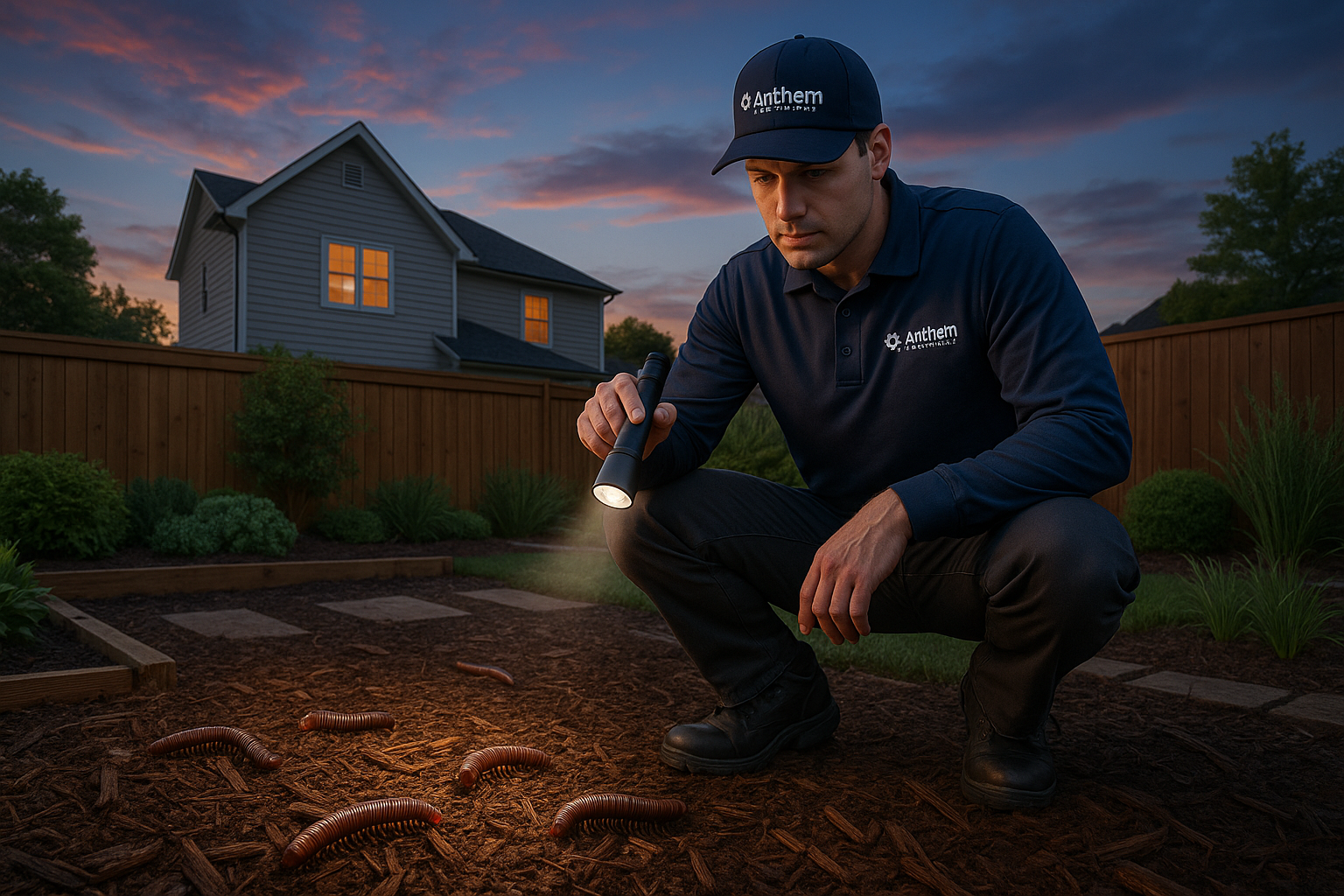
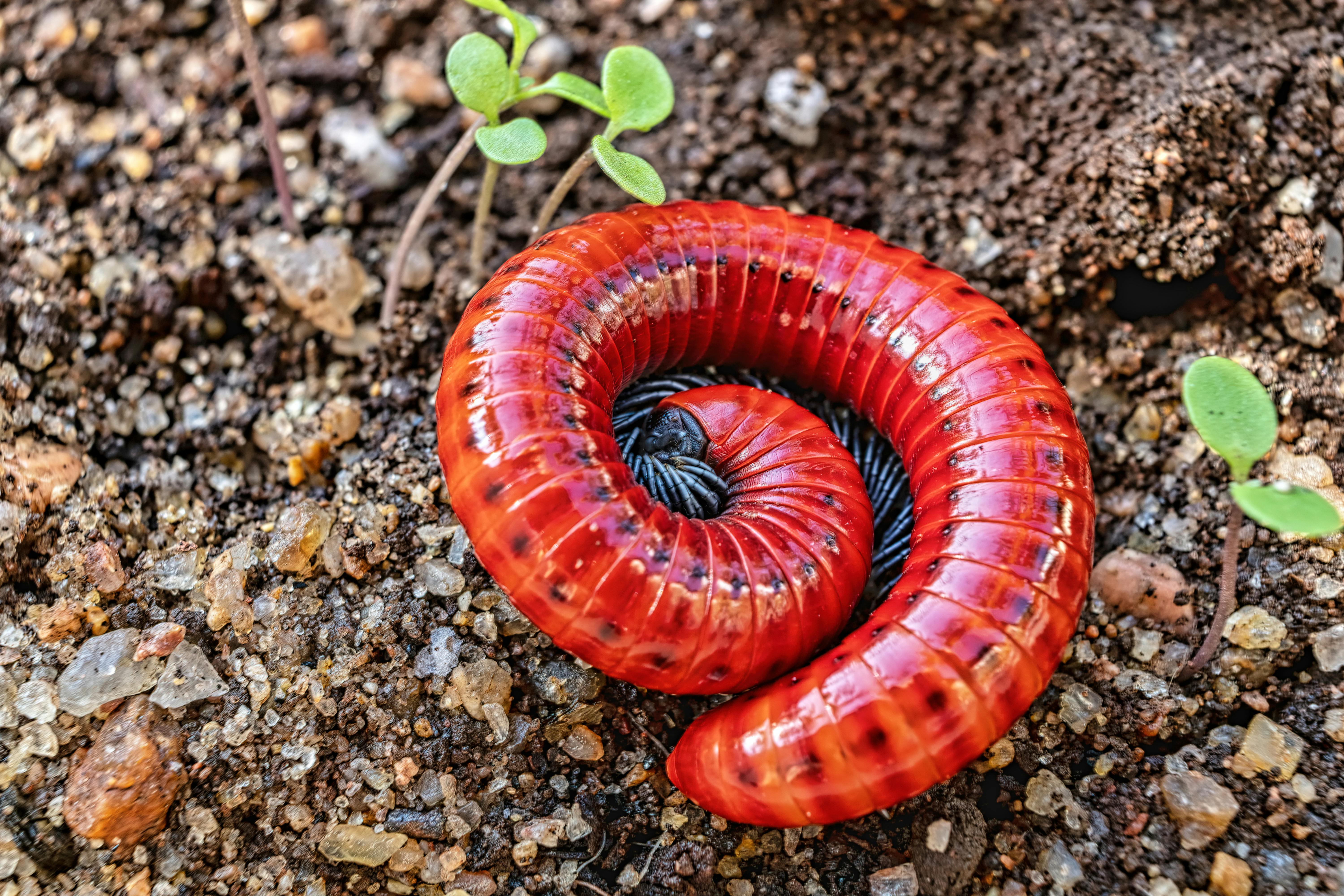
After a downpour, the typical millipede you’ll spot in a Brookhaven yard is about 2–3 inches long, sporting a glossy, dark brown to reddish‑black carapace. Their segmented bodies are slightly rounded, and a faint, oily sheen can be seen when light hits their moist exoskeleton. Though they move slowly, they can form small clusters, especially along the base of garden beds or near compost piles.
Human interaction and health considerations
Millipedes are not known to bite or spread disease, but they can become a nuisance when they invade homes in large numbers. Some species release a defensive secretion that may stain fabrics or cause mild skin irritation for sensitive individuals. For a comprehensive overview of health implications, the CDC’s millipede information page offers reliable guidance.
Key takeaways for homeowners
- Millipedes thrive in moist, organic‑rich environments; reduce excess mulch and clear leaf litter to make your yard less inviting.
- Annual sightings in Georgia exceed one million, so occasional indoor appearances are normal, especially after rain.
- While they’re harmless, large congregations can be unsightly; professional inspection can pinpoint entry points and suggest preventive treatments.
Seasonal Activity Patterns in Georgia
In the Peach State, millipedes follow a predictable calendar. Their peak activity window stretches from May through September, when daytime temperatures regularly hover between 75 °F and 85 °F and relative humidity climbs above 60 %. These warm‑and‑wet conditions create the perfect environment for millipedes to emerge from the soil, mate, and disperse across lawns and foundations.
Temperature‑humidity thresholds that trigger emergence
The EPA’s Integrated Pest Management (IPM) guidelines note that many soil‑dwelling arthropods, including millipedes, become active once two key climate thresholds are met:
- Average daily temperature ≥ 70 °F (21 °C)
- Relative humidity ≥ 55 %
When both criteria are satisfied for several consecutive days, millipedes break surface tension and begin their seasonal foray. The EPA page on climate‑pest relationships (EPA IPM Climate‑Pest Correlation) provides the scientific basis for this rule of thumb, which aligns closely with field observations across Georgia.
Local anecdote: Brookhaven’s July thunderstorm spikes
Brookhaven homeowners consistently report a noticeable surge in millipede sightings right after the heavy July thunderstorms that roll through the metro Atlanta area. The rapid drop in temperature followed by a surge in overnight humidity creates a brief “golden window” where dormant millipedes scramble for shelter, often ending up inside crawl spaces, basements, or even the kitchen sink.
One resident shared, “After the July 12th storm, we found a line of millipedes crossing our patio each morning for a week. It was the first time we’d ever seen them in such numbers.” Such anecdotes echo the broader climate data: sudden moisture spikes act as a catalyst for millipede movement.
How seasonal trends guide inspection timing
Understanding these patterns helps homeowners and pest control professionals schedule inspections at the most effective moments. The ideal window for a pre-emptive millipede inspection Brookhaven homeowners rely on is early May, before the first major humidity rise. A follow-up check in late August ensures any late-season colonies are caught before they seek indoor refuge as temperatures begin to dip.
By aligning inspections with the documented activity window—May to September, and especially the post‑storm periods in July—homeowners can catch millipedes early, limit indoor incursions, and avoid costly remediation later in the year.
Key Indicators That an Inspection Is Needed
When millipedes start showing up inside your home, they’re usually sending a clear message: something in the environment is inviting them in. Recognizing the early signs can save you from costly moisture‑related repairs later on.
Indoor sightings near vulnerable areas
Homeowners in Brookhaven often first notice millipedes crawling across the floor near basements, crawl spaces, or at door thresholds. These insects prefer dark, damp places, so a sudden increase in activity around these zones is a red flag. If you see a handful of millipedes gathering on the floorboards or along the baseboard trim, it’s time to investigate what’s drawing them there.
Moisture clues you can’t ignore
Millipedes thrive in moisture, so any sign of excess water inside your foundation is a strong indicator of a potential problem. Look for water stains on walls, a musty smell, visible mold, or damp patches on the foundation. Even a small leak in a basement window well can create the humid micro‑climate millipedes love. In Georgia, where humidity is already high, these moisture pockets become breeding grounds for the pests.
Visible trails leading to entry points
Millipedes leave a silvery‑gray trail of slime as they move. Spotting these trails on concrete steps, near window sills, or along the exterior siding is a giveaway that they’re navigating a path into your home. Follow the trail to locate cracks, gaps around utility penetrations, or poorly sealed foundation joints—these are the doors they’re using.
- Indoor sightings near basements, crawl spaces, and door thresholds.
- Moisture clues such as water stains, mold, or damp foundation walls.
- Visible millipede trails that point to entry points.
Statistic: A 2023 NPMA homeowner survey found that 35% of Georgia homes with recurring moisture issues report millipede invasions. This correlation underscores how closely the pest’s presence is tied to water problems.
Why early detection matters
Addressing a millipede issue at the first sign prevents the insects from establishing large colonies. More importantly, it stops moisture from lingering unchecked. Prolonged dampness can weaken wood, promote rot, and create conditions for mold growth—all of which lead to expensive structural repairs. A prompt inspection allows a professional to pinpoint the moisture source, seal entry points, and recommend targeted treatments before the problem escalates.
If any of the above indicators sound familiar in your Brookhaven home, schedule an inspection with a local expert. Early action protects both your property and your peace of mind.
What Happens During a Professional Millipede Inspection
When a millipede problem surfaces, a thorough inspection is the first line of defense. Our Anthem Pest technicians follow a systematic, step‑by‑step process that pinpoints where the insects are coming from, how moisture is influencing their activity, and which areas of your Brookhaven home need immediate attention. Below is a walk‑through of what you can expect when we arrive at your door.
Exterior Perimeter Walk‑Around
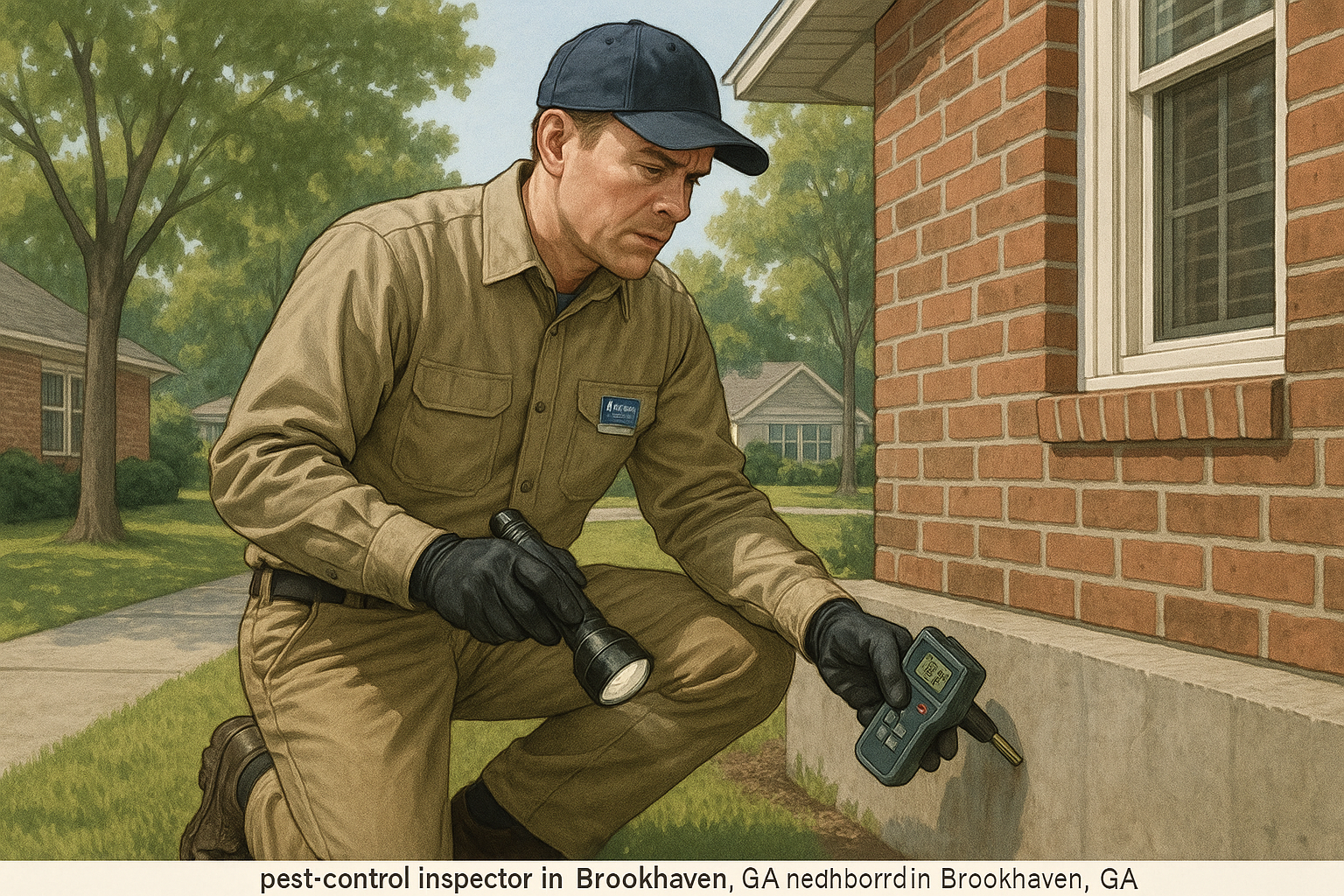
We start outside, circling the entire property to spot any visual clues that millipedes love—cracked foundations, mulch beds, and leaf litter piles. The technician examines the soil texture and grading, looking for low spots where water pools after a rain. These “wet pockets” often become highways for millipedes seeking shelter, so identifying them early helps us recommend targeted landscape adjustments.
Moisture Mapping with Meter and Probe
Using a calibrated moisture meter and a slender soil‑moisture probe, we measure humidity levels at several points along the foundation. The device flashes a green, yellow, or red reading, indicating dry, moderate, or high moisture zones. High‑humidity zones are flagged for possible treatment or drainage improvement, because millipedes thrive where the soil stays damp for extended periods.
Interior Visual Check
Inside the home, we bring high‑intensity flashlights and handheld microscopes to inspect vulnerable spots: baseboards, window sills, and especially crawl spaces. The microscope magnifies tiny millipede tracks and shed skins that are invisible to the naked eye. In crawl spaces, we look for water stains, standing water, and any gaps that allow soil moisture to seep in. This dual‑focus approach—outside and inside—ensures no hidden colony escapes detection.
Tools Our Technicians Trust
- Flashlights: Bright, focused beams reveal insects in dark corners.
- Moisture meters: Quick, non‑destructive readings of soil and building material humidity.
- Handheld microscopes: 20‑40× magnification to spot millipede fragments and eggs.
Homeowner Preparation Checklist
- Clear clutter from entryways, basements, and crawl‑space access points.
- Move stored boxes, firewood, and garden tools away from the foundation.
- Ensure pets are secured in another room or in a crate during the inspection.
- Open exterior doors and windows slightly to allow easy movement of equipment.
- Have a basic floor plan handy so the technician can note problem areas accurately.
Time Investment
For a typical Brookhaven residence—average lot size, a single‑story home, and a standard crawl space—the entire inspection usually takes between 45 and 60 minutes. Larger properties or homes with extensive landscaping may require a bit more time, but the process remains focused and efficient.
Treatment Options and Transparent Pricing
Millipedes are harmless until they crowd your porch, crawl inside your home, or create a damp, unsightly mess around the foundation. At Anthem Pest we give you three straightforward ways to stop them, each with a clear price so you never wonder where your money goes.
Exterior Barrier Treatment
Our technicians dig a shallow trench around the perimeter of your house and inject a low-toxicity, EPA-registered insecticide. The treated soil forms an invisible shield that blocks millipedes from crossing onto your lawn or slipping through cracks. In Brookhaven, the cost for a full-home barrier typically falls between $150 and $250, depending on lot size and soil composition, often recommended after a professional millipede inspection Brookhaven homeowners schedule to identify entry points and moisture conditions.
Interior Spray for Entry Points
If you’ve already seen millipedes inside—near doors, windows, or foundation gaps—we apply a targeted spray directly to those hotspots. The formulation kills on contact and leaves a short‑term residual barrier that protects high‑traffic entryways for up to three weeks. Homeowners usually pay $80 to $120 for a single interior treatment.
Non‑Chemical Alternatives
- Diatomaceous earth: Food‑grade powder that desiccates millipedes as they walk over it; safe for pets and children.
- Moisture remediation: Fix leaky gutters, improve drainage, and run a dehumidifier to eliminate the damp conditions millipedes love.
- Physical barriers: Install door sweeps, seal foundation cracks, and add mesh screens to vents for a mechanical block.
These eco‑friendly options typically cost under $50 for the necessary materials, making them a budget‑friendly supplement or standalone solution.
Pricing Transparency at Anthem Pest
We start every job with a flat‑rate inspection for $79. That fee covers a thorough visual assessment, moisture evaluation, and a written recommendation that matches one of our pre‑packaged treatment plans—no hidden fees, no surprise add‑ons.
Our most popular packages are:
- Basic Barrier: Exterior soil injection plus one interior spray – $219 total.
- Premium Protection: Exterior barrier, interior spray, and a 30‑day follow‑up – $289 total.
- Eco‑Friendly Bundle: Diatomaceous earth, moisture remediation tips, and physical barriers – $149 total.
To help you act before the spring surge, we offer a Spring‑Ready Discount of 10 % off any package booked before May 15. The discount is applied automatically at checkout—no promo code required.
How Our Prices Compare
The 2025 Georgia pest control cost averages from the EPA list the following benchmarks for millipede management:
| Service Type | Average Cost | Anthem Pest Range |
|---|---|---|
| Exterior Barrier | $180‑$260 | $150‑$250 |
| Interior Spray | $90‑$130 | $80‑$120 |
| Non‑Chemical Materials | $40‑$70 | Under $50 |
Our figures sit at or below the state averages, confirming that you receive effective treatment without overpaying. By presenting the inspection fee up front and bundling services into transparent packages, Anthem Pest removes guesswork and lets you choose the level of protection that fits your budget.
Whether you opt for a chemical barrier, a spot‑treatment spray, or a fully green approach, you can count on clear pricing, professional application, and ongoing support from a local team that knows Brookhaven’s unique climate challenges.
Proactive Prevention Tips for Brookhaven Homeowners
1. Master Moisture Management
Millipedes thrive in damp environments, so the first line of defense is keeping excess moisture out of your home’s envelope. Start by inspecting gutters and downspouts after every rainstorm; even a small leak can direct water toward your foundation. Repair any sagging sections and install splash blocks or extensions so runoff is diverted at least six feet away from the house.
In basements and crawl spaces, consider a portable dehumidifier set to maintain humidity below 50 %. Run it continuously during the humid summer months and check the unit’s filter weekly. If you notice condensation on walls or a musty odor, it’s a sign that moisture is seeping in and needs immediate attention.
2. Landscape Maintenance That Keeps Millipedes at Bay
Outdoor clutter is a favorite hideout for millipedes. Keep mulch, wood chips, and bark at a minimum of 12 inches from the foundation; this creates a dry buffer zone that discourages them from crossing onto the house. When planting shrubs or ground cover, prune back branches so they don’t touch the siding—direct contact provides a bridge for pests.
Regularly remove any decaying wood, leaf piles, or compost heaps that sit against the house. These organic matter piles retain moisture and act as a buffet for millipedes and other insects. If you use wood for decorative purposes, treat it with a low‑toxicity wood preservative to deter infestation.
3. Seal Cracks and Gaps Before They Become Highways
Even the tiniest opening can serve as a highway for millipedes. Walk the perimeter of your home with a flashlight and look for cracks in the foundation, gaps around window frames, and seams where the siding meets the roof. Apply a silicone‑based caulk to seal these entry points; silicone remains flexible and resists cracking over time.
Don’t forget interior vulnerabilities—check around utility penetrations, such as plumbing stacks and electrical conduits. A quick bead of caulk around these areas can eliminate a hidden route that millipedes use to move from the yard into your living spaces.
4. Seasonal Checklist: A Quarterly Blueprint for Brookhaven
Prevention works best when it’s systematic. Use the table below as a quick reference for what to tackle each season in Brookhaven’s climate.
| Season | Key Actions |
|---|---|
| Spring (Mar‑May) |
|
| Early Summer (Jun‑Jul) |
|
| Late Summer (Aug‑Sep) |
|
| Fall (Oct‑Nov) |
|
By following these four pillars—moisture control, diligent landscaping, thorough sealing, and a seasonal maintenance calendar—you’ll dramatically lower the likelihood of millipedes setting up shop around your Brookhaven home. When you combine proactive habits with a professional inspection from Anthem Pest Control, you create a double‑layered barrier that keeps unwanted crawlers out year‑round.
When It’s Time to Call a Professional
If you’ve been keeping an eye on millipedes around your Brookhaven home, you’ve probably already noticed that most of them are harmless guests that disappear with a little moisture control. However, there comes a point when the nuisance turns into a genuine problem that DIY methods can’t solve. Knowing exactly when to schedule a professional millipede inspection Brookhaven homeowners trust and call Anthem Pest Control can save you time, money, and potential damage to your property.
Below are the five most common red‑flags that indicate a professional inspection is no longer optional but essential. Each threshold is based on what we see in the field across Georgia, and crossing any of them should trigger an immediate call‑out.
- More than three indoor sightings within a week – Spotting millipedes inside your living spaces on multiple occasions in a short span signals that they’ve found a reliable entry point and a conducive environment. DIY traps or a single spray won’t seal the gap; a professional will locate and treat the source.
- Persistent moisture problems despite DIY fixes – If you’ve tried dehumidifiers, vent fans, or simple pipe repairs and the dampness remains, millipedes will continue to thrive. Professionals bring moisture‑mapping tools and can recommend structural solutions, such as drainage grading or crawl‑space encapsulation, that go beyond a homeowner’s toolbox.
- Visible damage to wooden structures or finished surfaces – Millipedes themselves don’t chew wood, but the moisture they attract can warp floors, rot joists, or cause paint to peel. When you notice buckling baseboards, soft spots in decking, or bubbling plaster, it’s a clear sign that an expert’s treatment and remediation plan is needed.
- Re‑infestation after a DIY treatment attempt – Many homeowners purchase over‑the‑counter sprays or set out homemade traps, only to see the millipedes return weeks later. A repeat infestation means the initial approach missed the underlying cause, such as a hidden crack in the foundation or a clogged gutter. Professional inspection pinpoints the exact entryway and applies a residual treatment that lasts.
- Immediate call‑out after heavy July‑August storms – Summer thunderstorms in Brookhaven bring rain that can flood crawl spaces, wash away landscaping mulch, and force millipedes onto your porch and doors. Within 48 hours of a major downpour, if you’re still seeing swarms, a professional can assess water intrusion, treat the infestation, and advise on long‑term drainage improvements.
When any of these signs appear, waiting longer only lets the problem spread. Anthem Pest Control licensed technicians can perform a thorough millipede inspection, identify moisture sources, and deliver a targeted treatment plan that protects your home for the season. Give us a call, and we’ll get the infestation out of your life before it becomes a structural issue.
Local Expertise – Anthem Pest in Brookhaven
15 Years of Neighborhood Service
For more than a decade and a half, Anthem Pest has called Brookhaven home. Our crews have walked the streets, inspected everything from post‑war ranches to modern townhomes, and built a service record that reflects both longevity and reliability. That long‑term presence means we know which homes attract millipedes, which soils hold moisture, and how local landscaping influences pest activity.
Success Story: Brookhaven Village Home
A homeowner in the Brookhaven Village community called us after spotting dozens of millipedes on their porch following a rainy week. We identified damp mulch beds and a small foundation crack as entry points, applied a targeted low‑toxicity treatment, and sealed the vulnerable areas in a single visit. Within ten days, the homeowner reported a 92 % drop in sightings, and a follow‑up inspection confirmed the population had been driven well below nuisance levels.
Why Local Knowledge Matters
Brookhaven’s soil—a blend of clay and loam—retains moisture longer than surrounding counties. Our technicians read those soil cues, allowing us to predict when millipedes will emerge and where they will travel. Seasonal patterns are equally important: the first heavy rains of spring and the humid weeks of early summer create perfect conditions for these arthropods. By monitoring local weather and historic pest reports, we schedule pre‑emptive treatments that stop an infestation before it becomes visible.
Our team also understands the construction quirks of Brookhaven’s older homes—such as foundation vent stacks and crawl‑space ventilation gaps—that often serve as hidden highways for millipedes. Addressing those specific features gives a level of protection that generic, out‑of‑state services simply cannot match.
Get in Touch
If you’re noticing millipedes or want to protect your home before the next rainy season, give our Brookhaven team a call. We’ll schedule a free inspection, discuss a customized treatment plan, and walk you through every step of the process.
- Phone: 877‑371‑8196
- Website: anthempest.com
Frequently Asked Questions About Millipedes
Are millipedes harmful to humans?
Millipedes are not venomous and they do not bite. In most cases they are harmless visitors that simply wander into homes looking for moisture. The only time a person might notice a reaction is when a millipede releases a defensive liquid that can cause mild skin irritation or a temporary rash, especially for people with sensitive skin. Such reactions are rare and never life‑threatening. The Centers for Disease Control and Prevention confirms that millipedes are not disease vectors and pose no serious health risk.
How long does treatment last?
Barrier treatments—such as perimeter sprays, granules, or soil drenches—are designed to stay active for several months. Most Anthem Pest professionals report that a properly applied treatment remains effective for 3 to 6 months, depending on weather, soil moisture, and the specific product used. After that window, millipedes can re‑enter the home, so we recommend a follow‑up inspection at the six‑month mark to verify that the barrier is still intact and to address any new activity before the next season begins.
Can I use DIY traps?
DIY traps—usually a shallow pan of water with a light source or a sticky board—can catch a few wandering millipedes, but they rarely reduce a population enough to stop a nuisance. Millipedes are attracted to moisture rather than food, so traps that rely on bait are ineffective. Professional treatments target the source by creating a chemical barrier in the soil and around foundation cracks, which is far more reliable than waiting for insects to stumble into a homemade trap. If you do try a trap, place it in damp areas like basements or crawl spaces and check it regularly, but treat it as a supplemental tool, not a cure‑all.
What insurance coverage is available for property damage?
Standard homeowner’s insurance policies typically cover damage that results from water intrusion, such as rot or mold that can develop after a millipede infestation creates excess moisture. The pest control service itself, however, is considered a maintenance expense and is usually paid out‑of‑pocket. Before filing a claim, review your policy’s “water damage” or “mold remediation” sections and speak with your agent to confirm what is covered. In most cases, you’ll need to document the source of the moisture and any repairs performed; the insurer may reimburse the repair costs but not the cost of the pest control treatment.
Secure Your Home with Professional Millipede Control
Why Early Action Matters
Early detection, accurate identification, and prompt professional treatment are the three pillars that keep millipedes from turning your Brookhaven home into a nuisance hotspot. A quick visual check during the spring and fall—when these arthropods are most active—lets you spot tell‑tale signs such as silk‑like trails, clusters under mulch, or tiny holes in foundation cracks. Once you know what you’re dealing with, a licensed technician can apply targeted, low‑toxicity products that eradicate the infestation before it spreads to walls, crawl spaces, or garden beds.
Quick Wins for Prevention
Here are five simple steps you can start today to make your property less inviting to millipedes:
- Keep mulch, leaf litter, and wood debris at least 12 inches away from the house foundation.
- Repair cracks in siding, concrete, and foundation to eliminate hidden entry points.
- Trim tree branches and shrubs so they do not touch the exterior walls.
- Reduce excess moisture by fixing leaky gutters, downspouts, and irrigation over‑sprays.
- Store firewood and garden tools off the ground and away from the building.
Implementing these habits creates a dry, clutter‑free barrier that discourages millipedes from seeking shelter inside your home.
Your Next Step
Even with the best DIY practices, a professional eye can catch hidden colonies before they become a problem. Anthem Pest offers a complimentary, no‑obligation inspection for Brookhaven residents, letting you see exactly where millipedes are nesting and what treatment plan will work best for your property. Booking takes just a few clicks or a quick call, and you’ll receive a detailed report with clear, upfront pricing.
Why Choose Anthem Pest
Choose Anthem Pest for a solution that’s safe for children and pets, effective against all life stages of millipedes, and priced transparently so you never face surprise fees. Our technicians are locally trained, know the Brookhaven climate, and use EPA-approved products that protect your home without harming the environment. Call us today at 877-371-8196 or visit Anthem Pest Control to schedule a professional millipede inspection Brookhaven homeowners trust and take the first step toward a millipede-free yard.