Recognizing Pantry and Clothing Moth Signs in Your Home

What the two most common household moths look like
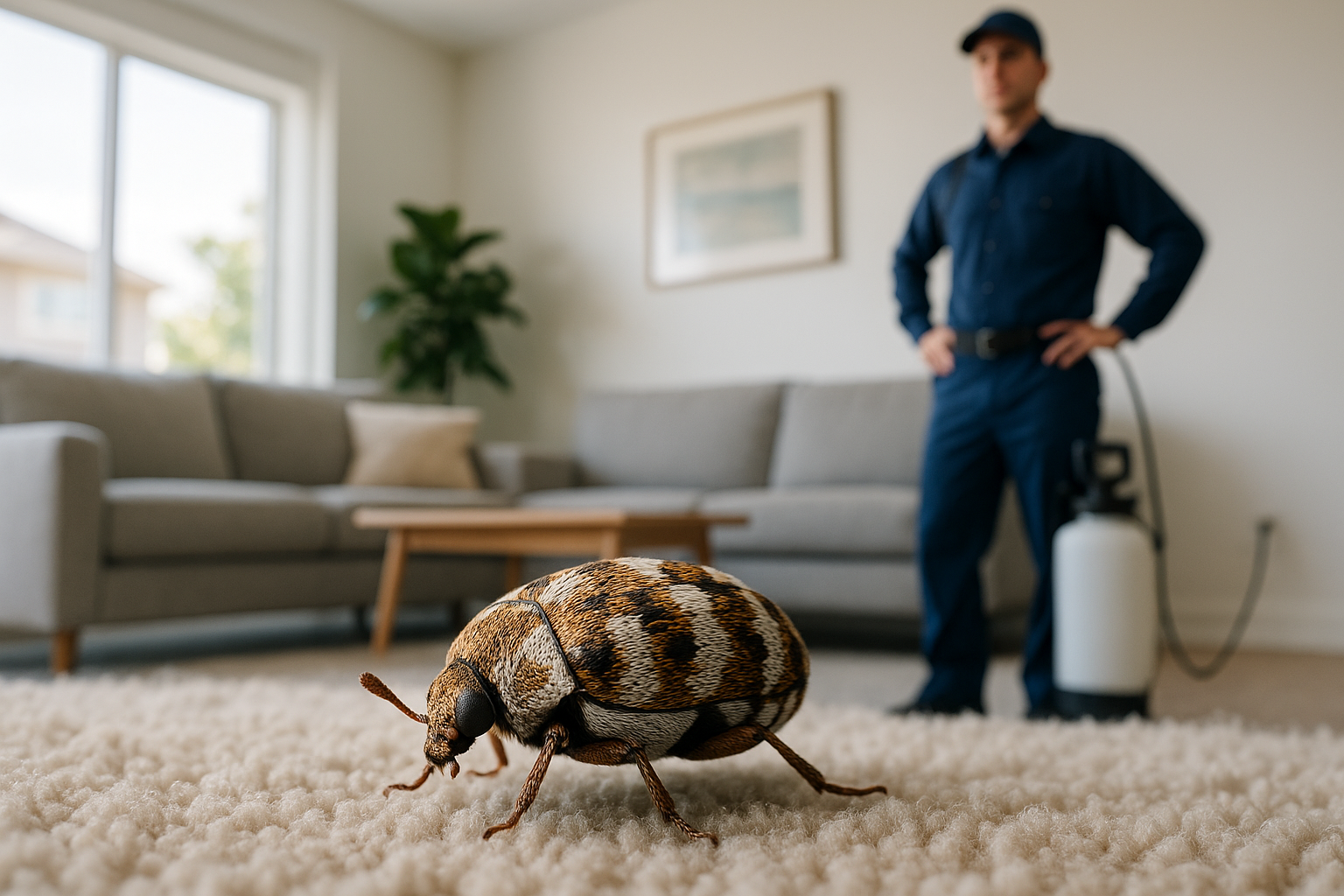
In Georgia homes the culprits are usually the Indian meal moth (Plodia interpunctella) and the common clothes moth (Tineola bisselliella). The pantry moth sports a striking amber‑brown forewing with a dark band, while the clothing moth is smaller, tan‑gray, and often goes unnoticed until it’s fluttering near a light source. Both species are harmless to people, but they can turn your pantry or wardrobe into a costly mess.
Life‑cycle stages you’ll actually see
Adults are the most visible, especially at night when they’re attracted to indoor lights. However, the real damage happens during the larval stage—tiny, creamy‑white caterpillars that chew through food kernels or fabric fibers. Eggs are minuscule (less than a millimeter) and are usually hidden in crevices, making them easy to miss. Knowing which stage you’re looking at helps you decide whether a simple cleanup will suffice or if professional treatment is needed.
Kitchen clues: what to watch for in your pantry
- Fine silk‑like webbing coating the tops of flour, cereal, or grain bins.
- Small, worm‑shaped larvae moving through powdered goods or clumped grains.
- Clusters of tiny, brown‑speckled pellets (larval droppings) on pantry shelves.
- Adult moths fluttering near windows, light fixtures, or the pantry doorway.
These signs often appear together; a single webbed flour bag usually means an established infestation.
Closet clues: spotting a clothing moth problem
- Silky tunnels or webbing woven into the seams of wool sweaters, scarves, or blankets.
- Brownish, pepper‑like pellets (larval frass) on the floor or in the corners of drawers.
- Visible holes or thinning spots in natural‑fiber garments.
- Adult moths that rise and flutter at dusk, often gathering near ceiling lights.
Because larvae hide deep within fabric folds, damage can go unnoticed for weeks, allowing the population to multiply rapidly.
Where these pests love to hide
Both species favor quiet, undisturbed areas where food or fiber is abundant. Common hiding spots include:
- Grain bins, cereal boxes, and opened bags of dried fruit or nuts.
- Pet food containers left on the floor.
- Wool or cashmere sweaters folded in dark closets.
- Carpets, especially those with a thick pile, and the undersides of upholstered furniture.
Why catching them early saves you time and money
Early detection means you can often eliminate a pantry moth problem with a thorough cleaning, airtight storage, and a few traps—no professional service required. Clothing moths, however, can cause irreversible damage to heirloom garments if left unchecked. The longer an infestation grows, the more extensive the treatment becomes, often requiring multiple visits, specialized insecticides, and even fabric replacement. Acting at the first sign of webbing or a stray adult moth can keep your home safe and keep your pest‑control bill low.
Conducting a Thorough Moth Inspection in Pantries and Closets

Gather Your Inspection Tools
Before you start, assemble a small kit that makes the job easier and keeps everything tidy. You’ll need:
- A bright flashlight – LED works best for spotting tiny webbing.
- A magnifying glass (2×–5×) to examine seams and grain surfaces.
- Resealable plastic bags for collecting suspect larvae or web fragments.
- Disposable gloves to protect your hands and prevent spreading eggs.
- A notebook or a notes app to record locations, types of evidence, and any damage.
Preparation: Clear the Area
Clear the space so you can see everything. In the pantry, pull every box, bag, and can off the shelves. Transfer dry goods into airtight containers; this not only protects them from further damage but also makes it easier to spot contamination. In closets, remove all garments, shoes, and storage bins. Lay fabrics on a clean white sheet or towel – the contrast helps highlight larvae or webbing.
Pantry Inspection Steps
- Visual sweep of dry goods. Scan each package for holes, torn seams, or powdery residue. Pay extra attention to flour, rice, cereals, and pet food, which are moth favorites.
- Check packaging seams. Use the magnifying glass to look for tiny entry points where adult moths could have laid eggs.
- Search corners and back walls. Shine the flashlight into every crevice; webbing often appears as fine, silvery threads in hidden corners.
- Shake out grains. Pour flour, rice, or beans onto a white plate or sheet. Any moving specks or silky threads become instantly visible.
- Inspect behind appliances. Pull the fridge or pantry door away from the wall and look under the edges. Moths love the darkness and warmth there.
Closet Inspection Steps
- Pull garments off hangers. Lay each piece flat and run your fingers over seams and folds. Look for tiny holes or a powdery residue that indicates larval feeding.
- Brush fabric surfaces. A soft brush can dislodge hidden larvae or web strands without damaging delicate fabrics.
- Use the flashlight for tunnels. Shine light along seams, especially in wool, silk, or cashmere. Moth larvae create narrow tunnels that appear as dark lines.
- Check under the mattress and carpet edges. These low‑traffic zones retain moisture and are prime real estate for moths.
- Inspect storage bins and shoe boxes. Open each container, flip it upside‑down, and look for webbing or frass (insect droppings).
Document Your Findings
As you move through the pantry and closet, jot down:
- Location – shelf number, closet corner, or appliance side.
- Type of evidence – webbing, larvae, eggs, or damaged product.
- Quantity – a few strands vs. a dense mat.
- Condition of items – note any food that smells off or clothing with visible holes.
This record helps you track the severity of the problem and provides useful information if you later decide to call a professional.
When to Call a Professional
DIY inspection is great for early detection, but certain signs mean it’s time to bring in the experts:
- Extensive webbing covering large surface areas.
- Large numbers of larvae or pupae that you can’t easily remove.
- Recurring infestations despite thorough cleaning and sealing.
- Damage to high‑value items such as heirloom fabrics or specialty pantry goods.
If any of these red flags appear, contact Anthem Pest Control at 877‑371‑8196. Our technicians can identify the species, apply targeted treatments, and set up a prevention plan to keep moths from returning.
Understanding Moth Inspection and Treatment Pricing Options
When a moth problem shows up, the first question most homeowners ask is, “How much will this cost?” The answer isn’t one‑size‑fits‑all because pricing hinges on three core variables: the severity of the infestation, the treatment method you choose, and the size of the property. Knowing what each pricing tier delivers helps you weigh value against expense and avoid surprise fees later on.
Why Prices Vary
Even two houses on the same block can require different budgets. A light, early‑stage infestation in a single closet will cost far less than a widespread problem that has spread to the attic, pantry, and multiple closets. Treatment method matters too—simple pheromone traps are cheaper than heat‑chamber treatments that protect clothing. Finally, larger homes need more technician time and more product, which naturally raises the bill.
Tier 1 – Inspection Only
This entry‑level option covers a thorough visual inspection of all vulnerable areas, a moisture check (since damp environments attract moths), and a detailed written report with recommendations. Typical pricing in Peachtree City ranges from $80 to $120. The main benefit is early detection; catching a problem before it spreads can save you hundreds in treatment costs down the road.
Tier 2 – Inspection + Treatment
Beyond the basic inspection, this tier adds targeted treatments. Technicians may deploy pheromone traps, apply aerosol sprays to infested zones, or use localized heat or freezing treatments for stored clothing and fabrics. Expect a price range of $200 to $350, depending on the number of treatment points and the method used. Most homeowners see a noticeable reduction in moth activity within a week, with full control achieved in 2–3 weeks.
Tier 3 – Full Service Package
The most comprehensive option bundles the inspection, all necessary treatments, follow‑up visits, and preventive measures such as storage recommendations and seasonal monitoring. It also includes a warranty—usually a 90‑day guarantee that any resurgence will be retreated at no extra charge. Pricing typically falls between $500 and $800, reflecting the added labor, equipment, and peace of mind.
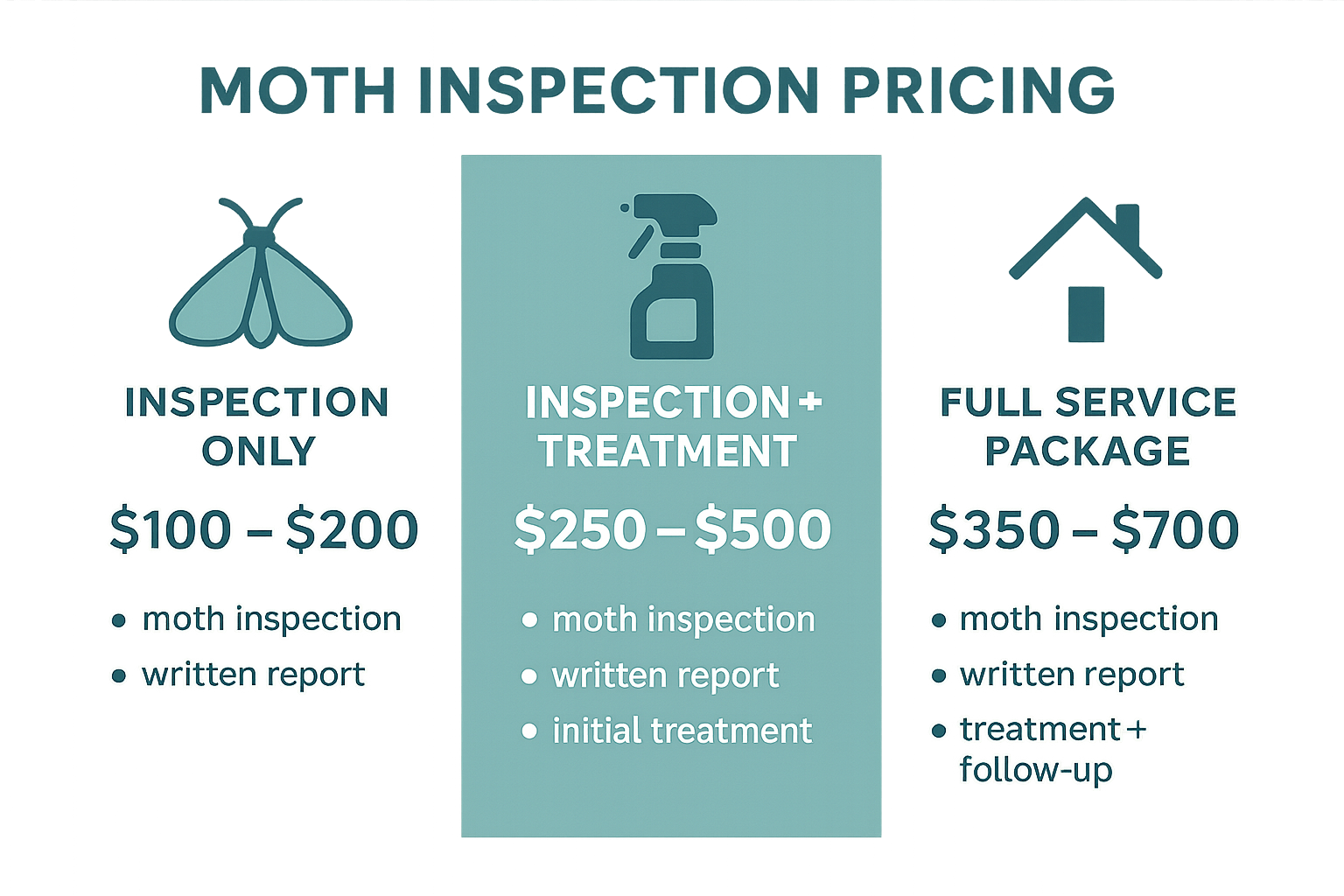
| Tier | What’s Included | Typical Price Range |
|---|---|---|
| Tier 1 – Inspection Only | Visual inspection, moisture check, written report | $80 – $120 |
| Tier 2 – Inspection + Treatment | All Tier 1 services + pheromone traps, aerosol sprays, heat/freezing for fabrics | $200 – $350 |
| Tier 3 – Full Service Package | All Tier 2 services + follow‑up visits, preventive advice, 90‑day warranty | $500 – $800 |
Key Factors That Influence Cost
- Infestation level: Light, moderate, or severe determines how many treatment cycles are needed.
- Moth species: Clothing moths often require heat treatment, while pantry moths may be handled with traps and baits.
- Specialized equipment: Heat chambers or freeze‑dry units add labor and rental fees.
- Geographic location: Travel time and local market rates in Peachtree City affect the base price.
How to Compare Quotes
When you gather estimates, look for an itemized list that spells out each service—inspection, specific treatments, follow‑up visits, and any warranties. Transparent quotes will also note guarantee periods and explicitly state that there are no hidden fees for things like “additional chemicals” or “extra travel.” Comparing at least three providers side‑by‑side lets you see which company offers the best blend of coverage and cost.
For a concrete example of local pricing, see the recent data compiled by Anthem Pest Control for Peachtree City, GA: Moth Control Cost in Peachtree City. Use that as a benchmark, but remember that your specific situation—size of home, type of moth, and urgency—will ultimately shape the final number.
Seasonal Patterns and Prevention Strategies for Indian Meal Moths
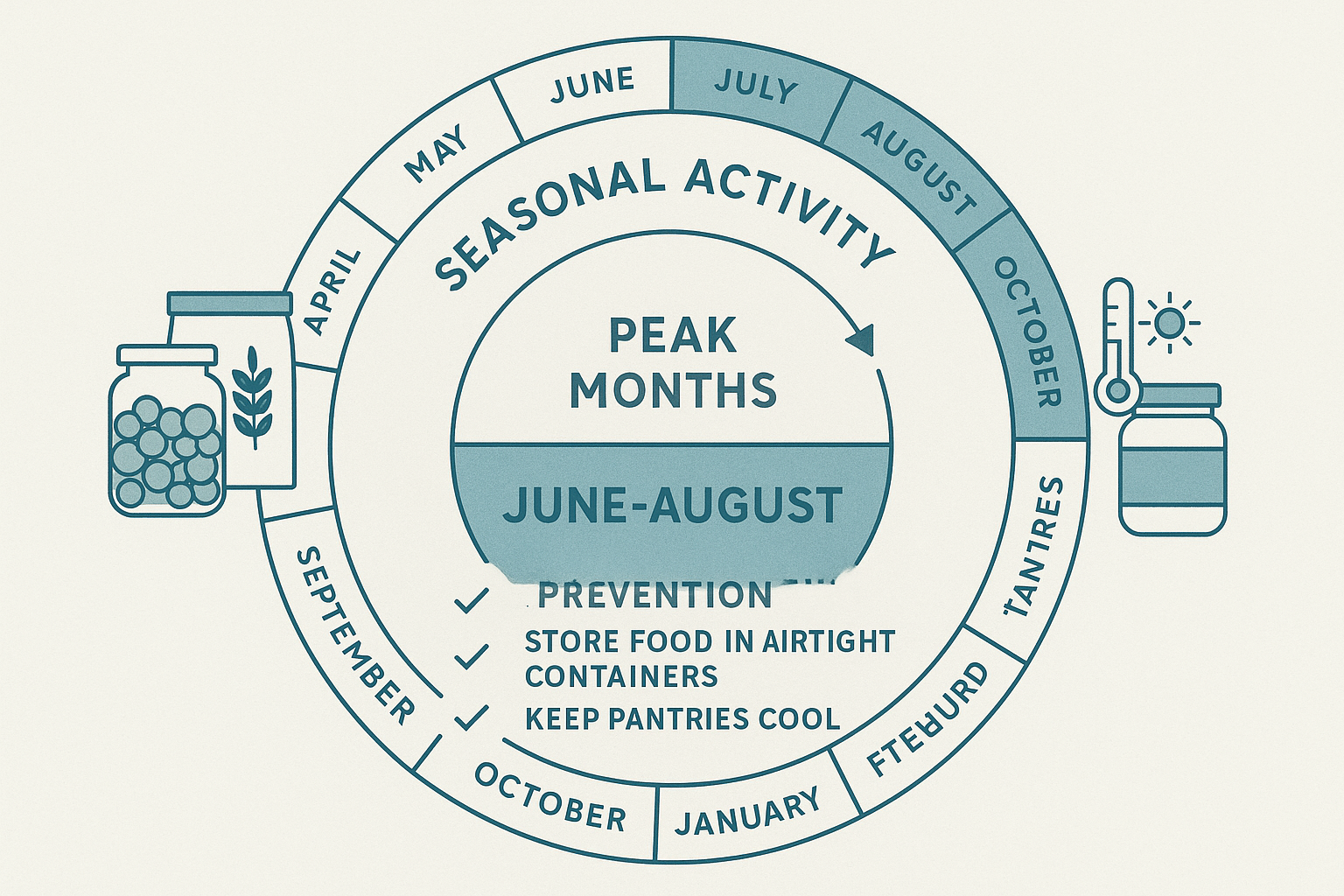
Understanding the Seasonal Activity Chart
Indian meal moths in Peachtree City follow a predictable rhythm driven by temperature and humidity. The chart below highlights the peak months—June through August—when warm, moist conditions accelerate egg development and larval growth. Cooler, drier periods in late fall and winter slow the life cycle, but the insects remain dormant in pantry corners, ready to erupt when conditions improve.
| Month | Activity Level |
|---|---|
| January | Low |
| February | Low |
| March | Moderate |
| April | Moderate |
| May | High |
| June | High |
| July | High |
| August | High |
| September | Moderate |
| October | Moderate |
| November | Low |
| December | Low |
Using the Circular Calendar to Stay Ahead
The circular calendar visualizes a year‑long prevention timeline. Mark the start of each season and schedule a pantry inspection + deep clean one month before the activity spikes. For example, plan a thorough sweep in late May, just before the June surge.
Setting reminders on your phone or calendar app helps you stay consistent without having to remember the exact dates. A proactive approach reduces the chance of a hidden infestation blooming during the summer heat.
Spring Prevention: Fresh Starts for Your Pantry
- Rotate stock: place newer items in front and move older packages to the back.
- Discard any flour, grains, or dried fruit that have sat for more than six months.
- Wipe shelves with a 1:1 vinegar‑water solution to break down residual pheromones.
- Transfer bulk grains into airtight glass jars or metal containers; these are impenetrable to moths.
Summer Strategies: Guarding the Peak Months
- Keep pantry doors closed whenever possible; a simple latch reduces accidental entry.
- Deploy pheromone traps on each shelf to catch wandering males before they breed.
- Monitor humidity with a small hygrometer; aim for 40‑50 % to discourage egg hatch.
- Avoid large bulk purchases that sit untouched for weeks; buy only what you’ll use within a month.
Fall Maintenance: Preparing for Holiday Storages
- Inspect all holiday foods—nuts, crackers, dried fruit—before they’re placed on the countertop.
- Vacuum cracks, crevices, and the backs of shelves to remove hidden larvae and webs.
- Replace old pheromone traps with fresh ones to maintain lure potency.
- Consider a professional preventive treatment from Anthem Pest Control before you begin winter storage; a targeted barrier can stop any lingering moths.
Winter Considerations: Keeping the Home Stable
- Limit indoor heating fluctuations; extreme temperature swings can create micro‑climates where moths thrive.
- Store winter clothing in breathable garment bags rather than plastic; moths love the static‑charged environment of sealed bags.
- Run a final vacuum of closets and pantry corners before the heating season fully kicks in, removing any stray eggs or larvae.
- Maintain a low humidity level (under 50 %) with a dehumidifier if your home tends to get damp during winter.
Protect Your Home with Professional Moth Control from Anthem Pest Control
Early detection, a thorough inspection, and seasonal prevention are the three pillars that keep moths from turning your pantry or closet into a feeding ground. Catching a problem before larvae spread saves you time, money, and the frustration of replacing damaged fabrics or food.
Benefits of Hiring a Licensed Professional
- Guaranteed eradication: Certified technicians use proven protocols that home‑grown remedies often miss.
- Safe treatment methods: EPA‑approved products and heat‑based options protect children, pets, and indoor air quality.
- Customized prevention plan: Your home’s layout, construction year, and local climate shape a strategy that works long‑term.
- Ongoing monitoring: Regular check‑ins catch re‑infestations before they become visible.
What Anthem Pest Control Offers
- Comprehensive inspection: Flashlights, moisture meters, and pheromone traps locate hidden larvae.
- Targeted treatment options: Heat treatment for delicate garments, low‑toxicity chemicals for pantry infestations, or organic botanicals for eco‑conscious households.
- Follow‑up visits: Verify success and adjust the prevention plan as needed.
- Transparent pricing: No hidden fees—know exactly what you’re paying for.
Your family’s health is our top priority. All treatments are applied according to strict safety guidelines, and we provide clear post‑treatment instructions so you can resume normal life with confidence. Whether you have curious pets or small children, our methods are designed to minimize exposure while delivering maximum impact.
Ready to protect your home? Call us today at 877‑371‑8196 for a free, no‑obligation quote or to schedule an on‑site inspection. Our friendly staff will walk you through the process and set up a convenient appointment.
Whether you’re dealing with a single pantry box or a whole wardrobe, Anthem’s experts are ready to restore peace of mind. Our technicians combine local knowledge with industry‑leading techniques to keep moths out of your home for good.