
Why Mice Are a Hidden Threat in Your Home
Common House Mice in the United States
Most homeowners encounter two species that thrive in our walls and attics: the house mouse (Mus musculus) and the deer mouse (Peromyscus maniculatus). The house mouse is the classic gray-brown intruder that loves to nest near food sources, while the deer mouse—often lighter in color—prefers cooler, more secluded spaces such as basements and crawl spaces. During a professional mouse inspection Suwanee homeowners schedule, technicians often find that both species are adept at squeezing through openings as small as a quarter-inch, which makes prevention a game of “find the crack before the mouse does.”
Health Hazards
Mice are more than a nuisance; they are vectors for serious diseases. According to the CDC, mice can spread Hantavirus, leptospirosis, and salmonella through urine, droppings, and contaminated food. The EPA warns that even brief exposure to mouse droppings can trigger respiratory issues and allergic reactions. Imagine a child reaching for a snack that’s been brushed aside by a mouse—those invisible microbes can quickly turn a simple bite into a medical emergency.
Structural Damage
Rodents have a relentless need to gnaw, and that instinct doesn’t stop at cardboard boxes. Mice will chew through electrical wiring, compromising fire safety and increasing the risk of short circuits. Their constant nibbling on insulation reduces energy efficiency, while damage to drywall and wooden framing can go unnoticed until a hole appears. In kitchens, they tear open food packaging, contaminating pantry staples and creating a cascade of spoilage.
Financial Impact
The hidden costs of a mouse infestation add up fast. Repairs to wiring, insulation, and structural components can range from a few hundred to several thousand dollars, depending on the severity. Lost or contaminated food inventory forces homeowners to replace groceries that would otherwise have lasted weeks. A study by the National Pest Management Association (NPMA) estimates that the average U.S. household spends between $200 and $500 each year on mouse‑related damage and remediation.
Psychological Stress
Beyond the tangible damage, mice create an undercurrent of anxiety. Hearing the faint scurrying in walls at night, discovering droppings in the pantry, or spotting a fresh gnaw mark can erode a homeowner’s sense of safety. That stress often leads to sleepless nights, heightened vigilance, and a feeling of losing control over one’s own home—an emotional toll that is hard to quantify but very real.
Quick Statistic
According to NPMA data, more than 60 % of U.S. households report at least one mouse sighting per year, and the cumulative national expense for mouse damage exceeds $2 billion annually. Those numbers illustrate that mice aren’t an isolated problem; they’re a nationwide financial and health burden that can strike any home, especially in regions like Suwanee, Georgia, where mild winters keep rodents active year‑round.
Recognizing these risks early is the first line of defense. Look for tell‑tale signs—tiny droppings, gnaw marks, and faint scratching sounds—before the problem escalates into costly repairs and health scares. The next step is to learn how to spot an infestation early and decide when it’s time to call a professional for a thorough mouse inspection.
Spotting the Signs of a Mouse Infestation
What a mouse leaves behind
When a mouse takes up residence, it leaves a trail of evidence that’s surprisingly easy to spot if you know where to look. Fresh droppings are the most common giveaway—tiny, dark pellets about the size of a grain of rice, often found along baseboards, under appliances, or inside cabinets. Look for gnaw marks on wood, plastic, or wiring; mice have a relentless need to chew, and the bite edges are usually clean and shallow. Shredded packaging, especially from food boxes or paper products, can appear as a nest‑like mess, while soft nesting material—such as shredded tissue, cotton, or even dried pet fur—often gathers in hidden corners.
Listen for the tiny footsteps
Unlike larger rodents, mice are stealthy, but they can’t hide the sound of their nightly activity. A faint scratching or scurrying noise emanating from walls, ceilings, or attic spaces is a strong auditory clue, particularly after the house has settled down for the night. If you hear rapid, high‑pitched squeaks or the soft patter of tiny feet on insulation, it’s likely a mouse moving through concealed pathways. Turning off lights and listening for a few minutes in a quiet room can help you pinpoint the source.
A nose for trouble
Beyond sight and sound, a musky, almost sweet odor can betray a mouse problem. The scent is produced by their urine and gland secretions, and it becomes noticeable when the infestation grows beyond a few individuals. If you detect an unfamiliar, lingering “musty” smell in the kitchen, pantry, or near stored food, treat it as a red flag and investigate the surrounding areas for the visual signs described above.
Mouse vs. other pests
Distinguishing mouse activity from that of rats, insects, or even squirrels prevents unnecessary treatments. The table below highlights the key differences you’ll encounter during a routine inspection.
| Indicator | Mice | Rats | Insects (e.g., cockroaches) |
|---|---|---|---|
| Dropping size | 1/4–1/2 inch, rice‑shaped | 1/2–3/4 inch, larger and darker | None (may see frass) |
| Gnaw marks | Fine, clean cuts | Deep, rough gouges | Usually none |
| Nesting material | Soft fibers, shredded paper | Coarser, larger debris | Silk threads (e.g., spiders) |
| Sound | High‑pitched scurrying, mostly at night | Louder footfalls, may be heard during day | Cracking or rustling from insects |
| Odor | Musky, sweetish | Stronger, more pungent | Usually none |
Hotspots in a typical Suwanee home
In Suwanee’s climate, mice tend to gravitate toward warm, sheltered areas where food and water are readily available. The kitchen and pantry are the first line of defense—crumbs, open cereal boxes, and pet food bowls create an inviting buffet. Attics and basements offer quiet darkness and easy access to structural voids, while wall cavities provide hidden highways between rooms. To visualize these zones, refer to the floor‑plan illustration below; it marks the most common “hotspots” where you should focus your inspection.

Quick “signs sweep” checklist
Take a few minutes each week to run through this checklist room by room. Mark any findings on a notepad or your phone, and share them with a professional if the evidence points to a growing problem.
- Kitchen & pantry: Check under the sink, behind the refrigerator, and inside pantry shelves for droppings or gnaw marks.
- Living areas: Examine baseboards, behind furniture, and in entertainment centers for shredded material.
- Bedrooms: Look under the bed, inside closets, and along the edges of walls for nesting debris.
- Attic & basement: Scan insulation, rafters, and storage boxes for fresh droppings and chew damage.
- Exterior entry points: Inspect around vents, utility openings, and foundation cracks for fresh gnaw marks or shredded entry‑way insulation.
- Auditory check: After dark, pause in a quiet room and listen for the faint rustle of tiny paws.
- Odor assessment: Take a slow breath near suspected zones; a subtle, musky scent is a strong indicator.
Mapping Entry Points and Conducting a Thorough Inspection
Why Mapping Entry Points Matters
Before you can seal a mouse problem, you must know exactly where the critters are getting in. A clear map of every opening turns a vague “we think they’re inside” into a concrete action plan. It lets a technician focus treatment on the real trouble spots, reduces the number of follow‑up visits, and ultimately saves you money.
Step‑by‑Step Inspection Routine
1. Exterior Survey
Start at the foundation and work clockwise around the house. Look for:
- Cracks wider than a pencil tip in concrete or brick.
- Unsealed gaps around utility lines, sewer pipes, and vent pipes.
- Openings where the roof overhang meets the siding.
- Door sweeps that are missing, torn, or not making contact with the floor.
These are the most common highways for mice to travel from the yard to your living space.
2. Interior Survey
Inside, follow the same logic—inspect where walls meet the floor and where food is stored. Key places include:
- Baseboards and trim, especially where they are loose or painted over.
- Cabinets and pantry shelves; pull them out to see behind the doors.
- Behind appliances such as refrigerators, stoves, and dishwashers, where heat and shelter attract rodents.
- Wall cavities accessed through vent covers or unfinished drywall.
Use a flashlight and a small inspection mirror to peer into tight spaces. Any gnaw marks, fresh droppings, or shredded material are immediate red flags.

Using a Technician’s Perspective
A professional pest‑control tech doesn’t just glance at a room; they look for subtle clues that indicate mouse traffic. Notice the direction of droppings (they’re usually found near walls, not in the middle of a floor), the presence of gnaw‑through insulation, and the condition of wiring—chewed wires can cause electrical hazards. The image above shows a technician carefully pulling a cabinet door to expose a hidden gap, the exact kind of opening you want to mark on your map.
Creating a Simple Entry‑Path Map
If you still have the floor‑plan illustration from Part 2, grab a printed copy or open it on a tablet. Use a colored marker or a digital drawing tool to trace each potential entry point you discovered. Assign a symbol for each type of opening—crack, vent, door sweep, etc.—and label them with numbers that correspond to your notes.
Here’s a quick method:
- Mark the exterior perimeter first; number each crack or gap.
- Move inside and continue numbering, but use a different color for interior sites.
- Draw arrows from each interior point back to the nearest exterior opening to illustrate the likely travel route.
This visual schematic becomes a communication shortcut when you call Anthem Pest Control. Technicians can see at a glance where you’ve already inspected and where they should focus their treatment.
Tools of the Trade
- Flashlight: A high‑lumens LED light reveals droppings and gnaw marks in dark corners.
- Inspection mirror: A 12‑inch flexible mirror lets you see behind appliances without moving them.
- Motion‑activated cameras: Small battery‑powered cameras can be placed near suspected entry points to capture nocturnal activity.
- Gloves and a dust mask: Protect yourself from dust, allergens, and potential pathogens in mouse droppings.
Documenting Findings
Take a photo of every suspect opening—your phone’s camera is fine as long as the image is clear. Pair each photo with a brief note that includes the location (e.g., “North wall, kitchen, 2 ft left of sink”) and the type of damage observed. Then attach these notes to your entry‑path map. When you hand the package to a pest‑control professional, they’ll have a ready‑made briefing that speeds up diagnosis and treatment.
Red Flags That Signal a Severe Infestation
Not all sightings mean a minor problem. Watch for these warning signs that suggest a larger, active colony:
- Multiple active entry points discovered in a single inspection.
- Large, fresh piles of droppings (about the size of a grain of rice) near food storage areas.
- Gnaw‑through electrical wiring or insulation, which can cause short circuits or fire hazards.
- Visible nesting material—soft shredded paper, fabric, or insulation—especially in wall cavities or attic spaces.
If any of these appear, it’s time to call Anthem Pest Control immediately. Our technicians will use the map you created to prioritize sealing, baiting, and, if necessary, structural repairs.
Seasonal Mouse Activity and When to Act
Understanding when mice are most active lets you stay one step ahead of an infestation. Mice follow a predictable rhythm tied to temperature, food availability, and breeding cycles. By syncing a professional mouse inspection Suwanee homeowners rely on with these natural patterns, you reduce the chance of surprise sightings and keep your home safer year-round.
Life Cycle and Breeding Peaks
House mice (Mus musculus) mature in as little as six weeks and can produce up to ten litters annually, each with 5‑8 pups. The breeding surge typically begins in early spring when temperatures rise above 50 °F (10 °C). This is when populations expand rapidly, and new families seek shelter close to food sources—often right inside your kitchen.
Seasonal Activity Chart

The infographic visualizes the four key phases of mouse activity: a spring surge, steady summer presence, fall nesting, and winter indoor migration. Use it as a quick reference when planning inspections or discussing timing with a pest‑control professional.
Weather’s Role in Entry Behavior
Cold snaps push mice to seek the warmth of heated structures. When outdoor temperatures dip below 40 °F (4 °C), mice increase their search for cracks, vents, and utility openings. Conversely, hot, dry summer days can drive them toward cooler basements or crawl spaces where moisture accumulates. Monitoring local weather trends helps you anticipate when mice are most likely to test your home’s defenses.
Regional Nuances: North vs. South
In northern states, mice endure a pronounced winter lull outdoors, so indoor migration peaks between November and February. Southern regions experience milder winters, allowing mice to remain active outdoors longer; however, they still move indoors during heavy rains or extreme heat. For Suwanee, Georgia, expect a blended pattern—early spring breeding, summer activity, and a noticeable indoor shift as temperatures fall below 50 °F.
Optimal Inspection Schedule
- Early Spring (March‑April): Conduct a pre‑emptive seal‑up and full‑home inspection. Focus on gaps around foundations, utility penetrations, and attic vents.
- Late Summer (August‑September): Perform a follow‑up treatment after the primary breeding peak. Target hidden nesting sites in insulation, wall voids, and crawl spaces.
- Fall (October‑November): Reinforce entry‑point sealing before winter. Check exterior siding, door sweeps, and garage doors for new cracks caused by seasonal expansion.
Season‑Specific Homeowner Tips
- Spring:
- Store pantry items in airtight containers to limit easy food sources.
- Trim vegetation away from the house foundation to reduce bridge pathways.
- Summer:
- Keep outdoor garbage bins sealed and away from doors.
- Inspect and clean dryer vents; mice love the warm, confined space.
- Fall:
- Seal any newly discovered cracks before the first frost.
- Check stored firewood stacks for mouse activity; move them away from the house.
- Winter:
- Examine heating ducts and furnace filters for gnaw marks.
- Use bait stations in concealed areas only if you’re comfortable handling rodenticides; otherwise, call a professional.
Guidelines from EPA and NPMA
The Environmental Protection Agency (EPA) and National Pest Management Association (NPMA) both recommend timing interventions to coincide with peak activity periods. EPA’s Integrated Pest Management (IPM) framework stresses early detection, targeted treatment, and ongoing monitoring—principles that align perfectly with the seasonal schedule outlined above. Following these best‑practice guidelines not only improves effectiveness but also minimizes pesticide exposure for you and your family.
Treatment Options, Pricing, and What to Expect
Overview of Treatment Modalities
When it comes to mouse control in Suwanee, you have three primary toolkits to choose from. Traps—including snap, live-catch, and electronic models—provide immediate, visible results and are ideal for spot treatments identified during a professional mouse inspection Suwanee homeowners schedule. Bait stations and rodenticides work on a “hunt-and-kill” principle, delivering a slow-acting poison that mice carry back to hidden nests; these products must be placed in EPA-approved stations and handled with strict safety protocols, especially around children and pets. Finally, many professionals advocate an Integrated Pest Management (IPM) approach, which blends exclusion (sealing entry points), sanitation (removing food and clutter), and ongoing monitoring to keep rodents out for the long term.
DIY vs. Professional Services: Pros and Cons
- DIY
- Low upfront cost—most traps and baits are under $30.
- Immediate control if you locate the mouse activity.
- Risk of improper placement, leading to ineffective results or accidental exposure to pets.
- Time‑consuming: you must monitor, reset, and replace traps regularly.
- Professional Service
- Technicians conduct a thorough inspection, identifying hidden entry points most homeowners miss.
- Access to EPA‑registered rodenticides and proprietary bait stations that are safer when applied correctly.
- Customized IPM plan that includes sealing, sanitation advice, and scheduled follow‑ups.
- Higher upfront cost, but typically delivers faster, more permanent results.
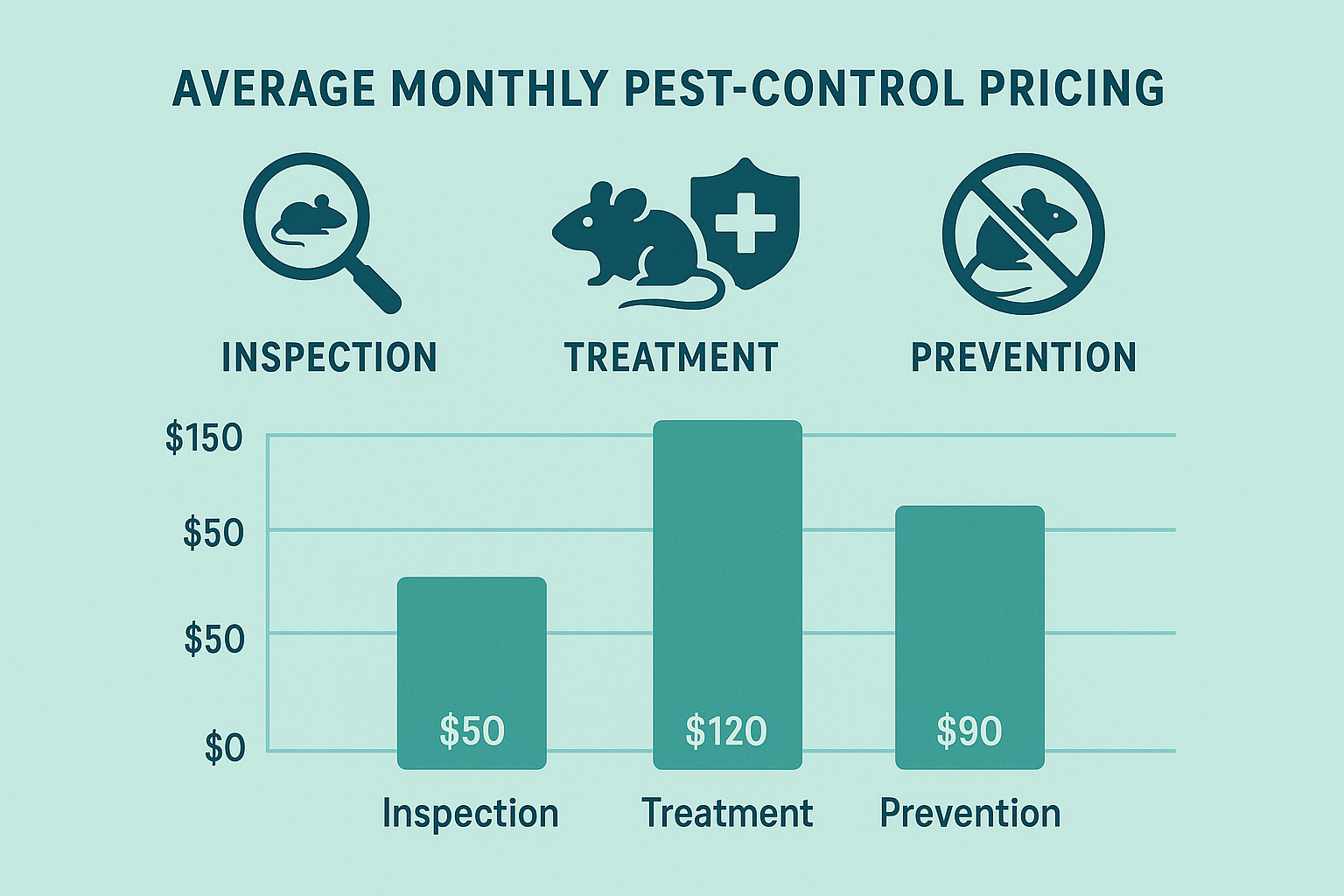
Typical Cost Ranges in Suwanee
- Inspection fee: $75 – $120 for a 30‑minute on‑site assessment, including a written report.
- One‑time treatment package: $250 – $450, covering trap placement, bait stations, and basic exclusion work.
- Quarterly prevention plan: $180 – $300 per visit, which includes monitoring, replenishing baits, and seasonal sealing.
- Additional sealing or structural repairs: $50 – $150 per hour, depending on the complexity of the job (e.g., attic access, foundation cracks).
What Homeowners Can Expect During a Professional Visit
First, the technician will walk you through a detailed inspection report that pinpoints activity hotspots and potential entry points. Next, they’ll outline a tailored treatment plan—whether that means setting snap traps in high‑traffic zones, installing tamper‑proof bait stations, or sealing gaps larger than ¼ inch. After the initial treatment, most companies schedule a follow‑up within 7‑10 days to assess efficacy, replace consumables, and fine‑tune the IPM strategy. All paperwork, including a service agreement and warranty information, is provided in clear, jargon‑free language.
Transparent Pricing Builds Trust
At Anthem Pest Control, we believe that clear, upfront pricing eliminates surprise fees and fosters confidence. Our estimates for mouse inspection Suwanee homeowners request align with NPMA pricing guidelines, which advocate for itemized quotes that separate inspection, treatment, and any ancillary work. When you see exactly where each dollar goes—whether it’s a $45 sealant kit or a $120 bait station bundle—you can make informed decisions about the level of protection you need.
Frequently Asked Questions
- Will my pets be safe? Yes. Professionals use EPA‑registered bait stations that are tamper‑resistant, and any rodenticides are placed in locations inaccessible to pets. We also recommend a short “pet‑free” window (usually 2‑4 hours) after treatment for added peace of mind.
- How long until mice are gone? Most homeowners see a noticeable drop in activity within 48‑72 hours after the first treatment. Full eradication typically requires 1‑2 weeks of consistent monitoring and follow‑up visits, especially if the infestation is extensive.
- Do I need repeat visits? For a one‑time treatment, a single follow‑up is often enough. However, a quarterly prevention plan dramatically reduces the chance of re‑infestation, especially during peak mouse season (late summer through early winter).
Prevention Strategies and Choosing Professional Help
1. Home Sanitation Best Practices
Mouse activity often begins where food and shelter intersect. Store pantry items in airtight containers, seal bags tightly, and keep countertops free of crumbs. Dispose of garbage daily in bins with snug‑fitting lids, and sweep pet food dishes after each meal. Decluttering—especially in basements, attics, and garages—removes hidden nesting sites and makes it easier to spot early signs of rodent activity.
2. Structural Exclusion Techniques
Denial of entry is the most effective long‑term defense. Follow these steps to fortify your home’s envelope:
- Seal cracks and gaps with a combination of steel wool and high‑quality caulk; steel wool blocks the passage while caulk holds it in place.
- Install door sweeps on all exterior doors and attach vent covers to any openings that lead to the outside.
- Repair damaged screens, weather‑stripping, and roofing material to eliminate tiny holes that mice can squeeze through.
3. Landscape Considerations
The yard is an extension of your home’s defense line. Trim trees, shrubs, and vines at least 12 inches away from the foundation to prevent bridges for rodents. Remove leaf piles, wood debris, and other clutter that can serve as temporary shelters. If you compost, keep the bin at least three feet from the house, use a sealed lid, and turn the material regularly to discourage nesting.
4. Monitoring Tools
Early detection gives you the upper hand. Place glue boards along walls, behind appliances, and near suspected entry points; check them weekly and replace as needed. Motion‑sensor stations provide real‑time alerts when activity spikes, allowing you to intervene before a full‑blown infestation takes hold. Schedule a quick visual inspection of your home’s interior and exterior every quarter to catch any new openings.
5. Red Flags When Evaluating Pest‑Control Companies
Not every service provider follows the same standards. Keep an eye out for these warning signs:
- Lack of proper licensing or certifications from state and national pest‑management associations.
- Use of unregistered or off‑label chemicals that are not EPA‑approved for residential use.
- Absence of a written guarantee or vague “best effort” promises that leave you without recourse.
- Hidden fees, unclear pricing structures, or pressure to purchase unnecessary add‑ons.
- Negative online reviews that consistently mention missed appointments or ineffective treatments.
6. How Anthem Pest Control Meets These Standards
Choosing a partner you can trust eliminates guesswork. Anthem Pest Control distinguishes itself by:
- Licensed technicians who hold state certifications and ongoing training in rodent exclusion.
- EPA‑compliant treatment options that protect your family, pets, and the environment while delivering proven results.
- Transparent, flat‑rate pricing—no surprise surcharges, and every quote includes a detailed work plan.
- Written guarantees that outline the exact steps taken and the remediation process if mice return within the guarantee period.
7. The Advantage of a Pre‑Emptive Service Plan
Seasonal mouse activity in Suwanee peaks in the cooler months, but waiting until you see droppings can mean costly damage. A pre‑emptive service plan spreads inspections, exclusion work, and monitoring throughout the year, keeping your home sealed before mice even think about moving in. By locking in a schedule now, you lock out the pests—and lock in predictable, affordable pricing.
Protect Your Home with Anthem Pest Control Today
Early detection, timely seasonal action, professional treatment, and ongoing prevention are the pillars of a mouse‑free home. By spotting activity early and acting before peak nesting months, you stay one step ahead of the problem.
Why Choose Anthem?
- Nationwide coverage with local expertise in rodent control.
- EPA‑approved, pet‑ and child‑safe methods.
- Transparent, upfront pricing and a free on‑site quote.
- Guaranteed results or we return at no extra cost.
Our pricing is flat‑rate, so you’ll never face hidden fees, and every treatment comes with a satisfaction guarantee.
Our team makes scheduling effortless—just call or click, and we’ll arrange a thorough inspection at a time that fits your busy life. No high‑pressure sales pitch, just a clear plan to keep mice out of your walls and pantry.
Need help right now? Call us at 877‑371‑8196 for immediate assistance.
Visit Anthem Pest Control to book your free quote and schedule a professional mouse inspection Suwanee homeowners trust to protect their home today.